democracynow.org
Stories:

Mystery Meat: After WTO Ruling, U.S. Tosses Meat Origin Labeling Law, Leaving Consumers in the Dark
As TransCanada files a NAFTA claim for $15 billion against the U.S. government over the rejection of the Keystone XL pipeline, we turn to another case in which massive trade agreements have infringed on the U.S. government’s ability to pass legislation. In December, Congress passed a spending bill that included a repeal of a law requiring meat to be labeled with its country of origin. The repeal of the legislation came after the World Trade Organization threatened to impose billion-dollar sanctions against the United States, saying the label law violated trade deals. According to Lori Wallach of Public Citizen’s Global Trade Watch, this type of infringement is just the beginning if the Trans-Pacific Partnership is approved.
TRANSCRIPT
This is a rush transcript. Copy may not be in its final form.
AMY GOODMAN: Since we’ve last talked, the WTO issued a major decision around meat. Can you explain its significance and how it fits into the story?
LORI WALLACH: So, that’s what I was mentioning before. So, you know, everyone go—you go to the grocery store, if you’re a meat eater, and you pick up the package, and it says where the meat was born, raised and processed. And that is a huge fight. It took 50 years for us consumer groups to actually get mandatory country-of-origin labeling for meat. And that was enacted in the 2008 Farm Bill. So, we’ve all been using that. It also is very helpful, because you know if there’s been a food safety outbreak someplace, you know don’t buy from there. It also helps with tracing, because if, for instance, hamburger is mixed from 50 different countries, you’d have to list all the countries, so it creates an incentive to actually know where the meat comes from, as well as gives us consumers the information to make informed choices.
The World Trade Organization recently issued a final ruling saying, unless we ixnay that law, we were going to face billions in trade sanctions. And the history of this is, the U.S. meatpacking industry, plus their Canadian and Mexican counterparts, didn’t want this law. And they tried in federal court. They tried to fight us in Congress. It only took 50 years, we finally won. The law becomes the law of the land. And the polling shows 90 percent of Americans love that law. Well, when they couldn’t win in the democratic process of our courts, of our Congress, these interests went to a trade tribunal. Mexico and Canada challenged the law at the WTO in one of the trade tribunals, saying this violates the U.S. obligations at the WTO. And the tribunal, one tribunal after another after an appellate one, they said yes. The U.S. government even changed the law to address the technical errors that the WTO tribunal pointed out. And again, we lost the appeal. So, basically, Canada and Mexico, at the end, were in a position, because this is how it works, to say to the U.S., "Either kill the law or pay $2 billion in trade sanctions every year"—every year—for the right of knowing where our meat comes from. And the Congress said, "Oh, oh, my god, trade war. Let’s avoid the sanctions." And they gutted the law. So, if you go to the grocery store now, you’re going to notice that’s gone.
That is a real, live example of our day-to-day lives—not about jobs, but our day-to-day food, the environment—being undermined by these agreements. And if TPP is allowed to go through, imagine that on steroids. We have the ability to stop TPP by getting our representatives now, in this election year coming up, when they’re most sensitive, to commit to voting no. But it’s on us, because in our country is where it can be stopped. And we can do this. It’s already—there are a lot of members of Congress who don’t like the agreement. But using this TransCanada case, using the meat example, those are real ways we can help educate our neighbors, our friends, about what the risk is. Everyone knows TPP means more job offshoring and lower wages, but it’s more than that. That’s terrible, and it’s all these other things, too. And if we educate people and aim them at our members of the House of Representatives to get commitments to vote no, we can avoid doubling down on this disaster.
AMY GOODMAN: Lori Wallach, I want to thank you for being with us, director of Public Citizen’s Global Trade Watch.
This is Democracy Now! When we come back, the North Korean bomb test. What does it mean? And what does it mean for nuclear politics worldwide? Stay with us.
... Read More →
TransCanada Sues the U.S. for $15B for Rejecting Keystone XL. Will This Be the New Normal Under TPP?
On Wednesday, TransCanada Corporation filed a lawsuit in U.S. federal court alleging President Obama’s rejection of the Keystone XL pipeline exceeded his power under the U.S. Constitution. TransCanada also filed legal action under the North American Free Trade Agreement, or NAFTA, claiming the pipeline permit denial was "arbitrary and unjustified." It’s seeking $15 billion as part of its NAFTA claim. TransCanada’s lawsuit comes just days before President Obama’s final State of the Union address, where he’s anticipated to tout his controversial Trans-Pacific Partnership, or TPP, deal. The secretive trade pact between the United States and 11 Pacific Rim nations could govern up to 40 percent of the world’s economy. After TransCanada announced its lawsuit on Wednesday, the group Friends of the Earth released a statement saying, "This is why Friends of the Earth opposes the Trans-Pacific Partnership and other trade agreements, which allow companies and investors to challenge sovereign government decisions to protect public health and the environment." For more, we’re joined by Lori Wallach, the director of Public Citizen’s Global Trade Watch.
TRANSCRIPT
This is a rush transcript. Copy may not be in its final form.
AMY GOODMAN: TransCanada Corporation has sued the U.S. government over its rejection of the Keystone XL pipeline. On Wednesday, it filed a lawsuit in U.S. federal court alleging President Obama’s rejection of the pipeline exceeded his power under the U.S. Constitution. TransCanada also filed legal action under NAFTA, the North American Free Trade Agreement, claiming the pipeline permit denial was, quote, "arbitrary and unjustified." It’s seeking $15 billion as part of its NAFTA claim.
President Obama rejected the cross-border crude oil pipeline in November, after years of review and one of the most vocal grassroots campaigns this country has seen in decades. At the time, he said approving Keystone would undermine global efforts to stop climate change.
PRESIDENT BARACK OBAMA: America is now a global leader when it comes to taking serious action to fight climate change. And frankly, approving this project would have undercut that global leadership. And that’s the biggest risk we face: not acting. Today, we’re continuing to lead by example, because, ultimately, if we’re going to prevent large parts of this Earth from becoming not only inhospitable but uninhabitable in our lifetimes, we’re going to have to keep some fossil fuels in the ground, rather than burn them and release more dangerous pollution into the sky.
AMY GOODMAN: The Keystone XL pipeline would have sent 830,000 barrels of crude every day from Alberta’s oil sands to refineries on the U.S. Gulf Coast. TransCanada’s lawsuit comes just days before President Obama’s final State of the Union address, where he’s anticipated to tout his controversial Trans-Pacific Partnership, or TPP, deal. The secretive trade pact between the United States and 11 Pacific Rim nations could govern up to 40 percent of the world’s economy. After TransCanada announced its lawsuit Wednesday, the group Friends of the Earth released a statement saying, quote, "This is why Friends of the Earth opposes the Trans-Pacific Partnership and other trade agreements, which allow companies and investors to challenge sovereign government decisions to protect public health and the environment."
Well, Democracy Now! invited TransCanada to join us on the show today, but the company declined, citing pending litigation. In a statement, it said, quote, "TransCanada has undertaken a careful evaluation of the Administration’s action and believe there has been a clear violation of NAFTA and the U.S. Constitution in these circumstances."
Well, for more, we go to Washington, D.C., where we’re joined by Lori Wallach, director of Public Citizen’s Global Trade Watch, the author of The Rise and Fall of Fast Track Trade Authority.
Lori, welcome back to Democracy Now! Talk about your reaction to the TransCanada suit.
LORI WALLACH: Well, what it boils down to is a foreign corporation deciding that the U.S. taxpayers ought to give them $15 billion because they don’t like the outcome of our government decision that this pipeline was bad for our country and bad for the environment. And where they’re going to get this money extracted from us is an extrajudicial—not U.S. court, not U.S. law—forum: the investor-state tribunal allowed under NAFTA. And the U.S. has faced about a dozen of these attacks under NAFTA, all from Canada, but we have 50 agreements that have this outrageous system. Hardly any of those countries with those agreements actually have investors here. So, up to now, we haven’t lost one of these cases; however, the Trans-Pacific Partnership, overnight, if implemented, would double our liability. Right now, 50 agreements, about 9,000 companies are cross-registered from one of those countries that we have the agreement with operating in the U.S. to attack our laws in these tribunals. Overnight, the TPP would give 9,500 more companies—big multinationals from Japan, in banking, in manufacturing, mining firms from Australia—the right to do this. So this case, hopefully, is like the canary in the coal mine letting us know what we’d be getting into.
AMY GOODMAN: In May, President Obama delivered a speech at Nike in Beaverton, Oregon, where he defended the pending Trans-Pacific Partnership trade deal.
PRESIDENT BARACK OBAMA: Critics warn that parts of this deal would undermine American regulation, food safety, worker safety, even financial regulations. This—they’re making this stuff up. This is just not true. No trade agreement is going to force us to change our laws.
AMY GOODMAN: President Obama also said the TPP improves on NAFTA.
PRESIDENT BARACK OBAMA: When you ask folks, specifically, "What do you oppose about this trade deal?" they just say, "NAFTA." NAFTA was passed 20 years ago. That was a different agreement. And in fact, this agreement fixes some of what was wrong with NAFTA by making labor and environmental provisions actually enforceable. I was just getting out of law school when NAFTA got passed.
AMY GOODMAN: Lori Wallach, your response to President Obama? He was speaking at Nike headquarters.
LORI WALLACH: Well, first of all, the making stuff up comment is going to have to get shelved, because not only is this attack by TransCanada on our domestic, democratic government decision not to have a pipeline the exact kind of case he said couldn’t possibly happen—well, it just did, $15 billion being demanded by a—from a tribunal of three private sector attorneys, because this investor-state system, it’s not judges. There are no conflict-of-interest or impartiality rules. These are folks who rotate between one day suing a government for a corporation and the next day being the judge. And they all hear cases amongst themselves. They call themselves "the club." And there’s no outside appeal, and there’s no limit on how much money they can order a government to pay. And if a government doesn’t pay, by the way, the company has the right to seize government assets—seize government assets—to extract our tax dollars. So, number one, this case is exactly the kind of case President Obama said folks were making things up when they were worried about this. Well, now it’s happened.
But this follows one month after the U.S. Congress, because the WTO threatened billions in trade sanctions, gutted another consumer law. Hate to tell folks, if they didn’t notice in the grocery store, but those customer meat—the country-of-origin labels we all use to figure out where our meat comes from, the WTO said we couldn’t have those anymore. And so, Congress, at the face of these sanctions, said, "Oh, better get rid of that law." So, two examples, live and real, compared to what President Obama promised.
But more broadly about the TPP, here’s the thing folks need to know. The actual language that TransCanada is using in this case, because they filed a brief, is the same language that, word for word, is replicated in TPP. So there are bells and whistles that have been changed between the investor-state language in NAFTA and TPP. In many ways, actually, TPP expands investor-state. It allows more kinds of challenges. Hell, it even allows challenges of government contracts for foreign companies’ concessions on natural resources in foreign land. That was not in NAFTA. However, the actual claims being made by TransCanada, that language is word for word in the TPP. And you can see the analysis of that on our website, TradeWatch.org. You can look at the text now and use our analysis as basically a guided tour.
AMY GOODMAN: Lori, can you explain why they’re asking $15 billion?
LORI WALLACH: So, this is a question a lot of folks asked me yesterday: "Well, wait a minute, this is supposed to"—everyone who’s read the newspaper. "This is a $3 billion pipeline. How the heck can they be asking for $15 billion from us taxpayers?" And the answer is, under the outrageous investor-state system, not only can a foreign corporation get all these special rights—go around our courts, go around our laws and demand compensation—but they don’t just get money for what they’ve spent on a project, they get to get compensated for expected future profits. Yep, they are calculating—and the brief goes through this—what they think they would have made in the future for the lifetime of the pipeline had it been allowed. And that’s what we taxpayers are supposed to give them, because we had a democratic decision of our government that their commercial project wasn’t in the national interest. That’s the $15 billion.
AMY GOODMAN: Lori, can you talk about how trade rules have affected how countries can deal with climate change? Like in, what, 2014, the U.S. launched a WTO challenge against India’s solar incentives.
LORI WALLACH: So, there’s been really terrific work done on this by Sierra Club, NRDC, 350.org. If you go to their websites, for instance, Sierra Club has a terrific report that goes systematically through all the ways that our trade rules have undermined the efforts both to counter climate chaos, but also some of the adaptations, the efficiencies in energy policy we’d like to take on. And the overarching sum of it is, there are three problems.
One problem is, once we have a trade agreement with a country, we’re no longer allowed to stop exports of, for instance, liquid natural gas. It’s just deemed mandatory that we continue to send out energy. So, to the extent part of the answer to the climate disaster is we need to keep some carbon-based fuels not being processed and shipped around, we lose the right, as a policy, to do that. It’s considered zero quota. We’re not allowed to limit trade.
Number two, the nontrade regulatory limits in all these trade agreements—because, you know, the rule is, every country has to change its domestic laws to meet all these nontrade rules. TPP has got 30 chapters. Only six have to do with trade. There’s a whole chapter on services, and it covers energy services. For instance, it does not allow you, in your policies, to discriminate between how you regulate, say, fossil fuels versus wind or solar. If it’s fuel, it’s fuel. And there’s a whole set of specific constraints around those kind of energy and conservation policies.
And then, the third thing it does is it limits the kind of procurement policies you can have. So, typically, the government is the cutting edge in using our tax dollars when they’re buying things for government to set up a market. So, you know, the car efficiency standards, fuel efficiency standards, we all know there’s CAFE standards in our cars when we buy them. That started as a government program for the government fleet, so that the companies had a market to try and make efficient cars. So, right now, for instance, we have something called renewable portfolio standards, where when the government buys energy, a certain percentage has to be from renewable sources. Those kind of conditionalities are limited in the procurement chapter of an agreement like the TPP. So, basically, it hits, for the fuel industry—that’s why they love it—on all grounds, in handcuffing governments with their policy options.
... Read More →
Fort Dix Five: Prosecuted by Christie, Muslim Brothers Get Rare Day in Court in FBI Entrapment Case
In 2008, the Duka brothers—Shain, Dritan and Eljvir—were among five men from suburban New Jersey who were convicted of conspiring to kill American soldiers at the Fort Dix Army base. The three are serving life sentences, but their supporters say the men were entrapped by the FBI. On Wednesday, the three brothers appeared in a courthouse in Camden, New Jersey, for a rare court-ordered hearing to determine whether they received a fair trial and effective representation from their lawyers. We bring you voices from a rally organized in support of the three Duka brothers and speak with Robert Boyle, attorney for Shain Duka.
TRANSCRIPT
This is a rush transcript. Copy may not be in its final form.
AMY GOODMAN: On Wednesday, three brothers convicted in the case of the Fort Dix Five appeared in a courthouse in Camden, New Jersey, for a rare court-ordered hearing to determine whether they received a fair trial and effective representation from their lawyers. In 2008, the brothers—Shain, Dritan and Eljvir Duka—were among five men from suburban New Jersey who were convicted of conspiring to kill American soldiers at the Fort Dix Army base. Republican presidential candidate, New Jersey Governor Chris Christie, then U.S. attorney in New Jersey, was responsible for prosecuting the case, and often cites it as one of his crowning achievements. This is Christie speaking in 2007 from the steps of the federal courthouse in Camden, New Jersey.
CHRIS CHRISTIE: The philosophy that supports and encourages jihad around the world against Americans came to live here in New Jersey and threaten the lives of our citizens through these defendants. Fortunately, law enforcement in New Jersey was here to stop them.
AMY GOODMAN: However, social justice activists and several media outlets have cast doubt on the prosecution. They also question the merits of the case, which involved two government informants who, over 18 months, befriended the Dukas and attempted, unsuccessfully, to involve the brothers in a plot to attack the Fort Dix Army base. Only by ensnaring another friend of the Dukas to agree to participate in an attack was the government able to make a case of conspiracy against the Duka brothers, though none of them agreed to participate in or knew anything about the scheme. Shain, Dritan and Eljvir Duka were found guilty of conspiracy to kill members of the military at Fort Dix and sentenced to life in prison. In a video on the Fort Dix Five produced by The Intercept this past June, one of the government informants, Mahmoud Omar, said the Duka brothers were innocent of any crime.
MAHMOUD OMAR: [translated] I don’t know nothing about those guys. And I said that in court. Those Dukas, they didn’t do nothing, and I never heard nothing from them. They are good and kind people.
AMY GOODMAN: That was the informant. Well, now the brothers argue they didn’t receive effective counsel and their court-appointed attorneys dissuaded them from testifying, which they wanted to do, at their own trial. Supporters from several social justice groups held a vigil in support of the three Duka brothers before Wednesday’s hearing in Camden. Democracy Now! was there.
PROTESTERS: Free the Dukas now! Free the Dukas now! Free the Dukas now!
LYNNE JACKSON: I’m Lynne Jackson. I’m with the Fort Dix Five Support Committee. And we’re outside the federal court in Camden, New Jersey. What’s happening today is the Fort Dix Five were five Muslim men who were entrapped by the FBI, and today there’s going to be a court hearing for three of the men. They are brothers, the Duka brothers—Dritan, Shain and Eljvir Duka. These three men were convicted of a conspiracy that they didn’t know about, and they were given life sentences.
This is a very unusual hearing. The Duka brothers have lost all of their appeals. They lost in court. They lost all their appeals. But the judge has allowed them—they made another motion, and the judge has allowed them to argue on one of the issues of that motion, about whether they were allowed to testify at their trial or not.
BURIM DUKA: My name is Burim Duka, the youngest brother of the Duka brothers. This hearing came about from the public defenders that my brothers have—that they had, not have. They told my brothers not to testify during the trial. And my brothers were trying to testify, they wanted to testify. They didn’t want to listen to the attorneys. The attorneys kept telling them, "Don’t testify. We’re not prepared for it."
This gives us hope, my whole family hope, gives me hope, my brothers hope. I’ve been taking care of the family since 15 years old, paying all the bills in the house, taking care of six nieces and nephews, taking care of my mother, my father, taking care of my three brothers in prison. It’s been hard, but that’s not the hard part. The hardest part is having three innocent brothers in prison for no reason at all.
PROTESTERS: No justice! No peace!
MAHA HILAL: My name is Dr. Maha Hilal, and I’m from the National Coalition to Protect Civil Freedoms. I would hope that this case will shed light, but unfortunately it’s been quite difficult to prove the fact that there’s significant religious bias in all of these cases, that individuals are essentially being criminalized for being Muslim, that when they say things like "Allahu Akbar," that’s a basis for which the government can choose to persecute these Muslims.
MAURICE AWA KHAN: My name is Maurice Awa Khan [phon.]. And this is, for me, one of the most heartbreaking cases, I mean, involving five young men who did nothing except, you know, enjoy themselves on a vacation in the Poconos, and then had their lives turned upside down because of the way that someone misinterpreted a videotape that they had given to a Circuit City store to have duplicated.
ZURATA DUKA: My name is Zurata Duka. I am the mother of the three sons—Eljvir Duka, Dritan Duka and Shain Duka. My sons, you know, they are strong, but, you know, especially Dritan, he was for six years in solitary, and they was far away from me. It was very hard for me. And Eljvir, too, now he’s about two, three years in solitary there, you know. It’s like they’re making like a mental, you know—it’s not abuse, but it’s abuse by the brain. And it’s very, very hard for me to listen, to see my sons to suffer like this, when they are innocent. We came in this country to support this country. My sons, they used to work on the roof, not to think about these things.
LYNNE JACKSON: So, in a few minutes, we’re going to go in. Maha is just going to make a short statement. In a few minutes, we’re going to go in.
MAHA HILAL: We can no longer accept that the FBI is allowed to run around the country and entrap and surveil Muslims without any accountability and to continue to destroy Muslim lives, their families and the communities from which they belong. The family is lining up right now to go in the courtroom.
PROTESTERS: Free the Dukas now! Free the Dukas now!
MUHAMMAD MULLICK: My name is Muhammad Mullick. I’m here in solidarity with the Fort Dix Five. I feel that there’s a great injustice that’s been committed. This is the context of Islamophobia, that’s rampant in this country. And as you can see, it’s early in the morning, it’s cold, but we’re here heated up for justice.
ERICA MINES: My name is Erica Mines. I’m a member and an organizer of the Philly Coalition for REAL Justice. We’re going in to show up to pack the courts in support of the Fort Dix Five and the Duka family.
PROTESTERS: The Duka family is on the move, and they won’t be stopped! The Duka family is on the move, and they won’t be stopped!
FERKE DUKA: I feel so happy when I see all these people here. My first name is Ferke, Duka. I’m the father of Duka brothers. We’re going to see them in the court today. And I hope it’s going to be—they’re going to be together, all three of them, but I don’t know. It’s up to them. But we’re hoping for justice. And I hope we will prevail, God willing.
AMY GOODMAN: Special thanks to Democracy Now!'s Hany Massoud. We only have 30 seconds, Bob Boyle. You're Shain Duka’s appellate attorney. What is most important to understand? Then we’ll continue the interview and post it online.
ROBERT BOYLE: These were young men, young Muslim men, who were trying to earn a living, who were—did have certain ideas, vocally critical of U.S. policies in Muslim lands, but who did not engage in any illegal activity. It was only because of their religion and their thoughts that the FBI, with no proof of criminality, put two different informants, entrapped them into various conversations, but still never were able to prove an agreement to do anything. These are young men who are now serving life without parole under horrendous conditions.
AMY GOODMAN: The hearing will—the results will be given out in March?
ROBERT BOYLE: The results should be available in March. Thank you, yes.
AMY GOODMAN: We’re going to leave it there. Bob Boyle, we’ll continue the conversation at democracynow.org.
... Read More →
As North Korea Says It's Tested H-Bomb, Is It Time to Restart Peace, Disarmament Talks?
North Korea is facing international condemnation after conducting a nuclear test on Wednesday. North Korea claims it successfully tested a hydrogen nuclear device for the first time, but U.S. and international experts have voiced doubts over the claim. North Korean state media described the action as an act of self-defense against aggressors. As the United Nations ponders a new round of sanctions, some peace activists say now is the time to push for a treaty to finally end the Korean War, 63 years later. We speak to Christine Ahn, founder and executive director of Women Cross DMZ, a global movement of women mobilizing to end the Korean War.
TRANSCRIPT
This is a rush transcript. Copy may not be in its final form.
AMY GOODMAN: North Korea is facing international condemnation after conducting a nuclear test Wednesday. North Korea claims it successfully tested a hydrogen nuclear device for the first time, but U.S. and international experts have voiced doubts over the claim. Seismic data shows Wednesday’s test was likely smaller than North Korea’s last nuclear test in 2013. North Korean state media described the action as an act of self-defense against aggressors. But the international community has widely condemned North Korea. The U.N. Security Council held an emergency two-hour meeting Wednesday. Secretary-General Ban Ki-moon described North Korea’s action as "profoundly destabilizing."
SECRETARY-GENERAL BAN KI-MOON: This act is profoundly destabilizing for regional security and seriously undermines international nonproliferation efforts. I condemn it unequivocally. I demand the DPRK cease any further nuclear activities and meet its obligations for verifiable denuclearization.
AMY GOODMAN: China condemned North Korea’s nuclear test and called for a resumption of the six-party disarmament talks, which broke down in 2009.
HUA CHUNYING: [translated] China has been making efforts to realize the goal of denuclearization of the Korean Peninsula, whether in the words, policies or actions. Maintaining the peace and stability on the Korean Peninsula and in Northeast Asia meet the common interests of all parties concerned. It also requires joint efforts by all parties. The current situation shows the six-party talks should be relaunched as soon as possible. It’s of great importance, urgency and necessity to settle the nuclear issue through the six-party talks framework.
AMY GOODMAN: For the past seven years, President Obama has practiced a policy known as "strategic [patience]" with North Korea, but its effectiveness has come into question. Three of North Korea’s four nuclear tests have come during his presidency.
To talk more about North Korea, we’re joined by Christine Ahn, the founder and executive director of Women Cross DMZ, a global movement of women mobilizing to end the Korean War. Last year she organized a delegation of women peace activists who crossed the heavily fortified Demilitarized Zone, the DMZ, between North and South Korea. In a moment, we’ll speak to Joe Cirincione, the president of Ploughshares Fund in Washington, but we’re going first to Christine in Hawaii.
Talk about what you think North Korea did this week.
CHRISTINE AHN: Hi, Amy. Thanks for having me.
We don’t know. We will not get independently verified assessments of whether North Korea did succeed in a hydrogen bomb, and, as you noted, there are lots of skepticism about whether they did in fact achieve in building and testing a hydrogen bomb. What I think this signals, more than anything, what we do know for certain, is that this is a complete failure of the Obama administration’s strategic patience, which has really been just about waiting and seeing, and waiting for the North Korean regime to collapse.
And what it’s really important for our listeners and the U.S. audience to understand is that North Korea did this test as a direct message to the United States, that they want to—I mean, it’s a really bizarre way to extend a message, but they are unable to get the U.S.’s attention any other way. And they want to sit down and have talks.
And what’s important to understand is that this is in the context of an unended state of war. You know, the 1950-to-’53 Korean War never ended. It ended with a ceasefire. And the signatories to that armistice agreement, which includes the United States, on behalf of the United Nations Command—that included South Korea—China and North Korea. And they promised, within 90 days, to return to sign a peace deal. And 63 years later, that has never happened. And I think that that is at the root cause of why there is this nuclear crisis, why there is militarization on the Korean Peninsula, why there is repression on both sides of the DMZ. We have to see it through the framework of an unended Korean War.
AMY GOODMAN: What would a peace treaty with North Korea look like, Christine Ahn?
CHRISTINE AHN: I think it would look like what the terms of the armistice agreement outlined, which is, one, no new weapons on the Korean Peninsula; that there is a peace deal that ensures the sovereignty, that guarantees a non-aggression pact; in the case between DPRK and U.S. relations, that the U.S. lifts economic sanctions against that country; that there are normalized relations; that, you know, they discuss the withdrawal of U.S. troops from the Korean Peninsula, which there are currently 28,000 troops still on the Korean Peninsula in South Korea; that there are no more new military games, that are conducted regularly between the U.S. and South Korea. And I think that, you know, to really see a nuclear-free Korean Peninsula, we have to have a Korean Peninsula that is free of war.
And I think it’s really important to note the history of the introduction of nuclear weapons onto the Korean Peninsula. For one, 53 years ago—I’m sorry, 63 years ago, on January 7th, the U.S. announced that they had succeeded in producing a hydrogen bomb. I think that tells us a few things. One, it was conducted and tested during the Korean War. We know that Truman had considered dropping atomic bombs on the Korean Peninsula during the Korean War. And we know that the Korean War was a brutal, brutal war. But the point is that it was the U.S. in 1958 that first introduced nuclear weapons onto the Korean Peninsula. They had it in South Korea until 1991, with the—until the disintegration of the Soviet Union. And North Korea is the one that had appealed to the United States and to the international community—which fell upon deaf ears—that the Korean Peninsula should be free of nuclear weapons. And so, you know, they didn’t really begin to pursue nuclear weapons until the Soviet umbrella, nuclear umbrella, was no longer there.
So then there was, you know, the potential preemptive strike during the Clinton administration, that ultimately, you know, from that crisis led to the agreed framework, where North Korea had agreed to freeze its nuclear program and, in exchange, that the U.S. provide light water reactors and fuel, and that, you know, there was the prospect of—and at the end of the Clinton administration, there was the prospect of finally signing a non-aggression pact. And unfortunately, that was foiled with the Al Gore-George Bush debacle. And then we know the recent history with the Obama administration—I mean, sorry, with the Bush administration, in which North Korea landed on the list of "axis of evil." And North Korea then watched how the U.S. militarily invaded and occupied Iraq, what it did in Afghanistan and what it did to Libya.
And so, I think that, you know, to say that North Korea is pursuing a nuclear weapons program for self-defense isn’t a far cry. And, you know, there are experts all over Washington, D.C., and also in Seoul, including Seok-hyun Hong, who is the CEO of the JoongAng Ilbo Group, which is the largest media conglomerate in South Korea, that said, "Let’s delink regime change with the nuclear talks." And I think that we will get a genuine response from North Korea if we could do that.
... Read More →
The Iran Model: Could Nuke Deal with Tehran Help Create Way to Address North Korean Crisis?
Nine months ago, the United States and other world powers reached a landmark nuclear deal with Iran. Could a similar deal be reached with North Korea? We speak with Joe Cirincione, president of Ploughshares Fund and author of "Nuclear Nightmares: Securing the World Before It is Too Late," and Christine Ahn, founder and executive director of Women Cross DMZ, a global movement of women mobilizing to end the Korean War.
TRANSCRIPT
This is a rush transcript. Copy may not be in its final form.
AMY GOODMAN: I want to bring Joe Cirincione into this discussion, who is head of Ploughshares Fund, a global security foundation in Washington, D.C., author of Nuclear Nightmares: Securing the World Before It is Too Late.
So, you have North Korea saying they tested a hydrogen bomb, that the significance of that is how much more powerful a hydrogen bomb is than plutonium or uranium bombs. The U.S. says they don’t think they tested a successful one. But talk about the significance of this test and if you think there is some kind of peaceful solution here. This morning, we got word from Reuters that South Korea is in talks with the United States to deploy U.S. strategic weapons on the Korean Peninsula, according to a South Korean military official.
JOSEPH CIRINCIONE: Yeah, let me talk about the test first and then the reaction that you’re seeing to it. From the beginning, it was pretty clear that this was not a hydrogen bomb test, despite the claim of Kim Jong-un, the leader of North Korea. The seismic signature was just too small. And we know this, because we have an international organization, the Comprehensive Test Ban Treaty Organization, that has ringed the world with seismic monitors, acoustical monitors, atmospheric sensors, that can detect any test anywhere in the world. And this registered at around six kilotons. That’s about half the size of the Hiroshima bomb and nothing close to what you would expect from a hydrogen bomb. The reason you’re worried about this is that a hydrogen bomb can be a thousand times more powerful than the Hiroshima-type devices. So even a handful of hydrogen bombs in North Korean hands would pose a huge threat, specifically to South Korea and Japan, and other countries if they developed longer-range delivery systems, which they don’t now have. But—so we’re pretty confident at what they failed, if there was even an attempt at a hydrogen bomb test.
But the other significance is that they’re still trying. This is their fourth test. They got the bomb under George W. Bush, so the Bush policy to stop North Korea failed. But they continued to keep the bomb under the Obama administration, so the Obama administration plan to stop North Korea from getting a bomb failed. This is a clear violation of an international norm that we’ve had, that nobody test nuclear weapons. No one else in the world has tested a bomb since 1998.
What do we do about this kind of thing? I think the answers that you’re getting from people like The Wall Street Journal—here’s their fear-mongering editorial in today’s paper—a new proliferation age—and The Washington Post is that the only answer is regime change, that this shows that the only way to deal with this problem is what they proposed with Iraq, that you have to go in and physically, militarily overthrow the regime. Nonsense.
There is a way out of this. And although they didn’t test a hydrogen bomb, the shock that North Korea produced in the international system from their claim may be enough to finally jolt the two powers that can actually do something about this into action: China, which has the most ability to put pressure on North Korea, and the United States, which has the set of incentives that North Korea actually wants. It may jolt China and the United States to finally cooperate in a realistic and sincere effort to once again get North Korea back to the negotiating table, drop the preconditions the U.S. has set on these talks, get North Korea to drop its preconditions, and put together the kind of combination of pressures and incentives we saw work so well with Iran. Remember, when we started talking with Iran, that was a pipe dream. People said it was impossible, we could never get them to stop. Well, Iran is dismantling its nuclear program today, as we speak. You can do the same with North Korea, if you have a determined and focused global effort. It’s not just the United States. It requires a collaboration.
AMY GOODMAN: Well, let’s talk about that collaboration and all of the players here, the biggest responses, of course, coming from South Korea, coming from Japan, and then, of course, there’s China.
JOSEPH CIRINCIONE: Yeah, so what you see in some of these countries—and this is a typical right-wing reaction—the conservative elements in South Korea and Japan use this to scare their populations to do an agenda they already want. So South Korean politicians are saying it’s time for South Korea to get nuclear weapons. You hear similar echoes in Japan. And so—and that ripples around in the United States, where, as I say, The Wall Street Journal, The Washington Post are saying it’s time to get tough, it shows that we have to have more weapons, more military action, not less.
China is upset about this. China doesn’t mind having North Korea being a stick in the eye to South Korea and Japan and the United States, but they don’t want it upsetting its border regions. China has much bigger problems. Look what happened to the stock market today. They want an extended period of peace and stability in the region so they can grow economically. They may be willing to clamp down more on North Korea to try to rein them in, but they don’t want to do that to such an extent that it destabilizes the regime. They don’t want a nuclear-armed North Korea, but what they want less is a destabilized or collapsed nuclear-armed North Korea. So they’re trying to thread the needle there.
I think there’s a role for the United States to play here with some of our other close allies, with South Korea, with Japan, to get talks going again. The lesson we have learned from the past few years—and I think your other guest will agree with me—as we learned from the Clinton years, is when you talk to North Korea, you constrain the program. We stopped the bomb program for eight years with the Clinton plan, with the agreed framework. It’s when you don’t talk to them that they start building, they start testing, they start firing missiles. You can’t make the mistake that Michael Douglas made in Fatal Attraction with Glenn Close, thinking that you can walk away from this problem. Like Glenn Close, North Korea will not be ignored.
AMY GOODMAN: Christine Ahn, do you share this assessment?
CHRISTINE AHN: I do. And the one other thing that I think it’s important to put into geopolitical context is the U.S. Pacific pivot to Asia. And although China may consider North Korea to be a thorn in its side, they also would—they are also very concerned about the pivot to Asia, in which, you know, by 2020—which is in four years—the U.S. will have 60 percent of its air force and naval capacity in the Asia-Pacific, and in an effort to contain China. And so, North Korea plays a very convenient bogeyman to justify greater militarization in the region.
And, you know, the recent bilateral deal that recently took place between South Korea and Japan, I think, is alarming to both North Korea and to China, that these Cold War lines are being drawn again, and that, you know, the U.S. needs Japan and South Korea—you know, the unsinkable ship that they call Japan, and, you know, the beachhead that they call South Korea—in its effort to contain a rising China. And so, you know, the timing of North Korea’s test, I’m sure, has something to do with that, as they see the U.S. galvanizing its allies in its military buildup against its Cold War enemies.
... Read More →
"A Travesty": Is Japan's Apology to Korean "Comfort Women" an Attempt to Silence Them?
Late last month, Japan and South Korea reached a deal aimed at addressing the demands of so-called comfort women forced into sexual slavery by the Japanese military during World War II. The deal includes an apology from Japanese Prime Minister Shinzo Abe and a more than $8 million fund for survivors. Survivors have said the deal falls far short of their call for Japan to admit legal responsibility and pay formal reparations. The deal has been met by protests in Seoul.
TRANSCRIPT
This is a rush transcript. Copy may not be in its final form.
AMY GOODMAN: Before I say goodbye to you both, I want to ask you a different question, Christine Ahn, and it has to do with what happened late last month—Japan and South Korea reaching a deal aimed at addressing the demands of so-called comfort women forced into sexual slavery by the Japanese military during World War II, the deal including an apology from the Japanese prime minister, Shinzo Abe, and a more than $8 million fund for survivors. Many survivors say the deal falls far short of their call for Japan to admit legal responsibility and pay formal reparations. Your response?
CHRISTINE AHN: Oh, it’s a travesty. It is a travesty that, basically, they are seeking to silence the surviving halmonies, the grandmothers that survived the sexual violence at the hands of the Japanese military when they were young girls, and to basically silence them and their government from ever speaking up about justice for them. They never got a formal apology from Japan. That is what they demanded. They are receiving $187,000 per survivor, and that won’t even go directly to them. And they’re demanding the removal of the girl statue, the bronze statue, in front of the Japanese Embassy in Seoul, that the civic groups have put up and installed, and which are being installed all around the world, including in San Francisco, Glendale and in New Jersey. It is just—it’s an abomination. It is basically throwing these "comfort women" under the bus for this political expediency.
And, you know, it’s amazing to me that this movement of "comfort women" were the ones that have, you know, galvanized the modern movement against sex trafficking, but also influenced really important laws today, such as U.N. Security Council 1325, that mandates that women, as the direct and the greatest effects of—who are disproportionately impacted by war, are—mandate to be at the peacemaking table, and these women, who have galvanized this movement and who have the most at stake and who have the most to say, weren’t even informed. And so, they were not at the peacemaking table. I think that, you know, this should be really called into question.
AMY GOODMAN: I want to thank you both for being with us, Christine Ahn, with Women Cross DMZ, executive director of the group, the global movement of women mobilizing to end the Korean War. And thanks so much to Joe Cirincione, president of Ploughshares Fund, the global security foundation, author of Nuclear Nightmares: Securing the World Before It is Too Late and Bomb Scare: The History and Future of Nuclear Weapons. We’ll link to your piece at CNN.com, "North Korea Doesn’t Have an H-Bomb."
This is Democracy Now! When we come back, the Fort Dix Five. Stay with us.
... Read More →Headlines:
Guatemala: Ex-Military Leaders Indicted for Crimes Against Humanity
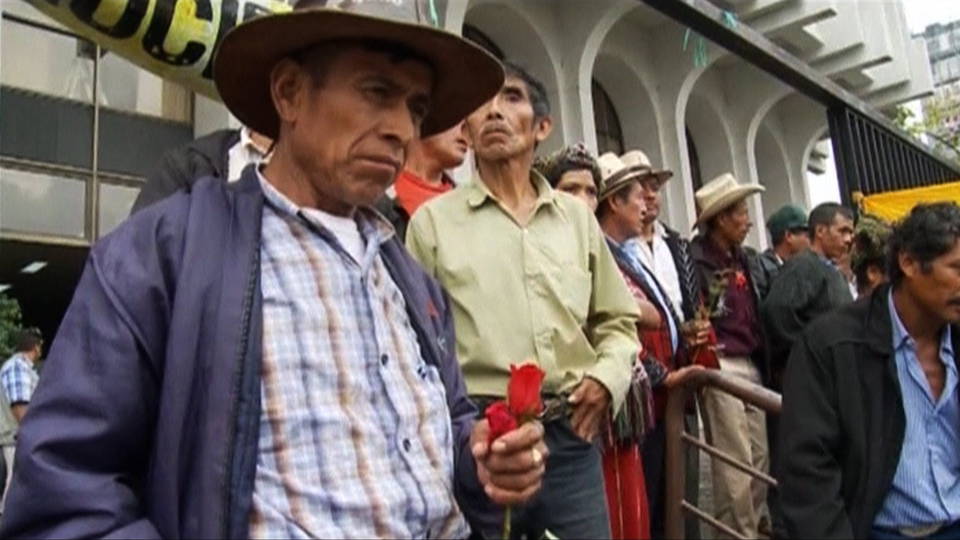
In Guatemala, police have arrested and indicted 18 ex-military leaders on charges of committing crimes against humanity during the decades-long, U.S.-backed dirty war against Guatemala’s indigenous communities. The ex-military leaders face charges of ordering massacres and forced disappearances during the conflict, which led to more than a quarter-million deaths. Many of the arrested former military leaders were backed by the United States, including Manuel Benedicto Lucas García, a former army chief of staff and the brother of ex-President Romeo Lucas. García had worked closely with U.S. military officials to develop a system of warfare in the highlands against Guatemala’s indigenous Mayan communities, which involved decapitating and crucifying people. Prosecutors also moved to have the immunity lifted for Édgar Justino Ovalle Maldonado, an ex-military leader who is now the right-hand man of incoming President Jimmy Morales. The arrests come six months after massive popular uprisings against a corruption scandal ousted the now-jailed former President Otto Pérez Molina, who was also formerly a U.S.-backed military leader during the country’s dirty wars. The arrests come one day after acting President Alejandro Maldonado made a surprise announcement he was slashing the minimum wage for the manufacturing industry in certain areas. Video of the announcement shows acting President Maldonado appearing to break down in the face of opposition, waving his arms and shouting at the protesters, calling them "Leninists" and "bums."
Families Deported from U.S. Amid Series of Raids Arrive in Guatemala City
A plane filled with Guatemalans who have been deported from the United States have arrived in Guatemala City, as the U.S. government carries out a national campaign of raids targeting families who have fled to the United States seeking asylum. One of the deported asylum seekers, Marvin Solis, said he felt his rights had been violated.
Marvin Solis: "Like the saying goes, one does harm, and another bears the blame. Some people truly deserve an opportunity over there. And they are carrying out raids, and with that, they end up violating people’s rights."
TransCanada Files $15B NAFTA Claim Against U.S. over Keystone XL
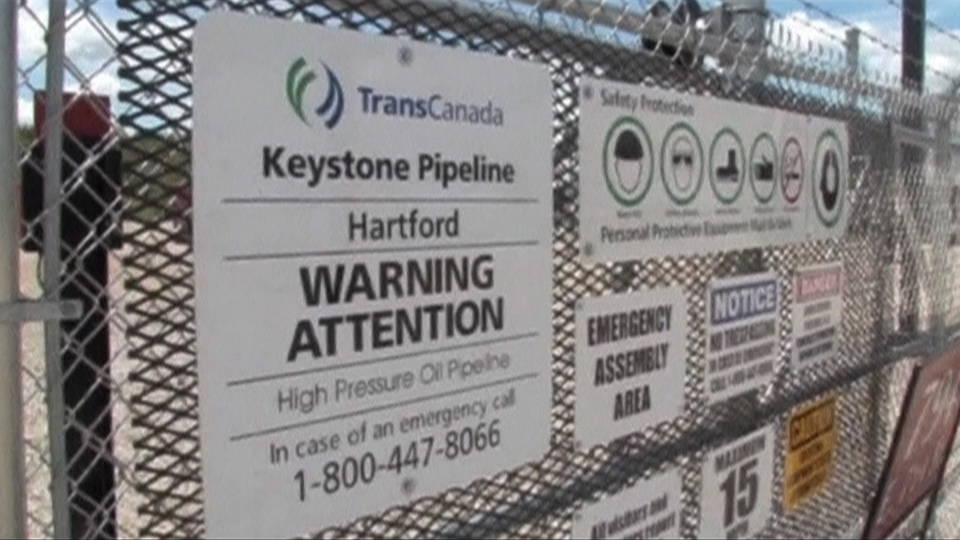
TransCanada Corporation has sued the U.S government over its rejection of the Keystone XL pipeline. On Wednesday, it filed a lawsuit in U.S. federal court alleging President Obama’s rejection of the pipeline exceeded his power under the U.S. Constitution. TransCanada also filed legal action under the North American Free Trade Agreement, or NAFTA, claiming the pipeline permit denial was "arbitrary and unjustified." It’s seeking $15 billion as part of its NAFTA claim. President Obama rejected the cross-border crude oil pipeline in November, after years of review and one of the most vocal grassroots campaigns this country has seen in decades. We’ll have more on this story after headlines.
California Declares State of Emergency over Methane Gas Leak
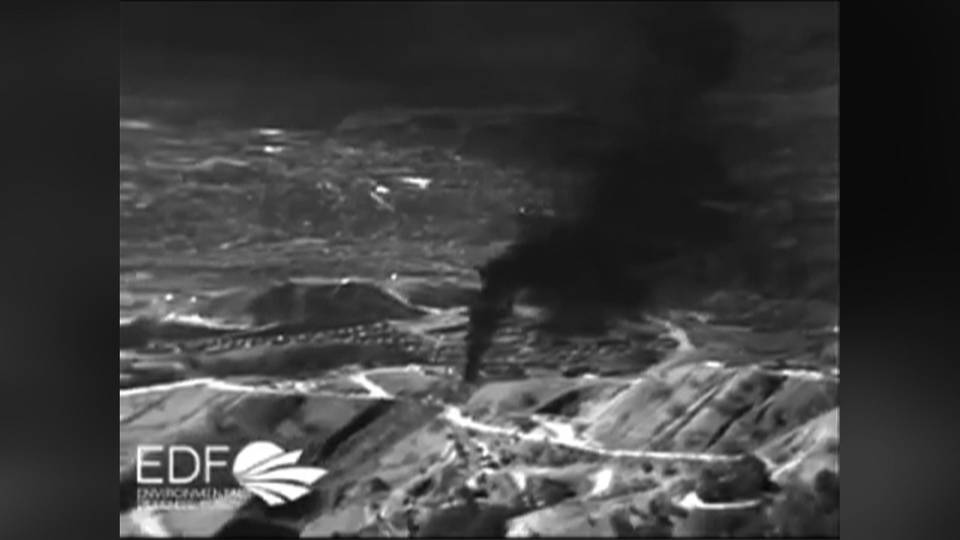
Meanwhile, in California, Governor Jerry Brown has declared a state of emergency Wednesday in a Los Angeles neighborhood where an uncontrollable methane gas leak has spewed more than 150 million pounds of methane into the atmosphere. The declaration comes 10 weeks after the leak was detected. Environmental advocates are calling it the worst environmental disaster since the BP oil spill. Methane is a powerful greenhouse gas that accelerates global warming. The company responsible, Southern California Gas Company, says it could take three to four months to stop the leak.
Texas: Trooper Brian Encinia Indicted on Perjury Charges
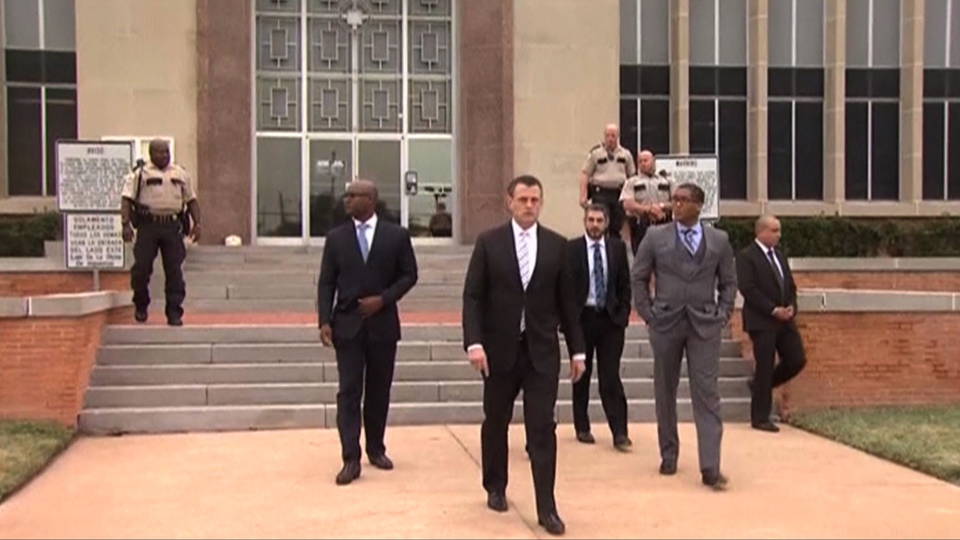
In Texas, State Trooper Brian Encinia has been indicted on perjury charges for lying about the traffic stop of Sandra Bland, the African-American woman who was found hanged in her jail cell three days after Encinia arrested her in July for allegedly failing to signal a lane change. Authorities say Bland committed suicide, a claim her family rejects. On Wednesday, a grand jury indicted Encinia, saying they didn’t believe his written statement that he had removed Bland from the vehicle in order to conduct a safer traffic investigation. Dash cam footage of the arrest shows Encinia dragging Sandra Bland out of her car and threatening to "light [her] up." Sandra Bland can later be heard on video accusing the police officer of slamming her head into the ground. She said she had epilepsy, to which Trooper Encinia replies, "Good." The perjury charge against Encinia is a Class A misdemeanor that carries a possible penalty of one year in jail and a $4,000 fine. Following the grand jury announcement, protesters condemned the grand jury for only indicting Encinia on perjury and not the more serious charges of assault.
Protester: "To give him a slap on the wrist and give him a perjury is not a surprise to us, but it is also a hurt and a slap in the face of Sandra Bland’s family."
Last month, a grand jury declined to indict jailhouse officers in Bland’s death. Her family has filed a wrongful death suit.
China Halts Trading for Second Day This Week Amid Market Fears
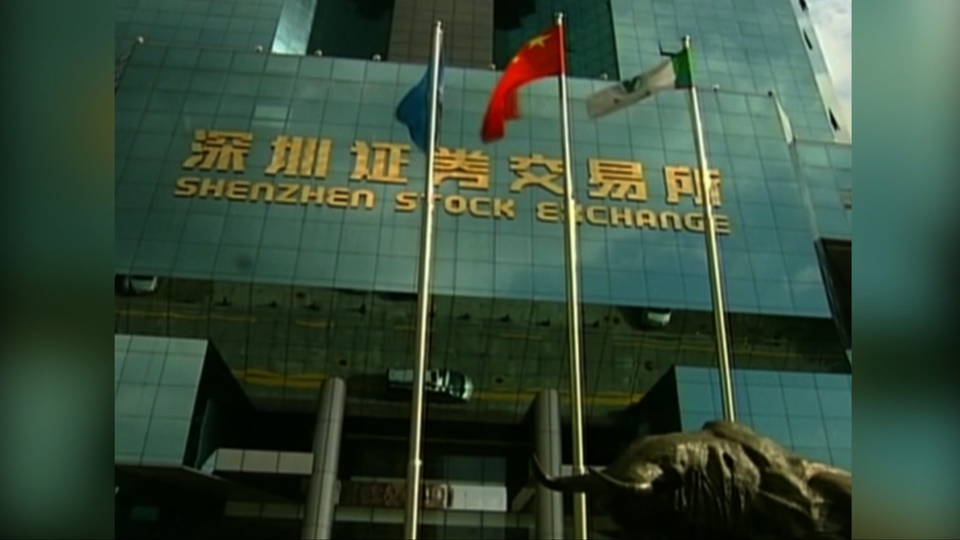
In China, trading was halted for the day for the second time this week after stocks plunged 7 percent in less than half an hour. It was China’s shortest trading day in 25 years. This comes as oil prices plunged to the lowest levels in more than a decade. A new report by the World Bank warns that the global economy risks facing a "perfect storm" in 2016, renewing fears about a new global financial crisis.
Libya: At Least 47 Dead in Truck Bomb Attack
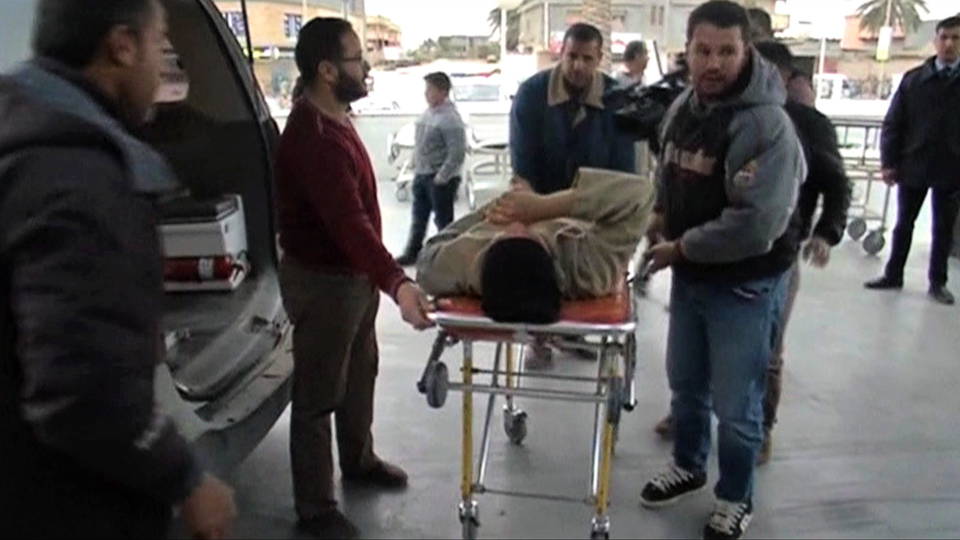
In Libya, at least 47 people have died after a truck bomb exploded outside a police training center in the western city of Zliten. At least 100 more people were wounded in the blast at the al-Jahfal training camp, which had served as a military base during the rule of ousted Libyan leader Muammar Gaddafi.
Afghan Officials: U.S. Drone Strike Killed 5 in Kunar
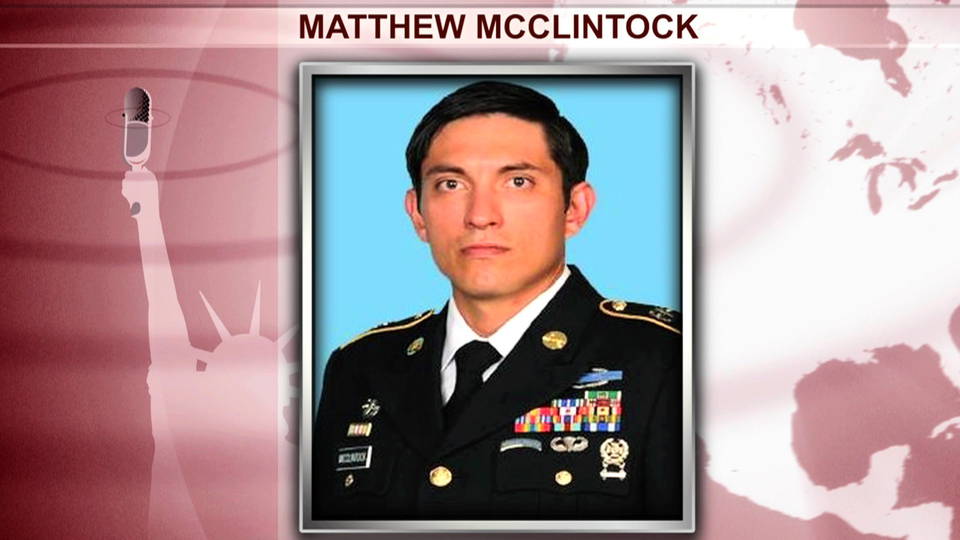
Afghan officials say a U.S. drone strike killed at least five people on Saturday in the eastern province of Kunar. This comes as the U.S. military has disclosed the name of the Army Special Forces soldier who was killed in Helmand province earlier this week. Thirty-year-old Matthew McClintock of Albuquerque, New Mexico, was killed Tuesday during a U.S.-Afghan operation in the city of Marjah. McClintock is the first U.S. soldier to die in Afghanistan in 2016. He leaves behind a wife and infant son.
Yemen: U.S.-Backed Coalition Accused of War Crimes over Use of Cluster Bombs
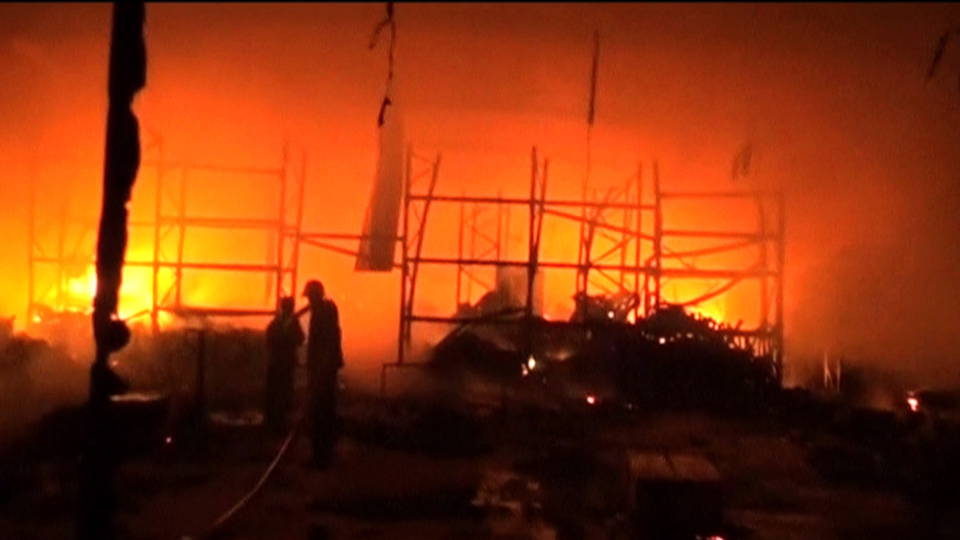
In Yemen, Human Rights Watch is accusing the U.S.-backed, Saudi-led coalition forces of committing war crimes after the forces dropped cluster bombs on residential neighborhoods of the capital Sana’a Wednesday. The United States has reportedly sold internationally banned cluster bombs to Saudi Arabia, which are now being used in Yemen, as part of the series of billion-dollar arms deals between the United States and the Saudis in 2015. Meanwhile, Iran is accusing Saudi Arabia of attacking the Iranian Embassy in Yemen amid escalating tensions between the two countries following Saudi Arabia’s execution of Shiite cleric Sheikh Nimr al-Nimr. The cleric was executed Saturday along with 46 others in Saudi Arabia’s largest mass execution in decades.
Alabama: Chief Justice Orders State Judges to Defy Marriage Equality Ruling
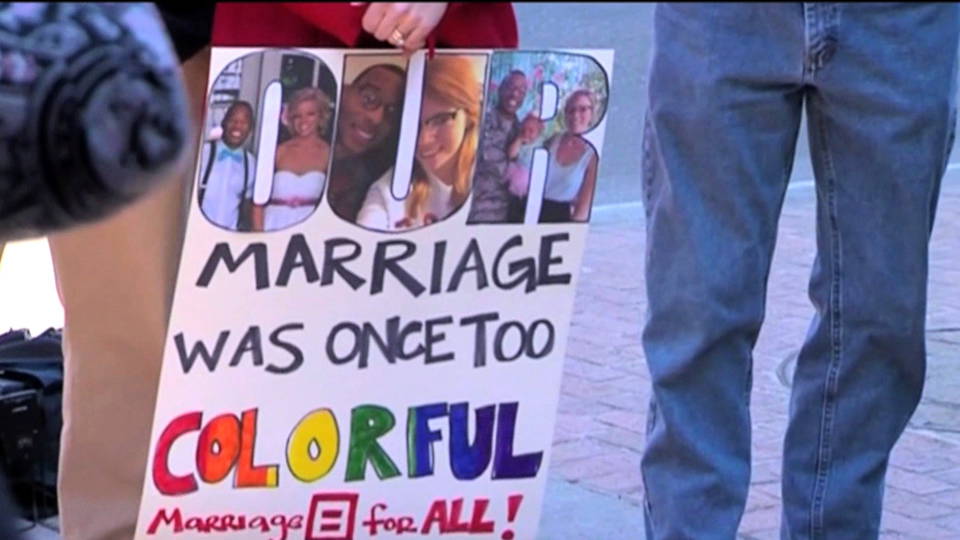
Back in the United States, Alabama’s Chief Justice Roy Moore has drawn criticism after insisting that state probate judges must refuse to order same-sex marriage licenses, despite the U.S. Supreme Court decision legalizing marriage equality more than six months ago. On Wednesday, Moore said until the Alabama Supreme Court rules on the Supreme Court decision, the state judges remain bound by an earlier Alabama court order prohibiting same-sex marriage. But if the state judges follow that directive rather than the Supreme Court decision, they could be held in contempt of court. Currently, the majority of Alabama’s judges are issuing marriage licenses to all couples, regardless of sexual orientation, although judges in at least nine counties have shut down marriage license operations entirely in order to avoid the Supreme Court’s ruling.
New York: Medical Marijuana Dispensaries Open
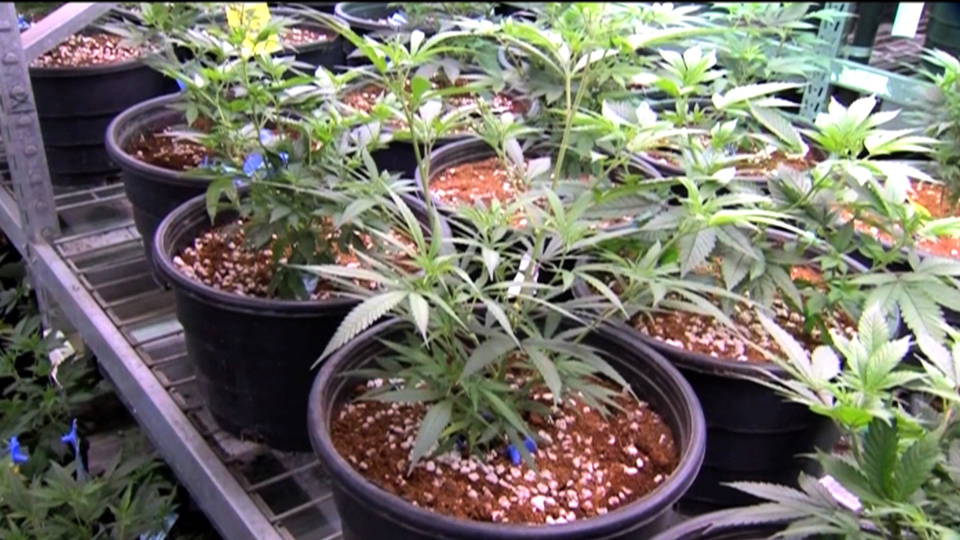
In New York, eight medical marijuana dispensaries are opening across the state today. This comes after New York Governor Andrew Cuomo signed legislation in 2014 legalizing medical marijuana. Nearly half of all U.S. states now allow patients to use marijuana for medical purposes.
Michigan: Protesters Demand Arrest of Gov. Snyder over Flint Water
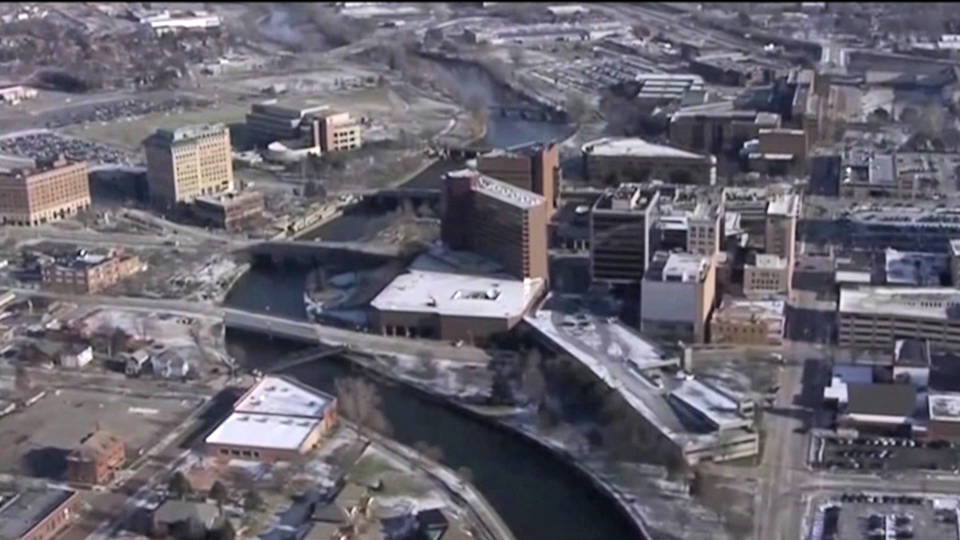
In Michigan, protesters are increasing demands for Governor Rick Snyder’s arrest, following the announcement that federal prosecutors have opened an investigation into lead contamination in the drinking water, which causes permanent health impacts including memory loss and developmental impairment. The contamination began after an unelected emergency manager appointed by Governor Snyder switched the city’s water source to the long-polluted Flint River in a bid to save money. Researchers at Virginia Tech who have been testing Flint water say the city could have corrected the problem by better treating the water at a cost of as little as $100 a day. Michigan Governor Rick Snyder declared a state of emergency for Flint Wednesday, after learning of the federal probe. Many are now calling for criminal action against Governor Snyder himself, accusing him of knowing about the problem far earlier and refusing to take action. Newly released emails show Snyder’s chief of staff, Dennis Muchmore, alerted Governor Snyder of the contamination problem more than six months ago, saying Flint residents are "concerned and rightfully so about the lead level studies they are receiving. These folks are scared and worried about the health impacts and they are basically getting blown off by us (as a state we’re just not sympathizing with their plight)." On Wednesday, celebrity singer Cher joined the chorus of people calling for Snyder’s arrest to her nearly 3 million followers, tweeting: "Gov. of Michigan is a Murderer... #JailforRick."
Trump Gives Away 10 Times Too Many Tickets for VT Rally
In Vermont, the city of Burlington is preparing for potential chaos at a rally for presidential candidate Donald Trump tonight, after Trump gave away more than 20,000 free tickets for a venue that holds only 1,400 people. Burlington Police Chief Brandon del Pozo said: "If Phish was holding a free concert at the Flynn and gave away 20,000 free tickets, we would cancel the event out of public safety concerns. We are committed to accommodating the campaign because political speech is the very essence of the First Amendment."
Oregon: Northern Paiute Tribe Condemns Wildlife Refuge Occupation
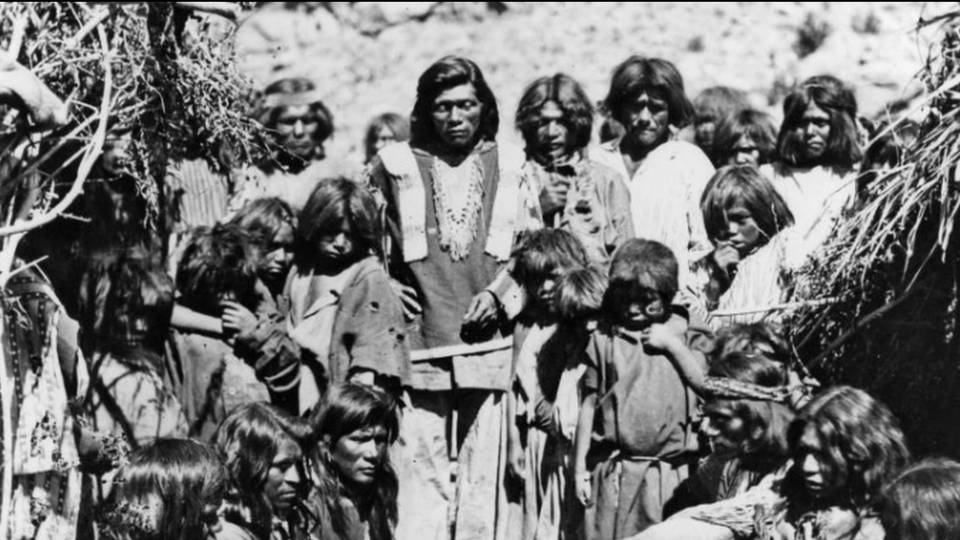
And in Oregon, the Northern Paiute tribe has condemned the ongoing occupation of the Malheur National Wildlife Refuge by white right-wing militia members. On Saturday, a self-styled right-wing antigovernment militia calling itself the Citizens for Constitutional Freedom took over the wildlife refuge in support of two ranchers sentenced to prison for setting fires that burned federal land. Leaders of the occupation include Ammon and Ryan Bundy, the sons of Nevada rancher Cliven Bundy, who refused to pay decades’ worth of cattle grazing fees, prompting a standoff with federal rangers in 2014 in Nevada. The militia has called for the wildlife refuge land to be "returned to them." But leaders of the Northern Paiute tribe said that if the land of the wildlife reserve in Oregon should be returned to anyone, it should be returned to the tribe. The tribe has rights to the land under a treaty signed by the U.S. government more than a century ago. On Wednesday, tribal council member Jarvis Kennedy contrasted the federal government’s treatment of the armed militia members with the violent, forced removal of the Northern Paiute more than a century earlier.
Jarvis Kennedy: "My name is Jarvis Kennedy, Burns Paiute tribal councilman. I’ve got a question for the world out there, because all the eyes are on this little tribe here. What if it was a bunch of natives that went out there and overtook that or any federal land? We weren’t removed; we were killed and ran off our land, marched in snow out there hundreds of miles to forts. When they finally let us go, we didn’t have no place to go. Our land was already taken. They gave us 10 acres at the city dump. Think about that.
"Donate today →
Follow:
Follow:


WEB EXCLUSIVE


"An Act of Terror: Deporting a Kurdish Activist Back to Turkey" by
Amy Goodman & Denis Moynihan
In the quaint tourist town of Harbert, Michigan sits an unassuming restaurant that has been owned and operated by a man who is considered a pillar of his community. Cafe Gulistan is owned by Ibrahim Parlak. He is, by almost all appearances, a classic example of the immigrant success story. There is just one problem: The U.S. government is trying to deport him to Turkey, where he has a well-founded fear of imprisonment, torture and possibly death. After a quarter of a century here in the United States, he now has about 75 days left to fight deportation.
Parlak is Kurdish, born in the region of Turkey called Anatolia, in 1962. His childhood was marred by increasing government repression of Turkey’s Kurdish ethnic minority. Turkey banned the Kurdish language, Kurdish cultural expression, and attempted to forcibly assimilate the Kurdish people to destroy their heritage. Resistance to that assimilation included protests and grass-roots organizing, but also, by the 1980s, armed resistance from the Kurdistan Workers’ Party, or PKK. In the late 1970s, Parlak, as a teenager, was jailed for three months for engaging in peaceful protests. He then moved to Germany to avoid further repression from the Turkish government. He remained active in the movement for Kurdish autonomy, hosting cultural events and raising funds for the political, nonmilitary wing of the PKK, known as the National Front for the Liberation of Kurdistan. After seven years in Germany, Parlak decided he could better support the Kurdish cause back home.
He decided to cross back into his Kurdish homeland, he said, to "[g]o back to people, go to my family, go back where I [was] born and where I grow up, just reunite with my own." Turkey had revoked his passport, so he decided to sneak into the Kurdish region of Turkey directly from Syria. As the group he was with was crossing the border, they were fired on. In the ensuing firefight, two Turkish soldiers were killed. Months later, he was arrested by Turkish authorities and charged with "separatism," although he was never charged with killing the two soldiers. Turkish authorities confirm that he did not shoot that night.
"I was captured and put in jail, for a month, mistreated, tortured. And it’s just-you know, it’s not a memory you want to revisit," Ibrahim Parlak told us on the "Democracy Now!" news hour. It visibly pains him to recall the experience. A description that appears in a federal appeals court filing here in the U.S. from 2007 is chilling: "the Turkish gendarme shocked him with electrodes, beat his genitalia, hung him by the arms, blindfolded him and deprived him of sleep, food, water and clothing, and anally raped him with a truncheon over the course of almost a month." Ultimately, he was imprisoned for close to a year and a half.
Parlak eventually fled to the United States, where he received asylum and began the long process of building a life. He received his green card, and in 1999 applied for citizenship. By this time, the PKK had been designated a terrorist organization by the US State Department, so the mention of the group in his file delayed his application. After Sept. 11, 2001, the process for gaining citizenship transformed. Eager bureaucrats from the newly minted Department of Homeland Security were looking for terrorists in mosques, parks, schools, you name it. Ibrahim Parlak fit their bill just fine, and the American dream he had built came crashing down.
He was arrested and jailed while awaiting deportation. Community support for Parlak was incredible. A former FBI counterterrorism lawyer volunteered to represent him. People he had worked with for years and even local police testified to his character. After 10 months in a county jail, a federal judge ordered his release, stating, "He has been a model immigrant. ... He is not a threat to anyone nor a risk of flight. He has strong ties to the community."
Since then, he has been on "deferred action" for deportation, meaning he can be grabbed at any time and deported to Turkey. He has support from Republican Congressman Fred Upton, and had the support of Sen. Carl Levin, Democrat of Michigan, until Levin retired last year. His supporters are asking Sens. Debbie Stabenow and Gary Peters, both Democrats, to file a bill protecting Parlak, but to date, neither has. The dean of the University of Chicago Law School has asked for President Barack Obama to pardon Parlak.
Turkey, meanwhile, has escalated its military assault on the Kurds, and has imposed harsh curfews and intense censorship of any dissent. Many are concerned of the grave danger that Parlak faces if he is deported to Turkey. His lawyer, Rob Carpenter, told us that Parlak has received "private Facebook threats of modes of torture that were never made public before, indicating it must be one of several guards who tortured him during those seventeen months before he fled to the United States."
Ibrahim Parlak is back at his Cafe Gulistan, his future uncertain. The U.S. government contends he is a terrorist, although he has never been found guilty of committing a violent act. Deporting him, however, would be an act of terror in itself.
Amy Goodman is the host of "Democracy Now!," a daily international TV/radio news hour airing on more than 1,300 stations. She is the co-author, with Denis Moynihan, of "The Silenced Majority," a New York Times best-seller.
(c) 2015 Amy Goodman
Distributed by King Features Syndicate
WORK WITH DN!
Director of Finance and Operations
---------------------
207 West 25th Street, 11th Floor
New York, New York 10001, United States
---------------------
---------------------

No comments:
Post a Comment