Stories:

Up to 1,000 refugees are feared to have drowned in recent days while trying to cross the Mediterranean Sea. The United Nations say this marks one of the highest weekly death tolls since the migrant crisis began in 2014. UNICEF says many of the victims were youth fleeing war and violence in their home countries. The majority of the refugees were from Eritrea, Nigeria, Somalia and South Sudan. Under a European Union plan enacted in April, all refugees arriving in Greece are deported back to Turkey, forcing people to attempt the more dangerous route between Libya and Italy. On Monday, a photo of a German volunteer from the group Sea-Watch holding the body of a drowned child became the latest symbol of the migration crisis. We speak with Ruben Neugebauer, crew member and spokesperson for Sea-Watch, a German volunteer group that was formed to help migrants stranded at sea.
TRANSCRIPT
This is a rush transcript. Copy may not be in its final form.
AMY GOODMAN: Up to a thousand refugees are feared to have drowned in recent days while trying to cross the Mediterranean Sea. The United Nations say this marks one of the highest weekly death tolls since the migrant crisis began in 2014. UNICEF says many of the victims were youth fleeing war and violence in their home countries. The majority of the refugees were from Eritrea, Nigeria, Somalia and South Sudan. Under a European Union plan enacted in April, all refugees arriving in Greece are deported back to Turkey, forcing people to attempt the more dangerous route between Libya and Italy. Speaking Tuesday, UNHCR spokesperson William Spindler talked about the sharp rise in migrant deaths.
WILLIAM SPINDLER: Thus far, 2016 is proving to be particularly deadly. Some 2,510 lives have been lost so far, compared to 1,855 in the same period in 2015 and 57 in the first five months of 2014. On a Mediterranean-wide basis, the odds of being among the dead are currently one in 81. This highlights the importance of rescue operations as part of the response to the movement of refugees and migrants in the Mediterranean, and the need for real, safer alternatives for people needing international protection.
AMY GOODMAN: On Monday, a photo of a German volunteer from the group Sea-Watch holding the body of a drowned child became the latest symbol of the migration crisis. We go now to Berlin, Germany, to speak with Ruben Neugebauer, who is a Sea-Watch spokesperson and crew member, Sea-Watch a German volunteer group that was formed to help migrants stranded at sea.
Ruben, welcome to Democracy Now! Start out by explaining the scope of the crisis right now.
RUBEN NEUGEBAUER: Good morning. What we have faced in the last week in the central Mediterranean Sea is not only a period of good weather, leading to a lot of boats leaving Libya in that kind of times, it’s also the result of European foreign policy. What we see here is a European Union that is forcing people on small and unseaworthy boats, because there is no other legal way to get into the European Union to seek for asylum there. So, what we are having here right now is the latest result of European policy. It’s a system of letting people die willingly because we refuse any other safe way to get into the European Union.
AMY GOODMAN: Is it your sense that in the last few days a thousand people have drowned crossing the Mediterranean Sea?
RUBEN NEUGEBAUER: Yes, it looks like as if a thousand people have died. It’s quite hard to get exact numbers in that kind of tragedies, because what we have faced here is different incidents where big wooden boats have capsized. And in the beginning of such a tragedy, often you only count a few people dead, but often a lot of people are trapped below deck of that kind of boat, and then only days after the tragedy the real numbers will get known by the public. And we have to fear that a lot of people died last week, and also we have to fear that this kind of tragedies will occur again and again as long as people are forced onto that kind of boat.
AMY GOODMAN: Can you talk about the practice of water hosing, Ruben?
RUBEN NEUGEBAUER: Yes. What we have been facing, not in the central Mediterranean Sea, but in the route over the Aegean Sea, is that the European Union has shut down the route through Turkey to Greece, which is not a safe route, but at least it’s not that dangerous as it is to crossing over the central Mediterranean Sea. Of course, it’s not just telling refugees who are fleeing war just to stay at home, and it will work; therefore, the European Union has set a lot—set up a lot of fortification measures. And in the case of Turkey, the European Union is letting do the Turks the dirty work.
So, what members of our crew have witnessed is that a practice of water hosing migrant boats in the Aegean Sea was a practice used by the Turkish Coast Guard to avoid refugees from crossing. And for us, this kind of water hosing is absolutely unacceptable. And that’s why we think that this Turkey deal also has to be stopped. Anyhow, we are quite sure that what we need is a real safe passage which does not force the people on any boat at all.
AMY GOODMAN: Ruben, can you describe where the German volunteer from your group, Sea-Watch, found the baby, the child, who was drowned, who’s become the latest symbol of the refugee crisis, the famous photo that has now gone out?
RUBEN NEUGEBAUER: Yeah. This photo of this baby was made right off the Libyan coast in the central Mediterranean Sea on Friday the 27th, when our crew came to the spot of a huge tragedy where a big wooden boat had capsized, leaving more than 350 people in the water. When our crew was called to get there, we tried to get there immediately, but then, on the way, we had to do another rescue operation because we found another boat in distress. So, our crew took the 126 persons on board and sent our speedboat ahead. The speedboat was then busy with recovering those who were still alive, but already a lot of people had drowned when our speedboat arrived. And later on, we were asked by the Italian Navy, which was in place with another ship, the Vega, as well, to help recovering those who haven’t made the journey and who drowned in that incident. And so, we asked for volunteers in our crew who could help to recover the bodies, and they went with the speedboat and found that boy—sorry, that baby, floating right under the surface.
AMY GOODMAN: And the decision to publish that photo, Ruben, which your group has described as a very difficult decision?
RUBEN NEUGEBAUER: Yeah, it’s always a difficult decision to publish that kind of photos. But in this specific case, we thought the graveness of the situation simply forces us kind of to publish that picture, because the European society has to acknowledge that kind of picture, because this picture is a result of our policy. It’s a result of the policy to shut down borders and to force people onto that boat. The European Union is using the Mediterranean Sea as its castle ditch, filling it up with dead bodies to scare off those who might come after them, so we let them die willingly. And so, the discussion should not be about whether we should publish that kind of picture. The discussion should be about if we let those pictures happen.
AMY GOODMAN: What do you think needs to happen right now?
RUBEN NEUGEBAUER: What we need right now is, first of all, a EU mission with a clear mandate for search and rescue, because at the moment the ships that are down there and that are doing a good job in rescue often—they are often military ships that don’t really have a search-and-rescue mandate. But this is only something we can do just right now starting from tomorrow. What we also need—and this is the only way to solve that kind of crisis—is to have safe and legal passage. If we would just allow those people to take a ferry, as everybody else with a European passport can do, we would have no smuggling business at all, right starting from the day that we would allow them to go on the ferries, and we wouldn’t face such tragedies again. If we only have rescue efforts, which the European Union is already doing, we will face these tragedies ever and ever again, because also these rescue missions stay quite dangerous. This is what we have faced last week when those capsizings took place, even if rescue boats were around.
AMY GOODMAN: And what do you think the United States should do?
RUBEN NEUGEBAUER: I mean, we are facing a huge crisis. We have war in a lot of places. We have poverty. And this is all causing escapes. Also, I’m quite sure that the climate change will cause more refugees which have to leave their countries because of this very soon. So what the United States can do, actually, is to do their best to avoid causes of escape, so that people have the opportunity to stay in their home countries, because nobody leaves voluntarily. However, also in the migrant crisis, I mean, the U.S. is a great country, and so, for sure, it’s a problem that is not only to solve by a few countries, it’s a task for the whole world, most probably. So, what Canada did last year when a picture, a similar picture, was published, by Alan Kurdi, was to offer some Syrians a safe way out to Canada. So this is something the U.S. could do, as well.
AMY GOODMAN: You know, when we were covering the U.N. climate summit in Paris, we went to Calais, about two hours north by train, which had the largest refugee camp in Paris. We—what, 6,000 to 7,000 people were there. Sikandar, an Afghan refugee, explained why he fled Europe and his country.
SIKANDAR: If I have a problem in my country, I have to go forward, you know? I don’t have to go back. If I go back, I’m—100 percent, I die. But for this, I can risk. I say, OK, maybe 50 percent, I go. So some people—I think people are thinking like this: If I go back, I will die, and I have a very bad life. It’s better to try, 50 percent—maybe I will go there and I will arrive there, and I will have a normal life.
AMY GOODMAN: That was Sikandar. I spoke to him in the refugee camp that the refugees themselves called "The Jungle." Now, the map of that one refugee camp read like the bombing targets of the United States, where the refugees came from—Afghanistan, Iraq, Somalia. Can you—Syria. Can you talk about that connection to war, Ruben?
RUBEN NEUGEBAUER: Yeah, I mean, what we are facing is a lot of people that flee for different causes, actually. So, for sure, war is one of the main reasons people flee. And as long as we have war, we will always have refugees coming. So there is a quite clear connection between war and between refugees that come. I mean, we are an humanitarian organization, so, for us, it doesn’t matter why people come. We will try whomever is on that kind of boat, because no one deserves to die at sea. But for sure, war is one of the main reasons.
AMY GOODMAN: Finally, Ruben, talk about how your group, Sea-Watch, got started.
RUBEN NEUGEBAUER: Our group got started in early last year, when we were facing a lot of tragedies on the central Mediterranean Sea and also there was the anniversary of the fall of the wall on the 9th of November, 2014. And so, we were celebrating the fall of a wall in Berlin, but on the same time we are building up another wall around Europe. And so we thought that if we really remember what happened during the times of Berlin Wall, we need to shut down this new wall. And we thought about what we could do. And so, a old fishing cutter was bought, because we couldn’t stand the many people dying in the central Mediterranean Sea, and so we went there with a ship simply to save human lives. And that’s what we’ve done last year. And out of that, the NGO was funded, and now we are doing this job again. And it looks like as if we have to do it for some more time, because there’s no signs at the moment that the European Union would change its politics to a more human one. So we have to fear that we have to stay there for quite a long time.
AMY GOODMAN: Ruben Neugebauer, I want to thank you very much for being with us, spokesperson and crew member of the all-volunteer group Sea-Watch. We spoke to him in Berlin, Germany.
This is Democracy Now!, democracynow.org, The War and Peace Report. When we come back, we turn to the Venezuelan ambassador to the Organization [of] American States. Stay with us. ... Read More →

In early August, more than 10,000 athletes across the world will convene in Rio de Janeiro’s Olympic City for one of the most widely watched sporting events of the year. This comes as Brazil is battling an economic recession, a massive Zika outbreak and its worst political crisis in over two decades. Protesters have vowed to flood the streets during the Olympics, using the global spotlight to highlight a raft of domestic grievances including threats to social services, police violence, forced displacement and the recent ouster of democratically elected President Dilma Rousseff. We speak to Dave Zirin, author of the book "Brazil’s Dance with the Devil: The World Cup, the Olympics, and the Fight for Democracy," and Jules Boykoff, author of "Power Games: A Political History of the Olympics."
TRANSCRIPT
This is a rush transcript. Copy may not be in its final form.
AMY GOODMAN: We turn now to the 2016 Summer Olympics in Brazil. In early August, more than 10,000 athletes across the world will convene in Rio de Janeiro’s Olympic City for one of the most widely watched sporting events of the year. This comes as Brazil is battling an economic recession, a massive Zika outbreak and the recent ouster of its democratically elected president, Dilma Rousseff. Last month, the president of the Brazilian Olympic Committee, Carlos Nuzman, insisted Brazil is ready to host the games.
CARLOS NUZMAN: [translated] The Olympic Games belong to Brazil. They belong to Rio de Janeiro and to all Brazilian people. I am certain that we are going to have spectacular games and participation of all involved.
AMY GOODMAN: The Olympics are estimated to cost Brazil a staggering $10 billion at a time when Brazil is suffering its worst recession since the '30s. Hospitals have been shuttered. The interim president, Michel Temer, has proposed a new round of austerity measures that include slashing education funds and abolishing pensions. Many supporters of the ousted President Rousseff fear the Olympics could cement control of the new government. In anticipation of the Olympics, Brazil plans to roll out a massive security operation involving 85,000 officials, twice as many as the 2012 London Games and just over half the number of U.S. troops stationed in Iraq at the war's peak. Meanwhile, some 77,000 people have been displaced from their homes.
For more, we’re joined by two guests. Dave Zirin is sports editor for The Nation magazine. His recent article is called "Don’t Move the Olympics, Protest Them." He’s also the host of Edge of Sports podcast. This week he’s debuting an updated version of his book, Brazil’s Dance with the Devil: The World Cup, the Olympics, and the Fight for Democracy. And we are joined by Jules Boykoff, who is the author of Power Games: A Political History of the Olympics. He teaches political science at Pacific University in Oregon, a Fulbright scholar—a Fulbright research fellow in Rio de Janeiro in fall 2015. In the ’80s and ’90s, he represented the U.S. Olympic soccer team in international competition.
We welcome you both to Democracy Now! Dave, start off by talking about the significance of these Olympics in Brazil. Do you think they should be moved?
DAVE ZIRIN: No, I don’t think the Olympics should be moved, partially because I have already just come back from Rio and talked to dozens and dozens of people who are looking forward to using the Olympics as a way to spotlight their grievances, whether it’s grievances over the coup—and I would also call it a coup—of President Dilma Rousseff, whether it’s to speak about substandard health or education. When I was there, almost 100 schools in the state of Rio were occupied by students and teachers to protest education cuts as a result of the economic contraction, or just the priorities that you discussed. Ten billion dollars is one price tag we’re hearing for the Olympics. You’re also hearing that it could be as much as $20 billion. And to have that take place at a time when education, healthcare are being cut in Rio, I mean, people are like, "OK, the money’s been spent. Let’s use this international spotlight as a way to pull some of these criminals out of their corners, so we can actually talk about the issues that we’re facing."
AMY GOODMAN: Jules Boykoff, can you talk about the police violence and the hypersecurity situation around the Olympics?
JULES BOYKOFF: Absolutely. Eighty-five thousand security officials will descend on Rio. That’s double the number of the London Olympics just four years ago. And there was a really important report from Amnesty International recently that found that one in five homicides is carried out by such security officials.
DAVE ZIRIN: Wow.
JULES BOYKOFF: So it’s actually reason for pause, having that many people on board to police the games. Second, it’s, of course, attacking young people, young men of color, by a large majority, these police. So, it’s not exactly something we can just feel good about and relax. It’s actually a question of who’s going to watch the watchers in Rio.
DAVE ZIRIN: And frighteningly, I was down there speaking to people in the favelas and even political officials; they said that the uptick in police murders is actually a function of the economic crisis, because they’ve had to cut the numbers of police officers. And what they’re doing—and one of them said to me, he said, "Bullets are less expensive than boots on the ground." So they go into communities. They’re willing to kill somebody to scare people, because the idea of community policing is just not cost-effective in the climate right now.
AMY GOODMAN: What are the major sports stories you’re covering, Jules Boykoff, you yourself an elite athlete who was involved in previous Olympics?
JULES BOYKOFF: I’m really interested in Marcus Vinicius D’Almeida. He’s known as the Neymar of Brazilian archery. And I’m interested in him because he actually went to meet with indigenous peoples. There was a program in Brazil to help indigenous archers develop their skills with these kind of professional bows that they use for the Olympics. And he was really great about that. Unfortunately, none of those indigenous participants will make the squad in Rio, but he had really smart things to say, so I’m keeping an eye on him.
One other athlete that I’m really excited about is Laurence Halsted. He’s qualified for Team GB, Team Great Britain. He’ll be participating in fencing. And he had a really smart essay the other day in The Guardian newspaper that suggested that athletes should absolutely be speaking out in Rio, where the chasm between the promises on the front end and the follow-through on the back end are absolutely abhorrent. So I’m going to be rooting for him, as well.
AMY GOODMAN: You wrote about Celebration Capitalism and the Olympic Games.
JULES BOYKOFF: Mm-hmm.
AMY GOODMAN: Yet you were a contender yourself.
JULES BOYKOFF: Absolutely. Well, you know, I think we need not devote ourselves to the death of complexity. We can both appreciate the athletes and support them, especially when they have the courage to speak out in a progressive manner, but also we can at the same time critique the games ferociously when needed.
DAVE ZIRIN: Watch the Olympics, but watch them with your eyes open.
JULES BOYKOFF: Mm-hmm.
AMY GOODMAN: Now, you brought in a postcard, Dave.
DAVE ZIRIN: I did. And I’ll describe it for radio listeners, as well. This is an anti-postcard at an anti-souvenir shop that was put on by a political artist in Rio. His name is Rafucko. And this particular postcard is a postcard of a community called Vila Autodromo that’s been effectively torn down to the ground for the Olympic Park, which is adjacent to it. It really didn’t need to be torn down. It was torn down to create more of a security perimeter, for goodness’ sakes. It’s gone from 800 families to 24. And this is a little piece right here on the top of Vila Autodromo, a little piece of somebody’s home. And, Amy, you and your listeners will appreciate this. This luxurious building that’s behind Vila Autodromo is a condominium built up, part of the Olympic gentrification, and the top floor will be the Olympic Media Center. So, literally, the international media will be looking down on the wreckages of the Olympics.
AMY GOODMAN: Now, it’s not as if protests weren’t happening under Dilma Rousseff.
DAVE ZIRIN: Yes.
AMY GOODMAN: You were certainly there last time. Can you talk about, though, what you feel might happen with these Olympics being held in Brazil?
DAVE ZIRIN: Well, there’s a great deal of anger, of course, because of what’s taken place to Dilma, and that immediately activates another sector of society that perhaps wasn’t protesting around the World Cup in 2014, because they felt like to do so would destabilize the Workers’ Party government. So, you’re seeing this kind of expand, to a degree. And also what you’re seeing in Brazil, which is, I think, really interesting, is the emergence of black consciousness in a way that we haven’t seen before. There was never a civil rights movement in Brazil. There was never Jim Crow segregation in Brazil. Yet it does have this extensive legacy of slavery and racism. And you’re starting to see that actually be very influenced by the Black Lives Matter movement here in the United States. And I saw several young anti-racist protests from folks who said they would be on the streets during the games.
AMY GOODMAN: And what about the Zika virus? I mean, that’s what’s being raised in the corporate media. Can these athletes go down there?
JULES BOYKOFF: Absolutely. Well, I’m a political scientist, not a medical scientist, so I will not weigh in on the medical side of it. But I will say that I’m on my guard a little bit when I hear people start to talk about Zika, because what usually they’re talking about is First World tourists who have the option or not to go to Rio. And what’s all too often lost in this equation when we start talking about Zika is everyday people in the Olympic City who are going to be affected no matter what and don’t have the option to leave. I think athletes, individually, have to face this choice, especially people who are thinking about pregnancy.
AMY GOODMAN: Dave Zirin, you recently wrote about the majority of the members of Brazil’s Congress under investigation—
DAVE ZIRIN: Yeah.
AMY GOODMAN: —for corruption. The Olympics are known for corruption. Talk about that and your interview with the—with Rio’s mayor, Paes.
DAVE ZIRIN: Yeah, Rio’s mayor, Eduardo Paes, is going to be the political face of these Olympics, and he belongs to the same political party of Michel Temer, who has now taken over the presidency. And it is the worst-kept secret in Rio that Paes has designs on the presidency. He’s actually going to come here to New York City to teach at Columbia for a year—that’s his plan—and then return. So maybe he could come on Democracy Now!, and we could both talk to him. But I really do think that there’s a fight right now in Rio for the narrative of what the Olympics are doing, because I sat down with Paes, and I raised things like 77,000 people have been displaced. And he looked right at me and said, "It’s just not true. Nobody has been displaced." I raised with him the idea of this bike path that was destroyed by a wave, sending—
AMY GOODMAN: Ten seconds.
DAVE ZIRIN: —killing three people. And he said, "No, that wasn’t an Olympic project." So we have a fight for the narrative at play.
AMY GOODMAN: So, we’re going to continue this conversation and post it at democracynow.org. Special thanks to Dave Zirin, author of Brazil’s Dance with the Devil: The World Cup, the Olympics, and the Fight for Democracy, and Jules Boykoff. His new book, Power Games: A Political History of the Olympics. ... Read More →

The Organization of American States has announced it will hold an emergency meeting to discuss whether to suspend Venezuela for violating the OAS Charter. OAS Secretary General Luis Almagro said Tuesday that Venezuela had suffered "grave alterations of democratic order." But supporters of Venezuelan President Nicolás Maduro have criticized the OAS for targeting Venezuela, not Brazil, where democratically elected President Dilma Rousseff was recently removed from power in what many have described as a coup. To talk more about the situation in Venezuela and the actions of the OAS, we speak to Venezuela’s ambassador to the OAS, Bernardo Álvarez.
TRANSCRIPT
This is a rush transcript. Copy may not be in its final form.
AMY GOODMAN: This is Democracy Now!, democracynow.org, The War and Peace Report. I’m Amy Goodman, as we turn to Latin America. The Organization of American States has announced it will hold an emergency meeting to discuss whether one of its member nations should be suspended for violating the OAS’s Democratic Charter. But you may be surprised by what country is being targeted. It’s not Brazil, where the democratically elected President Dilma Rousseff was recently removed from power in what many have described as a coup. Instead, the OAS is going after Venezuela, which is in the midst of its worst economic crisis in years.
OAS Secretary General Luis Almagro said Tuesday Venezuela had suffered, quote, "grave alterations of democratic order." In a letter, Almagro criticized the government of the Venezuelan president, Nicolás Maduro, writing, quote, "They have forgotten to defend the general and collective long-term good, over short-term individual gain ... Immoral politics loses this vision because its only interest is staying in power." The OAS secretary general, Almagro, also accused Maduro of disrupting democracy by blocking the opposition-controlled Congress and putting loyalists in the Supreme Court.
The move by the OAS to seek suspension of a democratically elected government is unprecedented. In the past, the Democratic Charter has only been invoked following coups, most recently in Honduras after the 2009 coup against Mel Zelaya, the democratically elected president. On Tuesday, the Venezuelan president, Maduro, criticized the OAS for intervening in Venezuelan politics.
PRESIDENT NICOLÁS MADURO: [translated] The international right wing carried out a coup in Brazil, and the Organization of American States went silent. Right now they’re threatening to intervene in our country—the secretary general of the Organization of American States. We’re going to give them battle in the streets of Latin America and the Caribbean. We will fight the battle for Venezuela, for independence, for peace.
AMY GOODMAN: Meanwhile, Henry Lisandro Ramos Allup, the president of Venezuela’s opposition-controlled Congress, praised OAS’s action.
HENRY LISANDRO RAMOS ALLUP: [translated] Neither the international community, including OAS, will turn away or cover its eyes to the serious humanitarian crisis we are experiencing. It is not only lack of medical and food, it is a human rights violation.
AMY GOODMAN: To talk more about the situation in Venezuela and the actions of the OAS, we’re joined now in Washington, D.C., by Venezuela’s ambassador to the Organization of American States, Ambassador Bernardo Álvarez. From 2003 to 2010, he served as Venezuela’s ambassador to the United States, under Hugo Chávez.
Welcome to Democracy Now!, Ambassador. Talk about the significance of invoking the Democratic Charter, the secretary general of the OAS, against Venezuela, the first time ever. Is this right?
BERNARDO ÁLVAREZ HERRERA: Yeah, well, the thing is that he has done that itinerary on his own, with no legal support to do it, because, I mean, the only ways—the only way to invoke the Democratic Charter is when one state, a member state, will do it, or there is another state that does it with the blessing of the government of the country involved, or if there is no government in the country. So, the secretary general of any state could go into the Permanent Council and ask for—you know, to a collective appreciation of the situation. None of this has happened in Venezuela. Venezuela has not asked. Mr. Almagro has been taking a position, a political position, in Venezuela, sitting aside next to the Venezuelan position with no request from the Permanent Council or from any state. So, I think this is a very illegal, undiplomatic and basically a political move that he’s doing, representing an alliances—an alliance of right-wing people from Latin America, Venezuela and even the U.S.
AMY GOODMAN: Explain exactly what it will now mean.
BERNARDO ÁLVAREZ HERRERA: Well, what happened is, he has asked—according to Article 20, he has said that he wants to go to the Permanent Council to present a report that, as I said, nobody has asked him about this report, on the situation of Venezuela and invoking the Democratic Charter. The Democratic Charter, as I said, could be invoked—basically, it’s invoked by governments, by member states, not by the secretary general of the organization. And he can only do that if there is a major alteration of the democratic order or the constitutional order. It basically, in the past, has been when there is not a government—of course, also when there is a coup d’état. So it’s a very strange situation. And he has taken this as a very—in a very irresponsible way, acting, you know, on his own, with not commission from the Permanent Council.
And what is more important, Amy, is that when you see what he has done, he has taken a political position from the very beginning. If you see, he has—he thinks—he said that he’s asking a request from the National Assembly of Venezuela. And in international law, the one—the power that represent the Venezuelan state in the OAS is the executive branch, not the Parliament. And so, he’s saying that because he has requested by the Venezuelan Parliament, then he wants to invoke the Democratic Charter against Venezuela. This is very unusual, illegal, and it goes beyond any provision of the Charter of the OAS.
AMY GOODMAN: In May, Human Rights Watch wrote a letter to the head of the OAS, Almagro, urging the international body to invoke the Democratic Charter to press your country, Venezuela, to restore judicial independence and the protection of fundamental rights. In the letter, Human Rights Watch wrote, "Since the political takeover of the Supreme Court in 2004, the Venezuelan judiciary has ceased to function as an independent branch of government. ... Venezuelan authorities have repeatedly exploited the justice system’s lack of independence to arrest and prosecute prominent political opponents on dubious charges." Your response, Ambassador Álvarez?
BERNARDO ÁLVAREZ HERRERA: Well, this is the same—the same script. Amy, when you see—I don’t recall—even during my times here in Washington with Bush, I don’t remember a moment where there has been such a massive campaign, media campaign, against Venezuela, accusing Venezuela of everything. And this is—the actions of the secretary general are in the context of this, because he has been basically a lot of media, and he has had a lot of media exposure regarding Venezuela. And he’s taken the position of the opposition in Venezuela. Imagine. Those guys, the opposition, they won an election; they won the election last December. And President Maduro recognized that a minute after the National Electoral Council presented the result. And they say, from the very beginning, that the whole task of the new National Assembly was to get rid of President Maduro in six months. So this is a very undemocratic way of acting, a very undemocratic behavior. But nobody says anything. And this is the same opposition who is asking Almagro to invoke the Venezuelan [OAS] Charter. Again, it’s illegal, because—imagine that the Congress of the U.S. goes to the OAS and asks the OAS to invoke anything against the government of the U.S. I mean, this is not the way to do it. And as I said, he has taken political position from the very beginning. He is not a diplomat. He is not a neutral player trying to mediate in a situation that might happen in a country. No, he is the one taking the position of the opposition. So he’s another member of the opposition, so he has disqualified himself to play any role regarding Venezuela.
AMY GOODMAN: In April, Florida Republican senator, the former presidential candidate, Marco Rubio took to the Senate floor to call for an extension of the 2014 sanctions against key Venezuelan officials. Senator Rubio also called on OAS member states to put pressure on the organization to, quote, "recognize the humanitarian and political crisis in Venezuela," citing U.S. support of their countries.
SEN. MARCO RUBIO: Right now we are about to give hundreds of millions of dollars to these countries in Central America, in the Northern Triangle, the Alliance for Prosperity. I think that’s a good idea. But we should ask them to support what we’re trying to do at—what we’re hoping we’ll try to do at the OAS. The same with Haiti. We have poured millions of dollars into Haiti’s reconstruction. We should use that as leverage to ask them to support something happening at the OAS. What’s happened in Venezuela is nothing short of a coup d’état, a de facto coup. And the Organization of American States, if it has any reason to exist anymore, it should be to defend democracy in the region. It is the reason why we have an Organization of American States. We will soon find out whether that organization is even worth continuing to exist, if it cannot pronounce itself collectively on the outright violation of democracy in a nation that purports to be a democratic republic.
AMY GOODMAN: Pushed by Senator Rubio, the Senate agreed to extend sanctions against Venezuelan officials for three years, and President Obama used his executive authority to extend the sanctions. In return, Senator Rubio stopped blocking Obama’s nomination of Roberta Jacobson as ambassador to Mexico. Jacobson had been instrumental in normalizing relations with Cuba, which Rubio had opposed. She was confirmed to the post at the end of April. Do you think the Obama administration is behind the OAS decision?
BERNARDO ÁLVAREZ HERRERA: Well, what is clear is that you—when you listen to Senator Rubio, you might understand who is behind Mr. Almagro. By the way, when all those sanctions against Venezuela were imposed, the Organization of American States didn’t say anything. We asked Mr. Almagro to say something, and he didn’t say anything. So, my feeling is that there is a whole coalition of right-wing people that has been supported Mr. Almagro, because basically, you know, in this city—you know, big media in this city, if you attack Venezuela, there is no political cost. You might even get some applauses. And so, the unfortunate—the result of that is that Venezuela and the U.S. as countries and government get apart. But I feel that there is a strong group of people that are behind Mr. Almagro and his attempt to destabilize Venezuela, and they are using the OAS.
By the way, the OAS is an institution with a very low reputation in America—Latin America. And what I think now, they’re even losing—they’re losing more reputation in Latin America because what they have been doing. Nobody believes that there is a coup d’état in Venezuela. Nobody. There is a legitimate government. There was an election six months ago that was won by the opposition, and the president of Venezuela recognized it immediately.
So, there is not any, any, any of the provision of the Democratic Charter. And I think it has been a big media and political, let’s say, conspiracy, if you want, and trying to present Venezuela as a country that is going to implode. And then there is, international intervention is needed. So, but on the other hand, we have now a group of former presidents trying to broke a dialogue between the opposition in Venezuela and the government, and trying also to help with new recommendations regarding the economic situation. So, on the one hand, you have people trying to help and to enhance and to support Venezuela, to get along in this very difficult situation, and on the other hand, countries, people and people like Almagro using this difficult situation in Venezuela to try to do the last push of what has been—what’s been a policy against, the destabilization against Venezuela for the last 10 or 15 years.
AMY GOODMAN: Last week, the Venezuelan opposition leader, Henrique Capriles, spoke to protesters outside Venezuela’s Supreme Court in downtown Caracas. He said a recall referendum to end President Nicolás Maduro’s term was possible this year.
HENRIQUE CAPRILES RADONSKI: [translated] There is no sentence, no measure, nothing that will impede us from going to the National Electoral Council to demand they respect Article 72 of the Constitution, allowing for a recall referendum. Friends, the referendum is our right, and it will take place this year, in 2016.
AMY GOODMAN: Will there be a new election this year, Bernardo Álvarez?
BERNARDO ÁLVAREZ HERRERA: Look, first, it’s very funny to see how people that opposed the Venezuelan Constitution presented by President Chávez, including the recall referendum, now are happy because they have this instrument. This is not for us, for me and to the government to say; this is for the Electoral Council. There is a process of activation of the recall referendum. The recall referendum is not a political retaliation instrument. I mean, this is a very serious matter, because you are recalling the mandate of somebody who was elected by the people. So, they—there is a whole procedure. And if they go through this procedure, they might—they have—they have the right to the recall referendum.
What is going to be—to happen in this recall referendum? I don’t know. This is for the Electoral Council to say. The problem is, Amy, what they don’t remember what I said, that at the beginning of the year, they say, "We need to get rid of the government of Maduro this year, or in six months." They have done a lot of things, asking for President Maduro to resign, doing a constitutional amendment, but they did a date later—they knew that it was going to apply to the next president, not to this president. And if the referendum is held before the end of the year, and if they win, President Maduro has to leave, and in 30 days there will be new elections. If the referendum is done in January, February next year, then the vice president has to complete the term of President Maduro. This is a whole thing. But the referendum as a possibility is always there, but there is a—this is a process of activation of the referendum, and they have to go through this process. And it’s for the Electoral Council of Venezuela to determine that.
AMY GOODMAN: Meanwhile, your country, Venezuela, is in a deep crisis, a deep economic crisis that hasn’t been seen like this in years, triggered by low oil prices, a crisis in water shortages, blackouts, the instatement of a two-day work week for government employees. Can you describe the extent—hospitals closing. What do you feel, Ambassador, needs to be done?
BERNARDO ÁLVAREZ HERRERA: Well, the thing is, you know, we have gone through a very difficult process. Let me just tell you two things. First, we lost 70 percent of the oil income, national income coming from oil. And we have reduced the import of Venezuela by 60 percent over the past three years. It is a major, major adjustment. We haven’t done it in the traditional IMF way. We have done it in a different way, avoiding massive unemployment, avoiding increases of prices, and trying to put together a program to subsidize and to keep the majority of the social programs. It hasn’t been easy, because there is a lack of foreign exchange.
But I think what is—what is the real situation right now is that all Venezuelans, we have to come to the conclusion that the rentist economy—I mean, the rentist society, that was basic—based—was based basically on the oil income, is over. And we need to take advantage of that for many years to do a massive distribution of wealth. And I think Venezuelans today recognize that this has been done. Now we are in a difficult process because this is a transition, and you cannot solve that in one month. And fortunately, prices of oil—prices of oil are stabilizing a little bit, and this is going to help us. But this is a major challenge we have here, to go from a rentist economy to a more productive economy. And this is a responsibility of the government. He’s trying to do, and he’s doing all he can right now. But it’s also a responsibility of the country. And what we see is that some sectors have been using this difficult situation to try to, as I said, do like a final push to try to destabilize and get rid of President Maduro and the legacy of President Chávez.
AMY GOODMAN: Finally, compare what’s happening in Venezuela with what’s happening in Brazil, the removal of the democratically elected President Dilma Rousseff and the response of the OAS to each of your countries.
BERNARDO ÁLVAREZ HERRERA: We—you know, we respect all countries, and we participate in multilateral organization. For Venezuela—Venezuela along with members of the ALBA, they issue a communiqué from the very beginning, and they say that what we have seen in Brazil is a coup d’état. As you have said, Brazil has not raised the issue of the political situation in Brazil in the OAS, and Mr. Almagro has not done it also. So, this is also what you can see as a double moral, how you qualify situations in countries and how you act in some countries and in other not. So, again, I think what is behind this is a huge political and media campaign, and trying to destabilize the government of Venezuela. This is not new. They have been trying to do that since 50 years ago. I haven’t seen in the past such a huge campaign.
But the reality is that Venezuela is—I mean, is in peace. We are trying to get and we will get through this situation in peace. And the constitutional process will continue. In December, we have elections for governors. So, and this is—we have done more than 20 elections since Chávez was elected. We have done 12 recall referendums, including one for President Chávez that he won. So, I want to see countries that have done such a magnificent job regarding participation of people and using the instruments of the Constitution. This is the reality. And it’s very far from what they have been trying to present or what Mr. Almagro wants to present in a report that nobody asked him to do it.
AMY GOODMAN: Do you call the—what happened in Brazil, the removal of the president, Dilma Rousseff, a coup?
BERNARDO ÁLVAREZ HERRERA: We—Venezuela has done it and has said—not only Venezuela, ALBA countries, they issue a communiqué, and they said clearly that, for us, it was a coup d’état, what happened in Brazil.
AMY GOODMAN: Bernardo Álvarez, I want to thank you for being with us, Venezuelan ambassador to the Organization of American States. From 2003 to 2010, he served as Venezuela’s ambassador to the United States.
This is Democracy Now!, democracynow.org, The War and Peace Report. When we come back, we’ll talk about what’s happened in Brazil. And what will the Rio Olympics mean? Will the Rio Olympics shore up the coup government? Stay with us. ... Read More →
Trump Attacks "Sleazy" Media over Reports on Donations to Veterans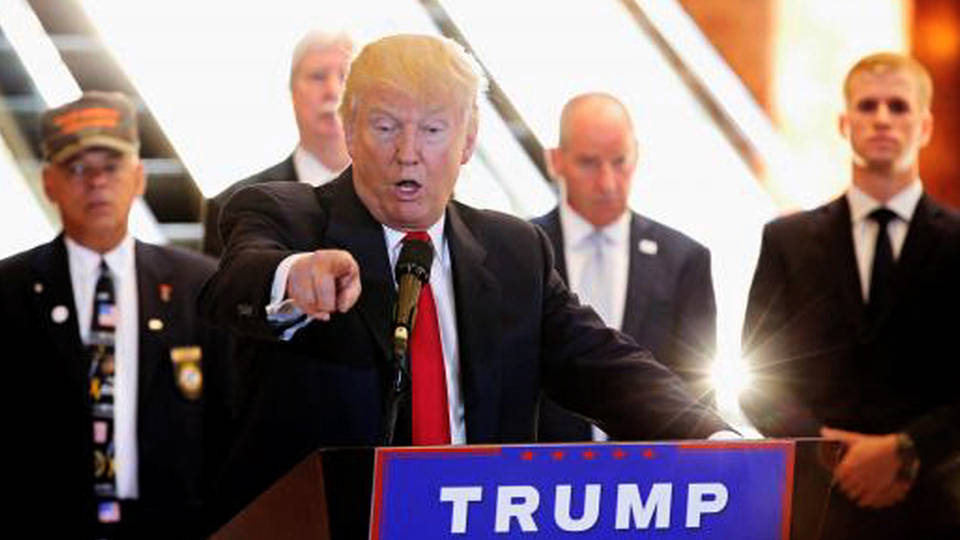
Presumptive Republican presidential nominee Donald Trump has attacked the news media for pushing him to explain what he did with millions of dollars he claimed to have raised for veterans. At a fundraiser in January, Trump said he raised over $6 million for veterans’ groups. Last week, after The Washington Post said they could trace only about half of that, $3.1 million, going to vet groups, Trump donated $1 million of his own funds and started cutting more checks. On Tuesday, Trump outlined $5.6 million in donations to veterans’ organizations. The Associated Press reports the biggest batch of checks appears to have gone out last week, amid the media scrutiny over the funds. At a news conference Tuesday, Trump lambasted the media, calling CNN’s Jim Acosta "a real beauty" and ABC News reporter Tom Llamas a "sleaze."
Donald Trump: "I’m not looking for credit, but what I don’t want is when I raise millions of dollars, have people say, like this sleazy guy right over here from ABC—he’s a sleaze, in my book—you’re a sleaze, because you know the facts, and you know the facts well."
When a reporter asked if this is how Trump would conduct a White House news conference if elected president, Trump said, "Yes, it is."
Veterans Protest Trump's Rhetoric in NYC
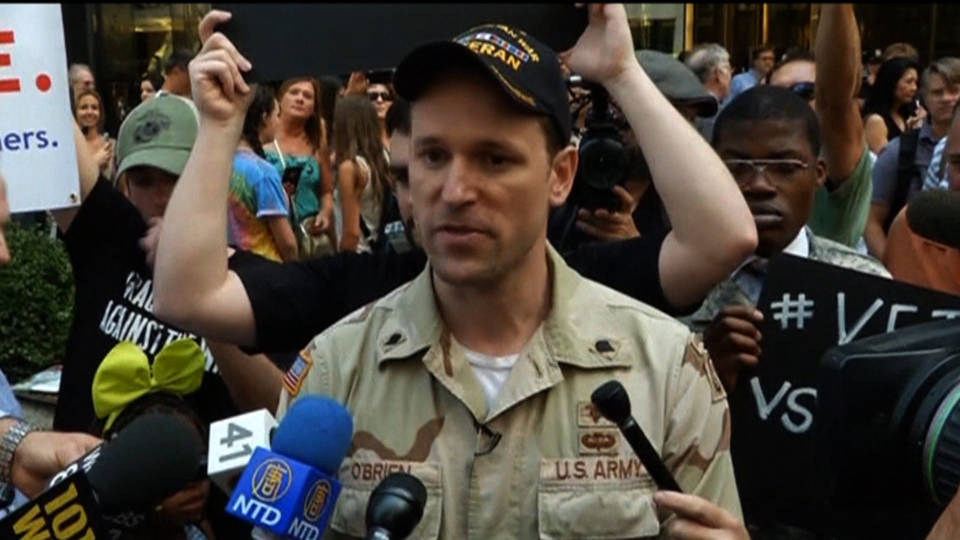
In New York City, veterans rallied outside Trump Tower to denounce Trump for using them as campaign props. Perry O’Brien, who served as a medic in Afghanistan, criticized Trump’s rhetoric.
Perry O’Brien: "I’m here because when I served in Afghanistan, I served with women, I served with Muslims, and I served with Latinos—all groups that Donald Trump has maligned and even threatened. All of those folks actually donned the uniform, they actually served their country. As far as we can see, as veterans and in the military community, Donald Trump only seems interested in serving himself."
GOP-Led Senate Committee Seeks to Slash Military Housing Benefits
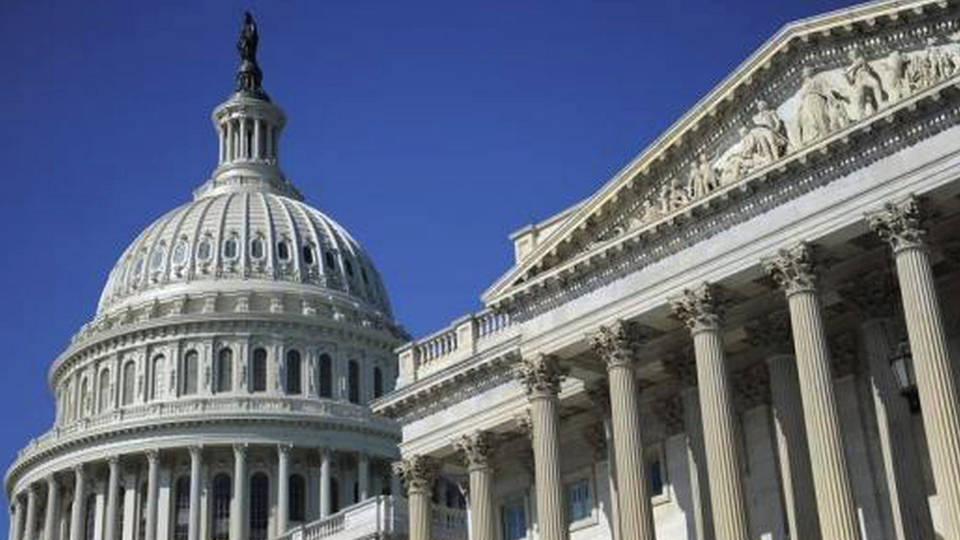
Meanwhile, the Republican-led Senate Armed Services Committee is seeking to slash housing benefits for members of the military. The plan, tucked into the annual military spending bill, could cost individual service members hundreds of dollars a month.
Trump University Documents Reveal Aggressive Sale Tactics
The news over Donald Trump’s veterans’ donations has overshadowed the release of hundreds of pages of documents from Trump University as part of an ongoing lawsuit arguing the defunct for-profit school defrauded students. Judge Gonzalo Curiel ordered the release of the documents, which include "playbooks" outlining how Trump University staffers should play on people’s emotions and weaknesses and urge them to amass credit card debt or rely on retirement funds to pay for classes. Trump has attacked Judge Curiel, saying he "happens to be, we believe, Mexican." Curiel is a U.S. citizen, born in Indiana.
U.N. Says Up to 1,000 Refugees Feared Drowned in Recent Days
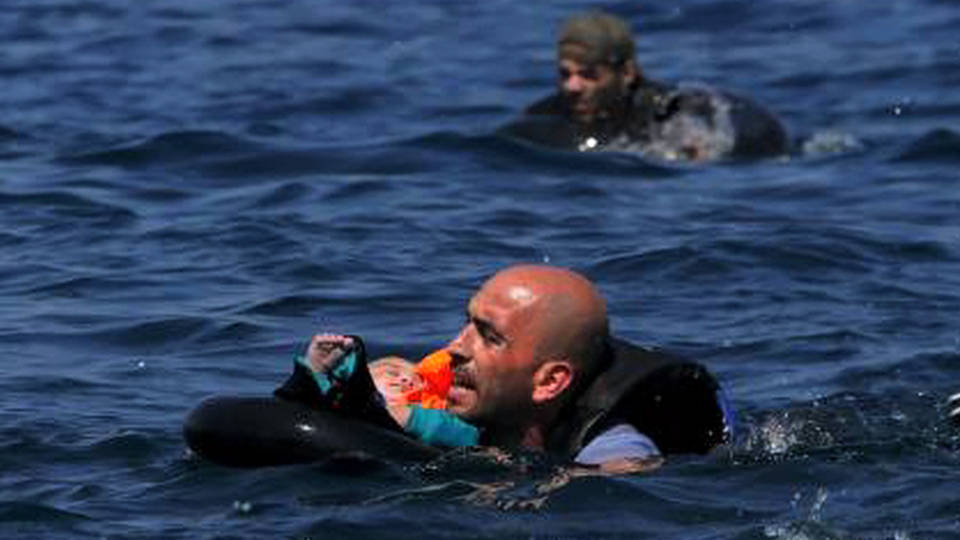
Up to 1,000 refugees are feared to have drowned in recent days while trying to cross the Mediterranean Sea. The United Nations says this marks one of the highest weekly death tolls since the migrant crisis began in 2014. UNHCR spokesperson William Spindler outlined the numbers.
William Spindler: "Thus far, 2016 is proving to be particularly deadly. Some 2,510 lives have been lost so far, compared to 1,855 in the same period in 2015 and 57 in the first five months of 2014. On a Mediterranean-wide basis, the odds of being among the dead are currently one in 81. This highlights the importance of rescue operations as part of the response to the movement of refugees and migrants in the Mediterranean, and the need for real, safer alternatives for people needing international protection."
This comes as Amnesty International warns the number of Afghans internally displaced by the 15-year conflict has more than doubled since the beginning of 2013. An average of 1,000 people a day have been forced from their homes in Afghanistan this year alone.
Iraq: "Catastrophe Unfolding" for Civilians Amid Fallujah Fighting
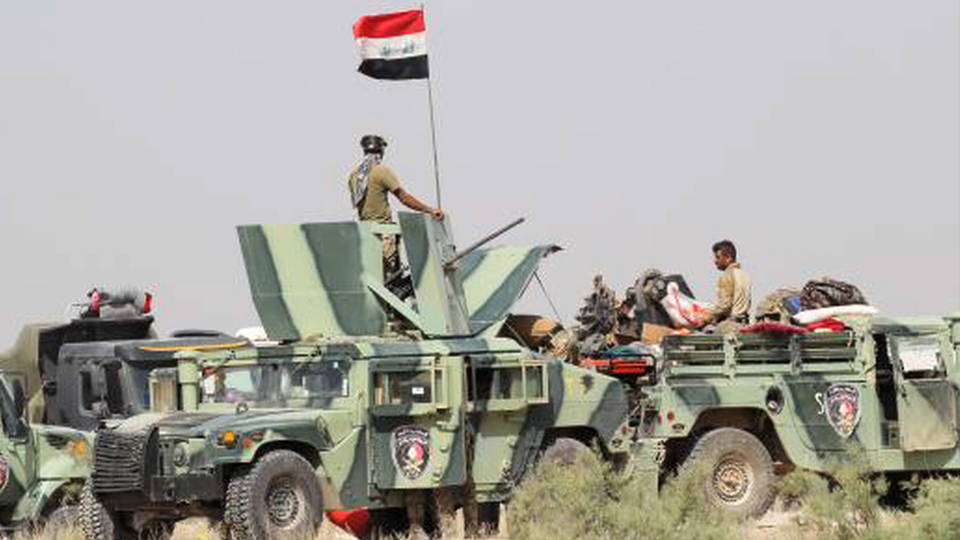
In Iraq, concerns are mounting over the fate of 50,000 civilians trapped in the city of Fallujah, as Iraqi forces fight to reclaim the city from ISIS militants. The Norwegian Refugee Council has warned a "human catastrophe is unfolding," with civilians caught in the crossfire amid fierce fighting. ISIS seized Fallujah in 2014. A decade earlier, Fallujah was the site of one of the bloodiest chapters for U.S. troops in the Iraq War. The U.S. push to recapture Fallujah involved the extensive use of depleted uranium and white phosphorus, leaving a legacy of birth defects that continues today.
Overlooking Brazil, Organization of American States Targets Venezuela
The Organization of American States has announced it will hold an emergency meeting to discuss whether to suspend Venezuela for violating the OAS Charter. OASSecretary General Luis Almagro said Tuesday that Venezuela had suffered "grave alterations of democratic order." But supporters of Venezuelan President Nicolás Maduro have criticized the OAS for targeting Venezuela, not Brazil, where democratically elected President Dilma Rousseff was recently removed from power in what many have described as a coup. Maduro has criticized OAS for intervening in Venezuelan politics. He also criticized the U.S. political system and voiced support for Democratic presidential candidate Bernie Sanders.
Venezuelan President Nicolás Maduro: "If the U.S. elections were free, they wouldn’t depend on an archaic system that’s 200 years old, and Bernie Sanders would be president of the United States."
We’ll speak with the Venezuelan ambassador to the OAS later in the broadcast.
California Gov. Jerry Brown Endorses Clinton as "Only Path" to Beat Trump
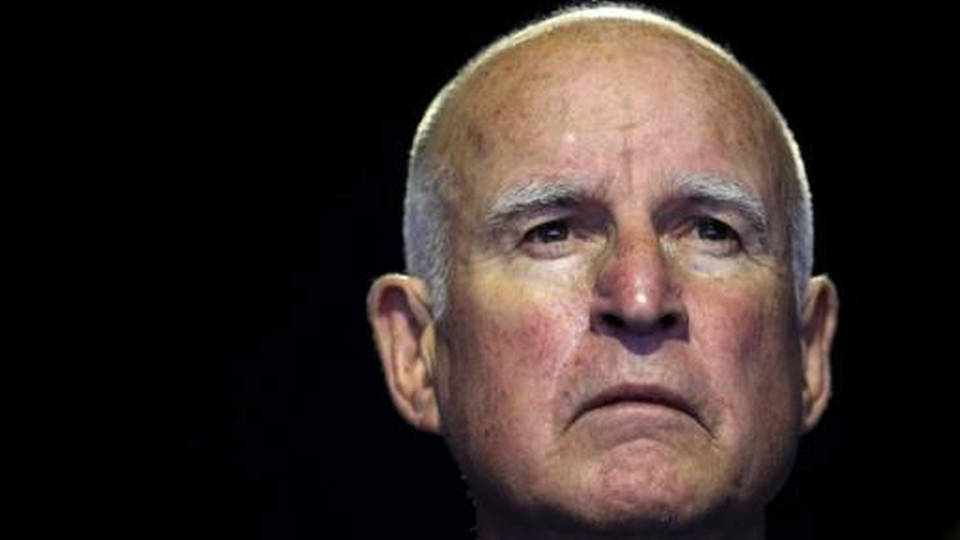
California Governor Jerry Brown has endorsed Democratic presidential candidate Hillary Clinton, calling her "the only path forward to win the presidency and stop the dangerous candidacy of Donald Trump." Brown has previously criticized Clinton and ran for the Democratic nomination himself in 1992 against Bill Clinton. He never endorsed Clinton, who beat him in the primary. His endorsement gives Clinton a key boost ahead of the June 7 California primary.
Report: Gitmo Tribunal Judge "Conspired" with Prosecution to Destroy Evidence
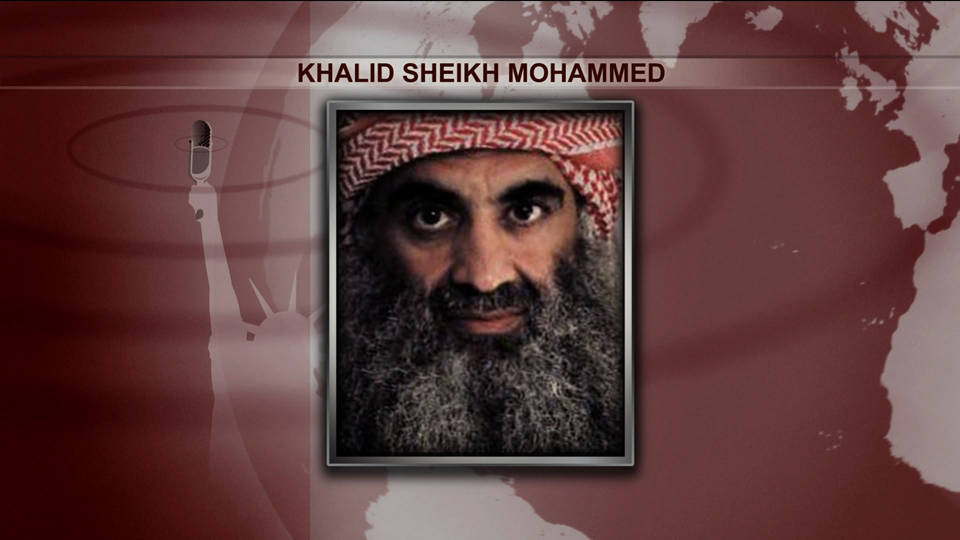
The Guardian reports the judge overseeing the military tribunal at Guantánamo "effectively conspired" with prosecutors to destroy evidence related to the defense of Khalid Sheikh Mohammed, the accused architect of the 9/11 attacks. A court document alleges the judge, Army Colonel James Pohl, worked secretly in concert with prosecutors to approve the destruction of evidence and prevent Mohammed’s defense team from learning about the move. Legal scholar Karen Greenberg told The Guardian, "This may well be the straw that breaks the camel’s back in underscoring the unviability of the military commissions."
Oklahoma: Volunteer Deputy Sentenced to 4 Years for Killing Unarmed African American
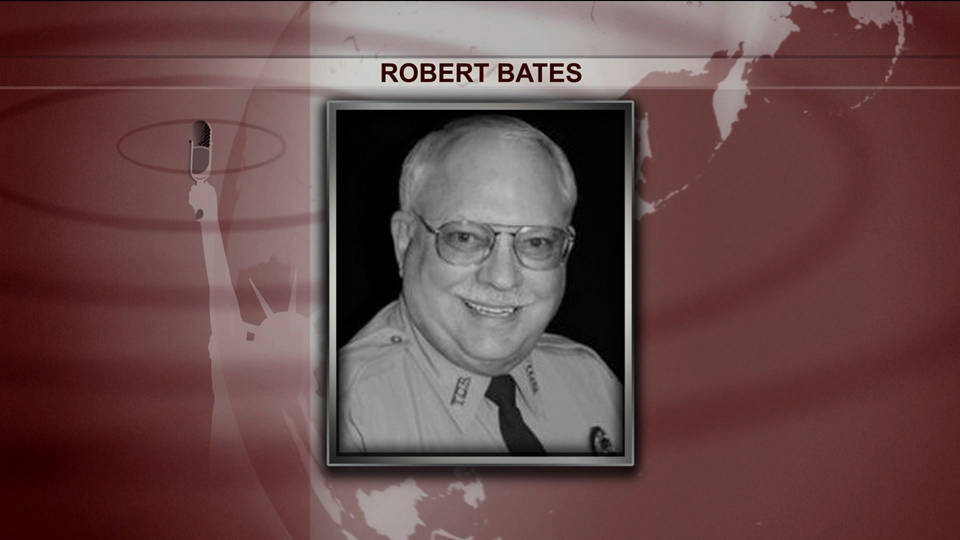
In Oklahoma, a former volunteer sheriff’s deputy who fatally shot an unarmed African-American man while the man was restrained has been sentenced to four years in prison. Robert Bates claimed he mistook his gun for a Taser when he fatally shot Eric Harris last April. An internal report from 2009 revealed how Bates, a wealthy donor to the sheriff’s office, had been allowed to flout policies, patrolling in his own vehicle and conducting traffic stops on his own without adequate training.
Western Sahara Independence Leader Mohamed Abdelaziz Dies
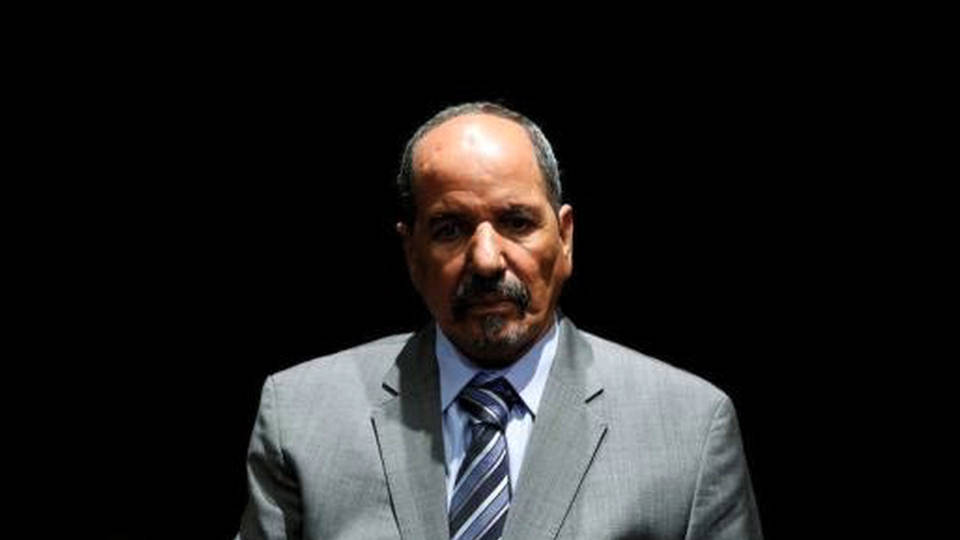
A leader of the independence movement in Western Sahara has died. Mohamed Abdelaziz was the leader and co-founder of the Polisario Front movement, which has demanded independence ever since Morocco took over most of Western Sahara in 1975. In March, Morocco expelled United Nations staffers from Western Sahara after U.N. Secretary-General Ban Ki-moon visited the region and used the term "occupation" to describe Morocco’s relationship to Western Sahara.
Vermont: Transgender Man Beaten to Death
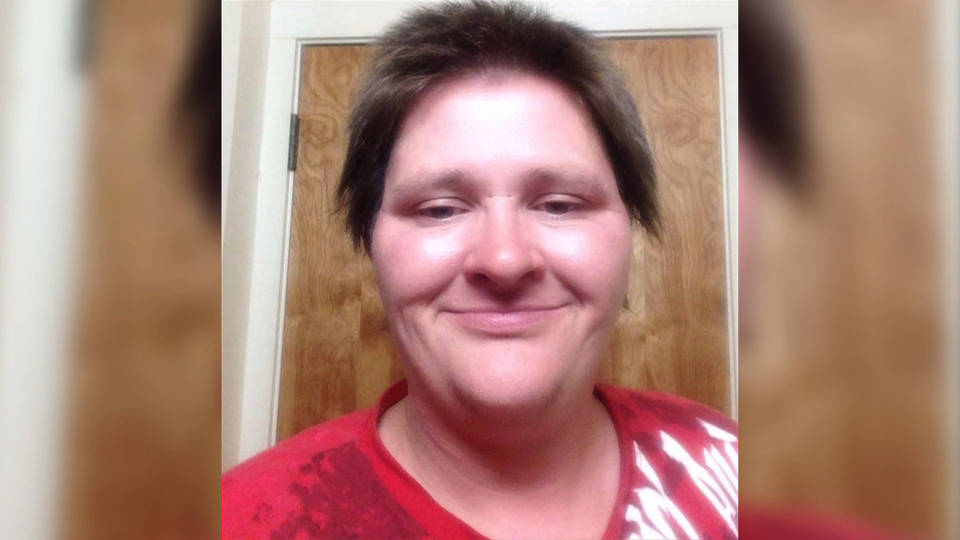
In Vermont, a transgender man has died of his injuries after being beaten at a homeless encampment in Burlington. Police say they are investigating the death of Amos Beede and whether it was connected to his transgender identity. At least 11 other transgender or gender nonconforming people have been murdered this year, following a record of more than 20 killings in 2015.
U.S. Death Rate Rises for the 1st Time in a Decade
And the death rate in the United States rose last year for the first time in a decade. Researchers attributed the rare increase in part to a rise in deaths from Alzheimer’s disease, suicide and drug overdoses.
- Donate today:
- Follow:
- SPEAKING EVENTS


207 West 25th Street, 11th Floor
New York, New York 10001, United States
---------------------
---------------------
No comments:
Post a Comment