democracynow.org
Stories:
 Day After Obama Tours Louisiana Flood Damage, Gov't Holds Massive Gulf Oil & Gas Lease Auction
On Tuesday, President Obama visited Louisiana for the first time since the devastating floods that killed 13 people and damaged 60,000 homes. The Red Cross has called it the worst natural disaster in the United States since Hurricane Sandy. While many climate scientists have tied the historic floods in Louisiana to climate change, President Obama made no link during his remarks. However, on Tuesday, four environmental activists were arrested in New Orleans protesting the Interior Department’s decision to go ahead with a lease sale of up to 24 million acres in the Gulf of Mexico for oil and gas exploration and development. The sale is being held today in the Superdome—the very building where thousands of displaced residents of New Orleans sought refuge during Hurricane Katrina 11 years ago. We speak to Antonia Juhasz, an oil and energy analyst, author of "Black Tide: The Devastating Impact of the Gulf Oil Spill." She joins us from San Francisco.
TRANSCRIPT
This is a rush transcript. Copy may not be in its final form.
AMY GOODMAN: On Tuesday, President Obama visited Louisiana for the first time since the devastating floods that killed 13 people and damaged 60,000 homes. The Red Cross has called it the worst natural disaster in the United States since Hurricane Sandy. It also marked Louisiana’s worst flooding since Hurricane Katrina. Some neighborhoods still have up to two feet of standing water left. President Obama spoke in Baton Rouge.
PRESIDENT BARACK OBAMA: I just had a chance to see some of the damage from the historic floods here in Louisiana. I come here, first and foremost, to say that the prayers of the entire nation are with everybody who lost loved ones. We are heartbroken by the loss of life. There are also people who are still desperately trying to track down friends and family. We’re going to keep on helping them every way that we can. As I think anybody who can see just the streets, much less the inside of the homes here, people’s lives have been upended by this flood.
AMY GOODMAN: While many climate scientists have tied the historic floods in Louisiana to climate change, President Obama made no link during his remarks. But while Obama was speaking in Baton Rouge, four environmental activists were arrested in New Orleans while occupying the headquarters of the Interior Department’s Bureau of Ocean Energy Management headquarters. They were protesting the Interior Department’s decision to go ahead with a lease sale of up to 24 million acres in the Gulf of Mexico for oil and gas exploration and development. The sale is being held in the Superdome—the very building where thousands of displaced residents of New Orleans sought refuge during Hurricane Katrina 11 years ago. One of the four arrested Tuesday was John Clark, a professor at Loyola University.
JOHN CLARK: You know, in a sense, I’m doing this for my ancestors, my children, my grandchildren, and that in my lifetime I’ve watched an area of the coastline the size of the state of Delaware disappear, and that it’s very painful to me to think about the fact that my grandchildren and their children will not even be able to live here in the future, because we’re going to lose southeast Louisiana.
AMY GOODMAN: To talk more about the flooding of Baton Rouge and today’s oil and gas lease sale at the Superdome, we’re joined by Antonia Juhasz, an oil and energy analyst, author of Black Tide: The Devastating Impact of the Gulf Oil Spill.
Welcome to Democracy Now!, Antonia. Talk about the connections we’re seeing today, from the protest in New Orleans to the flooding of Baton Rouge.
ANTONIA JUHASZ: Good morning, and thanks for having me, Amy. So, you know, just the timing of all of these events couldn’t be more devastating, really. So, you have this historic flood. You have the president there to offer assistance from FEMA and to, you know, hopefully try and assist those on the ground, while at the same time the Interior Department is continuing the problems that help excel this storm in the first place, help make it more ferocious, help make these storms more frequent. And that, of course, is the burning of fossil fuels, leading to climate change.
President Obama has been very outspoken and, in some cases, aggressive in the needs to tackle climate change, at the same time as expanding offshore oil drilling, expanding the production of oil and gas to new record heights across the United States, but, in particular, right now, most relevant to look at the expansion in the Gulf of Mexico. So, the sale taking place in about two hours at the Superdome for 24 million new acres in the Gulf of Mexico, this sale will complete, if all the leases are sold, all unsold leases in the western part of the Gulf. So that’s basically federal waters offshore of Texas. And these include some ultra, ultra-deepwater leases, so leases that would be at twice the depth of that which BP was drilling when the Deepwater Horizon disaster happened. It’s 4,400 blocks. It’s a big sale, a sizable sale. And there have been—
AMY GOODMAN: And for one second, for those who don’t remember, when you talk about the BP Deepwater Horizon, talk about how many people died and how extensive the pollution and the damage was.
ANTONIA JUHASZ: Well, that would take many hours, because, of course, it was one of the most—the largest offshore drilling oil spill in history. This was April 2010. Five million barrels of oil spilled into the Gulf of Mexico, released over a three-month period of time, extensive damage, which I’ve witnessed firsthand from the—in a submarine, at the bottom of the Gulf of Mexico, to the shores, to the air, to the animals, to the people. And the devastation continues.
One of the outcomes of this oil spill was, obviously, a tremendous amount of oil within the Gulf, and it’s estimated that 33—that 30 million gallons of oil remain in the Gulf ecosystem to this day of oil spilled from the BP disaster, April 2010. But that oil has had all kinds—has caused all kinds of problems. One of the problems that it contributed to was the destruction of marsh and the further erosion of the Gulf shore. Now, that destruction of the marshland is a continuation of harm caused by the oil and gas industry over decades that has contributed to coastal erosion, the elimination of marshes, the elimination of wetlands in Louisiana, which makes storms much more ferocious, because those wetlands, those marshes, should be there to suck in the water, as natural sponges, if you will, when water floods onto land. Without that marsh, that was eaten away by oil, without that coastline, that was eaten away by salt, that was allowed to incur on the coastline because of canals built for pipelines and other oil and gas infrastructure, the coast isn’t there, and the floods just come in and decimate communities, which we’re seeing more and more of.
In addition, there is, of course, the ongoing economic harm that’s suffered by fisherfolk and people who—oil workers, people who live off of the Gulf of Mexico that were harmed by this oil spill. And that, of course, makes dealing with catastrophes even more difficult, because they don’t have the economic backpinnings to deal with this type of catastrophe. And a lot of people, frankly, whose lives were upended because they’ve spent the last six years now organizing to try and stop offshore oil drilling in the Gulf of Mexico, and their lives are focused on doing that, and then they’re hit by these storms, and then, now, that makes it even more difficult to do that type of organizing. So the chain events sort of roll on and on.
And one of the biggest problems is that we haven’t—well, while the lessons have been learned from the BP Deepwater Horizon disaster—meaning numerous studies, incredible analysis—the policies that are the—that should be the expected outcome of those lessons have not been implemented. So, the Chemical Safety Board, the most important independent investigative body looking at disasters like these, in its most comprehensive analysis of the disaster, said, you know, basically, the chance of another Deepwater Horizon-like disaster is still very likely, and the lessons have not been learned. And a regulatory environment that invites companies to essentially say they can do the right thing, but not have to prove that they can do it, still perpetuates offshore oil drilling in the United States.
AMY GOODMAN: In March, hundreds of protesters disrupted another government auction of oil and gas drilling rights in the Gulf of Mexico. The government was attempting to auction off 43 million acres of offshore drilling rights at an event also held at the Superdome, like today’s, in New Orleans. Cherri Foytlin of Idle No More–Gulf Coast spoke out during the protest.
CHERRI FOYTLIN: I’m standing here with 200 brave souls that are saying no, no to the fossil fuel industry, and yes to a just transition for all of our people. Whoo! We came—we marched up here, maybe 500, maybe a thousand people—I don’t know. But it’s the most amazing thing to see all these people stand together with self-determination and say it’s time for a new day in the Gulf of Mexico. It’s over. The fossil fuel industry, you’re on your way out. Make yourself a bed. You’re done. It’s over. Bye-bye.
AMY GOODMAN: So, there you have Cherri Foytlin of Idle No More–Gulf Coast saying it’s over. But is it over, Antonia? And what’s the difference between that public auction and what’s happening today?
ANTONIA JUHASZ: Yeah, so, I was there. That was quite a historic event. You know, really, public organizing against offshore oil drilling is something that is fairly brand new in this size and scale in the Gulf of Mexico. And it’s really been a process over decades of Gulf Coast communities experiencing the harms of the industries, the up-and-downs of the markets for oil workers, as well. And then, of course, the impacts of the Deepwater Horizon disaster have led to this evolution of increased opposition to drilling among Gulf Coast communities. And that protest in the Gulf at the Superdome in March against the last—the previous lease sale was really historic and nearly shut down the sale.
So, in response, the Bureau of Ocean Energy Management, which is part of the Interior Department, for this sale taking place this morning, for the first time closed the sale to the public. So, the Superdome, which is this enormous facility, is going to have a room with, you know, 50 oil company representatives and 10 oil companies and maybe 20 journalists sitting in a room, and it will be closed to public participation, because they don’t want to see this type of public opposition to the lease sale that they saw in March. It will be viewable online, so people can watch it online if they want, but that means all you can do is, you know, watch what unfolds, not try to participate in the process.
And the protest that you mentioned at the opening, at the Bureau of Ocean Energy Management’s office in New Orleans, the like 15 or so Gulf residents and others who showed up to deliver 180,000 signatures on a petition calling for this lease sale today to be canceled, as you said, four of them were arrested because they said they wouldn’t leave until the lease sale was canceled. They were hoping that the Obama administration would start doing in the Gulf Coast what it has done in the Atlantic, which, in its new proposal for the next five years—it’s finalizing a new proposal for offshore oil drilling—new drilling in the Atlantic was taken off the table in that proposal, but offshore drilling in the Gulf of Mexico was expanded. And what the Gulf residents are saying is "We no longer want to be the sacrifice zone for the United States. If it’s good enough for the Atlantic, it’s good enough for us." And they were hoping that this lease sale would be canceled, and, if not canceled, I would imagine, hoping to have the opportunity to be there and be present and show their opposition. And that is not going to be able to be the case.
AMY GOODMAN: Antonia Juhasz, we want to thank you for being with us, oil and energy analyst, author of Black Tide: The Devastating Impact of the Gulf Oil Spill.
This is_Democracy Now!_ When we come back, we look at two stunning new reports on climate change. One about, well, will the Olympic Summer Games be able to be held in the coming decades, because it’s simply too hot? And another about the cost to the millennial generation nearing $9 trillion, the cost of climate change. Stay with us.
... Read More → Climate Study: By 2085 All U.S. Cities Except San Francisco Will Be Too Hot to Host Summer Olympics
A new article in the medical journal The Lancet has concluded much of the Northern Hemisphere will be too hot by 2085 to host the Summer Olympics. Researchers are projecting only eight cities in the hemisphere outside of Western Europe would be cool enough to host the Games. This includes just three cities in North America: Calgary, Vancouver and San Francisco. The list of cities where it could be too hot is staggering: Istanbul, Madrid, Rome, Paris, Budapest, Tokyo, New York, Chicago, Los Angeles—and the list goes on. Extreme high temperatures have already impacted the athletic world. In 2007, high heat forced the cancellation of the Chicago Marathon. At this year’s U.S. Olympic marathon trials in Los Angeles, 30 percent of the runners dropped out of the race due to the heat. For more, we speak with Kirk Smith, lead author of the article and professor of global environmental health at the University of California, Berkeley.
TRANSCRIPT
This is a rush transcript. Copy may not be in its final form.
AMY GOODMAN: The 2016 Summer Olympics may have just ended, but might we be seeing the end of the Summer Olympics for good? A new article in the prestigious medical journal The Lancet has concluded much of the Northern Hemisphere will be too hot by 2085 to host the Summer Olympics. Researchers are projecting only eight cities in the hemisphere outside of Western Europe would be cool enough to host the Games. This includes just three cities in North America: Calgary, Vancouver and San Francisco. The list of cities where it could be too hot is staggering: Istanbul, Madrid, Rome, Paris, Budapest, Tokyo, New York, Chicago, Los Angeles—and the list goes on.
Extreme high temperatures have already impacted the athletic world. In 2007, high heat forced the cancellation of the Chicago Marathon. At this year’s U.S. Olympic marathon trials in Los Angeles, 30 percent of the runners dropped out of the race due to the heat. And, of course, this has implications well beyond athletic events.
For more, we’re joined by Kirk Smith, lead author of the article, professor of global environmental health at the University of California, Berkeley.
Welcome to Democracy Now!, Professor Smith. Talk about what you found.
KIRK SMITH: Thank you for inviting me today. Well, I’m sitting in Berkeley, which is part of the San Francisco Bay Area, and we often repeat the—what Mark Twain is often reported to say, which is "The coldest winter I ever spent was a summer in San Francisco." People who’ve been here know it’s cold in—or it’s cool in the summer. This is going to be an advantage in the future as climate change proceeds, because, as you say, those three cities in North America, including San Francisco—San Francisco is likely to be the last place that a Summer Olympics could be held as they’re held today.
Now, why is that? I mean, what is it that—why does heat make it hard to have the Olympics? Obviously, it doesn’t make any difference for springboard diving, but it does make a difference for outdoor endurance events, like particularly the marathon, but others. And it’s—although temperature is part of the picture, one of the things that people don’t realize as an impact of climate change is that as temperature rises, it increases the evaporation of water from the oceans and other bodies of water, so therefore humidity goes up, as well. And your ability to do outdoor work is a function not only of temperature, but also the humidity. If it’s 100 percent humidity, even a very low temperature will keep—not allow you to work heavily, because you need to sweat in order to give off the extra heat that your body produces when you’re doing work.
So, we took a look at the Olympics in this regard, because we know how they’re run and what kind of, you know, exercise is done. And we took regular climate models that other people are using. We assume the same projection of greenhouse gases that is in the international—the Intergovernmental Panel on Climate Change, the current pattern we’re on. We took both a conservative model and a more liberal model, if you like, and averaged them, so we weren’t—couldn’t be accused of cherry picking. And we were surprised to find how few cities in the world were left in 2085—just eight outside of Western Europe, only three in North America.
So, of course, we’re not really all that concerned about our most elite athletes. They are very well conditioned. They are very well managed by the physicians on their teams. But it’s the tip of the iceberg. The last line in our paper is: "If we have to worry about our most elite athletes, what about the rest of us?" Because it is the rest of us that are most at risk from these rising heat and humidity.
And some, in fact, think it may be one of the—the largest impact of climate change in the next 50 or 60 years will be the change in the ability to do what we’ve always done, doing for 2 million years, is work—work and heavy exertion outdoors. Now, probably very few people listening to this program work all the time outdoors, but 50 percent of the planet does work outdoors all the time, mainly in agriculture and construction. So those professions are more and more challenged, if you like, at certain times of year, as climate change proceeds. The areas of the planet that will be dangerous to conduct that kind of work will grow and grow with climate change. And the Olympics illustrates this. We, of course, published this paper at the time of the Rio Olympics to call attention to the broader problem of climate change changing how we do things.
AMY GOODMAN: You talk about—the report is on the Summer Olympics, your study. What about the Winter Olympics?
KIRK SMITH: Yes. Well, there was a paper also, based on a report done in Canada, that was published in 2014 just before the winter—the Sochi Winter Olympics. And they did a somewhat similar analysis. They took the 19 sites where there had been Winter Olympics before, and examined how many of them would still be viable for the Winter Olympics in about 2085. And they found that only six of them would still be viable. There, of course, it wasn’t the risk to the athletes from exertion and heat; it was whether there’d be enough snow. And so, they used a 30 centimeters of snow, you know, if you—what’s 30 centimeters? You know, 10 inches or 15 inches of snow is the minimum required for the Winter Olympics. And the same issue.
Of course, if—you can get around these things a bit. You can do everything indoors. In fact, more and more, both the Summer and Winter Olympic events have been moved indoors. But it’s a little hard to see how you do downhill skiing indoors. And running the marathon indoors would be a pretty boring event, so—but you can—you could do it. You could do the marathon in January, and—if you like, and that would not be the same Winter Olympics, but there would be ways to adapt your way out of it. The point is that what we’ve been doing for millions of years is no longer possible. We’ve held the Olympics for 2,500 years, you know, a hundred—more than a hundred years in the modern Olympics. And we’ve come to expect certain—you know, certain ways of doing things that are not going to be possible.
And in addition, of course, other people do exertion outdoors for sports. I mean, there are hundreds of marathons every year around the world in cities. And as you mentioned, those are starting to be constricted, as well. The Chicago Marathon had to be stopped in the middle. Hundreds of athletes had gone to the emergency rooms around Chicago because of the temperature and humidity had exceeded the limits for athletes. And, of course, it’s the rest of us are more vulnerable than elite athletes, who are very well trained and finish the—you know, the marathon runners in that marathon finished, the highly competitive ones, in a little over two hours. But, you know, three hours later, there were 10,000 other athletes still out in the heat and humidity. So that’s why they had to stop it. So—
AMY GOODMAN: And, of course, Professor Smith, it’s not only the athletes and then the general population, but the kind of political and social upheaval these—this kind of extreme weather causes.
KIRK SMITH: Well, yes. I mean, I think the—we think the biggest impact will be, as I say, among the poor. I mean, climate change, you know, I’ve said before, is the most—excuse me—the most regressive tax in human history, in the sense that, in general, the rich benefit from the use of fossil fuels and the economy that’s run by them, and the poor get the biggest impacts in terms of—I’m a health scientist, so, in terms of health, it’s the poor that’s going to suffer most from climate change. And an illustration of that is the workers who work outdoors, in this case. I mean, in California, for example, in the Central Valley, we already have a few workers who might die from heat exertion every year in the summer. But that will increase, unless something is done.
Now, what can be done? You can change work practices—allow people to sit in the shade between 10:00 and 2:00 and drink lemonade. But bosses aren’t—well, you know, aren’t known for that kind of laxity. And so, what happens is there gets to be a very difficult trade-off between expectations on productivity, how much you’re supposed to produce, and health. That’s a difficult trade-off. It’s a pernicious trade-off. We want labor to be more productive, of course, but we also want labor to be protected. And it gets more and more difficult.
AMY GOODMAN: Drawing from another sports example, thousands of workers are toiling in extreme heat in Qatar building the stadiums for the 2022 World Cup soccer championships. The International Trade Union Confederation estimates more than 7,000 workers will die before a ball is kicked in the World Cup in 2022.
KIRK SMITH: Yeah, well, that’s a great example, because some people will respond to this, "Well, 2085 is a long way off. By then, we can all be living in air-conditioned malls. We don’t care about the heat outside. We don’t work outside." But, of course, somebody has to build those malls or those stadiums. Somebody has to repair them. You know, we’re not going to turn into space colonies on the planet Earth. You know, maybe air-conditioned cabs can be developed for farm machinery in rich countries, but they’re not going to be doing that in India in—even in 50 years. So, it’s a set of issues. I mean, the stadium in Qatar will probably be air-conditioned. It’s the only way to protect the people who go to that—who go to those games and the players. But somebody has to build it, and including in the summer.
AMY GOODMAN: Well, Professor Kirk Smith, we want to thank you for being with us. He teaches global environmental health at University of California, Berkeley. And we will link to your study, the recent article in The Lancet, which is headlined "The Last Summer Olympics? Climate Change, Health, and Work Outdoors."
... Read More → Inaction on Climate Change Could Cost Millennials $8.8 Trillion in Lifetime Income
A new study has found that without action on climate change, the millennial generation as a whole will lose nearly $8.8 trillion in lifetime income dealing with the economic, health and environmental impacts of climate change. The study, "The Price Tag of Being Young: Climate Change and Millennials’ Economic Future," was produced by NextGen Climate and Demos. We speak to Heather McGhee, president of Demos and Demos Action.
TRANSCRIPT
This is a rush transcript. Copy may not be in its final form.
AMY GOODMAN: As we continue to talk about climate change, a new study has found that without action on climate change, the millennial generation as a whole will lose nearly $8.8 trillion in lifetime income dealing with the economic, health and environmental impacts of climate change. The study was produced by NextGen Climate and Demos.
Joining us now is Heather McGhee, president of Demos and Demos Action.
Welcome to Democracy Now!
HEATHER McGHEE: Thank you, Amy.
AMY GOODMAN: So, talk about the economic effects of climate change.
HEATHER McGHEE: You know, in some ways, it’s somewhat stunning that this study hasn’t been done before, because we know that millennials—I’m sort of one of the older millennials—millennials, us and our children, are going to be the ones, obviously, to bear the brunt of the inaction to address global climate change. We also know that millennials are the first generation likely to be worse off economically than our parents. And so, at Demos and NextGen, we wanted to combine these two issues of the political decisions that have created economic inequality, that have really used the millennial generation as guinea pigs since the Reagan era of cutting back on public investments, of shredding the labor contract, and also combine the story of inequality with the story of climate change, not only in the environmental impacts, but in the economic impacts.
And so, we use the methodology from a Stanford and Berkeley study, which used 166 different countries’ historical data over the past 50 years and found the overall GDP impacts of rising temperatures. And for the first time, we looked at that at the household level and said, for just the generation of, you know, a college student that graduated last year, over her lifetime, she would lose $127,000 in lost income. And because we know that lost income isn’t just lost ability to spend today, it’s lost ability to save for tomorrow, we also wanted to look at the wealth impacts. And that was nearly $200,000 in lost wealth.
AMY GOODMAN: And explain how that happens, concretely.
HEATHER McGHEE: Yeah, it happens because this Stanford and Berkeley study showed that rising temperatures—much like the Lancet study, Stanford and Berkeley researchers showed that rising temperatures create lost productivity. And there are, actually, you know, hundreds of different ways that this happens. And they didn’t—this was one of the first studies to actually just look at it from an aggregate level, just say that, you know, whether it’s in production, whether it’s in agriculture, construction, the loss because of extreme temperatures and weather events, all in all, over 166 countries, we can take a step back and say that when temperatures rise over a certain point, GDP falls. And we know that when GDP falls, wages fall, jobs fall. And, of course, that has been the threat economically to millennials that we haven’t ever calculated at a household level, although we’ve known it at a gut level, that there would be a price to pay for inaction today.
AMY GOODMAN: You know, it’s very interesting, because the Republican Party, though there are individual Republican politicians in Congress who do believe that climate change is an issue, overall, are saying it is not an issue. Certainly, Donald Trump says it is a hoax. In fact, I want to go to Donald Trump talking about the issue of climate change earlier this year.
DONALD TRUMP: President Obama said the biggest threat to our country is global warming. That’s called give me a break. OK? The biggest threat to our country is nuclear. And we cannot let Iran get a nuclear weapon.
AMY GOODMAN: So, he has called climate change a hoax, saying, among other things, it’s a Chinese conspiracy. But this issue, you’re really talking about building up a debt. And debt certainly is a concern to Republicans.
HEATHER McGHEE: Right.
AMY GOODMAN: This is a climate debt.
HEATHER McGHEE: That’s right. It’s a climate tax, which seems to be a concern to Republicans. It’s a wallop to our GDP. The Stanford and Berkeley study said that by 2100 our GDP would be 36 percent lower than it would be if we took action on climate change. Those are supposed to be concerns of conservatives. And you’re already seeing it in non-fossil fuel businesses, which are already starting to make this transition. They understand that there is a massive economic cost to inaction and, on the flip side, that there is a great economic opportunity by transitioning to 100 percent clean energy. We know that the millennial generation is 91 percent supportive of transitioning to 100 percent clean energy. The only things that’s going to make the difference between crisis and opportunity is more democracy.
AMY GOODMAN: And what would that look like?
HEATHER McGHEE: That would look like, really, a World War II-style mobilization, both of our politics and of our economics, of all of us saying that there is actually a better way, that we can recreate our economy and put those communities that have been last in line in a fossil fuel economy first in line in a new clean energy economy.
AMY GOODMAN: How?
HEATHER McGHEE: We can use technology that’s existing today. I mean, that’s one of the things that makes people feel like it’s all very hopeless, the idea that we have to, you know, land a man on Mars in order to have 100 percent clean energy. But through existing technologies, we can do it. We can do it building on the progress that the Obama administration has made with the Clean Power Plan from the EPA and Paris. And, of course, we need to get more aggressive than those compromised steps forward. In California, they’ve done something that makes sure that the money, the revenue, that comes from polluters is actually targeted to the lowest-wealth communities in creating jobs, public transit, efficiency. Efficiency of buildings is going to be a massive part of how we get to clean energy, and that saves working families on their energy bills, and it puts people to work in the buildings in their community.
AMY GOODMAN: Well, Heather McGhee, we’re going to link to your report, NextGen/Demos report on climate change and millennials. But I’d like to ask you to stay with us, as we transition to the "alt-right." What does that mean? We’re talking to Heather McGhee, the president of Demos and Demos Action. We’ll be back in a minute.
... Read More → Embracing the Alt-Right: New Trump Campaign Chief "Created an Online Haven for White Nationalists"
Last week, Donald Trump once again upended his campaign team and named Stephen Bannon, the head of Breitbart Media, to be his campaign chief. Breitbart regularly sparks controversy with headlines such as "Birth Control Makes Women Unattractive and Crazy," "Trannies Whine About Hilarious Bruce Jenner Billboard" and "Bill Kristol: Republican Spoiler, Renegade Jew." In a new article published by Mother Jones, investigative journalist Sarah Posner writes, "By bringing on Stephen Bannon, Trump was signaling a wholehearted embrace of the 'alt-right,' a once-motley assemblage of anti-immigrant, anti-Muslim, ethno-nationalistic provocateurs who have coalesced behind Trump and curried the GOP nominee’s favor on social media." For more, we speak to Sarah Posner and Heather McGhee of Demos.
TRANSCRIPT
This is a rush transcript. Copy may not be in its final form.
AMY GOODMAN: This is Democracy Now!, democracynow.org, The War and Peace Report. I’m Amy Goodman, as we turn to look at "How Donald Trump’s New Campaign Chief Created an Online Haven for White Nationalists." That’s actually the headline of a new article in Mother Jones by investigative journalist Sarah Posner, who has closely followed right-wing movements for years. The piece looks at Trump’s new campaign chief, Stephen Bannon, who until last week headed the right-wing website Breitbart Media.
In her piece, Sarah Posner writes, quote, "By bringing on Stephen Bannon, Trump was signaling a wholehearted embrace of the 'alt-right,' a once-motley assemblage of anti-immigrant, anti-Muslim, ethno-nationalistic provocateurs who have coalesced behind Trump and curried the GOP nominee’s favor on social media," unquote.
Breitbart regularly sparks controversy with headlines such as "Birth Control Makes Women Unattractive and Crazy" or "Trannies Whine About Hilarious Bruce Jenner Billboard" and "Bill Kristol: Republican Spoiler, Renegade Jew."
Criticism of Breitbart Media has grown over the past year. Southern Poverty Law Center recently said, quote, "Over the past year however, the outlet has undergone a noticeable shift toward embracing ideas on the extremist fringe of the conservative right. Racist ideas. Anti-Muslim and anti-immigrant ideas—all key tenets making up an emerging racist ideology known as the 'Alt-Right.'"
Even former Breitbart employees have spoken out. The site’s former editor-in-chief, Ben Shapiro, recently wrote, quote, "Breitbart has become the alt-right go-to website, with [Milo] Yiannopoulos pushing white ethno-nationalism as a legitimate response to political correctness, and the comment section turning into a cesspool for white supremacist mememakers."
Well, to talk more about Breitbart, Stephen Bannon and the Trump campaign, we’re joined by Sarah Posner, and still with us is Heather McGhee of Demos.
Sarah, welcome to Democracy Now! Why don’t you start off and talk about what you found?
SARAH POSNER: Well, I was covering alt-right activities at the Republican National Convention in Cleveland last month. And that’s where I encountered a couple of times Milo Yiannopoulos, who is the site’s technology editor and the principal link between Breitbart and activists on the alt-right, activists that Yiannopoulos has explicitly embraced. And I also met and talked to Stephen Bannon, who was, at the time, the head of Breitbart and is now the CEO of Trump’s campaign.
And in our interview, Bannon told me that Breitbart is the platform for the alt-right, but he denied that the alt-right is an inherently racist or anti-Semitic movement that embraces white nationalism. He said that Breitbart is a nationalistic site; he denied that it’s a white nationalistic site. And he said that while there are elements of anti-Semitism or some people who might be racist in the alt-right, as a whole, the movement is not a racist or anti-Semitic movement.
Now, I asked him specifically about Ben Shapiro, who you discussed, who previously was an editor at Breitbart, who’s emerged as one of the site’s leading critics and who has been attacked on social media by anti-Semites tweeting—you know, just tweeting like horrible things at him and saying things about him and his family. And I asked Bannon about that hate that’s been directed at his former employee. And he dismissed it, calling Shapiro a whiner.
AMY GOODMAN: And explain more the term "alt-right."
SARAH POSNER: Well, as much as Bannon wanted to claim Breitbart as the platform for the alt-right, the alt-right existed before Bannon took over Breitbart, when Andrew Breitbart, the site’s founder, died suddenly in 2012. The alt-right has been around before that. The "alt-right" term was coined by Richard Spencer, who is a white nationalist writer and activist who positions the alt-right as a dissident movement that’s dissatisfied with conservatism, which they portray—a term that you’ll often see people on the alt-right using for a conservative, for a movement conservative, is "cuckservative." It’s a disparaging term combining the word "cuckold" and the word "conservative." And that is how they portray movement conservatives.
And this is why they’ve been cheered by Trump’s candidacy, because they see him as a candidate who’s abandoned the traditional GOP, who scoffs at movement conservatism and, in fact, embraces their issues, is willing to talk about building a wall, who’s willing to talk about race in the way that Trump talks about race, who’s willing to break with GOP orthodoxy on trade deals. These are all things that have led the alt-right into the Trump camp. And a lot of it has to do with the ways in which he has rejected GOP and movement conservatism orthodoxy.
AMY GOODMAN: I wanted to go to Donald Trump speaking in Dimondale, Michigan, a largely white suburb of Lansing.
DONALD TRUMP: African-American communities have suffered under Democratic control. To those, I say the following: What do you have to lose by trying something new like Trump? What do you have to lose?
AMY GOODMAN: Donald Trump has been addressing the African-American community from the largely white, overwhelmingly white, community he was in there in Michigan and, before that, when he spoke in West Bend, overwhelmingly white community, a suburb of Milwaukee. Heather McGhee, that question, "What do you have to lose?"
HEATHER McGHEE: You know, we’ve been clear, I think, many of us in the African-American community, that Donald Trump was going to make an appeal to the black vote. He was very quick to attack Mexicans, Latinos, immigrants, very quick to attack Muslim Americans, but actually has been somewhat more reticent. And we have all been sort of anticipating this moment when he would try to divide and conquer among people of color, and say to working-class black men, particularly, that immigrants are coming to take their jobs.
You have to remember that Donald Trump—speaking of the alt-right, Donald Trump was the loudest and, as he has in many—with many racist ideas, the most effective mainstreamer of the idea that the first African-American president was not actually born here, is not a U.S. citizen, and therefore not a legitimate president. That’s not something that the black community forgets. We also—
AMY GOODMAN: That Donald Trump was a leader of the birther movement—
HEATHER McGHEE: Exactly.
AMY GOODMAN: —going back years challenging Obama.
HEATHER McGHEE: Yes. We also don’t forget that the way that he sort of burst onto the scene in New York was as a slumlord who was forced to settle massive discrimination claims against African-American tenants. So, Donald Trump has very little support in the African-American community. Some polls say it’s 1 percent, some polls say it’s zero. And they understand what he is doing. Even more importantly than what Donald Trump is, it’s what he is doing to reinvigorate white supremacy in this country. Even if Donald Trump is defeated on Election Day—which I don’t think is a given, right? Polls do not vote. We do not actually have Election Day by random dialing surveys. People do have to actually come out and vote, which is not necessarily a given right now. Even if he’s defeated, the unmasking of American racism, the mainstreaming of these ideas, is going to be with us the day after Election Day. The African-American community is very aware of that.
AMY GOODMAN: Even Indiana governor, the vice-presidential running mate of Donald Trump, is aware of this. He was being questioned on Fox by the Fox News host Ainsley Earhardt about Donald Trump’s claim that he could get to something like 95 percent of the African-American vote by 2020.
AINSLEY EARHARDT: Donald Trump is telling the African-American community, "I am the guy for you," and he says, by 2020, he’s going to have 95 percent of the African-American support.
GOV. MIKE PENCE: [laughter]
AINSLEY EARHARDT: Why are you laughing?
GOV. MIKE PENCE: Well, that’s Donald Trump.
AMY GOODMAN: So, there is Governor Pence just laughing. So, talk more, Sarah Posner, expanding on what Heather McGhee has said, about what Donald Trump has—is doing with this alt-right.
SARAH POSNER: I think, on the one hand, he’s embraced the alt-right, either explicitly—by hiring Bannon, obviously—but also implicitly. There’s a lot of wink-wink at the alt-right, particularly in the way that Trump uses his Twitter account and some of his surrogates use their Twitter account. But I think, at the same time, he’s trying—and I think that this is completely going to be completely transparent to the African-American community and to African-American voters—he’s trying to pretend that he’s got a strategy for reaching out to black voters and that he’s—and that he has a prayer of reaching out to black voters. So—
AMY GOODMAN: Let me interrupt and ask you something. Some are saying that this whole presidential election that he is involved with is actually a strategy for developing Trump TV, that he is consolidating a media leadership here with Bannon, with Roger Ailes, who is now forced out because of sexual harassment allegations by more than 20 women from Fox and now is reportedly advising Donald Trump. How significant is this possibility?
SARAH POSNER: Well, I’ll just caveat my answer by saying I haven’t done any independent reporting on the prospects of this media outlet. But if this is something that Trump does in fact have in mind, you know, the fact that he’s asking Roger Ailes for advice, and was asking Roger Ailes—he was in regular contact with Roger Ailes even before Ailes was forced out of Fox over the sexual harassment lawsuit—and the fact that he’s hired Bannon, and combine that with how, throughout his campaign, Trump has been so disparaging of the mainstream media, the way he calls out individual reporters at his campaign events, calls on his rally attenders to turn around and scoff at and disparage the media that’s covering the rally from a press pen, all of this points to—and also that he—how he talks about the unfairness of the way the media covers him, and almost setting the stage for blaming the media if he loses. So, if you put all of this together, regardless of what Trump actually does organizationally in terms of creating a media outlet after the—if he were to lose the presidency, after the campaign, it seems pretty evident that there’s a lot of sowing of discontent about the mainstream media, and a bolstering of these alternative media sites that have been supportive of Trump and supportive of the alt-right.
AMY GOODMAN: We’re going to have to leave it there. Sarah Posner, most recent piece, we’ll link to, "How Donald Trump’s New Campaign Chief Created an Online Haven for White Nationalists," and Heather McGhee, president of Demos, thanks so much.
... Read More →Obama Tours Louisiana Flood Damage, Does Not Mention Climate Change
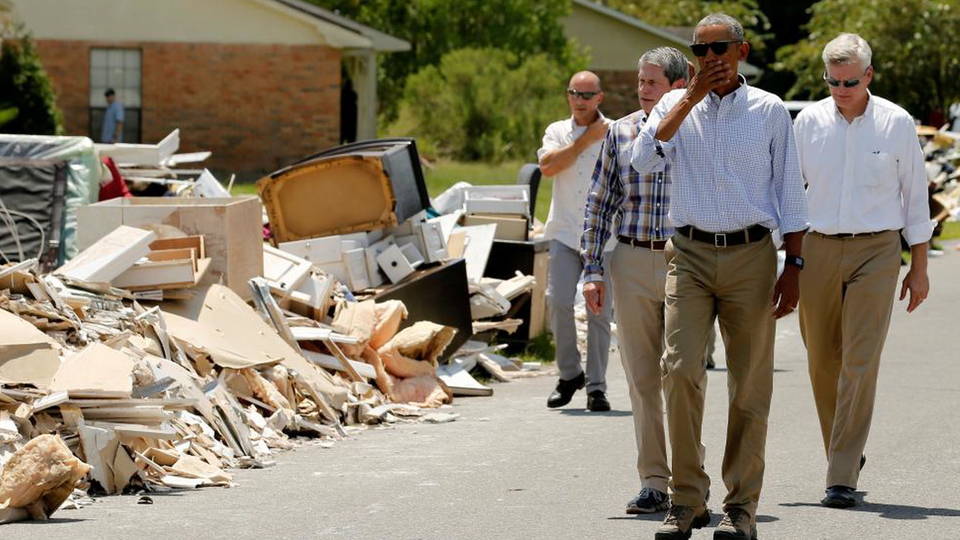 On Tuesday, President Obama visited Louisiana for the first time since the devastating floods that have killed 13 people and damaged 60,000 homes. The Red Cross has has called it the worst natural disaster in the United States since Hurricane Sandy. It also marked Louisiana’s worst flooding since Hurricane Katrina. Some neighborhoods still have up to two feet of standing water left. President Obama spoke in Baton Rouge.
President Barack Obama: "I just had a chance to see some of the damage from the historic floods here in Louisiana. I come here, first and foremost, to say that the prayers of the entire nation are with everybody who lost loved ones. As I think anybody who can see just the streets, much less inside of the homes here, people’s lives have been upended by this flood."
While many climate scientists have tied the historic floods in Louisiana to climate change, President Obama made no link during his remarks. While Obama was in Baton Rouge, he also met with the family of Alton Sterling, who was killed by police on July 5, and with the families of three police officers who were killed by a former U.S. marine in a mass shooting in Baton Rouge on July 17.
TOPICS:
Climate Change
Extreme Weather
4 Activists Arrested Protesting Plan to Sell Offshore Oil Leases
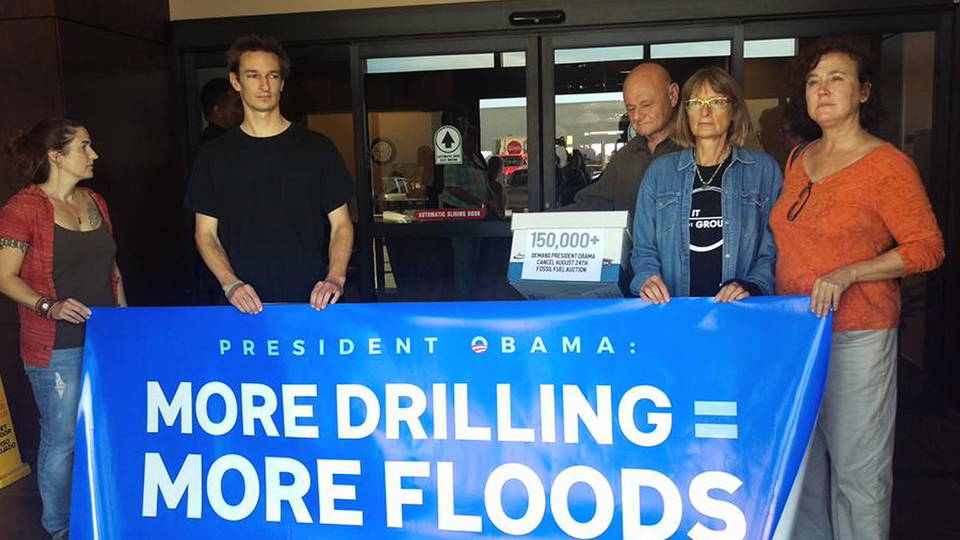 But while Obama was speaking in Baton Rouge, four environmental activists were arrested in New Orleans on Tuesday while occupying the headquarters of the Interior Department’s Bureau of Ocean Energy Management in New Orleans. They were protesting the Interior Department’s decision to go ahead with a lease sale of up to 24 million acres in the Gulf of Mexico for oil and gas exploration and development. The sale is being held in the Superdome—the very building where thousands of displaced residents of New Orleans sought refuge during Hurricane Katrina 11 years ago. We’ll have more on the protests with Antonia Juhasz after headlines.
Italy: 6.2-Magnitude Earthquake Kills At Least 73
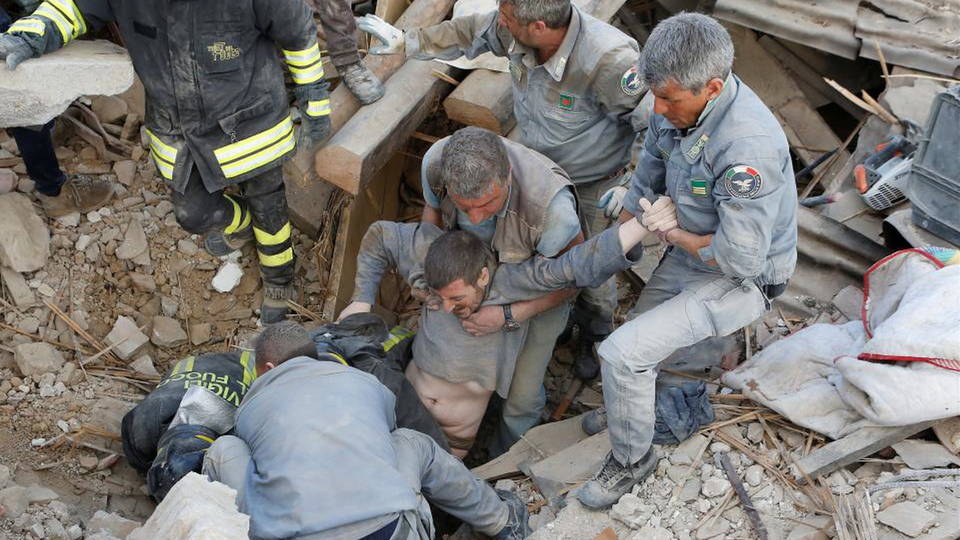 In breaking news from Italy, a 6.2-magnitude earthquake has killed at least 73 people, with the death toll expected to rise. The quake struck the central Italy town of Norcia, which is about two-and-a-half hours northeast of Rome. It caused homes and buildings to collapse as people were sleeping. Rescue crews are currently pulling people out of the rubble.
Global Extreme Weather: Floods, Fires & Heat Waves
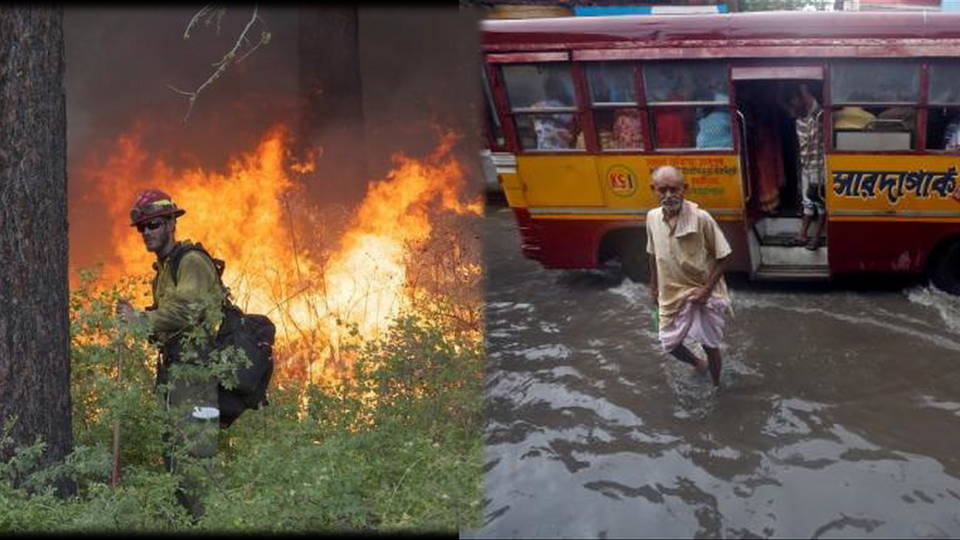 This comes as deadly extreme weather continues around the world. In India, at least 300 people have died in widespread flooding across eastern and central states. The flooding, caused by heavy rains, has closed schools, destroyed roads and submerged hundreds of towns and villages. Meanwhile, in Philadelphia, least four people died during last week’s heat wave, which broke four separate temperature records. And in Washington state, Governor Jay Inslee has declared a state of emergency in nearly two dozen counties amid raging wildfires, which he blamed on climate change, saying, "Our forests and wild lands are under attack from climate change." Wildfires are also raging across parts of California. We’ll have more on climate change later in the broadcast with climate scientist Kirk Smith.
AP: As Secretary of State, Clinton Met with Dozens of Foundation Donors
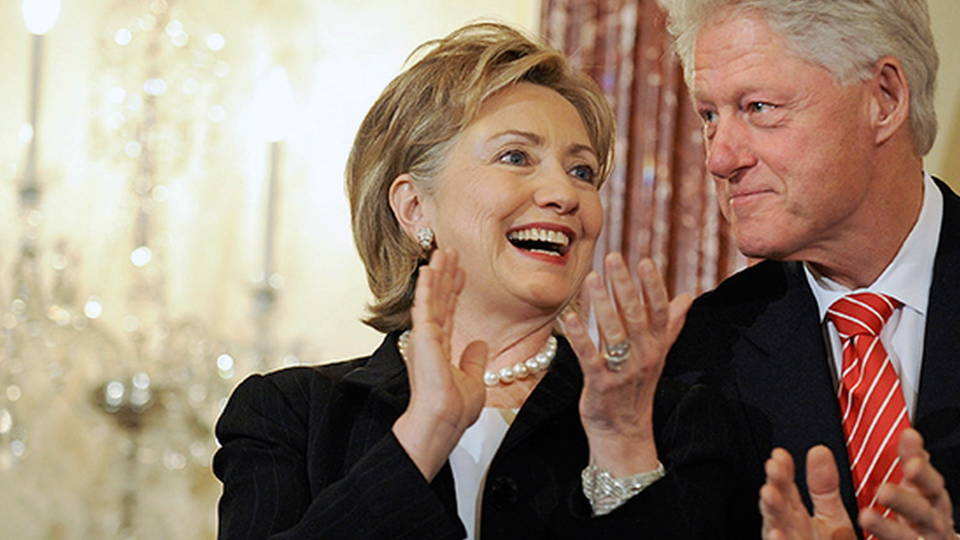 In news from the campaign trail, a new Associated Press investigation has revealed that while Hillary Clinton served as secretary of state, more than half of the private citizens she met with had donated to the Clinton Foundation. The analysis shows that at least 85 of 154 people Hillary Clinton had scheduled phone or in-person meetings with were Clinton Foundation donors. This does not include meetings Clinton held with U.S. or foreign government workers or representatives, only private citizens. These 85 donors contributed more than $150 million to the Clinton Foundation combined. Clinton has slammed the investigation, saying it "cherry-picked" information and that it "relies on utterly flawed data." But the AP says it has been asking for the schedules for three years, and that what has been released thus far covers only half of her four-year tenure. This comes as the Clinton Foundation says it would "spin off" its international programs if Hillary Clinton wins the presidency. Bill Clinton has also said he’ll resign from the Foundation if Hillary Clinton wins.
Trump: "Impossible to Figure Out Where Clinton Foundation Ends & State Dept. Begins"
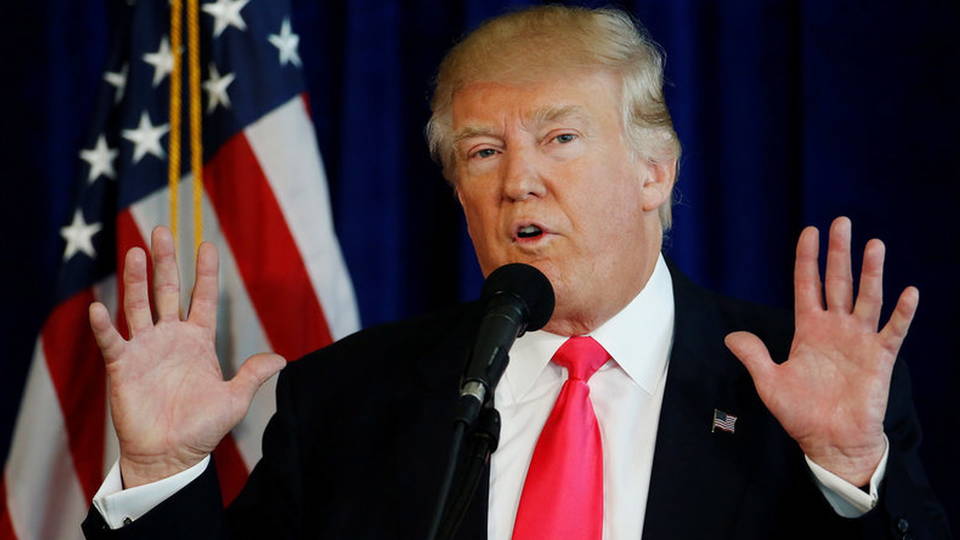 Donald Trump has repeatedly attacked Hillary Clinton over the Clinton Foundation. This is Trump speaking Tuesday in Austin.
Donald Trump: "It is impossible to figure out where the Clinton Foundation ends and the State Department begins. It is now abundantly clear that the Clintons set up a business to profit from public office. They sold access and specific actions by and really for, I guess, the making of large amounts of money. The specific crimes committed to carry out that enterprise are too numerous to cover in this speech."
Trump himself, however, has donated $100,000 to the Clinton Foundation in the past.
WashPo: Clinton Raised $32 Million at Elite Fundraisers in August
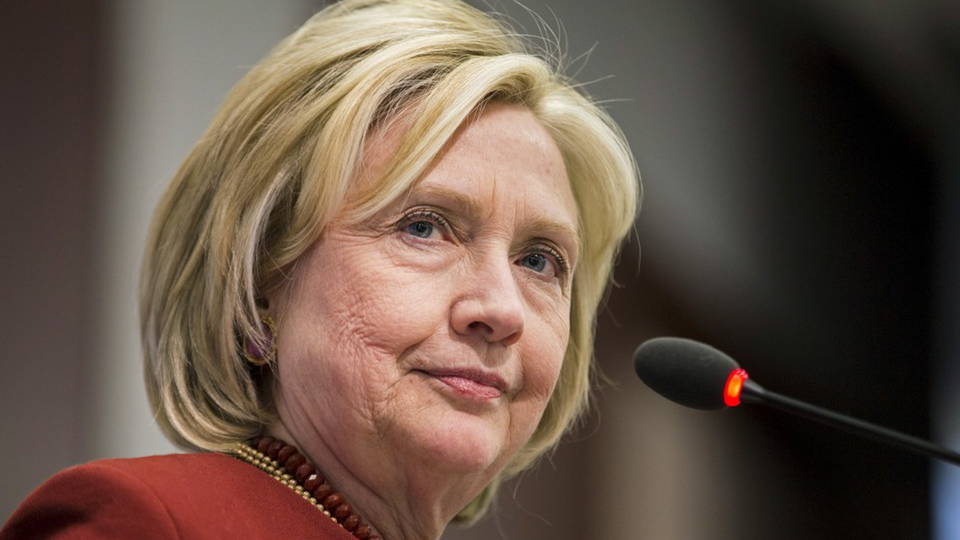 A new Washington Post analysis of Hillary Clinton’s August schedule finds that she has raised at least $32 million over the last three weeks through a series of exclusive fundraisers. The events, held in wealthy areas such as Greenwich, Connecticut, Nantucket, Massachusetts, and Beverly Hills, California, frequently cost upwards of $50,000 a ticket.
Guantánamo Bay Prisoner Abu Zubaydah Argues for His Freedom
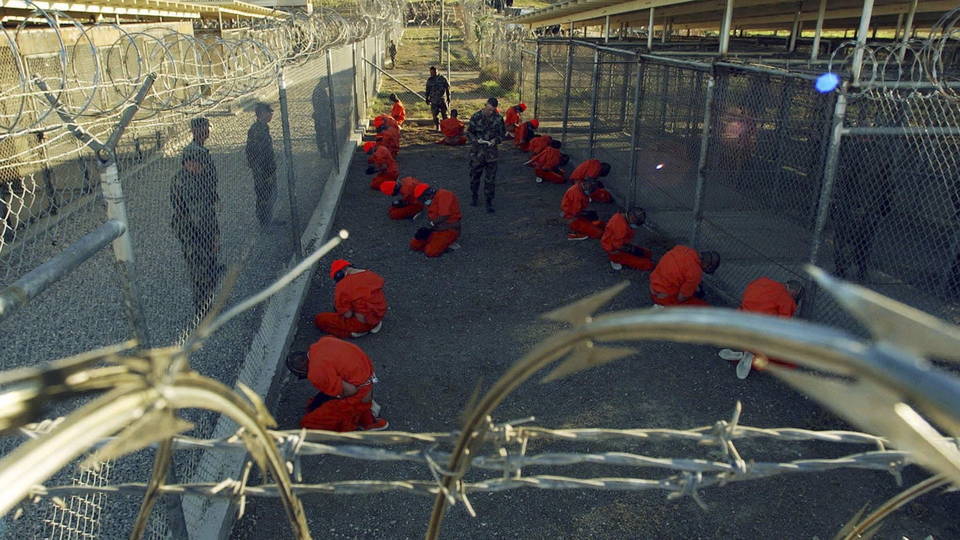 In news on Guantánamo Bay, prisoner Abu Zubaydah has argued for his release at a rare hearing held via video stream Tuesday. Zubaydah has been held for 14 years without trial, during which time he was waterboarded more than 80 times. When he was captured in 2002, the CIA insisted he was a top al-Qaeda operative. The U.S. government has since admitted he was never an al-Qaeda leader, yet his imprisonment has continued. During Tuesday’s hearing, Zubaydah declared in a prepared statement read by a U.S. soldier that he "has no desire or intent to harm the United States or any other country."
NLRB Ruling: Graduate Students at Private Universities Can Unionize
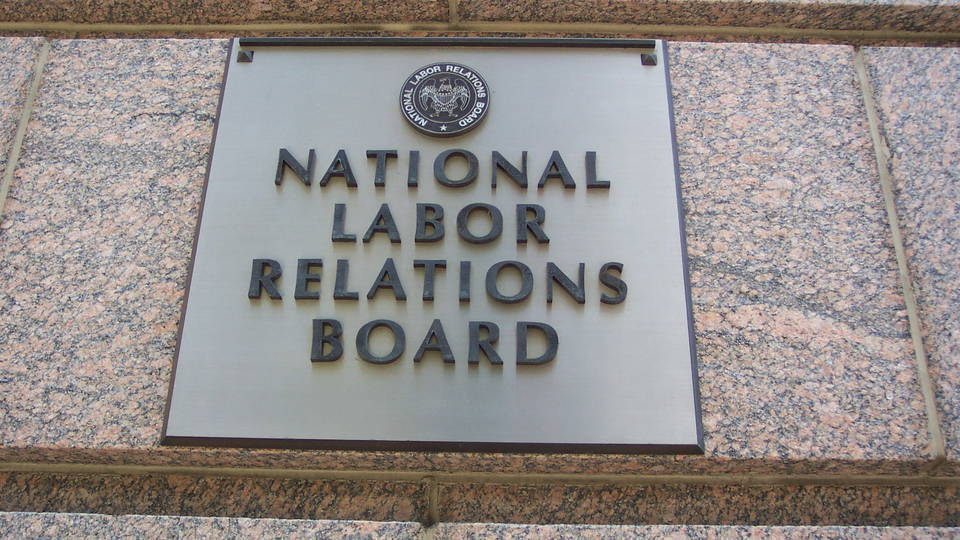 Graduate students won a significant labor victory Tuesday, when the National Labor Relations Board ruled graduate student teachers and research assistants at private universities have the right to unionize. The 3-1 ruling stemmed from a case brought by Columbia graduate students. It overturns a 2004 ruling that denied collective bargaining rights to some graduate student teachers. American Federation of Teachers President Randi Weingarten said, "The truth is graduate workers are the glue that holds higher education institutions together—without their labor, classes wouldn’t get taught, exams wouldn’t get graded and office hours wouldn’t be held."
Afghanistan: U.S. Soldier Killed in Bomb Explosion in Helmand
In news from Afghanistan, a U.S. soldier has been killed in a bomb explosion outside Lashkar Gah, the capital city of Helmand Province. This comes only days after more than 100 U.S. soldiers were sent to Lashkar Gah to fight the Taliban in what is believed to be the first deployment of U.S. troops to the city since 2014. The name of the U.S. soldier who died has not yet been released.
Turkey, Backed by U.S., Launches Ground Offensive into Syria
 Turkey has begun a ground offensive into Syria, marking a major escalation of its role in the ongoing conflict. The U.S. military is backing Turkey’s incursion, which began at about 4 a.m. this morning, with an aerial bombing campaign. Turkey says the offensive is against ISIS-held areas along the border. But Turkey says it’s also concerned about Syrian Kurdish militias at the border. These militias are backed by the United States.
Kashmir: Another Protester Killed Amid Brutal Crackdown
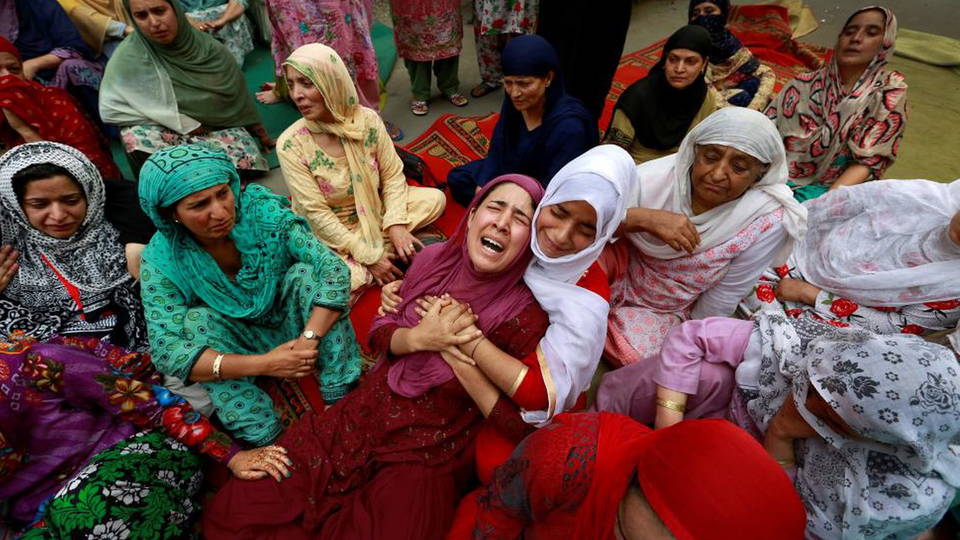 In Kashmir, another protester has died after reportedly being hit in the chest by a tear gas shell fired by police during a protest Sunday. Eighteen-year-old Irfan Ahmad is at least the 69th person to be killed amid the ongoing protests, which began more than a month ago after Indian security forces killed a Kashmiri independence leader. Indian soldiers and paramilitary forces have cracked down on the protests against Indian rule, opening fire during demonstrations and imposing a strict curfew. Among those who have been killed is a 30-year-old professor who was beaten to death in Indian army custody. Many others have reported being beaten by troops in their own homes.
Mexico: Journalist Survives Assassination Attempt in Veracruz
In Mexico, a journalist has survived an attempted assassination in the eastern state of Veracruz. Freelance journalist Lucía López Castillo was about to enter her home Sunday night when she was approached by a masked man, who attacked her and then shot her. Veracruz is one of the deadliest areas of Mexico for journalists. At least 16 journalists have been killed in Veracruz since 2010; another three have disappeared.
New Jersey: Police Chase 10-Year-Old Boy with Guns Drawn
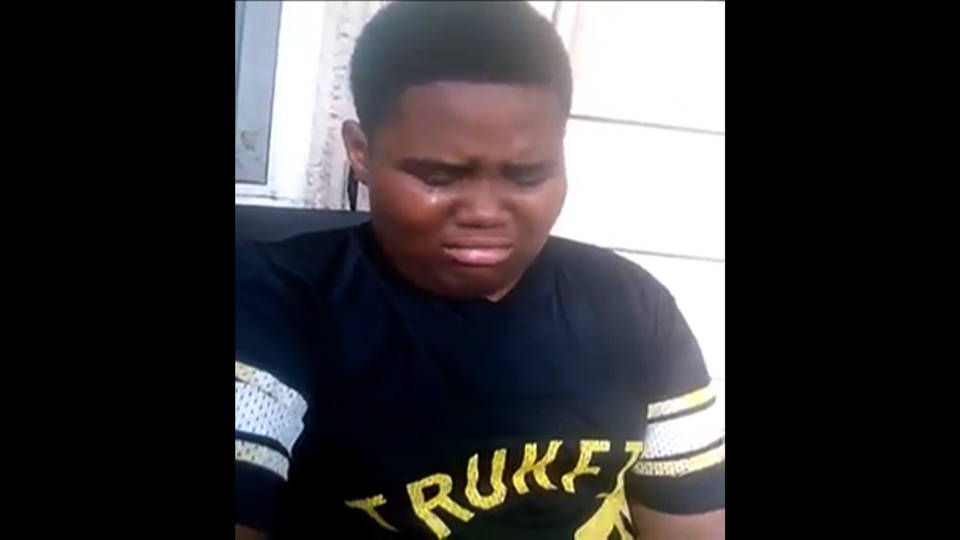 In Newark, New Jersey, a story has surfaced about police traumatizing a 10-year-old child by chasing him through the streets with guns drawn. Fifth-grader Legend Preston was standing outside his home on August 14, when police say they mistook him for a robbery suspect and began chasing him down an alley. Preston says he thought the police were running after him because he’d chased a ball into the street without looking. He says neighbors then surrounded him to protect him, yelling, "This is a child." This is 10-year-old Legend Preston.
Legend Preston: "Some police are coming from this way with guns pointing right at me, and then like I ran into the backyard. I ran because they thought that I walked the ball in the street on purpose, and they were just holding the shotguns at me like this, trying to shoot me."
California: Judge Persky Recuses Himself from Another Case
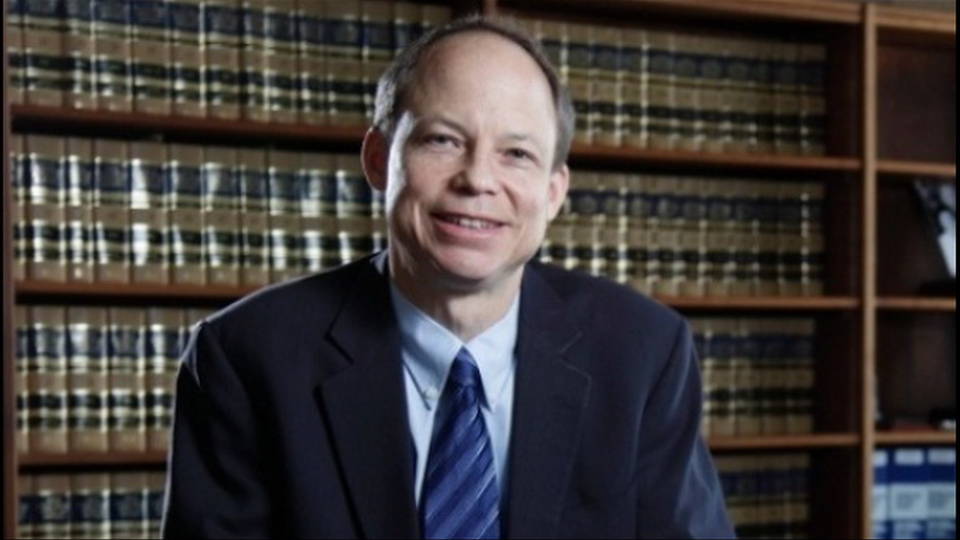 In California, Judge Aaron Persky has recused himself from another sexual crimes case, amid the ongoing controversy over his lenient sentencing of former Stanford swimmer Brock Turner. In June, Persky gave Turner a six-month jail sentence for sexually assaulting an unconscious woman behind a dumpster, saying he was concerned a longer prison sentence would have a "severe impact" on the Stanford University swimmer. Persky has also sparked controversy over his 2015 decision to give Robert Chain a four-day prison sentence, after Chain pleaded guilty to possessing child abuse images. Persky has now stepped down from Chain’s case, which has a hearing on Thursday over whether Chain’s charge will be reduced from a felony to a misdemeanor. More than 1 million people have signed a petition demanding Persky be removed from the bench.
Mothers Suspend Hunger Strike at Berks Detention Center, Citing Intimidation
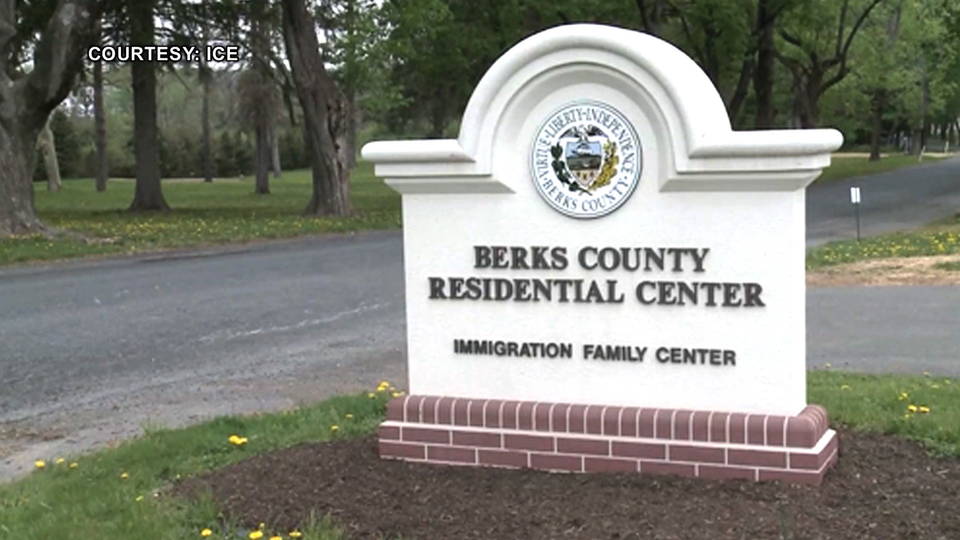 In Pennsylvania, immigrant mothers have suspended their hunger strike at the Berks County Residential Center, citing intimidation by ICE officials. The women launched the hunger strike on August 8 to protest Department of Homeland Security Secretary Jeh Johnson’s claims that the average time in family detention is only 20 days. By the end of this month, at least three families will have spent a full year in custody at the Berks facility. On Tuesday, the women suspended the strike, saying ICE officials threatened them by saying that if their health weakens, their children could be taken away. On Monday, Democracy Now! spoke with one of the hunger strikers inside Berks.
Berks hunger striker: "The head of ICE for this center, Mr. Thomas Decker, came. He came only to threaten us, to tell us that if we were a danger for this facility, for the other women who are not on strike, then he was going to be obligated to take action, such that they would send us to Texas, simply that they would send us to an adult prison, and that if we continue this way, if we continue refusing to eat, then, simply, there would arrive a point at which we would debilitate, and then he was going to be obligated to call the government so they would take away our children. I think this is a threat quite direct and quite strong. I think that it’s not fair, because we are only asserting our rights."
West Virginia: After 2-Year Struggle, Strip Coal Mine Shut Down
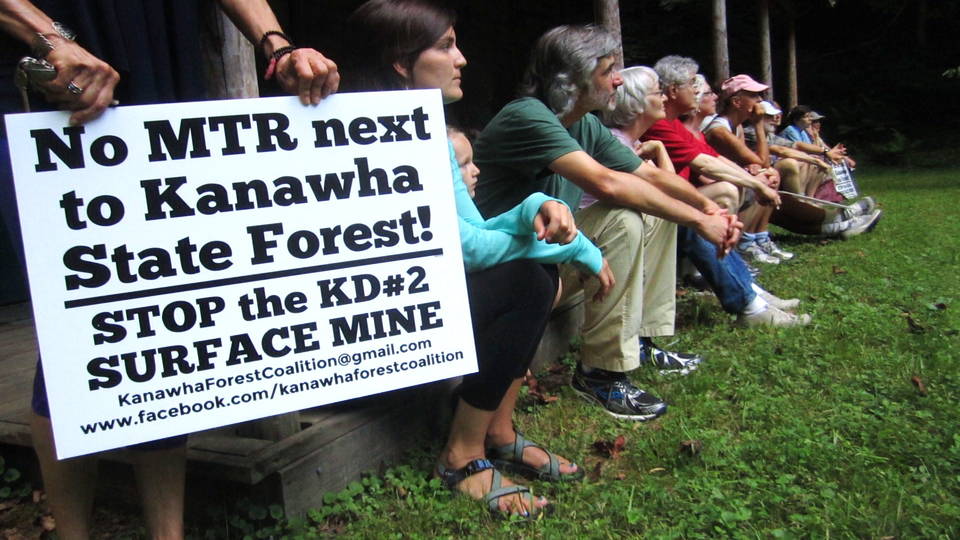 And in West Virginia, residents are celebrating the permanent shutdown of a coal mine near a state forest. The announcement by the West Virginia Department of Environmental Protection comes after a two-year organizing effort by the Kanawha Forest Coalition, which sought to shut down the mine over issues of water contamination and other environmental impacts. This is Daile Rois of Loudendale, West Virginia, whose house sits less than 2,000 feet from the mine.
Daile Rois: "When I started this journey, I didn’t understand the apathy, the 'you can't fight coal’ attitude. Now I do. It’s not apathy. It’s weariness. It’s survivor mode. I’d love for this victory to be our victory, but that can only happen if people will hear this. We can fight for our personal rights. We can fight for our families, our communities, against these big companies and a nonresponsive government."
Donate today:
Follow:


WEB EXCLUSIVE


 Senior TV Producer
Development Manager
207 West 25th Street, 11th Floor
New York, New York 10001, United States
-------
-------
No comments:
Post a Comment