democracynow.org
Stories:
 Central Park Five's Yusef Salaam: Donald Trump Needs to Be Fired from Running for President
In 1989, Yusef Salaam and four other African-American and Latino teenagers were arrested for beating and raping a white woman in New York City’s Central Park. They became known as the Central Park Five. Donald Trump took out full-page ads in New York newspapers calling for their execution. Then, in 2002, their convictions were vacated after the real rapist came forward and confessed to the crime and his DNA matched. By then, the Central Park Five served between seven and 13 years in jail for the assault. The city settled with them for $41 million. But as late as last week Donald Trump still claimed they were guilty. We speak with Yusef Salaam, one of the Central Park Five, who writes in The Washington Post that "Donald Trump won’t leave me alone."
TRANSCRIPT
This is a rush transcript. Copy may not be in its final form.
JUAN GONZÁLEZ: If Donald Trump had his way, our next guest would have been executed over two decades ago. In 1989, Yusef Salaam and four other African-American and Latino teenagers were arrested for beating and raping a white woman who was jogging one evening in New York City’s Central Park. They became known as the Central Park Five.
AMY GOODMAN: Media coverage at the time portrayed the teens as guilty, used racially coded terms like "wolf pack" to refer to the group of boys accused in the attack. Donald Trump took out full-page ads in four city newspapers. The ad was said, "Bring back the death penalty. Bring back our police!" The ad went on to read in part, quote, "Mayor Koch has stated that hate and rancor should be removed from our hearts. I do not think so. I want to hate these muggers and murderers," end-quote. In an interview with CNN later the same year, Trump defended the ad.
DONALD TRUMP: I am strongly in favor of the death penalty. I’m also in favor of bringing back police forces that can do something instead of just turning their back because every quality lawyer that represents people that are in trouble say the first thing they do is start shouting police brutality, etc. ... I’m not prejudging at all. I’m not, in this particular case. I’m saying, if they’re found guilty, if the woman died, which she hopefully will not be dying, but if the woman died, I think they should be executed. ... The problem with our society is that the victim has absolutely no rights and the criminal has unbelievable rights. Unbelievable rights. And I say it has to stop. That’s why I took the ad. And I have to tell you, that ad, I have never done anything that’s been so positively received.
JUAN GONZÁLEZ: Well, Yusef Salaam and the four others teenagers ended up spending between seven and 13 years in jail for the assault. Then, in 2002, the convictions in the Central Park Five case were vacated after the real rapist came forward and confessed to the crime. DNA evidence confirmed that he was the sole attacker. The story of the Central Park Five was chronicled in the 2012 film The Central Park Five, directed by famed documentary filmmaker Ken Burns and his daughter Sarah.
COMMISSIONER RICHARD CONDON: Last night, a woman jogger was found unconscious and partially clothed in Central Park. She was beaten and sexually assaulted.
ED KOCH: A woman jogging in Central Park. Central Park was holy. It was the crime of the century.
COMMISSIONER RICHARD CONDON: Five youths were arrested on 96th Street, all between 14 and 15 years of age.
ED KOCH: They got ’em!
SAUL KASSIN: You can only imagine the pressure to have this crime solved and solved quickly.
KEVIN RICHARDSON: First we was all together. Then they started to put us in different rooms, separately.
YUSEF SALAAM: "What did you do? Who were you with? Who did you come with?" The tone was very scary. I felt like they might take us to the back of the precinct and kill us.
KOREY WISE: You’re not going to go home until you give up a story.
RAYMOND SANTANA SR.: I told my son, "Go to the park," that night. I feel guilty.
KEVIN RICHARDSON: I’m telling the guy, "I don’t know what you’re talking about." They’re getting a little angry.
RAYMOND SANTANA: And they’re like, "You know you did it. Didn’t you?"
UNIDENTIFIED: He had been interrogated for over 24 hours. That amounts to pressure.
NATALIE BYFIELD: These young men were guilty. It was almost unquestioned.
LYNNELL HANCOCK: The police controlled the story. They created the story.
CALVIN O. BUTTS III: They seized on the fears of the people. "Wilding," the bestial characterization of the black man.
MICHAEL WARREN: There’s no DNA match whatsoever to any of these boys.
RONALD GOLD: I was going nuts. No blood on the kids. Nobody could identify them. But if they confessed, they confessed, and that was that.
JIM DWYER: A lot of people didn’t do their jobs—reporters, police, prosecutors, defense lawyers.
UNIDENTIFIED: This was institutional protectionism.
CRAIG STEVEN WILDER: We falsely convicted them, and we walked away from our crime.
UNIDENTIFIED: This is the ultimate siren that says none of us is safe.
AMY GOODMAN: The trailer to The Central Park Five documentary. In 2014, the City of New York agreed to pay $41 million to the five men wrongfully convicted.
As for Donald Trump, he’s never apologized. In fact, he still claims they were guilty. In a statement to CNN last week, Donald Trump said, quote, "They admitted they were guilty. The police doing the original investigation say they were guilty. The fact that that case was settled with so much evidence against them is outrageous. And the woman, so badly injured, will never be the same," he said.
Well, we are going now to Atlanta to speak with Yusef Salaam, one of the Central Park Five. His recent piece for The Washington Post is headlined "I’m one of the Central Park Five. Donald Trump won’t leave me alone."
Yusef, thanks so much for joining us on Democracy Now! Donald Trump, as early as last Thursday, continues to say that you are guilty. What do you say to him?
YUSEF SALAAM: You know, first, thanks for having me on your show.
Donald Trump has the absolute, ultimate ability to fact-check everything about this case. I mean, in the trailer, one of the things that’s really surprising is that you have one of the jurors saying, you know, he was going crazy, there was no evidence, no blood on the guys, but they confessed, and so that was that, you know. But when you look at the nature of the confessions, when you look at the nature of what happened to get the confessions, how these confessions didn’t match anything that the other guys were saying, you know, and then all of a sudden, 13 years later, the truth comes out, and here you have a guy who talks about what happened at the crime scene, talks about when he struck the woman over the head with a tree branch, talks about dragging her into the woods—and key evidence that no one else had mentioned is that she was tied up with here own jogging outfit—you know, Donald Trump has the ability to look at all of this stuff and to put the truth out there.
But I think that it’s more attractive to him to be divisive, to be negative. He’s calling it a positive thing that he did back in 1989. I mean, we’re talking about—this crime happened April 19, 1989. On May 1st, Donald Trump had already taken out the ads. It was being ran in New York City’s newspapers, calling for the death penalty to be reinstated. What was happening was that we were given a social death. We were being tried in the media, and they were getting ready to lynch us, in public and through the court system. You know, if I had a show, I would tell Donald Trump he was fired. All of the things that he’s exhibiting today is very, very disturbing. Nobody who is seeking presidency should even have any kind of shady, dark past like Donald Trump. He’s definitely not the man for these United States of America.
JUAN GONZÁLEZ: And you refer, as we have, to the—those full-page ads that he took out back then. You were one of the few accused who actually was able to get out on bail shortly after the arrests. What was your reaction? And what was the reaction in the city? Because I remember it well, because I covered the trial of several of you during that time. What was the reaction in the city and the climate, especially fueled by Trump’s ads?
YUSEF SALAAM: You know, it was very negative. If you look at the campaigns that Donald Trump has gone around the country to, you know, bolster up the people to follow him, then you have on one side people opposing this and campaigning against Donald Trump, campaigns—Donald Trump’s followers have physically assaulted some of these individuals who have been there peacefully protesting Donald Trump’s presidency. In 1989, when I was bailed out, we were the pariahs. It was such a negative energy, such a negative place. I mean, we could not turn anywhere, without the exception of our mothers’ or our parents’ arms, and find safety. It was one of the most dangerous places to be. And when I look back at that time, I mean, we couldn’t do anything other than put one foot in front of the other and continue to live out whatever this life was that we were being given, you know. But—
AMY GOODMAN: Yusef, how many years did you serve?
YUSEF SALAAM: I served seven years in prison, about—well, about seven years in prison.
AMY GOODMAN: I wanted to turn to Raymond Santana, when he was on Democracy Now!, another of the Central Park Five. This was in 2012 we spoke to him.
RAYMOND SANTANA: I served almost seven years. And so, what happened was that, you know, I tried to get my life back together and put one foot in front of the other, but I didn’t—you know, I didn’t realize the social death that we were given as a sentence. You know, this wasn’t a five to 15 or five to 10; this was a life sentence, a death sentence, in a sense, because, you know, when I came home, I couldn’t get employment. You know, I tried out—filled out numerous applications. And, you know, I had to register as a sex offender. You know, my whole neighborhood looked at me, you know, kind of strange. You know, you get the "Hi, how are you doing?" but, you know, you always have that bullseye on the back, you know, that says, someway, somehow, I’m Raymond Santana from the Central Park jogger case.
AMY GOODMAN: And I want to play a comment from a juror who served on the 1990 jury that convicted Antron McCray, Raymond Santana, as well as you, Yusef Salaam, in the case. We interviewed Harold Brueland in 2002 after new evidence emerged that prompted him and many others to question if justice was served. This was his response.
HAROLD BRUELAND: Let’s put it this way. I don’t have a clear notion of what happened. I certainly know that you cannot convict on what you—on uncertainties. You must let someone go, if you have reasonable doubt. I have very much reasonable doubt now.
AMY GOODMAN: So that was one of the Central Park Five jurors, very interesting. And, Yusef, we’ve spoken about this on a panel, aside from covering this case. The man who ultimately confessed, Matias Reyes, in prison, and his DNA matched—the DNA never matched any of you, any of the Central Park Five—he ultimately was caught because he raped a woman in my building, the woman who lived below me. And she came out screaming. And so, finally—but his MO, as he went around all of the upper part of Central Park, was the same as what happened to this—the horror show of what happened to the Central Park jogger. He would rape women. He would attack them. He would attack them in front of their children. And the police were so intent on getting the five of you, that this man, who was committing these crimes at the time, who was sent to prison for these crimes, was never in any way linked, because of their blindness in this case.
YUSEF SALAAM: Yes, yes. And, you know, the worst part about it is, like you said, their blindness, their rush to judgment, their wanting to solve this crime and solve it quickly. They dropped the ball. I mean, they dropped it in the worst way. The young woman that you speak of that was his last victim, she was a pregnant young Latina woman who he raped while she—you know, her children were in the next room. He raped her, and then he murdered her. And, I mean, that right there is a terrible—
AMY GOODMAN: She was a woman before—right, she was a woman before, so he continued his murder and rape spree—
YUSEF SALAAM: Yes.
AMY GOODMAN: —as the police focused on the five of you.
YUSEF SALAAM: Yes, indeed. Worst situation in the world. And the worst part about it, as well as this, the way that the police went after us and the reports that began to filter from the police department through the media began to paint a picture that we were the ones that the media—I mean, that the public needed to hang for this crime.
And like I said, that same kind of thing plays out today. There’s still this murkiness, because the truth of the story that was told back then wasn’t really the whole truth. And so, people today still feel like something about that case just—you know, the DA at the time said there was DNA evidence. And then, when the DNA evidence didn’t match, they quickly just quieted that and then moved on with the case. And the worst part about it is that that left a negative residue in the minds of many people, because the only thing that they remembered was there was something about DNA in this case.
The false confessions were even worse, because here it was, we were explaining witnesses—eyewitness testimony to what we had seen but had not participated in, and they flipped it around on us and said, "Well, the reason why they didn’t rape the Central Park jogger was because they were beating up other people in other parts of the park." And the reality is that there were people who had been arrested and got convicted for assaulting those individuals in Central Park. They never became known as Central Park Five members.
JUAN GONZÁLEZ: And, Yusef, I wanted to ask you, as you’re hearing now in this presidential—in this presidential campaign all the allegations of sexual assault against Donald Trump himself by women coming forward and his own caught-on-tape admissions of participating in sexual assaults, although he then claimed it was just locker room banter, what’s your reaction now to what Trump is facing?
YUSEF SALAAM: You know, he definitely sounds like a sexual predator. This is absolutely absurd. This is not a 12-year-old hanging out in a locker room talking about something that he wants to do, not even a 20-year-old hanging out in a locker room, so to speak, talking about something that he has done or his sexual exploits or things like that. This is a person who’s on the cusp, if not already being 60 years old. This is a person who’s—everything about him is part of his fiber, the fiber of his life and the fabric of who he actually is. So, for him now to come back out and say, "Uh-oh, I got caught. Let me see how I can spin this," and then say, "Oh, it was just locker room banter"—you mean to tell me that you were talking about assaulting women, sexually depraved acts, going after them in this kind of—what’s the word that he said? He said he was a B-I-T-C-H, you know. You know, when you think about the nature in what he’s saying, it’s absurd that people will dismiss it and say, "Yeah, he was just—he was just talking—talking the talk."
AMY GOODMAN: It was not only—it was not only these women who have come forward—and seems every day or every other day now more women are coming forward—his own wife, Ivana Trump, accused him of rape, as well.
YUSEF SALAAM: Yes.
AMY GOODMAN: Yusef Salaam, final comment? Are you calling for an apology from Donald Trump? The city settled with you and the four others, who together are called the Central Park Five, for $41 million, New York City?
YUSEF SALAAM: Yes, yes.
AMY GOODMAN: What are you asking from—for Donald Trump right now?
YUSEF SALAAM: Well, you know, I mean, I don’t necessarily know if I’m asking for an apology from Donald Trump, because, quite obviously, I really don’t believe he’s going to give us an apology. You know, it would great for him to show the human side of him, more of a humanity, and say, "You know what? I was wrong." I mean, he tried to say that he was wrong with regards to this information that came out about him, but he’s continued to harp on this same line and say that he was not wrong. The reason why he believes that he was correct is because what the police department said. But it was found that what they said and how everything was put together was completely unfactual. I mean, back in 1989, you know, you had these false confessions that the public had viewed. It was almost like you would turn on the news, and every single day there was this new report about something about the Central Park jogger case, you know.
Best thing that happened was that when Ken Burns revisited this in 2012, and he had Raymond Santana read his false confession on video. Now, mind you, Raymond was 14 years old at the time, but in 1989 people absolutely believed what he was saying. And here he is, an adult, reading his 14-year-old false confession—and, of course, this is not the exact same words that he used, but it was something like, you know, "At approximately 9:00 p.m., me and a group of my colleagues begin to walk south." And he looks up and says, "What 14-year-old boy talks like this?"
You know, Donald Trump needs to be fired from this presidency—fired from running for president of the United States, fired—maybe—we need to send him to another planet.
AMY GOODMAN: Well, Yusef Salaam, I want to thank you for being with us. We will link to your piece in The Washington Post headlined "I’m one of the Central Park Five. Donald Trump won’t leave me alone." Thanks so much for being with us. Yusef is chief executive officer of Yusef Speaks. This is Democracy Now!, democracynow.org. We’ll be back in a minute.... Read More → Is Trump's Rise a Result of America Declaring War on Institutions That Make Democracy Possible?
In his new book, scholar Henry Giroux examines "America at War with Itself." From poisoned water in Flint and other cities to the police deaths of African Americans to hatemongering on the presidential campaign trail, Henry Giroux critiques what he believes is a slide toward authoritarianism and other failings that led to the current political climate and rise of Donald Trump. Giroux is the McMaster University professor for Scholarship in the Public Interest.
TRANSCRIPT
This is a rush transcript. Copy may not be in its final form.
JUAN GONZÁLEZ: We end today’s show with a look at a new book that argues America is at war with itself. From poisoned water in Flint and other cities to the police deaths of African Americans, including Keith Lamont Scott, Eric Garner and Sandra Bland, to hatemongering on the presidential campaign trail, Henry Giroux critiques what he believes is a slide toward authoritarianism and other failings that led to the current political climate.
AMY GOODMAN: Noted scholar Robin D.G. Kelley writes in the book’s foreword, quote, "These are indeed dark times, but they are dark not merely because we are living in an era of vast inequality, mass incarceration, and crass materialism, or that we face an increasingly precarious future. They are dark because most Americans are living under a cloak of ignorance, a cultivated and imposed state of civic illiteracy that has opened the gates for what Giroux correctly sees as an authoritarian turn in the United States. These are dark times because the very fate of democracy is at stake—a democracy fragile from its birth, always battered on the shoals of racism, patriarchy, and class rule. The rise of Donald J. Trump is a sign of the times," he writes.
Well, for more, we’re joined by the author of America at War with Itself, Henry Giroux, MccMaster University professor for Scholarship in the Public Interest. He joins in New York City.
We welcome you. It’s great to have you with us.
HENRY GIROUX: Well, I’m honored.
AMY GOODMAN: How is America at war with itself?
HENRY GIROUX: It’s at war with itself because it’s basically declared war not only on any sense of democratic idealism, but it’s declared war on all the institutions that make democracy possible. And we see it with the war on public schools. We see it with the war on education. We see it with the war on the healthcare system. We see it, as you said earlier, with the war on dissent, on the First Amendment. We see it in the war on women’s reproductive rights.
But we especially see it with the war on youth. I mean, it seems to me that you can measure any degree—any society’s insistence on how it takes democracy seriously can, in fact, be measured by the way it treats its children. And if we take that index as a measure of the United States, it’s utterly failing. You have young people basically who—in schools that are increasingly modeled after prisons. You have their behavior being increasingly criminalized. And one of the most atrocious of all acts, you have the rise of debtors’ prisons for children. Kids who basically are truant from school are being fined, and if they can’t—their parents can’t pay the fine, they’re being put in jail. You have kids whose every behavior is being criminalized. I mean, what does it mean to be in a public school, and all of a sudden you are engaged in a dress code violation, and the police come in, and they handcuff you? They take you out, they put you in a police car, put you in the criminal justice system, and all of a sudden you find yourself, as Tess was saying earlier, marked for life. Entire families are being destroyed around this.
So, but it seems to me the real question here is: How do you understand these isolated incidents within a larger set of categories that tell us exactly what’s happening? And what’s happening is the social state is being destroyed, and the punishing state is taking its place. So violence now becomes the only tool by which we can actually mediate social problems that should be dealt with in very different ways.
JUAN GONZÁLEZ: Well, you devote an entire chapter to Donald Trump’s America.
HENRY GIROUX: Yeah.
JUAN GONZÁLEZ: And you specifically talk about the—how the media coverage of Trump has sort of divorced him from any past history of the country, in terms of the development of right-wing demagogues and authoritarian figures.
HENRY GIROUX: That’s an important question. I mean, you live in a country marked by the culture of the immediate. You live in a country that’s marked by celebrity culture, you know, that basically infantilizes people, paralyzes them, eliminates all notions of civic literacy, turns the school into bastions of ignorance. They completely kill the radical imagination in any fundamental way.
And I think that what often happens with Trump is that you see something utterly symptomatic of the decline of a formative culture that makes democracy possible. Juan, you have to have informed citizens to have a democracy. You don’t have an informed citizenry. You don’t have people who can think. Remember what Hannah Arendt said when she was talking about fascism and totalitarianism. She said thoughtlessness is the essence of totalitarianism. So all of a sudden emotion becomes more important than reason. Ignorance becomes more important than justice. Injustice is looked over as simply something that happens on television. The spectacle of violence takes over everything.
I mean, so it seems to me that we make a terrible mistake in talking about Trump as some kind of essence of evil. Trump is symptomatic of something much deeper in the culture, whether we’re talking about the militarization of everyday life, whether we’re talking about the criminalization of social problems, or whether we’re talking about the way in which money has absolutely corrupted politics. This is a country that is sliding into authoritarianism. I mean, it is not a—you cannot call this a democracy anymore. And we make a terrible mistake when we equate capitalism with democracy. And—
AMY GOODMAN: You talk about the ethical bankruptcy of the U.S. ruling elites paving the way for Donald Trump.
HENRY GIROUX: You know, you live in a country in which we have separated all economic activity from social cost, from ethical considerations. The ethical imagination, in itself, has become a liability. And I think that when people like you and others make that clear, that you can’t have a democracy without that kind of ethical intervention, without assessing, you know, the degree to which people in some way can believe in the public good, can believe in justice, you have the heavy hand of the law pouncing on you. And I think that when the radical imagination dies, when an ethical sensibility dies, you live in a state of terrorism, you live in a state of fear, you live in a state in which people can’t trust each other. Shared fear has become more important than shared responsibilities. And that’s the essence of fascism.
JUAN GONZÁLEZ: And what sign of hope do you see out of all this—
HENRY GIROUX: I think there are a lot of signs. And thank you for the question. I mean, I think, at some level, we see young people all over the country mobilizing around different issues, in which they’re doing something that I haven’t seen for a long time. And that is, they’re linking these issues together. You can’t talk about police violence without talking about the militarization of society in general. You can’t talk about the assault on public education unless you talk about the way in which capitalism defunds all public goods. You can’t talk about the prison system without talking about widespread racism. You can’t do that. They’re making those connections.
But they’re doing something more: They’re linking up with other groups. If you’re going to talk about Flint, if you’re going to talk about, it seems to me, Ferguson, you have to talk about Palestine. If you’re going to talk about repression in the United States, you’ve got to figure out how these modes of repression have become global. Because something has happened that we—that suggests a new kind of politics: Politics is local, and power is global. The elite float. They don’t care about the social contract anymore. So, you know, we see a level of disposability, a level of violence, that is really unlike anything we’ve seen before.
I mean, Donald Trump talking about the Central Park Five still being guilty, give me a break. I mean, what is this really about? Is it about somebody who’s just ignorant and stupid? Or is it somebody who now is part of a ruling class that is so indifferent to questions of justice that they actually boast about their own racism?
AMY GOODMAN: So let me ask you about the issue of education.
HENRY GIROUX: Right.
AMY GOODMAN: The debate here is around school choice—
HENRY GIROUX: Right, right.
HENRY GIROUX: —of vouchers, charter schools. But you’ve been talking about schools for a long time. What is the role of schools and education in our society?
HENRY GIROUX: Schools should be democratic public spheres. They should be places that educate people to be informed, to learn how to govern rather than be governed, to take justice seriously, to spur the radical imagination, to give them the tools that they need to be able to both relate to themselves and others in the wider world, in a way in which they can imagine that world as a better place. I mean, it seems to me, at the heart of any education that matters, is a central question: How can you imagine a future much different than the present, and a future that basically grounds itself in questions of economic, political and social justice?
JUAN GONZÁLEZ: And so, how do you see, then—for instance, the Obama administration has been a big promoter of charter schools and these privatization efforts as a school choice model.
HENRY GIROUX: Yeah. The Obama administration is a disgrace on education. The Obama administration basically is an administration that has bought the neoliberal line. It drinks the orange juice. I mean, it doesn’t see schools as a public good. It doesn’t see schools as places where basically we can educate students in a way to take democracy seriously and to be able to fight for it. It sees them as basically kids who should be part of the global workforce. But it does more, because not understanding schools as democratic public spheres means that the only place you can really go is either to acknowledge and not do anything about the fact that many of them are now modeled after prisons, or, secondly, they become places that kill the radical imagination. Teaching for the test is a way to kill the radical imagination. It’s a way to make kids boring, you know? It’s a way to make them ignorant. It’s a way to shut them off from the world in a way in which they can recognize that their agency matters. It matters. You can’t be in an environment and take education seriously, when your education is under—when your agency is under assault. Can’t do it.
AMY GOODMAN: You begin your book with a quote of Albert Camus: "Memory is the enemy of totalitarianism."
HENRY GIROUX: Yeah. Yeah, yeah.
AMY GOODMAN: Explain.
HENRY GIROUX: Well, I’ll explain it in terms of a slogan, Donald Trump’s slogan: "Let’s make America great again." You know, and when I hear that, that seems to suggest there was a moment in the past when America really was great, you know, when women knew their places, when we could set dogs on black people in Mississippi, when young people went and sit in at lunch counters and were assaulted by others. That’s about—that’s about the death of memory. That’s about memory being basically suppressed in a way that doesn’t allow people to understand that there were things that happened in the past that we not only have to remember, we have to prevent from happening again. Or, on another level, it suggests the suppression of memory so that those things can happen again and that we don’t have to worry about them. And so, it seems to me that a country without a sense of public memory, without a sense of historical memory, is a country always in crisis.
AMY GOODMAN: You have talked about Donald Trump also coming about, the phenomenon, as the—a failure of the progressive left.
HENRY GIROUX: Yeah.
AMY GOODMAN: How?
HENRY GIROUX: Well, I think that, you know, one of the things about the left—three things about the left disturb me, Amy. One is, they never really have taken education seriously. They think education is about schooling. I mean, what they don’t realize is that forms of domination are not just simply structural. They’re also about changing consciousness. They’re also about getting people to invest in a language in which they can recognize that the problems that we’re talking about have something to do with their lives. It means making something meaningful, to make it critical, to make it transformative.
Secondly, it seems to me that the left is too involved in isolated issues. You know, we’ve got to bring these issues together to create a mass social movement that in some way really challenges the kind of power that we’re now confronting.
AMY GOODMAN: Only the beginning of the conversation. Henry Giroux, thanks so much for being with us, McMaster University professor for Scholarship in the Public Interest. His new book, America at War with Itself.
That does it for our broadcast. Oh, Juan, tomorrow is a very special day: Happy birthday!
JUAN GONZÁLEZ: Amy, thank you.
AMY GOODMAN: Well, we’ll be—
JUAN GONZÁLEZ: You didn’t need to mention that.
AMY GOODMAN: We’ll be broadcasting Monday from North Dakota, from right near the Standing Rock Sioux Reservation. Tune in. ... Read More → ACLU & HRW Call to Decriminalize Drug Use & Possession After Documenting Arrests Every 25 Seconds
A new report on the devastating harm of policies that criminalize the personal use and possession of drugs finds that in 2015 police booked more people for small-time marijuana charges than for murder, non-negligent manslaughter, rape, robbery and aggravated assault combined. The report also showed African-American adults are more than two-and-a-half times as likely as white adults to be arrested for drug possession despite comparable rates of drug usage. This comes as four states have legalized recreational marijuana use and five more will vote to do the same next month. Human Rights Watch and the American Civil Liberties Union released the findings Wednesday with a call for states and the federal government to decriminalize low-level drug offenses. We speak with Tess Borden, author of the report "Every 25 Seconds: The Human Toll of Criminalizing Drug Use in the United States."
TRANSCRIPT
This is a rush transcript. Copy may not be in its final form.
JUAN GONZÁLEZ: We turn now to a new report that documents the "devastating harm" of policies that criminalize the personal use and possession of drugs. Human Rights Watch and the American Civil Liberties Union released the findings Wednesday with a call for states and the federal government to decriminalize low-level drug offenses, which, it says—the report says, account for more arrests than any other crime.
AMY GOODMAN: Last year, police booked more people for small-time marijuana charges than for murder, non-negligent manslaughter, rape, robbery and aggravated assault combined. This comes as four states have legalized recreational marijuana use and five more will vote to do the same next month. This is part of a video that accompanies the new report.
NARRATION: Corey Ladd is a 27-year-old man that got sentenced to 20 years for half an ounce of weed.
LISA LADD: When Corey gets out of prison, Charlie will be about 18 years old.
Hi, Corey, I was just talking about you missed out all the little things of Charlie’s life.
COREY LADD: I definitely don’t think it’s fair whatsoever. And I don’t believe that I should be taken away from my family for 20 years for it.
NARRATION: Every 25 seconds, someone is arrested in the United States simply for possessing drugs for their personal use. Around the country, police make more arrests for drug possession than for any other crime—over 1.25 million arrests per year.
CARMEN: Steven is not here with us right now, because he’s in prison. The last time he was arrested, I think it was for like drug paraphernalia, and eventually they gave him five years.
BRIDGETTE: Steven was—at one time, he was a provider. His not being there has definitely impacted, you know.
MAJOR NEILL FRANKLIN: Blacks, whites, people of color, we all use and sell drugs at relatively the same rates. But we enforce our policies in these poor black and brown communities.
KENNETH HARDIN: In my opinion, it is not justice. The definition of insanity is to keep doing something over and over again and expect a different result. So, maybe we should try something different.
NARRATION: The human toll of criminalization is out of control. It is time to decriminalize the personal use and possession of all drugs.
AMY GOODMAN: That video accompanies the new report by Human Rights Watch and the American Civil Liberties Union titled "Every 25 Seconds: The Human Toll of Criminalizing Drug Use in the United States." Its principal author joins us now to discuss its findings. Tess Borden spent a year visiting with people jailed on drug possession charges around the country, as well as prosecutors and other key players in the system. She focused on the states of Louisiana, Texas, Florida and New York.
Welcome to Democracy Now!, Tess. Lay out your findings.
TESS BORDEN: Thank you. It’s terrific to be here.
Human Rights Watch and the ACLU undertook this yearlong investigation into just how failed the law enforcement approach to drug use is. And what we found is, first, that the scale of enforcement is absolutely massive. Every 25 seconds, someone is arrested. That accounts for 1.25 million arrests per year, more arrests, as you said in the opening, than any other crime, three times more than all violent crimes combined, five times more than drug dealing. So, the scale is just absolutely incredible and devastating.
Secondly, we found that the consequences of those arrests and prosecution can be sometimes lifelong, not only for individuals, but also for families. On any given day in the United States, some 140,000 people are behind bars just because they possessed a small amount of drugs for their own personal use, while each day tens of thousands more are cycling through jails and prisons, struggling to make ends meet on probation and parole.
We also found that a conviction for drug possession, often at the felony level, because in 42 states small amount of possession can be a felony offense—we found those convictions can keep individuals, and sometimes, again, entire families, out of public benefits, such as food stamps or Section 8 housing. It can make it hard to get a job, rent a house, next month to vote. And for noncitizens, of course, it can result in deportation.
And then, we also found that the enforcement of these laws is disproportionately impacting communities of color and the poor, without justification, just to drill down there. We know around the country black and white people use drugs at equivalent rates, and yet a black person is two-and-a-half times more likely to be arrested for simple drug possession than a white person. In many states, that ratio is significantly higher. And absolutely no state is at one-to-one. So, a black person is more than five times more likely to be arrested for, again, simple drug possession for personal use than a white person in North Dakota, New York, Minnesota, Montana, Iowa, Vermont. Here in Manhattan, a black person is 11 times more likely to be arrested than a white person. Again, that’s despite equivalent rates of use. So, these are racial disparities. But more importantly, under human rights law, this is racial discrimination.
JUAN GONZÁLEZ: One of the interesting things is, you—the core of the report is all these interviews that you did with about 149 people, and most people think, "Well, a person gets arrested on a drug charge, they deserve it." But you look at the entire impact, not just on that person, but on their family, on their whole situation, and also on their prospects once they get out of jail in terms of being able to reconstruct their lives. Can you talk about that, as well?
TESS BORDEN: Yes, absolutely. So I met 149 people, 64 of whom were in custody when I met them, so in jails, in prisons. And what I found across the board was that these are mothers and fathers, these are friends and family members, who have been taken out of their lives and for whom it’s really hard to move on after the fact of prosecution. I met people like Corey Ladd in the video, like Steven’s family.
To flesh it out a little bit, Corey Ladd has a four-year-old daughter. She’s going to be five. We saw the picture of her. She’s going to be five in January. He was arrested in December, before she was born. He’s never held her. He’s never played with her outside of prison. The first time he held his baby girl in his arms was in the infamous Angola prison in Louisiana. Charlie, the little girl—
AMY GOODMAN: This is for possessing half an ounce of marijuana?
TESS BORDEN: This is—absolutely, possessing half an ounce of marijuana. His prior convictions were also for drug possession. And because he was considered under Louisiana law a habitual offender, because he had habitual drug use, he was sentenced to 20 years. Twenty years. And so, his little daughter, Charlie, now thinks she visits him at work, when they go to prison. She could be a teenager going off to college by the time he comes home. And she’ll know by then that prison isn’t where her dad works.
AMY GOODMAN: Tell us about Nicole.
TESS BORDEN: Nicole is a mother of three young children I met in the Harris County Jail in Houston, Texas. Nicole was detained pretrial on two charges, both for residue inside drug paraphernalia. The prosecutors could have prosecuted her for misdemeanors, but instead they sought felony charges. Nicole was detained for three months, away from her young children, away from her newborn. The little baby, who I call Rose, learned to sit up on her own, when her mother was inside. And Nicole’s husband brought Rose to the jail. And when you visit someone in jail, there’s glass in front of you, and you often have to speak through a telephone. And so, the baby couldn’t, you know, reach out and feel her mother. Nicole couldn’t hug her, couldn’t congratulate her, because the baby doesn’t understand how to use a phone.
Nicole eventually pled guilty. In exchange, the prosecutor dropped one charge, and Nicole got a felony conviction for possessing 0.01 grams of heroin inside a plastic baggie, inside an empty baggie. Nicole would do a few more months in prison, in a Texas prison, and then she’d get to go home to her children. But now she’d be a, quote-unquote, "felon." Now she would be a drug offender. And so, Nicole tells me, beyond even the months behind bars, what this meant was she was going to be punished for the rest of her life. She was in school. She was seeking a degree in business administration. She said she’d have to drop out of school, because now she wouldn’t qualify for student financial aid as a felon and a drug convict, quote-unquote. And she would lose—I’ll hurry up—she would lose food stamps. She would no longer be able to rent in her own name. She would no longer be able to feed her children. And she said, "You know, this is my whole life right there." And for what?
JUAN GONZÁLEZ: You also wrote about Trisha Richardson in Florida, who was convicted on a drug charge at the age of 18, has never been able to vote. Talk about the impact on voting disenfranchisement as a result of these convictions in several states.
TESS BORDEN: Absolutely. So, three states, including Florida, disenfranchise people for felony convictions for a lifetime. Many other states have some level of disenfranchisement, whether it’s for a period of years or while one is finishing one’s sentence. And so, Trisha said, you know, she—you know, she had recalled registering to vote and that that was now, you know, a relic of the past, a fond memory that she’d never be able to capitalize on. And people told me across the board that they felt as though, you know, this conviction, whether it separated them from the voting box or other benefits, meant that their voice didn’t matter, meant that they were no longer really a citizen who mattered in the United States. And for—as we look at next month, going into an important election, felony disenfranchisement is literally keeping out people out of our democracy. And we know that drug possession arrests are, you know, the number one cause of people entering into the system that could be disenfranchising them.
JUAN GONZÁLEZ: Now, I wanted to ask you—now, as we’re seeing in recent years the spread of the heroin epidemic, especially—
TESS BORDEN: Yes.
JUAN GONZÁLEZ: —in white communities across the country, you’re suddenly seeing all of these ads on radio and television with a more sympathetic portrayal of the impact of drugs. Do you think that this has a potential to be able to move politicians finally to say, "Well, maybe we ought to reconsider some of our drug laws"?
TESS BORDEN: Yeah, well, this is precisely why Human Rights Watch and the ACLU are intervening at this time, are coupling our call for decriminalization with a strong call for investment in public health approach. We know, 45 years after the drug war was declared, that it hasn’t stopped rates of drug use, and it hasn’t stopped drug dependence, as we see with opiate use right now. So we’re saying we need to invest in a stronger public health approach. We need more evidence-based prevention, education around the risks of drug use and dependence, and voluntary treatment affordable in the community. I do think there’s been a very commendable shift in some policymakers’ and officials’ language towards public health. I would just caution, though, that we don’t invest stronger into the failed criminal justice approach, when we’re—you know, we’re afraid of drugs in this country right now. And I think what we need to say is most people who use drugs don’t become dependent. You know, the opiate epidemic is devastating, and it is tragic. And those people, though, deserve a public health approach instead.
AMY GOODMAN: So you’re calling for decriminalization of drugs.
TESS BORDEN: Absolutely. We’re calling for the decriminalization of personal use and possession of all illicit drugs. That includes marijuana. That includes heroin, methamphetamines, cocaine—all drugs. And what we’re saying, to be quite clear, is not that everyone should go out and use drugs. What we’re saying is, for those people who use drugs and don’t harm others, the criminal law is simply inappropriate. For those people who use drugs and develop dependence, they deserve—they have a right to a health-based approach instead. And the state can still use other laws in place if people do put others in harm’s way. We still, you know, criminalize driving under the influence for alcohol. We can treat drug use, personal drug use, like we do alcohol consumption.
AMY GOODMAN: We want to thank you so much for joining us, Tess Borden, the Aryeh Neier fellow at Human Rights Watch and the American Civil Liberties Union. She’s the author of the new ACLU-HRW joint report, "Every 25 Seconds: The Human Toll of Criminalizing Drug Use in the United States." We’ll link to it at democracynow.org. This isDemocracy Now! We’ll be back in a minute.... Read More → MEDIA ADVISORY: Journalist Amy Goodman to Turn Herself in to North Dakota Authorities
October 13, 2016 – Award-winning journalist Amy Goodman, charged with criminal trespassing for filming an attack on Native American-led pipeline protesters, will turn herself in to North Dakota authorities on October 17.
Amy Goodman will surrender to authorities at the Morton County–Mandan Combined Law Enforcement and Corrections Center at 8:15 a.m. local time (CDT).
"I will go back to North Dakota to fight this charge. It is a clear violation of the First Amendment," said Goodman. "I was doing my job as a journalist, covering a violent attack on Native American protesters."
The charge in State of North Dakota v. Amy Goodman stems from Democracy Now!’s coverage of the protests against the Dakota Access pipeline. On Saturday, September 3, Democracy Now! filmed security guards working for the pipeline company attacking protesters. The report showed guards unleashing dogs and using pepper spray and featured people with bite injuries and a dog with blood on its mouth and nose.
Democracy Now!’s report went viral online, was viewed more than 14 million times on Facebook and was rebroadcast on many outlets, including CBS, NBC, NPR, CNN, MSNBCand the Huffington Post.
On September 8, a criminal complaint and warrant was issued for Goodman’s arrest.
Ironically, in the state’s criminal complaint, North Dakota Bureau of Criminal Investigation Special Agent Lindsey Wohl, referencing the Democracy Now! video report in a sworn affidavit, stated, "Amy Goodman can be seen on the video identifying herself and interviewing protesters about their involvement in the protest." This is precisely the point: Goodman was doing the constitutionally protected work of a reporter.
The pipeline project has faced months of resistance from the Standing Rock Sioux tribe and members of over 200 other tribes from across the U.S., Canada and Latin America.
The Committee to Protect Journalists has said that the warrant is "a transparent attempt to intimidate reporters from covering protests of significant public interest." Steve Andrist, executive director of the North Dakota Newspaper Association, told The Bismarck Tribune, "It’s regrettable that authorities chose to charge a reporter who was just doing her job."
Goodman is the host and executive producer of Democracy Now!, a national, daily, independent, award-winning public television/radio news program that airs on over 1,400 stations worldwide. Goodman has co-authored six New York Times bestsellers and won many of journalism’s highest awards in her more than three decades working as a reporter.
Press Statement:
Time: 8:00 a.m. CDT, Monday October 17, 2016
Place: 211 2nd Ave NW, Mandan ND 58554
Followed by short walk to jail:
Time: 8:15 a.m. CDT Monday October 17, 2016
Place: 205 1st Ave NW, Mandan, ND 58554
For more information, contact Denis Moynihan at +1-646-217-7231 (on-site cell) or media@democracynow.org.
Live camera position/uplink available.
To book contact Denis Moynihan.
To book contact Denis Moynihan.
Press availability will follow Amy Goodman’s arraignment, expected (but not guaranteed) to be several hours after 8:15 a.m. Goodman will be available for TV interviews via live TV camera position.
Live camera positions with satellite uplink connection available onsite to interview Amy Goodman or for use by your correspondent.
Broadcast/print quality video and still photos of Amy Goodman entering Morton County Jail will be available at democracynow.org or by emailing request to media@democracynow.org.
Republican Donors Pressure GOP to Cut Ties with Trump
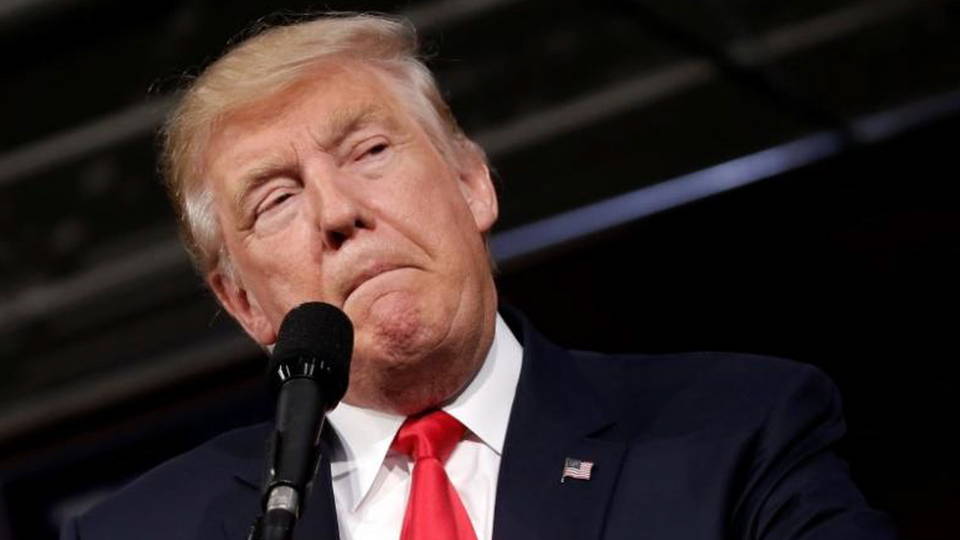 In election news, Republican Party leaders are facing pressure to withdraw support for Donald Trump from the party’s own donors amid a series of accusations from women that Trump sexually assaulted or harassed them in cases that stretch back decades. The New York Times reports Republican donors David Humphreys, Bruce Kovner, William Oberndorf and others are all calling on the party to abandon its presidential nominee. Kovner, a New York investor who has donated $2.7 million to the Republican Party since 2012, called Trump "a dangerous demagogue completely unsuited to the responsibilities of a United States president."
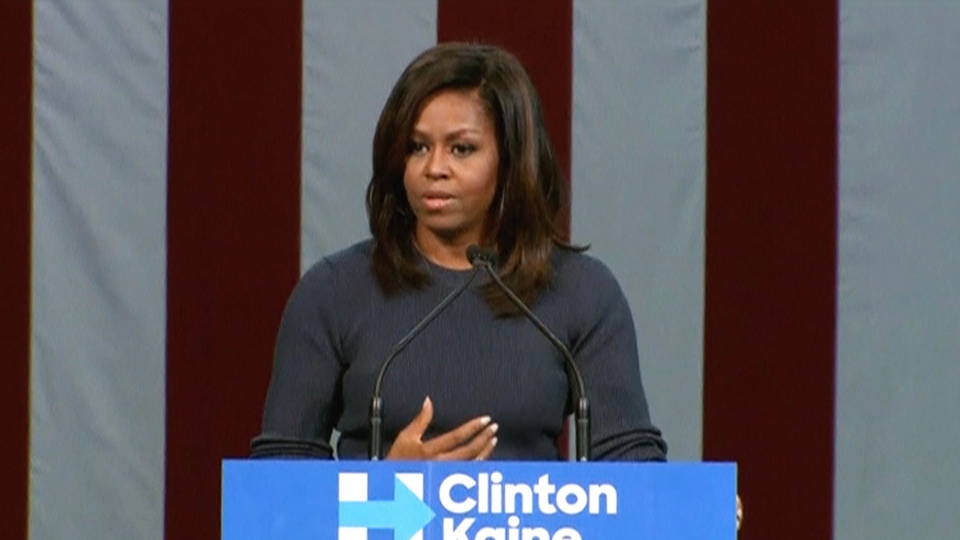 On Thursday, first lady Michelle Obama issued a scathing criticism of Donald Trump and the recently surfaced 2005 video that shows Trump boasting about sexually assaulting women.
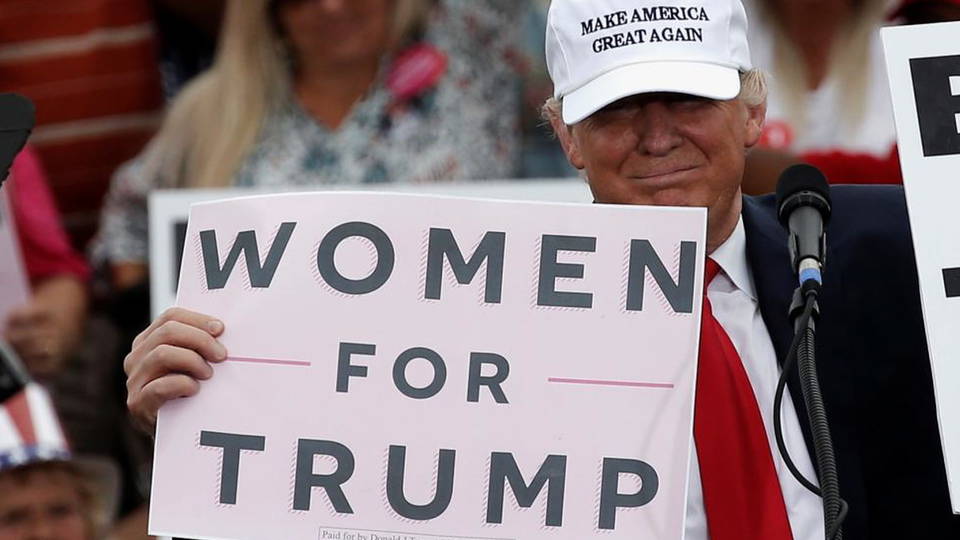 Donald Trump, in response, has denied the accusations of sexual assault, which include women accusing Trump of groping them and kissing them without their consent. Speaking at a rally in Florida Thursday, Trump denied he forced himself upon People magazine reporter Natasha Stoynoff in 2005 by implying he didn’t attack her because of her looks.
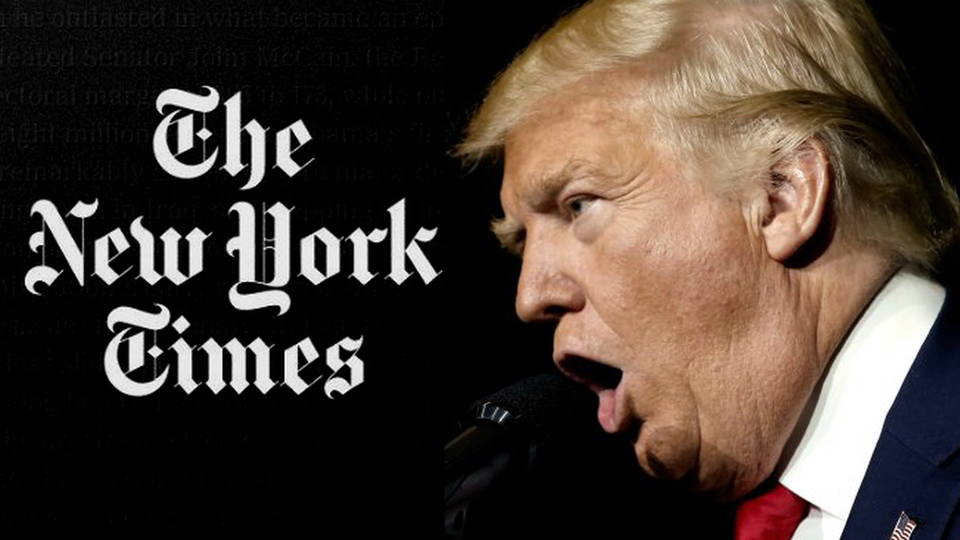 Trump has also lashed out at The New York Times, which this week published the accounts of two women who say Trump sexually assaulted them.
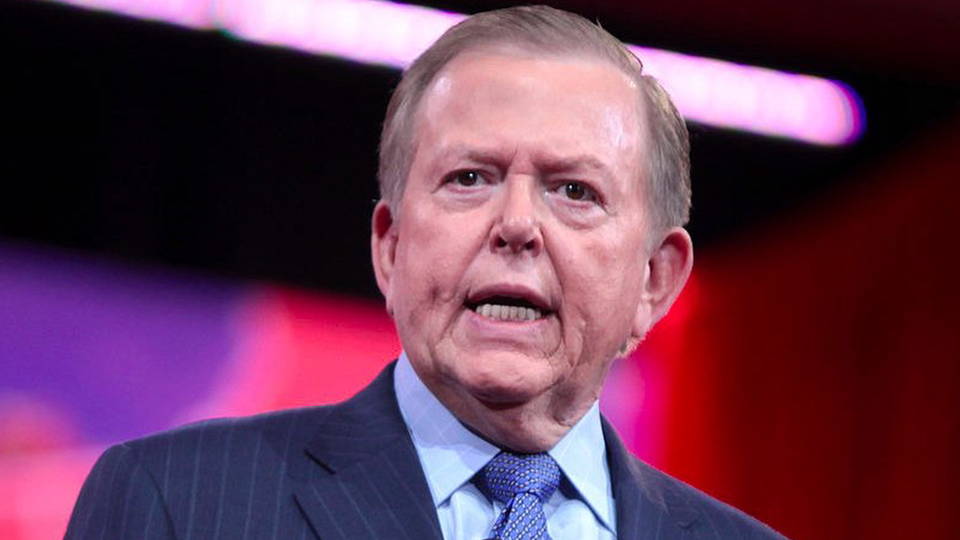 Meanwhile, Fox Business Network host Lou Dobbs has apologized after he tweeted the personal phone number and address of Jessica Leeds, who has accused Trump of sexually assaulting her on an airplane in the 1980s. This is Leeds.
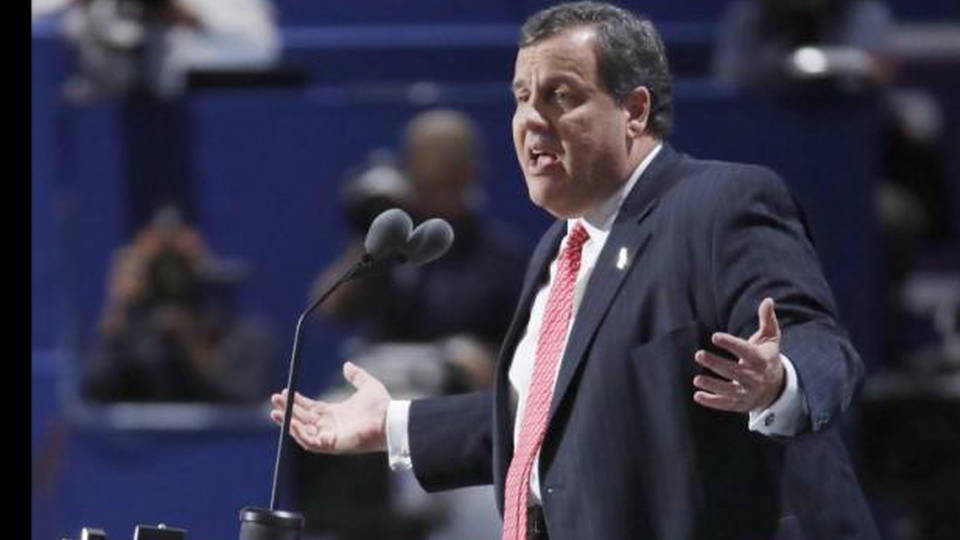 In more political news, a New Jersey judge has issued a criminal summons for New Jersey Governor Chris Christie over the 2013 George Washington Bridge lane closure scandal, in which Christie’s top aides are accused of conspiring to create a traffic jam to punish the mayor of Fort Lee for failing to endorse Christie’s re-election. A former ally to Christie, David Wildstein, has testified that Christie knew all about the plan ahead of time. The criminal summons stems from a citizen complaint filed by a retired fireman against Christie accusing him of official misconduct.
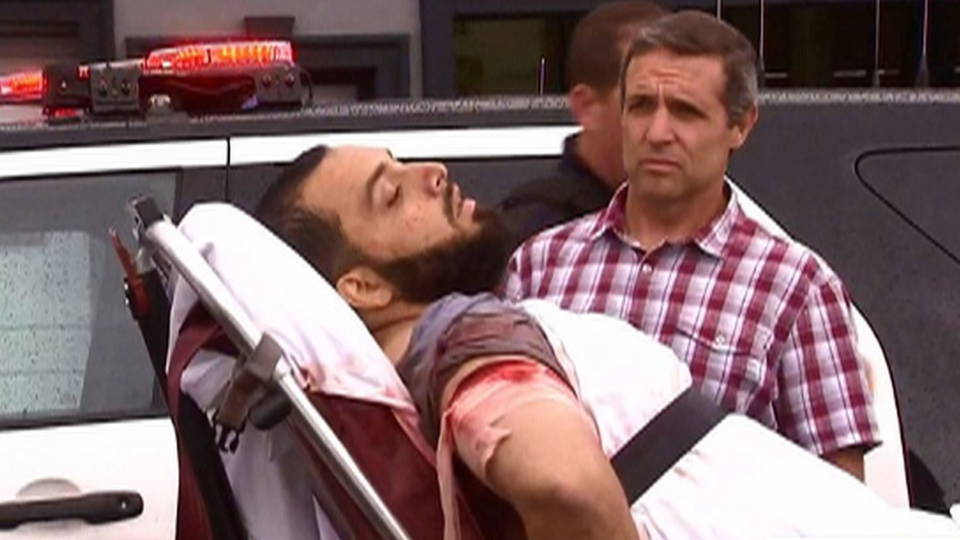 Ahmad Khan Rahami has pleaded not guilty to charges of attempting to kill police officers amid a shootout in Linden, New Jersey, last month, as authorities were attempting to arrest Rahami on charges of detonating a pressure cooker bomb in Chelsea, Manhattan, and a pipe bomb in New Jersey. The pressure cooker bomb in Chelsea injured 31 people. Both officers and Rahami were wounded in the shootout. On Thursday, Rahami appeared at court via video from his hospital bed.
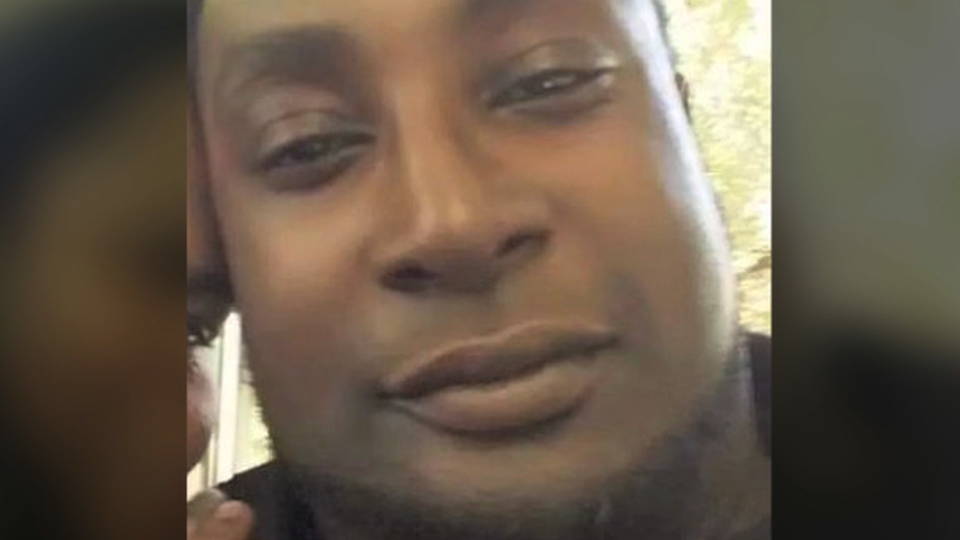 In Charlotte, North Carolina, an independent autopsy has revealed African-American father Keith Lamont Scott was shot three times by Charlotte police officers, including once in the back. The autopsy says the shooting was a homicide. Keith Lamont Scott’s killing by police in September sparked massive protests in Charlotte and nationwide. This comes as the U.S. Justice Department has announced it will begin collecting nationwide data on police shootings and use of force. Civil rights groups, however, say the plan is insufficient because it relies on voluntarily submitted data from local police forces. There is currently no comprehensive federal government database of fatal police shootings and other incidents of police brutality. An ongoing Guardian investigation says 847 people have been killed in the United States by police so far this year.
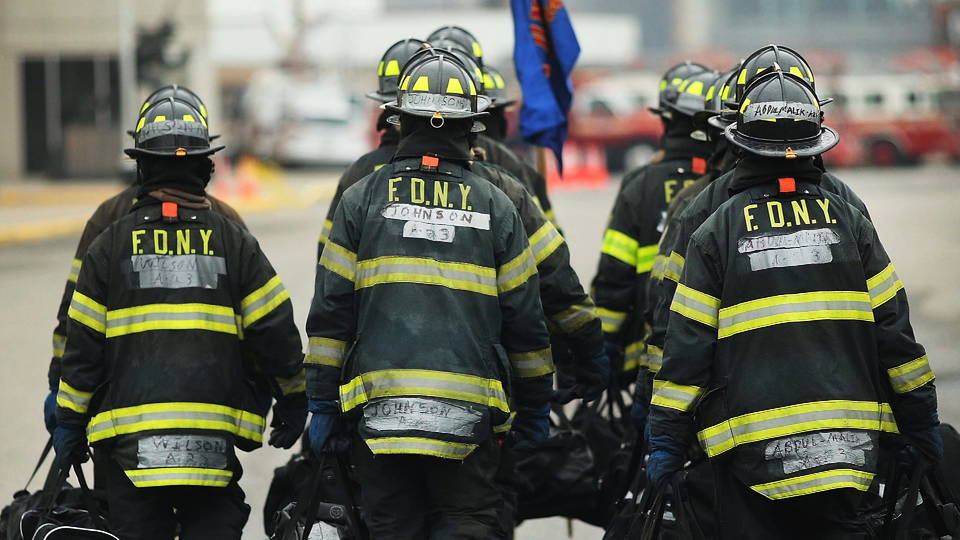 In New York City, 10 black employees of the New York Fire Department have accused theFDNY of "systemic, ongoing, continuous and intentional discrimination." In a complaint to the Equal Employment Opportunity Commission, they say black employees of the fire department are paid less, passed over for promotions, and are subjected to "workplace harassment and a hostile work environment based upon overt and subtle forms of discrimination."
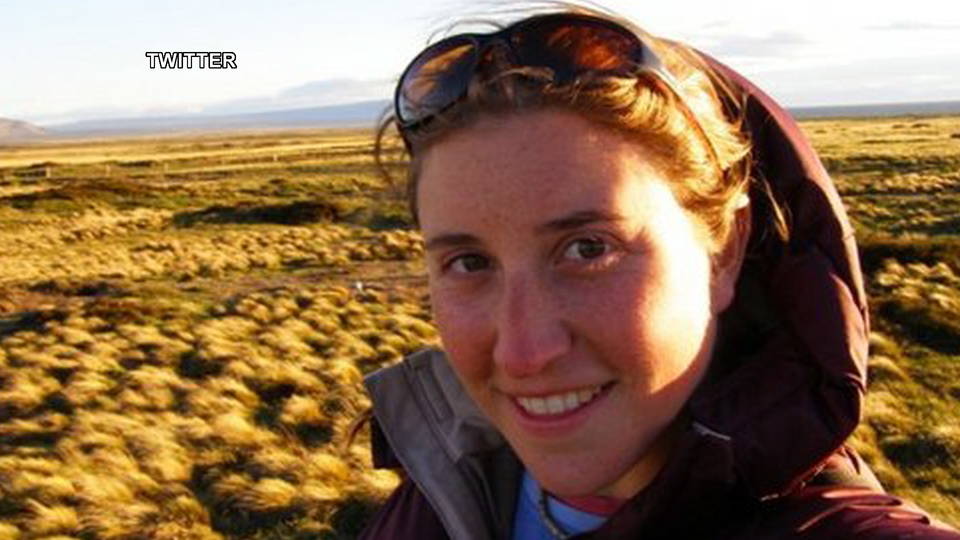 In North Dakota, documentary filmmaker Deia Schlosberg has been charged with three felonies for filming one of five coordinated acts of civil disobedience earlier this week, in which climate activists manually turned off the safety valves to stop the flow of tar sands oil through pipelines spanning the U.S. and Canada. The actions took place in Minnesota, Montana, North Dakota and Washington state. Award-winning filmmaker Schlosberg was the producer of Josh Fox’s recent documentary "How to Let Go of the World and Love All the Things Climate Can’t Change." She was filming the action at a valve station owned by TransCanada in Walhalla, North Dakota. She was arrested along with the activists, and her footage was confiscated. On Thursday, she was charged with a Class A felony and two Class C felonies, which combined carry a 45-year maximum sentence.
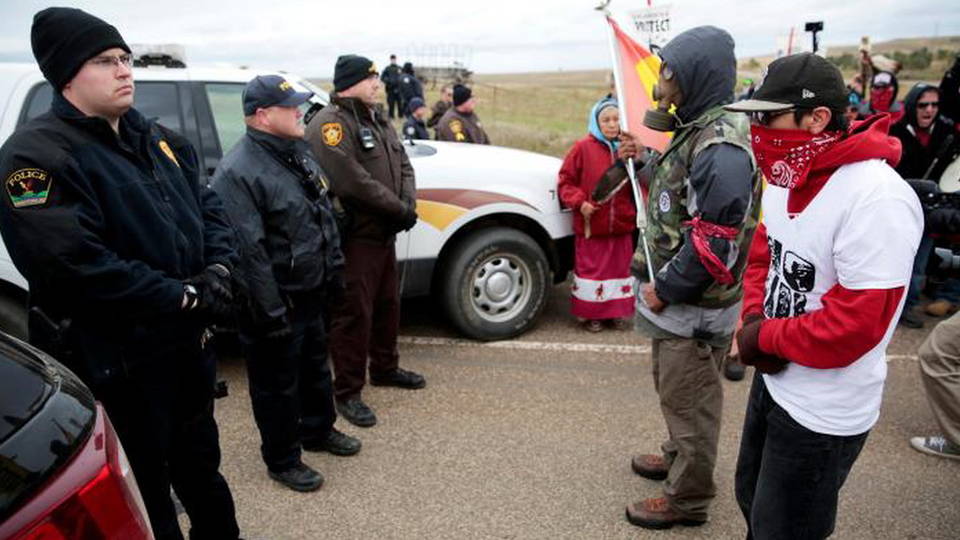 Meanwhile, the sheriff of Dane County, Wisconsin, has pulled his deputies out of North Dakota, after they were dispatched there one week ago at the request of the Morton County Sheriff’s Office in order to police the ongoing resistance to the $3.8 billion Dakota Access pipeline. Dane County Sheriff Dave Mahoney said he pulled his deputies out of North Dakota because "A wide cross-section of the community ... all share the opinion that our deputies should not be involved in this situation." This comes after the Morton County Sheriff’s Department requested hundreds of out-of-state deputies come to North Dakota.
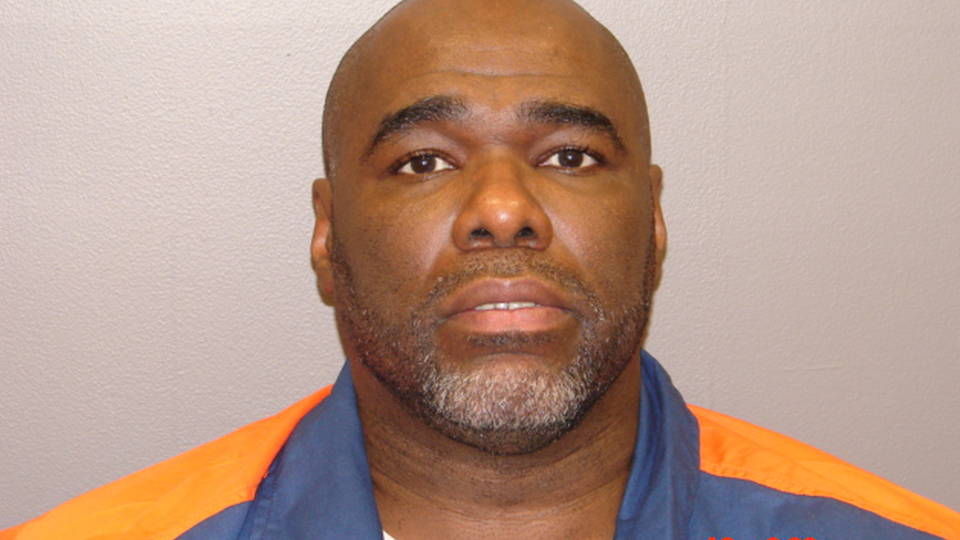 In Michigan, a prisoner at the Kinross Correctional Facility has died of unknown causes on Monday. Charlie Anderson is the third person to die within Michigan’s prisons within a month. This comes as new information has surfaced about a crackdown at the Kinross Correctional Facility against prisoners participating in the nationwide prison strike. Prisoners say they did not show up to work at the kitchen on the morning of September 9—the first day of the strike—and instead organized a peaceful march of hundreds of prisoners in the yard. They say an armed tactical team then stormed into the yard, handcuffing people and firing tear gas canisters. They also say some of the prisoners were left outside in the rain for up to six hours in retaliation.
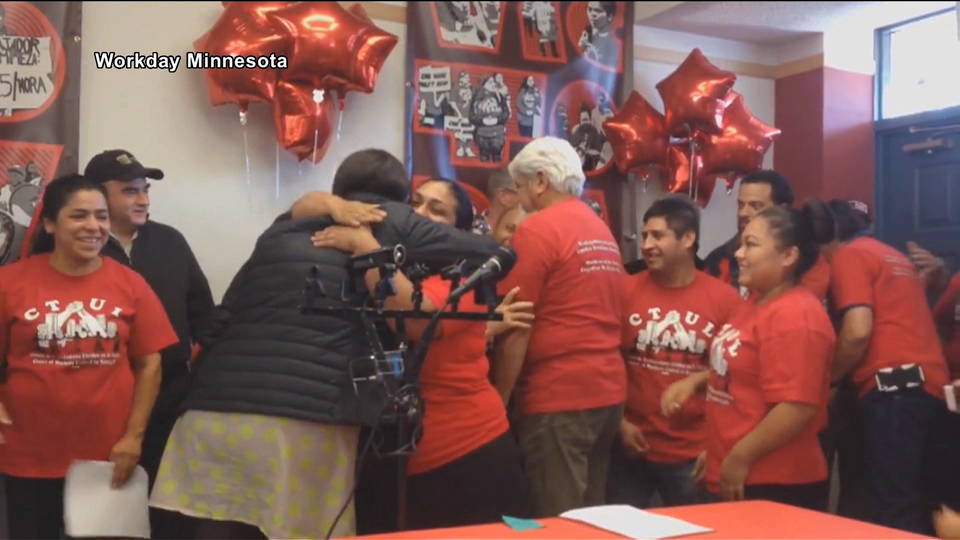 In Minneapolis and St. Paul, 600 janitors have won union recognition after a more than seven-year campaign that saw a series of short-term strikes. The janitors work for mega box stores, including Target, Macy’s and Best Buy. The campaign was supported by the Minneapolis-based United Workers Center in Struggle. The workers are now joining the Local 26 of the Service Employees International Union and will start collective bargaining in efforts to win healthcare and higher wages.
 And today marks the beginning of the International Monsanto Tribunal in The Hague. Organized by activists from across the world, the tribunal will include testimonies from dozens of victims of Monsanto on the environmental and health damage caused by the company. This comes as farmers in Germany are protesting the merger between Monsanto and pharmaceutical company Bayer, which has created the largest supplier of seeds and agricultural chemicals in the world.
-------
And today marks the beginning of the International Monsanto Tribunal in The Hague. Organized by activists from across the world, the tribunal will include testimonies from dozens of victims of Monsanto on the environmental and health damage caused by the company. This comes as farmers in Germany are protesting the merger between Monsanto and pharmaceutical company Bayer, which has created the largest supplier of seeds and agricultural chemicals in the world.
-------
Donate today:
Follow:


DN! IN THE NEWS
In election news, Republican Party leaders are facing pressure to withdraw support for Donald Trump from the party’s own donors amid a series of accusations from women that Trump sexually assaulted or harassed them in cases that stretch back decades. The New York Times reports Republican donors David Humphreys, Bruce Kovner, William Oberndorf and others are all calling on the party to abandon its presidential nominee. Kovner, a New York investor who has donated $2.7 million to the Republican Party since 2012, called Trump "a dangerous demagogue completely unsuited to the responsibilities of a United States president."First Lady Michelle Obama Denounces Trump Comments on Women
On Thursday, first lady Michelle Obama issued a scathing criticism of Donald Trump and the recently surfaced 2005 video that shows Trump boasting about sexually assaulting women.Michelle Obama: "Because this was not just a lewd conversation. This wasn’t just locker room banter. This was a powerful individual speaking freely and openly about sexually predatory behavior and actually bragging about kissing and groping women, using language so obscene that many of us were worried about our children hearing it when we turn on the TV."
That was first lady Michelle Obama, who never once used Trump’s name during her scathing speech.
TOPICS:
Donald Trump Says Sexual Assault Allegations are "Made-Up Stories"
Donald Trump, in response, has denied the accusations of sexual assault, which include women accusing Trump of groping them and kissing them without their consent. Speaking at a rally in Florida Thursday, Trump denied he forced himself upon People magazine reporter Natasha Stoynoff in 2005 by implying he didn’t attack her because of her looks.Donald Trump: "Take a look. You take a look. Look at her. Look at her words. You tell me what you think. I don’t think so."
Natasha Stoynoff says Trump sexually assaulted her at the Mar-a-Lago in 2005, when she was interviewing him and Melania for a story about the first anniversary of their wedding. Stoynoff writes Trump was giving her a tour of the estate when "Trump shut the door behind us. I turned around, and within seconds he was pushing me against the wall and forcing his tongue down my throat."
TOPICS:
The New York Times Responds to Trump's Threat to Sue over Accounts of Sexual Assault
Trump has also lashed out at The New York Times, which this week published the accounts of two women who say Trump sexually assaulted them.Donald Trump: "But it’s the failing New York Times, and they’re inventing false claims without any evidence, no witnesses, no nothing, enacted, supposedly, years and years ago. I’ve never met these people. I don’t even know who they are. They’re made-up stories, filed right before the election. Right before the election."
Trump has demanded a retraction and threatened to sue The New York Times over the article. In response, the Times’s lawyers have sent a letter to Trump’s lawyers, writing: "The essence of a libel claim, of course, is the protection of one’s reputation. Trump has bragged about his non-consensual touching of women. ... Nothing in our article has had the slightest effect on the reputation that Mr. Trump, through his own words and actions, has already created for himself." The Committee to Protect Journalists has said, "A Trump presidency would represent a threat to press freedom in the United States"—marking the first time the Committee to Protect Journalists has said a U.S. presidential candidate is a threat to press freedom.
Fox's Lou Dobbs Apologizes After Posting Jessica Leeds's Personal Information
Meanwhile, Fox Business Network host Lou Dobbs has apologized after he tweeted the personal phone number and address of Jessica Leeds, who has accused Trump of sexually assaulting her on an airplane in the 1980s. This is Leeds.Jessica Leeds: "It was a real shock when all of a sudden his hands were all over me. He started encroaching on my space. And I hesitate to use this expression, but I’m going to. And that is, he was like an octopus. It was like he had six arms. He was all over the place. But it’s when he started putting his hand up my skirt, and that was it. That was it. I was out of there."
Dobbs tweeted her address and phone number on Thursday, then deleted the tweet and apologized, saying, "My Retweet, My Mistake, My Apology to Jessica Leeds."
New Jersey Judge Issues Summons for Gov. Chris Christie over Bridgegate
In more political news, a New Jersey judge has issued a criminal summons for New Jersey Governor Chris Christie over the 2013 George Washington Bridge lane closure scandal, in which Christie’s top aides are accused of conspiring to create a traffic jam to punish the mayor of Fort Lee for failing to endorse Christie’s re-election. A former ally to Christie, David Wildstein, has testified that Christie knew all about the plan ahead of time. The criminal summons stems from a citizen complaint filed by a retired fireman against Christie accusing him of official misconduct.Alleged Bomber Ahmad Khan Rahami Pleads Not Guilty from Hospital Bed
Ahmad Khan Rahami has pleaded not guilty to charges of attempting to kill police officers amid a shootout in Linden, New Jersey, last month, as authorities were attempting to arrest Rahami on charges of detonating a pressure cooker bomb in Chelsea, Manhattan, and a pipe bomb in New Jersey. The pressure cooker bomb in Chelsea injured 31 people. Both officers and Rahami were wounded in the shootout. On Thursday, Rahami appeared at court via video from his hospital bed.TOPICS:
Autopsy Reveals Police Shot Keith Lamont Scott 3 Times, Once in the Back
In Charlotte, North Carolina, an independent autopsy has revealed African-American father Keith Lamont Scott was shot three times by Charlotte police officers, including once in the back. The autopsy says the shooting was a homicide. Keith Lamont Scott’s killing by police in September sparked massive protests in Charlotte and nationwide. This comes as the U.S. Justice Department has announced it will begin collecting nationwide data on police shootings and use of force. Civil rights groups, however, say the plan is insufficient because it relies on voluntarily submitted data from local police forces. There is currently no comprehensive federal government database of fatal police shootings and other incidents of police brutality. An ongoing Guardian investigation says 847 people have been killed in the United States by police so far this year.Black Employees of NY Fire Dept. Sue over Alleged "Intentional Discrimination"
In New York City, 10 black employees of the New York Fire Department have accused theFDNY of "systemic, ongoing, continuous and intentional discrimination." In a complaint to the Equal Employment Opportunity Commission, they say black employees of the fire department are paid less, passed over for promotions, and are subjected to "workplace harassment and a hostile work environment based upon overt and subtle forms of discrimination."Filmmaker Faces 45 Years in Prison for Documenting Pipeline Shutdown
In North Dakota, documentary filmmaker Deia Schlosberg has been charged with three felonies for filming one of five coordinated acts of civil disobedience earlier this week, in which climate activists manually turned off the safety valves to stop the flow of tar sands oil through pipelines spanning the U.S. and Canada. The actions took place in Minnesota, Montana, North Dakota and Washington state. Award-winning filmmaker Schlosberg was the producer of Josh Fox’s recent documentary "How to Let Go of the World and Love All the Things Climate Can’t Change." She was filming the action at a valve station owned by TransCanada in Walhalla, North Dakota. She was arrested along with the activists, and her footage was confiscated. On Thursday, she was charged with a Class A felony and two Class C felonies, which combined carry a 45-year maximum sentence.Sheriff Removes Deputies Who Were Sent to Police Dakota Access Pipeline Resistance
Meanwhile, the sheriff of Dane County, Wisconsin, has pulled his deputies out of North Dakota, after they were dispatched there one week ago at the request of the Morton County Sheriff’s Office in order to police the ongoing resistance to the $3.8 billion Dakota Access pipeline. Dane County Sheriff Dave Mahoney said he pulled his deputies out of North Dakota because "A wide cross-section of the community ... all share the opinion that our deputies should not be involved in this situation." This comes after the Morton County Sheriff’s Department requested hundreds of out-of-state deputies come to North Dakota.Three Michigan Prisoners Die Within One Month Amid Crackdown on Prison Strike
In Michigan, a prisoner at the Kinross Correctional Facility has died of unknown causes on Monday. Charlie Anderson is the third person to die within Michigan’s prisons within a month. This comes as new information has surfaced about a crackdown at the Kinross Correctional Facility against prisoners participating in the nationwide prison strike. Prisoners say they did not show up to work at the kitchen on the morning of September 9—the first day of the strike—and instead organized a peaceful march of hundreds of prisoners in the yard. They say an armed tactical team then stormed into the yard, handcuffing people and firing tear gas canisters. They also say some of the prisoners were left outside in the rain for up to six hours in retaliation.TOPICS:
Janitors in Minneapolis & St. Paul Win Union Recognition
In Minneapolis and St. Paul, 600 janitors have won union recognition after a more than seven-year campaign that saw a series of short-term strikes. The janitors work for mega box stores, including Target, Macy’s and Best Buy. The campaign was supported by the Minneapolis-based United Workers Center in Struggle. The workers are now joining the Local 26 of the Service Employees International Union and will start collective bargaining in efforts to win healthcare and higher wages.TOPICS:
International Monsanto Tribunal Kicks Off in The Hague
And today marks the beginning of the International Monsanto Tribunal in The Hague. Organized by activists from across the world, the tribunal will include testimonies from dozens of victims of Monsanto on the environmental and health damage caused by the company. This comes as farmers in Germany are protesting the merger between Monsanto and pharmaceutical company Bayer, which has created the largest supplier of seeds and agricultural chemicals in the world.Georg Janssen: "The Bayer and Monsanto merger is a declaration of war to the farmers and the consumers. If there is a concentration in the seeds and pesticides sector, then there is a concentration of the entire consumer sector. The large agricultural companies want to get the entire food production under their control. We defend ourselves against it."
TOPICS:
Donate today:
Follow:
DN! IN THE NEWS

Rolling Stone's Matt Taibbi: "Journalist Amy Goodman Shouldn't Be Arrested for Covering Dakota Pipeline Story"
SPEAKING EVENT

10/18 New York, NY
NEW BOOK


Rashid Khalidi on the Global Issues Being Ignored by Clinton & Trump from Afghan War to Palestine
WORK WITH DN!

Senior TV Producer
COLUMN

Putting Their Bodies on the (Pipe)line
207 West 25th Street, 11th Floor
New York, New York 10001, United States
-------
-------
No comments:
Post a Comment