democracynow.org
Stories:
 Standing Rock: Police Arrest 120+ Water Protectors as Dakota Access Speeds Up Pipeline Construction
We go to North Dakota for an update on the ongoing Standoff at Standing Rock, where thousands of Native Americans representing more than 200 tribes from across the Americas are resisting the construction of the $3.8 billion Dakota Access pipeline, which is slated to carry oil from North Dakota’s Bakken oilfields through South Dakota, Iowa and into Illinois. On Saturday, over 100 people, who call themselves protectors, not protesters, were arrested at a peaceful march after they were confronted by police in riot gear, carrying assault rifles. They say police pepper-sprayed them and then arrested them en masse, and discharged rubber bullets to shoot down drones the water protectors were using to document the police activity. We are joined by Sacheen Seitcham, media activist with West Coast Women Warriors Media Cooperative who was arrested Saturday along with more than 80 other protesters and journalists at a construction site for the Dakota Access pipeline in North Dakota.
TRANSCRIPT
This is a rush transcript. Copy may not be in its final form.
AMY GOODMAN: We begin today’s show in North Dakota with the ongoing Standoff at Standing Rock, where thousands of Native Americans, representing more than 200 tribes from across the Americas, are resisting the construction of the $3.8 billion Dakota Access pipeline, which is slated to carry oil from North Dakota’s Bakken oilfields through South Dakota, Iowa and into Illinois. On Saturday, over a hundred people, who call themselves protectors, not protesters, were arrested on a peaceful march after they were confronted by police in riot gear carrying assault rifles. They say police pepper-sprayed them, then arrested them en masse. This is footage from the Sacred Stone Camp.
POLICE OFFICER 1: You’re all under arrest!
WATER PROTECTOR 1: Hey!
POLICE OFFICER 1: Back off!
POLICE OFFICER 2: You’re all under arrest!
WATER PROTECTOR 1: Stay together! Stay together! Do not be afraid! Stand your prayer!
WATER PROTECTOR 2: Hey!
AMY GOODMAN: Organizers also say police discharged rubber bullets to shoot down drones the water protectors were using to document the police activity. In response to Saturday’s protest, Morton County Sheriff Kyle Kirchmeier said, quote, "Today’s situation clearly illustrates what we have been saying for weeks, that this protest is not peaceful or lawful. ... This protest was intentionally coordinated and planned by agitators with the specific intent to engage in illegal activities," Kirchmeier said. Those arrested face charges including riot, reckless endangerment, criminal trespass, assaulting an officer and resisting arrest.
On Sunday, hundreds of water protectors erected a new frontline camp of several structures and tipis directly on the proposed path of the Dakota Access pipeline. The new frontline camp is just to the east of North Dakota State Highway 1806 across from the site where on September 3rd, over Labor Day weekend, Dakota Access security guards unleashed pepper spray and dogs against Native Americans trying to protect a sacred ground from destruction. The water protectors also erected three road blockades that stopped traffic for hours on Highway 1806 Saturday to the north and south of the main resistance camp and along County Road 134. The group cited an 1851 treaty, which they say makes the entire area unceded sovereign land under the control of the Sioux. The blockades were dismantled late Sunday.
For more, we’re joined by two guests. Sacheen Seitcham is an activist and journalist with West Coast Women Warriors Media Cooperative. She was arrested Saturday along with more than a hundred water protectors and journalists at a construction site for the Dakota Access pipeline. And Tara Houska, national campaigns director for Honor the Earth, she’s Ojibwe from Couchiching First Nation.
We welcome you both to Democracy Now! OK, let’s first go to Sacheen. You were arrested Saturday. Can you take us through this day? What happened on Saturday?
SACHEEN SEITCHAM: What happened on Saturday was completely uncalled for, out of—out of the realm of any understanding of people who exist in this world who are trying to do something good and right. Basically, we had come to a lockdown that was trying to reach—we were trying to stop the construction of the DAPL pipeline that day. And our objective was to go walk with them in prayer and meet with them and to lift them up, to be with them as they were locked down. While we walked, we encountered quite a few police. And basically, they had little ATVs, where they were like dune buggies. They were following us. And then more and more police cars came. We actually had to avoid them by running down a hill into a gully and crossing a small river to go and reach the worksite. And at this point, there had been at least six to eight [inaudible] police cars and many officers on the opposite side of the fence from us. And so, we kept walking so that we could go and meet our objective, be at this worksite and to, you know, really prevent the pipeline from being built on sacred ground, on ancient burial sites where the ancestors are laying and should not be disturbed.
AMY GOODMAN: Sacheen?
SACHEEN SEITCHAM: Sorry. At this point, there had been about two—maybe roughly 200 of us. And we’re walking to the field with banners, singing. There was a lot of ceremony and prayer songs. There was a lot of smudging going on with people with sweetgrass and sage and tobacco. And this police vehicle rolled up beside us and basically said, "You’re all trespassing. You’re all under arrest." So we kept going, because at this point we knew—too important what we’re doing. We can’t be intimidated or fearful. Regardless of what they do to us, we must continue and do what we are going to do to protect the sacred water, to protect the sacred ground. So we kept walking.
They kept massing more people of their—their cop riot gear. They had their lethal assault weapons, holding them. And, you know, they’re rubber bullets, but, as we know, rubber bullets can also be fatal. They had their batons out and were openly carrying around cans of mace in a threatening manner. And they eventually, as we walked, cut open the fence to come at us. And they started yelling and running towards us and yelling and inducing fear in people. And we were trying to create a sense of, you know, organization, where we were asking people, "Please, stay calm. Everybody, group together." At this point, they just started being snatch-happy. They were just grabbing people, out of pocket, just, you know, throwing them off to the side. They threw a young woman who was trying to protect a child in the march. They smacked her in the ribs with a baton and, you know, broke it. That’s how forceful they were.
AMY GOODMAN: Sacheen, how were you arrested?
SACHEEN SEITCHAM: I was arrested—basically, the cops tried to tell us to go, and I was arrested, because we were walking away. So, we said, "OK, we’re going to leave. You’ve asked us to leave. You told us we’re trespassing." And so, we all started walking away. And as we walked, the police came through to the front, and then they surrounded us at the back, creating a circle. They kettled us in. We were arrested for engaging in a riot and criminal trespass.
AMY GOODMAN: How many people, do you believe, have been arrested so far? We see the estimates between 87, around there, that the Sheriff’s Office is saying, to upwards of—CNN is reporting 127. The camp is reporting 140.
SACHEEN SEITCHAM: I’m going to go with the camp’s estimate. While I was being processed in the—we were all in the garage. They had no idea what to do with us. They were completely disorganized. The Sheriff’s Office had us all penned up in the garage for roughly two hours. And there was upwards of more than a hundred people down there.
AMY GOODMAN: What were you charged with?
SACHEEN SEITCHAM: I was charged with criminal trespass and engaging in a riot at DAPL worksite 127.
AMY GOODMAN: Were you ever brought to the Mandan jail?
SACHEEN SEITCHAM: Yes. Yes, I was.
AMY GOODMAN: And were you strip-searched?
SACHEEN SEITCHAM: Yes, I was made to disrobe. At this point, they were very disorganized, and I wasn’t treated, basically, the way other women were. I wasn’t forced to squat or cough. They just basically made me disrobe and then put my clothes back on. But, you know, at that point, there was a lot of other women who shared their stories with me that they were strip-searched, they were forced to squat, they were forced to cough and be treated in that manner.
AMY GOODMAN: And how long were you held?
SACHEEN SEITCHAM: I got to the jail, I would say, roughly around maybe 2:00 in the afternoon, and I was released at 7:00 a.m. yesterday morning.
AMY GOODMAN: Well, Sacheen Seitcham, I want to thank you for being with us. Sacheen is a member of the West Coast Women Warriors Media Cooperative. She was arrested Saturday along with scores of other people, both protesters, or, as they call themselves, protectors, as well as journalists, at the construction site for the Dakota Access pipeline in North Dakota. When we come back, we’ll speak to Tara Houska about the overall plan. We called Dakota Access pipeline but weren’t able to get them on. The plan right now—is the pipeline accelerating construction? And then we’ll speak with Shailene Woodley. Shailene Woodley, the actress, who went to the Dakota Access pipeline protests, she was arrested. She was strip-searched, like so many others. Stay with us. ... Read More → Legendary Antiwar Activist and SDS Organizer Tom Hayden Dies at 76
Tom Hayden has died at the age of 76. Hayden spent decades shaping movements against war and for social justice. He was the principal author of the Port Huron Statement, the founding document of Students for a Democratic Society, or SDS. The statement advocated for participatory democracy and helped launch the student movement of the 1960s. In 1968, Hayden became one of the so-called Chicago 8 and was convicted of crossing state lines to start a riot after he helped organize protests against the Vietnam War outside the Democratic National Convention. We play an excerpt of an address by Hayden speaking about the antiwar movement he helped lead.
TRANSCRIPT
This is a rush transcript. Copy may not be in its final form.
AMY GOODMAN: We end today on the death of Tom Hayden, who died at the age of 76. He suffered a stroke last year. Tom Hayden spent decades shaping movements against war and for social justice. He was principal author of the Port Huron Statement, the founding document for Students for a Democratic Society, SDS. The statement, advocating for participatory democracy, helped launch the student movement of the '60s. In ’68, Hayden became one of the so-called Chicago 8, was convicted of crossing state lines to start a riot when he helped organize protests against the Vietnam War outside the Democratic convention. We're going to turn to a clip of Tom Hayden now.
TOM HAYDEN: So we can never forget that, of course, it was the Vietnamese resistance and their sacrifice that led to our awakening, along with the civil rights movement at home. It began with handfuls of young people, black students who led Freedom Rides, sit-ins. The Student Nonviolent Coordinating Committee was the first to resist the war. Julian Bond, who’s sitting here, was rejected after being elected to the Georgia Legislature. Muhammad Ali was stripped of his boxing titles. It also began with the Vietnam Day Committee in Berkeley, growing out of teach-ins, out of SDS, that called the first march, the draft resistance. There had never been a peace movement like the one in 1965 that arose out of the civil rights movement and came just weeks after Selma. At least 29 would die at the hands of police while demonstrating for peace.
AMY GOODMAN: That is Tom Hayden, remembering the people who came before him. And we will remember Tom Hayden tomorrow on Democracy Now!, who has died at the age of 76. To see his speeches and interviews, go to democracynow.org. ... Read More →I’d like here to introduce Luis Rodriguez and Rosalio Muñoz and Jorge Mariscal from the Chicano Moratorium, where four died, including Gustav [Montag], Lyn Ward, José Diaz and Rubén Salazar. Rubén Salazar was an early Juan González. Rubén Salazar was a great reporter for the Los Angeles Times who served as a journalist in Vietnam before he started critical reporting on the streets of Los Angeles. And he was shot by the sheriff’s deputies.
 North Dakota: Water Protectors Erect New Frontline Camp Directly in Path of Dakota Access Pipeline
On Sunday, hundreds of water protectors erected a new frontline camp of several structures and tipis directly on the proposed path of the Dakota Access pipeline. The new frontline camp is just to the east of North Dakota State Highway 1806, across from the site where on September 3, over Labor Day weekend, Dakota Access security guards unleashed pepper spray and dogs against Native Americans trying to protect a sacred tribal burial ground from destruction. The water protectors also erected three road blockades that stopped traffic for hours on Highway 1806 to the north and the south of the main resistance camp and along County Road 134. The group cited an 1851 treaty, which they say makes the entire area unceded sovereign land under the control of the Sioux. The blockades were dismantled late Sunday. We speak with Tara Houska, national campaigns director for Honor the Earth. She is Ojibwe from Couchiching First Nation.
TRANSCRIPT
This is a rush transcript. Copy may not be in its final form.
AMY GOODMAN: We continue our coverage of the Standoff at Standing Rock with Tara Houska, national campaigns director for Honor the Earth, Ojibwe, Couchiching First Nation. She has been in North Dakota for quite some time now. It seems this weekend an acceleration of the building of the Dakota Access pipeline, as well, of the protests of the water protectors and also of journalists, where numbers range from 87 to 140 people arrested this weekend.
Tara, what do you know is happening, the numbers? But also, is the Dakota Access pipeline—and we’d like to put this question to them, but we weren’t able to get them on the show—is it accelerating, the construction right now? Are they trying to race towards deadline to get this pipeline built?
TARA HOUSKA: As soon as the court lifted the 20-mile, you know, so-called buffer zone on either side of Lake Oahe, or the Missouri River, I mean, it was full steam ahead. They’ve been doing everything they can—you know, constructing on weekends, constructing long hours with massive crews, to get this pipeline into the ground. Probably, I mean, as another tactic, too, to pressure this final—the Army Corps permits that are under the water crossings are all under review right now, so I’m sure they’re looking to get as much of the pipeline in the ground as they possibly can up to the Army Corps crossings, as another pressure point.
AMY GOODMAN: Now, what happened exactly this weekend? Why this acceleration also of the arrests?
TARA HOUSKA: I think, you know, the sheriff is telling a story of these escalated behaviors and, you know, agitators. I found it very interesting that the Morton County press—their press contact actually stated instead that, you know, although the protesters peacefully dispersed, what they were doing was still illegal. So they’re—you know, the Sheriff’s Office is attempting to characterize it both as a riot, as people praying as a riot, and increasing numbers of arrests, while at the same time acknowledging that people are indeed peacefully dispersing when asked to leave. So, it’s kind of like two conflicting stories here. And I think they’re looking to scare folks off to get this pipeline into the ground, to do anything it takes to get the pipeline into the ground, including massive arrests and, you know, open violations of, you know—I mean, using mace on people for absolutely no reason. Some of the videos show that there was no way that the officer was in any threaten of harm, actually grabbing protesters and macing them.
AMY GOODMAN: I was on a North Dakota radio program right after Sheriff Kirchmeier, and he was very clear. He said five people, or more than five people, is a riot. Can you respond to this? Because it seems that the charges have escalated. In the beginning, it was disorderly conduct, then criminal trespass, and now it’s riot.
TARA HOUSKA: I think they’re looking to—you know, like I said, I think they’re looking to scare folks off. They’re also looking to drain resources. There is a legal fund that has been collected off of people’s goodwill donations to support the direct action—the direct actions against Dakota Access to stop the construction. And now, with these escalated charges, they can increase the amount of bail for each individual arrested. You know, claiming that people praying and drumming is somehow a riot is ludicrous. I’m interested to see how a prosecutor could even bring that and prove that in a court of law. I know that at one of the lockdowns that happened in the last week, there was only four people there. That doesn’t even meet the statutory requirement of their so-called riot, yet they still were all charged with inciting a riot. Four people doesn’t seem like a riot to me, nor does a group of Native Americans peacefully praying and smudging one another.
AMY GOODMAN: I wanted to ask about the letter that Honor the Earth, the Indigenous Environmental Network and others sent to the Army Corps of Engineers on October 10th. What does this letter say?
TARA HOUSKA: It goes through, you know, the various violations and issues that are present within the permitting process. In particular, it’s very, very important that people know that on September 3rd, which was the day of these dog attacks, folks were out there protecting a sacred site that had been identified the day prior by the tribe. They had gone out with Tim Mentz. They had actually, you know, submitted a supplemental brief and stated, "Here are—you know, here are the exact sacred places that are not being considered on your pipeline route. Here are several of them." And they submitted that at 5:00 p.m. on a Friday. The following day, Dakota Access skipped over 20 miles ahead to bulldoze those sites. In the National Historic Preservation Act, Section 110(k) states, if they—if the company intentionally destroys or disrupts sacred places, that the permit cannot be issued, that the Army Corps cannot issue these permits, that, you know, this project cannot be approved. And that’s exactly what happened here.
AMY GOODMAN: And so, what happens at this point? Today, what is happening, for example? And where does this all go from here?
TARA HOUSKA: Folks are continuing to—you know, you mentioned the construction of the frontlines encampment growing now, people putting tipis and enacting structures for living directly on the pipeline route. They are—they are miles away. Dakota Access is moving at an incredible pace to try and get this pipeline into the ground. And so, I think that, you know, the interactions will continue between protectors, water protectors, and the police. There will continue to be resistance of, you know, people putting their actual bodies on the line, because this is such a larger issue. This is the—you know, we’re fighting for future generations. We’re fighting for the protection of water for the 17 million people that live along the Missouri River. I think, you know, the court cases are continuing. There is a long process for that. But really, the Army Corps of Engineers needs to answer: You know, what—where is this review process? Are you going to uphold the National Historic Preservation Act and acknowledge that Dakota Access intentionally destroyed these sites, and cancel these permits, cancel all these water permits? This is not a legal pipeline. It was never an environmental impact statement. Stringent-level review was never conducted. That is not in the public interest. Dakota Access profits do not come over the safety and well-being of the people.
AMY GOODMAN: Tara Houska, I want to thank you for being with us, of Honor the Earth, Ojibwe, Couchiching First Nation. ... Read More → Actor Shailene Woodley on Her Arrest, Strip Search and Dakota Access Pipeline Resistance
At least 27 people, including Hollywood actress Shailene Woodley, were arrested during the Standoff at Standing Rock on October 10, Indigenous Peoples’ Day, while attempting to blockade the Dakota Access pipeline construction at two separate worksites. Footage of Woodley’s arrest was streamed live to roughly 40,000 viewers on her Facebook page. She was later strip-searched in jail. She says her dedication to protest with indigenous people who are at the forefront of the fight remains strong: "Every time we allow another pipeline … we are endorsing the fossil fuel industry and only prolonging the time it is going to take to switch to renewable energy." Woodley recently starred in the new Edward Snowden film, "Snowden." She has appeared in the TV series "The Secret Life of the American Teenager" and has also starred in films including "The Divergent Series" and "The Fault in Our Stars." She received a Golden Globe nomination for her role as Alex King in "The Descendants."
TRANSCRIPT
This is a rush transcript. Copy may not be in its final form.
AMY GOODMAN: We turn now to continue to look at what’s happening. Are North Dakota authorities waging a war against the public’s right to know about the ongoing Standing Rock pipeline protests?
Earlier this month, two weeks ago, they charged documentary filmmaker Deia Schlosberg with three felonies for filming an act of civil disobedience, in which climate activists manually turned off the safety valves to stop the flow of tar sands oil through pipelines spanning the U.S. and Canada. These were separate actions from DAPL. The actions took place in Minnesota, Montana, North Dakota and Washington state. Schlosberg is an award-winning filmmaker, was producer of Josh Fox’s recent documentary, How to Let Go of the World and Love All the Things Climate Can’t Change. She was filming the action at a valve station owned by TransCanada in Walhalla, North Dakota, arrested along with activists, and her footage was confiscated. She was charged with a Class A felony and two Class C felonies, which combined carry a 45-year maximum sentence.
Meanwhile, on October 10th, at least 27 people, including Hollywood actress Shailene Woodley, were arrested blockading Dakota Access pipeline construction at two separate worksites. Footage of Woodley’s arrest was streamed live to roughly 40,000 viewers on her Facebook page.
POLICE OFFICER: Right now you’re being placed under arrest for criminal trespassing, all right?
SHAILENE WOODLEY: It’s because I have 40,000 people watching. So everybody knows we were going to our vehicle, which they had all surrounded and waiting for me with giant guns and the giant truck behind them, just so they could arrest me, so they knew this would happen. I hope you’re watching, mainstream media.
AMY GOODMAN: That was activist and actress Shailene Woodley being arrested for protesting the North Dakota Access pipeline. Shailene is known for The Divergent Series, for Fault in Our Stars. She’s just most recently the star of the Snowden film, called Snowden, about Edward Snowden. She also appeared in the TV series Secret Life of the American Teenager.
Shailene, can you talk about what happened to you? This was right after Indigenous Peoples’ Day, Columbus Day?
SHAILENE WOODLEY: This was on Indigenous Peoples’ Day. It was all—it was right after—so, I happened to be in town. I had been gone from Standing Rock for a month, and I had gotten back the night before Indigenous Peoples’ Day. And there was a sunrise ceremony, a sunrise prayer. Everyone woke up at 6:00 a.m. and gathered by the river to pray, which is how most days at Standing Rock start. So, all of this dialogue and these narratives about riots is so fascinating to me, when, you know, they’re—it’s so grounded in ceremony and in prayer. I can’t stress that enough. So everyone got up and prayed. And the night before, coincidentally, right after the presidential debate, when the whole world’s focus and attention was on Donald Trump and Hillary Clinton, the U.S. Court of Appeals decided to deny the injunction to halt construction of the pipeline. So, an action was spontaneously put into place, a peaceful action, that I participated in.
And we all went down to this certain area; I couldn’t give you the exact landmarks, because I had never been there before. And a few people had chosen—had done planned arrests to bring attention to the day and to the cause. I was not one of those people. I was participating in peaceful protest and peaceful protection for clean water, along with roughly 300 people, including my mother. And I was standing exactly how all the rest of these 300 people were standing, and doing what these other 300 people were doing, which was praying, which was chanting, which was singing. And after about two or three, four—my timing is off, but after quite a few hours of doing this, the—once the people who had chosen to be arrested were detained and sent safely away, we all left, because the cops were leaving, and so we all peacefully left.
And as I was pulling up, walking up to my RV in the back of the line of the protesters’ cars, so there weren’t a lot of people around—my mom was with me and a few friends—there was a—there was a group of cops waiting for me, as well as a tank was—a tank. I mean, a tank. I don’t know, like that’s so crazy to say there’s a tank, a war tank. And then there was like a SWAT car tank. And they were waiting there. And they grabbed my arm, and they asked if I was Shailene Woodley, and I said yes. And they told me to wait, and eventually they decided to come back and arrest me.
AMY GOODMAN: So, were you the only person, outside of those who were willing to get arrested—I mean, there were several hundred others like you who were there in support, but left when you were told to.
SHAILENE WOODLEY: Yes.
AMY GOODMAN: You were the only one who was arrested?
SHAILENE WOODLEY: Yes.
AMY GOODMAN: Did they say why?
SHAILENE WOODLEY: I mean, I was charged with criminally trespassing and with engaging in a riot. They didn’t say why. I made—I made a comment saying, "Is it because I’m Shailene Woodley, people maybe know who I am?" I was—like you mentioned, I was Facebook Live streaming while I was getting arrested, but also, before that, I had been live-streaming for two-plus hours and had over 40,000 people at that time, of my time of arrest, watching. But even prior to that, we—waxing and waning in and out of 30,000 to 50,000 people, give or take. So, it was creating a lot of momentum outside of Standing Rock.
And as we all know, there has been a media blackout about what’s going on. And it’s up to people like you, Amy—and you’re doing so bravely and so courageously—and people like us on the ground with our Facebook Live streams and these brave warriors out there, who are being arrested, to bring attention to this cause, because no one’s talking about it. And it’s time for that to stop. We do not—it is not acceptable that there are tanks in North Dakota facing elders and children and protectors of clean water. This is something that is a—this is a big issue, and we cannot—we cannot lay idle anymore about it.
AMY GOODMAN: Now, what happened next? You were brought to the Mandan jail?
SHAILENE WOODLEY: Morton County, yeah, Mandan jail. And then we were strip-searched and put in—
AMY GOODMAN: You were charged with these low-level misdemeanors, and you were strip-searched?
SHAILENE WOODLEY: Yeah, we—we were asked to. We had to get undressed in front of someone.
AMY GOODMAN: You were by yourself?
SHAILENE WOODLEY: By ourselves.
AMY GOODMAN: With the guard?
SHAILENE WOODLEY: Yeah, watching—and prove that we had nothing on or in our bodies. And then, from there, we were told to put on an orange jumpsuit, also while being watched, and then sat in a holding chamber with a group of other women.
AMY GOODMAN: So, you were—you were—
SHAILENE WOODLEY: I was—I was—I have to say, I was the first person who got released that day on bail. My mom happened to be there. And I think it freaked her out a lot. But there were a lot of women who I got to know in that chamber who had to stay overnight and spent a lot more time in jail than I did. And I think it’s really important and I think it’s beautiful that we talk about my arrest and we’re talking about Deia’s, but there are a lot of people out there who don’t have the support that I have because of my name. And we all need to be supporting them just as much as we’re paying attention to the issues that we’re here to talk about, because those are our brothers and our sisters on the line who are sacrificing so much of their livelihood in order to stand in solidarity with this movement.
AMY GOODMAN: You were not just—you didn’t just go in on that day, on Indigenous Peoples’ Day, Shailene. You’ve been going back to North Dakota now for many, many months. Why is the Dakota Access pipeline standoff so important to you? Why are you so concerned about this close to $4 billion pipeline being built?
SHAILENE WOODLEY: You know, there’s a lot of reasons to be aware of this pipeline. One is climate change. As we all know, every single time we allow another pipeline to be built or another fracking well to be built, we are endorsing the fossil fuel industry and only prolonging the time that it’s going to take to switch to renewable energy.
But something that’s really important about this movement, in particular, is the fact that it’s not only happening outside and on the Standing Rock Sioux Reservation, but indigenous people are at the forefront of this fight. And most of the time, indigenous people and marginalized communities are the first people affected by climate change and by the fossil fuel industry, because there’s a certain veil of silence that’s thrown over these communities when these pipelines go through. A lot of people don’t pay attention. You know, it’s like why 45 minutes south of L.A. there is the largest oil refinery west of the Mississippi, yet those people living in Beverly Hills and those of us in Santa Monica, we don’t know about it. Predominantly, if you just look at the different communities and the people who live there, you have to ask yourself: Is that coincidence, or is there a reason for that? And that’s what we’re seeing at Standing Rock.
You know, a lot of people don’t realize this, but for the first time in history—before colonization, Native American tribes, a lot of them were at war with one another and didn’t get along. And so, for the first time in history, these different bands, these different tribes, and non-Native allies are coming together to heal the past and to move forward in solidarity for future generations. And that’s really major. This is a historical moment. This will be in history books. Things are changing, and it’s because people are letting go of a lot of pain and a lot of suffering that has existed for so many years. And we cannot—it is our civic and civil responsibility, especially me as a non-Native, to recognize what my ancestors did to Native Americans in this country and what I refuse to let continue to happen to Native Americans in this country.
AMY GOODMAN: You know, I was speaking with a security guard who is in North Dakota protecting the pipeline, and one of the things he said to me, especially about what happened September 3rd when the security guards unleashed the dogs on the water protectors, he said, "Yeah, do I understand why these protesters are angry?" He said, "We have dogs bite them, and that’s on top of killing them for 200 years?" He said, "I get it. I get it." Shailene Woodley, thanks so much for being with us. We’re going to also talk about the people who were there documenting what’s going on. Shailene was arrested on Columbus Day, on Indigenous Peoples’ Day, out protesting the pipeline, though she was going to her car. She was done, after the police said, you know, "You have to leave the property."... Read More → Josh Fox: Arrest of Journalists and Filmmakers Covering the Dakota Pipeline is a Threat to Democracy
Award-winning filmmaker Josh Fox joins us to discuss the arrest of fellow filmmaker Deia Schlosberg, who is charged with three felonies for filming an act of civil disobedience in which climate activists manually turned off the safety valves to stop the flow of tar sands oil through pipelines spanning the U.S. and Canada. "These people are not accessories to the crime, they are the media," Fox says. "This is a constitutionally protected activity." Schlosberg was the producer of Fox’s recent documentary, "How to Let Go of the World and Love All the Things Climate Can’t Change."
TRANSCRIPT
This is a rush transcript. Copy may not be in its final form.
AMY GOODMAN: I wanted to bring in your colleague, Josh Fox, who is the award-winning filmmaker, along with you, of How to Let Go of the World and Love All the Things Climate Can’t Change, also made Gasland and Gasland 2. Josh, you wrote a piece for The Nation. Talk about the charges against your colleague, the piece you wrote, "The Arrest of Journalists and Filmmakers Covering the Dakota Pipeline is a Threat to Democracy—and the Planet."
JOSH FOX: Well, first of all, I have to say, Deia and I have been all over the world. She’s an exceptional reporter. We were, you know, working in the Amazon together investigating an oil spill that was 12 kilometers into the jungle. I’ve seen her trek past, you know, some of the most dangerous things in the world in making this film. Never did I ever think that the biggest threat to her life, of her livelihood, would be the United States government and our police force.
What worries me the most is that we have two really disturbing patterns at work here. One is pipelines. We have pipelines being put in all across the United States of America. Of course, we stand with Standing Rock against the Dakota Access pipeline, Deia working with—or working to report on activists that were doing an action against tar sands pipelines. We have pipelines crisscrossing this entire United States of America, because we are in a new regime of fossil fuel development because of fracked oil and fracked gas—the Constitution pipeline, the NED pipeline, the Sabal Trail pipeline, the Millennium pipeline, the AIM pipeline, the Algonquin pipeline expansion. I could go on and on and on. There is a plan to build 300 new fracked gas power plants in America, and that’s going to require thousands upon thousands of miles of pipelines. These pipeline battles are going to escalate, because no one wants those pipelines through their property.
The second part of this is obviously a brutal repression of the media, which you, Amy Goodman, Shailene, right here next to me, and Deia have experienced firsthand. There have been other journalists arrested in North Dakota covering these pipeline actions. I would add, in addition, the two other reporters that were arrested alongside of Deia, one in Washington state, and our cameraman, that I work with frequently, Steve Liptay, was just given charges in the mail in Minnesota. These people are not accessories to the crime, they are the media. This is a First Amendment, constitutionally protected activity. And it is—you know, I mean, it’s part—what I worry about is that in the most brutally repressive regimes throughout history, one of the first things that those tyrannical despots do is throw the press in jail, is to make sure that there is a lockdown on things that they don’t want reported. And I think, Amy, it speaks volumes to the work that you’ve been doing for decades, that it’s clear that the mainstream media will not report on Standing Rock, and they will not report on these pipeline battles. It is infuriating, and it is an abdication of duty to watch the Kardashians and other nonsense, which is called news, when we have revolts happening all across the United States of America, not just in Standing Rock, not just in North Dakota, but in New York state and in Florida and West Virginia and Seattle. And, you know, there is a very active movement against fossil fuels, because people don’t want fossil fuels anymore, and therefore they have to suppress the reporting on it. It makes me terrified for the future of our profession. We need to be able to operate as documentarians. We need to be able to operate as independent media that are allowed to bring these stories to the public. And it’s constitutionally protected. And we won’t rest. You know, we would never have been able to make How to Let Go of the World and Love All the Things Climate Can’t Change, if this type of media repression was happening in other countries where we were reporting—in Africa, in China, in Peru, in Ecuador. This—I mean, you know, this cuts so deep to the heart of what we need to do to not only inspire people with stories about climate activists, but also just to make them aware of all the dangers of this fossil fuel expansion.
AMY GOODMAN: We have to bring in our second break. We’ll be back. Josh Fox, Deia Schlosberg, Shailene Woodley, I want to thank you for being with us. This is Democracy Now! We’ll be back in 30 seconds. ... Read More → Meet the Journalist Facing 45 Years in Jail for Filming Tar Sands Pipeline Protest in North Dakota
Are North Dakota authorities waging a war against the public’s right to know about the ongoing Standing Rock pipeline protests? We are joined by documentary filmmaker Deia Schlosberg, who was charged earlier this month with three felonies for filming an act of civil disobedience in which climate activists manually turned off the safety valves to stop the flow of tar sands oil through pipelines spanning the U.S. and Canada. The actions took place in Minnesota, Montana, North Dakota and Washington state. Schlosberg is an award-winning filmmaker and was the producer of Josh Fox’s recent documentary, "How to Let Go of the World and Love All the Things Climate Can’t Change." She was filming the action at a valve station owned by TransCanada in Walhalla, North Dakota. She was arrested along with the activists, and her footage was confiscated. Then she was charged with a Class A felony and two Class C felonies—which combined carry a 45-year maximum sentence.
TRANSCRIPT
This is a rush transcript. Copy may not be in its final form.
AMY GOODMAN: But we’re joined right now in Los Angeles by Democracy Now! video stream by Deia Schlosberg, the award-winning documentary filmmaker, producer, who was arrested on October 11th in a different area of North Dakota, while reporting on a climate change protest in Walhalla, North Dakota, charged with three felonies, facing 45 years in prison, if convicted. Also with us, Josh Fox. His article in The Nation, "The Arrest of Journalists and Filmmakers Covering the Dakota Pipeline is a Threat to Democracy—and the Planet." His previous documentaries include Gasland, which first exposed the harms of the fracking industry, nominated for an Academy Award, also made Gasland 2, which aired on HBO.
We welcome you both to Democracy Now! Deia, describe what happened to you.
DEIA SCHLOSBERG: Well, on October 11th, I was working as a climate reporter, as I’ve done for years and years and years, as Josh and I were doing, and the rest of the How to Let Go of the World team, when we made the film. And I was documenting people taking a stand, people on the frontlines of the fight to lessen the impacts of climate change. So, there were—there were five activists across four states that had planned to turn the emergency shutoff valves on the five pipelines that bring all Canadian oil sands into the U.S. And I was documenting this occurrence at the North Dakota site, outside of Walhalla, as you said. I was—I was filming the action. I was on public land. I was on a public road and at no point trespassed, at no point, you know, broke in or destroyed any property. I had nothing to do with the planning of the event. I was there to document it. I think it’s essential for journalists to—journalists and filmmakers to go where the mainstream media is not. And there’s a major hole in the coverage of climate change and people that are already dealing with the consequences of climate change and people that are fighting climate change. So, I take that responsibility very seriously.
AMY GOODMAN: So when did the police come?
DEIA SCHLOSBERG: The police came after—well, the activist that was doing the action, Michael, had called the company ahead of time to say that he was—he was going to shut off the valve, so they could—to give them ample time to take any emergency precautions. And then he turned the valve. And meanwhile, the company notified the local police. So, after the valve was closed, they came in probably about 15 minutes. I had my camera set up on a tripod on the public road. And they told me I was arrested for being an accessory to a crime, at which point I was brought to the local jail. I figured it would—things would just have to clear up once they realized what was—
AMY GOODMAN: So, they charged you with three felonies?
DEIA SCHLOSBERG: —that I was just, you know, exercising my First Amendment—
AMY GOODMAN: What were the felonies?
DEIA SCHLOSBERG: Conspiracy—they were all conspiracy charges: conspiracy to theft of public—theft of property, conspiracy to theft of service and conspiracy of interfering with a public—a critical public infrastructure.
AMY GOODMAN: And you face 45 years in jail? What is your comment on this?
DEIA SCHLOSBERG: What is my what? Sorry, the connection is—
AMY GOODMAN: What do say about this?
DEIA SCHLOSBERG: It’s absolutely outrageous. Yeah, I mean, this is what I—this is what I do for my living. This is what I’ve done for years and years. There’s absolutely no grounds for these charges. ... Read More →Headlines:
North Dakota: Police Arrest Over 100 Water Protectors
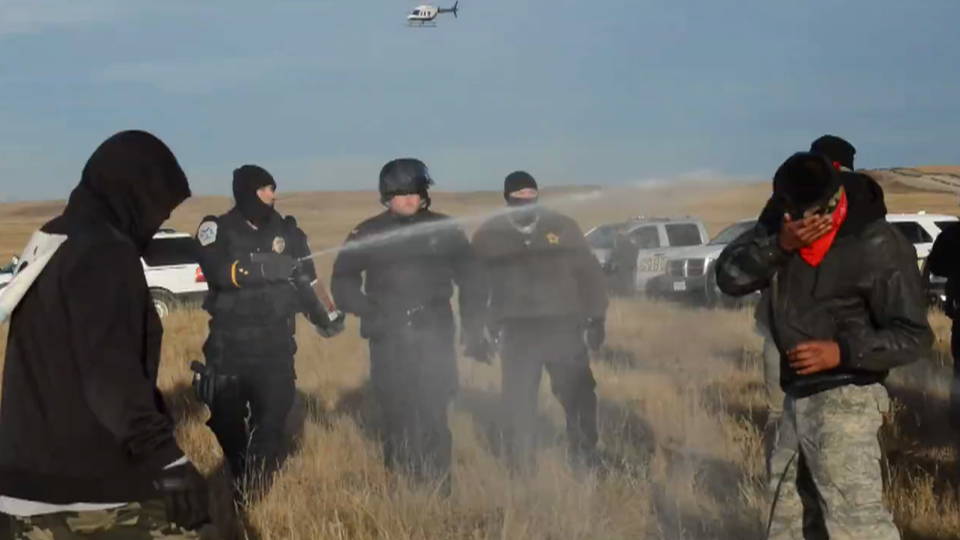 In North Dakota, police arrested over 100 people this weekend who gathered for a peaceful march opposing construction of the $3.8 billion Dakota Access pipeline. The demonstrators, who call themselves protectors, not protesters, were arrested after they were confronted by police in riot gear carrying assault rifles. They say police pepper-sprayed them and then arrested them en masse. This is footage from the Sacred Stone Camp.
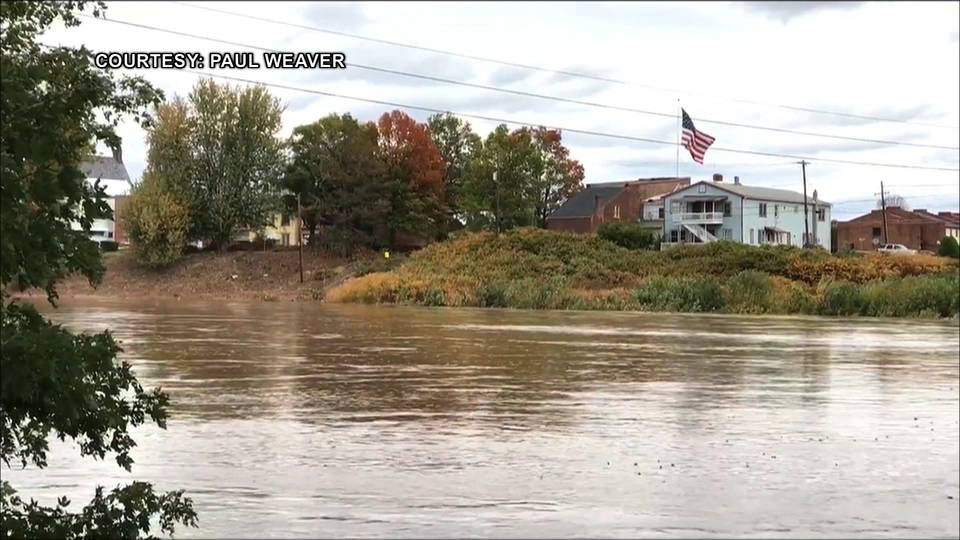 In Pennsylvania, some 55,000 gallons of gasoline spilled from a ruptured pipeline into the Susquehanna River on Friday, threatening the water supply of thousands of residents downstream. The Pennsylvania American Water utility on Sunday lifted a warning to residents to limit their water use, but said it would continue to monitor water quality.
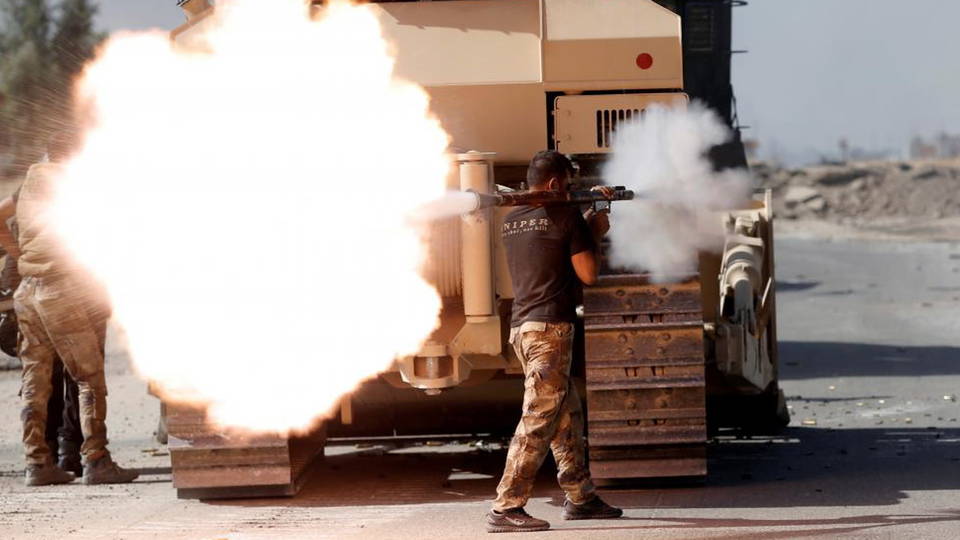 In Iraq, Turkish troops fired artillery on ISIS positions around Mosul, as Iraqi forces and Kurdish Peshmerga fighters advanced into the suburbs of the city. The presence of some 2,000 Turkish troops near Mosul has angered many Iraqis, as well as Iraq’s military, which is denying Turkey’s claims of participation. The fighting came as U.S. Defense Secretary Ash Carter traveled to Iraq, where he promised stepped-up air support for the fight. Meanwhile, the United Nations Children’s Fund is warning that as many as 1.5 million people may be affected by the fight to recapture Mosul, half of them children. And humanitarian workers say some 200,000 people may need shelter during the offensive.
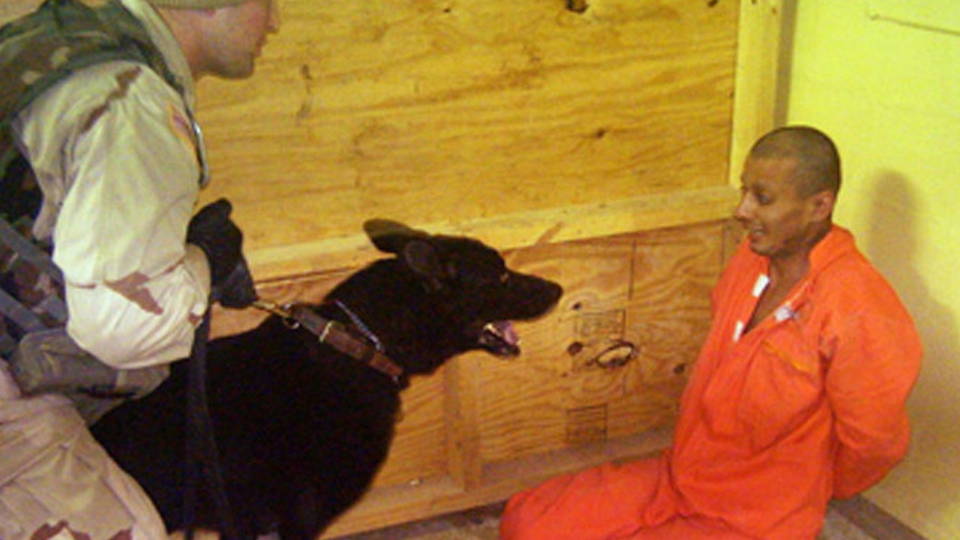 A U.S. federal court has ruled that no one––not even the president of the United States––has the power to declare torture legal. Friday’s unanimous ruling by a panel of judges on the Fourth Circuit Court of Appeals reinstates a lawsuit against the military contractor CACI. The suit charges CACI directed and participated in torture at the Abu Ghraib prison in Iraq in 2004, where it was hired by the U.S. to provide interrogation services. Four Iraqi men say they were subjected to extreme temperatures, electric shocks, broken bones, death threats and sexual abuse.
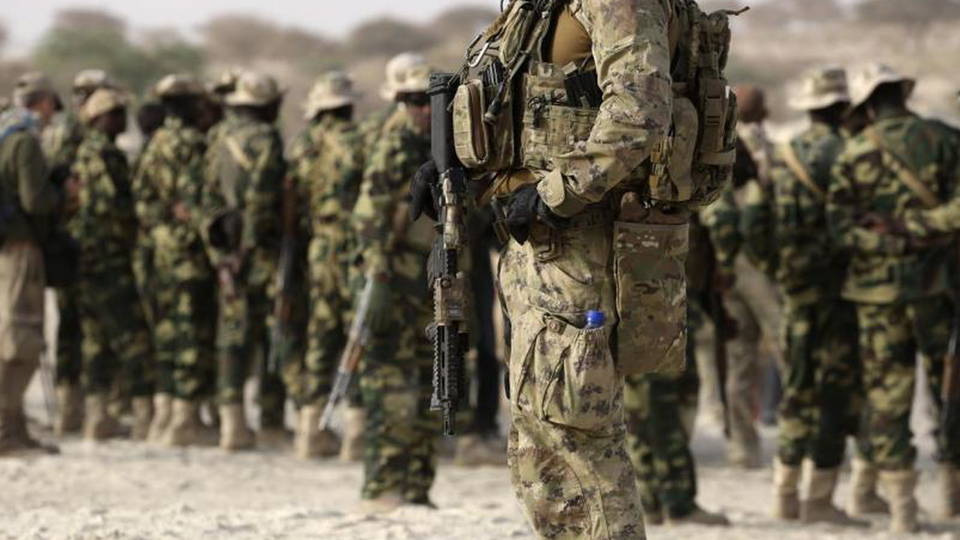 The California National Guard is attempting to claw back re-enlistment bonuses paid out to nearly 10,000 soldiers at the height of the Iraq and Afghanistan wars. The Los Angeles Times reports the bonuses were worth at least $15,000 per soldier––with many receiving thousands more in student loan repayments. The Pentagon says an audit showed the soldiers received the bonuses although they should have been deemed ineligible. Those refusing to repay the bonuses face interest charges, wage garnishments and tax liens. Many of the veterans affected suffered combat injuries.
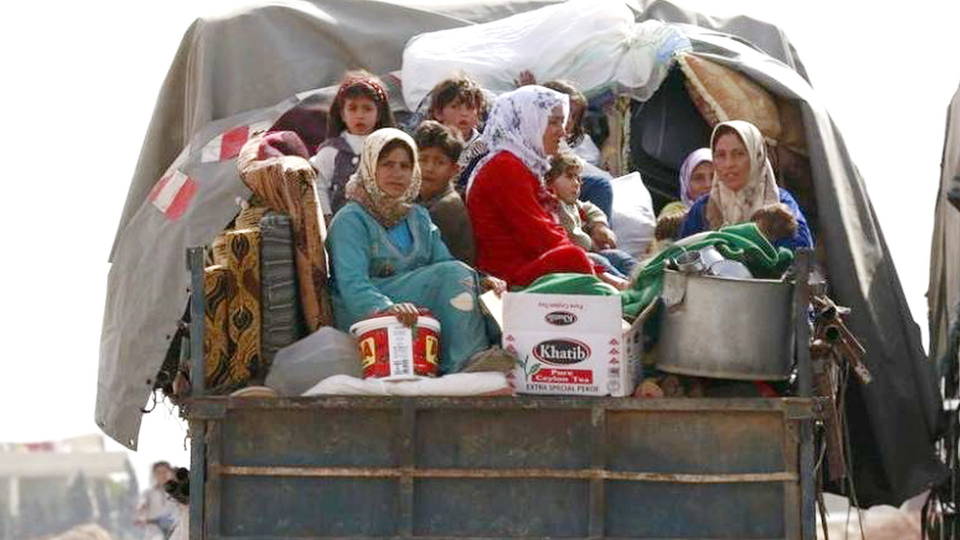 In Syria, heavy fighting has resumed in Aleppo, after a three-day ceasefire ended with the United Nations saying it was unable to evacuate any of the besieged city’s sick and wounded. Russia and Syria announced the "humanitarian" pause last week, but U.N. humanitarian affairs spokesperson Jens Laerke said aid workers were unable to reach those in need.
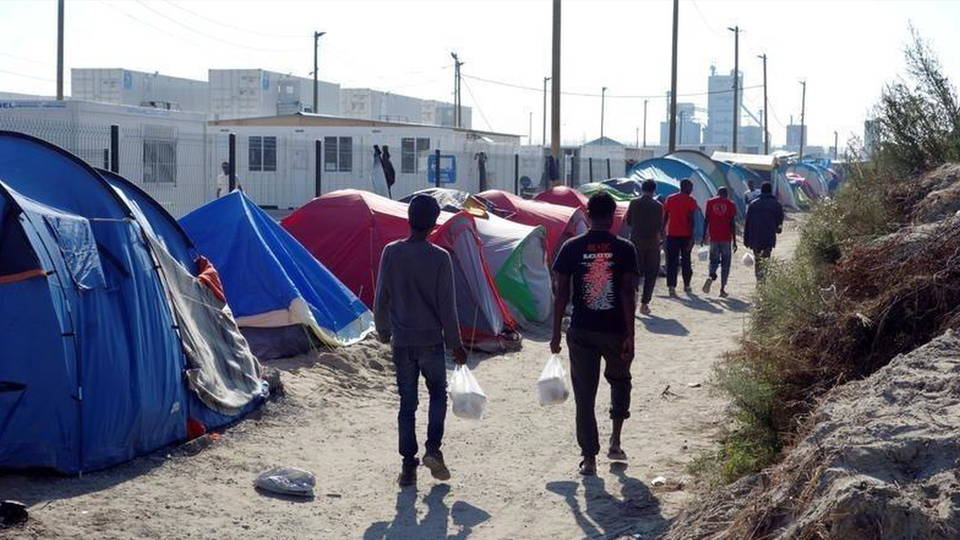 In France, hundreds of police officers have begun clearing the refugee camp in Calais known as "The Jungle" ahead of its planned demolition. The first of nearly 7,000 camp residents boarded buses Monday morning, bound for refugee centers elsewhere in France. The camp has been home to refugees from Iraq, Afghanistan, Syria, Sudan, Somalia and other war-torn regions who are seeking to reach England by crossing through the Channel Tunnel. Overnight on Sunday, some residents and their supporters protested, setting fire to portable toilets. Police responded with volleys of tear gas canisters. Activist François Guennoc said many fear they’ll be deported to another European country or sent home.
 In media news, AT&T has agreed to purchase Time Warner for $85 billion. If approved by federal antitrust regulators, the merger would give AT&T control over Warner Bros. film and television studios, along with CNN, TNT, HBO and many other brands. Critics warn of further limits to competition and higher prices for customers. The merger could also allow AT&T to give preferential treatment to streaming video from Time Warner’s companies, which would violate the principles of net neutrality. On the campaign trail, a spokesperson for Hillary Clinton said the proposed merger raises "questions and concerns." Donald Trump’s campaign took a harder line, saying in a statement, "Donald Trump will break up the new media conglomerate oligopolies that have gained enormous control over our information."
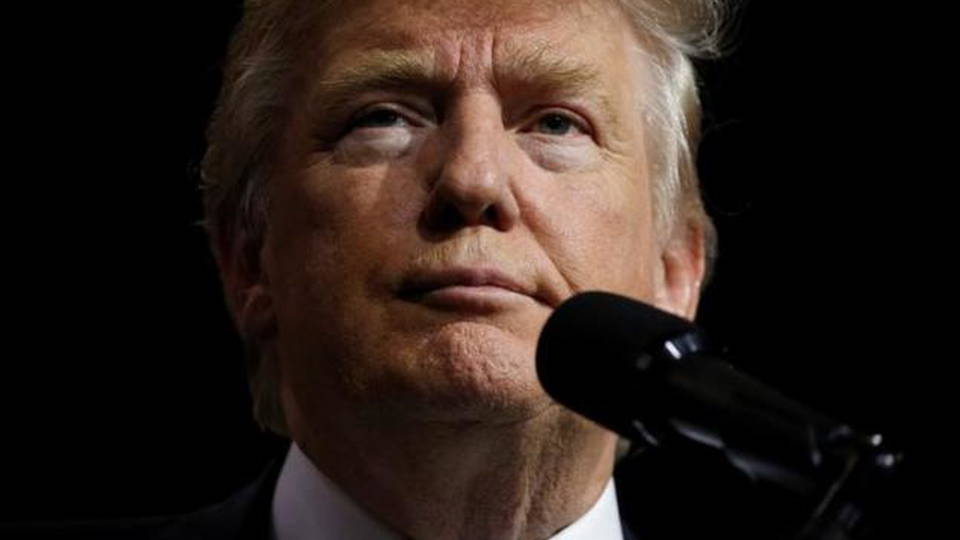 In election news, Donald Trump arrived in Florida on Sunday for a three-day trip. Trump likely needs to win Florida’s 29 Electoral College votes in order to have any hope of winning the White House. At a rally in Naples, Trump blasted polls showing he’s doing poorly among women voters.
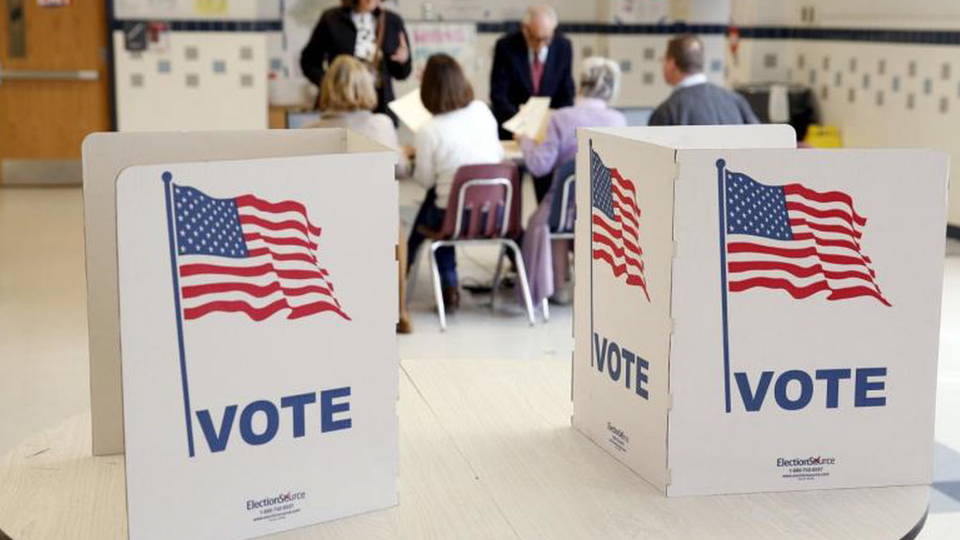 Meanwhile, a new Reuters/Ipsos poll shows that half of Republican voters would reject the results of the presidential election if Hillary Clinton wins. The poll came after the final presidential debate, where Donald Trump refused to say if he will accept the election results.
 WikiLeaks continues to release emails from the account of John Podesta, the chair of Hillary Clinton’s presidential campaign. One set of emails revealed Hillary Clinton secured a $12 million donation to the Clinton Global Initiative in 2015 from the king of Morocco, on the condition that she speak at an event in Marrakesh. Bill and Chelsea Clinton ultimately spoke in Hillary Clinton’s place. The donation came as Clinton prepared to announce her candidacy. On Sunday, Clinton was asked whether the donation amounted to a "pay-to-play" scheme.
 Major websites across the internet were unavailable to millions of users on Friday, as a massive cyber-attack shut down such popular destinations as PayPal, Netflix, Twitter, Reddit and Spotify. The attack employed thousands of web cameras, DVRs and other internet-enabled household devices, which were infected by malware. Internet security experts have long warned that devices on the so-called "Internet of Things" are poorly protected and pose a major security risk.
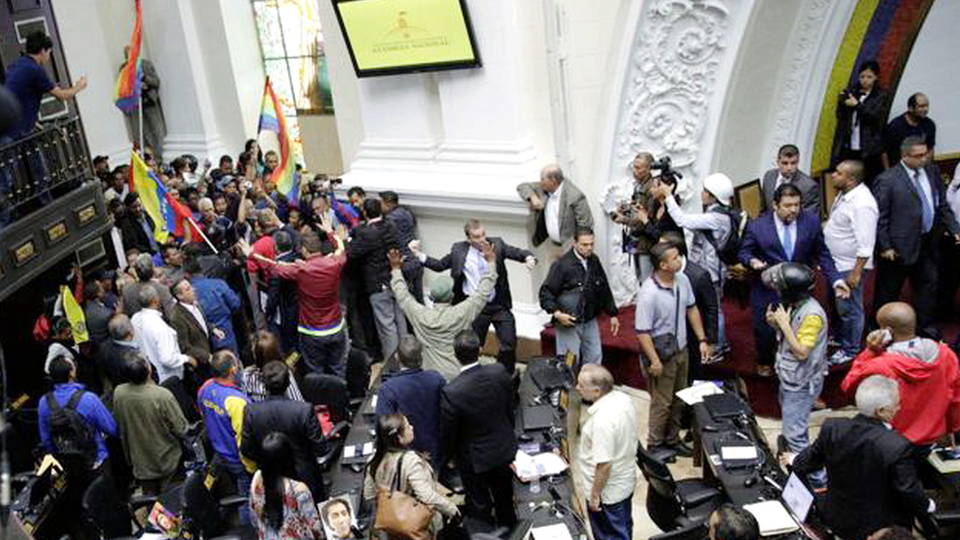 In Venezuela, supporters of President Nicolás Maduro briefly stormed the National Assembly on Sunday, interrupting opposition lawmakers pushing for Maduro’s removal from office. About 100 pro-government activists pushed their way past security guards and onto the floor, halting an emergency session of Parliament for about 45 minutes. Opponents of Maduro and his Socialist Party were left furious on Thursday when courts blocked a national referendum on removing Maduro. Lawmakers passed a largely symbolic resolution calling for the international community to help restore democracy "by any means necessary." Each side accused the other of fomenting a coup. This is Venezuelan ruling party deputy Héctor Rodríguez.
 In Washington state, police shot and killed a pregnant mother of three inside her home on the Muckleshoot Indian Reservation Friday night. Twenty-three-year-old Renee Davis died after a pair of King County sheriff’s deputies opened fire on her. In a statement, the Sheriff’s Department said Davis was armed with a handgun. Davis’s foster sister said police were conducting a "wellness check" after receiving a report that Davis was suicidal. A recent investigation by In These Times magazine found that Native Americans were more likely to be killed by police than any other group in the United States.
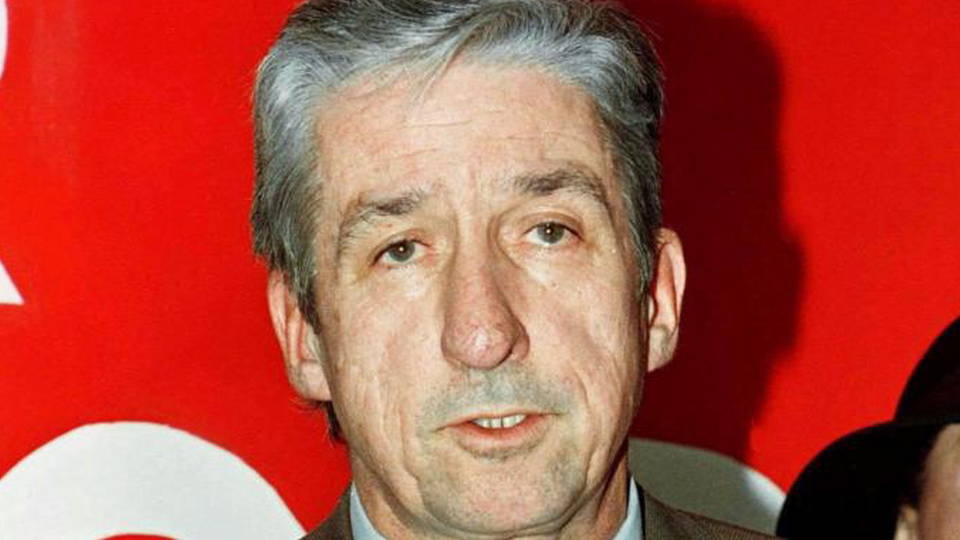 And Tom Hayden, who spent decades shaping movements against war and for social justice, has died at the age of 76. Hayden was the principal author of the Port Huron Statement, the founding document of Students for a Democratic Society, or SDS. The statement advocated for participatory democracy and helped launch the student movement of the 1960s. In 1968, Hayden became one of the so-called Chicago 8 and was convicted of crossing state lines to start a riot after he helped organize protests against the Vietnam War outside the Democratic National Convention. Speaking to Democracy Now! last year, Hayden described the extraordinary growth of the antiwar movement he helped lead during the 1960s.
-------
And Tom Hayden, who spent decades shaping movements against war and for social justice, has died at the age of 76. Hayden was the principal author of the Port Huron Statement, the founding document of Students for a Democratic Society, or SDS. The statement advocated for participatory democracy and helped launch the student movement of the 1960s. In 1968, Hayden became one of the so-called Chicago 8 and was convicted of crossing state lines to start a riot after he helped organize protests against the Vietnam War outside the Democratic National Convention. Speaking to Democracy Now! last year, Hayden described the extraordinary growth of the antiwar movement he helped lead during the 1960s.
-------
Donate today:
Follow:


SPEAKING EVENTS
In North Dakota, police arrested over 100 people this weekend who gathered for a peaceful march opposing construction of the $3.8 billion Dakota Access pipeline. The demonstrators, who call themselves protectors, not protesters, were arrested after they were confronted by police in riot gear carrying assault rifles. They say police pepper-sprayed them and then arrested them en masse. This is footage from the Sacred Stone Camp.Police officer 1: "You’re all under arrest! Back off!"
Police officer 2: "You’re under arrest!"
Water protector: "Do not be afraid! Stand your prayer!"
Those arrested face charges including riot, reckless endangerment, criminal trespass, assaulting an officer and resisting arrest. Organizers also say officers fired rubber bullets at drones the water protectors were using to document police activity. We’ll go to North Dakota after headlines to speak with Tara Houska of Honor the Earth and Sacheen Seitcham of the West Coast Women Warriors Media Cooperative. We’ll also speak with actress Shailene Woodley, who was arrested during a protest against the pipeline on Indigenous Peoples’ Day, and with Deia Schlosberg, a filmmaker who was charged with three felonies and is facing 45 years in jail for filming another pipeline protest in Walhalla, North Dakota.
Pennsylvania: 55,000 Gallons of Gasoline Spill in Susquehanna River
In Pennsylvania, some 55,000 gallons of gasoline spilled from a ruptured pipeline into the Susquehanna River on Friday, threatening the water supply of thousands of residents downstream. The Pennsylvania American Water utility on Sunday lifted a warning to residents to limit their water use, but said it would continue to monitor water quality.Iraq: Turkey Fires on Mosul as Pentagon Chief Pledges Air Support
In Iraq, Turkish troops fired artillery on ISIS positions around Mosul, as Iraqi forces and Kurdish Peshmerga fighters advanced into the suburbs of the city. The presence of some 2,000 Turkish troops near Mosul has angered many Iraqis, as well as Iraq’s military, which is denying Turkey’s claims of participation. The fighting came as U.S. Defense Secretary Ash Carter traveled to Iraq, where he promised stepped-up air support for the fight. Meanwhile, the United Nations Children’s Fund is warning that as many as 1.5 million people may be affected by the fight to recapture Mosul, half of them children. And humanitarian workers say some 200,000 people may need shelter during the offensive.TOPICS:
Federal Appeals Court Reinstates Torture Lawsuit Against CACI
A U.S. federal court has ruled that no one––not even the president of the United States––has the power to declare torture legal. Friday’s unanimous ruling by a panel of judges on the Fourth Circuit Court of Appeals reinstates a lawsuit against the military contractor CACI. The suit charges CACI directed and participated in torture at the Abu Ghraib prison in Iraq in 2004, where it was hired by the U.S. to provide interrogation services. Four Iraqi men say they were subjected to extreme temperatures, electric shocks, broken bones, death threats and sexual abuse.TOPICS:
California National Guard Orders Veterans to Return Bonuses
The California National Guard is attempting to claw back re-enlistment bonuses paid out to nearly 10,000 soldiers at the height of the Iraq and Afghanistan wars. The Los Angeles Times reports the bonuses were worth at least $15,000 per soldier––with many receiving thousands more in student loan repayments. The Pentagon says an audit showed the soldiers received the bonuses although they should have been deemed ineligible. Those refusing to repay the bonuses face interest charges, wage garnishments and tax liens. Many of the veterans affected suffered combat injuries.TOPICS:
Syria: Three-Day Ceasefire Ends with No Humanitarian Gains
In Syria, heavy fighting has resumed in Aleppo, after a three-day ceasefire ended with the United Nations saying it was unable to evacuate any of the besieged city’s sick and wounded. Russia and Syria announced the "humanitarian" pause last week, but U.N. humanitarian affairs spokesperson Jens Laerke said aid workers were unable to reach those in need.Jens Laerke: "Medical evacuations of sick and injured people could unfortunately not begin this morning in East Aleppo as planned, because the necessary conditions were not in place to ensure safe, secure and voluntary evacuation of sick and critically wounded people and their families."
Russian and Syrian officials said rebels prevented civilians from leaving Aleppo during the break in fighting, accusing them of taking human shields.
French Police Begin Evacuation of "The Jungle" Refugee Camp in Calais
In France, hundreds of police officers have begun clearing the refugee camp in Calais known as "The Jungle" ahead of its planned demolition. The first of nearly 7,000 camp residents boarded buses Monday morning, bound for refugee centers elsewhere in France. The camp has been home to refugees from Iraq, Afghanistan, Syria, Sudan, Somalia and other war-torn regions who are seeking to reach England by crossing through the Channel Tunnel. Overnight on Sunday, some residents and their supporters protested, setting fire to portable toilets. Police responded with volleys of tear gas canisters. Activist François Guennoc said many fear they’ll be deported to another European country or sent home.François Guennoc: "Maybe about half, maybe a bit less, will leave of their own accord. For the rest, they’ll leave in the buses if they are compelled to. Over 2,000 people have left in the last few weeks, and this weekend there are lots of people leaving for Paris or elsewhere."
British authorities said they were working to resettle some of the camp’s 1,300 unaccompanied children. But many advocates for the refugees fear minors are being swept up on buses and shipped elsewhere in France.
AT&T Agrees to Purchase Time Warner in $85 Billion Deal
In media news, AT&T has agreed to purchase Time Warner for $85 billion. If approved by federal antitrust regulators, the merger would give AT&T control over Warner Bros. film and television studios, along with CNN, TNT, HBO and many other brands. Critics warn of further limits to competition and higher prices for customers. The merger could also allow AT&T to give preferential treatment to streaming video from Time Warner’s companies, which would violate the principles of net neutrality. On the campaign trail, a spokesperson for Hillary Clinton said the proposed merger raises "questions and concerns." Donald Trump’s campaign took a harder line, saying in a statement, "Donald Trump will break up the new media conglomerate oligopolies that have gained enormous control over our information."TOPICS:
Trump Claims Female Support as 11th Woman Claims Sexual Assault
In election news, Donald Trump arrived in Florida on Sunday for a three-day trip. Trump likely needs to win Florida’s 29 Electoral College votes in order to have any hope of winning the White House. At a rally in Naples, Trump blasted polls showing he’s doing poorly among women voters.Donald Trump: "I really think those polls are very inaccurate when it comes to women. I think we’re doing better with women than with men, frankly. So we’re setting records with men, but I want to set records with women, to me. And I hate to tell the men this, but if I could swap, I’d swap you out so fast."
Trump’s comments came after another woman came forward Saturday accusing Trump of inappropriate sexual behavior. Adult film star Jessica Drake says Trump grabbed her in a hug and kissed her without permission, and later offered her $10,000 and use of his private jet if she would join Trump for dinner in his suite. Drake is the 11th woman to accuse Trump of unwanted sexual advances since an "Access Hollywood" tape surfaced showing Trump boasted of sexually assaulting women.
Poll: Half of Republicans Would Reject Hillary Clinton Election
Meanwhile, a new Reuters/Ipsos poll shows that half of Republican voters would reject the results of the presidential election if Hillary Clinton wins. The poll came after the final presidential debate, where Donald Trump refused to say if he will accept the election results.TOPICS:
WikiLeaks: Clinton Charity Took Millions from Moroccan King in Exchange for Appearance
WikiLeaks continues to release emails from the account of John Podesta, the chair of Hillary Clinton’s presidential campaign. One set of emails revealed Hillary Clinton secured a $12 million donation to the Clinton Global Initiative in 2015 from the king of Morocco, on the condition that she speak at an event in Marrakesh. Bill and Chelsea Clinton ultimately spoke in Hillary Clinton’s place. The donation came as Clinton prepared to announce her candidacy. On Sunday, Clinton was asked whether the donation amounted to a "pay-to-play" scheme.Hillary Clinton: "I have nothing to say about WikiLeaks other than I think we should all be concerned about what the Russians are trying to do to our election and using WikiLeaks very blatantly to try to influence the outcome of the election."
TOPICS:
Cyber-Attack Harnesses "Internet of Things" to Shut Down Websites
Major websites across the internet were unavailable to millions of users on Friday, as a massive cyber-attack shut down such popular destinations as PayPal, Netflix, Twitter, Reddit and Spotify. The attack employed thousands of web cameras, DVRs and other internet-enabled household devices, which were infected by malware. Internet security experts have long warned that devices on the so-called "Internet of Things" are poorly protected and pose a major security risk.Venezuela: President Maduro’s Opponents Push Ouster
In Venezuela, supporters of President Nicolás Maduro briefly stormed the National Assembly on Sunday, interrupting opposition lawmakers pushing for Maduro’s removal from office. About 100 pro-government activists pushed their way past security guards and onto the floor, halting an emergency session of Parliament for about 45 minutes. Opponents of Maduro and his Socialist Party were left furious on Thursday when courts blocked a national referendum on removing Maduro. Lawmakers passed a largely symbolic resolution calling for the international community to help restore democracy "by any means necessary." Each side accused the other of fomenting a coup. This is Venezuelan ruling party deputy Héctor Rodríguez.Héctor Rodríguez: "They have made us waste time today in a crude attempt to stage a coup, like in Brazil, like in Paraguay, like in Honduras. In Venezuela, we do not have the conditions for them to stage a coup."
This comes as Venezuela is undergoing a massive economic crisis, which had led to shortages of food, medicine and other necessary goods.
TOPICS:
Washington State Police Shoot, Kill Pregnant Mother of Three
In Washington state, police shot and killed a pregnant mother of three inside her home on the Muckleshoot Indian Reservation Friday night. Twenty-three-year-old Renee Davis died after a pair of King County sheriff’s deputies opened fire on her. In a statement, the Sheriff’s Department said Davis was armed with a handgun. Davis’s foster sister said police were conducting a "wellness check" after receiving a report that Davis was suicidal. A recent investigation by In These Times magazine found that Native Americans were more likely to be killed by police than any other group in the United States.TOPICS:
National Anthem Protests Continue to Target Racial Injustice
Protests against racial oppression and police brutality continued during the playing of the national anthem at sports events around the country over the weekend. San Francisco 49ers quarterback Colin Kaepernick appeared at a post-game press conference Sunday wearing a Black Panthers Party T-shirt, building on the movement he sparked. At an NBA preseason game in Miami on Friday, social worker Denasia Lawrence took a knee and unbuttoned her jacket to reveal a "Black Lives Matter" T-shirt as she performed the Star-Spangled Banner. In a statement on Facebook, Lawrence wrote, “Right now, we’re seeing a war on Black & Brown bodies—we’re being unjustly killed and overly criminalized.”
Tom Hayden, Civil Rights and Antiwar Leader, Dies at 76
And Tom Hayden, who spent decades shaping movements against war and for social justice, has died at the age of 76. Hayden was the principal author of the Port Huron Statement, the founding document of Students for a Democratic Society, or SDS. The statement advocated for participatory democracy and helped launch the student movement of the 1960s. In 1968, Hayden became one of the so-called Chicago 8 and was convicted of crossing state lines to start a riot after he helped organize protests against the Vietnam War outside the Democratic National Convention. Speaking to Democracy Now! last year, Hayden described the extraordinary growth of the antiwar movement he helped lead during the 1960s.Tom Hayden: “The first march in April 1965 was called by SDS, which was then a small campus network that had been based on civil rights and student power. And we were surprised that 25,000 people came. That was then the largest antiwar march in American history, according to historians. Within three or four years, you would have half a million marching on both coasts, so a million, not once, but several times a year. You would have a revolt in the armed forces by GIs who were throwing medals over the White House fence and who were in mutiny. You would have 4 million students caught up in protests shutting down whole campuses by the spring of 1970.”
Donate today:
Follow:
SPEAKING EVENTS

10/27 Tempe, AZ
10/29 New York, NY
10/29 New York, NY
WEB EXCLUSIVE

Part 2: Native Americans Most Likely to Be Killed by Police Than Other Groups, Investigation Reveals
NEW BOOK


50 Years After Founding of Black Panther Party, Some Members Still Locked Up As Political Prisoners
DN! IN THE NEWS


Senior TV Producer
207 West 25th Street, 11th Floor
New York, New York 10001, United States
-------
-------
No comments:
Post a Comment