
Administrative Investigation - Conflicting Interests and Misuse of Government Equipment, Overton Brooks VA Medical Center, Shreveport, Louisiana
VA OIG Administrative Investigations Division issued report titled: Administrative Investigation - Conflicting Interests and Misuse of Government Equipment, Overton Brooks VA Medical Center, Shreveport, Louisiana
Veterans Affairs Office of Inspector General (OIG).

Veterans Affairs Office of Inspector General (OIG)
801 I Street North West
Washington, DC 20536, United States
800-827-1000
-------
-------
U.S. Department of Veterans Affairs in Washington, D.C., United States for Tuesday, 18 July 2017 "Reach your career goals after a service-connected disability"


For transitioning service members and Veterans with service-connected disabilities, finding and keeping employment can be a challenge. However, VA’s Vocational Rehabilitation and Employment (VR&E) program could help.
What is the VR&E program?
VR&E provides career counseling and support to Veterans and service members who have an established employment handicap resulting from a service-connected disability.
How can VR&E help participants advance their career?
VR&E services offer one-on-one support to help with job training, employment accommodations, resume development, job seeking skills coaching and more.
How can VR&E assist participants with job placement?
VR&E Vocational Rehabilitation Counselors work closely with Veterans to ensure they are ready to obtain and maintain employment. This includes providing training on how to conduct a job search, providing job leads and arranging opportunities for on-the-job training or other assistance with job placement.
Learn more about the VR&E program and all VA employment benefits by visiting Explore.VA.gov or clicking the button below.
Learn More
U.S. Department of Veterans Affairs
July Focus on Health Equity & Action Cyberseminar; Health Equity Breakfast at 2017 HSR&D/QUERI National Conference

Announcements
July FHEA Cyberseminar – Using Effective Communication of Healthcare Disparities and Vulnerabilities to Empower Professionals, Veterans and Stakeholders
Join the Office of Health Equity for July’s Focus on Health Equity and Action Cyberseminar session. The session will focus on the EMPOWER research project and the Make the Connection video project targeting vulnerable Veteran groups. Presenters will focus on effective strategies for communicating about health disparities and other health equity issues among Veterans and healthcare professionals.
Using Effective Communication of Healthcare Disparities and Vulnerabilities to Empower Professionals, Veterans and Stakeholders
Thursday, July 27, 2017
3:00 – 4:00pm EST
REGISTER
Panelist will discuss the following:
Key findings of the EMPOWER project which was designed to understand how to effectively communicate with healthcare professionals about healthcare disparities;
Using tailored peer to peer Veteran stories of recovery to connect Veterans, family members, friends, and other supporters with information, resources, and solutions to issues affecting their lives; and
Operational and research partnerships executed by the Office of Health Equity to advance the goals of the VA Health Equity Action Plan.
Confirmed Speakers
Diana Burgess, PhD
Health Science Researcher, VA Minneapolis Healthcare System, Minneapolis, MN
Wendy Tenhula, PhD
Deputy Chief Consultant for Specialty MH, VA Central Office, Washington, DC
Uchenna S. Uchendu, MD
Chief Officer, Office of Health Equity, VA Central Office, Washington, DC
Background Resources
Office of Health Equity Bulletin – 05/05/2017
Use Your Voice During Mental Health Month for Suicide Prevention
Focus on Health Equity and Action Cyberseminar - 02/23/2017
Using Veterans’ Stories to Promote Health Equity and Reduce Disparities
Thomas Houston, MD, MPH; Uchenna S. Uchendu, MD
Burgess DJ. (2011). Addressing racial healthcare disparities: How can we shift the focus from patients to providers? Journal of General Internal Medicine, 26(8): 828-830.
REGISTER

Office of Health Equity Participates in Health Equity Breakfast at 2017 HSR&D/QUERI National Conference

Dr. Uchenna S. Uchendu, Office of Health Equity (OHE) Chief Officer, will be participating in the upcoming health equity breakfast at the 2017 HSR&D/QUERI National Conference hosted by the Center for Health Equity Research and Promotion on July 19th from 7:00 – 8:00 AM EST.
OHE was created in 2012 as a national program office at the Department of Veterans Affairs to champion reduction of health and healthcare disparities and galvanize efforts, enhance synergy across the VA and spur actions towards achieving health equity for all Veterans This includes funding, collaboration and support for research examining disparities among vulnerable Veterans and interventions to reduce barriers that some Veterans face in accessing care. For example, the OHE-QUERI Partnered Evaluation Center was established to support efforts to better understand the extent of Veteran disparities and engender appropriate actions. This is one of the goals of the VA Health Equity Action Plan, the agency’s strategic plan to achieve Veteran health equity, developed under the leadership of Dr. Uchendu.
The 2017 HSR&D/QUERI National Conference takes place July 18-20th, 2017. This year’s theme is Accelerating Innovative and Implementation in Health System Science. Below is a select listing of OHE-partnered and/or funded initiatives that will be presented at this year’s conference:
Unequal Treatment? Racial/Ethnic Differences in Receipt of Minimally Invasive Hysterectomy in the Veterans Health Administration (Lisa Callegari, COIN - Seattle/Denver)
Identifying and Classifying Health Disparities in VA: Application to Racial Disparities in Minimally Invasive Hysterectomy (Kristen Gray, COIN - Seattle/Denver)
Coordinated Care Approach to Impact Health Disparities in Diabetes Care for Veterans (Kathie Hermayer, COIN – Charleston)
Racial/Ethnic Disparities in Intermediate Clinical Outcomes Four Years Into VA Implementation of Patient-Aligned Care Teams (Donna Washington, COIN - Los Angeles)
Visit https://www.hsrd.research.va.gov/meetings/2017/abstracts.cfm for the full listing of 2017 National Conference abstracts.
Selected National Meeting sessions can be streamed at the following link: https://www.hsrd.research.va.gov/meetings/2017/streamed_sessions.cfm.
View Conference Agenda
U.S. Department of Veterans Affairs
810 Vermont Avenue, North West
For transitioning service members and Veterans with service-connected disabilities, finding and keeping employment can be a challenge. However, VA’s Vocational Rehabilitation and Employment (VR&E) program could help.
What is the VR&E program?
VR&E provides career counseling and support to Veterans and service members who have an established employment handicap resulting from a service-connected disability.
How can VR&E help participants advance their career?
VR&E services offer one-on-one support to help with job training, employment accommodations, resume development, job seeking skills coaching and more.
How can VR&E assist participants with job placement?
VR&E Vocational Rehabilitation Counselors work closely with Veterans to ensure they are ready to obtain and maintain employment. This includes providing training on how to conduct a job search, providing job leads and arranging opportunities for on-the-job training or other assistance with job placement.
Learn more about the VR&E program and all VA employment benefits by visiting Explore.VA.gov or clicking the button below.
Learn More
U.S. Department of Veterans Affairs
810 Vermont Avenue North West
Washington, D.C. 20420, United States
Keep updated & let us know how we're doing.


 Veterans Affairs.
If you are in crisis and need immediate help, please call 1-800-273-8255 and (PRESS 1) or visit http://www.veteranscrisisline.net/.
Please remember the only secure way to ask personal questions is at https://iris.custhelp.com.
Explore VA benefits at explore.va.gov
US Department of Veterans Affairs
810 Vermont Avenue, North West
Keep updated & let us know how we're doing.
If you are in crisis and need immediate help, please call 1-800-273-8255 and (PRESS 1) or visit http://www.veteranscrisisline.net/.
Please remember the only secure way to ask personal questions is at https://iris.custhelp.com.
Explore VA benefits at explore.va.gov
US Department of Veterans Affairs
810 Vermont Avenue, North West
Washington, D.C. 20420, United States
-------U.S. Department of Veterans Affairs in Washington, D.C., United States for Tuesday, 18 July 2017 "Veterans Affairs YouTube Update"

Veterans Taking Care of Veterans
The Mission of the National Cemetery Administration
Keep updated & let us know how we're doing.
Veterans Affairs.
If you are in crisis and need immediate help, please call 1-800-273-8255 and (PRESS 1) or visit http://www.veteranscrisisline.net/.
Please remember the only secure way to ask personal questions is at https://iris.custhelp.com.
Explore VA benefits at explore.va.gov.
US Department of Veterans Affairs
810 Vermont Avenue, North West
-------U.S. Department of Veterans Affairs in Washington, D.C., United States for Tuesday, 18 July 2017 "Veterans Affairs YouTube Update"
VETERANS AFFAIRS
VA YouTube
Navy Veteran visits World War II MemorialVeterans Taking Care of Veterans
The Mission of the National Cemetery Administration
Keep updated & let us know how we're doing.
If you are in crisis and need immediate help, please call 1-800-273-8255 and (PRESS 1) or visit http://www.veteranscrisisline.net/.
Please remember the only secure way to ask personal questions is at https://iris.custhelp.com.
Explore VA benefits at explore.va.gov.
US Department of Veterans Affairs
810 Vermont Avenue, North West
Washington, D.C. 20420, United States

Attachments area
Preview YouTube video Navy Veteran visits World War II Memorial
Navy Veteran visits World War II Memorial
Preview YouTube video Veterans Taking Care of Veterans
Veterans Taking Care of Veterans
Preview YouTube video The Mission of the National Cemetery Administration
The Mission of the National Cemetery Administration
-------Military Health System in Washington, D.C., United States for Tuesday, 18 July 2017 "In the zone at WBAMC's inpatient wards"

 In the zone at WBAMC's inpatient wards
Usa Thompson, staff nurse, Surgical Ward, William Beaumont Army Medical Center, measures medication while donning a visual aid designed to limit interactions and distractions while administering medications. Inpatient Wards at WBAMC implemented distraction-free designated times and other initiatives to proactively combat potential for error in missed or incorrect medications. (U.S. Army photo by Marcy Sanchez)
WILLIAM BEAUMONT ARMY MEDICAL CENTER, Texas — Operations in an inpatient ward can get demanding. Nurses tend to multiple patients at a time, update physicians on conditions and oversee all needs of a patient from housekeeping to entertainment.
Because of the heavy load on nurses, inpatient wards have proactively implemented a distraction-free designated time properly dubbed, Medzone, to administer medications to patients in an effort to reduce the potentially missed or wrong doses and other risks to patient safety during their stay.
“We collected some data to see if interruptions were occurring in other nursing inpatient units and found they were occurring 20 percent of the time,” said Army Maj. Maria Pescatore, clinical nurse specialist, Surgical Ward, WBAMC. “We started a pilot on WBAMC’s Surgical and Medical Wards and created a bilingual brochure as part of our admission packet to the patient. When inpatients (are admitted), they will read it and understand our medication times to minimize distractions to our nurses.”
Aside from designating times to distribute medications, being in the zone also calls for visual and audible cues to alert patients, visitors and other staff members to limit interactions with nurses in the zone. Other changes included limiting staff allowed in the medication rooms at one time, and educating an array of staff members from housekeeping staff to hospital leaders.
“We reviewed the process, and all the points in between to determine solutions to eliminate distractors,” said Army Maj. Tammy Fugere, clinical nurse specialist, Medical Ward.. “Hopefully patients will realize that this is for their safety and care.”
A nurse is considered “in the zone” at any time medications are delivered to patients. The hours of 10 a.m. and 10 p.m. are the times when medications are distributed the most. Nurses focus on strictly administering medications to all patients requiring them. The zone is all-inclusive including interdisciplinary team members and is announced over the intercom to raise awareness of the MedZone and allow nurses to administer all required medications.
“We wanted to change our process to improve the overall safety of our patients,” said Army Lt. Col. Sarah Huml, compliance officer, Department of Nursing. “Part of that education process included individuals learning to adhere to protocol.”
According to Pescatore, the program is being discussed in other areas where medication is given out throughout the days such as the Intensive Care Unit, Maternal Child Health and the Post-Anesthesia Care Unit. The nature of operations in those units presents a different challenge than inpatient wards but expanding resources such as increased medication documentation and co-locating supplies with medications.
“We want the patient and their families to know that during that hour nurses are administering meds to not only their family member but also to other patients,” said Pescatore. “Our ultimate goal is to decrease the potential for error. It’s for the safety of our patients.”
Disclaimer: Re-published content may have been edited for length and clarity. Read original post.
Read More ...


 Questions for MHS?


Attachments area
Preview YouTube video Navy Veteran visits World War II Memorial

Navy Veteran visits World War II Memorial
Preview YouTube video Veterans Taking Care of Veterans
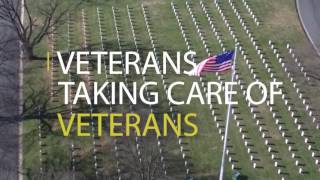
Veterans Taking Care of Veterans
Preview YouTube video The Mission of the National Cemetery Administration

The Mission of the National Cemetery Administration
-------Military Health System in Washington, D.C., United States for Tuesday, 18 July 2017 "In the zone at WBAMC's inpatient wards"
Usa Thompson, staff nurse, Surgical Ward, William Beaumont Army Medical Center, measures medication while donning a visual aid designed to limit interactions and distractions while administering medications. Inpatient Wards at WBAMC implemented distraction-free designated times and other initiatives to proactively combat potential for error in missed or incorrect medications. (U.S. Army photo by Marcy Sanchez)
WILLIAM BEAUMONT ARMY MEDICAL CENTER, Texas — Operations in an inpatient ward can get demanding. Nurses tend to multiple patients at a time, update physicians on conditions and oversee all needs of a patient from housekeeping to entertainment.
Because of the heavy load on nurses, inpatient wards have proactively implemented a distraction-free designated time properly dubbed, Medzone, to administer medications to patients in an effort to reduce the potentially missed or wrong doses and other risks to patient safety during their stay.
“We collected some data to see if interruptions were occurring in other nursing inpatient units and found they were occurring 20 percent of the time,” said Army Maj. Maria Pescatore, clinical nurse specialist, Surgical Ward, WBAMC. “We started a pilot on WBAMC’s Surgical and Medical Wards and created a bilingual brochure as part of our admission packet to the patient. When inpatients (are admitted), they will read it and understand our medication times to minimize distractions to our nurses.”
Aside from designating times to distribute medications, being in the zone also calls for visual and audible cues to alert patients, visitors and other staff members to limit interactions with nurses in the zone. Other changes included limiting staff allowed in the medication rooms at one time, and educating an array of staff members from housekeeping staff to hospital leaders.
“We reviewed the process, and all the points in between to determine solutions to eliminate distractors,” said Army Maj. Tammy Fugere, clinical nurse specialist, Medical Ward.. “Hopefully patients will realize that this is for their safety and care.”
A nurse is considered “in the zone” at any time medications are delivered to patients. The hours of 10 a.m. and 10 p.m. are the times when medications are distributed the most. Nurses focus on strictly administering medications to all patients requiring them. The zone is all-inclusive including interdisciplinary team members and is announced over the intercom to raise awareness of the MedZone and allow nurses to administer all required medications.
“We wanted to change our process to improve the overall safety of our patients,” said Army Lt. Col. Sarah Huml, compliance officer, Department of Nursing. “Part of that education process included individuals learning to adhere to protocol.”
According to Pescatore, the program is being discussed in other areas where medication is given out throughout the days such as the Intensive Care Unit, Maternal Child Health and the Post-Anesthesia Care Unit. The nature of operations in those units presents a different challenge than inpatient wards but expanding resources such as increased medication documentation and co-locating supplies with medications.
“We want the patient and their families to know that during that hour nurses are administering meds to not only their family member but also to other patients,” said Pescatore. “Our ultimate goal is to decrease the potential for error. It’s for the safety of our patients.”
Disclaimer: Re-published content may have been edited for length and clarity. Read original post.
Read More ...
Questions for MHS?
STAY CONNECTED:
Military Health System
The Pentagon
Washington, D.C. 20301, United States
-------VHA Office of Health Equity in Washington, D.C., United States for Monday, 17 July 2017 "Updates from the VA Office of Health Equity"July Focus on Health Equity & Action Cyberseminar; Health Equity Breakfast at 2017 HSR&D/QUERI National Conference
Announcements
July FHEA Cyberseminar – Using Effective Communication of Healthcare Disparities and Vulnerabilities to Empower Professionals, Veterans and Stakeholders
Join the Office of Health Equity for July’s Focus on Health Equity and Action Cyberseminar session. The session will focus on the EMPOWER research project and the Make the Connection video project targeting vulnerable Veteran groups. Presenters will focus on effective strategies for communicating about health disparities and other health equity issues among Veterans and healthcare professionals.
Using Effective Communication of Healthcare Disparities and Vulnerabilities to Empower Professionals, Veterans and Stakeholders
Thursday, July 27, 2017
3:00 – 4:00pm EST
REGISTER
Panelist will discuss the following:
Key findings of the EMPOWER project which was designed to understand how to effectively communicate with healthcare professionals about healthcare disparities;
Using tailored peer to peer Veteran stories of recovery to connect Veterans, family members, friends, and other supporters with information, resources, and solutions to issues affecting their lives; and
Operational and research partnerships executed by the Office of Health Equity to advance the goals of the VA Health Equity Action Plan.
Confirmed Speakers
Diana Burgess, PhD
Health Science Researcher, VA Minneapolis Healthcare System, Minneapolis, MN
Wendy Tenhula, PhD
Deputy Chief Consultant for Specialty MH, VA Central Office, Washington, DC
Uchenna S. Uchendu, MD
Chief Officer, Office of Health Equity, VA Central Office, Washington, DC
Background Resources
Office of Health Equity Bulletin – 05/05/2017
Use Your Voice During Mental Health Month for Suicide Prevention
Focus on Health Equity and Action Cyberseminar - 02/23/2017
Using Veterans’ Stories to Promote Health Equity and Reduce Disparities
Thomas Houston, MD, MPH; Uchenna S. Uchendu, MD
Burgess DJ. (2011). Addressing racial healthcare disparities: How can we shift the focus from patients to providers? Journal of General Internal Medicine, 26(8): 828-830.
REGISTER
Office of Health Equity Participates in Health Equity Breakfast at 2017 HSR&D/QUERI National Conference
Dr. Uchenna S. Uchendu, Office of Health Equity (OHE) Chief Officer, will be participating in the upcoming health equity breakfast at the 2017 HSR&D/QUERI National Conference hosted by the Center for Health Equity Research and Promotion on July 19th from 7:00 – 8:00 AM EST.
OHE was created in 2012 as a national program office at the Department of Veterans Affairs to champion reduction of health and healthcare disparities and galvanize efforts, enhance synergy across the VA and spur actions towards achieving health equity for all Veterans This includes funding, collaboration and support for research examining disparities among vulnerable Veterans and interventions to reduce barriers that some Veterans face in accessing care. For example, the OHE-QUERI Partnered Evaluation Center was established to support efforts to better understand the extent of Veteran disparities and engender appropriate actions. This is one of the goals of the VA Health Equity Action Plan, the agency’s strategic plan to achieve Veteran health equity, developed under the leadership of Dr. Uchendu.
The 2017 HSR&D/QUERI National Conference takes place July 18-20th, 2017. This year’s theme is Accelerating Innovative and Implementation in Health System Science. Below is a select listing of OHE-partnered and/or funded initiatives that will be presented at this year’s conference:
Unequal Treatment? Racial/Ethnic Differences in Receipt of Minimally Invasive Hysterectomy in the Veterans Health Administration (Lisa Callegari, COIN - Seattle/Denver)
Identifying and Classifying Health Disparities in VA: Application to Racial Disparities in Minimally Invasive Hysterectomy (Kristen Gray, COIN - Seattle/Denver)
Coordinated Care Approach to Impact Health Disparities in Diabetes Care for Veterans (Kathie Hermayer, COIN – Charleston)
Racial/Ethnic Disparities in Intermediate Clinical Outcomes Four Years Into VA Implementation of Patient-Aligned Care Teams (Donna Washington, COIN - Los Angeles)
Visit https://www.hsrd.research.va.gov/meetings/2017/abstracts.cfm for the full listing of 2017 National Conference abstracts.
Selected National Meeting sessions can be streamed at the following link: https://www.hsrd.research.va.gov/meetings/2017/streamed_sessions.cfm.
View Conference Agenda
U.S. Department of Veterans Affairs
810 Vermont Avenue, North West
Washington D.C. 20420, United States
-------Veterans Affairs Office of Inspector General (OIG) in Washington, D.C., United States for Monday, 17 July 2017 "Healthcare Inspection—Quality of Care Concerns at Two Veterans Integrated Service Network 23 Facilities and a Veterans Readjustment Counseling Center, St. Cloud VA Health Care System, St. Cloud, Minnesota; the Minneapolis VA Health Care System, Minneapolis"
Veterans Affairs Office of Inspector General (OIG).
Healthcare Inspection—Quality of Care Concerns at Two Veterans Integrated Service Network 23 Facilities and a Veterans Readjustment Counseling Center, St. Cloud VA Health Care System, St. Cloud, Minnesota; the Minneapolis VA Health Care System, Minneapoli
OIG conducted an inspection at the October 2014 request of Congressman Timothy J. Walz to assess quality of care concerns at the St. Cloud and Minneapolis Health Care Systems (St Cloud, Minneapolis); and the St. Paul Veterans Readjustment Counseling Center (Vet Center). We substantiated St. Cloud managers notified patients through a letter rather than individual contact when Mental Health (MH) services provided by a non-VA PTSD clinic were stopped in 2009. St. Cloud staff did not individually contact patients prior to terminating or transferring patients. Some veterans did not seek or receive MH services from VA. Also, we substantiated Minneapolis managers notified patients through a letter rather than individual contact when MH services provided by a non-VA PTSD clinic were stopped in 2014. However, the decision was rescinded approximately 3 months after sending the letters, and prior to the decision’s effectiveness date. We could not substantiate when the Vet Center contract for non-VA PTSD care was terminated in 2014, that a Vet Center staff member misled the vendor regarding termination. We did not find documentation that Vet Center staff successfully contacted all affected patients to arrange transfer back to the Vet Center or VA MH services. In addition, we did not substantiate a Minneapolis patient’s colonoscopy was untimely scheduled. We substantiated a Minneapolis patient’s x-ray of his foot was not scheduled timely but did not identify adverse effects related to the delay. We substantiated test results were not communicated timely to a Minneapolis patient. We did not find documentation that the patient experienced adverse effects due to the delay. We also substantiated a provider did not document consideration of a potentially significant adverse medication interaction when a patient’s medications were changed. However, the patient’s electronic health record did not contain documentation that the patient experienced adverse drug interactions. Minneapolis managers identified opportunities for improvement to ensure medication reconciliation was done consistently. We recommended (1) the St. Cloud Director ensure adequate processes for termination or transfer when non-VA MH services are discontinued and identify patients whose non-VA PTSD services were terminated, determine if the patients were offered and received MH treatment, and take action as appropriate; (2) the Minneapolis Director ensure compliance with VHA scheduling and communication of test results policies; and (3) the Chief of Vet Center Services review the patients whose non-VA PTSD services were terminated, determine if the patients were offered and received mental health services, and take action as appropriate.
Veterans Affairs Office of Inspector General (OIG).
Veterans Affairs Office of Inspector General (OIG)
-------Veterans Affairs Office of Inspector General (OIG) in Washington, D.C., United States for Monday, 17 July 2017 "Healthcare Inspection—Quality of Care Concerns at Two Veterans Integrated Service Network 23 Facilities and a Veterans Readjustment Counseling Center, St. Cloud VA Health Care System, St. Cloud, Minnesota; the Minneapolis VA Health Care System, Minneapolis"
Healthcare Inspection—Quality of Care Concerns at Two Veterans Integrated Service Network 23 Facilities and a Veterans Readjustment Counseling Center, St. Cloud VA Health Care System, St. Cloud, Minnesota; the Minneapolis VA Health Care System, Minneapoli
OIG conducted an inspection at the October 2014 request of Congressman Timothy J. Walz to assess quality of care concerns at the St. Cloud and Minneapolis Health Care Systems (St Cloud, Minneapolis); and the St. Paul Veterans Readjustment Counseling Center (Vet Center). We substantiated St. Cloud managers notified patients through a letter rather than individual contact when Mental Health (MH) services provided by a non-VA PTSD clinic were stopped in 2009. St. Cloud staff did not individually contact patients prior to terminating or transferring patients. Some veterans did not seek or receive MH services from VA. Also, we substantiated Minneapolis managers notified patients through a letter rather than individual contact when MH services provided by a non-VA PTSD clinic were stopped in 2014. However, the decision was rescinded approximately 3 months after sending the letters, and prior to the decision’s effectiveness date. We could not substantiate when the Vet Center contract for non-VA PTSD care was terminated in 2014, that a Vet Center staff member misled the vendor regarding termination. We did not find documentation that Vet Center staff successfully contacted all affected patients to arrange transfer back to the Vet Center or VA MH services. In addition, we did not substantiate a Minneapolis patient’s colonoscopy was untimely scheduled. We substantiated a Minneapolis patient’s x-ray of his foot was not scheduled timely but did not identify adverse effects related to the delay. We substantiated test results were not communicated timely to a Minneapolis patient. We did not find documentation that the patient experienced adverse effects due to the delay. We also substantiated a provider did not document consideration of a potentially significant adverse medication interaction when a patient’s medications were changed. However, the patient’s electronic health record did not contain documentation that the patient experienced adverse drug interactions. Minneapolis managers identified opportunities for improvement to ensure medication reconciliation was done consistently. We recommended (1) the St. Cloud Director ensure adequate processes for termination or transfer when non-VA MH services are discontinued and identify patients whose non-VA PTSD services were terminated, determine if the patients were offered and received MH treatment, and take action as appropriate; (2) the Minneapolis Director ensure compliance with VHA scheduling and communication of test results policies; and (3) the Chief of Vet Center Services review the patients whose non-VA PTSD services were terminated, determine if the patients were offered and received mental health services, and take action as appropriate.
Veterans Affairs Office of Inspector General (OIG).
Veterans Affairs Office of Inspector General (OIG)
801 I Street North West
Washington, D.C. 20536, United States
800-827-1000
-------Veterans Affairs Office of Inspector General (OIG) in Washington, D.C., United States for Monday, 17 July 2017 "Clinical Assessment Program Review of the El Paso VA Health Care System, El Paso, Texas"
Veterans Affairs Office of Inspector General (OIG).
Clinical Assessment Program Review of the El Paso VA Health Care System, El Paso, Texas
The VA Office of Inspector General (OIG) conducted an evaluation of the quality of care provided in the inpatient and outpatient settings of the El Paso VA Health Care System. This included reviews of various aspects of key clinical and administrative processes that affect patient care outcomes—Quality, Safety, and Value; Environment of Care; Medication Management; Diagnostic Care; Community Nursing Home Oversight; Management of Disruptive/Violent Behavior; and Post-Traumatic Stress Disorder Care. OIG also followed up on recommendations from the previous Combined Assessment Program and Community Based Outpatient Clinic and Primary Care Clinic reviews and provided crime awareness briefings to 291 employees. OIG identified certain system weaknesses in credentialing and privileging, patient safety, and root cause analysis; anticoagulation policies and processes; Community Nursing Home Oversight Committee membership; disruptive/violent behavior management training; and suicide risk assessments for patients who screened positive for post-traumatic stress disorder. As a result of the findings, OIG could not gain reasonable assurance that: (1) The facility has an effective process for reviewing Ongoing Professional Practice Evaluation data; (2) The Patient Safety Manager enters all reported patient incidents into the required database; (3) The facility takes actions in root cause analyses when data analyses indicate problems or opportunities for improvement; (4) The facility has comprehensive policies and processes for anticoagulation management; (5) The Community Nursing Home Oversight Committee includes all required members; (6) The facility ensures employees receive training to reduce and prevent disruptive behaviors; (7) Patients with positive post-traumatic stress disorder screens receive suicide risk assessments. OIG made recommendations for improvement in the following five review areas: (1) Quality, Safety, and Value; (2) Medication Management: Anticoagulation Therapy; (3) Community Nursing Home Oversight; (4) Management of Disruptive/Violent Behavior; and (5) Post-Traumatic Stress Disorder Care.
Veterans Affairs Office of Inspector General (OIG).
Veterans Affairs Office of Inspector General (OIG)
-------Veterans Affairs Office of Inspector General (OIG) in Washington, D.C., United States for Monday, 17 July 2017 "Clinical Assessment Program Review of the El Paso VA Health Care System, El Paso, Texas"
Clinical Assessment Program Review of the El Paso VA Health Care System, El Paso, Texas
The VA Office of Inspector General (OIG) conducted an evaluation of the quality of care provided in the inpatient and outpatient settings of the El Paso VA Health Care System. This included reviews of various aspects of key clinical and administrative processes that affect patient care outcomes—Quality, Safety, and Value; Environment of Care; Medication Management; Diagnostic Care; Community Nursing Home Oversight; Management of Disruptive/Violent Behavior; and Post-Traumatic Stress Disorder Care. OIG also followed up on recommendations from the previous Combined Assessment Program and Community Based Outpatient Clinic and Primary Care Clinic reviews and provided crime awareness briefings to 291 employees. OIG identified certain system weaknesses in credentialing and privileging, patient safety, and root cause analysis; anticoagulation policies and processes; Community Nursing Home Oversight Committee membership; disruptive/violent behavior management training; and suicide risk assessments for patients who screened positive for post-traumatic stress disorder. As a result of the findings, OIG could not gain reasonable assurance that: (1) The facility has an effective process for reviewing Ongoing Professional Practice Evaluation data; (2) The Patient Safety Manager enters all reported patient incidents into the required database; (3) The facility takes actions in root cause analyses when data analyses indicate problems or opportunities for improvement; (4) The facility has comprehensive policies and processes for anticoagulation management; (5) The Community Nursing Home Oversight Committee includes all required members; (6) The facility ensures employees receive training to reduce and prevent disruptive behaviors; (7) Patients with positive post-traumatic stress disorder screens receive suicide risk assessments. OIG made recommendations for improvement in the following five review areas: (1) Quality, Safety, and Value; (2) Medication Management: Anticoagulation Therapy; (3) Community Nursing Home Oversight; (4) Management of Disruptive/Violent Behavior; and (5) Post-Traumatic Stress Disorder Care.
Veterans Affairs Office of Inspector General (OIG).
Veterans Affairs Office of Inspector General (OIG)
801 I Street North West
Washington, D.C. 20536, United States
800-827-1000
-------Veterans Affairs Office of Inspector General (OIG) in Washington, D.C., United States for Monday, 17 July 2017 "Clinical Assessment Program Review of the Aleda E. Lutz VA Medical Center, Saginaw, Michigan"
Veterans Affairs Office of Inspector General (OIG).
Clinical Assessment Program Review of the Aleda E. Lutz VA Medical Center, Saginaw, Michigan
The VA Office of Inspector General (OIG) conducted an evaluation of the Aleda E. Lutz VA Medical Center. This included reviews of key clinical and administrative processes that affect patient care outcomes—Quality, Safety, and Value; Environment of Care; Medication Management; Coordination of Care; Diagnostic Care; Moderate Sedation; Community Nursing Home Oversight; and Management of Disruptive/Violent Behavior. OIG provided crime awareness briefings to 252 employees. OIG identified certain system weaknesses in credentialing and privileging; utilization management; general safety; anticoagulation processes; transfer documentation; point-of-care testing processes; moderate sedation processes and training; Community Nursing Home Oversight Committee representation, annual reviews, and clinical visits; and management of disruptive or violent behavior processes and training. As a result of the findings, OIG could not gain reasonable assurance that: (1) Ongoing Professional Practice Evaluation data and utilization management data are reviewed; (2) Medications in carts are secured from unauthorized access; (3) Clinicians obtain all required laboratory results after initiating anticoagulants, document all required elements for patient transfers, and take and document all actions required in response to test results; (4) The facility documents required elements for moderate sedation and ensures training is in place; (5) The facility provides community nursing home program oversight and ensures annual and cyclical clinical visits of nursing homes; (6) The facility minimizes disruptive/violent behavior and trains employees to manage this behavior; (7)Clinicians inform patients about Patient Record Flags and the right to request to amend/appeal, and the Chief of Staff/designee approves Orders of Behavioral Restriction. OIG made recommendations for improvement in all eight review areas: (1) Quality, Safety, and Value; (2) Environment of Care; (3) Medication Management: Anticoagulation Therapy; (4) Coordination of Care: Inter-Facility Transfers; (5) Diagnostic Care: Point-of-Care Testing; (6) Moderate Sedation; (7) Community Nursing Home Oversight; and (8) Management of Disruptive/Violent Behavior.
Veterans Affairs Office of Inspector General (OIG).
Veterans Affairs Office of Inspector General (OIG)
-------Veterans Affairs Office of Inspector General (OIG) in Washington, D.C., United States for Monday, 17 July 2017 "Clinical Assessment Program Review of the Aleda E. Lutz VA Medical Center, Saginaw, Michigan"
Clinical Assessment Program Review of the Aleda E. Lutz VA Medical Center, Saginaw, Michigan
The VA Office of Inspector General (OIG) conducted an evaluation of the Aleda E. Lutz VA Medical Center. This included reviews of key clinical and administrative processes that affect patient care outcomes—Quality, Safety, and Value; Environment of Care; Medication Management; Coordination of Care; Diagnostic Care; Moderate Sedation; Community Nursing Home Oversight; and Management of Disruptive/Violent Behavior. OIG provided crime awareness briefings to 252 employees. OIG identified certain system weaknesses in credentialing and privileging; utilization management; general safety; anticoagulation processes; transfer documentation; point-of-care testing processes; moderate sedation processes and training; Community Nursing Home Oversight Committee representation, annual reviews, and clinical visits; and management of disruptive or violent behavior processes and training. As a result of the findings, OIG could not gain reasonable assurance that: (1) Ongoing Professional Practice Evaluation data and utilization management data are reviewed; (2) Medications in carts are secured from unauthorized access; (3) Clinicians obtain all required laboratory results after initiating anticoagulants, document all required elements for patient transfers, and take and document all actions required in response to test results; (4) The facility documents required elements for moderate sedation and ensures training is in place; (5) The facility provides community nursing home program oversight and ensures annual and cyclical clinical visits of nursing homes; (6) The facility minimizes disruptive/violent behavior and trains employees to manage this behavior; (7)Clinicians inform patients about Patient Record Flags and the right to request to amend/appeal, and the Chief of Staff/designee approves Orders of Behavioral Restriction. OIG made recommendations for improvement in all eight review areas: (1) Quality, Safety, and Value; (2) Environment of Care; (3) Medication Management: Anticoagulation Therapy; (4) Coordination of Care: Inter-Facility Transfers; (5) Diagnostic Care: Point-of-Care Testing; (6) Moderate Sedation; (7) Community Nursing Home Oversight; and (8) Management of Disruptive/Violent Behavior.
Veterans Affairs Office of Inspector General (OIG).
Veterans Affairs Office of Inspector General (OIG)
801 I Street North West
Washington, D.C., 20536, United States
800-827-1000
-------Military Health System in Washington, D.C., United States for Monday, 17 July 2017 "Smith tells Global Health Diplomacy students cooperation needed between other nations, government agencies"


 Smith tells Global Health Diplomacy students cooperation needed between other nations, government agencies
Dr. David Smith, performing the duties of the assistant Secretary of Defense for Health Affairs, speaks during a panel session at the U.S. State Department’s Global Health Diplomacy course at the agency’s Foreign Service Institute in Arlington, Virginia, July 12, 2017.Assisting partner nations to become and stay healthy not only helps them, it also keeps Americans, including military members, healthy as well. It requires cooperation with those nations and cooperation across the U.S. government.
“We need good biosurveillance capabilities because we want to protect our force,” said Dr. David Smith, who is performing the duties of the assistant Secretary of Defense for Health Affairs. With U.S. military forces all over the world, he pointed out the Defense Department puts $700 million annually into its global health efforts. “We clearly see this as one of the most important national security tools.”
Smith was part of a panel during the U.S. State Department’s Global Health Diplomacy course at the agency’s Foreign Service Institute in Arlington, Virginia, July 12, 2017. The course brought in about 30 students from the State Department’s foreign service officer corps, the U.S. Agency for International Development, and the U.S. Department of Health and Human Services. Smith’s panel also included leadership from those agencies and the U.S. President’s Emergency Plan for AIDS Relief, an interagency organization commonly referred to as PEPFAR.
The panel addressed how to take a whole-of-government approach to global health diplomacy. “We clearly value partners and partnerships, and health is an excellent way to open doors [with other countries and other U.S. government agencies],” said Smith.
Many questions for the panel focused on how to show that global health engagement efforts across many agencies’ lines provide a good return on investment on taxpayer dollars in a time of tightening budgets. Members of the panel agreed it’s a matter of translating the successes overseas into wins for the average American back home. They pointed out that Americans do like to travel, and those travelers want to be safe wherever they go. Global health engagement by the U.S. government makes those journeys safer by lessening the prevalence of some diseases in areas where Americans might travel.
Smith said the military and the other players in the U.S. government’s efforts have a good success story to be told, and used the Joint West Africa Research Group as an example. It is a collaboration between the U.S. Military HIV Research Program at the Walter Reed Army Institute of Research, the Walter Reed Program-Nigeria, the Naval Medical Research Center, and other military, government and academic institutions. The group was initiated in 2015 following the Ebola outbreak in West Africa. Comprehensive sites have been built up that provide laboratory, clinical, and emergency services to military and civilian populations in the communities. This sustainable platform will be used to build countermeasures to respond to infectious disease crises. Smith spoke of the connection between global health and global security, citing DoD’s role in eradicating malaria as an example.
Smith described the Global Health Security Agenda – a partnership of more than 50 nations, international organizations, and non-government partners devoted to increasing countries’ capacities to prevent, detect and respond to endemic and emerging infectious disease threats – as a way for global communities to work toward improving not only health but also health security across the world. “That’s one of the areas where we clearly have a lot of cross-pollination, as DoD sits in both camps [health and security],” he said.
Smith contrasted how the U.S. military identifies regions and countries and their health needs with other panelists’ agencies, such as Health and Human Services, which might focus on individual diseases and where they occur.
After the panel session, Smith said he hoped the attendees realize how important it is to work together to meet global health demands for both the U.S. military and all Americans.
“I want these students to have a better understanding of the Department of Defense’s role in global health engagement,” said Smith. “Clearly, there’s a lot of robust work going on.”
Read More ...
Vice Chairman praises 'Hidden Heroes' at Warrior Games closing ceremony

-------Military Health System in Washington, D.C., United States for Monday, 17 July 2017 "Smith tells Global Health Diplomacy students cooperation needed between other nations, government agencies"
Dr. David Smith, performing the duties of the assistant Secretary of Defense for Health Affairs, speaks during a panel session at the U.S. State Department’s Global Health Diplomacy course at the agency’s Foreign Service Institute in Arlington, Virginia, July 12, 2017.Assisting partner nations to become and stay healthy not only helps them, it also keeps Americans, including military members, healthy as well. It requires cooperation with those nations and cooperation across the U.S. government.
“We need good biosurveillance capabilities because we want to protect our force,” said Dr. David Smith, who is performing the duties of the assistant Secretary of Defense for Health Affairs. With U.S. military forces all over the world, he pointed out the Defense Department puts $700 million annually into its global health efforts. “We clearly see this as one of the most important national security tools.”
Smith was part of a panel during the U.S. State Department’s Global Health Diplomacy course at the agency’s Foreign Service Institute in Arlington, Virginia, July 12, 2017. The course brought in about 30 students from the State Department’s foreign service officer corps, the U.S. Agency for International Development, and the U.S. Department of Health and Human Services. Smith’s panel also included leadership from those agencies and the U.S. President’s Emergency Plan for AIDS Relief, an interagency organization commonly referred to as PEPFAR.
The panel addressed how to take a whole-of-government approach to global health diplomacy. “We clearly value partners and partnerships, and health is an excellent way to open doors [with other countries and other U.S. government agencies],” said Smith.
Many questions for the panel focused on how to show that global health engagement efforts across many agencies’ lines provide a good return on investment on taxpayer dollars in a time of tightening budgets. Members of the panel agreed it’s a matter of translating the successes overseas into wins for the average American back home. They pointed out that Americans do like to travel, and those travelers want to be safe wherever they go. Global health engagement by the U.S. government makes those journeys safer by lessening the prevalence of some diseases in areas where Americans might travel.
Smith said the military and the other players in the U.S. government’s efforts have a good success story to be told, and used the Joint West Africa Research Group as an example. It is a collaboration between the U.S. Military HIV Research Program at the Walter Reed Army Institute of Research, the Walter Reed Program-Nigeria, the Naval Medical Research Center, and other military, government and academic institutions. The group was initiated in 2015 following the Ebola outbreak in West Africa. Comprehensive sites have been built up that provide laboratory, clinical, and emergency services to military and civilian populations in the communities. This sustainable platform will be used to build countermeasures to respond to infectious disease crises. Smith spoke of the connection between global health and global security, citing DoD’s role in eradicating malaria as an example.
Smith described the Global Health Security Agenda – a partnership of more than 50 nations, international organizations, and non-government partners devoted to increasing countries’ capacities to prevent, detect and respond to endemic and emerging infectious disease threats – as a way for global communities to work toward improving not only health but also health security across the world. “That’s one of the areas where we clearly have a lot of cross-pollination, as DoD sits in both camps [health and security],” he said.
Smith contrasted how the U.S. military identifies regions and countries and their health needs with other panelists’ agencies, such as Health and Human Services, which might focus on individual diseases and where they occur.
After the panel session, Smith said he hoped the attendees realize how important it is to work together to meet global health demands for both the U.S. military and all Americans.
“I want these students to have a better understanding of the Department of Defense’s role in global health engagement,” said Smith. “Clearly, there’s a lot of robust work going on.”
Read More ...
Vice Chairman praises 'Hidden Heroes' at Warrior Games closing ceremony
Air Force Gen. Paul J. Selva, vice chairman of the Joint Chiefs of Staff, applauds ultimate champion medal recipients, from left, Air Force Senior Airman Jamie Biviano, gold; Air Force Capt. Austin Williamson, silver; and Marine Corps Staff. Sgt. John Stanz, bronze, during the closing ceremony for the 2017 Department of Defense Warrior Games in Chicago, July 8, 2017. (DoD photo by EJ Hersom)
CHICAGO — After a week of intense competition that yielded 1,101 medals for more than 90 events earned by athletes from the U.S. Marines, Navy, Coast Guard, Air Force, Army and Special Operations Command, as well as members of the United Kingdom Australian armed forces, the 2017 Department of Defense Warrior Games drew to a close July 8.
At the closing ceremony, Air Force Gen. Paul J. Selva, vice chairman of the Joint Chiefs of Staff, recognized what he and other leaders called, the "hidden heroes" – the family members, coaches and counselors for the athletes.
"I was watching a mother in the bleachers, and she was just riveted on the pool, and the look in her eyes and the pride and how she was carrying herself speak volumes about the hidden heroes," he said. He asked the family members to stand up to be recognized and said, "Thank you for all you do for us, for all of us who wear this uniform, because you are the people we do this for, and we wouldn't be here without you."
Selva also recognized the service dogs that have meant so much to many of the Warrior Games athletes. "I find them incredibly amazing," he said. "If I get a chance to get down on a knee and hug a service dog, you can bet I am there."
The vice chairman presented the ultimate champion awards, for which each service branch nominated a man and a woman who had competed in five sporting events. Medically retired Air Force Senior Airman Jamie Biviano earned the gold medal, medically retired Air Force Capt. Austin Williamson earned the silver medal, and Socom's medically retired Marine Corps Staff Sgt. John Stanz took home the bronze medal.
"The only goal I had set for myself before I came was to get a gold medal in cycling," Biviano said. "I got my gold. I was top eight in almost every sport. I've made lifelong friends in this program, and I feel like my whole team won it with me. I worked hard, and it paid off. We did this, my team, my blue family."
Biviano served as a security forces specialist, played several high school sports and competed at the national level in Taekwondo. She said the Warrior Games have made her feel like an "elite warrior" again.
Williamson, who is battling cancer, said he enjoyed himself even though it was a tough week as he competed while working through medical setbacks. "It was fun competing and great representing Team Air Force," he said. "There's more beyond whatever you're fighting with at the time. Life is still worth living and getting out and doing that despite whatever you're going through."
Disclaimer: Re-published content may have been edited for length and clarity. Read more from the original post.
Read More ...

 Watch out for 'hidden' sugars
Some sugars occur naturally in fruits and milk products. However, other sugars are added to foods and drinks during preparation, processing, or at your table. (U.S. Marine Corps photo by Cpl. Caleb McDonald)Nearly everyone enjoys sweet treats, but keep a lookout for hidden sources of sugar in some packaged or even “healthy” foods, especially if you’re watching your sugar intake.
Some sugars occur naturally in fruits (fructose) and milk products (lactose). However, other sugars are added to foods and drinks during preparation, processing, or at your table. These include natural sugars (such as honey) and processed sugars (such as high-fructose corn syrup). Foods with added sugars include ice cream, some yogurts, baked goods, breakfast cereals, punches, and some sodas and energy drinks. Consuming foods and drinks with added sugars can increase your risk of tooth decay, obesity, diabetes, and heart disease. So it’s important to limit your intake of foods and drinks with added sugars when possible.
Check food labels for hidden sources of sugar too. The Nutrition Facts panel was recently updated to include “added” sugars, and the 2015–2020 Dietary Guidelines for Americans recommends limiting them to no more than 10% of your calories per day. So try to limit your intake of foods and drinks with anhydrous dextrose, brown rice syrup, high-fructose corn syrup, dextrose, malt syrup, maltose, maple or pancake syrup, molasses, honey, glucose, lactose, fruit nectars, brown sugar, sucrose, and sugar alcohols such as sorbitol, maltitol, xylitol, and mannitol. Still, there are ways to help reduce your “added” sugar intake and boost nutrition as well.
Disclaimer: Re-published content may have been edited for length and clarity. Read original post.
Read More ...


 Questions for MHS?
CHICAGO — After a week of intense competition that yielded 1,101 medals for more than 90 events earned by athletes from the U.S. Marines, Navy, Coast Guard, Air Force, Army and Special Operations Command, as well as members of the United Kingdom Australian armed forces, the 2017 Department of Defense Warrior Games drew to a close July 8.
At the closing ceremony, Air Force Gen. Paul J. Selva, vice chairman of the Joint Chiefs of Staff, recognized what he and other leaders called, the "hidden heroes" – the family members, coaches and counselors for the athletes.
"I was watching a mother in the bleachers, and she was just riveted on the pool, and the look in her eyes and the pride and how she was carrying herself speak volumes about the hidden heroes," he said. He asked the family members to stand up to be recognized and said, "Thank you for all you do for us, for all of us who wear this uniform, because you are the people we do this for, and we wouldn't be here without you."
Selva also recognized the service dogs that have meant so much to many of the Warrior Games athletes. "I find them incredibly amazing," he said. "If I get a chance to get down on a knee and hug a service dog, you can bet I am there."
The vice chairman presented the ultimate champion awards, for which each service branch nominated a man and a woman who had competed in five sporting events. Medically retired Air Force Senior Airman Jamie Biviano earned the gold medal, medically retired Air Force Capt. Austin Williamson earned the silver medal, and Socom's medically retired Marine Corps Staff Sgt. John Stanz took home the bronze medal.
"The only goal I had set for myself before I came was to get a gold medal in cycling," Biviano said. "I got my gold. I was top eight in almost every sport. I've made lifelong friends in this program, and I feel like my whole team won it with me. I worked hard, and it paid off. We did this, my team, my blue family."
Biviano served as a security forces specialist, played several high school sports and competed at the national level in Taekwondo. She said the Warrior Games have made her feel like an "elite warrior" again.
Williamson, who is battling cancer, said he enjoyed himself even though it was a tough week as he competed while working through medical setbacks. "It was fun competing and great representing Team Air Force," he said. "There's more beyond whatever you're fighting with at the time. Life is still worth living and getting out and doing that despite whatever you're going through."
Disclaimer: Re-published content may have been edited for length and clarity. Read more from the original post.
Read More ...
Some sugars occur naturally in fruits and milk products. However, other sugars are added to foods and drinks during preparation, processing, or at your table. (U.S. Marine Corps photo by Cpl. Caleb McDonald)Nearly everyone enjoys sweet treats, but keep a lookout for hidden sources of sugar in some packaged or even “healthy” foods, especially if you’re watching your sugar intake.
Some sugars occur naturally in fruits (fructose) and milk products (lactose). However, other sugars are added to foods and drinks during preparation, processing, or at your table. These include natural sugars (such as honey) and processed sugars (such as high-fructose corn syrup). Foods with added sugars include ice cream, some yogurts, baked goods, breakfast cereals, punches, and some sodas and energy drinks. Consuming foods and drinks with added sugars can increase your risk of tooth decay, obesity, diabetes, and heart disease. So it’s important to limit your intake of foods and drinks with added sugars when possible.
Check food labels for hidden sources of sugar too. The Nutrition Facts panel was recently updated to include “added” sugars, and the 2015–2020 Dietary Guidelines for Americans recommends limiting them to no more than 10% of your calories per day. So try to limit your intake of foods and drinks with anhydrous dextrose, brown rice syrup, high-fructose corn syrup, dextrose, malt syrup, maltose, maple or pancake syrup, molasses, honey, glucose, lactose, fruit nectars, brown sugar, sucrose, and sugar alcohols such as sorbitol, maltitol, xylitol, and mannitol. Still, there are ways to help reduce your “added” sugar intake and boost nutrition as well.
- Satisfy your sweet tooth with fruits that contain vitamins, minerals, and fiber. Try fresh or dried bananas, apples, or berries. Or choose fruits canned in 100% juice.
- Limit sugar at your table. Add small amounts of sugar to your oatmeal, coffee, or tea. Or skip the syrup and top your whole-grain pancakes and waffles with fresh fruit.
- Avoid sugary drinks. Instead, try fresh or sparkling water flavored with sliced oranges or strawberries.
Disclaimer: Re-published content may have been edited for length and clarity. Read original post.
Read More ...
Questions for MHS?
STAY CONNECTED:
Military Health System
The Pentagon
Washington, DC 20301, United States
-------
No comments:
Post a Comment