democracynow.org
Stories:
 As Kerry Plans to Visit Saudi Arabia, Activists & NGOs Demand U.S. Stop Funding War Crimes in Yemen
Secretary of State John Kerry is heading to Saudi Arabia as the Obama administration is facing increasing pressure for its support of the Saudi-led war in Yemen. This comes as up to 100,000 people gathered in the Yemeni capital of Sana’a Saturday to protest the ongoing Saudi strikes and in support of Houthi rebels. Over the past two weeks, the U.S.-backed Saudi coalition has bombed a Doctors Without Borders hospital, killing 19 people, and bombed two schools in northern Yemen, killing at least 14 children. Doctors Without Borders has since announced it will withdraw staff from six hospitals in the north of the country. For more, we’re joined by Kristine Beckerle, a fellow at Human Rights Watch. She has just returned from Yemen.
TRANSCRIPT
This is a rush transcript. Copy may not be in its final form.
AMY GOODMAN: Secretary of State John Kerry is heading to Saudi Arabia as the Obama administration is facing increasing pressure for its support of the Saudi-led war in Yemen. This comes as up to 100,000 people gathered in the Yemeni capital of Sana’a on Saturday to protest the ongoing Saudi strikes and in support of Houthi rebels.
Over the past two weeks, the U.S.-backed Saudi coalition has bombed a Doctors Without Borders hospital, killing 19 people, bombed two schools in northern Yemen, killing at least 14 children. Doctors Without Borders has since announced it will withdraw staff from six hospitals in the north of Yemen. After another Saudi airstrike east of Sana’a on Tuesday that killed nine, survivors spoke out against the Saudi bombing.
SURVIVOR: [translated] The air force bombs. It bombs our sons and our daughters, our men and our friends. Why are they doing this? What have we done to them?
AMY GOODMAN: According to the United Nations, more than 3,700 civilians have been killed in the Yemeni conflict since Saudi Arabia launched its offensive in March of 2015. The United States has been a key backer of the Saudi military bombing. Earlier this month, the U.S. approved the sale of more than $1 billion of new weapons to the Saudis. Since taking office, the Obama administration has approved more than $110 billion in weapons sales to Saudi Arabia.
While Secretary of State John Kerry is heading to Saudi Arabia, pressure is growing over the Obama administration to cut off support for the Saudis. Bills have been introduced in both the U.S. House and Senate to cut off funding to Saudi Arabia. Last week, The New York Times and The Guardian editorial boards called for the U.S. and British governments to end their support for Saudi Arabia’s war in Yemen. In an editorial titled "America is Complicit in the Carnage in Yemen," The New York Times wrote, quote, "Congress should put the arms sales on hold and President Obama should quietly inform Riyadh that the United States will withdraw crucial assistance if the Saudis do not stop targeting civilians and agree to negotiate peace," unquote.
To talk more about the situation in Yemen, we’re joined by two guests. Kristine Beckerle is just back from Yemen. She’s a fellow at Human Rights Watch. And in Washington, D.C., Andrew Cockburn is with us. He’s Washington editor for Harper’s magazine. His latest piece for Harper’s is headlined "Acceptable Losses: Aiding and Abetting the Saudi Slaughter in Yemen." He’s author of Kill Chain: The Rise of the High-Tech Assassins.
We welcome you both to Democracy Now! Let’s begin with you, Kristine. Talk about what you saw in Yemen.
KRISTINE BECKERLE: So, we were there basically as peace talks were breaking down and before the scaling up in the coalition airstrikes. But even then, sort of even though there was a, quote-unquote, "ceasefire," violence was continuing sort of across the country, including coalition airstrikes. And I think the thing that really stuck out to me on this trip was that when you talked to sort of activists, members of the Houthi or sort of Ali Abdullah Saleh’s political party, the way in which they would talk about this war was not just the Saudis bombing Yemen or a Saudi-led coalition bombing Yemen; it really was the Saudis and Americans bombing Yemen. And if you just sort of drive through the streets of the capital, there’s graffiti everywhere sort of saying, "American bombs are killing Yemeni civilians."
And as I returned to the U.S., basically in the days that followed, the U.S. then approved the arms sale that you spoke of, and then we see the Saudi-led coalition bombing a school, a hospital, a potato chip factory. And so, I think the thing that really stuck out to me is that these things are not being lost on Yemenis. And Yemenis said to me, as soon as the arms deal was approved, "What is this? Why is this being approved?" So I think the thing that I’ve sort of been trying to raise repeatedly is that the U.S. is not just selling arms to Saudi, and that’s that; what they are doing is they are signaling and, in fact, supporting the Saudi-led coalition in this ongoing campaign, which has been devastating for civilians.
AMY GOODMAN: And what do you understand John Kerry is going to do in Saudi Arabia?
KRISTINE BECKERLE: So, I think the thing that I would hope John Kerry would do—I don’t know if he, in fact, will do that—is that he would raise with the Saudi-led coalition the fact that even though they have said that they will change their behavior, the behavior has obviously not changed, because this last week has been devastating, for sure, but it builds on a year and a half worth of conflict where these things are not even sort of rare anymore, which is really troubling. So, you talk about, OK, we’ve seen a school and a hospital being hit, but the U.N. found that in the first year of conflict the Saudi-led coalition was guilty of half the attacks on schools and hospitals that it documented. You talk about an MSF, or Doctors Without Borders, hospital being hit. This is the fourth time a Doctors Without Borders hospital has been hit.
And I think the thing that’s quite striking is, the Saudi-led coalition will then say to the U.S., "OK, well, we’re investigating." And they actually released sort of initial results from some investigations a couple of weeks ago. And in those investigations, they looked at two strikes where they hit Doctors Without Borders hospitals. And then you have them, two weeks later, hitting another hospital. So we’re not seeing a change in behavior that we would need to see to feel as though they were actually serious about complying with the laws of war.
But I think, then, the last thing I’ll say on this is that it’s not just about John Kerry saying to the Saudis, "Clean up your game." It’s about John Kerry talking to the Saudis about the fact that the U.S. itself is a party to this conflict. So it’s not just that the U.S. is selling weapons; it is that the U.S. is providing such crucial support and such substantive support that it itself is at war in Yemen. And so, it really isn’t a conversation of John Kerry pointing a finger at the Saudis, but it should be a conversation about the U.S. [role], and [how] the Saudi-led coalition [is] routinely violating international law in Yemen, so how are we going to stop this?
AMY GOODMAN: Well, how can—how can Kerry or Obama point the finger at Saudi Arabia? They just approved a $1 billion arms sale to Saudi Arabia?
KRISTINE BECKERLE: Exactly. And that’s—and I think that’s my concern. So, even, for example, a couple days ago, Reuters had a report saying that U.S. advisers were being pulled out of Riyadh and that they were going to move to Bahrain. But what hasn’t happened is any sort of clarity as to what the U.S.'s actual role is in this ongoing campaign. And it's sort of unacceptable for the U.S. to say the Saudi-led coalition—"We’re concerned about Saudi-led coalition violations in Yemen," like you say, when they continue to approve arms sales, but not only that, when they continue to refuel coalition jets on bombing campaigns, when they continue to provide intelligence support.
AMY GOODMAN: Talk about the weapons used.
KRISTINE BECKERLE: Yeah, so, for example, in one of the most egregious strikes that Human Rights Watch documented and the U.N. documented, it was on a village in northern Yemen, Mastaba market. And in that village, Human Rights Watch researchers went, and they found remnants of U.S. bombs in that market. And in that market that was hit, we recorded 97 civilians having been killed, and maybe 10 Houthi fighters were killed, but, even still, that’s very clearly disproportionate. And of the 97, 25 kids were killed. And these are, again, U.S. bombs used in this attack. Human Rights Watch has also found U.K. bombs, to be fair, so it’s not just the U.S. whose weapons are being used unlawfully. And I think the thing that is very clear to us is that people are sort of collecting these remnants after the attacks happen, and then it’s not that difficult sometimes to see who actually sold the bombs, because they’ll still have barcodes or information on the weapons themselves.
And sort of—so, for the U.S. to say, you know, "We’re concerned about continuing violations," when they’re the ones giving the bombs, when they’re the ones refueling the planes, when they’re providing intelligence support, when they’re either sitting in Riyadh or Bahrain and they’re providing sort of continued assistance to this campaign, it’s—again, it’s not about pointing the fingers at the Saudis. It’s about saying what is your role in this campaign, and how are you going to sort of investigate the strikes that have already happened, where U.S. personnel may have been involved.
AMY GOODMAN: And what about the U.S. doing investigations? A spokesperson for the U.S. Central Command, which oversees American operations in the Middle East, told The New York Times last week the U.S. has not conducted a single investigation into casualties, civilian casualties, in Yemen.
KRISTINE BECKERLE: That’s incredibly concerning, because, again, it is an international legal obligation for a party to the conflict to do investigations in any strike where there are credible allegations that war crimes may have been committed and its forces may have been involved. So the fact that the U.S. is sort of continually booting it to the Saudis is just not acceptable in terms of an international legal analysis and in terms of the way in which the U.S. also—it’s required based on international law, but it also should be required for American people, right? Like, there is—they should have the right to know the way in which the U.S. has been involved in this war.
And the way in which the U.S. should be dealing with this is doing investigations into a year-and-a-half conflict where unlawful strikes are routine and where its level of support is both unclear but seems to be quite substantive. So, again, it’s an obligation, and they should be doing it, because it’s—the lack of transparency, I think, that Americans have had on this war over the last year and a half is quite alarming.
AMY GOODMAN: What is Human Rights Watch calling for, finally?
KRISTINE BECKERLE: Human Rights Watch has been calling for the U.S. to do investigations into any strikes in which its personnel have been involved for a long time. We’ve also been calling for a long time for the suspension of arms sales to Saudi Arabia, which is why the most recent announcement is troubling to us, because we’ve been saying for quite some time that continuing to sell arms to the Saudis is signaling support for what is going on in Yemen. And it’s not just the U.S. we’re calling for that; we’re calling for the U.K., France, the sort of big powers that continue to sell arms to the Saudis.
We’re also calling for the Saudis to be suspended from the Human Rights Council, because, speaking of investigations, one of the things that we have said for a long time is that it’s not just the Saudi-led coalition in this war that’s violating human rights. We’ve documented and written about the Houthi rebel group also violating numerous sort of human rights and international legal standards, including using land mines, child soldiers, etc. So what we’re saying is, what we really need is an international investigation into violations by all sides. The vehicle that sort of tried to do that last year was the Human Rights Council, but it was blocked. And what ended up happening was they said, "OK, we’re going to make a Yemeni national commission to do investigations." But as we’ve seen sort of over the last year, that national commission has been basically quite one-sided and hasn’t really done the work it would need to do to meet international standards. So, what we’re saying is, one, Saudi-led—Saudi Arabia has no place on the Human Rights Council at this point.
AMY GOODMAN: The U.N. Human Rights Council.
KRISTINE BECKERLE: The U.N. Human Rights Council. And second, what the U.N. Human Rights Council should be doing is creating an international investigative body into violations by all parties to this conflict.
AMY GOODMAN: Kristine Beckerle, thanks so much for being with us, fellow at Human Rights Watch, who has just returned from Yemen. When we come back, we’ll be joined by Andrew Cockburn. His piece in Harper’s, "Acceptable Losses: Aiding and Abetting the Saudi Slaughter in Yemen." Stay with us. ... Read More →
 "This is Our War & It is Shameful:" Journalist Andrew Cockburn on the U.S. Role in the War in Yemen
Even before the Saudi-led bombing campaign in Yemen began more than a year ago, Yemen was ranked as one of the poorest countries in the world. But now, a year and a half into the war, Yemen’s health system has broken down, and the population is facing the threat of starvation. For more, we’re joined by Andrew Cockburn, the Washington editor for Harper’s magazine. His latest piece for Harper’s is headlined "Acceptable Losses: Aiding and Abetting the Saudi Slaughter in Yemen." He is author of "Kill Chain: The Rise of the High-Tech Assassins."
TRANSCRIPT
This is a rush transcript. Copy may not be in its final form.
AMY GOODMAN: As we continue covering Saudi Arabia’s war in Yemen, we turn to Andrew Cockburn, Washington editor for Harper’s magazine. His latest piece for Harper’s is headlined "Acceptable Losses: Aiding and Abetting the Saudi Slaughter in Yemen."
Andrew Cockburn’s piece begins, "Just a few short years ago, Yemen was judged to be among the poorest countries in the world, ranking 154th out of the 187 nations on the U.N.’s Human Development Index. One in every five Yemenis went hungry. Almost one in three was unemployed. Every year, 40,000 children died before their fifth birthday, and experts predicted the country would soon run out of water.
"Such was the dire condition of the country before Saudi Arabia unleashed a bombing campaign in March 2015, which has destroyed warehouses, factories, power plants, ports, hospitals, water tanks, gas stations, and bridges, along with miscellaneous targets ranging from donkey carts to wedding parties to archaeological monuments. Thousands of civilians—no one knows how many—have been killed or wounded. Along with the bombing, the Saudis have enforced a blockade, cutting off supplies of food, fuel, and medicine. A year and a half into the war, the health system has largely broken down, and much of the country is on the brink of starvation."
Those the words of Andrew Cockburn, the Washington editor for Harper’s magazine. He joins us now from Washington.
Welcome to Democracy Now!, Andrew Cockburn. Talk about the U.S. support for Saudi Arabia and what Saudi Arabia is doing in Yemen.
ANDREW COCKBURN: Well, the U.S. support has been basically unconditional. I mean, there have been some sort of behind-the-scenes grumbles and efforts to sort of suggest that they might tone it down a bit. But, basically, from the very beginning, the support, as your previous guest was saying, has not only been consisted of supplying arms continually through the—through the war, and certainly before the war, but also fully fledged diplomatic support. I mean, at the beginning of the war, the Saudis effectively sponsored a U.N. resolution, which basically called for the other side, the Houthis, who controlled the capital and large parts of the country, to unconditionally surrender and go back home to the area they came from. The U.S. supported that, which was obviously going to—you know, was no peace—no way to a peaceful solution, was going to continue the war.
Later, in about last fall, the Dutch government introduced a resolution saying that the—that there should be an independent investigation of war crimes by both sides, by all sides in Yemen. The U.S., again, effectively worked—took the lead in killing that initiative, to make sure that didn’t happen. In fact, in the course of researching this article, I talked to a very senior State Department official, and I said, "Well, you know, did you do that? Why did you do that?" And he said, "Well, we agreed with President Hadi." President Hadi, of course, is the Saudi pawn, the so-called president, who has been living in Riyadh for most of the war. It’s been—it’s a very shocking story of just how casually we’ve enabled—the U.S. has enabled, not just by supplying the weapons, but by giving diplomatic backup, to this ongoing sort of casual war crime.
AMY GOODMAN: What is Saudi Arabia and the U.S. hoping to accomplish in Yemen?
ANDREW COCKBURN: Well, that’s a great question. The U.S., it’s not clear at all. The Saudis, basically—I mean, in the article, I go at some length into the sort of background to all this. But basically, they got freaked out at the thought that Iran was establishing a beachhead on their southern border, which was really kind of hysterical paranoia, because Iran wasn’t really doing that. I mean, they were making some kind of connection with the Houthis, who are a religious minority, tribal minority, living in northern Yemen, but there was very little prospect of Iran setting up bases and so on and so forth. And the U.S. just kind of—and so, the Saudis got more and more sort of outraged as the Houthis took power in Yemen, or seemed to be taking over the country.
And the U.S. kind of went along with it. I mean, I was told, very early on in the war, Deputy Secretary of State Tony Blinken went to Riyadh to ask the—this is two weeks—yeah, it was two weeks into the war, when they had already been bombing away, using the U.S. bombs, U.S.-supplied bombs, using U.S. weapons, killing already dozens, if not certainly, you know, hundreds of civilians, destroying factories. And finally, Blinken turns up in Riyadh and asks, "By the way, what are you trying to accomplish here?" And the Saudis effectively said, or at least the Americans understood them to say, "Well, we basically want to wipe out the Houthis." Well, they termed it as "end all Iranian influence in Yemen." So, the Americans—Blinken was a bit shocked by that, so I’m told, and said, "Well, you know, that’s going a bit far. But it’s—you should certainly stop the Houthis taking over the country." And that, effectively, gave the Saudis carte blanche to continue this kind of mindless carpet bombing, in effect, that they’ve—that’s been going on almost ever since. There’s been a bit of a lull over the summer, when you had the peace talks going on.
But, otherwise, it’s this—and as you mentioned at the beginning, reading the bit in the beginning of my article, this was a desperately poor country, you know, with the terrible conditions. Everyone was—human rights people, you know, humanitarian workers were desperately worried about Yemen before a single bomb was dropped, and now thousands and thousands and thousands of bombs have been dropped, effectively destroying Yemen. They’ve destroyed most of the health system. They destroyed schools. Human Rights Watch did an excellent report pointing out that they’ve attacked—consistently attacked economic targets having nothing to do with any kind of war effort, but like potato chip factories, water bottling factories, power plants. It’s an effort to destroy Yemen. And that’s what, as Kristine said, we are part of that. This is our war, and it’s shameful.
I mean, I’ll give you one quick example. Yes, everyone is horrified by Syria and what’s going on there, and quite rightly so. And we’ve had this picture of that poor Syrian child that’s gone viral. Yesterday, The New York Times had one—you know, had a piece saying one—a picture of one Syrian child went viral, but here are seven others, so seven other children that got similarly affected. And I thought, "Oh, maybe they’ll mention a Yemeni." Not so. Syrian other—seven other unfortunate Syrian children. But I defy you to find a single picture in The New York Times or any other mainstream New York media of any of the hundreds, if not thousands, of Yemeni children, because no one really knows how many have been wounded or killed by the Saudi bombing.
AMY GOODMAN: Last August, Red Cross President Peter Maurer went to Yemen. He said Yemen, after five months, looks like Syria after eight years—no, he said Yemen after five months looks like Syria after five years.
ANDREW COCKBURN: Yes, isn’t that a shocking, a shocking—I mean, that—we’ve heard so much about Syria, and yet, you know, the Saudis have been on fast-forward—and us—I have to keep reminding us of that. We—our war in Yemen has been on fast-forward. And we’ve, you know, just done devastating damage to the country. And I quote in my piece—you know, I asked a senior State Department official, "What was the Saudi plan when they started this bombing campaign? What was the strategy for the bombing?" And he got a bit exasperated. He said, "Plan? There was no plan. They simply bombed anything and everything." Anything might be a military target. You know, trucks on the highway, that became a military convoy. And when they did find a military target, they bombed it and bombed it and bombed it again.
So, it seems indiscriminate, although, interestingly, I mean, we’ve had these recent atrocities of the Médecins Sans Frontières hospital, the fourth one they hit, that they hit last week, plus the schools. But there was another. There was an important bridge, which was a sort of route to carrying food supplies, essential supplies up from the port, up from Hudaydah. They hit that, as a way, you know, effective means of increasing the hunger level and the general distress level in Sana’a. So, this is a very, very, very cruel war that we are helping to wage.
AMY GOODMAN: U.S. Connecticut Senator Chris Murphy has spoken out against U.S. support for the Saudi-led bombing campaign in Yemen. He was speaking to CNN’s Jake Tapper last week.
SEN. CHRIS MURPHY: There is an American imprint on every civilian life lost in Yemen. Why? Well, it’s because though the Saudis are actually dropping the bombs from their planes, they couldn’t do it without the United States. It’s our munitions, sold to the Saudis. It’s our planes that are refueling the Saudi jets. And it’s our intelligence that are helping the Saudis provide their targeting. We have made a decision to go to war in Yemen against a Houthi rebel army that poses no existential threat to the United States. It’s really wild to me that we’re not talking more about this in the United States. The United States Congress has not debated a war authorization giving the president the power to conduct this operation in Yemen.
AMY GOODMAN: Senator Murphy went on to say that Congress can put an end to arms sales to Saudi Arabia. Now, what about this, Andrew Cockburn? Is this about Yemen, or is this simply about President Obama supporting the U.S. arms industry?
ANDREW COCKBURN: Well, it’s very little to do with Yemen, because we—you know, it’s clear we don’t care about Yemen. I mean, there’s little groups in the State Department and elsewhere who do, maybe. But, no, we don’t care much about Yemen, and we don’t care if we destroy it. What we do care about is the health and well-being of the U.S. arms industry.
I mean, I’ll give you a little example: In 2010 or the end of—the U.S. announced, or it was announced that the—the largest arms sale in U.S. history, which was a $60 billion sale of warplanes, of F-15 jets, plus bombs and missiles and missile guidance, bomb guidance systems and all the rest, that they’ve been using ever since. That was—if you look in the Hillary Clinton’s released emails, you will find a sort of round of celebration: good news, a Christmas present. This was all part of the strategy, which the Obama administration has been pursuing since the beginning, of increasing arms sales abroad.
And remember, it’s not just, you know, the actual sort of things that we think of of weapons—I mean, the bomber plane, the F-15 planes, the missiles, the bombs. It’s also the whole infrastructure that keeps them going. I mean, I looked into this, the huge contracts that are being—that are in place to service, to keep the whole machine running. Senator Murphy, in his excellent statement, he could have mentioned one other thing, which is the fact that these planes are largely maintained—I mean, what keeps them in the air are the teams of American contract workers who are on the ground. If you look on job search sites, you’ll find job opportunities in Saudi Arabia to service F-15, maintain F-15 planes and everything else that’s required to keep this war going.
So, in so many ways, we are part of this, and very profitably so—I mean, not just the $110 billion you mentioned. I believe—I could be wrong, but it’s roughly—we have 7,000 people on the production line at the Boeing plant in St. Louis working on this huge Saudi F-15 order. And I’ve seen a figure that, across the country, in terms of subcontractors doing the bits that go in to make these planes, perhaps as many as another 30,000 or 35,000 workers around the country. This is a huge number of jobs and a huge amount of money. So, in a way, given the sort of values system that we have here today, it’s really no surprise that we’re doing this.
AMY GOODMAN: In June, U.N. Secretary-General Ban Ki-moon removed the U.S. Saudi-backed—Saudi-led coalition fighting Houthi rebels in Yemen from a blacklist of forces responsible for killing children. Ban Ki-moon later acknowledged he was coerced into removing Saudi Arabia from the blacklist of forces responsible for killing children, after the kingdom threatened to cut off funding to the U.N. This is what he said.
SECRETARY-GENERAL BAN KI-MOON: The report describes horrors no child should have to face. At the same time, I also had to consider the very real prospect that millions of other children would suffer grievously if, as was suggested to me, countries would defund many U.N. programs. Children already at risk in Palestine, South Sudan, Syria, Yemen and so many other places would fall further into despair. It is unacceptable for member states to exert undue pressure.
AMY GOODMAN: That’s U.N. Secretary-General Ban Ki-moon. Andrew Cockburn?
ANDREW COCKBURN: Well, isn’t that—isn’t this shocking, I mean, that this—that our, you know, supreme international body has to, you know, as it admits, cravenly crumble before this bandit regime, threatening, saying, "Well, if you don’t—if you criticize us for going around killing children, we’re going to starve a few more?" I mean, that is just disgraceful on the strength of it, quite apart from everything else we’ve been talking about, about the weapons. I think they should have been—well, I mean, it’s an absurd joke that they should be on the Human Rights Council, for a start. I mean, it’s really a sick joke that these people should be allowed to say anything about human rights, you know, for all the reasons people know very well, not just what’s going on in Yemen, but everything that goes on in Saudi Arabia, for that matter.
AMY GOODMAN: Why is the U.S. relationship with Saudi Arabia sacrosanct, it seems? And what do you take—what do you think of the media coverage of Saudi Arabia?
ANDREW COCKBURN: Well, you know, the relationship goes back. I mean, sort of we could go back to when the Saudi Arabia—the Americans sort of forged the alliance, the relationship, in 1945, when Roosevelt met with the king of Saudi Arabia, and they really came to a deal: The U.S. would support the regime and keep this family, who named the country after themselves, the House of Saud, keep them in power—that was the deal—in exchange for a guarantee of cheap oil supplies to this country. I mean, not many people know that, actually, up until 2002, they actually did subsidize the price of oil, you know, Saudi oil that came to this country. There’s other things that go along with it, like overflights, you know, that we wouldn’t—it would be very inconvenient for us sort of to run those huge bases we have in the Gulf, in Doha and Bahrain, if we weren’t allowed to fly over Saudi Arabia, which they—they make it clear that’s a conditional right. Once in a while, I was told by a former ambassador, they refuse permission. So, there’s things like that.
But I think, first and foremost, it’s all about money, you know, this $110 billion we’ve been talking about repeatedly, which was only the latest—that’s only under Obama, let alone what’s gone on in previous years, but, you know, the huge amount of money that washes into Washington. You know, there’s been revelations in recent days of the amount the Saudis gave the Clinton campaign, the number of lobbyists in Washington that are on the Saudi payroll. It’s a very—you know, it’s really a relationship sort of lined with gold, that that’s sort of become a matter of habit.
You know, that the—you know, I talk in the article about, for example, in just outside Riyadh, there’s a big—quite a big housing compound with several thousand Americans, whose job is—it’s the U.S. military training mission to the Saudi armed forces. And that’s been there permanently since—I think since the early '50s. In fact, it was agreed on at that historic meeting in 1945. It's always run by a two-star Air Force or Army general. The Saudis pay $30 million a year to have this training mission, which is also, as it says in its mission statement on its web—mission statement, its job is to sell U.S. weapons to Saudi Arabia. So, you know, it’s a relationship, I think, fundamentally built on arms sales.
AMY GOODMAN: I wanted to read to you an article, an excerpt, from David Sirota, headlined "Clinton Foundation Donors Got Weapons Deals from Hillary Clinton’s State Department." Sirota wrote, quote, "In the years before Hillary Clinton became secretary of state, the Kingdom of Saudi Arabia contributed at least $10 million to the Clinton Foundation, the philanthropic enterprise she has overseen with her husband, former president Bill Clinton. Just two months before the deal was finalized, Boeing—the defense contractor that manufactures one of the fighter jets the Saudis were especially keen to acquire, the F-15—contributed $900,000 to the Clinton Foundation, [this] according to a company press release." Those are the words of David Sirota. Andrew Cockburn?
ANDREW COCKBURN: Well, I mean, commentary is almost superfluous. I mean, there you have it. The Saudis put $10 million into the Clinton Foundation; the Boeing corporation puts $900,000. In fact, in those Clinton emails I referred to earlier, you know, they’re saying—when they’re all, Clinton and her staff, are celebrating that giant weapons sale, F-15s and weapons sale in 2010, they’re saying, "Get on to the Boeing corporation, and tell them the good news." I mean, it’s—someone once said that the business of the U.S. government is to acquire arms at home and sell arms abroad. And I think this is a very good example of that.
AMY GOODMAN: Finally, what do you think needs to happen?
ANDREW COCKBURN: Well, for a start, we should sort of cut off this—you know, cut off—resign from this war. I mean, you know, as Kristine said, we are part of this war, so we should quit. We should not be supplying any more weapons. We should not be supplying intelligence. We should try—I mean, might be contractually difficult, but we should suddenly cut off the flow of American contract workers, you know, who are servicing these planes. We should make it clear that we’re not part of this.
We should also—I think, you know, that the Saudis, of course, will be hysterical about it, but we should make it clear that we are—you know, we are doing that, and we are working—would try and work for a—you know, for some kind of peaceful solution, before there’s anything left of Yemen, which is not much, as far as I can see at the moment, but something, you know, that the Saudi-backed side has to stop demanding the unconditional surrender of the Houthis. On the other hand, the Houthis and their ally, former President Saleh, who, I must say, is certainly no angel himself, have to be given some inducement, perhaps by us working with the Iranians or in some way persuading them that they have to settle for less than maximal success. But we have to stop—we have to quit this war. I mean, it’s unconscionable, what’s going on.
AMY GOODMAN: Andrew Cockburn, I want to thank you for being with us, Washington editor for Harper’s magazine. We’ll link to your latest piece, "Acceptable Losses: Aiding and Abetting the Saudi Slaughter in Yemen."
This is Democracy Now! When we come back, we go to Chicago. Stay with us. ... Read More →
 A Shocking Story of How a Chicago Cop Killed a Teen—Then Locked Up His Best Friend for the Murder
In 2012, 19-year-old Tevin Louis and his best friend Marquise Sampson allegedly robbed a restaurant. After reportedly making off with about $1,200, the two ran in different directions. Sampson crossed paths with an officer, who gave chase and ultimately opened fire, killing the teenager. Louis arrived at the scene where his friend was shot, and attempted to cross the police line. He was arrested for disorderly conduct. But in a shocking turn, Louis was eventually charged with first-degree murder in the death of his best friend, even though it was the officer who killed Sampson. Louis was found guilty. He is now serving a 32-year sentence for armed robbery and a 20-year sentence for murder. Louis is one of 10 people with similar cases exposed in the Chicago Reader’s new article headlined “Charged with Murder, But They Didn’t Kill Anyone—Police Did.” For more, we speak with the article’s authors: Alison Flowers, a journalist with the Chicago-based Invisible Institute, and Sarah Macaraeg, an independent journalist and fellow with the International Center for Journalists.
TRANSCRIPT
This is a rush transcript. Copy may not be in its final form.
AMY GOODMAN: We turn now to a stunning new investigation published by the Chicago Reader. In 2012, 19-year-old Tevin Louis and his best friend Marquise Sampson allegedly robbed a restaurant. After reportedly making off with about $1,200, the two ran in different directions. Sampson crossed paths with an officer, who gave chase and ultimately opened fire, killing the teenager. Louis arrived at the scene where his friend was shot, and attempted to cross the police line. He was arrested for disorderly conduct. But in a shocking turn, Tevin Louis was eventually charged with first-degree murder in the death of his best friend, even though it was the officer who killed Sampson. Louis was found guilty. He is now serving a 32-year sentence for armed robbery and a 20-year sentence for murder. Louis recently said of the convictions, quote, "I’m not perfect. But I don’t deserve this," unquote.
He is one of 10 people with similar cases exposed in the Chicago Reader's new article headlined, "Charged with Murder, But They Didn't Kill Anyone—Police Did." The piece documents how, since 2011, police have killed at least 10 civilians in Chicago, then charged someone else with the murder. The article also explores a little-known legal statute in Illinois Criminal Code known as the felony murder rule, which can apply if a suspect in a felony is said to have set in motion a chain of events that led to the death of another person.
For more, we’re joined by the authors of the article: Alison Flowers, journalist with the Chicago-based Invisible Institute, which explores police misconduct complaints, author of the recent book, Exoneree Diaries: The Fight for Innocence, Independence, and Identity, and Sarah Macaraeg, independent journalist and fellow with the International Center for Journalists.
We welcome you both to Democracy Now! Sarah Macaraeg, let’s begin with you. Tell us the story of Tevin Louis and his best friend, Marquise Sampson. How is this possible that although the police admit they killed Marquise Sampson, Tevin Louis is in prison for 32 years?
SARAH MACARAEG: It’s good to be with you, Amy. I’m glad that we’re able to talk about these cases, because, as you mentioned, Tevin Louis is just one of 10 cases that we looked at like this in Cook County. The way that he was held responsible, as you mentioned, all boils down to the felony murder rule. It’s a highly controversial legal doctrine that relies on a theory of accountability that, in the commission of a felony, someone sets into motion—sets in motion a chain of events that leads to the death of another individual. Unfortunately, even though the law is highly controversial, it actually exists in the vast majority of states across the U.S. Reliant on the felony murder rule, Tevin Louis was charged with murder. These prosecutions are allowed for, because the felony murder rule is enshrined in Illinois Criminal Code. And he was found guilty. He refused to take a plea deal on his friend’s murder, and he was found guilty by a jury. And, you know, what we—
AMY GOODMAN: But explain. The officer has admitted killing Marquise Sampson.
SARAH MACARAEG: Yeah, and the shooting was found justified, and it was found justified under highly, you know, questionable circumstances, I would say. The Independent Police Review Authority, which found the shooting justified, when you read their summary of their investigation, so much of it relies on simply the officer’s account that Marquise Sampson pulled his weapon on him. But, you know, we FOIAed the video. The video is highly obscured. There is no situation in which it’s clear that Marquise Sampson ever pulled his weapon on Dicarlo. Dicarlo’s own history, you know, is one of which it’s very important to take note. The officer has more than 20 misconduct complaints on his record, one of which involves the improper use of a weapon. And really, the whole finding of the shooting being justified was very much reliant on just the officer’s account. And also, you know, the evidence that’s cited in the video, even though the shooting itself is obscured, I mean, the evidence that’s cited by IPRA is just simply the fact that Marquise Sampson was allegedly holding his waistband. So, the finding itself is very thin.
AMY GOODMAN: I want to turn to the case of Tristan Scaggs. He was convicted of felony murder stemming from a November 2006 car theft and police pursuit that resulted in the police killing of two of the suspects as police fired into the stolen vehicle. Scaggs was shot by the police in the back and survived, but was charged with the murder of his two accomplices. He says now of the charge, "At first I thought it was a lie. I thought to be charged with murder you had to kill somebody."
ALISON FLOWERS: That is right. So, in the case of Tristan Scaggs, he actually narrowly—
AMY GOODMAN: Let me go to the clip. Oh, there’s—sorry, sorry, there’s no clip. Go ahead, Alison.
ALISON FLOWERS: Tristan Scaggs actually narrowly escaped a felony murder conviction, but he was charged with that, as well as attempted murder of a police officer and conspiracy to commit murder. He was in a stolen vehicle with his friends, when police curbed the vehicle and descended on them with bullets. The ballistics show almost 70 shots were fired. There was no crossfire between the boys in the car and the police officers, even though there were guns in the car. He witnessed his friends being shot. He, Tristan, ended up on the sidewalk outside the car, hands raised. Three officers did not see him—support his version of events, that he was not armed and he did not brandish a weapon at officers. And then he’s shot in the back with an assault rifle by a Chicago police officer. And, you know, there was some very strong racial language around that shooting, as well. He basically ends up in the hospital and then wakes up later, realizing that he’s been charged with the murders of his friends.
AMY GOODMAN: In the story, you quote Timothy Jones, who wrote from Menard Correctional Center in southern Illinois. He was charged with felony murder after police fatally crashed into a car belonging to an innocent bystander while they were chasing him. Jones was 23 years old at the time of the incident. He writes, quote, "I don’t feel I should serve 28 years of my life for a car accident that I was not involved in. I feel as if I wasn’t given a second chance, seeing that I was actually on a path that was leading me somewhere. ... I feel as if the police could have told the truth at my trial, and I would have been found not guilty. I feel the judge could have done more to help too. But the system was built to destroy." Alison, explain that case.
ALISON FLOWERS: Well, the system is actually doing what it’s designed to do. He’s completely right about that. In Illinois, where we have the felony murder rule, death has to be foreseeable as a result of the predicate felony, or the felony that’s at the root of the killing. In other states, though, they have different clauses to kind of protect against this. So, one thing is called an agency rule, so the person who kills, you know, has to be an agent of the defendant, right? So, they have to be in the same group. So, of course, police would be excluded from that, not being considered a part of the felony. In other places, they have a protected person rule, where one suspect or co-arrestee can’t be charged with the death of another.
But in Illinois, we don’t have any of that. And so, what happens is that these killings, where, you know, maybe a police has acted either carelessly, overzealously, irresponsibly, or just plain misconduct, ends up sort of—you know, they can easily pass the blame on to a bystander, a civilian, or someone who was a suspect in the felony that they were in the—you know, pursuing, to begin with. It’s pretty easy for prosecutors to charge someone under felony murder in this way in Illinois for police killings.
AMY GOODMAN: Sarah Macaraeg, back to Marquise Sampson and Tevin Louis. Tevin has Marquise’s name and birthday tattooed on his arm. He was his best friend, the man the police killed. He was charged with his murder and convicted and serving decades in prison now?
SARAH MACARAEG: Yeah, he is. And I think that, you know, that’s just such a poignant fact, because, I think, in the last two years, since we’ve seen so much attention around police shootings and police killings, you know, there’s been a ton of attention focused around holding officers accountable and all the ways in which officers are not held accountable. And I think that what we’ve seen with these types of prosecutions is a particularly egregious way in which officers are not only not held accountable, but the very people who are alongside people who are killed by police are the ones themselves held accountable and whose lives are snatched away. I think it’s also important to underline that, you know, policing snatches lives on the street with many of these shootings, which are seen as extrajudicial killings. But look at what we’ve found when the judiciary is involved: There are still lives snatched away. One of the things Timothy Jones said was, he thinks of Jacqueline Reynolds, who was the innocent bystander—he thinks of her every day, because not only was her life lost, his was, too.
AMY GOODMAN: And, Alison Flowers, are police using this murder—this felony murder rule to protect their own misconduct?
ALISON FLOWERS: That is what we heard from experts about this, that it’s really a red flag for misconduct when you see civilians or co-arrestee suspects being charged with a killing that they didn’t commit, but that police did. It’s often a red flag for misconduct. And, you know, here in Chicago, we have a problem with that, as we see nationwide, of course, but we know that 97 percent of Chicago police misconduct complaints go undisciplined. And so, there really is a problem of immunity, where police officers face little discipline, and it’s pretty easy for them to shift blame.
AMY GOODMAN: Alison, we have to leave it there. Alison Flowers and Sarah Macaraeg, we’ll link to your piece in the Chicago Reader. ... Read More →
Headlines:Over 100,000 in Louisiana Need Federal Assistance for Flood Cleanup
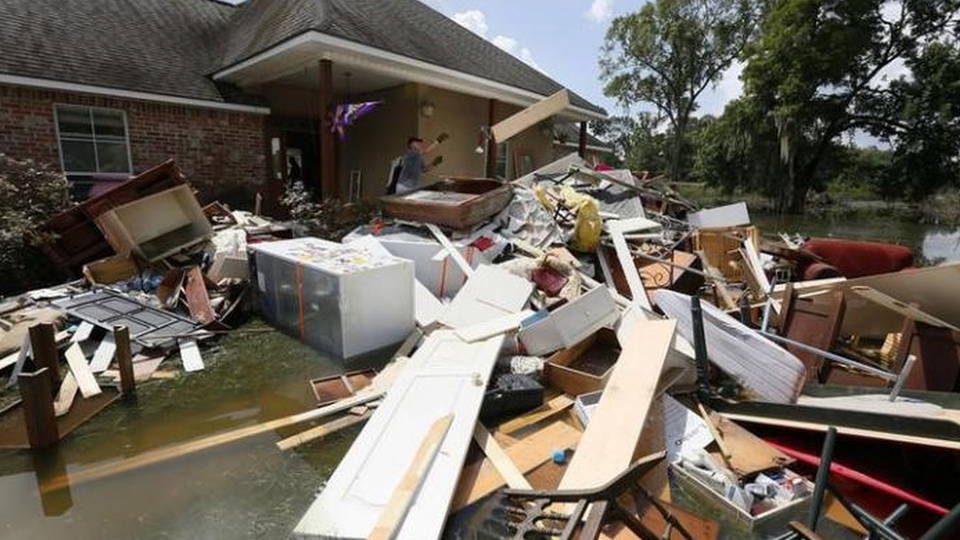 In Louisiana, more than 100,000 people have applied for federal assistance, as cleanup begins from last week’s historic flooding. At least 13 people died in what the Red Cross has called the worst natural disaster in the U.S. since Hurricane Sandy. President Barack Obama is scheduled to tour flood-damaged areas on Tuesday. Louisiana Governor John Bel Edwards says more help is needed for the recovery effort.
Gov. John Bel Edwards: "Typically, by this point in a storm, I think Red Cross would be receiving a lot more donations. I think there would be more volunteers signing up. Although we have some of that in place now, it would be very helpful if people would donate to the Red Cross, to the Baton Rouge Area Foundation, and also to come in and volunteer to help people get back in their homes as quickly as possible."
Veteran Republican Operative Paul Manafort Quits Trump Campaign
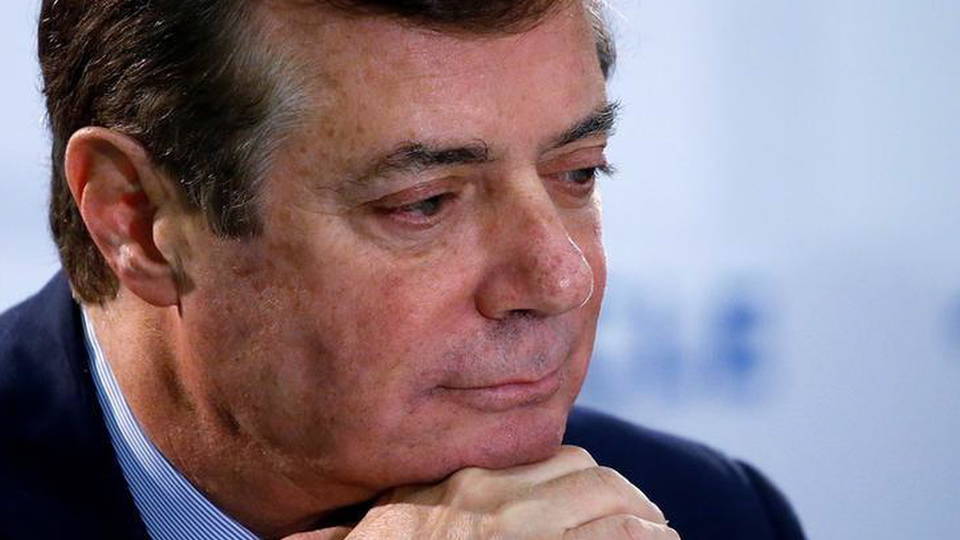 In news from the campaign trail, longtime Republican political operative Paul Manafort has quit his position as chair of Donald Trump’s campaign. Manafort’s resignation came on Friday. Trump had appointed Stephen Bannon, the executive chair of the right-wing media outlet Breitbart News, to be his campaign’s chief executive earlier in the week. Manafort is facing questions about his years of political consulting work in Ukraine, where he advised former President Viktor Yanukovych. The New York Times has reported that handwritten ledgers unearthed in Ukraine show $12.7 million of cash payments that were slated to go to Manafort—although it is not known whether he ever received the money.
TOPICS:
2016 Election
New York Times: Donald Trump Owes at Least $650 Million in Debt
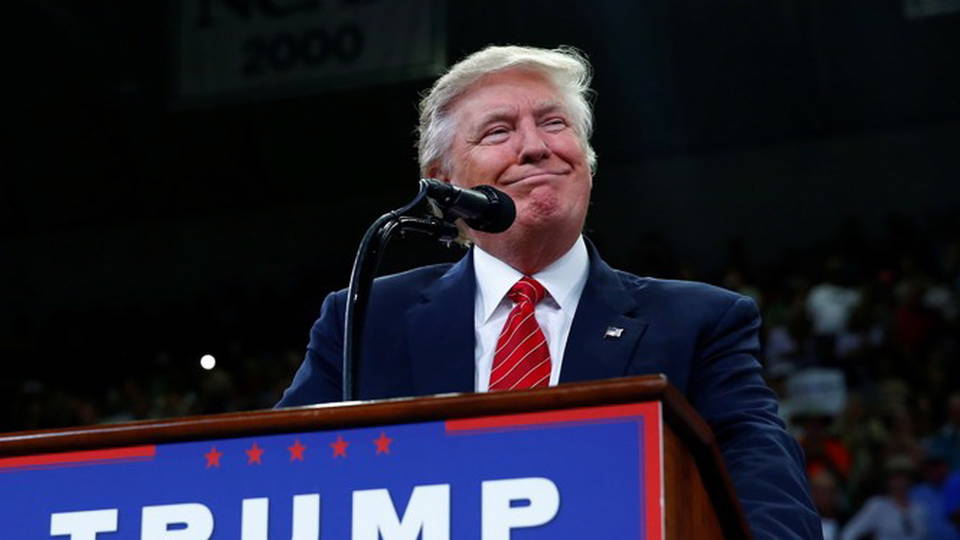 Meanwhile, The New York Times is also reporting Donald Trump’s companies have at least $650 million in debt. This is twice the amount that appears on publicly filed documents Trump has released during his campaign. Donald Trump once told CNN, "I am the king of debt. I love debt."
TOPICS:
Donald Trump
2016 Election
Hillary Clinton Hasn't Held a News Conference in More Than 8 Months
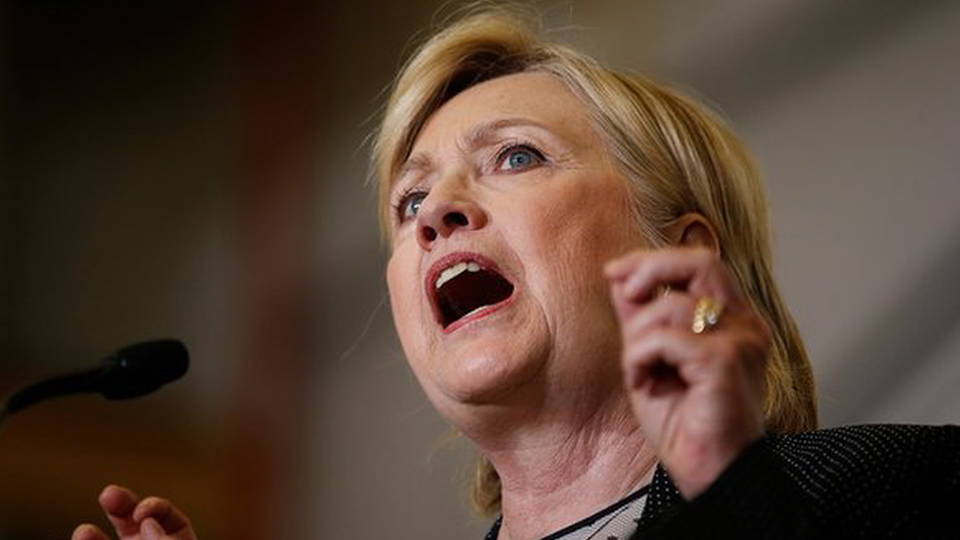 Democratic nominee Hillary Clinton is taking criticism for not having held a news conference in more than eight months. This is Clinton campaign manager Robby Mook yesterday on CBS.
Robby Mook: "The real question here is whether Secretary Clinton has been taking questions from reporters, which she absolutely has. We went and counted, and she has been in more than 300 interviews with reporters this year alone. I know she’s been on your show. And we’re going to continue to do that. And there are a lot of different formats in which she can engage with reporters, whether it’s those one-on-one interviews, whether it’s talking with her traveling press and reporters, or a press conference. And we’re going to look at all of those as we move forward."
TOPICS:
Hillary Clinton
Kerry to Visit Saudi Arabia as Criticism of Yemen War Intensifies
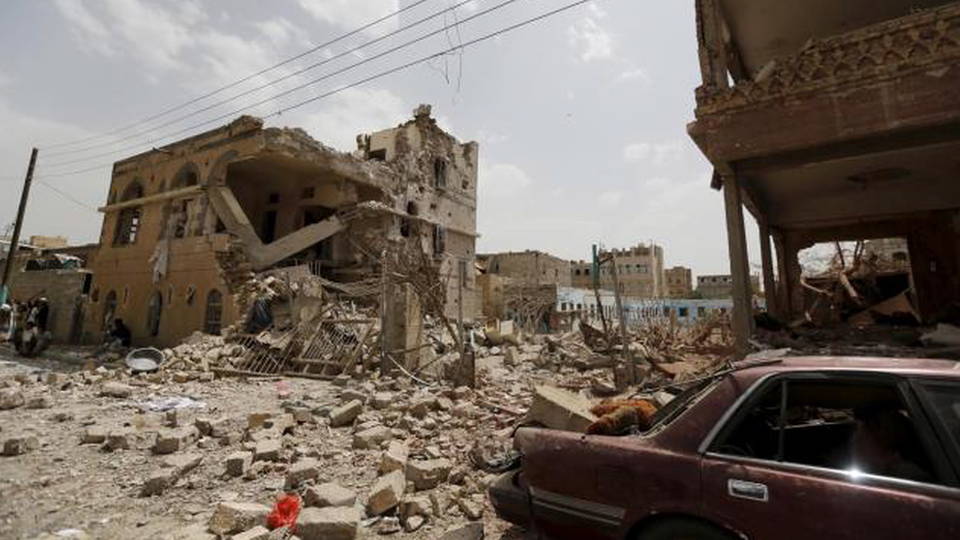 Secretary of State John Kerry is heading to Saudi Arabia as the Obama administration faces increasing pressure for its support of the Saudi-led war in Yemen. Over the past two weeks, the U.S.-backed Saudi coalition has bombed a Doctors Without Borders hospital, killing 19 people, and bombed two schools in northern Yemen, killing at least 14 children. Doctors Without Borders has since announced it will withdraw staff from six hospitals in the north of the country. U.S. support to the Saudis includes refueling their jets in midair and assisting with target selection. The U.S. has also sold Saudi Arabia billions of dollars’ worth of weapons in recent years. In the last week, criticism of the U.S. role in Yemen has grown as it has been revealed that targets the U.S. had asked the Saudis not to strike had been hit anyway. The U.N. blames the Saudi-led coalition for the majority of the conflict’s thousands of civilian casualties. This is Sen. Chris Murphy speaking about the U.S. role in Yemen last week.
Sen. Chris Murphy: "There is an American imprint on every civilian life lost in Yemen. Why? Well, it’s because though the Saudis are actually dropping the bombs from their planes, they couldn’t do it without the United States. It’s our munitions, sold to the Saudis. It’s our planes that are refueling the Saudi jets. And it’s our intelligence that are helping the Saudis provide their targeting."
TOPICS:
Saudi Arabia
Yemen
Thousands Protest U.S.-Backed Bombing Campaign in Yemen
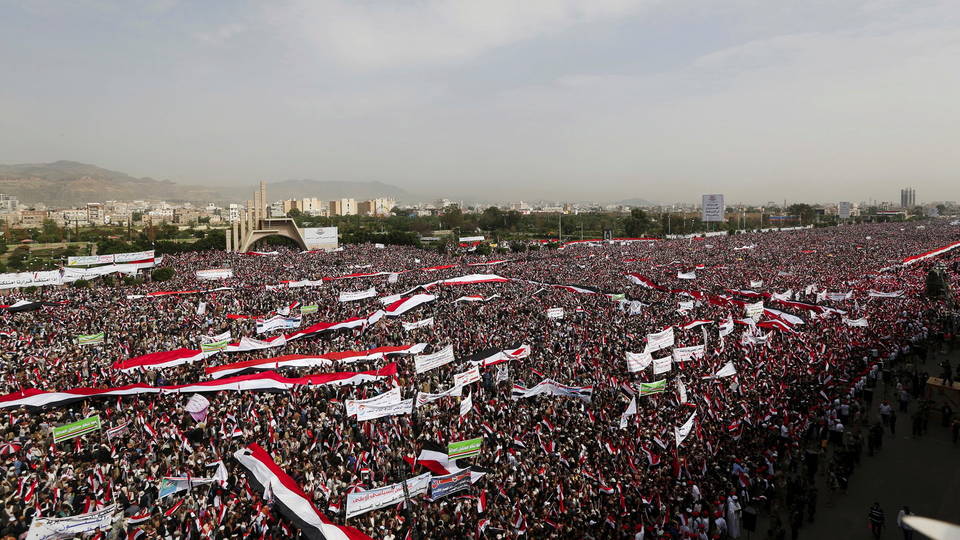 This comes as up to 100,000 people gathered in the Yemeni capital of Sana’a Saturday in support of Houthi rebels and to protest the ongoing Saudi strikes. The demonstration was one of the biggest in Yemen since mass protests in 2011 forced former president and U.S. ally Ali Abdullah Saleh to step down. The Saudi-led coalition resumed airstrikes in the Yemeni capital of Sana’a last week after U.N.-sponsored peace talks ended without a resolution. We’ll have more on Yemen after headlines with journalist Andrew Cockburn and Kristine Beckerle of Human Rights Watch.
TOPICS:
Yemen
Turkey: Bombing Kills 50 at Wedding Party
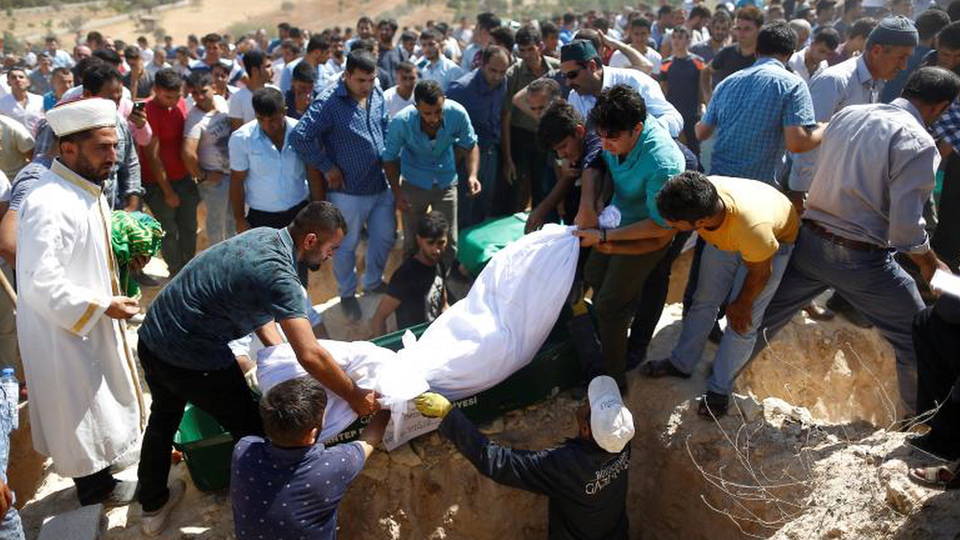 In southern Turkey, hundreds of mourners gathered yesterday for funerals after a bomber killed at least 50 people at a wedding party for a member of a Kurdish political party. Turkish President Recep Tayyip Erdogan blamed ISIS for the attack. But some of the mourners threw bottles at police and chanted "Murderer Erdogan"—a reflection of the belief that the Turkish president’s support for rebels fighting the Syrian government has helped create the conditions that have allowed ISIS to thrive.
TOPICS:
Turkey
Islamic State
Turkish LGBTQ Community Remembers Murdered Activist Hande Kader
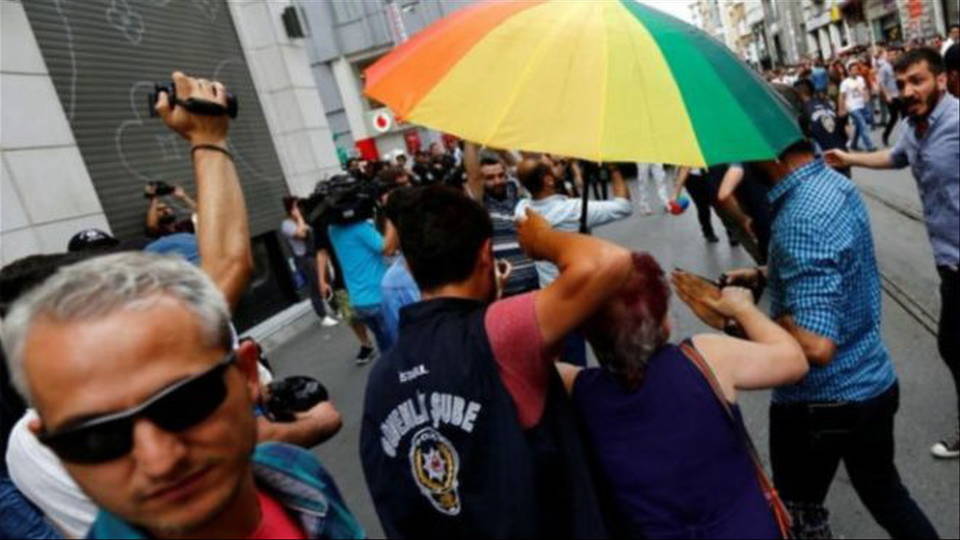 Also in Turkey, members of the LGBTQ community demonstrated peacefully on Sunday to mark the murder of transgender rights activist and sex worker Hande Kader. Kader’s body was found on August 12 in Istanbul. Discrimination and violence against the LGBTQ community is common in Turkey. More than 40 transgender people have been killed in Turkey since 2008. Vice President Joe Biden will be visiting Turkey later this week.
TOPICS:
Turkey
LGBT
U.S. Warns Syrian Government After Strikes Against U.S.-Backed Militia
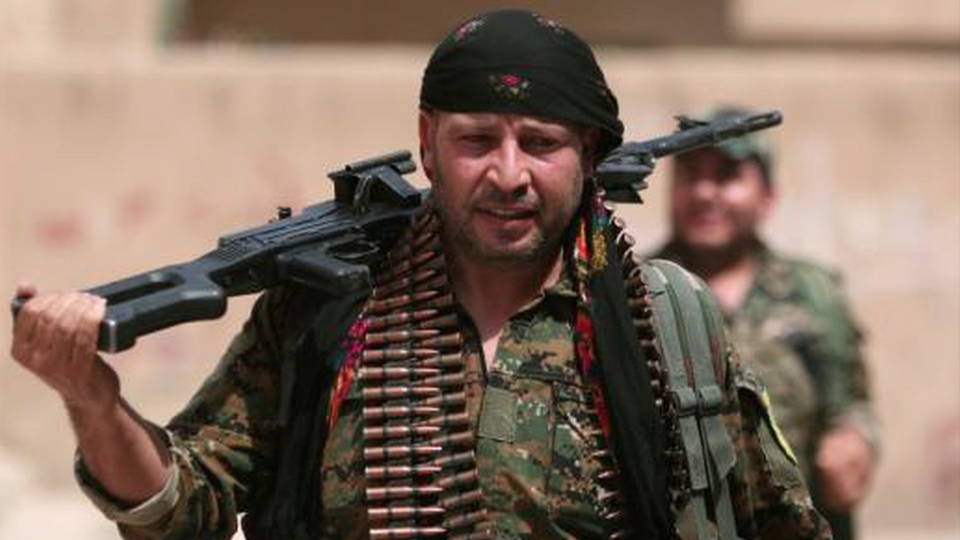 Meanwhile, in Syria, tensions are rising between the U.S. and Syrian governments after Syrian jets bombed a U.S.-backed militia while U.S. forces were nearby. The Pentagon said Friday it has increased its air patrols near the northeastern Syrian city of Hasaka and had "encouraged" Syrian jets to leave. The U.S.’s main allies in Syria are Kurdish forces that until now have largely avoided conflict with the Syrian government. That changed earlier this month when fighting broke out between the Kurds and the Syrian government for control of Hasaka.
TOPICS:
Syria
Court Upholds Immunity for U.N. in Haiti Cholera Reparations Case
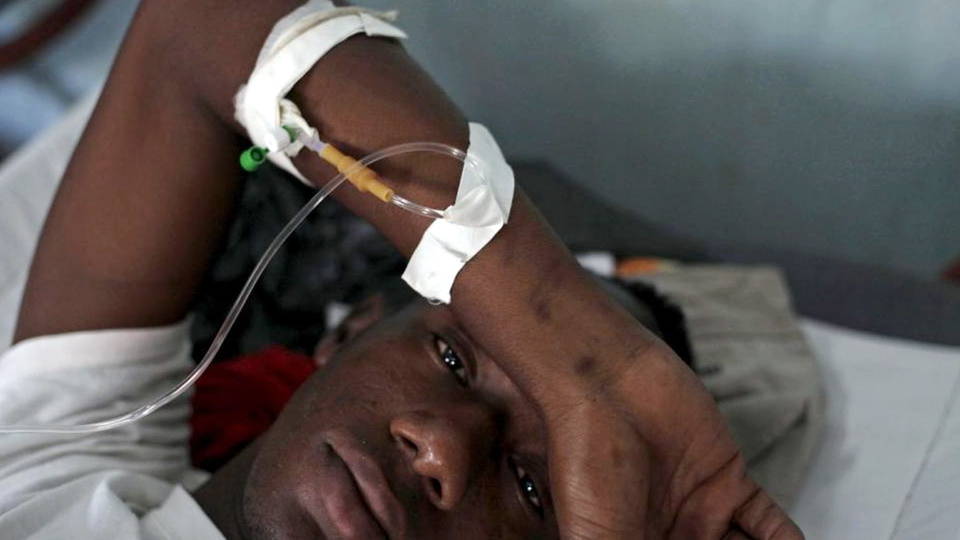 A federal appeals court in New York has upheld the U.N.'s claim of immunity in a lawsuit brought by Haitians seeking compensation for a cholera epidemic that killed more than 9,000 people. U.N. peacekeepers are accused of negligently bringing cholera to Haiti during their deployment following the 2010 Haitian earthquake. The U.N. claims it has immunity under a 1946 treaty, but the office of U.N. Secretary-General Ban Ki-moon acknowledged for the first time last week that the U.N. may have played a role in the epidemic. This is human rights activist Camille Chalmers talking about the reparations claim and the U.N.'s recent admission.
Camille Chalmers: "To us, yes, this is a step forward, but an insufficient one that’s coming very late, because, above all, over these six years, more people have died, and we know the United Nations, with a not very expensive investment, could contribute to the eradication of this illness in our land."
TOPICS:
Haiti
United Nations
Haiti Earthquake
Philippines: President Duterte Threatens to Leave U.N. over Criticism
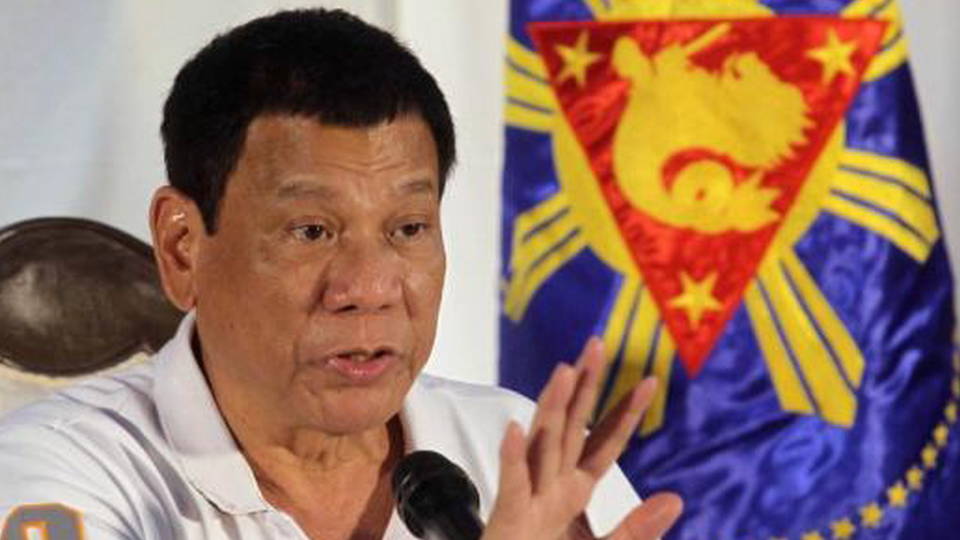 Philippines President Rodrigo Duterte has threatened to leave the U.N. after U.N. human rights experts urged him to stop extrajudicial killings by police. Police have killed about 900 suspected drug traffickers since Duterte was elected in May. During his campaign, he promised to fight crime, but human rights groups say many of those killed have been summarily shot or had nothing to do with the drug trade. More than 100,000 people have turned themselves in to police for drug offenses to avoid the prospect of a violent arrest. Duterte made his comments in a speech on Sunday and suggested he might invite China and others countries to form an alternative coalition to the U.N.
President Rodrigo Duterte: "What have you done for the world, Mr. United Nations? ... You know, if he comes here, you tell him straight: Mayor Duterte would only ask five questions to prove that you are stupid."
TOPICS:
Philippines
Police Continue to Withhold Information in Case of Korryn Gaines
 In Maryland, Baltimore County police say they will continue to withhold the names of the officers involved in the August 1 shooting of Korryn Gaines, a 23-year-old African-American mother shot by police in her apartment after an hours-long standoff. The officer who shot Gaines has been assigned to administrative duties. There is body camera footage of the standoff prior to the shooting, but police claim there is no footage of the shooting itself. Gaines live-streamed the beginning of the standoff on Facebook, before Facebook responded to a police request to shut down Gaines’s account. The NAACP Legal Defense and Educational Fund and activists have both questioned official police accounts of the shooting. Gaines’s five-year-old son, Kodi, was also injured by police gunfire. This is Gaines’s cousin, Creo Brady, speaking last week at her funeral.
Creo Brady: "Our family wants justice for Korryn Gaines. We have some unanswered questions that need to be answered. Number one, if the officer, what appears in the video to have a body camera on, where’s the footage? We do know that Kodi has a testimony to the accounts of things that happened which are contradictory to the stories that are being told."
TOPICS:
Police
Police Brutality
Officer Who Killed Philando Castile Returns to Work in Minnesota
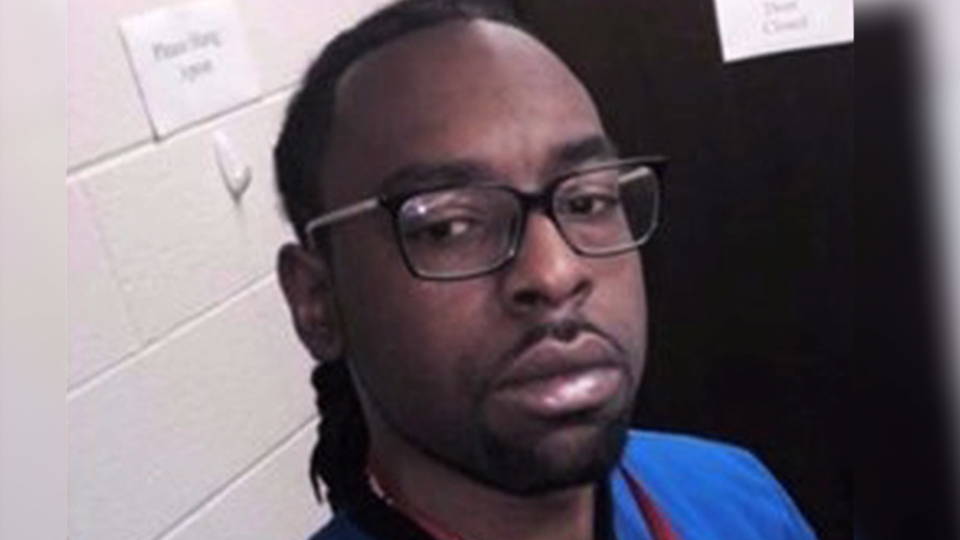 Meanwhile, in Minnesota, the police officer who shot Philando Castile returned to work last week. Last month, Jeronimo Yanez fatally shot Castile, who is African-American, during a traffic stop. Castile’s death was live-streamed on Facebook by his girlfriend, Diamond "Lavish" Reynolds, in an extraordinary video, in which she narrated the aftermath of the shooting while she was still in the car, with a police officer pointing a gun at her and her four-year-old daughter, as her boyfriend lay dying next to her. Castile’s death sparked nationwide protests against police violence. Yanez has been temporarily given an administrative position.
TOPICS:
Police Brutality
Police
Texas: Court Halts Execution of Man Who Never Killed Anyone
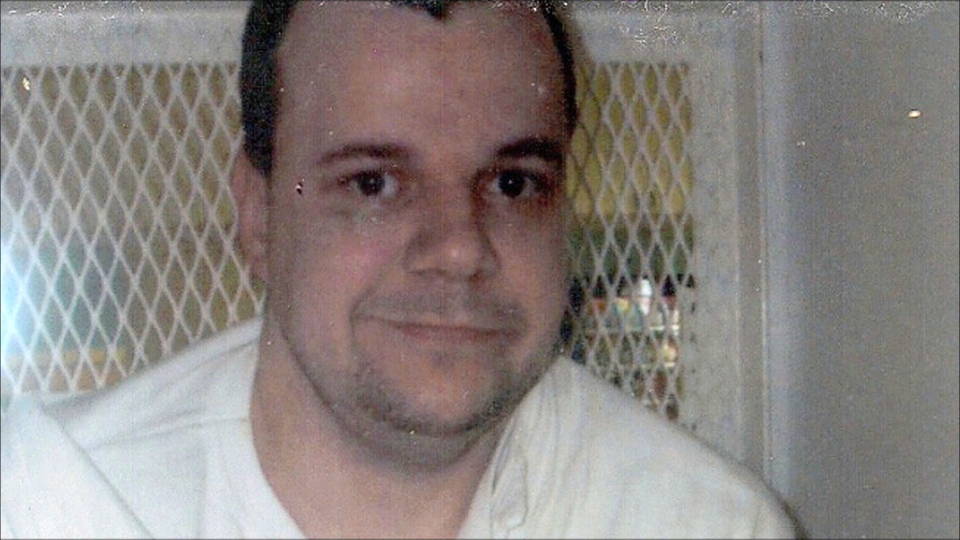 A Texas court has halted the execution of Jeff Wood, a man who never killed anyone, six days before he was set to die by lethal injection. The court’s order on Friday asked for further examination of a claim that a jury was improperly persuaded to give Wood his sentence after testimony from a highly criticized psychiatrist nicknamed "Dr. Death." Texas’s felony murder statute, called the "law of parties," holds that anyone involved in a crime resulting in death can be held responsible. Wood was sitting outside in a truck when his friend, Daniel Reneau, killed convenience store clerk Kriss Keeran in 1996. Reneau was executed in 2002.
TOPICS:
Death Penalty
U.S. Boxer Makes History on Last Day of Rio Games
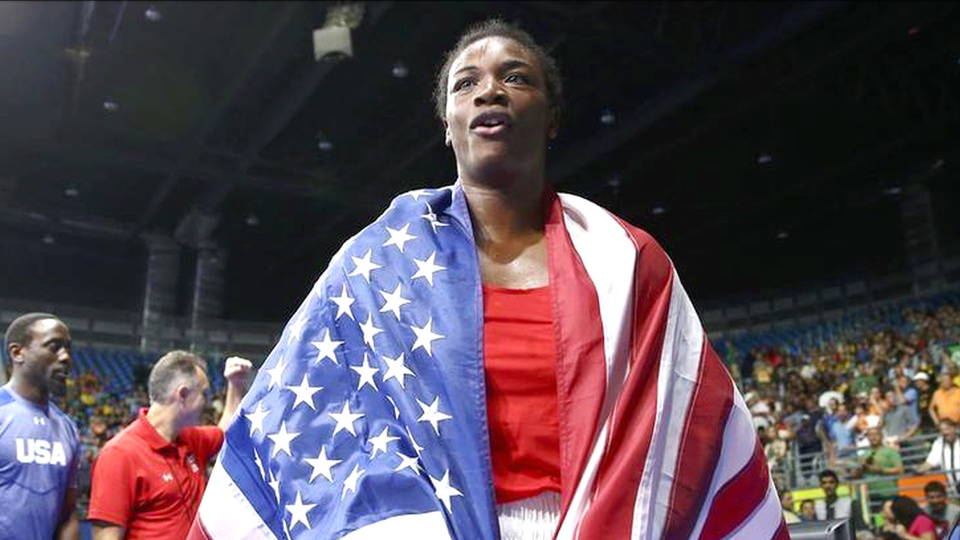 The 2016 Summer Olympics held their closing ceremony in Rio on Sunday, but not before one more U.S. athlete made history. Twenty-one-year-old Claressa Shields of Flint, Michigan, won her second consecutive gold medal in boxing—the first U.S. woman to do so. The U.S. men’s basketball team also continued their Olympic dominance on Sunday, taking gold for the sixth time in seven Games. On Saturday, the U.S. women’s basketball team won their sixth straight gold medal. The women’s team has not lost an Olympic basketball game since 1992.
TOPICS:
Olympics
Ethiopian Olympic Marathoner Wins Silver, Protests at Finish Line
 Meanwhile, Ethiopian Olympic runner Feyisa Lilesa risked his safety by raising his arms in an "X" as he won a silver medal in the marathon. The "X" is a symbol used by protesters against human rights abuses by the Ethiopian government. Lilesa told reporters after the race the government might kill him for the gesture.
TOPICS:
Olympics
Ethiopia
Puerto Rico: Activists Disrupt Conference to Protest Tax Exceptions
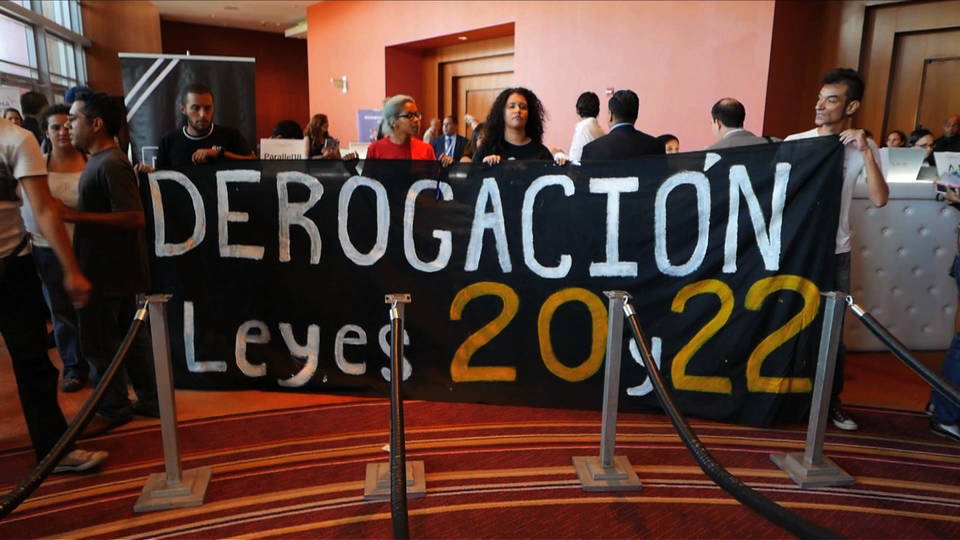 In Puerto Rico, activists disrupted a business conference in San Juan on Friday to protest laws that give new residents and some business owners complete exceptions on a slew of taxes. The activists were also protesting against the PROMESA law, which creates a new financial control board to oversee the island’s financial affairs. During the protest, activists carried banners reading "The People Before the Debt." The protest shut down the conference’s event registration for parts of the day.
TOPICS:
Puerto Rico
Legendary Journalist & Civil Rights Activist George Curry Dies at 69
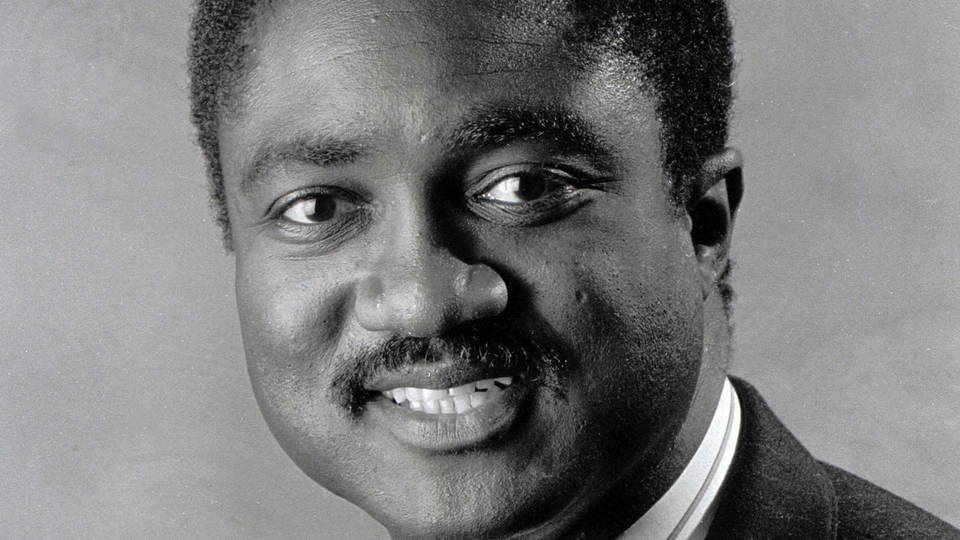 And NPR is reporting George Curry, the legendary columnist, commentator and champion of African-American journalists, has died at age 69. Curry was born and grew up in Alabama and began his career as a reporter for Sports Illustrated and the St. Louis Dispatch. In the 1990s, Curry was the editor of Emerge, a political and cultural publication with the tagline "Black America’s Newsmagazine." Curry was the first African American to serve as president of the American Society of Magazine Editors. Bernard Lafayette, the current chairman of the Southern Christian Leadership Conference, told Trice Edney News Wire, "This is a tragic loss to the movement because George Curry was a journalist who paid special attention to civil rights because he lived it and loved it."
TOPICS:
Civil Rights
Donate today:
Follow:


WEB EXCLUSIVE
 Back from Rio, Dave Zirin on Firsts at Olympics, Treatment of Russian Athletes, Future for Brazil
NEW BOOK


Senior TV Producer
Development Manager
-------
207 W 25th Street 11th Floor
New York, New York 10001, United States
-------
-------

No comments:
Post a Comment