democracynow.org
Stories:

Saying No to Hate: Meet the Chicago Activists Who Forced Trump to Cancel Campaign Rally
Republican front-runner Donald Trump is facing growing criticism for appearing to condone violence by supporters. Speaking on Meet the Press, Trump told Chuck Todd he has instructed his staff about paying the legal fees for a Trump supporter who punched an African-American protester in the face. On Friday, Trump canceled a rally at the University of Illinois at Chicago after thousands of people staged an anti-Trump protest outside. At least five people were arrested after multiple scuffles broke out both inside and outside the rally venue. One Trump supporter was photographed giving a Nazi salute. In the wake of the protests, Trump blamed supporters of Vermont Senator Bernie Sanders for the unrest. On Sunday, Trump wrote a message on Twitter saying, "Be careful Bernie, or my supporters will go to yours!" We speak to a student and professor at the University of Illinois at Chicago involved in organizing the protest.
TRANSCRIPT
This is a rush transcript. Copy may not be in its final form.
AMY GOODMAN: Ahead of Tuesday’s primaries in Florida, Ohio, Illinois, North Carolina and Missouri, Republican front-runner Donald Trump is facing growing criticism from across the political spectrum for appearing to condone violence committed by his supporters against protesters. Speaking on Meet the Press on Sunday, Trump said he has instructed his staff to look into paying the legal fees for a Trump supporter who punched an African-American protester in the face at a recent rally in North Carolina.
DONALD TRUMP: No, as I told you before, nothing condones. But I want to see. The man got carried away.
CHUCK TODD: Right.
DONALD TRUMP: He’s 78 years old. He obviously loves this country, and maybe he doesn’t like seeing what’s happening to the country. I want to see the full tape. But I don’t condone violence.
CHUCK TODD: So you might pay for his legal fees?
DONALD TRUMP: I don’t—well, I’m going to look at it. I’m going to see, you know, what was behind this, because it was a strange event. But from what I heard, there was a—you know, there was a lot of taunting, and a certain finger was placed in the air. Not nice.
CHUCK TODD: Right.
DONALD TRUMP: Again, I don’t condone the violence. I don’t condone what he did. ... I’ve actually instructed my people to look into it, yes.
AMY GOODMAN: Donald Trump’s comment came two days after he canceled a rally at the University of Illinois-Chicago after thousands of people staged anti-Trump protests inside and outside the venue. After Trump canceled the event, scuffles broke out both inside and outside the rally venue. Five people were arrested. One Trump supporter was photographed giving a Nazi salute.
Meanwhile, in St. Louis, at least 31 people were arrested Friday at a Trump rally. The cover of Saturday’s New York Daily News showed a bloodied African-American protester in St. Louis. The headline read: "Blood on Don’s Hands." Then, on Saturday, a man in Dayton, Ohio, charged through a security barricade toward the stage where Trump was speaking.
Following the Chicago protests, the anti-Trump super PAC, Our Principles, released an ad highlighting Trump’s endorsement of violence.
NARRATOR: Donald Trump campaign violence.
DONALD TRUMP: I’d like to punch him in the face, knock the crap out of him. They’d be carried out on a stretcher, folks. I promise you, I will pay for the legal fees.
NARRATOR: Now Trump’s campaign manager faces criminal charges for allegedly assaulting a female reporter.
JULIANNA GOLDMAN: Today, Michelle Fields, a reporter for the conservative website Breitbart, said earlier this week Trump’s campaign manager "grabbed me tightly by the arm and yanked me down."
TOM LLAMAS: Fields showed us the bruise where she says Trump’s campaign manager grabbed her.
MICHELLE FIELDS: They’re not telling the truth. There’s videos. There’s pictures. There’s an eyewitness of a Washington Post reporter.
NARRATOR: Another supporter arrested for assault.
SCOTT PELLEY: A Trump supporter is under arrest tonight after punching a protester at a rally.
JULIANNA GOLDMAN: The latest in what some believe is a growing hostile atmosphere at Trump events.
JOHN McGRAW: The next time we see him, we might have to kill him.
NARRATOR: Donald Trump’s too reckless and dangerous to be president.
AMY GOODMAN: In the wake of the violent protests, Trump blamed supporters of Vermont Senator Bernie Sanders for the unrest. On Sunday, Trump wrote a message on Twitter saying, quote, "Bernie Sanders is lying when he says his disruptors aren’t told to go to my events. Be careful Bernie, or my supporters will go to yours!" he tweeted. On Sunday night, Bernie Sanders appeared at a town hall forum on CNN and was asked about this weekend’s developments.
SEN. BERNIE SANDERS: Some of you may have read, just a few hours ago, that Mr. Trump said that he is prepared to pay the legal costs of an individual who sucker-punched somebody at a recent event. He’s going to pay the legal fees of somebody who committed a terrible act of violence. What that means is that Donald Trump is literally inciting violence with his supporters. He is saying, "If you go out and beat somebody up, that’s OK. I’ll pay the legal fees." That is an outrage, and I would hope that Mr. Trump tones it down big time and tells his supporters that violence is not acceptable in the American political process.
AMY GOODMAN: That’s presidential candidate Bernie Sanders speaking last night.
Amalia Pallares is with us, professor of political science and Latin American and Latino studies, and director of the Latin American and Latino Studies Program at University of Illinois at Chicago. She’s an adviser to the Fearless Undocumented Alliance, a student organization at UIC that helped organize and participate in Trump protests on Friday.
We’re also joined by Yasmeen Elagha, sophomore at the University of Illinois at Chicago, majoring in political science and urban studies, president of the Palestine Children’s Relief Fund, which is a student organization at UIC, one of the organizers of the anti-Trump rally on Friday.
We welcome you both to Democracy Now! Professor Pallares, can you talk about what took place on Friday, the organizing beforehand and then what happened?
AMALIA PALLARES: Yes. About a week before the event, faculty, staff, students on the campus learned that a Trump rally would be held in the UIC Pavilion, which is on our campus. And at that point, there were different responses. There was immediately a Facebook page that was created, as a group of student organizers decided to move forward and have a protest. And then there was also a petition that circulated that was, I think, ultimately signed by 50,000 people, asking that the event be canceled. And within a day of that, the chancellor responded that the event would continue.
And then, the following week, a group of faculty and staff, we wrote a letter saying—you know, asking the university to please—you know, on the basis of security, to kind of potentially rethink its decision, but if it wasn’t going to rethink its decision, to make sure that our students, our community, everyone at the UIC, whether they were just working there or whether they were protesting, could be—could feel safe and could feel protected.
AMY GOODMAN: Yasmeen Elagha, talk about the student end of things, how you organized.
YASMEEN ELAGHA: So, what the students basically did was, on Friday, a group chat was created of all of the student organization leaders who wished to be a part of it. And throughout the weekend, from last Friday, Saturday and Sunday, we were kind of planning, but it was really sporadic. So we decided to have a meeting. So, on Monday night, we all decided to meet. And we decided, that day, that we would have a protest inside, and we would have a protest outside. And the organizing, actually, surprisingly, went pretty smoothly. And throughout the week, we just talked to each other. We divided into smaller groups. And then, on Friday, we—
AMY GOODMAN: Yasmeen, what were you protesting?
YASMEEN ELAGHA: So, we were—I mean, as a coalition, we were protesting Donald Trump’s hateful speech and his attempts to divide the nation. But as students, we were protesting—we had small groups, and each group protested one different idea. So the group that I personally was in was protesting his stances on refugees and immigrants. Another group was protesting his hateful speech about Muslims, another group about Mexicans, another group about blacks and his—the things that he was saying about them. So—and these groups were dispersed throughout the audience, and that’s how we felt that we could get our point across and just reach kind of maximum disturbance kind of throughout his speech.
AMY GOODMAN: And, Professor Pallares, why didn’t you want him to speak at the university at all?
AMALIA PALLARES: Well, I wasn’t necessarily part of—you know, created that petition that requested that. I did say—in the letter that we wrote, we said that we felt like there was a—that we respected free speech, but we felt that given the diversity in our campus, given our community, that we thought that issues of security and protection should be important considerations. And I still believe that when such an event happens on campus, when there’s a history of, you know, attacks that are violent and ostracizing of people of color—and the majority of our students are students of color—then I think it is a consideration for the university community if safety and protection of our students is important in whether the university should think about that when holding an event.
So, but having said that, sort of that was the main point, that—but having said that, we know our students. We know how organized they can be. We knew they were going to protest. Everyone knew they were going to protest. They announced it the first day. And so, our main concern was that things—you know, that the university police and that all the different security that were working there would make sure that our students would not be criminalized, would not be racialized, would not be ostracized, in the case if they were interrupted and taken out. This is the place where they graduate. This is the place where convocation happens. We didn’t want to become a place that students associated with hate.
AMY GOODMAN: Now, it’s confusing about why this rally was canceled, Professor Pallares. Did Trump say that the police advised him to cancel it?
AMALIA PALLARES: He did say that. But CPD, the Chicago Police Department, and UIC police have stated—they have stated that they were never in conversations with Trump, requesting that he cancel it or recommending that he cancel it. So, Trump—and nor was the university. The university was prepared to do everything to make sure that the rally could be held and that Trump would have his freedom of speech protected, as were all the security that were involved. So, nobody recommended he cancel it. He canceled it because he decided to cancel it.
AMY GOODMAN: Yasmeen Elagha, do you feel that your purposes were served by Trump canceling this massive rally? And what—the building allowed 9,000 people. How many people would you say were protesters, and how many were Trump supporters?
YASMEEN ELAGHA: I would definitely say that we reached our goal by him having canceled the rally. His original intent was to hold the rally, and despite the enormous amount of protesters that were expected to be there and that everyone knew were going to be there, he still decided to come. But after seeing the sheer amounts that actually came out and were against his coming to the university, he decided to cancel. So I think that, for us, is a success, because we—our voices came across, and they actually reached him. And like Professor Pallares said, nobody advised him to shut down the rally or to cancel the rally. So, him deciding to do that on his own, after realizing the backlash from the city of Chicago, which was a historic moment for us as students and for the city of Chicago and for this campaign, it was a success for us.
And in terms of the numbers, I think it’s safe to say that it was probably half and half. Before the announcement of the cancellation, it seemed that there were more Trump supporters. But afterwards, we realized that a lot of people who had come were actually undercover Trump supporters—or undercover protesters, I’m sorry, who had to put up the façade of being a supporter so as to be let in, because a lot of people were being rejected. One group was wearing shirts that said "Muslims are human," something along those lines, but they were kicked out immediately in the line. So they weren’t even let in. So a lot of people went undercover. But after the announcement of the cancellation of the event, it was obvious that there was a huge amount of protesters, and I would definitely say it was probably even.
AMY GOODMAN: On Sunday, Trump tweeted, quote, "Be careful Bernie, or my supporters will go to yours!" Trump was later questioned on CNN about whether he was threatening Sanders. This was his response.
DONALD TRUMP: It’s not a threat at all. Look, my people have said, 'We ought to go to his rallies,' because, you know, it’s sort of interesting. When liberals and super liberals—and I don’t even call them liberals, because I have many friends that are liberal, and I think they’re wonderful people. These are beyond liberal. These people are bad people that are looking to do harm to our country. But when these people come into mine, you know, everybody thinks I’m a bad guy. When—if my people went into one of his rallies, they’d say, "Oh, this is a terrible thing." They’d be arrested, and all sorts of things would happen to them. If conservative Republicans ever went into his rally, you would see things happen that would be unbelievable. And Bernie would be, "Oh, poor Bernie, isn’t that a shame?" There is a horrible—there’s a horrible thing going on in the media. We are treated so unfairly.
AMY GOODMAN: There you have Donald Trump speaking. Yasmeen Elagha, as we wrap up, do you feel like what happened on Friday night was a success?
YASMEEN ELAGHA: I definitely do think it was a success. And just before I answer that, I just want to make clear that the protesters were not there as Bernie’s people, or, you know, we weren’t sent by Bernie. We were just students who are concerned. We’re not endorsing a single candidate. I think that our—
AMY GOODMAN: Did you get a message from the Bernie campaign: get out there in force, or get out there at all?
YASMEEN ELAGHA: No, no, we—there was no communication with the Bernie campaign at all. It was just, on Friday, once the announcement hit, we came together, the students, on our own, and we decided, hey, we need to counter his hateful rhetoric. We need to make sure that he knows that this campus is a place that’s diverse, it’s a place that’s welcoming. And it united us more than it divided us. So, I just want to make clear that we were not there as Bernie’s people. Many of us may support Bernie on our own, but as a coalition we were there nonpolitically.
AMY GOODMAN: And, Amalia Pallares, what do you want students to learn from this event in the midst of one of the most polarized presidential seasons in a very long time?
AMALIA PALLARES: Well, I think that many times professors, we’re learning from our students. You know, what happened was not even something I could have imagined would have happened. But what I want to tell all students and faculty and universities, that whenever an event is held, whatever it is, in their university, that is something that is going to deeply affect their community, affect their students in negative ways, in ways that would hurt students, I think, you know, it is sort of the right of all members, all citizens of a university to ask whether that is a good idea. And so, you know, what I want to end with is, like, I can’t predict what will happen, but I think that one of the things that this event did is it gave people a sense of their own power they have to say no to hate.
AMY GOODMAN: We’re going to leave it there, but we’re going to continue on Chicago and the key Illinois primary. We’re going to be joined by Chuy García, who is the man who ran against the current mayor, Rahm Emanuel, for mayor. Right now Rahm Emanuel is, interestingly, at the center of presidential politics. He has endorsed Hillary Clinton. Bernie Sanders says even if he, Bernie Sanders, got the presidential nod from the Democratic Party, he doesn’t want Rahm Emanuel’s support. We’re also going to talk about another race in Chicago that is certainly getting people out in the streets. Stay with us.
... Read More →
Sanders Thanks Rahm Emanuel for Not Endorsing Him, as Chicago Mayor Faces Increasing Calls to Resign
Ahead of the Illinois Democratic primary on Tuesday, Senator Bernie Sanders took a moment to thank the mayor of the state’s largest city for not endorsing his presidential campaign. Sanders said he does not want Democratic Chicago Mayor Rahm Emanuel’s support, given the mayor’s role in closing public schools and firing teachers while maintaining cozy relations with Wall Street banks. Sanders stopped short of calling for Mayor Rahm Emanuel to resign but said he’s sympathetic to Chicago residents who are asking for the mayor to step down. He made the comments at Argo Community High School in Summit, Illinois, where he was introduced by Jesús "Chuy" García. Last year, García mounted a spirited but unsuccessful challenge against incumbent Emanuel. We speak with Jesús "Chuy" García, who is now a national surrogate for Sanders, and Veronica Morris-Moore, a youth organizer with the group Fearless Leading by the Youth. She helped organize the #ByeAnita campaign to oppose the re-election of Anita Alvarez, Cook County state’s attorney. Both Emanuel and Alvarez have faced calls to resign over an alleged cover-up of the police killing of Laquan McDonald, who was shot 16 times. The city released video of the shooting following a judge’s order more than a year after it happened; Officer Jason Van Dyke was charged with first-degree murder the same day.
TRANSCRIPT
This is a rush transcript. Copy may not be in its final form.
AMY GOODMAN: Ahead of the Illinois Democratic primary on Tuesday, Senator Bernie Sanders took a moment to thank the mayor of the state’s largest city—for not endorsing his presidential campaign. Sanders said he does not want Chicago Mayor Rahm Emanuel’s support, given the mayor’s role in closing public schools and firing teachers while maintaining cozy relations with Wall Street. Sanders made the comments at Argo Community High School in Summit, Illinois, where he was introduced by Jesús "Chuy" García, who mounted a spirited but unsuccessful challenge against Emanuel last year.
JESÚS "CHUY" GARCÍA: The next president of the United States of America for all the people, Senator Bernie Sanders!
SEN. BERNIE SANDERS: Secretary Clinton has received the endorsement of many senators and congressmen, and some of them are my friends and good people. But she has also received the strong endorsement of Mayor Rahm Emanuel. Let me say—let me say—let me say, I want to thank Rahm Emanuel for not endorsing me. I don’t want his endorsement. I don’t want the endorsement of a mayor who is shutting down school after school and firing teachers.
AMY GOODMAN: That’s Democratic presidential hopeful Bernie Sanders, stopping short of calling for Mayor Rahm Emanuel to resign; however, Sanders said he’s sympathetic to Chicago residents who are asking for the mayor to step down—the mayor a key figure in national politics as a top aide to President Obama before he ran for mayor. He was a congressman before then.
Well, we’re staying in Chicago, where we’re joined by Jesús "Chuy" García. He’s a national campaign surrogate for Senator Bernie Sanders, former Chicago mayoral candidate. García is also the Cook County commissioner.
And with us in Chicago is Veronica Morris-Moore, a youth organizer with the group Fearless Leading by the Youth. She is organizing the #ByeAnita campaign, campaigning against the re-election of Anita Alvarez, Cook County state’s attorney. And this very much has to do with, among others, the death of Laquan McDonald, which also relates to the current mayor, Rahm Emanuel.
Chuy García, it’s good to have you back on Democracy Now! Can you talk about why Rahm Emanuel is so significant in this Democratic presidential race right now?
JESÚS "CHUY" GARCÍA: Well, obviously, Rahm Emanuel represents the 1 percent. He represents the powerful and the connections to Wall Street in Chicago, and someone whose agenda has put the city in a tremendous crisis as it relates to criminal justice, as it relates to the great disinvestment of Chicago neighborhoods while the city has built a very shiny downtown area of the city. Certainly the epitome of a 1 percent mayor, the mayor is quite unpopular in Chicago, has a very low approval rating at the present time. And many people feel that he acquired a second term in Chicago by covering up crises, by covering up scandals, and using the $30 million to get elected. There’s a lot of buyer’s remorse in Chicago. So, not a popular figure.
AMY GOODMAN: Veronica Morris-Moore, you also held a rally on Friday. This was not the anti-Trump rally. But how—explain how it fits into Chicago’s city politics, and now, because Illinois is one of the major primaries that are going to be held tomorrow, national politics.
VERONICA MORRIS-MOORE: Well, I think that it relates, and I think the point that we were making is that the politics in Chicago are reflective of the politics in America and the politics that have led to many black lives being murdered and nobody being held accountable for those lives in a lot of different cases. And so, the tie was that Anita Alvarez is already in office and practicing fascist politics, the same fascist politics and rhetoric that Donald Trump is spreading along his campaign trail, as he continues to ignite and add to this fire that is racial division and, ultimately, antiblackness in this country.
AMY GOODMAN: So, explain what took place on Friday. You had the anti-Trump rally, and then you were closing down, a group of people, an intersection. Explain what you were calling for, your rally called long before you ever knew that Donald Trump was coming to town.
VERONICA MORRIS-MOORE: Yeah. So we’ve been organizing against Anita Alvarez for weeks. When we found out Trump was coming to town, we used it as a strategic opportunity to bring a large audience to see that it’s time for people like Anita Alvarez, for Rahm Emanuel, for folks who sit on City Council and watch videos and don’t hold people accountable publicly, but privately know what is happening systematically to black lives and not doing anything about it—it’s time for the people to stand up and say that these people are not allowed in our city, they are not allowed in our government, ultimately they shouldn’t be allowed in black lives, in any lives, for that matter.
AMY GOODMAN: Chuy García, explain how the death of Laquan McDonald, Laquan McDonald who was shot 16 times, the young 17-year-old African American, on October 20th, 2014, fits into the story of the Chicago mayor. When was the race that you ran against Rahm Emanuel? And at the time you were running, did you understand what had taken place with Laquan McDonald?
JESÚS "CHUY" GARCÍA: The runoff election, the first that was had in the city of Chicago since we went to a nonpartisan system over 25 years ago, was held in April of 2015. The Laquan McDonald incident had taken place in November of that year [October 2014], shortly before I—right after I became a candidate for that office. The mayor and his advisers knew of the existence of the video. They quashed its release. They reached an early settlement, before a lawsuit was even filed by the family of Laquan McDonald.
As it turns out, the release of the video has just torn the lid off of the scandals and cover-ups in the criminal justice system having to do with the role of rogue police officers in Chicago pretty much doing what they want, disabling some of the devices in the police cars, the dash cam audio, so that you couldn’t tell what kind of dialogue was going on when incidents were occurring. And, of course, as we’ve—the world has come to know, the video is an execution that was caught on tape, that has really stirred the city and the country to reflect on what kinds of practices occur, especially as it relates to young African Americans and Latinos. The release of that video, which occurred this year—late last year, has really caused a crisis in Chicago, a crisis of confidence, where people have been demonstrating since the release of the video, calling for a set of reforms within the Chicago Police Department, within the bodies that are supposed to oversee misconduct and investigate allegations of misconduct. And all of that is now under review. You have investigations by the Justice Department, investigations by the U.S. Attorney’s Office. So, Chicago has been in this crisis mode for the past several months. People are very angry. They’re demanding a change. Part of that call for change involves the State’s Attorney’s Office.
The Sanders campaign arrives in Chicago and in Illinois, and there’s a convergence of a whole bunch of events and developments that I think are causing people to say this is why we need some systemic change in this country. And the Bernie Sanders campaign happens to offer a different vision of what’s wrong with America, economically, in terms of the criminal justice system, so that within a week’s time—the campaign found itself almost 40 points behind Hillary Clinton, per one Chicago Tribune poll just a little bit over a week ago, and today we’re in a virtual dead heat, because people understand that we need some very important changes to occur, and the Sanders message is resonating with people across Chicagoland.
AMY GOODMAN: Well, it’s also forced Hillary Clinton to distance herself a little from Rahm Emanuel. Usually politicians like to have the local mayor supporting them, but because of everything that’s happened, especially in the Laquan McDonald case—again, Rahm Emanuel was the chief of staff of President Obama. But, Veronica Morris-Moore, on the issue of Anita Alvarez, how does that state’s attorney—how—can you talk about what role she played in this case?
VERONICA MORRIS-MOORE: I think Anita Alvarez played the most important role in this place. If not for Anita Alvarez’s power and position, there would have essentially been no way for Laquan McDonald’s murderer to not be charged over 400 days after killing Laquan. Anita Alvarez is ultimately the person who is responsible for prosecuting people like Jason Van Dyke, like George Hernandez, like Dante Servin. And the list goes on and on of officers who have gotten away with murder because of Anita Alvarez. And this is something that has existed in Chicago for long term, all the way to the state’s attorney that covered up the murder of Fred Hampton. So, as a young black organizer, I understand there is a need for a change, but I also understand that there is a need for an entire new structure, in which the way politics and people engage in the society, and especially the way back lives are valued.
AMY GOODMAN: I want to go to Cook County State’s Attorney Anita Alvarez being challenged by former Assistant State’s Attorney Kim Foxx, an excerpt of a recent debate moderated by Phil Ponce of Chicago Tonight.
PHIL PONCE: Anita Alvarez, obviously the Laquan McDonald case has been a key point and a key issue in this campaign. You said, at the time that you—that you made the charge against—filed charges against Officer Van Dyke, that you had been waiting for the feds before charging him, and the feds still have not finished their investigation. Is it safe to say you would still be waiting right now if the police video had not been released?
ANITA ALVAREZ: No. When I started the investigation, I reached out to the FBI, and I reached out to the United States attorney, and we met in December of 2014 and agreed to do a joint investigation. And I stand by that decision, because doing it with the FBI and the United States attorney really brought some great resources.
PHIL PONCE: Kim Foxx, do you believe that she would still be sitting on this case had that video not been ordered released?
KIM FOXX: Certainly what she said at the time was that she was waiting on the feds to finish their investigation. And to be clear, only the Cook County state’s attorney could have brought murder charges. What she said at the time where she announced the charges was that she had been waiting; she knew for weeks that she was going to charge Officer Van Dyke, but she held off on those charges because she was waiting for the feds to finish their investigation, which was completely unrelated to the murder charges. ... And it was only because that video was going to be released. So the interest of the public safety had nothing to do with why that video was released. It was the public was going to see what Anita Alvarez knew, was that this young man was struck down in cold blood.
AMY GOODMAN: Kim Foxx and Anita Alvarez. Again, Veronica, the charges against the police officer were brought the day that the video was released. The video of the killing, the police dash cam, was only released because a judge demanded it be released. Is that correct, Veronica?
VERONICA MORRIS-MOORE: I’m sorry, could you repeat the question, please?
AMY GOODMAN: The day that the police officer was charged was the day that the video was released, and that was a court-ordered release of the police dash cam video that showed that all that was being said about Laquan McDonald wasn’t true—he was walking away from the police when he was shot.
VERONICA MORRIS-MOORE: Yeah. So the—what we found out in the 24-hour news cycle that came after this video was released, that not only did Anita Alvarez know about what happened, she knew that the police accounts were a lie. She knew the evidence was tampered with, tampered with like this was an utter and complete cover-up, and that’s very clear-cut by all of the things that has transpired since that video has been released.
AMY GOODMAN: I want to thank Veronica Morris-Moore for joining us. Fearless Leading by the Youth is the name of her organization. And Chuy García, former Chicago mayoral candidate, joining us from Chicago.
... Read More →
Thanks to Jim Crow Era Law, 1 in 4 African-American Adults Can't Vote in Florida's Primary
Almost 6 million people across the United States are prohibited from voting as a result of state felony disenfranchisement laws that forbid those with felony convictions to vote. Florida has the highest number of disenfranchised voters. Over 10 percent of adults in the state cannot vote because they have a felony conviction. Nearly one in four black adults is disenfranchised. We speak to Desmond Meade, president of the Florida Rights Restoration Coalition. He’s also chair of Floridians for a Fair Democracy. He is an ex-offender who is still disenfranchised.
TRANSCRIPT
This is a rush transcript. Copy may not be in its final form.
AMY GOODMAN: As we head towards the Florida primary Tuesday, we look at all the people who will not be able to participate in the Democratic process this election season. Almost 6 million people across the country are prohibited from voting as a result of state felony disenfranchisement laws that forbid those with felony convictions to vote. Three-quarters of those now prevented from voting have been released from prison and are living in their communities either under probation, on parole or having completed their sentences. African Americans have been disproportionately impacted by the laws.
In Florida, Florida has the highest number of disenfranchised voters. Over 10 percent of adults in the state cannot vote because they have felony convictions. Nearly one in four black adults is disenfranchised. Now, this is not true all over the country. In places like Vermont and Maine, prisoners can vote from jail. How will this impact the primary and the race for the presidency?
To find out more about the implications of these voting prohibitions in Florida, we go to Miami to speak with Desmond Meade, president of the Florida Rights Restoration Coalition, also chair of Floridians for a Fair Democracy. He’s an ex-offender who was previously homeless. He’s still disenfranchised.
Welcome to Democracy Now! So, can you ever vote again, Desmond Meade?
DESMOND MEADE: Good morning, Amy. Well, according to Florida’s policy, I might not ever get that right to vote, unless something is done to change that.
AMY GOODMAN: So, explain what you’re trying to do in Florida. This is an astounding figure. One in 10 Floridians, who should be eligible to vote, are not; one in four African-American adults. Explain what the law says in Florida.
DESMOND MEADE: Well, Amy, I think that at the crux of the problem is that whenever you have politicians deciding which American citizens get to vote and which don’t, you’re always going to run into problems. And it’s going to probably fall around—along partisan lines. And so, what we’re trying to do here in Florida is that we want to take that power out of the hands of politicians and put it in the Constitution, which would allow an individual, once they’ve completed their sentence, to be able to vote.
Right now in the state of Florida, an individual will have to wait either five or seven years before—after completing their sentence, before they’re even allowed to just apply. And then, once they apply, we’re seeing application processing times of eight to 10 years. And so, you have an individual, an American citizen, waiting over 17 years, after he has completed his sentence, after he has repaid his debt to society, but yet he still cannot achieve citizenship status. And that is a blow against democracy.
AMY GOODMAN: You’ve suggested, in Florida, it’s quite easy to get a felony conviction. Can you explain that?
DESMOND MEADE: It’s extremely easy in the state of Florida. It seems like every year our legislators create more felonies. In the state of Florida, you can get a felony conviction for disturbing turtle nesting eggs, driving with a suspended license, burning a tire in public, trespassing on a construction site. And my favorite was when a gentleman released helium-filled balloons in the air. He was immediately arrested and charged with a felony offense. And that is something that so many American citizens do without even thinking about the repercussions of that, specifically in Florida.
AMY GOODMAN: Now, Desmond Meade, can you talk about your own case? Your wife is running for public office; you won’t be able to vote for her, obviously.
DESMOND MEADE: Yes. You know, that’s the ultimate slap in my face. You know, my wife, Sheena, she decided to take that bold step and run for one of the seats of the Florida House of Representatives. And, you know, it dawned on me that even though my wife is doing such a courageous act to serve her community, her husband, I can’t even vote for her.
AMY GOODMAN: So, explain what you have to go through, in your own case, how you ended up in jail, and today what you need to do to get your rights restored.
DESMOND MEADE: Well, you know, I had a drug addiction problem back in my younger days, and that caused me to go in and out of prison. At the time, I didn’t even realize that—you know, the collateral consequences that I faced by pleading guilty to a lot of these charges. But eventually, you know, in 2004, I got out of prison, and that was the last time I was ever in trouble. As a matter of fact, I took it upon myself to go above and beyond the call. You know, I went back to school. I dived into community service, dedicated my whole life to giving back to others, fighting for the homeless, fighting for the disenfranchised, fighting for the children, you know, and thinking that by doing this and by excelling in school, that this country would see that I have been rehabilitated and that I am an asset to the community. Apparently everybody else thinks so but the state of Florida or the governor and his Cabinet, you know, because in spite of all that I’ve been able to overcome, to include graduating from FIU College of Law with a JD degree, I still—not only can I not vote, I can’t buy a home anywhere I want to, and I’m not even allowed to practice law, because I cannot even apply to the Florida Bar until my rights have been restored. Now, I can go to 48 other states and apply to the bar and practice law, but that just reminds me of the days of slavery, when all a slave had to do was cross a state line to get freedom. We’re in 2016. It’s time to get rid of these Jim Crow policies. An American citizen should not have to move to another state just to participate in the democratic process.
AMY GOODMAN: So, Desmond Meade, how close are you? How big is the movement in Florida to restoring voting rights there?
DESMOND MEADE: Let me tell you, Amy, people across the state of Florida are waking up, and they’re realizing that every person deserves a second chance. And I can tell you that there’s growing momentum throughout the state. Right now we’re nearing our first benchmark, which is actually getting this language, summary and title, in front of the Florida Supreme Court, so they can rule on the constitutionality of that language. We are actually less than 15,000 petitions away from triggering the legal review process. And this—we have gotten to this point purely with volunteers, no funding, just people recognizing that right is right and wrong is wrong. And it is time for Florida to stop being an outlier state, right, and to revise its policies and to step into the modern era—
AMY GOODMAN: Desmond—
DESMOND MEADE: —and understand that everybody deserves a second chance.
AMY GOODMAN: Desmond Meade, I want to thank you for being with us, president of the Florida Rights Restoration Coalition, also chair of Floridians for a Fair Democracy.
That does it for our broadcast. We have three job openings. Check our website at democracynow.org.
... Read More →
Could Someone Be Killed at a Trump Rally? St. Louis Activist Speaks Out on Friday Campaign Chaos
In St. Louis, Missouri, another Trump rally made headlines Friday when 31 people were arrested. The cover of Saturday’s New York Daily News showed a bloodied African-American protester in St. Louis. The headline read: "Blood on Don’s Hands." We speak with Umar Lee, a freelance writer and community activist in St. Louis. His new piece for The Nation is called "Why the Trump Rally in St. Louis was So Different."
TRANSCRIPT
This is a rush transcript. Copy may not be in its final form.
AMY GOODMAN: And speaking about another defining moment in recent U.S. history, in terms of the killing of young black men, Michael Brown, which brings us back to St. Louis, Chicago, where another Trump rally made headlines Friday when 31 people were arrested. The cover of Saturday’s New York Daily News showed a bloodied African-American protester in St. Louis. The headline read: "Blood on Don’s Hands." We are in St. Louis with Umar Lee, a freelance writer and community activist there. His new piece for The Nation is called "Why the Trump Rally in St. Louis was So Different."
Talk about the Trump rally and then larger St. Louis-Ferguson politics today. Welcome, Umar.
UMAR LEE: Well, when Donald Trump came to St. Louis, he came in the context of 17 months of protests and organizing since the killing of Mike Brown and, you know, later on, Kajieme Powell and Vonderrit Myers. So this is the climate that Donald Trump came into—a well-oiled machine, a product of a lot of organizing. Now, just as people organized in opposition to police killings and broader institutional racism in St. Louis, another group has organized, rallied around the police, rallied around racial solidarity. And those are the forces that we saw rallying for Donald Trump at the Peabody Opera House. And those two communities came together inside of the opera house and on the streets of St. Louis.
AMY GOODMAN: So, explain what took place on Friday, just before Trump canceled the Chicago rally. What exactly happened in St. Louis?
UMAR LEE: Yeah, well, Trump supporters had spent the night in front of the opera house. Early in the morning, they were lined up around the street, thousands of Trump supporters. However, embedded within those supporters, there were activists from St. Louis, who were able to get into the opera house and able to cause several disruptions. You know, Trump never got more than two minutes to speak without interruption in St. Louis. So he was constantly interrupted in St. Louis. And Trump became very testy because of the disruptions, and he was harkening to the days when you could abuse protesters. He was praising the police, and he was giving very violent rhetoric in St. Louis. And he was very testy when he left.
And the tension was not just in the opera house itself; it was on the street, because most Trump supporters could not get in, so they were outside. And there were more protesters outside than there were inside, as well. So, both within the opera house there was a tension, because Trump was not allowed to go forward, and outside there was definitely a lot of conflict on the street between supporters and protesters.
AMY GOODMAN: For you to get in, Umar, what were you wearing?
UMAR LEE: Well, I actually was not able to get in. I was wearing a St. Louis Cardinals jacket and a Cardinals hat, just dressed like a good, old St. Louisan. And I was embedded, with my friend Sarah Kendzior, in with the Trump supporters and just kind of eavesdropping and hearing their conversations and their complaints against Black Lives Matter and political correctness and other things. But after being in line almost three hours, we weren’t able to get in. So, we actually stood on the steps of the opera house, where we listened to Trump on the loudspeaker. And we listened to the wild cheers of Trump supporters as he announced the building of a wall. And we saw the protesters clash with the Trump supporters. And many of those protesters, I recognized from Ferguson and had been out there since the early days of Ferguson.
AMY GOODMAN: Umar, you said, as you looked around at the Trump supporters, you thought about your dad. Explain.
UMAR LEE: Well, you know, my dad was a blue-collar guy, a factory worker from North St. Louis. And when I looked around the crowd, I saw guys who reminded me of his buddies. You know, these were middle-aged baby boomers. But there were also a lot of teenager Trump supporters and younger Trump supporters. But these are just blue-collar, white St. Louisans who very much have been in opposition to the Ferguson protest movement or very pro-police. And they see in Donald Trump—my father is not a Trump supporter, but they reminded me of him. But they see a guy who champions them, who champions the white working men, against ISIS, against the Mexican workers, against the African Americans, etc. They see a hero. But also, what I witnessed on the street was the protesters were younger, were more vibrant, were more full of life. And I saw a group of Trump supporters that looked like they were in a Viagra commercial, you know, looked like older guys with not a lot of energy and then younger guys who looked like they’re a little frustrated.
AMY GOODMAN: Now, Donald Trump has said he’s going to pay the legal fees of supporters, like the supporter in North Carolina who sucker-punched—
UMAR LEE: Yeah.
AMY GOODMAN: —a young African-American man when the security was taking the man out. And he hauled off and socked him. And then, afterwards, this supporter was interviewed by Inside Edition, and he said next time he would kill him.
UMAR LEE: Yeah, yeah.
AMY GOODMAN: He was arrested the next day.
UMAR LEE: Yeah, it’s absolutely ridiculous that Trump is—you know, he’s inciting this violence. And you even have Marco Rubio saying he’s afraid someone’s going to get killed at one of these rallies. And, you know, I think it’s a legitimate concern. When he’s saying he’ll pay the legal fees, what Trump is calling to is a champion: "Who is my champion? Who will represent me? Who will take out one of these protesters for me?" And I think we’re going to be looking at more violence, and this violence is being incited by Donald Trump. And it’s a very scary situation we have in this presidential nomination race.
AMY GOODMAN: Umar Lee, I want to thank you for being with us, St. Louis native, freelance writer, community activist.
UMAR LEE: Thank you.
AMY GOODMAN: We’ll link to your piece in The Nation, "Why the Trump Rally in St. Louis was So Different."
UMAR LEE: Thank you.
AMY GOODMAN: This is Democracy Now! When we come back, we’re going to Florida, another of the major primary states tomorrow. Who gets to vote, and who doesn’t? Stay with us.
... Read More →Chicago Protesters Shut Down Trump Rally; 31 Arrested in St. Louis
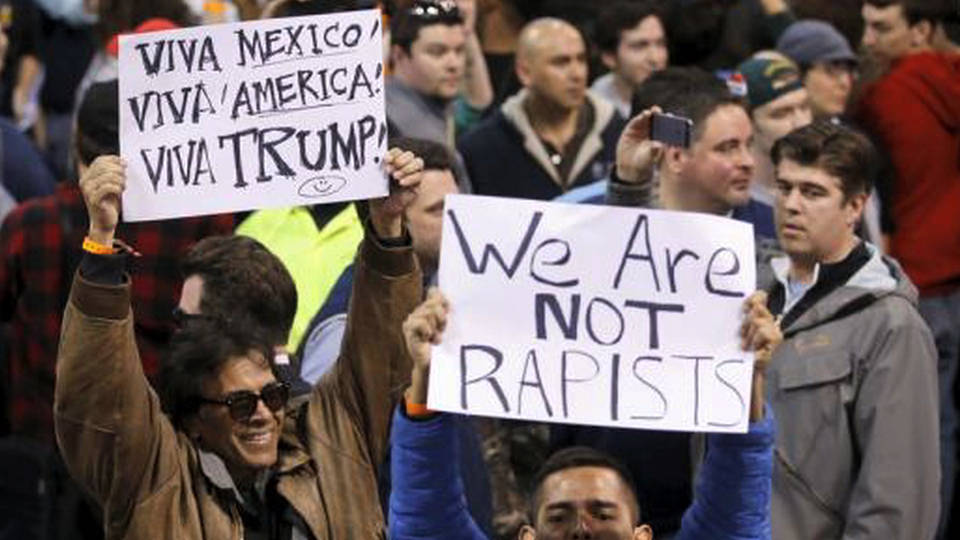
Republican presidential front-runner Donald Trump was forced to cancel a rally at the University of Illinois at Chicago Friday after thousands of people staged anti-Trump protests inside and outside the venue. After Trump canceled the event, scuffles broke out, and five people were arrested. One Trump supporter was photographed giving a Nazi salute. Meanwhile, in St. Louis at least 31 people were arrested at a Trump rally.
TOPICS:
Chicago
Donald Trump
Trump Accuses Ohio Protester of Links to ISIS
On Saturday, a man in Dayton, Ohio, charged through a security barricade toward the stage where Trump was speaking. Trump later tweeted what appeared to be a doctored video purporting to show the protester with a gun and the backdrop of theISIS flag. Despite evidence to the contrary, Trump accused the protester of links to ISIS.
Donald Trump: "This wasn’t a guy that was looking to, you know, have a little fun. This was a guy that was looking to do harm. So the judge let him go. And then one of my people said, 'Wow!' They found his name, and it was probably ISIS or ISIS-related. Do you believe it? And then they go online—my people found this. Then they go online, and they find the guy is playing all sorts of very—let’s say music that you wouldn’t be liking, dragging an American flag along the sidewalk, making all sorts of gestures, having all sorts of things on the Internet."
The protester, Thomas DiMassimo, told police he planned to take the stage and say, "Donald Trump is a racist," in the microphone. Meanwhile, Trump has blamed supporters of Vermont Senator Bernie Sanders for the violence at his rallies. We’ll have more on the unrest after headlines.
TOPICS:
Ohio
Donald Trump
New York: Activists Phone Bank for Sanders in Zuccotti Park, Birthplace of Occupy
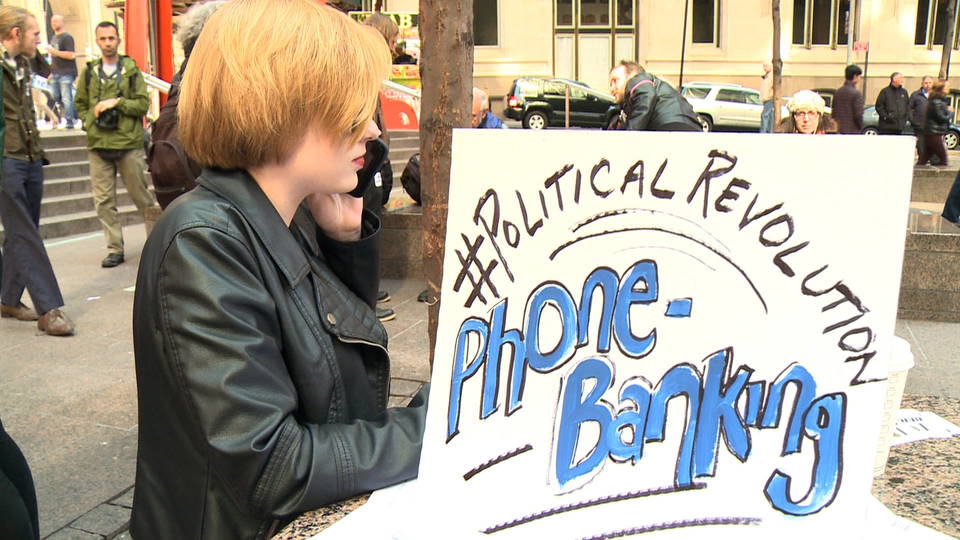
The protests at Trump’s rallies come ahead of key primaries Tuesday. On the Republican side, the key prizes are Florida and Ohio, where the winner takes all of the states’ delegates. On the Democratic side, delegates are awarded proportionally, with all eyes on Florida, Illinois and Ohio. Here in New York City, Sanders’ supporters, many of them formerly involved with Occupy Wall Street, gathered in Zuccotti Park, the birthplace of Occupy, to phone bank for Sanders. Beka Economopoulos organized the action.
Beka Economopoulos: "We were really inspired by the incredible amount of grassroots momentum and energy that’s been inspired by the Sanders campaign and its critique of Wall Street, of money in politics and a rigged economy. We wanted to extend that conversation as long as possible and engage many more people in this political revolution. So that’s what we’re doing here in Zuccotti Park."
TOPICS:
New York
Occupy Wall Street
Bernie Sanders
Clinton Apologizes for Praising Reagans' HIV/AIDS "Advocacy"
Hillary Clinton has been forced to walk back statements on former President Ronald Reagan and first lady Nancy Reagan. Speaking on MSNBC, Clinton praised the Reagans’ "low-key advocacy" about HIV/AIDS back in the 1980s.
Hillary Clinton: "And because of both President and Mrs. Reagan—in particular Mrs. Reagan—we started a national conversation, when, before, nobody would talk about it, nobody wanted to do anything about it. And, you know, that, too, is something that I really appreciate, with her very effective, low-key advocacy, but it penetrated the public conscience, and people began to say, 'Hey, we have to do something about this, too.'"
After critics noted Reagan didn’t even mention AIDS until the seventh year of his presidency, Clinton apologized for the remarks, saying she "misspoke" about their record. She credited LGBT activists with starting the national conversation aboutAIDS.
TOPICS:
Hillary Clinton
Ronald Reagan
HIV
AIDS
Clinton Asks Where Sanders was During 1990s Health Reform; Video Shows Him Right Behind Her
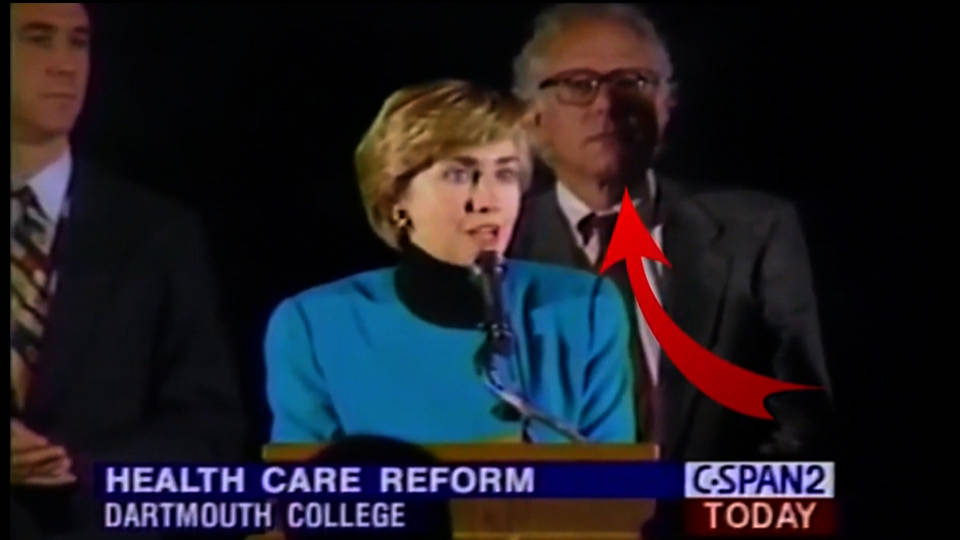
Clinton also came under attack over the weekend for criticizing rival Bernie Sanders’ record on healthcare reform in the 1990s.
Hillary Clinton: "I always get a little chuckle when I hear my opponent talking about doing it. Well, I don’t know where he was when I was trying to get healthcare in ’93 and ’94."
Sanders’ supporters were quick to highlight archival footage showing Sanders standing right behind Clinton during an address on healthcare reform in 1993.
TOPICS:
Hillary Clinton
Healthcare
Bernie Sanders
Turkey: Car Bomb Attack Kills 37 in Capital Ankara
In the Turkish capital Ankara, a car bomb attack has killed 37 people, marking the second such attack in the capital in less than a month. No one has taken responsibility for the bombing, but unnamed officials alleged one of the bombers was a female member of the Kurdistan Workers’ Party, or PKK. Turkey has vowed a crackdown, launching airstrikes targeting Kurdish rebels in northern Iraq, imposing curfews in majority-Kurdish towns and arresting at least 36 people.
TOPICS:
Turkey
Ivory Coast: 16 Killed in Militant Attack on Beach Resort
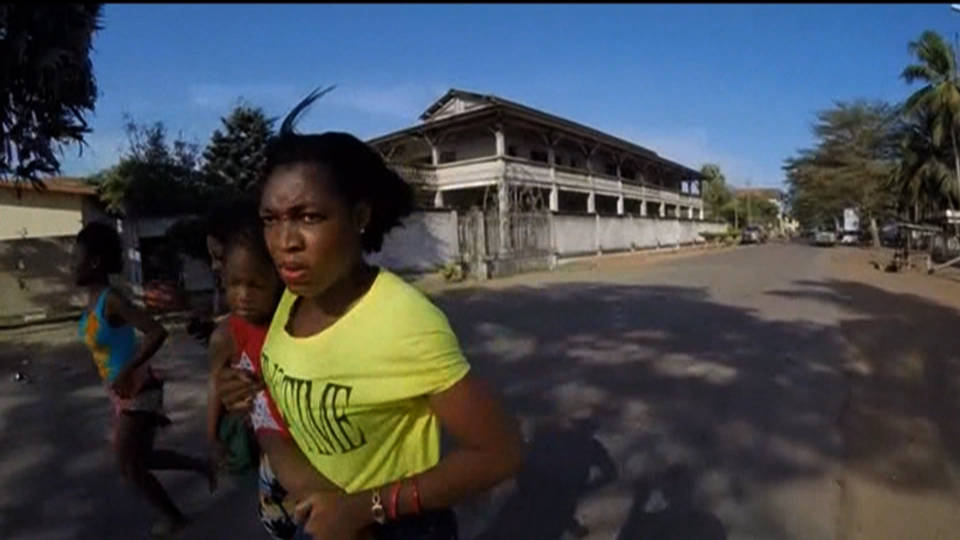
In the West African nation of Ivory Coast, militants attacked a beach resort in the south, killing at least 16 people, a number of them foreigners. Al-Qaeda in the Islamic Maghreb has claimed responsibility for the attack.
TOPICS:
Ivory Coast
Refugees Stranded Along Greek-Macedonian Border Stage Protest
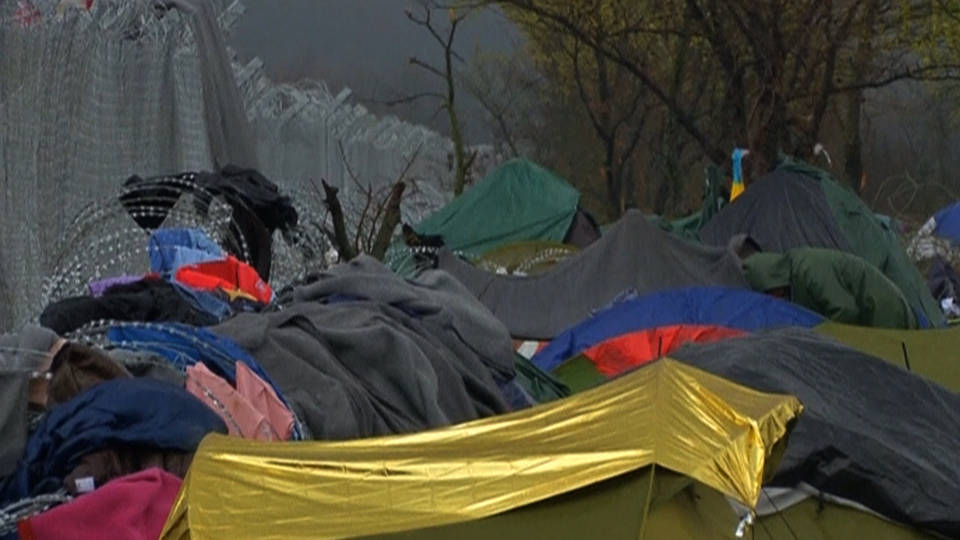
Refugees stranded on the Greek-Macedonian border staged a protest after countries along the Balkan route have closed their borders. About 12,000 people are living in a makeshift tent camp that was drenched with rain over the weekend. The refugees chanted "Merkel, Merkel," calling for German Chancellor Angela Merkel to pressure other countries to open their borders.
TOPICS:
Refugees
Greece
Germany
Germany: Anti-Refugee Party Surges in Regional Elections
Back in Germany, German Chancellor Angela Merkel faced a major setback as an anti-refugee party made historic gains in elections, entering state parliament in all three regions that voted. The elections were seen as a rebuke of Merkel’s policies allowing more than 1 million refugees to enter Germany in the past year.
TOPICS:
Germany
Refugees
Israeli Airstrikes Kill 2 Palestinian Children in Gaza
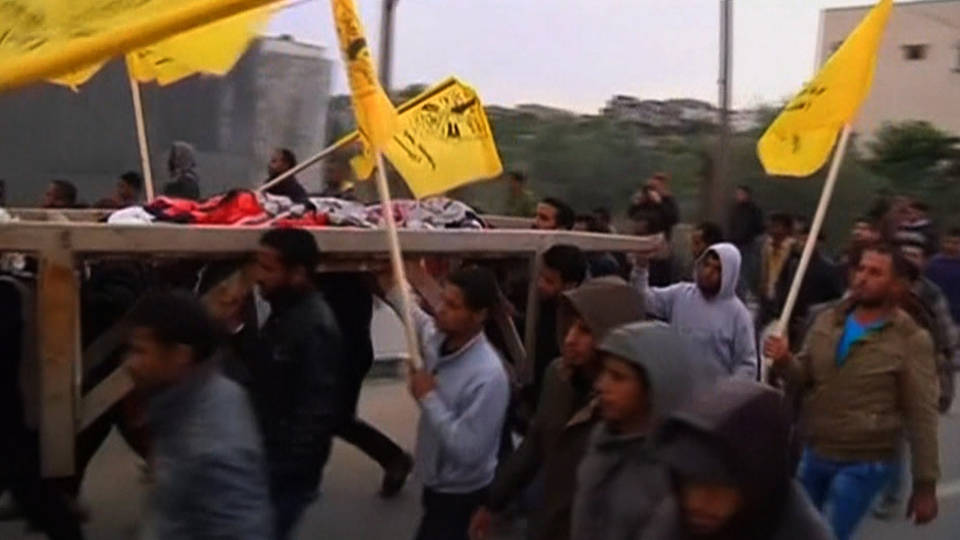
Israeli airstrikes in Gaza have killed two Palestinian children—a 10-year-old boy and his six-year-old sister. Palestinian officials said Yassin Abu Khoussa was killed by shrapnel as he slept; his sister died in a hospital. The strikes came after Israel accused Palestinian militants of firing rockets toward Israeli communities.
TOPICS:
Israel
Israel & Palestine
Gaza
Okinawa: U.S. Soldier Arrested in Alleged Rape of Japanese Tourist
Police on the Japanese island of Okinawa have arrested a U.S. Navy seaman accused of raping a Japanese tourist as she slept at her hotel. Past allegations of sexual assault have been at the center of protests over the presence of U.S. troops and planned construction of a new U.S. military base in Okinawa. Earlier this month, the Japanese government agreed to halt construction on the new base and resume talks with local authorities who oppose it.
TOPICS:
Japan
Rape
Brazil: Over 1 Million Rally Against President Dilma Rousseff
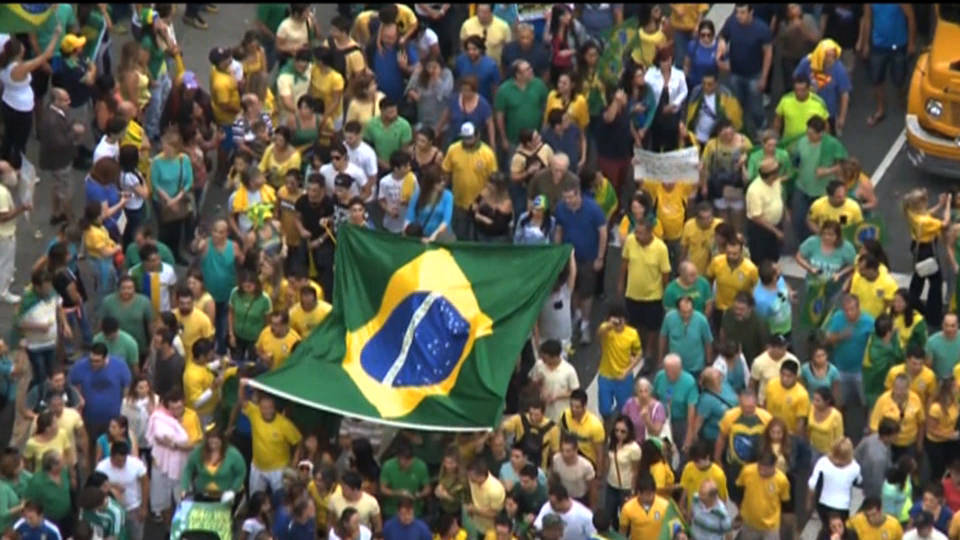
In Brazil, more than a million people have rallied to call for the impeachment of President Dilma Rousseff amid an economic crisis and corruption scandal. A polling firm said a record half-million people rallied in São Paulo alone, while estimates by military police, who have been accused of inflating numbers in the past, put the nationwide turnout at about 3.5 million. Rousseff’s Workers’ Party predecessor, former President Luiz Inácio Lula da Silva, has been charged with money laundering.
TOPICS:
Brazil
Peru: Thousands Protest as Daughter of Imprisoned Ex-President Leads in Presidential Race
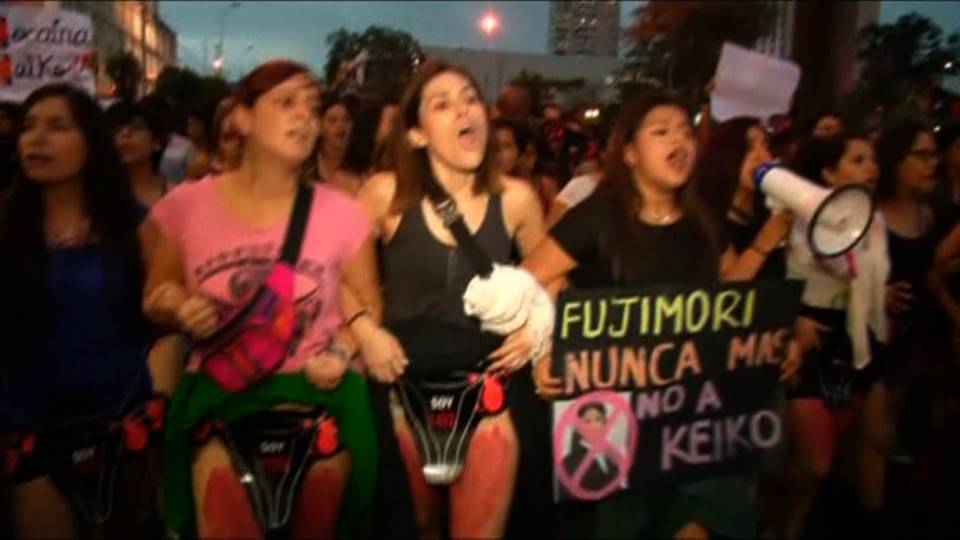
In other news from South America, former Congressmember Keiko Fujimori has increased her lead in Peru’s presidential race after two rivals were disqualified from running. She is the daughter of former right-wing Peruvian President Alberto Fujimori, now in prison for crimes including ordering death squads to carry out massacres. On Friday, thousands marched against Keiko Fujimori’s bid ahead of first-round voting on April 10.
Gisela Ortiz: "She was complicit in a dictatorship in which human rights were violated, in which women were sterilized, in which a series of corruption crimes were committed in our country."
TOPICS:
Peru
Alabama: Warden and Guard Injured in Prison Riot
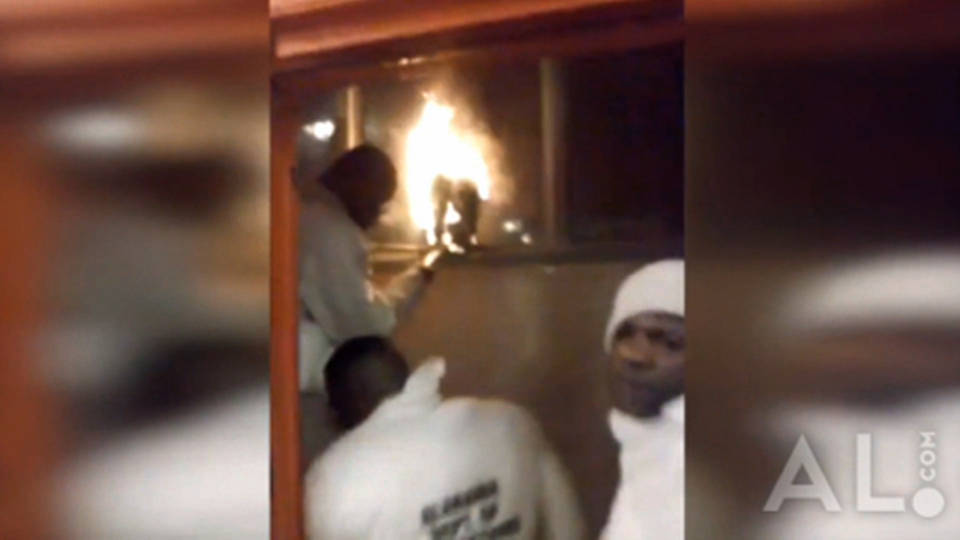
In Alabama, prisoners staged an uprising at the William C. Holman Correctional Facility, stabbing and wounding a warden and a guard, and setting at least one fire. The riot comes amid long-standing complaints about overcrowding in Alabama’s prisons, which currently hold nearly twice as many prisoners as they are designed to contain.
TOPICS:
Alabama
Prison
Obama Poised to Name Supreme Court Pick After Narrowing List to 3
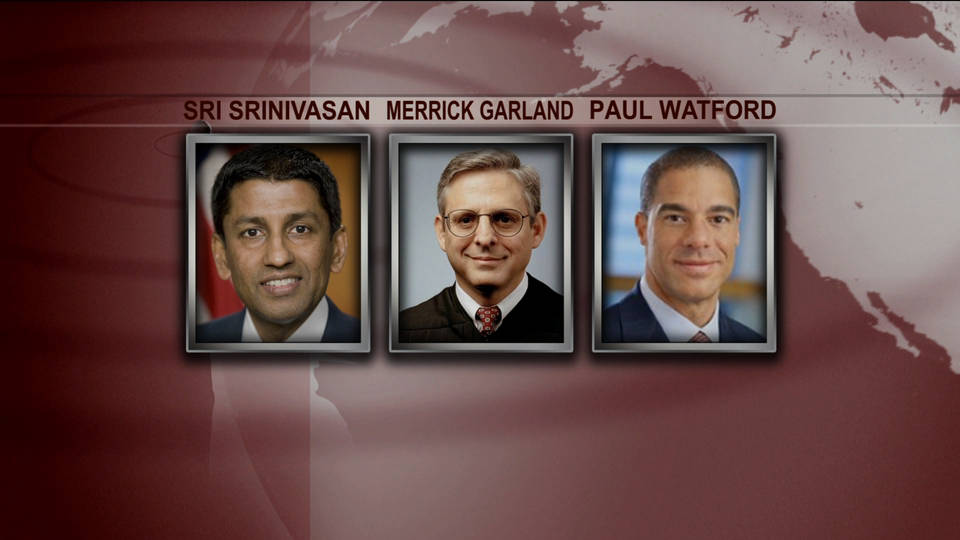
President Obama has narrowed his list of potential Supreme Court nominees to three names and could announce a pick to replace the late Justice Antonin Scalia as early as this week. The three finalists are federal appeals court judges Sri Srinivasan, Merrick Garland and Paul Watford, all of whom are men. Srinivasan was confirmed to his current appeals court post by a unanimous Senate vote of 97 to 0. He would be the first Asian American and first Hindu on the court.
TOPICS:
Supreme Court
Obama
February Smashed Monthly Temperature Records in Climate "Shocker"
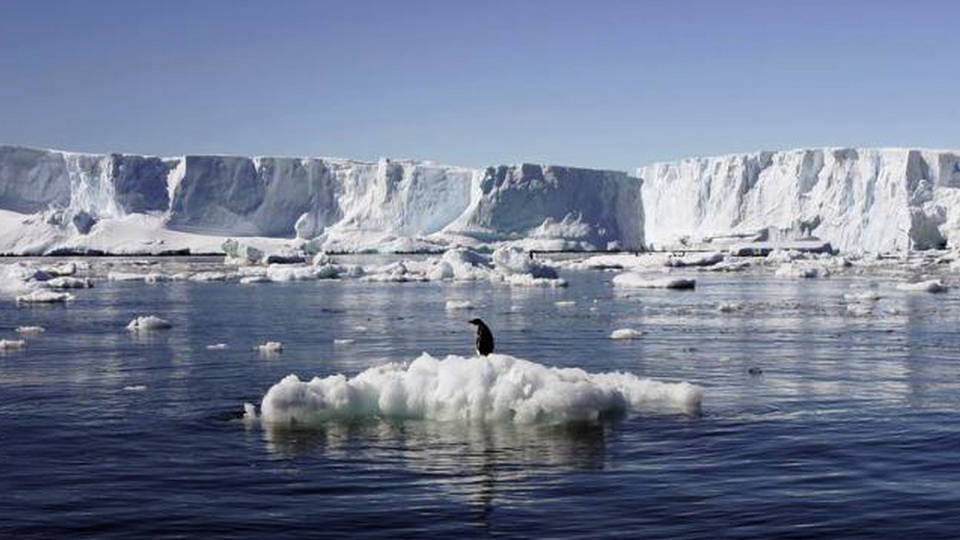
New data from NASA shows global temperatures last month smashed previous monthly records, making February the warmest seasonally adjusted month in more than a century of recordkeeping. Meteorologists Jeff Masters and Bob Henson called the report a "bombshell ... a true shocker."
TOPICS:
Climate Change
Journalist, Media Critic Ben Bagdikian Dies at 96
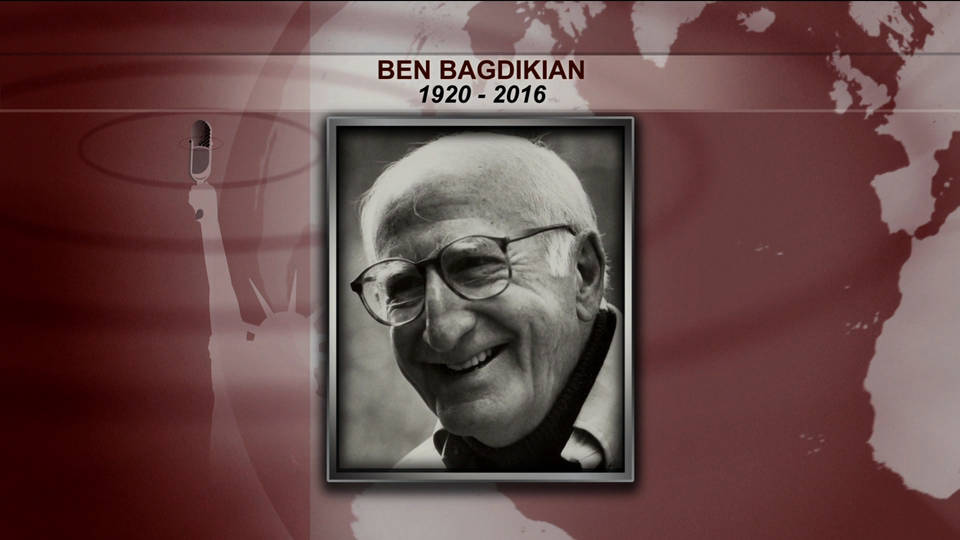
And the investigative journalist, media critic, editor and educator Ben Bagdikian has died at the age of 96. Bagdikian wrote the 1983 book "The Media Monopoly," about how the consolidation of media outlets by a small number of corporate owners threatened free expression and independent journalism. In 1971, as an editor at The Washington Post, Bagdikian received the Pentagon Papers from whistleblower Daniel Ellsberg and transferred them to Alaska Senator Mike Gravel, who entered them into the Congressional Record. Speaking in 2007, Gravel told the story of how Bagdikian gave him the top-secret documents, which exposed the true history of U.S. involvement in Vietnam.
Mike Gravel: "And Bagdikian had this plan. We’re going to meet someplace out in the country, you know, Rock Creek Park in a dark—I say, 'Wait a second, Ben. I've got to tell you. I’ve got a little more experience in this than you have. What we’re going to do, here’s how we’re going to transfer the papers: You’re going to come at 12:00 at night under the marquee of the Mayflower Hotel in Washington, D.C. At 12:00 you park your car there. I will come up with my car. You’ll open your trunk. I’ll open my trunk. And I’ll pop the papers in, and I’ll race off. That’s the way we’ll do it, before God and country, and they won’t even know what happened.’"
Former Alaska Senator Mike Gravel speaking about Ben Bagdikian. To hear the whole story of how Gravel received the Pentagon Papers, go to democracynow.org. Ben Bagdikian died at home in Berkeley, California, on Friday at the age of 96.
Donate today:
Follow:


WEB EXCLUSIVE

Occupy Activists Return to Zuccotti to Phone Bank for Sanders, Sparking Debate over Political Role
WEB EXCLUSIVE

The Life and Legacy of Berta Cáceres
WORK WITH DN!

Broadcast Engineer
Director of Finance and Operations
Director of Development
---------------------
207 West 25th Street, 11th Floor
New York, New York 10001, United States
---------------------
---------------------

No comments:
Post a Comment