democracynow.org
Stories:

Remembering Berta Cáceres, Assassinated Honduras Indigenous & Environmental Leader
Honduran indigenous and environmental organizer Berta Cáceres has been assassinated in her home in Honduras. She was one of the leading organizers for indigenous land rights in Honduras. In 1993, she co-founded the National Council of Popular and Indigenous Organizations of Honduras, or COPINH. For years, the group faced death threats and repression as they stood up to mining and dam projects that threatened to destroy their community. Last year, Cáceres won the Goldman Environmental Prize, the world’s leading environmental award. We hear Cáceres in her own words and speak to her nephew, Silvio Carrillo, and her longtime friend Beverly Bell.
TRANSCRIPT
This is a rush transcript. Copy may not be in its final form.
JUAN GONZÁLEZ: Honduran indigenous and environmental organizer Berta Cáceres has been assassinated in her home. She was one of the leading organizers for indigenous land rights in Honduras. In 1993, she co-founded the National Council of Popular and Indigenous Organizations of Honduras, or COPINH. For years, the group faced death threats and repression as they stood up to mining and dam projects that threatened to destroy their community. Last year, Cáceres won the Goldman Environmental Prize, the world’s leading environmental award. In a video released by the foundation, she described how she helped organize indigenous communities in Honduras to resist a hydro dam on the Gualcarque River because it could destroy their water supply.
BERTA CÁCERES: [translated] In more than 150 indigenous assemblies, our community decided that it did not want that hydroelectric dam.
ROBERT REDFORD: Berta filed complaints with the Honduran government and organized peaceful protests in the nation’s capital. As her visibility increased, she became a target for the government.
BERTA CÁCERES: [translated] We denounced this dam and were threatened with smear campaigns, imprisonment and murder. But nobody heard our voices—until we set up a roadblock to take back control of our territory.
ROBERT REDFORD: For well over a year, the Lenca maintained the roadblock, with standing harassment and violent attacks. Tragically, Río Blanco community leader Tomás García was shot by the Honduran military at a peaceful protest.
BERTA CÁCERES: [translated] Seeing these men murdered, the community became indignant, forcing a confrontation. The company was told that they had to get out.
PROTESTER: [translated] We have 500 people here, and we are Río Blanco comrades. We will defend Río Blanco, and we will not let them pass.
BERTA CÁCERES: [translated] And that is how Sinohydro left Río Blanco. But it cost us in blood.
AMY GOODMAN: That was a profile of 2015 Goldman Environmental Prize winner Berta Cáceres. It was narrated by Robert Redford. In accepting the award, Cáceres vowed to continue standing up for the rights for Mother Earth and indigenous communities.
BERTA CÁCERES: [translated] In our worldviews, we are beings who come from the Earth, from the water and from corn. The Lenca people are ancestral guardians of the rivers, in turn protected by the spirits of young girls, who teach us that giving our lives in various ways for the protection of the rivers is giving our lives for the well-being of humanity and of this planet. COPINH, walking alongside people struggling for their emancipation, validates this commitment to continue protecting our waters, the rivers, our shared resources and nature in general, as well as our rights as a people.
Let us wake up! Let us wake up, humankind! We’re out of time. We must shake our conscience free of the rapacious capitalism, racism and patriarchy that will only assure our own self-destruction. The Gualcarque River has called upon us, as have other gravely threatened rivers. We must answer their call. Our Mother Earth, militarized, fenced-in, poisoned, a place where basic rights are systematically violated, demands that we take action. Let us build societies that are able to coexist in a dignified way, in a way that protects life. Let us come together and remain hopeful as we defend and care for the blood of this Earth and of its spirits.
I dedicate this award to all the rebels out there, to my mother, to the Lenca people, to Río Blanco and to the martyrs who gave their lives in the struggle to defend our natural resources. Thank you very much.
JUAN GONZÁLEZ: That was Berta Cáceres speaking less than a year ago when she received the Goldman Environmental Prize. She was gunned down in her home in La Esperanza in Honduras early on Thursday. La Esperanza means "hope" in Spanish.
Today, protests demanding justice for Cáceres are scheduled from Washington, D.C., to Tegucigalpa, Honduras. On Thursday, the Goldman Environmental Foundation released a statement that read in part, quote, "We mourn the loss of an inspirational leader, and will honor her life’s work by continuing to highlight the courageous work of Goldman Prize winners like Berta. She built an incredible community of grassroots activists in Honduras, who will carry on the campaign she fought and died for."
Meanwhile, Democratic Senator Patrick Leahy of Vermont called Cáceres’s death a "great loss for the people of Honduras" and warned that the Honduran government’s inability to protect her would, quote, "weigh heavily" on future U.S. aid to Central America—to that Central American country.
AMY GOODMAN: Last year, a report by the group Global Witness found that Honduras is one of the deadliest countries for environmentalists. According to the report, at least two people working to save the environment were killed each week in 2014. In total, the group Global Witness documented the murders of at least 116 environmental activists last year. Three-quarters of them were killed in Central and South America.
For more, we’re going to San Francisco, where we’re joined by Berta Cáceres’s nephew, Silvio Carrillo. He is a freelance video journalist in the Bay Area. And in Albuquerque, New Mexico, we’re joined by Beverly Bell, longtime friend and colleague of Berta. She’s currently the coordinator of Other Worlds, a social and economic justice organization.
We welcome you both to Democracy Now! Silvio, our condolences. We are so utterly devastated by the death of your aunt. I know you are flying down to Honduras. Thank you for staying for this conversation. Can you talk about your—can you talk about Berta’s significance and what she was trying to do in her life?
SILVIO CARRILLO: Well, that’s—that’s a big ask. She was trying to do many things in her life. She was trying to be a mother, be a daughter, be an aunt, be a human being, respect human beings. And this is what she did every day for the indigenous people of Honduras and across Latin America. I mean, she helped coordinate indigenous solidarity networks throughout Latin America and around the world. In fact, she was always asked to speak around the world. Many people knew her throughout the world. And if you look on social media, there’s reactions from everywhere. Berta was always on the go. And, you know, she—and so now we have to be on the go. This is how it is, and she knew this was how this was going to end.
JUAN GONZÁLEZ: And, Beverly Bell, the importance of her work and the role of the Honduran government in—the current government that exists in Honduras?
BEVERLY BELL: There’s no way to overstate the importance of Berta’s work. She was working very closely, actually, with the democratically elected President Mel Zelaya to work to, quote, "refound" democracy. And she was doing this in the same way that Berta did everything, which was through grassroots mobilization of workers, of women, of, significantly, indigenous people and campesinos, which is the population that was represented in the organization that she founded some 20 years ago. She was working for a wholly new form of governance in Honduras, not just a new government, but a new system whereby people had the say and the riches of the country went to benefit them instead of the tiny elite.
And it was for this, actually, that Mel Zelaya, who was very close to those demanding land reform and these rights and this refounding, as they called it, of democracy—it was in large part for this that he was ousted—and, I must add, with the very, very close help of the U.S. government. And Berta continued to work for that change for true participatory democracy that empowered women, that empowered LGBQ individuals, that empowered those who have always been left on the margins, excluded from political processes and from economic benefits. And it was for that reason, in part, that she was assassinated by the government and by the—
AMY GOODMAN: In 2013—
BEVERLY BELL: —no doubt, with the backing of the transnational corporations that she and the group that she ran were opposing.
AMY GOODMAN: In 2013, Berta Cáceres spoke to Democracy Now!
BERTA CÁCERES: [translated] The population today, those who have been in resistance who are from the LIBRE party, are challenging the repressive apparatus, with the absence of the construction of real power from the communities, but now these people are voting enthusiastically for the LIBRE party, that we hope will be distinct from the other political parties. This scenario is playing out in all the regions of Honduras—in Zacate Grande, Garifuna communities, campesino sectors, women, feminists, artists, journalists and indigenous communities. We all know how these people have been hard hit, especially the journalists, LGBTQ community and indigenous communities. This is all part of what they’ve done to create a climate of fear. Here, there’s a policy of the state to instill terror and political persecution. This is to punish the Honduran people so that people don’t opt for the other way and look for changes to the political economic situation and the militarization.
AMY GOODMAN: That was Berta Cáceres in 2013, interviewed by Andalusia Knoll. Silvio Carrillo, you covered, for Al Jazeera, the coup in 2009 in Honduras. And talk about how what happened then, the ouster of the democratically elected leader, Zelaya, the president—how that has set the tone for what’s happening, the murders that are taking place today in Honduras.
SILVIO CARRILLO: Well, it set a precedent for chaos, that the U.S. was, apparently, very willing to accept. They didn’t like Zelaya—they thought he was too allied with Chávez—and didn’t overly support the coup, but did not denounce it, either. I mean, Barack Obama was asked about it in the White House, and he says, "This coup is not legal." Well, of course it’s not legal. No coup is legal. That’s the whole—that’s by definition. That’s what a coup is. It is illegal. And they did nothing to help the situation in Honduras. The Congress was hemming and hawing. Hillary Clinton’s spokesperson, the State Department spokespersons were—didn’t even know what to say. It was an embarrassment. And they were barely—they weren’t even called out on it. And it was a shameful, shameful exhibition by the U.S.
And in Honduras, on the ground, it was complete chaos when Zelaya tried to fly back in. I was there when the military shot a boy in the head. They killed him. And I followed the family back to their hometown, where they buried him and where they mourned their loss. And there was no justice for the boy. They never figured out who shot him. But we—I mean, it was quite clear it was a military gun that fired the bullet that went into his head. The autopsy for the boy was conducted by the government officials, and no one was there to oversee that, just like Berta’s autopsy last night. There was a request from the family to have an independent forensics expert there, and they denied it. So you know, it’s just a culture of obfuscation when these things happen. And that’s what’s going to—sadly, that’s what it’s going to continue to be.
JUAN GONZÁLEZ: And, Beverly Bell, we only have about a minute or so left. There was a group of gunmen, supposedly, that broke into her home and killed her. And initial reports from the police was that it was probably robbery. Your sense of whether this was a definitely targeted assassination that was occurring here?
BEVERLY BELL: This was a targeted assassination. Berta Cáceres received so many death threats, it would be impossible to count them. She lived under constant knowledge, as her nephew said, that she would be assassinated. We all knew it. I began writing her eulogy several years ago. This is not a woman who was to die of old age. She was absolutely assassinated.
And I would like to point out that the single witness to the crime, Gustavo Castro, from Chiapas, Mexico, continues to be held by the government. I just spoke to his wife a few moments ago, and they have not yet released him, they say, for questioning now, more than 24 hours later. So this is a tremendous concern that this man be allowed to leave and to go back home safely to Mexico.
AMY GOODMAN: You mentioned the coup, Silvio. We just have 20 seconds. But at the time, Hillary Clinton was the secretary of state and was very involved in what was happening in Honduras.
BEVERLY BELL: Well, you know, I don’t know what she was involved in. She was involved in—you know, Lanny Davis was also involved in getting payments from the Honduran government, and he’s very closely allied to Hillary Clinton. This is why this was never a clear-cut—it was never called an outright putsch, to say—for them to say it was a coup. And they backed off of that. And they didn’t know what to do. It was a very confusing situation for them. But I think it’s pretty clear now, in hindsight, what they should have done.
AMY GOODMAN: Well, I want to thank you both for being with us, Silvio Carrillo, the nephew of—the nephew, and Beverly Bell, the close friend of Berta Cáceres. ... Read More →

Is Donald Trump the Charismatic Leader the KKK & Neo-Nazis Have Been Waiting For?
After initially refusing to condemn an endorsement from former KKK leader David Duke, Donald Trump has faced a series of questions about why his campaign has been so embraced by Neo-Nazis and Klansmen. We speak to Brian Levin, director of the Center for the Study of Hate and Extremism at California State University in San Bernardino. Levin talks about encountering Trump supporters at a recent rally held by a chapter of the Klan in Anaheim known as the Loyal White Knights, or LWK.
TRANSCRIPT
This is a rush transcript. Copy may not be in its final form.
AMY GOODMAN: Can we get your response, Brian Levin, to what you watched last night in Detroit, the Republican debate, the 11th, I think it was, now down to the four candidates vying to be the Republican presidential candidate nominee?
BRIAN LEVIN: What I found disturbing was that with all the rhetoric coming from Republicans of goodwill—if you listen to, for instance, George W. Bush when he visited a mosque after 9/11, John McCain when he was on the campaign trail and Arabicphobic comments were made, even a speaker of the House tried to say, "Look, we have to put a line in the sand with regard to white nationalists, Klansmen, neo-Nazis." It was a footnote. It started and said, "Would you disavow."
And what I think needed to be done was something by all the candidates, not to retreat from their positions—we’re a nonpartisan center—but to say, "There is a line that we draw, and that line is against white supremacists, white nationalists and neo-Nazis," because I have not seen, in the decade that I’ve been researching this, a successful mainstream candidate having the endorsement of a virtual who’s who of Klansmen, white nationalists and others. We’re talking about not just people like David Duke, but folks from the Loyal White Knights, Infostormer, Daily Stormer, Stormfront. It is a tidal wave of support.
And it is because there are not policy messages that appeal to the white supremacists and white nationalists, but rather the xenophobic and racist tones, where Mexicans are labeled as criminals, and Muslims are broadbrushed to an extent that they not only should be excluded from coming into the country, but this not even dog whistle that there should be some sociopolitical exclusion of Muslims. This is a terrible time for the party of Lincoln.
AMY GOODMAN: We’re going to break, come back, and I’m going to ask you about your attendance at a Klan rally and what the members had to say about Donald Trump. We’re talking to Brian Levin, director of the Center for the Study of Hate and Extremism at California State University in San Bernardino, and Lester Spence. He has a new book out; it’s called Knocking the Hustle. Stay with us.
[break]
AMY GOODMAN: "900 Miles," performed by Barbara Dane. This is Democracy Now!, democracynow.org, The War and Peace Report. We’re going to turn right now to last Saturday, a Klan rally, a chapter of the Klan in Anaheim known as the Loyal White Knights, or LWK. Dozens of counterprotesters also showed up, when a fight broke out. Brian Levin, you actually stepped in to shield Klan leader Bill Quigg from being assaulted. For our radio viewers, we’re showing scenes of the melee. You can go to democracynow.org for a link. After things calmed down a bit, Brian spoke to some of the Loyal White Knights.
BRIAN LEVIN: What are you trying to rally today for, sir?
LOYAL WHITE KNIGHT 1: White lives matter. I mean, everyone’s—ah, I got some broken ribs.
BRIAN LEVIN: Sure.
LOYAL WHITE KNIGHT 1: Everybody’s on Black Lives Matter and all that. They’re [inaudible]—
BRIAN LEVIN: But what about the Klan’s history hate. Can you see why people would be upset?
LOYAL WHITE KNIGHT 1: We’re not the old Klan.
BRIAN LEVIN: Do you have a candidate that you like? Do you have a presidential candidate that you like?
LOYAL WHITE KNIGHT 2: I’d say voting for Trump.
UNIDENTIFIED: Voting for Trump, sir?
LOYAL WHITE KNIGHT 2: Trump.
UNIDENTIFIED: Trump.
AMY GOODMAN: This is Democracy Now! I’m Amy Goodman, with Juan González. And, Brian Levin, you’re director of the Center for the Study of Hate and Extremism at California State University at San Bernardino. Explain what was taking place.
BRIAN LEVIN: Well, the Loyal White Knights, which has had significant growth nationally last year—the Klan only has about maybe 4,500 to 5,500 members nationwide, a far cry from the four-and-a half to 5 million in the 1920s, when future President Harry Truman, future Supreme Court Justice Hugo Black and the governor of Indiana were members and you really had to get a Klan endorsement to win a political position. Now they’re very small. I think they have just somewhat more than a handful in their chapter. But Klan—the Klan nationally has grown. In California, their minuscule.
Nevertheless, all hell broke loose when about a half a dozen Klansmen tried to get out of their vehicle. And they were set upon with wooden planks, metal rods, fists, feet. And when the vehicle moved away, there were three Klansmen left. Two near me were just brutally set upon by a mob, and I interceded with my outstretched hand and my iPhone as a camera and said, "Do not hurt this gentleman. Do not hurt this gentleman."
That being said, Mr. Quigg, this grand dragon—grand dragon is the leader of a state chapter, the realm, the California realm, and we’re talking very small number of people here—was getting kicked in the head, was getting attacked. He is a reprehensible person, who believes Hitler is a great person and that the Holocaust didn’t happen and that white Christians are God’s chosen people and that the concentration camps had swimming pools and luxuries. This is the kind of person we’re talking about. He does not—he believes that there is a white genocide going on. He also believes that illegal immigration of Mexicans is taking our country into a tailspin and that Muslims are encroaching on America and destroying it.
AMY GOODMAN: So what did he have to say about Donald Trump?
BRIAN LEVIN: Well, interestingly enough, his lieutenant spoke effusively about Donald Trump. He was much more cagey, because he had effusive, over-the-top tweet back in September saying how all Americans should support Donald Trump. This time, he joked, "Hillary Clinton," and then he said he’s undecided. He’s not undecided. He’s been quite vocal in his support for Mr. Trump, which I think gives Mr. Trump an opportunity not just to grudgingly say, "How many times do I have to disavow?" but to say what does America mean to him, what does diversity mean to him, and what do the people of goodwill in the Republican Party, who have just totally spoken against bigotry, root and branch—even Ronald Reagan, when running for president and had the Klan endorsement, was quite clear. And so, what I’m worried about is not how many disavowals he gives, but more the authenticity of his rejection of it. And it doesn’t appear genuine, and it doesn’t appear deep.
JUAN GONZÁLEZ: Well, but as you say, the Klan is a relatively minor organization now compared to what—its strength decades ago. And you mentioned several other hate groups, as well, all of which are on, you could say, the extreme fringe of white nationalism here in the United States. What about the masses of people that are voting for Trump? How do you think that the positions and the viewpoints of these extreme groups are affecting or reflecting a broader movement, right-wing movement in the country that has—a white nationalist movement that has lined up behind Trump?
BRIAN LEVIN: That is a great question. Look, white supremacists are showing up to his rallies. In the past, you would never see that. Matt Heimbach, who’s a virulent bigot, was involved in physically manhandling an African-American female protester at one of his rallies. In Alabama, there was a white power salute. Somebody like Mr. Trump should say, "Wait a minute. Stop. I have policy positions, but let me make it clear that bigotry is unacceptable." And that really has not been done.
And if I may, one of the things that the white nationalists, white supremacists, the neo-Nazi movement has lacked has been a charismatic leader. And what I’m saying to you, I’m not saying that Mr. Trump is a neo-Nazi, but they view him as a celebrity brand mouthpiece who is parroting what they’re saying. And the kinds of rhetoric that we see on these hate sites are being retransmitted into the mainstream. There is a problem when 40 percent or more of Republicans believe that President Obama is a Muslim or that Muslims are a threat.
There really is a need for a leader in the Republican Party who can still take their partisan policy positions—we’re a nonpartisan organization—but what they have to do is disentangle the bigotry that comes with it, this xenophobia, this derision towards Latinos and this broadbrushing of Muslims as some kind of horrible threat. This is a—this is just a terrible time for the Republican Party. And I know Republican people of goodwill, people like Lindsey Graham who have made statements. We had George Bush the elder sign the Hate Crimes Statistics Act and make statements against hate. It is a terrible time, and I am hoping that the forces of good within the Republican Party, who may have their conservative policy positions on affirmative action and national security, speak out, because what this is doing, it is inflaming and amplifying this fear and anger that exists with a very significant part of the Republican Party that is slipping through the thin ice of bigotry. And we can’t have that for a party with this kind of tradition.
JUAN GONZÁLEZ: I wanted to ask Lester Spence, this whole issue of the white supremacist movement and white nationalism being such a key force pressing among the supporters of Donald Trump, how do you respond to that? And also, how do you sense, in terms of the African-American community, this is being received?
LESTER SPENCE: So, I think that what Brother Levin says is actually right. This is something that we should be really scared of, and we should actually be a lot more forceful in articulating it, about as forceful as we are on climate change. What this reflects is kind of a political climate change. With that said, it’s important to note that Ronald Reagan began his political—his 1980 presidential campaign in Philadelphia, Mississippi, or right outside of it. The only historical significance of Philadelphia, Mississippi, was that it was the home—it was the site of the brutal murder of civil rights workers. And he, at that announcement, argued strongly for states’ rights. So, while we can—
AMY GOODMAN: The killing of Schwerner, Chaney and Goodman.
LESTER SPENCE: Yeah, that’s right. So, while we can say that Trump represents an outlier, he’s very well within the kind of the mainstream Republican Party, who’s had to be—who’s had to—in chasing the Republican or the conservative white rural voter, have become more and more and more extreme. Trump is just the outlier. We should be really, really deeply concerned. But he reflects just the general tendency. He’s not some crazy person—well, kind of crazy in that he’s talking about his penis on a debate, but, I mean, he’s not as extreme as we’re positing him to be, first.
Second, I think black voters, one of the reasons—a lot of people have been kind of questioning: Why are black voters supporting Hillary Clinton over Bernie Sanders? There are a lot—there’s a lot of really, really interesting stuff going on there. Cedric Johnson hits this stuff in a really good Jacobin piece. But one of the things is—one of the things that could be driving some of the voters is, they’re seeing Trump, and they’re frightened. Right? And they kind of should be. And then the question is like, OK, which of these people can actually—actually has the best opportunity to take Trump out and to be kind of a sane governor? And they’re making a decision for Hillary Clinton. So—
AMY GOODMAN: Although some polls indicated that in a matchup, Bernie Sanders would be the one who would beat Donald Trump.
LESTER SPENCE: Oh, yeah, yeah. That’s absolutely right. But, you know, I’m willing to bet that they’re still—you know, separate from the polls, that’s the type of distinction they’re making.
AMY GOODMAN: Let’s go to this clip, very interesting, Super Tuesday night CNN coverage. Analysts Van Jones and Jeffrey Lord, who is a Trump supporter, clashed over Donald Trump’s hedging around David Duke’s endorsement.
VAN JONES: He is whipping up and tapping into and pushing buttons that are very, very frightening to me and frightening to a lot of people. Number one, when he is playing funny with the Klan, that is not cool.
JEFFREY LORD: He didn’t play funny with the Klan.
VAN JONES: Hold on, hold on a second. I know this man when he gets passionate about terrorism. I know how he talks about terrorism. The Klan is a terrorist organization that has killed—
JEFFREY LORD: A leftist terrorist organization.
VAN JONES: You could put whatever label you want to on it. That’s your game to play.
JEFFREY LORD: No, it’s an important—it’s important history.
VAN JONES: But—no, that’s your game to play.
JEFFREY LORD: It’s history.
VAN JONES: No, they’re not labeled—we’re not going to play that game. Not going to play that game.
JEFFREY LORD: We are going to understand history.
VAN JONES: No, no, no, no. You need to take a serious look at the fact that this man has—is playing fast and loose and footsie. When you talk about terrorism, he gets passionate. He says, "No, this is wrong." But when you talk about the Klan, "Oh, I don’t know, I don’t know." That’s wrong. And then you came on the air, and you said, "Well, this is just like when Reverend Wright was speaking."
JEFFREY LORD: Yeah, yeah.
VAN JONES: Reverend Wright never lynched anybody, Reverend Wright never killed anybody.
JEFFREY LORD: Reverend Wright is—Reverend Wright is an anti-Semite.
VAN JONES: Reverend Wright—no, hold on a second. Reverend Wright never put anybody on a post. And you guys play these word games, and it’s wrong to do in America.
JEFFREY LORD: It is wrong to—
VAN JONES: It is wrong to do.
JUAN GONZÁLEZ: Those were analysts Van Jones of CNN and also Jeffrey Lord, a Trump supporter, clashing over Donald Trump’s hedging on his support of the—of David Duke—or, of David Duke’s support of him. At last night’s debate, Donald Trump was also questioned about his clothing line.
CHRIS WALLACE: Specifically and quickly on the question: Will you promise that you will—and how soon will you—move your clothing collection, the clothes that are made in China and Mexico?
DONALD TRUMP: They devalue their currencies. I will do that. And by the way, I have been doing it more and more. But they devalue their currencies, in particular China. Mexico is doing a big number now also. Japan is unbelievable, what they’re doing. They devalue their currencies, and they make it impossible for clothing makers in this country to do clothing in this country. And if you look at what’s happened on 7th Avenue and you look at what’s happened in New York with the garment industry, so much of the clothing now comes out from Vietnam, China and other places. And it’s all because of devaluation.
JUAN GONZÁLEZ: Lester Spence, your reaction to this, especially since Trump has also been demonizing China and Mexico, as he says, eating our lunch all the time?
LESTER SPENCE: Yeah, yeah, yeah. He was flip-flopping so often, it was kind of funny. And actually, the one thing I can say about the news analysts, to give them credit, is they actually pushed him on a number of different points on his economic policy.
Going back to the—so I started talking about Detroit and Flint. Those are two large Democratic bodies with large black populations. Let’s say instead we don’t focus on Detroit. Let’s say we focus on metropolitan Detroiters. And if you look at the audience, I saw a couple of black faces, but I’m presuming most of the people in the audience were outside of Detroit, in the surrounding suburbs. They could have easily talked about labor, right? To the extent they talked about labor, a lot of those folk in the suburbs, they’re producing more and more, their wages are flatlining, right? Every time—to the extent they talked about policy, whether it’s foreign trade or the IRS stuff, all this stuff was like repeats of the 1980s, that we know don’t work. Right? How can you, with a straight face, say we should, on the one hand, abolish the IRS and then, secondarily, send a massive military presence into the Middle East? How can we actually do that and be sane?
This is the stuff—so when I say it was like pulling teeth watching the—and I had to do it, because you guys asked me. I’m only going to do that because you guys asked me. But it was like, what are we doing? So, when we talk about Trump as if he’s the outlier, what we have to do is be really, really hardline and say, "No, this is the tendency. This is what the Republican Party is."... Read More →

As Romney Warns Trump Will Lead U.S. into Abyss, Challengers Vow to Back Trump If He's GOP Nominee
In an extraordinary day for the Republican Party, the GOP’s past two presidential nominees, Mitt Romney and John McCain, denounced Donald Trump, saying the current Republican front-runner is a danger to the nation and the party. "Donald Trump is a phony, a fraud," Romney said. "His promises are as worthless as a degree from Trump University." Hours after Mitt Romney spoke, Donald Trump came under more criticism at a debate in Detroit, but all three of his remaining challengers vowed to support him if he wins the nomination.
TRANSCRIPT
This is a rush transcript. Copy may not be in its final form.
JUAN GONZÁLEZ: In an extraordinary day for the Republican Party, the GOP’s past two presidential nominees, Mitt Romney and John McCain, denounced Donald Trump, saying the current Republican front-runner is a danger to the nation and the party. Romney spoke in Utah.
MITT ROMNEY: Let me put it very plainly: If we Republicans choose Donald Trump as our nominee, the prospects for a safe and prosperous future are greatly diminished. ... I understand the anger Americans feel today. In the past, our presidents have channeled that anger and forged it into resolve, into endurance and high purpose, and into the will to defeat the enemies of freedom. Our anger was transformed into energy directed for good. Mr. Trump is directing our anger for less than noble purposes. He creates scapegoats in Muslims and Mexican immigrants. He calls for the use of torture. He calls for killing the innocent children and family members of terrorists. He cheers assaults on protesters. He applauds the prospect of twisting the Constitution to limit First Amendment freedom of the press. This is the very brand of anger that has led other nations into the abyss. Here’s what I know: Donald Trump is a phony, a fraud. His promises are as worthless as a degree from Trump University.
AMY GOODMAN: Hours after Mitt Romney spoke, Donald Trump came under more criticism at a debate in Detroit hosted by Fox News. Florida Senator Marco Rubio also focused on Trump University, Trump’s for-profit venture now at the center of a multimillion-dollar fraud claim.
SEN. MARCO RUBIO: He’s trying to do to the American voter what he did to the people that signed up for this course: He’s making promises he has no intention of keeping. And it won’t just be $36,000 that they lose; it’s our country that’s at stake here. The future of the United States and the most important election in a generation, and he is trying to con people into giving them their vote, just like he conned these people into giving them their money.
MEGYN KELLY: Let’s just [inaudible]—
DONALD TRUMP: Let me tell you, the real con artist—excuse me, excuse me. The real con artist is Senator Marco Rubio—
SEN. MARCO RUBIO: The only con artist on this stage is Donald Trump.
DONALD TRUMP: —who was elected in Florida and who has the worst voting record in the United States Senate. He doesn’t go to vote. He’s absent.
SEN. MARCO RUBIO: Donald.
DONALD TRUMP: He doesn’t go. Now, the people of Florida can’t stand him. He couldn’t get elected dogcatcher.
JUAN GONZÁLEZ: Texas Senator Ted Cruz, meanwhile, blasted Trump for having donated to Hillary Clinton’s presidential campaign in 2008.
SEN. TED CRUZ: I understand the folks who are supporting Donald right now. You’re angry. You’re angry at Washington, and he uses angry rhetoric. But for 40 years, Donald has been part of the corruption in Washington that you’re angry about. And you’re not going to stop the corruption in Washington by supporting someone who has supported liberal Democrats for four decades, from Jimmy Carter to John Kerry to Hillary Clinton. You’re not going to stop the corruption and the cronyism by supporting someone who has used government power for private gain. Instead, we need a president who stands with the American people.
AMY GOODMAN: The Republican debate repeatedly broke down into shouting matches and name calling. Within the first 10 minutes of the debate, Trump even defended the size of his penis while responding to a recent comment from Marco Rubio about the size of his hands.
DONALD TRUMP: I also happened to call him a lightweight, OK, and I have said that. So, I would like to take that back. He’s really not that much of a lightweight. And as far as—and I have to say this. I have to say this. He hit my hands. Nobody has ever hit my hands. I’ve never heard of this. What—look at those hands. Are they small hands? And he referred to my hands—if they’re small, something else must be small. I guarantee you, there’s no problem. I guarantee you.
JUAN GONZÁLEZ: Ohio Governor John Kasich tried to stay out of the fray but also advocated for the most hawkish foreign policy of the night, calling for a significant number of U.S. ground forces in Syria, Iraq and Libya.
GOV. JOHN KASICH: Fortunately in Libya, there’s only a few cities on the coast, because most of Libya is a desert. The fact of the matter is, we absolutely have to be—and not just with special forces—I mean, that’s not going to work. Come on, you’ve got to go back to the invasion, when we pushed Saddam Hussein out of Kuwait. We have to be there on the ground in significant numbers. We do have to include our Muslim Arab friends to work with us on that. And we have to be in the air. And we—it should be a broad coalition made up of the kinds of people that were involved when we defeated Saddam. Now, you’ve got to be on the ground and in the air both in Syria and Iraq. And at some point, we will have to deal with Libya.
AMY GOODMAN: Despite the growing attacks on Donald Trump from within the Republican establishment, all three of his challengers vowed to support Trump if he wins the nomination.
SEN. MARCO RUBIO: I’ll support the Republican nominee.
BRET BAIER: Mr. Trump, yes or no?
SEN. MARCO RUBIO: I’ll support Donald if he’s the Republican nominee.
BRET BAIER: Senator Cruz, yes or no, you will support Donald Trump if he’s the nominee?
SEN. TED CRUZ: Yes, because I gave my word that I would.
BRET BAIER: Yes or no, would you support Donald Trump as the Republican nominee?
GOV. JOHN KASICH: Yeah, I—but—and I kind of think that before it’s all said and done, I’ll be the nominee.
AMY GOODMAN: To talk more about the Republican debate, we’re joined by two guests. Lester Spence is associate professor of political science and Africana studies at Johns Hopkins University in Baltimore. His new book is Knocking the Hustle: Against the Neoliberal Turn in Black Politics. And joining us from Irvine, California, is Brian Levin, the director of the Center for the Study of Hate and Extremism at California State University in San Bernardino. His recent article in The Huffington Post is "We All Must Draw a Line Against Hate and Violence."
Lester Spence, let’s begin with you. Your reaction to the debate last night?
LESTER SPENCE: It was like pulling teeth watching it. I was born in Detroit, grew up in the Detroit area, and I think it’s really interesting that at no point in time during the debate at all did they talk about the policies that are affecting Detroit, the policies that are affecting cities like Flint, policies of emergency financial management, that actually kind of reflected a bipartisan consensus but were basically created by a Republican Legislature and a Republican governor. My mom was a substitute teacher at Spain Elementary. She just retired. Spain Elementary, what? They had a rodent infestation. They had a gym that was crumbling. And it required Ellen DeGeneres and, I think, Justin Bieber to donate money to get it straight. And they didn’t talk about any of that.
JUAN GONZÁLEZ: And in your book, you deal a lot with the whole issue of the neoliberal impact on public education in the country. But there’s been, in these—certainly in the Republican debates, very, very little discussion of education, except for Trump repeatedly saying, "We’re going to get rid of Common Core. We’re going to get rid of Common Core."
LESTER SPENCE: Yeah.
AMY GOODMAN: And the Department of Education.
JUAN GONZÁLEZ: And the Department of Education.
AMY GOODMAN: That’s how he would save money.
LESTER SPENCE: Yeah, yeah. And again, if you think about the state of Michigan, the state of Michigan has some of the laxest regulations on charter schools. And what I think either a Free Press or a Detroit News report suggested was that because of that lack of regulation, you’ve had significant levels of corruption and a number of charter schools that were allowed to function long after they should have been closed. We didn’t have a discussion of—again, we didn’t have a discussion of any of that. ... Read More →

"I Give the Governor Credit": Rubio Praises Snyder's Handling of Flint's Man-made Water Crisis
Although Thursday’s Republican debate was held in Detroit, the Flint water crisis was only brought up once, thanks to a question from Fox News moderator Bret Baier. Marco Rubio responded by praising Michigan Governor Rick Snyder. "The politicizing of it, I think, is unfair," Rubio said, "because I don’t think that someone woke up one morning and said, ’Let’s figure out how to poison the water system to hurt someone.’ ... I give the governor credit. He took responsibility for what happened."
TRANSCRIPT
This is a rush transcript. Copy may not be in its final form.
AMY GOODMAN: Well, let’s go to both Ted Cruz and Marco Rubio talking about Trump—talking about Detroit and then about Flint. This is Ted Cruz addressing the economic crisis in Detroit.
SEN. TED CRUZ: Detroit is a great city with a magnificent legacy, that has been utterly decimated by 60 years of failed left-wing policy. ... The way you bring manufacturing back to America is, number one, you lift the regulations. As president, I will repeal Obamacare, the biggest job killer in America. I will pull back the federal regulators, the EPA and all the regulators that are killing small businesses and manufacturing. And my tax plan, which is a very, very detailed plan on the website, TedCruz.org, is what’s called border adjustable. We get rid of all the taxes. We get rid of the corporate income tax and the death tax and the Obamacare taxes and the payroll tax. And we replace it with a 16 percent business flat tax that is border adjustable, which means all exports are entirely tax-free and all imports pay the 16 percent business flat tax. That’s a 32 percent differential. What that will do, Chris, is bring millions of manufacturing jobs back to this country, bring the steel industry back to this country, create an environment where, when we compete on a fair and level playing field, American ingenuity can beat anyone. But right now the federal government isn’t giving us a level playing field.
CHRIS WALLACE: Thank you, Senator.
AMY GOODMAN: The lead water crisis in Flint came up once during last night’s debate, after Fox moderator Bret Baier asked Marco Rubio about it.
SEN. MARCO RUBIO: What happened in Flint was a terrible thing. It was systemic—a systemic breakdown at every level of government, at both the federal and partially the—at both the state and partially at the federal level, as well. And by the way, the politicizing of it, I think, is unfair, because I don’t think that someone woke up one morning and said, "Let’s figure out how to poison the water system to hurt someone." But accountability is important. I will say I give the governor credit. He took responsibility for what happened, and he’s talked about people being held accountable and the need to change. That’s Governor Snyder.
But here’s the point: This should not be a partisan issue, the way the Democrats have tried to turn this into a partisan issue, that somehow Republicans woke up in the morning and decided, "Oh, it’s a good idea to poison some kids with lead." It’s absurd. It’s outrageous. It isn’t true. All of us are outraged by what happened, and we should work together to solve it. And there is a proper role for the government to play at the federal level in helping local communities to respond to a catastrophe of this kind, not just to deal with the people that have been impacted by it, but to ensure that something like this never happens again.
AMY GOODMAN: That’s Marco Rubio. Lester Spence, you were born in Michigan, in Detroit. Flint, Detroit?
LESTER SPENCE: Yeah, I had use the bathroom when they actually made those two—this is—so, what—what Cruz—
AMY GOODMAN: Marco Rubio.
LESTER SPENCE: What Cruz suggested is basically, again, Republican policies warmed over. It’s like you significantly reduce the—reduce regulation, significantly reduce taxes. In a number of cases—and again, this is where Chris is really good. He was suggesting that more money would be gained than there actually was money in the line item budget, right? It’s really clear that this stuff, it doesn’t work for any set of black populations—I mean, any black population, much less the white population. What’s going on in Detroit is not the result of failed Democratic policies; it’s the result of a bipartisan consensus that has been reproduced and crystallized under Republican administration. That’s it. That’s it. And you should be able to kind of sort of claim that. But they can’t, because that’s the only policy line they have. And they can’t also because the racial resentment that they’re using to pull voters, they kind of require a city like Detroit in order to be able to say, "OK, that’s an example of failed government. Vote for us."
As far as what Rubio suggested, it’s really clear. Every bit of data we have suggests that, no, we do know that it wasn’t a matter of the governor of Michigan saying like, "Damn, I really don’t like people in Flint. They don’t vote for me. I’m going to poison their water." But what we know is that in every single city with a significant—with a majority black population, they’ve basically—the state has taken it over, rendered it broke and dysfunctional, whether you’re talking about the Detroit Public Schools, whether you’re talking about Flint, whether you’re talking about Inkster, whether you’re talking about Saginaw, whether you’re talking about Pontiac, whether you’re talking about Benton Harbor—everywhere. And that’s a Republican project.
AMY GOODMAN: We’re going to have to leave it there, but we’re going to continue, of course, to cover all of these issues. The Democratic debate is in Flint on Sunday night. We’ll be bringing you highlights and response on Monday. And check out our website at democracynow.org. We came back recently from Flint, "Thirsty for Democracy," bringing you the voices from the front lines of the water wars in Michigan. Lester Spence, thanks so much, professor at Johns Hopkins University, author of Knocking the Hustle: Against the Neoliberal Turn in Black Politics. And thanks so much to Brian Levin, director of the Center for the Study of Hate and Extremism at California State University in San Bernardino.
This is Democracy Now!, democracynow.org. When we come back, the murder, the assassination of a leading Honduran environmentalist. Stay with us. ... Read More →
Headlines:Detroit: Hundreds Protest 11th GOP Presidential Debate

Four Republican presidential candidates faced off Thursday night at the Fox Theatre in downtown Detroit. Marco Rubio, Ted Cruz and John Kasich all teamed up against front-runner Donald Trump. Meanwhile, outside the Fox Theatre, hundreds of people rallied to protest the GOP debate and what they say is hateful and Islamophobic rhetoric coming from the Republican Party. This is William Antoun of the Michigan Muslim Community Council.
William Antoun: "We’re out here tonight to protest the Republican debate, the policies and the things that some of the candidates are saying, particularly Donald Trump, the Islamaphobic comments, the straight-up fascism that’s being presented, and his followers and their actions. We are with an interfaith coalition to protest the racism and also to support all people of color over the injustices and the racist comments."
We’ll have more on the GOP debate after headlines.
TOPICS:
2016 Election
Detroit
FBI Arrests Trump Campaigner over 2014 Bundy Ranch Standoff
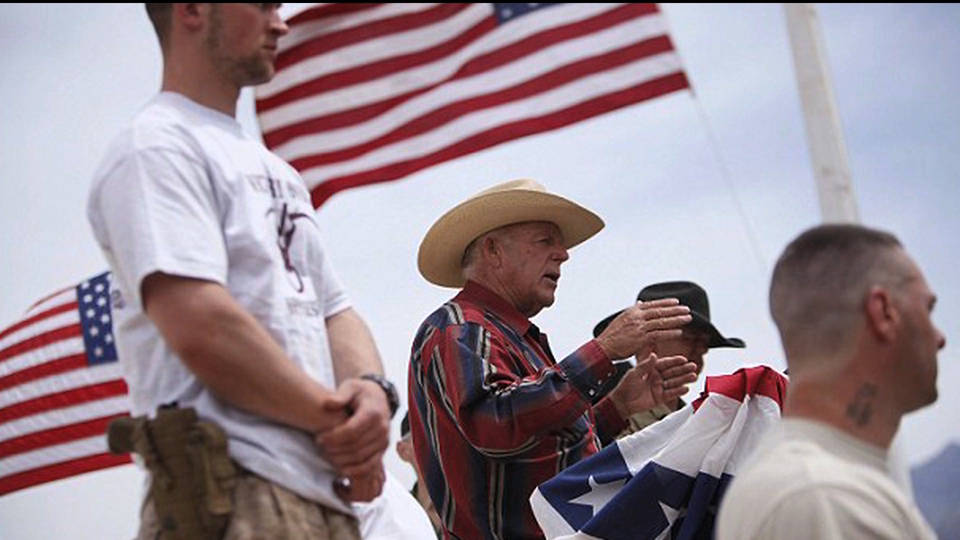
The 11th Republican presidential debate comes as the FBI arrested a Donald Trump campaigner and 11 other people on charges related to the 2014 standoff at Cliven Bundy’s ranch in Nevada. Jerry DeLemus is the co-chair of Veterans for Donald Trump in New Hampshire. He’s been indicted on nine federal felony charges, including conspiracy to commit an offense against the United States, assault on a federal officer and several firearms charges. Two of Cliven Bundy’s sons were also arrested in the FBI sweep, meaning that a total of five Bundy family members are now in jail awaiting trial.
TOPICS:
FBI
White Power
Japan: PM Abe to Halt Construction of U.S. Military Base on Okinawa

In news from Japan, Prime Minister Shinzo Abe has said he will temporarily halt construction work at the site of a proposed U.S. military base on the island of Okinawa. This announcement is the latest in a decades-long battle between Japan’s central government and the residents of Okinawa, the majority of whom oppose the new base. Okinawa already houses about 26,000 U.S. troops. On Friday, Prime Minister Abe said he decided to halt construction work and resume talks because the central government and the Okinawa region were locked in a stalemate.
Prime Minister Shinzo Abe "If we had continued as we have been doing, which is the Japanese government and the Okinawan prefecture locked in an eternal battle of lawsuits, we would have reached a stalemate."
TOPICS:
Japan
Democrats Mount Pressure on Judiciary Chair Chuck Grassley
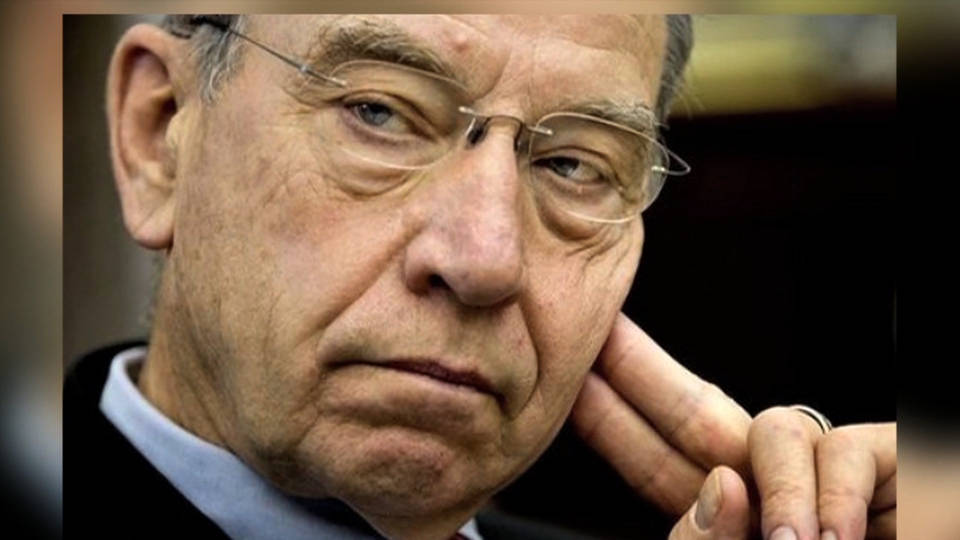
Meanwhile, Democrats are mounting an increasing campaign to force Republicans to consider a Supreme Court nomination by President Obama, following the death of Justice Antonin Scalia. Judiciary Committee Chair Chuck Grassley has said that he will refuse to hold confirmation hearings until the next president takes office. Yet, Democrats appear to be launching a campaign to force Grassley to reconsider this position by threatening his re-election in Iowa this year. On Thursday, news spread across Washington that former Iowa Lieutenant Governor Patty Judge will challenge Grassley in the Iowa Senate race. This comes only one day after news leaked that the White House is considering nominating prominent Iowa jurist Jane Kelly, whom Grassley had publicly endorsed in 2013 during her confirmation to the United States Court of Appeals for the Eighth Circuit.
TOPICS:
Supreme Court
FBI Evaluating Criminal Investigation of ExxonMobil

The Justice Department has asked the FBI to evaluate whether oil giant ExxonMobil broke federal laws by lying to investors and the public about climate change. The move comes in response to a request from California Congressmembers Ted Lieu and Mark DeSaulnier. They are seeking a federal investigation of Exxon following exposés by InsideClimate News and the Los Angeles Times revealing Exxon knew that fossil fuels cause global warming as early as the 1970s but hid that information from the public and instead poured millions into climate denial. California Attorney General Kamala Harris and New York Attorney General Eric Schneiderman have also launched investigations into Exxon.
TOPICS:
Climate Change
With Warming Temps, Train Must Haul Snow to Anchorage for Iditarod

The increasing scrutiny of ExxonMobil comes as record-high temperatures in Alaska have forced organizers of the Iditarod to transport a train-full of snow to Anchorage because there is not enough snow for the famous dog sled race. Organizers also say the teams will cover only three miles on Saturday’s ceremonial start—rather than the usual 11 miles—because of the lack of snow on which to sled. This is the second year that the lack of snow has forced organizers to make changes to the race.
TOPICS:
Global Warming
Climate Change
NASA Releases Photos of Snowcapped Mountains on Pluto

There does appear to be snow on Pluto, however, NASA scientists say. On Thursday, scientists released a photo showing a chain of snowcapped mountains stretching across the dwarf planet. They believe the snow consists of methane that has condensed on the mountain peaks.
TOPICS:
NASA
Husband of Woman Shot in San Bernardino Backs Apple in FBI Standoff

In news from the legal standoff between Apple and the FBI, the tech giant has gained a number of prominent allies in recent days, including leading security experts, the United Nations human rights chief and the husband of a woman who was injured in the San Bernardino attack. The FBI is seeking to force Apple to unlock the iPhone of one of the suspected shooters in the San Bernardino attack. One of Apple’s supporters is Salihin Kondoker, whose wife, Anies, was shot three times during the attack last December. He submitted a letter to the judge in the case, writing that Apple is "worried that this software the government wants them to use will be used against millions of other innocent people. I share their fear." U.N. human rights chief Zeid Ra’ad Al Hussein echoed this sentiment during a briefing in Geneva Thursday.
Zeid Ra’ad Al Hussein: "In order to address a security-related issue linked to encryption in one case, the authorities risk unlocking a Pandora’s box that could have extremely damaging implications for the human rights of many millions of people, including their physical and financial security. And this is not just about one case and one IT company in one country. It will have tremendous ramifications for the future of individual security elsewhere."
TOPICS:
FBI
Domestic Surveillance
Domestic Spying
South Africa: Court Rejects Pistorius' Appeal of Murder Conviction
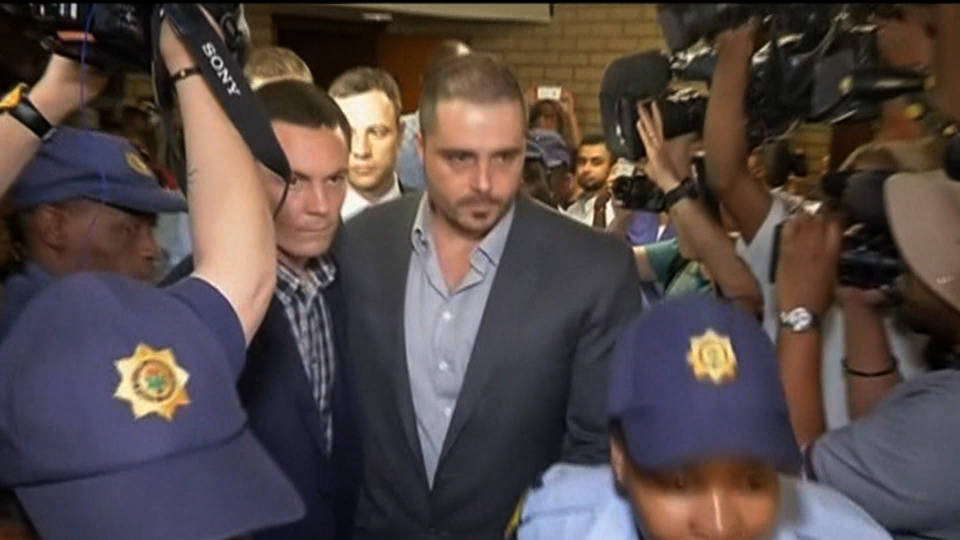
In South Africa, a court has rejected Olympic and Paralympic runner Oscar Pistorius’ right to appeal his conviction of murdering his girlfriend Reeva Steenkamp on Valentine’s Day in 2013. Last year, an appeals court ruling overturned a lower court’s decision to convict Pistorius on the lesser charge of manslaughter. Pistorius faces a minimum 15-year sentence for the murder.
TOPICS:
South Africa
Texas: State Trooper Brian Encinia Formally Fired
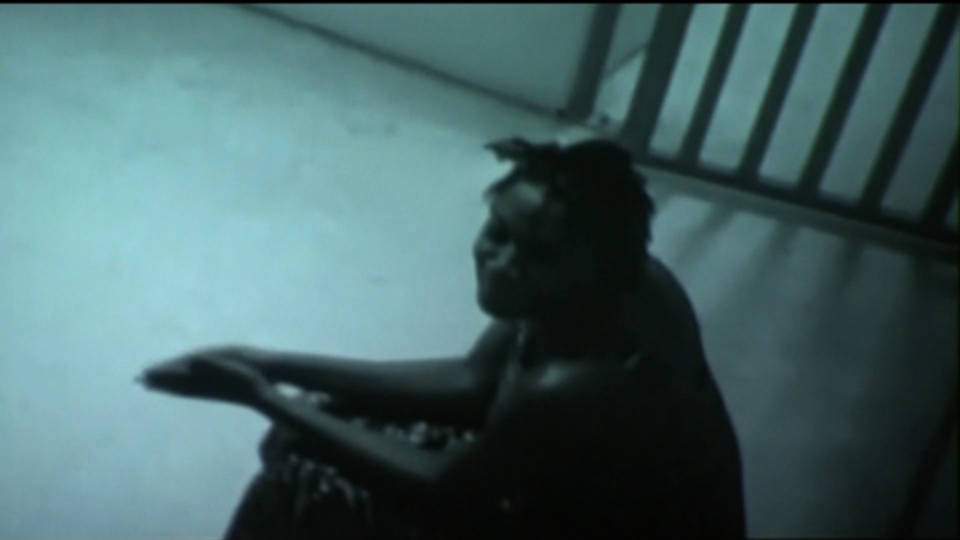
In Texas, state trooper Brian Encinia has formally been fired—eight months after he arrested 28-year-old African-American woman Sandra Bland, who was found hanged in her jail cell three days after her arrest. Dash cam footage of the arrest shows Encinia dragging Sandra Bland out of her car and threatening to "light [her] up." Sandra Bland can later be heard on video accusing the police officer of slamming her head into the ground. She said she had epilepsy, to which Trooper Encinia replies, "Good." In January, Encinia was indicted on perjury charges for lying to a grand jury about the traffic stop. Authorities say Bland committed suicide while in jail, a claim her family rejects.
TOPICS:
Police Brutality
Texas
Argentina Pays Paul Singer's "Vulture Fund" $2.4 Billion
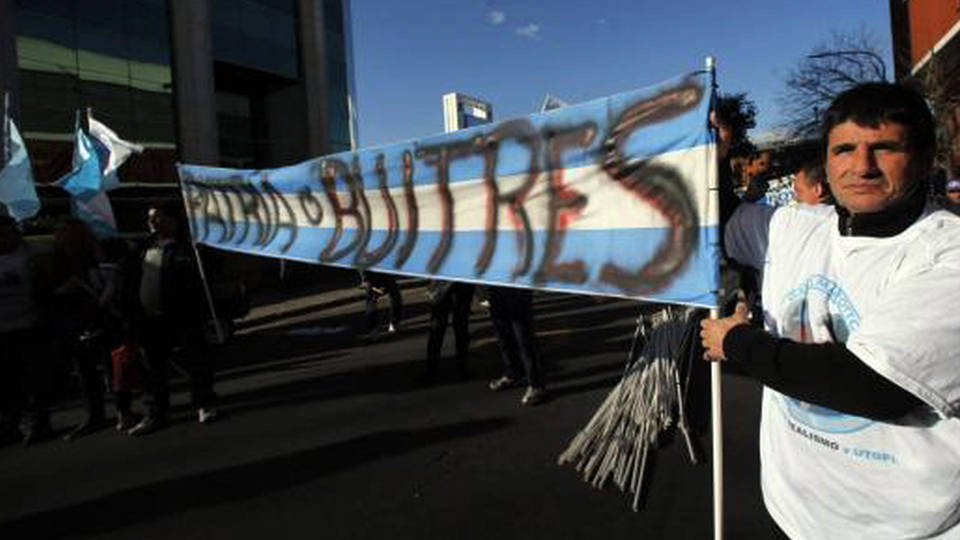
In Argentina, Nobel Peace Prize-winning human rights activist Adolfo Pérez Esquivel is calling on President Obama to change the date of his trip to Argentina because the scheduled visit on March 24 coincides with the 40th anniversary of the U.S.-backed military coup. The coup toppled Argentina’s democratically elected government and installed a brutal dictatorship. Meanwhile, new details have emerged about this week’s settlement between Argentina and billionaire Republican Party donor Paul Singer’s hedge fund Elliott Management. Elliott Management was one of many U.S. hedge funds to buy up Argentine debt at pennies on the dollar amid the country’s economic crisis in 2001. Former Argentine President Cristina Fernández de Kirchner had long demanded the hedge funds, which she called "vulture funds," renegotiate the debt, arguing they were unfairly profiting off Argentina’s economic crisis. But this week, President Mauricio Macri’s right-wing government agreed to pay Singer’s fund and three others $4.65 billion. Singer’s fund itself netted $2.4 billion—10 to 15 times its original investment.
TOPICS:
Argentina
Debt
Economy
Coalition of Immokalee Workers Launches National Boycott of Wendy's
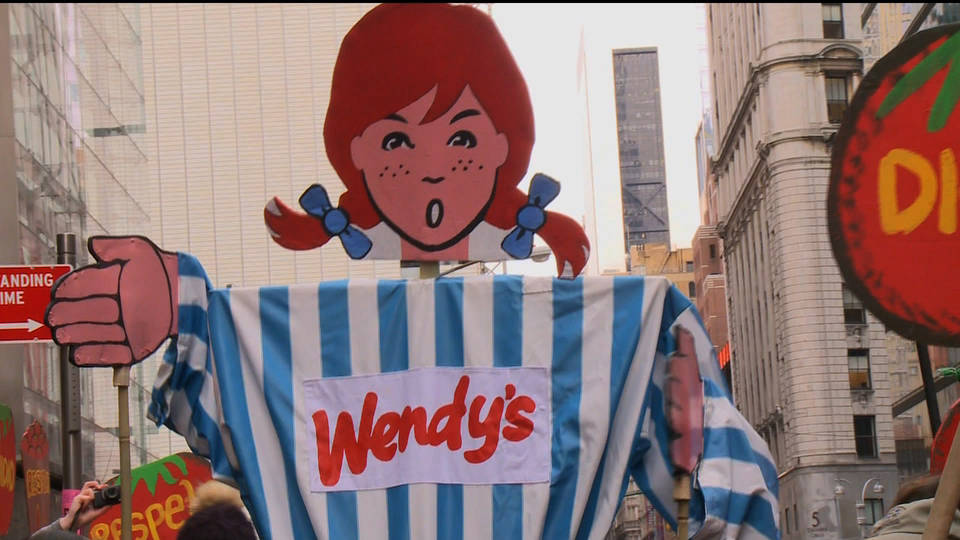
In New York City, about a hundred people rallied as the Coalition of Immokalee Workers announced a national boycott of fast-food giant Wendy’s. The Florida farmworkers said they are launching the boycott because Wendy’s has refused for years to join the Fair Food Program, which the Immokalee workers established to protect farmworkers’ rights. Other fast-food giants, including Taco Bell, McDonald’s and Burger King, have already signed on to the program after pressure. Farmworker and organizer Lupe Gonzalo explained the New York City rally was targeting billionaire Nelson Peltz, who is a major investor in Wendy’s.
Lupe Gonzalo: "We are asking for one cent more for every pound of tomatoes they buy from the farms where we are working the harvest. Also we are demanding that there be a code of conduct that protects the rights of the workers, so that we can report abuses and have solutions to them. We’re also asking for intolerance to sexual abuse and to modern-day slavery, which are two of the most extreme cases. As women, we have faced sexual abuse. Right now, we are focusing on Nelson Peltz. Basically, he is a very big investor in Wendy’s, and he has a lot to do with what happens at Wendy’s."
Nelson Peltz is chair of Wendy’s board.
TOPICS:
U.S. Labor Protests
Labor
Radical Lawyer, Author and Publisher William Schaap Dies
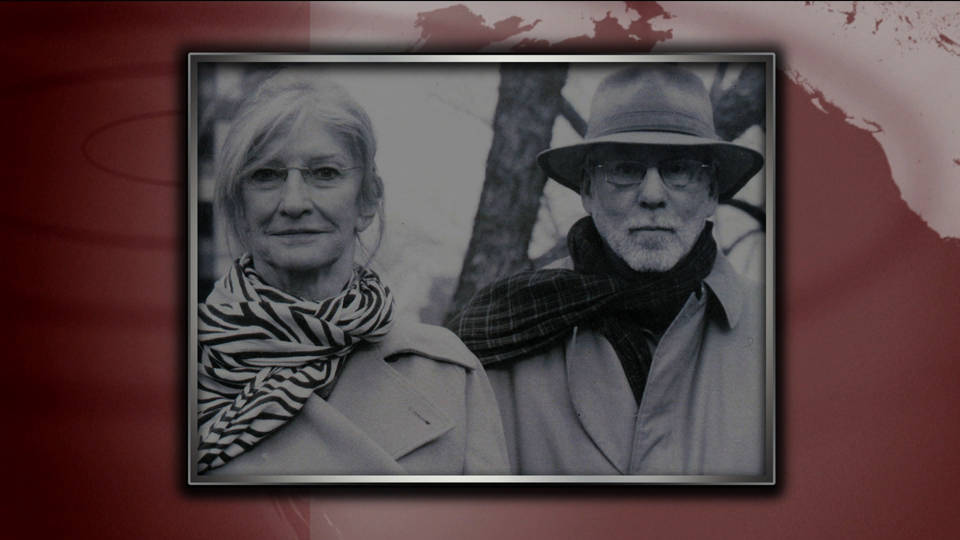
And William Schaap, radical author, lawyer and publisher, has died. Together with his wife and partner, Ellen Ray, who died a few months ago, Schaap published the CovertAction Information Bulletin. The publication reported on illegal activities by the Central Intelligence Agency. It also identified CIA agents by name—a practice outlawed by Congress in 1982. Schaap also represented CIA whistleblowers including Philip Agee. He and Ellen also founded Sheridan Square Press, which published the New Orleans prosecutor Jim Garrison’s "On the Trail of the Assassins: My Investigation and Prosecution of the Murder of President Kennedy," which was a source for Oliver Stone in making the 1991 film "JFK." William Schaap was Democracy Now!’s first lawyer.
Donate today:
Follow:


WEB EXCLUSIVE

Honduran Indigenous Leader Berta Cáceres Assassinated, Won Goldman Environmental Prize
FEATURED TOPIC

Honduras
WORK WITH DN!

Broadcast Engineer
Director of Finance and Operations
Director of Development
---------------------
207 West 25th Street, 11th Floor
New York, New York 10001, United States
---------------------
---------------------

No comments:
Post a Comment