
"A Minneapolis Congregation Finds New Life through Sabbath-Keeping" by Jeff Strickler
When the Rev. Kara Root came to Lake Nokomis Presbyterian Church in 2008, the congregation wasn't exactly desperate.
"They were already past desperate," Root said. "They went through that stage before I arrived."
Nobody had joined the Minneapolis church in seven years. It had no children's program, because it had no children. All the kids had aged out. On a good Sunday, maybe 30 people attended services in a sanctuary that once routinely held 300 worshippers. And the church's once-comfortable endowment had just enough funds to last two more years -- if they really pinched pennies.
Lake Nokomis Presbyterian was dying, and everybody knew it -- even if they weren't quite ready to accept it. When Root realized the congregation wasn't willing to let go -- at least not yet -- she knew it was the right place and the right time to suggest something radical.
"The people who had stayed were hardy adventurers," she said. "They were ready to try new things. And I figured that if we went broke in 18 months instead of 24, what difference would it make?"
Strictly speaking, Root's idea wasn't new. In fact, it was thousands of years old. In a time when congregations are searching for new and different ways of being church, Root proposed that Lake Nokomis reclaim the ancient practice of Sabbath keeping and place it at the core of their identity as a congregation.
That might mean a day with no shopping trip to the mall. No pulling out a smartphone to check on work emails. No paying bills or balancing the checkbook.
And on some Sundays, under Root's proposal, it would mean not even going to church.
"People weren't coming every Sunday, anyway," Root said.
A changed worship schedule
After aperiod of discernment, the congregation agreed to change its worship schedule and place Sabbath keeping at the heart of its life together.
Now, six and a half years later, the pattern they established is a strong, sustaining rhythm. On the first and third Sundays of the month, Lake Nokomis holds traditional worship services. On the alternate weekends, members gather on Saturday evenings for contemplative services that draw upon the same Scripture and sermon as the previous Sunday's worship.
And on the second and fourth Sundays each month? They practice Sabbath, taking a rest from work, obligations, and even formal worship itself.
Read more »
CONGREGATIONS, GROWTH & RENEWAL, INNOVATION, VOCATION, PRACTICES
A Minneapolis congregation finds new life through the ancient practice of keeping Sabbath

The addition of a contemplative Saturday evening service was part of a radical change in the worship life of Lake Nokomis Presbyterian Church. Photos by Tom Wallace
Lake Nokomis Presbyterian Church has placed Sabbath keeping at the heart of its life together. Two Sundays a month, they take a rest from work and obligations -- and even the Sunday service.
When the Rev. Kara Root came to Lake Nokomis Presbyterian Church in 2008, the congregation wasn't exactly desperate.
"They were already past desperate," Root said. "They went through that stage before I arrived."
Nobody had joined the Minneapolis church in seven years. It had no children's program, because it had no children. All the kids had aged out. On a good Sunday, maybe 30 people attended services in a sanctuary that once routinely held 300 worshippers. And the church's once-comfortable endowment had just enough funds to last two more years -- if they really pinched pennies.
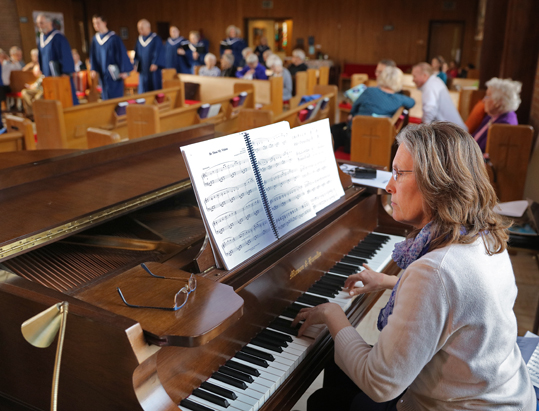
Music director Jeanne Rylander plays the piano as the choir processes in for a Sunday service at Lake Nokomis Presbyterian Church.
Lake Nokomis Presbyterian was dying, and everybody knew it -- even if they weren't quite ready to accept it. When Root realized the congregation wasn't willing to let go -- at least not yet -- she knew it was the right place and the right time to suggest something radical.
"The people who had stayed were hardy adventurers," she said. "They were ready to try new things. And I figured that if we went broke in 18 months instead of 24, what difference would it make?"
What would the circumstances have to be in order for your church or organization to make radical changes?
Strictly speaking, Root's idea wasn't new. In fact, it was thousands of years old. In a time when congregations are searching for new and different ways of being church, Root proposed that Lake Nokomis reclaim the ancient practice of Sabbath keeping and place it at the core of their identity as a congregation.
That might mean a day with no shopping trip to the mall. No pulling out a smartphone to check on work emails. No paying bills or balancing the checkbook.
And on some Sundays, under Root's proposal, it would mean not even going to church.
"People weren't coming every Sunday, anyway," Root said.
A changed worship schedule
After a period of discernment, the congregation agreed to change its worship schedule and place Sabbath keeping at the heart of its life together.

Lake Nokomis members gather for Eucharist at a recent worship service on the first Sunday of March.
Now, six and a half years later, the pattern they established is a strong, sustaining rhythm. On the first and third Sundays of the month, Lake Nokomis holds traditional worship services. On the alternate weekends, members gather on Saturday evenings for contemplative services that draw upon the same Scripture and sermon as the previous Sunday's worship.
And on the second and fourth Sundays each month? They practice Sabbath, taking a rest from work, obligations, and even formal worship itself.
"I sleep in," said Sue Goodspeed, a member of the worship committee. "I don't get to do that often."
Lisa Larges settles down with a cup of coffee and the Sunday edition of The New York Times. "I read the whole thing," she said.

Lisa Larges, who is blind, spends her Sabbath Sunday listening to the New York Times on her computer.
In months that have five Sundays, the congregation spends the extra Sunday participating in a community outreach event with a local nonprofit that offers mental health and educational services to children with emotional and behavioral issues.
The worship schedule is altered for holidays. Next Sunday may be the fourth Sunday in March -- normally a Sabbath day at the church -- but it will still be Easter at Lake Nokomis Presbyterian.
"Of course, we're going to have services on Easter," Root said.
How can your congregation keep Sunday worship from being “just another obligation?”
Nobody at the church is required to practice Sabbath, and though most congregants have readily joined in since the beginning, some are still less than enthusiastic. Dick Gross, a 50-year member, skips the Saturday services because it means driving after dark, and he misses the opportunity to worship on those weekends.
"To me, church is Sunday morning," he said.
But having watched the congregation shrink over the years, he also appreciates the logic behind the changes.
"It seems to work for the younger people," he said.

At a Saturday evening service, children and an an adult prepare for the next day's Sabbath by coloring a banner that will later be hung in the church.
The decline reversed
Lake Nokomis Presbyterian is not on the cusp of becoming a megachurch, by any means, but the attendance trend has been reversed. Since the Sabbath practice was launched, the congregation has gained 18 new members and another dozen or so people who attend regularly. About 90 people are now members of the church; 40 to 70 attend Sunday worship services, and 12 to 25 the Saturday evening services.
Young families have joined the church, and the children's program is back. "It's great seeing kids running around the church again," Root said.

Children receive Eucharist at a Sunday morning worship service, which the church typically holds on the first and third Sundays each month.
And the church's financial situation has improved. In fact, it donates 10 percent of its annual budget to neighborhood projects.
"One of the big questions for us was, how could we be a blessing for others," Root said. "We're financially stable. We're just as much in the hole as we were before, but at least we're not going any deeper."
One of the biggest challenges for Lake Nokomis members has been how to explain Sabbath keeping to people outside the church. After spending a Sunday in retreat from the many obligations of modern life, members are often bombarded with questions:
- "Why didn't you return my phone call about the Monday meeting?"
- "How could you not finish that PowerPoint presentation?"
- "What do you mean your kid isn't coming to soccer practice?"
That's not surprising, said Dorothy C. Bass, the recently retired director of the Valparaiso Project on the Education and Formation of People in Faith and author of "Receiving the Day: Christian Practices for Opening the Gift of Time," a book about Sabbath practices.
Practicing Sabbath is very countercultural, Bass said.
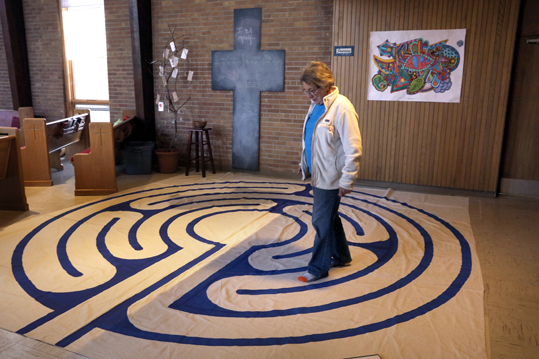
Diane Hansen walks the labryinth at a Saturday evening service.
"The ethos of society now is hectic," she said. "We're obsessed with productivity in a way that infuses most people's consciousness. … This has become so habitual that we don't even realize how broken we are."
- In what ways does your congregation challenge cultural understandings of productivity and busyness? In what ways does it affirm them?
"We went past a church, and when I saw the parking lot full of cars, I felt like I was playing hooky," she said.
The cultural ramifications are one reason that Bass was excited to hear about Lake Nokomis Presbyterian and its journey together. Many individuals have taken up Sabbath keeping in recent years, but it is rare for an entire congregation to take such significant steps to encourage one another in the practice, she said.
"Doing it collectively, communally, with somebody else -- that's why it's really cool that a congregation is taking this on," she said. "I don't know of any individual who can say, 'I'm going to grant myself this freedom.' No, we're going to need to do that with and for each other."
The renewed interest in Sabbath practices among Christians started to surface about 20 years ago. Bass wrote her book in 2000; since then, the need for Sabbath has only grown stronger.
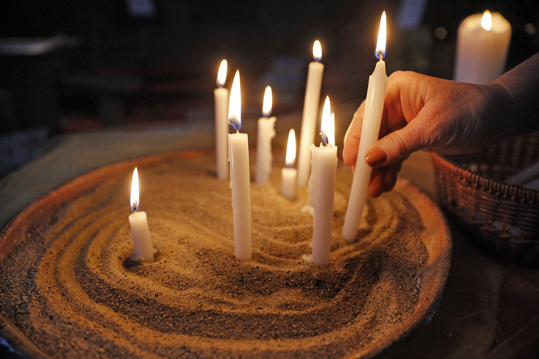
The Saturday service helps members think about the obligations they will let go during the next day's Sabbath.
"I think the practice is more needed now than it was then," Bass said. "We've lost touch with natural time. Now we have Internet time, which governs the economy and is 365, 24/7. I don't think that's the way we were meant to be as human beings."
Sabbath at Lake Nokomis
At Lake Nokomis Presbyterian, the Sabbath Sundays are set aside "for rest and play,being instead of doing, connecting with God and others, and embracing the world with awareness and gratitude."
Exactly what that entails is left up to each individual or family, but the church doesn't recommend that participants drop off the radar completely, Root said. She suggests drawing a line between obligations and desires: do what you want to do, not what you feel that you have to do.
Members vary widely in how they make that distinction. Sabbath, like art, can be in the eye of the beholder. What one person considers a chore -- spending hours in the kitchen preparing an elaborate meal, for instance, or toiling on one's hands and knees tending a garden -- is someone else's notion of a perfect day.
"We have members who mow their lawn on Sundays," Root said. "They like doing it."
Youth sports are a typical source of conflict, even for Root and her family. With two children, the family came up with a rule to address the issue.
"If it's a game, it's fun, and we go," she said. "If it's a practice, it's an obligation, and we don't go."
Not everything is that cut-and-dried, of course. Member Andy Cochrane focuses on not worrying about work.
"I'm not always successful," he admitted. "But even if I don't make it all day, doing it part of the day helps."

The Rev. Kara Root leads Sunday services at Lake Nokomis Presbyterian Church.
Practicing Sabbath has had a profound effect on Root and her family, Root said.
"I'll never forget what that first day felt like," she said. "It felt like it was an eighth day. It felt like a gift. It gave me a palpable feeling of peaceful energy."
Taking an entire day off ran counter to everything she'd ever experienced.
"I come from a robust line of multitaskers," she said. "I was always trying to put 10 pounds in a 5-pound box. Now I'm focused on putting 5 pounds in a 5-pound box."
Goofing off, good for the soul
Most of what the church members do on the Sabbath could be described as good, old-fashioned goofing off. That's fine, Bass said. Goofing off can be good for the soul and the body. It's not just common sense; the Bible actually calls for rest.
"It still is one of the Ten Commandments," Bass said.
"It's OK just to rest," she said. "I believe that you can't get through a week without having some type of Sabbath. Your body will break."
In her book, Bass examined the theological, biblical and sociological influences on Sabbath and found three general approaches to the Christian Sabbath.
1. One is to celebrate creation. "It says in Genesis that God rested on the seventh day and looked at everything he did, and it was good," she said.
2. Another focuses on liberation. "In Deuteronomy, it says 'The Lord your God led you out of slavery.'"

Wearing her stole, but leaving the formal robes at home, the Rev. Kara Root (right) joins with others at a Saturday service in praying for troubled parts of the world.
3. The third involves being part of a community that commemorates the resurrection. "So get outdoors and celebrate creation. Do something that feels free and life-giving, and get together with people," Bass said. "I like to say, 'No church meetings [on the Sabbath], but church picnics are great.'"
- What would an ideal Sabbath look like for you?
Saturday services
The inauguration of the alternate-weekend Saturday evening services didn't go nearly as smoothly -- to put it mildly. The long periods of silence in the contemplative-style services left many members uncomfortable and fidgety.
"The first service was a disaster," Root said. "It was almost painful. I came out of there saying, 'This is not going to fly.'"
But they kept refining it until it did fly, bringing together pieces from the Sunday morning service, meditative elements from the Taizé community and the self-directed features of contemplative spirituality.
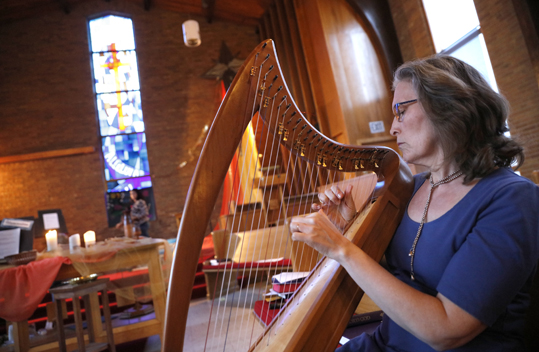
Soothing music from Jeanne Rylander's harp sets the mood for the Saturday evening contemplative service.
The hour-long service begins with Root speaking to the assembled membership, offering an abridged version of the previous Sunday's sermon. Then the group breaks up. While music director Jeanne Rylander softly plucks a harp, some people meditate. Others visit various stations, where they can, for example, pray for troubled parts of the world, walk a labyrinth or simply rest. At one station, adults and children can color a banner that later will be hung in the church.
The Saturday evening program has enabled the congregation to reach out to worshippers who want something different from a traditional worship service but still like the direction that clergy can offer.
"We're not a one-size-fits-all church," Goodspeed said.
Even though the Saturday service repeats the Scripture and part of the sermon from the previous Sunday, some members like the different approaches so much that they attend both.
"I feel that I get something different out of it," Larges said. "We hear the same Scripture, but we hear it in different ways."
Ultimately, Root said, the goal of the Saturday services and the Sabbath practices is the same.
"Find ways you and God can commune," she told the congregation on the eve of a recent Sabbath Sunday observation.
"If you stop, God will come to you," she said. "You will experience something significant. And even if it happens on just one day, it will be worth it."
Questions to consider"
- What is the most radical and beneficial change you could envision your church or organization making? What would the circumstances have to be in order to make those changes?
- What is the core of your congregation’s identity?
- In what ways, if any, can Sunday worship become just one more obligation on a list of obligations? How can your congregation keep Sunday worship from being “just another obligation?”
- How does your congregation challenge cultural understandings of productivity and busyness? How does it affirm them? How can your congregation help members realize their brokenness and rethink those and other cultural assumptions?
- What activities and obligations would you give up if you were to practice Sabbath? What would an ideal Sabbath look like for you?

Addressing a wide audience, Mary Louise Gifford's The Turnaround Church shows church leaders they have options and reasons for hope. People in dying churches will find assurance that they are still a part of the body of Christ. Clergy serving these struggling churches will discover tools and resources to help them guide change. Judicatory leaders will appreciate an inspiring story they can tell about a church that turned around in spite of the odds.The Turnaround Church, while not a prescription for all churches, is a call to make long-lasting, life-sustaining changes.
Buy the book »


Ideas that Impact: Sabbath-Keeping
"Five Myths about Keeping the Sabbath" by Lynne Baab
How can keeping a Sabbath help avoid burnout? Is it really necessary to keep a Sabbath for 24 hours in order to make a true difference? Lynne Baab spent years in conversations with nearly 150 church-goers. Some perspectives emerged that dispute or challenge some of today's Sabbath-keeping myths.
Read more »
"Five Myths about Keeping the Sabbath"
How can keeping a sabbath help avoid burnout? Is it really necessary to keep a sabbath for 24 hours in order to make a true difference?
Lynne Baab spent the last few years in conversations with nearly 150 church-goers. Some perspectives emerged that dispute or challenge some of today’s sabbath keeping myths.
Myth #1
I have to keep a sabbath for 24 hours in order for it to make any difference.
Another view:
Many people find benefit in taking half day sabbaths or even two-hour sabbaths. While many long-time sabbath keepers find it takes 24 hours to come to a place of rest, others enjoy watching for and taking opportunities throughout the week to slow down and listen to God.
Myth #2
I can’t afford the time to give up a whole day of productivity each week.
Another view:
One study indicated that people who worked seven 50-hour weeks got no more done than those who worked seven 40-hour weeks. All the devoted sabbath keepers interviewed agreed. They find they get more done when they keep a sabbath because they feel focused and rested during the work week, even though they may work fewer total hours.
Myth #3
I have to stop all kinds of work and engage in “spiritual” activities in order to benefit from a sabbath.
Another view:
The word “sabbath” means “stop, cease, desist, rest, or pause.” What do you need to cease from? Multitasking? Using your computer or cell phone? Overloading yourself with information? Worrying? Many people simply cease one overused activity on their day of rest.
We stop on the sabbath in order to learn in an experiential way that God is in charge of the universe and we are not. So one of the most important things we can do is to simply stop being productive. We stop on the sabbath in order to make space to listen to God. Sometimes making space involves walking, gardening, laughing with our children, or just sitting and looking out the window.
Myth #4
Older people can relate best to the sabbath. They grew up with it and understand it. Younger people have no interest in something so old fashioned.
Another view:
More than a dozen people in their twenties talked about how precious the sabbath is to them. “We obey the other nine commandments,” several said. “Why not this one?” Twenty-somethings talked about informal gatherings with friends, long walks, cooking wonderful food, and board game extravaganzas as favorite sabbath activities.
Myth #5
The most important way to avoid burnout in congregational volunteers is to thank them enthusiastically for what they have done.
Another view:
The most common burnout-prevention “technique” heard throughout the interviews was keeping a sabbath. The second most common idea for preventing burnout among congregational volunteers was transforming committees into communities and building teams.
In closing, one of the greatest obstacles to sabbath keeping is the notion that we have to do it perfectly in order to gain any benefit. As we experience stress, overwork and overload, the sabbath invites us simply to stop. This invitation can be a great gift.[Lynne M. Baab is a Presbyterian minister who lives in Seattle. Her most recent book,Sabbath Keeping: Finding Freedom in the Rhythms of Rest, was released in January, 2005. Her 2003 Alban Institute book was Beating Burnout in Congregations.]
Featured Resources:
Lynne Baab spent the last few years in conversations with nearly 150 church-goers. Some perspectives emerged that dispute or challenge some of today’s sabbath keeping myths.
Myth #1
I have to keep a sabbath for 24 hours in order for it to make any difference.
Another view:
Many people find benefit in taking half day sabbaths or even two-hour sabbaths. While many long-time sabbath keepers find it takes 24 hours to come to a place of rest, others enjoy watching for and taking opportunities throughout the week to slow down and listen to God.
Myth #2
I can’t afford the time to give up a whole day of productivity each week.
Another view:
One study indicated that people who worked seven 50-hour weeks got no more done than those who worked seven 40-hour weeks. All the devoted sabbath keepers interviewed agreed. They find they get more done when they keep a sabbath because they feel focused and rested during the work week, even though they may work fewer total hours.
Myth #3
I have to stop all kinds of work and engage in “spiritual” activities in order to benefit from a sabbath.
Another view:
The word “sabbath” means “stop, cease, desist, rest, or pause.” What do you need to cease from? Multitasking? Using your computer or cell phone? Overloading yourself with information? Worrying? Many people simply cease one overused activity on their day of rest.
We stop on the sabbath in order to learn in an experiential way that God is in charge of the universe and we are not. So one of the most important things we can do is to simply stop being productive. We stop on the sabbath in order to make space to listen to God. Sometimes making space involves walking, gardening, laughing with our children, or just sitting and looking out the window.
Myth #4
Older people can relate best to the sabbath. They grew up with it and understand it. Younger people have no interest in something so old fashioned.
Another view:
More than a dozen people in their twenties talked about how precious the sabbath is to them. “We obey the other nine commandments,” several said. “Why not this one?” Twenty-somethings talked about informal gatherings with friends, long walks, cooking wonderful food, and board game extravaganzas as favorite sabbath activities.
Myth #5
The most important way to avoid burnout in congregational volunteers is to thank them enthusiastically for what they have done.
Another view:
The most common burnout-prevention “technique” heard throughout the interviews was keeping a sabbath. The second most common idea for preventing burnout among congregational volunteers was transforming committees into communities and building teams.
In closing, one of the greatest obstacles to sabbath keeping is the notion that we have to do it perfectly in order to gain any benefit. As we experience stress, overwork and overload, the sabbath invites us simply to stop. This invitation can be a great gift.[Lynne M. Baab is a Presbyterian minister who lives in Seattle. Her most recent book,Sabbath Keeping: Finding Freedom in the Rhythms of Rest, was released in January, 2005. Her 2003 Alban Institute book was Beating Burnout in Congregations.]
Featured Resources:
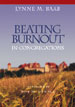 Beating Burnout in Congregations by Lynne M. Baab
“I can only shake my head in the face of the irony that all too often the very place where we look for life and health, the very place where we expect to nurture and deepen a loving relationship with God, can cause so many to experience the exact opposite…” So remarks author Lynne Baab in this timely and discerning examination of burnout in congregations.
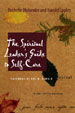 The Spiritual Leader’s Guide to Self- Care by Rochelle Melander and Harold Eppley
The Spiritual Leader’s Guide to Self-Care is an ideal companion for clergy, lay leaders, and others who would like guidance about how to make changes in their personal life and ministry but do not want to read a text-heavy book about self-care. Readers may work through one of the 52 sections each week or adopt a more leisurely pace. The guide includes journal writing suggestions, personal reflection questions and activities, guidance for sharing the discovery process with another person, an activity for the coming week, and suggested further resources, such as novels, videos, and Web sites.
True Sabbath rest isn't an escape. It means pausing to delight in other people and to understand the gifts of those around you, says a Duke Divinity School professor.
Read more »
HEALTH & WELL-BEING, SPIRITUAL HEALTH
"A Sabbath way to lead"

True Sabbath rest isn’t an escape. It means pausing to delight in other people and to understand the gifts of those around you, says Norman Wirzba.
Christian leaders are often advised to step back and take a rest. Instead of being in the thick of the group, managing this program or coordinating that committee, the leader should take a break -- perhaps take a nap in a hammock or go to a movie.
Leaders do need to practice Sabbath rest if they are to be effective. But a true Sabbath should not amount to checking out, or finding an escape from the exhaustion or drudgery of work. (If the responsibilities of leadership result in utter fatigue or frustration, there’s probably something wrong in the style of leadership from the start.)
The God we worship and follow is a Sabbath-loving God. God is forever leading the whole of creation to its most beautiful, good and true end. The means of God’s leadership and care circulates continuously through Sabbath rest. Sabbath informs the whole of creation and the full extent of God’s creativity in the world. It is the end and the beginning of everything that God does.
But Sabbath rest does not mean that God tries to flee from creation. A better way to think about this is to recognize that God’s Sabbath amounts to the most complete presence to the world imaginable. We need to recall that God has spent six days creating the world. At the conclusion of this work, God is not tired or frustrated. Rather, God can’t refrain from delighting completely in the goodness of all he has made. God looks upon creation and sees reflected back the concrete manifestation of his own love.
True rest does not mean inactivity. It means putting an end to the restlessness that often characterizes the way we live. We are restless because we think the places we are in and the people we are with -- perhaps the very people we are trying to lead -- are not good enough. We think life would be better and we would be stronger and more successful leaders if we only had a better group of people to work with.
Part of our problem is that we do not see our communities or staffs the way God sees them. We don’t appreciate them as gifts from God. If we did, the first thing we would do is get to know them. We would then be attentive to their struggles and successes, patient with their shortcomings, and nurturing of their hidden beauty and strength. God can love the world so profoundly -- and delight in it so thoroughly -- because he sees through the posturing and jockeying and pain and insecurity and fear and anxiety to the core seed of divinely given gift and promise. He loves each creature “to the end,” as John’s gospel says, and so practices the care and celebration that will eventually lead each creature to resurrection life.
When leaders practice Sabbath rest what they are really doing is learning how to delight in the people and the communities they lead. Rather than imposing an agenda on others, effective leaders -- inspired by God’s own care-full and celebratory ways -- learn to attend to the goodness and beauty that is always already there. As leaders learn to recognize in others the love of God made concrete, it will be much more difficult for them to go home exhausted, frustrated or resentful.
A Sabbath way to lead takes time. It requires that the pacing of our agendas be slowed down so that we can first enter into the presence of each other and learn how to find our collective delight. Sabbath leadership presupposes that the leader has discerned where the God-given gifts in the staff are and what barriers are preventing people from attaining their full potential.
More than 20 years ago, I worked in a homeless shelter in Chicago’s Near East Side. After a couple of months, the program was going poorly. One day, Charlie, our staff supervisor, called a halt to our work. We shut the shelter down for an entire day so that the staff could face each other and hear the stories of who we were, why we were there and what we hoped to accomplish.
This Sabbath time in the midst of chaotic days was utterly transformative. Homeless folks the next day asked, “What happened?” because staff now got along and worked toward a common purpose. Staff members figured out on their own to help each other because in our “Sabbath meeting” we learned about each other’s strengths and growing areas. We began to see each other as gifts to be received and cherished. Charlie now admitted it was a pleasure to come to work.
Charlie, a former priest, understood the Sabbath. He modeled the sort of Sabbath leadership that finds ways to delight in the world and our life together. Leadership can be the occasion to discover and unleash buried gifts. It can direct each of us into the delight of each other, and ultimately our collective rest in God.
"Stop. Rest. Come Back to Real Life. This is the Reason for Sabbath." by Kara K. Root
Practicing Sabbath draws us back into the kingdom of God -- where we all belong to God and to each other, and God is the one holding the reins, says a Presbyterian pastor in this sermon.
Read more »
SERMONS, GOSPEL OF MARK
Kara K. Root: "Stop. Rest. Come back to real life. This is the reason for Sabbath"

Photos courtesy of Kara Root
Practicing Sabbath draws us back into the kingdom of God -- where we all belong to God and to each other, and God is the one holding the reins, says a Presbyterian pastor in this sermon.
Editor’s note: Faith & Leadership offers sermons that shed light on issues of Christian leadership. The following sermon was preached at Lake Nokomis Presbyterian Church in Minneapolis, Minnesota, by the Rev. Kara K. Root on March 6, 2016.
Mark 10:17-31(link is external)
Mark 10:17 As he was starting on his way, a man ran up, kneeled down in front of him and asked, “Good rabbi, what should I do to obtain eternal life?” 18 Yeshua said to him, “Why are you calling me good? No one is good except God! 19 You know the mitzvot — ‘Don’t murder, don’t commit adultery, don’t steal, don’t give false testimony, don’t defraud, honor your father and mother, . . .’”[Mark 10:19 Exodus 20:12–13(16); Deuteronomy 5:16–17(20)] 20 “Rabbi,” he said, “I have kept all these since I was a boy.” 21 Yeshua, looking at him, felt love for him and said to him, “You’re missing one thing. Go, sell whatever you own, give to the poor, and you will have riches in heaven. Then come, follow me!” 22 Shocked by this word, he went away sad; because he was a wealthy man.
So the rich man was putting too much stock in his stock, and he needed to get humble before God would accept him into heaven. Plausible -- and tidy. But then Jesus shifts the script from this human conception of heavenly reward to God’s reality of the kingdom of God, and shocks the disciples by saying that not only is it especially hard for the rich to enter into the kingdom of God, but actually, under the terms proposed,nobody would ever be good enough. Only for God is success by that kind of method possible.
I always heard “the kingdom of God” here as meaning the same thing as heaven, after we die. Eternal salvation. Who will be in and who will be out. The everlasting acceptance of God. But this misses the kingdom of God as Jesus always talks about it -- life with “God with us.” The disciples make this same mistake. Still not getting it that God’s economy is a place where deserving is not even on the list of qualifications for entrance, like whining children, they rise to the ever-popular and effective “it’s not fair” argument and begin comparing themselves to the dejected rich man, telling Jesus all the things they’ve walked away from in order to follow him. Surely, at least they are deserving of a place in the kingdom of God.
And Jesus, with compassion and gentleness, answers that there is nobody who has left “house or brothers or sisters or mother or father or children or fields, for my sake and for the sake of the good news, who will not receive a hundredfold now in this age -- houses, brothers and sisters, mothers and children, and fields, with persecutions -- and in the age to come eternal life” (Mark 10:29-30 NRSV).
We work really hard not to need others, and certainly not to need God. The worst thing on earth for some of us would be to appear to need saving! We’re not unlike the rich young ruler, coming to Jesus and saying, “What must I do, oh good one, to be guaranteed security for all eternity? To check off the boxes and know I’ve arrived for good?”
But Jesus, looking at the man, loves him, and then answers just about the worst thing the poor guy could hear, just about the only thing he isn’t willing to do: “Go, sell what you own, and give the money to the poor, and you will have treasure in heaven; then come, follow me” (10:21). And the grieving man turns and walks away, because what Jesus is asking him to do feels impossible.
But what Jesus is asking for is the dismantling of illusion.
The illusion that your wealth will save you, or your goodness -- no one is good but God alone! -- or your retirement fund, or how well you follow all of God’s commands, or your community service hours or fleetingly great health, or the admirable behavior of your offspring, or any of the other thousand things we grasp at to be saved.
Jesus is asking us to let go of all of that. To see it all for what it is -- part of the experience of living, a source of joy and gratitude, or grief and sadness, and often all of these things mixed up together -- valuable, yes, but also unable to make us real or whole or complete or alive.
But we don’t really mind being half-dead. We stumble along with all our incredible baggage as though we need it, and we’re missing out on the kingdom of God right here, right now, being with Jesus as he is and where he is -- “God with us” -- alongside neighbor, friend and stranger in the world with us. God is the one who brings salvation. But wow, do we have a hard time receiving. We’d so much rather earn!
I wrote an article last week on Sabbath, around the same time someone was writing an article on Sabbath about us. And it’s all kind of ridiculous. Because it’s not like we’ve cracked the code or figured anything out. As a discipline, we’re not so great at it. Many of us bumble through that day unsure what to do with ourselves or why what we’re not doing matters. Most of us can’t quite make it through a day without at least accomplishing some things to feel good about ourselves.
But it was made apparent to me this week all over again what a powerful thing this actually is. See, God’s whole human project is about connecting us with God and each other, and our whole sinful project is to cut ourselves off from God and each other.
And when we go back to the Ten Commandments and look at the ways God said that life works best, right between how we’re to be connected with God and how we’re to be connected with each other, we find this big, strange Sabbath command, which we’re used to just kind of skipping over but which is a key to the whole thing, because it basically says:
But the reality is, you are free. The reality is, you already belong to me.
The reality is, I have all you need; I am all you need. I am a God of abundance and joy, and hope and rest, and peace and enough.
And so, because you are going to keep on forgetting this, here’s my big suggestion to help you remember. Ready? Every single week, I want you to stop.
It is one of God’s strategies for helping us come back into the kingdom of God, where we all belong to God and we all belong to each other, where we are not the ones holding the reins -- God is.
When the rich man sells all he has and gives the money to the poor, all that separates him from them will be gone. It will be once again humanity alongside one another in the economy of God. And the barrier that keeps him from receiving love unlimited and grace unconditional, and from sharing it as well, will be dismantled, and he will be free, back into the kingdom of God, where we all belong to God and each other.
And dear disciples, you who have left so much to follow, what if you have to put down your confidence in the leaving itself, the way you measure your worth or progress or how saved you may be by how much you’ve left behind and how well you’re following?
Because truly, if you were to open your eyes to the kingdom of God right here among you, you would receive and enter the whole huge picture -- that we already belong to God, and you belong to every mother and every father and sister and brother, and there is, in fact, no such thing as other people’s children(link is external).
And it’s ironic that they can’t see it in the moment, these followers of Jesus, who were, every night, guests in someone else’s home, fed at different people’s tables, welcomed in and treated as family in the economy of abundance and gratitude in which Jesus perpetually moved as he lived out the kingdom of God.
Jesus was always connected completely to the Father. Always belonging completely to the world. Always at home in God, always living in the settled state of trust. And they could enter that, too, at any moment; in fact, they were already there -- “God with us” was right there with them, yet they were striving to be deserving of this at some point in the distant future.
The last will be first, and the first will be last.
Those who don’t have all these things to prop up around themselves to keep themselves safe and protected and promote themselves forward and buffer themselves from risk or loss are closer to realizing that the race is rigged and false to begin with. That the kingdom of God can only be entered and never earned. That salvation is a reality we receive instead of a reward we deserve.
Jesus is heading toward the cross. And not even death itself can separate him from God or break the real reality that God has set in place. If anything, it simply clarifies what is real and what is the game, which he resolutely refuses to play and persistently exposes as fraud.
But us?
We choose illusion and delusion most of the time.
Most of the time, we live like we have the power to stop bad things from happening if we only -- what? Work hard enough? Pray hard enough? Have enough life insurance? Do enough good things in the world? Know the right people? Have enough admiring things said about us?
What is it that makes us feel secure?
In other words, what is it that keeps us from entering the kingdom of God right here and now? Because whatever that is for each of us, that is the thing Jesus is inviting us to let go of.
I think of the clarity dying brings, when there is nothing we can hang on to anymore as our security, and the illusion of the game is punctured.
Bruce Kramer, who documented his journey of dying in his book “We Know How This Ends,” wrote on his blog(link is external) a couple of months before his death last March:
But no worries. Soon enough, the day will come when the illusion will be punctured for everyone and real reality will seep in. And everyone who has left and lost things that were precious and important to them in the search of God’s kingdom, will discover that in letting go they are opened up to receiving all they’re losing and more -- that the whole earth and everyone in it is your family, and your home is forever in the love of Jesus who is right here and now, alongside and with us.
And one day, when this struggle is over, and the delusions have shattered for good, and all the noise and posturing has withered away to dust, all that will remain is life. Full and free.
Enduring for eternity -- as it was meant to be: completely connected in unbroken love forever to God and forever to each other in the kingdom of God.
So watch, because those in this life who have been “last” will be the first to welcome it in, and those we esteem as “first” will be the last to realize what they’ve been missing all along. Amen.
Continue Your Own Development:
Foundations of Christian Leadership
Now recruiting for a cohort meeting in Houston, Texas
October 3-6, 2016 & January 9-12, 2017
Through Foundations of Christian Leadership, Leadership Education at Duke Divinity aims to help Christian leaders explore their gifts and cultivate the practices that are essential for spurring transformation within Christian organizations. The program is best suited to those who have been in a leadership position for fewer than five years. Join up to 30 participants from nonprofit organizations, congregations, mission agencies, seminaries and denominations for two residential sessions and two online sessions over the course of four months.
Each Foundations participant will have the opportunity to apply for a $5,000 grant to support innovative approaches within his or her institution.
Learn more and apply »
Visit Alban.org
STAY CONNECTED:
Read more »
HEALTH & WELL-BEING, SPIRITUAL HEALTH
"A Sabbath way to lead"
True Sabbath rest isn’t an escape. It means pausing to delight in other people and to understand the gifts of those around you, says Norman Wirzba.
Christian leaders are often advised to step back and take a rest. Instead of being in the thick of the group, managing this program or coordinating that committee, the leader should take a break -- perhaps take a nap in a hammock or go to a movie.
Leaders do need to practice Sabbath rest if they are to be effective. But a true Sabbath should not amount to checking out, or finding an escape from the exhaustion or drudgery of work. (If the responsibilities of leadership result in utter fatigue or frustration, there’s probably something wrong in the style of leadership from the start.)
The God we worship and follow is a Sabbath-loving God. God is forever leading the whole of creation to its most beautiful, good and true end. The means of God’s leadership and care circulates continuously through Sabbath rest. Sabbath informs the whole of creation and the full extent of God’s creativity in the world. It is the end and the beginning of everything that God does.
But Sabbath rest does not mean that God tries to flee from creation. A better way to think about this is to recognize that God’s Sabbath amounts to the most complete presence to the world imaginable. We need to recall that God has spent six days creating the world. At the conclusion of this work, God is not tired or frustrated. Rather, God can’t refrain from delighting completely in the goodness of all he has made. God looks upon creation and sees reflected back the concrete manifestation of his own love.
True rest does not mean inactivity. It means putting an end to the restlessness that often characterizes the way we live. We are restless because we think the places we are in and the people we are with -- perhaps the very people we are trying to lead -- are not good enough. We think life would be better and we would be stronger and more successful leaders if we only had a better group of people to work with.
Part of our problem is that we do not see our communities or staffs the way God sees them. We don’t appreciate them as gifts from God. If we did, the first thing we would do is get to know them. We would then be attentive to their struggles and successes, patient with their shortcomings, and nurturing of their hidden beauty and strength. God can love the world so profoundly -- and delight in it so thoroughly -- because he sees through the posturing and jockeying and pain and insecurity and fear and anxiety to the core seed of divinely given gift and promise. He loves each creature “to the end,” as John’s gospel says, and so practices the care and celebration that will eventually lead each creature to resurrection life.
When leaders practice Sabbath rest what they are really doing is learning how to delight in the people and the communities they lead. Rather than imposing an agenda on others, effective leaders -- inspired by God’s own care-full and celebratory ways -- learn to attend to the goodness and beauty that is always already there. As leaders learn to recognize in others the love of God made concrete, it will be much more difficult for them to go home exhausted, frustrated or resentful.
A Sabbath way to lead takes time. It requires that the pacing of our agendas be slowed down so that we can first enter into the presence of each other and learn how to find our collective delight. Sabbath leadership presupposes that the leader has discerned where the God-given gifts in the staff are and what barriers are preventing people from attaining their full potential.
More than 20 years ago, I worked in a homeless shelter in Chicago’s Near East Side. After a couple of months, the program was going poorly. One day, Charlie, our staff supervisor, called a halt to our work. We shut the shelter down for an entire day so that the staff could face each other and hear the stories of who we were, why we were there and what we hoped to accomplish.
This Sabbath time in the midst of chaotic days was utterly transformative. Homeless folks the next day asked, “What happened?” because staff now got along and worked toward a common purpose. Staff members figured out on their own to help each other because in our “Sabbath meeting” we learned about each other’s strengths and growing areas. We began to see each other as gifts to be received and cherished. Charlie now admitted it was a pleasure to come to work.
Charlie, a former priest, understood the Sabbath. He modeled the sort of Sabbath leadership that finds ways to delight in the world and our life together. Leadership can be the occasion to discover and unleash buried gifts. It can direct each of us into the delight of each other, and ultimately our collective rest in God.
"Stop. Rest. Come Back to Real Life. This is the Reason for Sabbath." by Kara K. Root
Practicing Sabbath draws us back into the kingdom of God -- where we all belong to God and to each other, and God is the one holding the reins, says a Presbyterian pastor in this sermon.
Read more »
SERMONS, GOSPEL OF MARK
Kara K. Root: "Stop. Rest. Come back to real life. This is the reason for Sabbath"
Photos courtesy of Kara Root
Practicing Sabbath draws us back into the kingdom of God -- where we all belong to God and to each other, and God is the one holding the reins, says a Presbyterian pastor in this sermon.
Editor’s note: Faith & Leadership offers sermons that shed light on issues of Christian leadership. The following sermon was preached at Lake Nokomis Presbyterian Church in Minneapolis, Minnesota, by the Rev. Kara K. Root on March 6, 2016.
Mark 10:17-31(link is external)
Mark 10:17 As he was starting on his way, a man ran up, kneeled down in front of him and asked, “Good rabbi, what should I do to obtain eternal life?” 18 Yeshua said to him, “Why are you calling me good? No one is good except God! 19 You know the mitzvot — ‘Don’t murder, don’t commit adultery, don’t steal, don’t give false testimony, don’t defraud, honor your father and mother, . . .’”[Mark 10:19 Exodus 20:12–13(16); Deuteronomy 5:16–17(20)] 20 “Rabbi,” he said, “I have kept all these since I was a boy.” 21 Yeshua, looking at him, felt love for him and said to him, “You’re missing one thing. Go, sell whatever you own, give to the poor, and you will have riches in heaven. Then come, follow me!” 22 Shocked by this word, he went away sad; because he was a wealthy man.
23 Yeshua looked around and said to his talmidim, “How hard it is going to be for people with wealth to enter the Kingdom of God!” 24 The talmidim were astounded at these words; but Yeshua said to them again, “My friends, how hard it is to enter the Kingdom of God! 25 It’s easier for a camel to pass through a needle’s eye than for a rich man to enter the Kingdom of God.” 26 They were utterly amazed and said to him, “Then who can be saved?” 27 Yeshua looked at them and said, “Humanly, it is impossible, but not with God; with God, everything is possible.” 28 Kefa began saying to him, “Look, we have left everything and followed you.” 29 Yeshua said, “Yes! I tell you that there is no one who has left house, brothers, sisters, mother, father, children or fields, for my sake and for the sake of the Good News, 30 who will not receive a hundred times over, now, in the ‘olam hazeh, homes, brothers, sisters, mothers, children and lands — with persecutions! — and in the ‘olam haba, eternal life. 31 But many who are first will be last, and many who are last will be first!”
As a kid growing up in church, I heard this story a lot. And probably from some Sunday school book, I have burned into my memory the image of a ridiculous cartoon camel with bulgy eyes trying to stuff its head through the eye of a huge, shiny sewing needle.
I remember one particularly memorable sermon from my high school days where the pastor explained that “the eye of the needle” was the name for one of the city gates of Jerusalem that was so narrow and low that the travelers’ camels had to be stripped of all their packs and baggage, and even sometimes kneel down on their knobby knees, to scooch through the opening -- in a vivid illustration of both the humility God demands and the principle that you literally can’t take it with you.So the rich man was putting too much stock in his stock, and he needed to get humble before God would accept him into heaven. Plausible -- and tidy. But then Jesus shifts the script from this human conception of heavenly reward to God’s reality of the kingdom of God, and shocks the disciples by saying that not only is it especially hard for the rich to enter into the kingdom of God, but actually, under the terms proposed,nobody would ever be good enough. Only for God is success by that kind of method possible.
I always heard “the kingdom of God” here as meaning the same thing as heaven, after we die. Eternal salvation. Who will be in and who will be out. The everlasting acceptance of God. But this misses the kingdom of God as Jesus always talks about it -- life with “God with us.” The disciples make this same mistake. Still not getting it that God’s economy is a place where deserving is not even on the list of qualifications for entrance, like whining children, they rise to the ever-popular and effective “it’s not fair” argument and begin comparing themselves to the dejected rich man, telling Jesus all the things they’ve walked away from in order to follow him. Surely, at least they are deserving of a place in the kingdom of God.
And Jesus, with compassion and gentleness, answers that there is nobody who has left “house or brothers or sisters or mother or father or children or fields, for my sake and for the sake of the good news, who will not receive a hundredfold now in this age -- houses, brothers and sisters, mothers and children, and fields, with persecutions -- and in the age to come eternal life” (Mark 10:29-30 NRSV).
We work really hard not to need others, and certainly not to need God. The worst thing on earth for some of us would be to appear to need saving! We’re not unlike the rich young ruler, coming to Jesus and saying, “What must I do, oh good one, to be guaranteed security for all eternity? To check off the boxes and know I’ve arrived for good?”
But Jesus, looking at the man, loves him, and then answers just about the worst thing the poor guy could hear, just about the only thing he isn’t willing to do: “Go, sell what you own, and give the money to the poor, and you will have treasure in heaven; then come, follow me” (10:21). And the grieving man turns and walks away, because what Jesus is asking him to do feels impossible.
But what Jesus is asking for is the dismantling of illusion.
The illusion that your wealth will save you, or your goodness -- no one is good but God alone! -- or your retirement fund, or how well you follow all of God’s commands, or your community service hours or fleetingly great health, or the admirable behavior of your offspring, or any of the other thousand things we grasp at to be saved.
Jesus is asking us to let go of all of that. To see it all for what it is -- part of the experience of living, a source of joy and gratitude, or grief and sadness, and often all of these things mixed up together -- valuable, yes, but also unable to make us real or whole or complete or alive.
But we don’t really mind being half-dead. We stumble along with all our incredible baggage as though we need it, and we’re missing out on the kingdom of God right here, right now, being with Jesus as he is and where he is -- “God with us” -- alongside neighbor, friend and stranger in the world with us. God is the one who brings salvation. But wow, do we have a hard time receiving. We’d so much rather earn!
I wrote an article last week on Sabbath, around the same time someone was writing an article on Sabbath about us. And it’s all kind of ridiculous. Because it’s not like we’ve cracked the code or figured anything out. As a discipline, we’re not so great at it. Many of us bumble through that day unsure what to do with ourselves or why what we’re not doing matters. Most of us can’t quite make it through a day without at least accomplishing some things to feel good about ourselves.
But it was made apparent to me this week all over again what a powerful thing this actually is. See, God’s whole human project is about connecting us with God and each other, and our whole sinful project is to cut ourselves off from God and each other.
And when we go back to the Ten Commandments and look at the ways God said that life works best, right between how we’re to be connected with God and how we’re to be connected with each other, we find this big, strange Sabbath command, which we’re used to just kind of skipping over but which is a key to the whole thing, because it basically says:
- You are going to keep disconnecting from me -- the source of your life -- and from each other, your sisters and brothers in this life. Instead of wholeness, you will keep choosing brokenness; instead of life, you’ll keep choosing death.
- You can’t help it.
- You are going to keep thinking this is all about what you can earn or prove or buy or win, so you’ll keep seeing each other as competition and threat and burden and obstruction.
But the reality is, you are free. The reality is, you already belong to me.
The reality is, I have all you need; I am all you need. I am a God of abundance and joy, and hope and rest, and peace and enough.
And so, because you are going to keep on forgetting this, here’s my big suggestion to help you remember. Ready? Every single week, I want you to stop.
- Just stop.
- For one whole day every seven or so, step off the ride.
- Stop measuring and comparing and worrying and working.
- Stop judging and competing and producing and buying and trying to win.
- Just stop. All of you.
- Rest.
- Shut it down.
- Come back to real life.
- It’s enough. You are enough. I am enough for you.
- I am your God. You are my people.
- This whole world belongs to me, and I am not letting go.
- Remember that.
- And I know that if you stop, if you rest like I rest, if you celebrate like I celebrate, if you wake up from your angry and hectic stupor and raise your head and see the world, this beautiful world, and if you look at each other truly, without the screen between you and the to-do list in front of you and the wariness within you, and if, instead of the noise of the pressing world and all its violent, vying agendas pounding in your ears, you listen to the silence, and the pause, and the air, and birds and children and heartbeat and tears and laughter and dreams and sighing, you will remember.
- You won’t be able to help but remember.
- You’ll breathe again.
- You’ll come back into the kingdom of God, back to your home in me.
- You’ll see again that I am right here. That life is a gift.
- That instead of living chronically fearful and anxious, there is so much to be thankful for, and so much to delight in.
- You’ll care for each other and share with each other and be again my people, and I will be your God, because it’s how I’ve made it all to be in the first place, and how it will all be again in the last.
It is one of God’s strategies for helping us come back into the kingdom of God, where we all belong to God and we all belong to each other, where we are not the ones holding the reins -- God is.
When the rich man sells all he has and gives the money to the poor, all that separates him from them will be gone. It will be once again humanity alongside one another in the economy of God. And the barrier that keeps him from receiving love unlimited and grace unconditional, and from sharing it as well, will be dismantled, and he will be free, back into the kingdom of God, where we all belong to God and each other.
And dear disciples, you who have left so much to follow, what if you have to put down your confidence in the leaving itself, the way you measure your worth or progress or how saved you may be by how much you’ve left behind and how well you’re following?
Because truly, if you were to open your eyes to the kingdom of God right here among you, you would receive and enter the whole huge picture -- that we already belong to God, and you belong to every mother and every father and sister and brother, and there is, in fact, no such thing as other people’s children(link is external).
And it’s ironic that they can’t see it in the moment, these followers of Jesus, who were, every night, guests in someone else’s home, fed at different people’s tables, welcomed in and treated as family in the economy of abundance and gratitude in which Jesus perpetually moved as he lived out the kingdom of God.
Jesus was always connected completely to the Father. Always belonging completely to the world. Always at home in God, always living in the settled state of trust. And they could enter that, too, at any moment; in fact, they were already there -- “God with us” was right there with them, yet they were striving to be deserving of this at some point in the distant future.
The last will be first, and the first will be last.
Those who don’t have all these things to prop up around themselves to keep themselves safe and protected and promote themselves forward and buffer themselves from risk or loss are closer to realizing that the race is rigged and false to begin with. That the kingdom of God can only be entered and never earned. That salvation is a reality we receive instead of a reward we deserve.
Jesus is heading toward the cross. And not even death itself can separate him from God or break the real reality that God has set in place. If anything, it simply clarifies what is real and what is the game, which he resolutely refuses to play and persistently exposes as fraud.
But us?
We choose illusion and delusion most of the time.
Most of the time, we live like we have the power to stop bad things from happening if we only -- what? Work hard enough? Pray hard enough? Have enough life insurance? Do enough good things in the world? Know the right people? Have enough admiring things said about us?
What is it that makes us feel secure?
In other words, what is it that keeps us from entering the kingdom of God right here and now? Because whatever that is for each of us, that is the thing Jesus is inviting us to let go of.
I think of the clarity dying brings, when there is nothing we can hang on to anymore as our security, and the illusion of the game is punctured.
Bruce Kramer, who documented his journey of dying in his book “We Know How This Ends,” wrote on his blog(link is external) a couple of months before his death last March:
- The elegant hand of ALS holds great surprises. I never knew that so much grace and peace and joy could be found in the inexorable experience of dying slowly. Dis ease plunges me into a pool of beautiful sadness. It focuses me so that each day, I awaken with profound gratitude for my true loves, my one and only, our sons and daughters in love, our energetic, remarkably bright and ever-growing granddaughter. I am overwhelmed by the thankfulness I feel for friends, those who volunteer to care for me, those who engage me in their day to day life challenges, those who share gifts of music and poetry and yoga and life possibility.
- Yet simultaneously, an undeniable fatigue dogs me, washes over me, nips at my heels, impedes the energy I might muster for the very things that so delight me. The daily life challenges I experience -- total dependency on others for the simplest of tasks, the continuing breakdown of basic physical functions such as swallowing and breathing and the like -- exhaust me into sweet anticipation of the relief that will come with my death. Death has become a good friend, a harbinger of the final joy awaiting me, assisting me to shed the ALS-revealed imperfections of my physical body. The spiritual conflict is clear -- I am utterly in love with this ever deepening experience of living while at the exact same time I happily anticipate the relief death will bring.
But no worries. Soon enough, the day will come when the illusion will be punctured for everyone and real reality will seep in. And everyone who has left and lost things that were precious and important to them in the search of God’s kingdom, will discover that in letting go they are opened up to receiving all they’re losing and more -- that the whole earth and everyone in it is your family, and your home is forever in the love of Jesus who is right here and now, alongside and with us.
And one day, when this struggle is over, and the delusions have shattered for good, and all the noise and posturing has withered away to dust, all that will remain is life. Full and free.
Enduring for eternity -- as it was meant to be: completely connected in unbroken love forever to God and forever to each other in the kingdom of God.
So watch, because those in this life who have been “last” will be the first to welcome it in, and those we esteem as “first” will be the last to realize what they’ve been missing all along. Amen.
Continue Your Own Development:
Foundations of Christian Leadership
Now recruiting for a cohort meeting in Houston, Texas
October 3-6, 2016 & January 9-12, 2017
Through Foundations of Christian Leadership, Leadership Education at Duke Divinity aims to help Christian leaders explore their gifts and cultivate the practices that are essential for spurring transformation within Christian organizations. The program is best suited to those who have been in a leadership position for fewer than five years. Join up to 30 participants from nonprofit organizations, congregations, mission agencies, seminaries and denominations for two residential sessions and two online sessions over the course of four months.
Each Foundations participant will have the opportunity to apply for a $5,000 grant to support innovative approaches within his or her institution.
Learn more and apply »
Visit Alban.org
STAY CONNECTED:


Alban
1121 West Chapel Hill Street, Suite 200
Durham, North Carolina 27701
---------------------
---------------------

No comments:
Post a Comment