democracynow.org
Stories:

These Aren't the First Armed Whites to Take Over That Oregon Land: Just Ask the Native Paiute People
The armed militia members occupying a federally owned wildlife outpost in eastern Oregon have demanded that the land be "returned" to them. But who really has claim to this forest? We speak with Jacqueline Keeler, a writer and activist of Dineh and Yankton Dakota heritage who wrote about the 2014 Bundy ranch standoff for The Nation and is now working on a new piece which in part examines the history of the Paiute tribe’s treaty rights to the forest currently occupied by the nearly all-white militia.
TRANSCRIPT
This is a rush transcript. Copy may not be in its final form.
AMY GOODMAN: This is Democracy Now!, democracynow.org, The War and Peace Report. I’m Amy Goodman. The Obama—we’re going to talk for a moment about the land dispute that’s going on in Oregon. Jacqueline Keeler is with us. We are going to turn to the issue now of land rights. The armed militia members have demanded that the land be, quote, "returned" to them. But who really has a claim to this area?
We’re joined in Portland, Oregon, by Jacqueline Keeler. She’s a writer and activist of Dineh and Yankton Dakota heritage who wrote about the 2014 Bundy ranch standoff for The Nation magazine and is now working on a new piece, which in part examines the history of the Paiute tribe’s treaty rights to this very forest currently occupied by the nearly all-white militia.
Jacqueline, it’s great to have you on with us from Portland. Can you talk about what you found so far? Tell us the history of this area in eastern Oregon.
JACQUELINE KEELER: Yes. Well, I’d like to start off saying that today, in January, this is the 137th anniversary of when 500 Paiutes were loaded onto wagons and walked, under heavy armed guard, from their—from the lands where the Bundys are right now holding it and to the Yakama Reservation in Washington state, some 300 miles, knee-deep in snow. And they were forced to march, shackled two by two. And so, that’s some of the background there.
AMY GOODMAN: And then, continue. Take us through to today. What happened to this land? How did it change hands?
JACQUELINE KEELER: Well, the area called the—now called the Malheur, it was called the Malheur Reservation, and it actually constituted nearly 1.7 million acres of land. But with incursions from white settlers, they basically pressured the federal government to open it up to settlement. And so, in 1876, President Grant did that. And then, after there was an uprising with the Bannock Indian War in 1878, due to issues of starvation and deprivation in the middle of winter again, the Bannock and the Paiute rose up, and then that’s when they were force-marched out of the area and lost most of the land. I mean, they actually were allowed to return five years later, but they didn’t really have a land base. So they were working for local ranchers and—until 1928, when the Egan Land Company gave the Burns Paiute 10 acres of land just outside the city. And the land was an old city dump, which the Indians cleaned and drilled a well to make ready for houses.
AMY GOODMAN: When you were writing about the Cliven Bundy standoff in 2014, you wrote, "If the Nevada rancher is forced to pay taxes or grazing fees, he should pay them to the Shoshone." Explain.
JACQUELINE KEELER: Yes. The Shoshone—most of Nevada is actually covered under the Treaty of Ruby Valley, and that was signed 1863. And it did allow for passage, you know, of military and also settlers crossing the land. But it did not give up any land. So, the Shoshone have never officially signed a treaty to give up land.
AMY GOODMAN: Jacqueline Keeler, I want to thank you for being with us—just a little bit of history is always helpful—writer and activist of Dineh and Yankton Dakota heritage. Her forthcoming book is titled Not Your Disappearing Indian. This is Democracy Now!, democracynow.org, The War and Peace Report. I’m Amy Goodman, as we turn now to our next segment.
... Read More →
Amid Armed Oregon Standoff, Report Finds "Skyrocketing" Number of Anti-Gov't Militia Groups
The armed occupation of a federally owned wildlife outpost in remote Oregon has entered its fourth day. A self-styled right-wing antigovernment militia calling itself the Citizens for Constitutional Freedom took over the Malheur National Wildlife Refuge on Saturday in support of two ranchers sentenced to prison for setting fires that burned federal land. The wildlife refuge is located outside the town of Burns, Oregon, about 300 miles southeast of Portland. Leaders of the occupation include Ammon and Ryan Bundy, the sons of Nevada rancher Cliven Bundy, who refused to pay decades’ worth of cattle grazing fees, prompting a standoff with federal rangers in 2014 in Nevada, during which an armed militia rallied to his support. Cliven Bundy declared victory after the federal government backed down and released cattle they had seized from him. The Oregon occupation also stems from a fight over public lands in the West and comes as a new report by the Southern Poverty Law Center found the number of militias in the United States jumped 37 percent over the past year. We speak with Richard Cohen, president of the Southern Poverty Law Center.
TRANSCRIPT
This is a rush transcript. Copy may not be in its final form.
AMY GOODMAN: The armed occupation of a federally owned wildlife outpost in remote Oregon has entered its fourth day. A self-styled right-wing antigovernment militia calling itself the Citizens for Constitutional Freedom took over the Malheur National Wildlife Refuge Saturday in support of two ranchers sentenced to prison for setting fires that burned federal land. The wildlife refuge is located outside the town of Burns, Oregon, about 300 miles southeast of Portland.
Leaders of the occupation include Ammon and Ryan Bundy, the sons of Nevada rancher Cliven Bundy. Cliven Bundy refused to pay decades’ worth of cattle grazing fees, prompting a standoff with federal rangers in 2014 in Nevada, during which an armed militia rallied to his support. Cliven Bundy declared victory after the federal government backed down and released cattle they had seized from him.
The Oregon occupation also stems from a fight over public lands in the West. On Monday, the two ranchers whose cause the Bundys have embraced—Dwight Hammond Jr. and his son Steven—turned themselves over to federal authorities in California for setting a series of fires on federal land, including one allegedly intended to cover up evidence of deer poaching. At a press conference Monday, Ammon Bundy spoke out in defense of the Hammonds.
AMMON BUNDY: As you may know, Dwight and Steven Hammond are being forced to report to prison today for a crime they did not commit and they’ve been put twice in jeopardy for. They’ve already served prison time for this already, and now they’re being forced to go back again. They are a good ranching family, that ranches not—not but just a few miles from here. And myself and many, many, many others, for weeks on end, put all the energy we possibly could to try to keep them from having to go into this prison, and we feel that we have exhausted all prudent measures and have been ignored. And it has been left to us to decide whether we allow these things to go on or whether we make a stand so they will not happen to other people across this country, so they will not come into our homes and take away our rights, and they will not come into our children’s home and take away their rights.
AMY GOODMAN: That’s Ammon Bundy. The Hammonds say he doesn’t speak for them.
Well, federal authorities have so far made no attempt to break up the armed occupation of the remote wildlife refuge in Oregon. Harney County Sheriff David Ward urged the militia to end its occupation.
SHERIFF DAVID WARD: I want to talk directly to the people at the wildlife refuge. You said you were here to help the citizens of Harney County. That help ended when a peaceful protest became an armed occupation. The Hammonds have turned themselves in. It’s time for you to leave our community, go home to your families and end this peacefully. Thanks for your time.
AMY GOODMAN: The Oregon occupation comes as a new report by the Southern Poverty Law Center found the number of militias in the United States jumped 37 percent over the past year. The center identified 276 militia groups, up from 202 in 2014.
Joining us now is Richard Cohen, president of Southern Poverty Law Center. He’s joining us from Montgomery, Alabama.
Richard, talk more about what you found.
RICHARD COHEN: Well, you know, Amy, the number of militia groups, the number of extremist antigovernment groups, has really skyrocketed since Barack Obama took office in 2009. There was a bit of waning between 2011 and 2013, but in the last couple of years we’ve seen a big increase, particularly in the number of militia groups—as you said, from about 200 to about 275. And this, I think it can be traced directly to what happened at the Cliven Bundy ranch, that you mentioned, in April of 2014. You know, the government was there to collect grazing fees, or really to confiscate Bundy’s cattle. Hundreds of armed militiamen came to his aid and pointed guns at federal—people from the Bureau of Land Management. And it really, you know, was an armed standoff. And very wisely, the federal government backed down. And immediately, not just Cliven Bundy declared victory, but the entire militia group—militia movement, rather, declared victory. One militiaman, who was very well known, said, "Courage is contagious." And it really energized the militia movement, and that’s what was responsible for the big increase that you referred to, a 37 percent increase.
AMY GOODMAN: So talk about Cliven Bundy’s sons, Ammon and Ryan, moving from Nevada to eastern Oregon.
RICHARD COHEN: Well, you know, these are two young men whose—where the apple didn’t fall very far from the tree. They seem to be cut from the same cloth as their father. They are true zealots, true fanatics. Ammon is talking about being on a mission from God. And I think they are enjoying their newfound celebrity. This is not the first time that they’ve ventured across state lines in an effort to supposedly come to the aid of others. They were involved, or people connected with them were involved, in another incident in Oregon at a mine where federal regulators were attempting to impose additional restrictions. People connected with the Bundys have been to the Mexican border to stop so-called illegal immigration.
And, you know, really, Ammon Bundy, I think, is someone whose own actions energized the movement. What happened shortly before the April standoff, April 2014 standoff, was he got into a confrontation with some people from the Bureau of Land Management, tried to kick one of their dogs. They couldn’t restrain him. And they ended up tasering him. And that was caught on a YouTube video that went viral in the militia movement and was responsible, as much as anything, for drawing hundreds of people to the Bundy cause.
AMY GOODMAN: So explain the fire that the Hammonds set, and then talk about their relationship with the Bundys. They’re saying that the Bundys don’t speak for them. But explain why they were sentenced to jail.
RICHARD COHEN: Well, they were sentenced to jail in connection with two fires, one in 2001 that burned over a hundred acres and one in 2006 that was much smaller. They claimed they were burning their land in order to protect it from other forest fires. But the federal government had a very different view of it: They said they did it to cover up evidence of poaching. They were originally sentenced to much—the son was sentenced to a year and a day, and the father was sentenced to three months. And then the government appealed that sentence, and they were resentenced under federal guidelines that required a mandatory minimum of five years. And, you know, that tremendous increase in sentencing was, I think, the thing that really sparked the hundreds of people coming to, you know, kind of their side. And now, that whole thing has kind of morphed into a dispute over, you know, kind of the federal regulation of land, long-standing friction between ranchers and the federal government relating to the use of federal land. So that’s how we got to where we are today.
I think that—I’m sure that the Hammonds were heartened, or I assume the Hammonds were heartened, I should say, to have hundreds of people rally to their cause—you know, a lot of controversy surrounding federal minimums. But I think when they saw, you know, the violence associated with it, or the threats of violence, that they recoiled, very wisely, from that.
AMY GOODMAN: Richard Cohen, The Guardian is reporting that Jon Ritzheimer, a prolific creator of online propaganda against Islam, has joined the crew of militiamen in Oregon. Southern Poverty Law Center has written about Jon Ritzheimer.
RICHARD COHEN: Yeah, you know, I can’t tell you, Amy, that I know a lot about that. I’m sure it’s available on our website, SPLCenter.org.
... Read More →
"We Have Been Betrayed": Activist Who Refused to Shake Obama's Hand Decries Latest Immigration Raids
The Obama administration has begun conducting raids and detaining families as part of an effort to deport Central Americans who have fled violence in their home countries. At least 121 people have been detained so far. At one home in Georgia, Ana Lizet Mejia, a Honduran woman who fled the country after her brother was murdered by gangs, was taken into custody along with her 9-year-old son after an early-morning raid. "In the same way that we fled a country where people were disappearing in the middle of the night and being taken by members of the government, by armed individuals, the same things are happening today in this country, and it is terrifying," said Isabel Sousa-Rodriguez, a Ph.D. student at the CUNY Graduate Center and former youth organizer with the Florida Immigrant Coalition. "And it is the reason why we stand up and fight, because we refuse to be dehumanized any longer." We speak with Sousa-Rodriguez, who, in June 2010, was invited by President Obama to the White House to discuss immigration policy and prospects for immigration reform and refused to shake the president’s hand.
TRANSCRIPT
This is a rush transcript. Copy may not be in its final form.
AMY GOODMAN: The Obama administration has begun conducting raids and detaining families across the United States as part of an effort to deport hundreds of Central Americans who have fled violence in their home countries. At least 11 families have reportedly been detained so far.
At one home in Georgia, a Honduran woman and her 9-year-old son were taken into custody after an early-morning raid. The woman, Ana Lizet Mejia, reportedly fled Honduras after her brother was murdered by gangs. Her aunt, Joanna Gutierrez, told the Los Angeles Times Mejia was already under surveillance by the court, wore an ankle monitor and attended all of her court dates. Gutierrez said her children were shaking with fear after agents woke them and searched the house at 5:00 in the morning.
Meanwhile in Chicago, a prosecutor has asked the FBI to investigate the fatal shooting of an African-American college student and a grandmother last weekend. The student, Quintonio LeGrier, was fatally shot after his father called 911 to report his son was acting strangely and carrying a metal bat. Police acknowledged they shot 55-year-old Bettie Jones by mistake.
Meanwhile, Chicago Mayor Rahm Emanuel’s administration has released thousands of pages of emails revealing its year-long effort to contain the fallout from the shooting of 17-year-old Laquan McDonald last October. McDonald was shot 16 times by police. Police dash cam video, released only last month after court order, contradicts police accounts of the killing.
What do the immigration raids and police brutality have in common? Well, they’ve both sparked growing social movements demanding justice. It’s those linkages that are examined in a remarkable new book, When We Fight, We Win!: Twenty-First-Century Social Movements and the Activists That Are Transforming Our World. The book looks at movements ranging from immigration to Black Lives Matter, to the Fight for 15, to LGBTQ rights.
We’re joined by the author, education activist Greg Jobin-Leeds, and two of the people featured in the book—Jitu Brown and Isabel Sousa-Rodriguez. We’re also joined by the book’s art director, Dey Hernández. One of the things that makes this book so unusual is the stunning artwork throughout.
But I want to start on those immigration raids. Isabel, if you can talk about the significance of this new year? 2016 dawns, and what do we learn? That well over a hundred people are being swept up in these immigration raids under the Obama administration. What do you know about them?
ISABEL SOUSA-RODRIGUEZ: Yeah. It’s very disappointing. It’s heartbreaking that we have been betrayed so severely by the Obama administration. It was part of the inspiration of the Trail of Dreams. There were record numbers of deportations that were entirely unprecedented. You know, minority groups across this country were given this illusion of hope and change that was coming. And really, I felt at the time, and I feel again now, that many of our families—I came to this country from Colombia with my family, fleeing the violence that was taking place there. And in the same way that we fled a country where people were disappearing in the middle of the night and being taken by members of the government, by armed individuals, and put into unmarked vans, the same things are happening today in this country, and it’s terrifying. And it’s the reason why we stand up and fight, because we refuse to be dehumanized any longer. We want our families to be treated with dignity and respect.
AMY GOODMAN: Talk about your family’s own immigration story and how you took activism into your own hands, not alone, but the march you went on, from Florida.
ISABEL SOUSA-RODRIGUEZ: So it all came about after I graduated from high school. I was dealing not just with the—my shattered dreams of being an undocumented student and realizing that the American dream was not accessible to me and individuals like me who are not recognized because they don’t have legal status, but also because my family was experiencing deportation, was being forced out of the country because their political asylum cases had been denied. And I was seeing how enforcement kept increasing, detention centers were expanding their capacity, profit was being made off of our lives. And so, the Trail of Dreams was really a desperate effort to try to inspire hope amongst young people, amongst families, from Miami all the way to D.C. I reached out to my best friends from our youth group in the Florida Immigrant Coalition in Miami. And together, we just believed that people out there wanted to join in the cause and wanted to stand up and say, "No more." And, you know, our journey to D.C. got over 60,000 people around the country involved, engaged through social media.
AMY GOODMAN: Talk about some of the places you went to and what you confronted in the South.
ISABEL SOUSA-RODRIGUEZ: Yeah, we walked all through Florida, Georgia. In Georgia, the Ku Klux Klan had a demonstration where they wanted prayer in schools and an end to the Latino invasion. And they compared all immigrants to prostitutes and criminals. And we joined the NAACP in efforts to show that black and brown communities are standing together against the racism in this country, against the ways that we are under attack and are being dehumanized. And so, yeah, we went through South Carolina, North Carolina, Virginia, until we made it to D.C., with 8,000 people walking across the bridge to the Capitol.
AMY GOODMAN: You met President Obama?
ISABEL SOUSA-RODRIGUEZ: I was invited. And it was interesting, because in the period of the Trail, I was sponsored by my U.S. citizen stepmother, and so I was the only one in the group that was given an opportunity to legalize their status. And so, I received the invitation after multiple times that we had requested meetings with the White House, and with the president, specifically, and had been rejected. We were told, "Oh, the president can’t meet an undocumented person. You wouldn’t be able to get through White House clearance." And so, when they found out that I was only one in the group that had an ID, I was invited.
And so, I knew, going into that meeting, that I wasn’t there—I wasn’t going there as myself; I needed to be there representing everyone that gets left out of these meetings, yeah, left out of being able to have a say in the policies that are affecting our lives. So, when I arrived, I decided not to shake the president’s hand, as a way of expressing my disappointment and the sense of betrayal that the community has experienced under his administration, and our commitment to keep fighting and to hold the government accountable.
AMY GOODMAN: And what was President Obama’s response?
ISABEL SOUSA-RODRIGUEZ: It was interesting, because they never expected that coming, I think. I was told by Valerie Jarrett that he was very excited to meet us. You know, they figured this is a meeting with a group of advocates, it’s going to be nice, friendly. And the moment that I did that, it completely changed the tone of the meeting, and it made it a serious meeting about accountability, about the need for administrative relief, a need to end deportations. And it got a lot of conversation started that led to the passage of the Deferred Action for Childhood Arrivals.
AMY GOODMAN: Do you feel the DREAMers did it?
ISABEL SOUSA-RODRIGUEZ: I do believe that the DREAMers put everything on the line for their families, for their futures. We continue to fight all over this country, continue organizing, continue building meaningful relationships with other communities that are struggling in the same way, because we need equality and justice in this country, not just for immigrants, but for all of us who are being cast into the shadows.
AMY GOODMAN: We’re going to break and then come back to this discussion. Isabel Sousa-Rodriguez is one of our guests. She marched, walked on a long Trail of Tears [sic], as you—
ISABEL SOUSA-RODRIGUEZ: Trail of Dreams.
AMY GOODMAN: Trail of Dreams, as you put it, from Florida to Washington, D.C., then ultimately refused to shake President Obama’s hand, though clearly the DREAMers changed Obama administration policy. When we come back, we’ll be joined by others who are part of a fascinating project, a new book that’s out. It’s called When We Fight, We Win! Stay with us.
. ... Read More →
When We Fight, We Win: New Book Showcases Social Movements & Activists Transforming the World
What do immigration raids and police brutality have in common? They’ve both sparked growing social movements demanding justice. Those linkages are examined in the new book, "When We Fight, We Win!: Twenty-First Century Social Movements and the Activists That Are Transforming Our World." The book looks at movements ranging from immigration to Black Lives Matter, to the Fight for 15, to LGBTQ rights. We speak with the book’s author, education activist Greg Jobin-Leeds; the book’s art director Deymirie Hernández; and two of the activists featured in the book—Jitu Brown, national director of the Justice Alliance in Chicago, and Isabel Sousa-Rodriguez, Ph.D. student at the CUNY Graduate Center and immigration activist.
TRANSCRIPT
This is a rush transcript. Copy may not be in its final form.
AMY GOODMAN: This is Democracy Now!, democracynow.org, The War and Peace Report, as we talk about a new book called When We Fight, We Win!: Twenty-First-Century Social Movements and the Activists That Are Transforming Our World. Greg Jobin-Leeds, talk about how you conceived of this book. You’re a longtime education activist and philanthropist.
GREG JOBIN-LEEDS: Thanks, Amy. Both my parents were refugees fleeing war, in a very similar way to Isabel’s story. And I owe my very existence here to their life, because some people stood up and spoke out for them as Jews fleeing Germany.
AMY GOODMAN: Talk about what happened to them there.
GREG JOBIN-LEEDS: So, my father cleaned up the temple after Kristallnacht. My mother was a refugee—
AMY GOODMAN: "Kristallnacht" being?
GREG JOBIN-LEEDS: Being "The Night of Broken Glass," where the streets were filled with glass, where temples and stores were smashed. And he cleaned up the temple. Luckily, they had an immigration number, and they were able to get in; otherwise, he would have gone the way of Anne Frank, whose family died in the concentration camps. And my mother was a refugee, two times, fleeing war by before she was age 11.
And so these stories that Isabel talks about, and so many, are very personal to me. But people did speak out for them, and that’s why I’m here. But not enough people spoke out. And so, my sense is that we have to be the ones who speak out against these incredible deportations, against the incredible wars that we’re creating. And so, I interviewed brilliant activists, like Isabel, like Jitu Brown, and worked with the most amazing artists, like Dey Hernández, to figure out what are the—what are the key things that activists can do, and what makes movements tick and how to make them more transformative.
AMY GOODMAN: Well, Jitu Brown, you mentioned, we have spoken to, in Chicago, a number of times. And he’s joining us from Chicago right now. Talk about activism and how it is shaping Chicago. I mean, you now have the mayor, Rahm Emanuel, who is under siege. Did I just hear that the Illinois state Legislature is weighing whether to have a recall election?
JITU BROWN: Yes, ma’am. First, good morning, Amy.
AMY GOODMAN: It’s good to have you with us.
JITU BROWN: Thanks for having me. I think what’s inspiring about the organizing that’s really been happening in Chicago over the last few years is that communities that are taught, by design, that there’s no way they can win, that you just have to go with the flow or go along to get along, or accept second- and third-class citizenship, have been fighting back. And in a hypersegregated city like Chicago, you see people struggling together across race, across income levels, so not only in these issues of police violence, but around the issue of public education.
And what’s beautiful is that the fights are no longer just issue-based, which it tends to be sort of what happens. It’s around a shared set of values: What type of world do you want to see? How should policing look in our communities? We will not accept that a normal response for police officers is to shoot down the people that they’re paid to protect—or should be paid to protect. So I think that the work of the young people in this city—BYP 100, Black Lives Matter, Assata’s Daughters—has been really pushing the powers that be to the limit. You know, one of the most—
AMY GOODMAN: And you, like Greg, a longtime education activist. We last spoke to you when you were on hunger strike protesting the closing of a school in a community of color.
JITU BROWN: Yes, ma’am.
AMY GOODMAN: Do you think it is possible Rahm Emanuel will be forced to step down? In the latest killings just last weekend—Quintonio LeGrier, as well as—
JITU BROWN: Bettie Jones.
AMY GOODMAN: —Bettie Jones—you have the police saying they made a mistake when they killed Bettie Jones. She’s the one who opened the door for the police. You don’t hear them saying that with Quintonio LeGrier, whose own father called the police to say, "Help me with my son."
JITU BROWN: Let’s remember that Mayor Rahm Emanuel closed mental health centers when he first got in office. So, we don’t know if Quintonio had mental health issues, but if you have someone who is struggling, the response should not be to kill them. The response should be to be able to bring that person down in a way that’s humane, a way that can get them treatment that they deserve, or if they need to be incarcerated, that they can make that happen. But the response should not be to shoot them seven times. To shoot them seven times. And you don’t hear any sense that—from the police, that that’s outrageous.
So I think what you see is that it’s a part of Chicago culture, that has really just accelerated under Mayor Rahm Emanuel. The privatization of schools has accelerated under Mayor Rahm Emanuel. So, I believe that he is in danger. I think that he is fighting for his political life. And I think he deserves it. I think that his lack of willingness to look at people in our neighborhoods as valuable, as people that can actually make a contribution to Chicago, is racist, is arrogant. It has caused pain and suffering in people’s lives. People have it harder than they did before he came into office. And, you know, that should not be acceptable.
You know, we don’t envision a world—we don’t have some unrealistic view of a colorblind society, but we should have a colorful society. We should have a society where I shouldn’t have to apologize for being who God made me. I shouldn’t have to act as if I’m not proud to be black, and still be able to work with Greg Jobin-Leeds, still be able to work with Dey Hernández, as brothers and sisters who respect what we each bring to the table. That’s the world we’re fighting for. And that’s not the—
AMY GOODMAN: Before—
JITU BROWN: That’s not the city or the world that he comes from.
AMY GOODMAN: Before we end, I want to bring Dey Hernández into this conversation, with AgitArte, which is like AgitArt in English. You collaborated in When We Fight, We Win! in a most magnificent way. I mean, this book is unique in the way it is framed by the art. Describe why this is so important and some of these images in your book.
DEYMIRIE HERNÁNDEZ: In the recognition of art and culture as an essential part of building the movement, we, AgitArte—AgitArte is an organization where I’m a resident artist. And AgitArte is an organization made up of artists who are committed to creating projects and practices of culture, of solidarity with workers and marginalized communities in grassroots struggles. And our work in When We Fight, We Win! was definitely creating that art narrative, recognizing that most of—and we forget that the narratives are controlled by those in power and that there’s certainly art and culture created within the communities, of amazing souls and amazing artists who, hand by hand with activists, are changing those narratives and creating a new culture, where we can create that liberation or freedom.
AMY GOODMAN: One of the people you collaborated with also made one of the big Bread and Puppet-like art pieces in the climate justice march. Describe that, of Mother Earth.
DEYMIRIE HERNÁNDEZ: Yeah.
AMY GOODMAN: That became the image of the march.
DEYMIRIE HERNÁNDEZ: So, that one, in particular, we created with El Puente, with El CADRE, folks from El Puente in Brooklyn, also an organization that’s been based for more than 40 years in Los Sures. And the big—the giant puppet, more than 14 feet—and it’s actually our biggest puppet—was created in, I would say, like two weeks. And we wanted the face of—we were thinking of the Pachamama, so a resemblance of Mother Earth, but also a resemblance of all the single mothers and brown and black bodies that are raising, mm-hmm, children.
AMY GOODMAN: Well, before we go, Greg, you’re traveling the country now. Tonight you’re going to be premiering, launching the book at Powerhouse Arena in Brooklyn, in DUMBO, a big multimedia display, art, stories. And where do you go from here, from Brooklyn to Boston?
GREG JOBIN-LEEDS: So, 7:00 p.m. tonight at Powerhouse. We’ll be in Cambridge on Thursday at 7:00 p.m. at Harvard Books. We’ll be in D.C. at Busboys and Poets at—on Tuesday the 12th. We’re back in Boston. Then we go to Chicago, Seattle, Portland and—
AMY GOODMAN: Your website is?
GREG JOBIN-LEEDS: When We Fight, We Win. WhenWeFightWeWin.org. And—
AMY GOODMAN: As you bring together movements all over this country once again, the very movements you documented. I want to thank you all for being with us, Greg Jobin-Leeds, Dey Hernández, Jitu Brown in Chicago and Isabel Sousa-Rodriguez. Best of luck on your journey. The book, again, When We Fight, We Win!: Twenty-First-Century Social Movements and the Activists That Are Transforming Our World.
... Read More →
Language Matters: #BlackLivesMatter Called "Thugs"; Why Aren't Oregon Militants Called "Terrorists"?
Critics are raising questions about what they say is the unique treatment that armed militia members have received in the mainstream press, including coverage that described the members of the group occupying a federally owned wildlife outpost in eastern Oregon as "peaceful" protesters. The Associated Press ran the headline, "Peaceful Protest Followed by Oregon Wildlife Refuge Action," but later removed the word "peaceful." CNN law enforcement analyst Art Roderick said the militants were being treated differently than Black Lives Matter protesters because "they’re not looting anything." We speak with Washington Post political reporter Janell Ross, whose recent article is "Why aren’t we calling the Oregon occupiers 'terrorists'?" "It’s certainly … very hard to imagine that the same kind of deliberate, slow, careful, methodical use of language would happen were there a group of, say, black protesters who had decided to take over a courthouse while armed and threatening to fight to the death," Ross says.
TRANSCRIPT
This is a rush transcript. Copy may not be in its final form.
AMY GOODMAN: Well, I wanted to bring Janell Ross in, as well, a reporter for The Washington Post blog The Fix. Janell, you have a piece headlined "Why aren’t we calling the Oregon occupiers 'terrorists'?" And you start by saying, "As of Sunday afternoon, The Washington Post called them 'occupiers.' The New York Times opted for 'armed activists' and 'militia men.' And the Associated Press put the situation this way: 'A family previously involved in a showdown with the federal government has occupied a building at a national wildlife refuge in Oregon and is asking militia members to join them.'" Take it from there. You’re talking about disparate coverage of different kinds of groups.
JANELL ROSS: I think so. I think the point, I suppose, that I was trying to make or highlight was just the sort of slow and very deliberate, careful pace at which it seems that we often move in our public discussions of these sorts of events, from describing individuals, such as the group that are occupying this facility in Oregon, as sort of principled individuals who are there to support a specific cause, and although they, in some cases, have come to the facility armed, and, in the case of Ammon Bundy, has said directly that while they are not looking for a violent confrontation, they are prepared to die there. This certainly is an indicator that some violence could occur. And there’s, it seems, a real effort to be very, very careful about how their actions, themselves, and what they are doing right now are described.
The same certainly can’t be said about the way, for instance, that coverage of various protests related to race and policing have been covered, or the fairly rapid way in which the activities of, say, a group or subset of people who may have been involved in rioting in those cases gets—sort of mushrooms out and becomes the way that the entire group is described. In fact, I’m sure you, as well as many viewers, have seen, you know, the sort of active conflation of protesters with rioters and looters and descriptions of them as thugs, etc., and a threat to entire cities and so on and so forth. And it’s certainly, in light of that, very hard to imagine that the same kind of deliberate, slow, careful, methodical use of language would happen were there a group of, say, black protesters who had decided to take over a courthouse while armed and threatening to fight to the death. It’s very hard to imagine.
AMY GOODMAN: Janell, I wanted to play this for you. On Sunday, CNN law enforcement analyst Art Roderick said the militants were being treated differently than Black Lives Matter protesters because, quote, "They’re not looting anything." Roderick made the remarks in an interview when he was being interviewed by CNN host Brian Stelter. This is Brian first.
BRIAN STELTER: You know it’s going to become politicized. And we’ve already heard from activists online, many of them—I’ve been reading from them all morning—who say if these were Black Lives Matter protesters, or if these were peaceful Muslim Americans, they’d be treated very differently by law enforcement. Do you think there’s truth to that argument?
ART RODERICK: We’re not talking about—I think you had mentioned it in the opening, because this is a very rural area. It is out in the middle of nowhere. What are they actually doing? They’re not destroying property. They’re not looting anything.
BRIAN STELTER: Yeah, no shots fired.
ART RODERICK: Right, exactly.
AMY GOODMAN: So, there you have CNN law enforcement analyst Art Broderick. Your response, Janell Ross?
JANELL ROSS: My response to his opinion is not really necessary. I can only point out the obvious difference in what he said. I think that all Americans who, you know, have been paying attention to the news over the last 12 months are aware that there were in fact protests and there were in fact some looters in Ferguson and in Baltimore, or rioters, but there was also no reticence at all about describing those individuals that engaged in violent activities as rioters or as looters. And, in fact, what you saw is people describing the entire group, groups of people who came for peaceable protests, who were not armed and were being described in all sorts of ways, including as straight-up criminals and thugs, because of who they are, not because of what they were actively doing, even though much of this was caught on tape.
And in this case, I think that while it is certainly true, factually, that these individuals are occupying a space in a rural area, where there is little in the way of built infrastructure to destroy, even if that was what they were inclined to do, it is worth noting that these individuals have arrived armed, have said repeatedly that they are prepared to essentially fight to the death, and, in fact, are seeking an overthrow, or, rather, an end to federal government authority in specific areas, or, in this case, over specific pieces of land. That is a whole and altogether different thing than protesting and saying that you would like to see the justice system function in a different way.
AMY GOODMAN: Richard Cohen, president of the Southern Poverty Law Center, talk about how media coverage influences how different groups are treated.
RICHARD COHEN: Well, I’m not sure I can—I don’t know if I really want to compare the different groups. I do want to speak to the issue of terrorism, if I could, for a moment. There’s no doubt that there’s been an enormous amount of terrorism over the years that has emanated from the radical right in our country. You know, the most spectacular incident, of course, was the Oklahoma City bombing, carried out by people who had a hatred of the federal government and felt that it was overreaching. And since that time, there have probably been a hundred different plots involving efforts to kill federal officials, poison water supplies, and all of that. So, the Bundys come out of a milieu where there has been an enormous amount of terrorism. So, I understand exactly why Janell would want to kind of describe this as a terrorist incident. You know, there’s been no violence yet, but you can imagine something far worse happening from fanatics like this.
I think these people have been described by the media as fanatics, as zealots. There has been, I think, some reluctance to call them terrorists. I’m not sure why. We certainly wouldn’t call the rioters in—or the people involved in the disturbance in Ferguson or Baltimore, wouldn’t call them terrorists, but we would be very quick to, I think, condemn them. And I’m not—I think people have been relatively quick, of course, to condemn the Bundys. Some, I mean, really quite—you know, I don’t want to point fingers, but Sean Hannity, many Republican politicians originally portrayed the Bundys as heroic. You know, Chris—excuse me, Ben Carson, Ted Cruz, Trump, Rand Paul all talked about how, you know, the Bundys were standing tall against the man. And that type of portraying them as heroes, I think—I think they should be held accountable for those kinds of—that kind of encouragement that they’ve given them.
AMY GOODMAN: Of course, you contrast this, how the protesters here are being dealt with, to 1985, Janell, to Philadelphia, when the Philadelphia police bombed the MOVE house, killing 11 people—actually dropped a bomb on their house, 11 people killed. Five of them were children.
JANELL ROSS: That is true. I think, of course, as Mr. Cohen said, it’s very difficult, if not impossible, to make direct comparisons between groups and events and responses. There are always variables on the ground, certainly not the least of which in this case is the sort of urban versus rural setting. But there is, it seems, at least, a sort of clear difference in the escalation of language and/or, as Mr. Cohen pointed out, some real differences in the way that members of the media, but also the public, seem to think about and understand these individuals who are involved in different incidents. And it seems largely to be based on who they are, rather than their cause or, even more specifically, what they’re actually doing or not doing on the ground.
And I would just come back to, all you have to do is look closely at specifically what Ammon Bundy has said about their goals and aims in Oregon and what they are prepared to do. And the fact that these occupiers have come to this space, they certainly have a right to assemble, they have a right to protest—this is the United States, that is certainly true. But to occupy a building is perhaps a different thing. It is not exactly the same as a protest. And further, to occupy a building while armed and to, in essence, invite a confrontation and say that it’s going to end in violence is an entirely different thing. And there seems to be some sort of—I guess there are certainly some people who view—they may agree with the sort of underlying principles of their reason for gathering or occupying this space, but they have ascribed to that a whole series of very principled ideas and labels, which is noteworthy, because it certainly affects both the way that these issues are covered, but also, I think, the way that law enforcement feels it is appropriate to respond or how the public will react to law enforcement’s response. There is—
AMY GOODMAN: Janell, I want thank you for being with us. We’re going to move on to Portland, Oregon, to look at the roots of the land in the area of eastern Oregon. Janell Ross, reporter for The Washington Post blog, The Fix; Richard Cohen, president of the Southern Poverty Law Center. When we come back, we’ll go to eastern—we’ll go to Portland, Oregon. Stay with us.
... Read More →Headlines:
Saudi Arabia, Allies Isolate Iran Amid Fallout over Saudi Execution
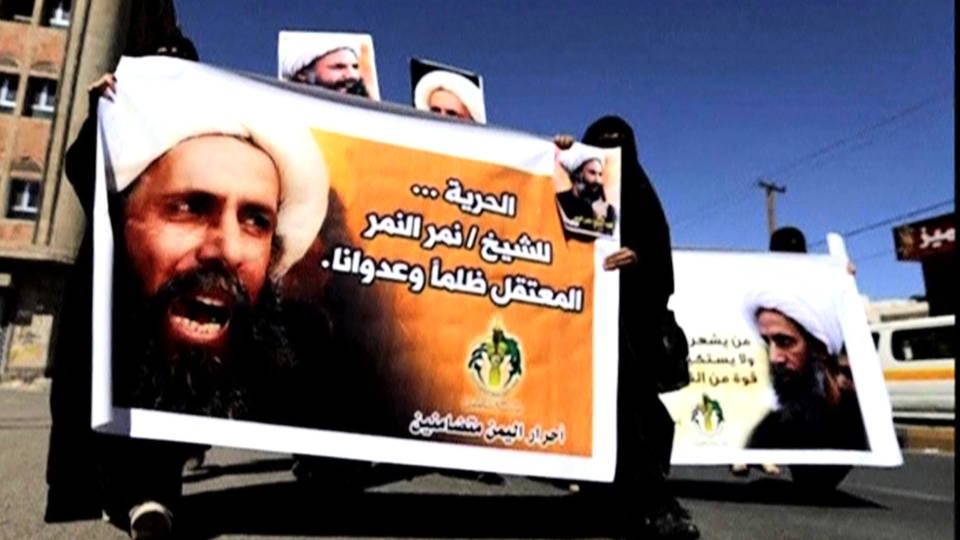
Tensions between Saudi Arabia and Iran over the Saudi execution of a Shiite cleric have continued to spread across the region. On Saturday, Saudi Arabia executed 47 people, including Shiite cleric Nimr al-Nimr, marking its largest mass execution in decades. In response, protesters in the Iranian capital Tehran torched part of the Saudi Embassy. Saudi Arabia responded by severing diplomatic ties with Iran. The Sunni-led nations of Bahrain and Sudan soon followed suit. The United Arab Emirates downgraded ties with Iran, while Kuwait said it would recall its ambassador there. Speaking Monday, Saudi Foreign Minister Adel al-Jubeir said Saudi Arabia would also end air traffic and trade relations with Iran.
Adel al-Jubeir: "We decided to cut off all diplomatic relations with Iran. We will also be cutting off all air traffic to and from Iran. We will be cutting off all commercial relations with Iran, and we will have a travel ban against people traveling to Iran."
Unrest in Bahrain, Iraq over Saudi Execution of Shiite Cleric
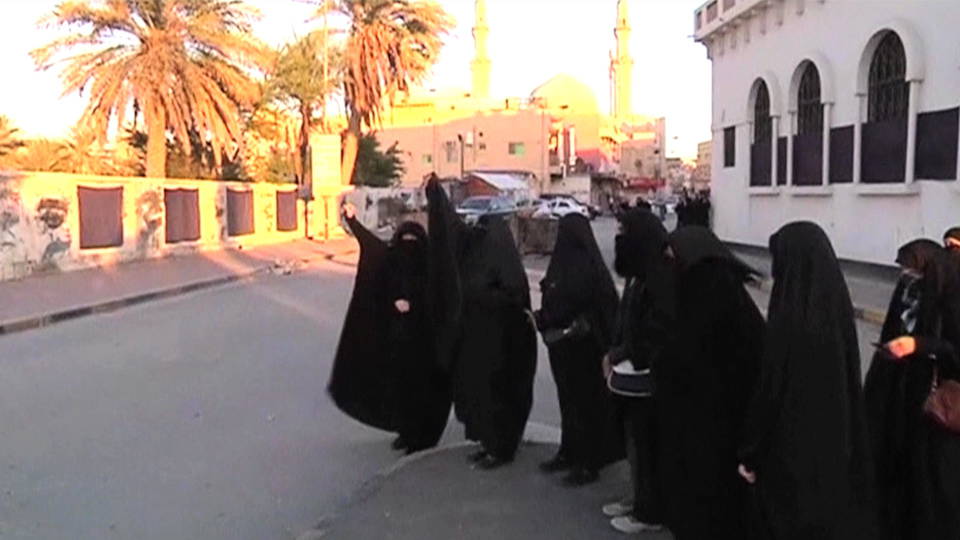
Amid the increasing isolation of Iran, protests against the Saudi execution of Shiite cleric Nimr al-Nimr have erupted across the region. In Bahrain, where hundreds of members of the Shiite majority have taken to the streets, police fired tear gas and birdshot at demonstrators. In Iraq, authorities said at least two Sunni mosques were attacked and two people killed in retaliation for the cleric’s execution.
Germany May Review Arms Exports to Saudi Arabia After Executions
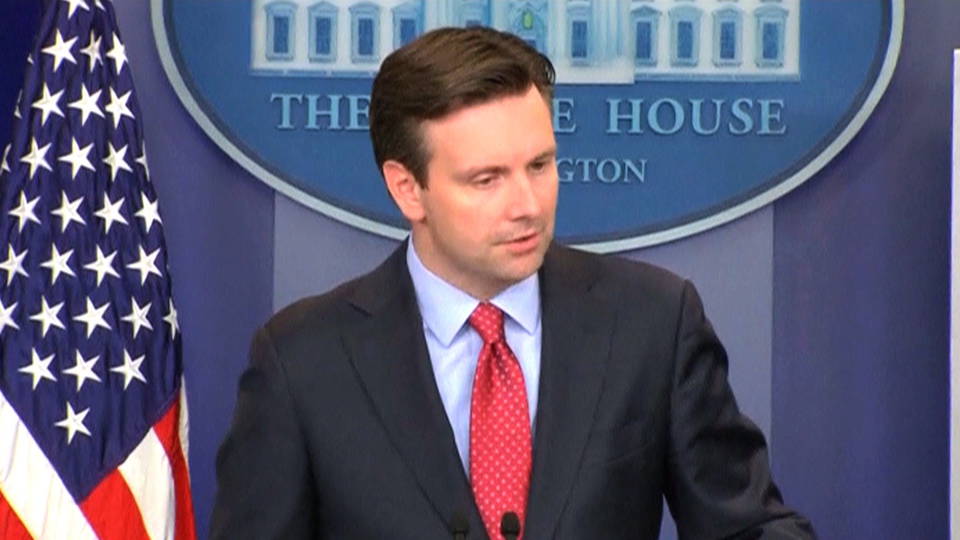
Germany has said it may re-examine its arms exports to Saudi Arabia after Saturday’s mass execution. The United States, meanwhile, which recently approved a $1.29 billion arms sale to Saudi Arabia, has stopped short of publicly condemning the execution of Sheikh Nimr al-Nimr. Speaking Monday, White House Press Secretary Josh Earnest said the Obama administration had raised concerns about the execution in the past.
Josh Earnest: "And, you know, this is a concern that we raised with the Saudis in advance, and unfortunately, the concerns that we expressed to the Saudis have precipitated the kinds of consequences that we were concerned about."
Right-Wing Occupation of Oregon Wildlife Refuge Enters 4th Day
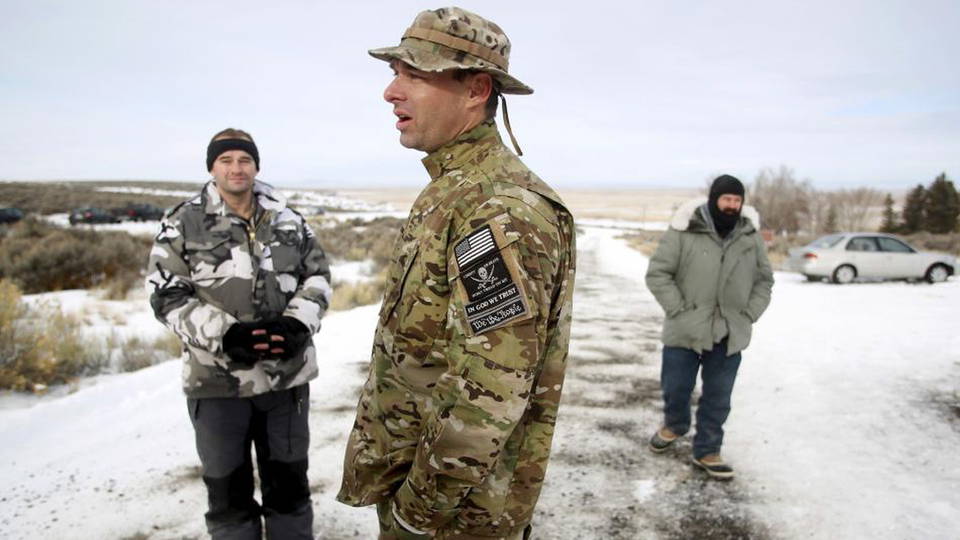
In Oregon, the armed, right-wing occupation of a federally owned wildlife outpost has entered its fourth day. An antigovernment militia calling itself the Citizens for Constitutional Freedom took over the Malheur National Wildlife Refuge on Saturday in support of two ranchers sentenced to prison for setting fires that burned federal land. On Monday, the ranchers, Dwight Hammond Jr. and his son Steven, turned themselves in to federal authorities in California. The Hammonds have said the militants in Oregon do not speak for them. At a news conference on Monday, Ammon Bundy, the leader of the militants, spoke out in defense of the Hammonds.
Ammon Bundy: "Myself and many, many, many others, for weeks on end, put all the energy we possibly could to try to keep them from having to go into this prison, and we feel that we have exhausted all prudent measures and have been ignored. And it has been left to us to decide whether we allow these things to go on or whether we make a stand so they will not happen to other people across this country."
Ammon Bundy is the son of Cliven Bundy, the Nevada rancher who refused to pay decades’ worth of cattle grazing fees, prompting a standoff with federal rangers last year in Nevada, during which an armed militia rallied to his support. We’ll have more on the occupation in Oregon after headlines.
Obama Unveils Executive Actions on Gun Control
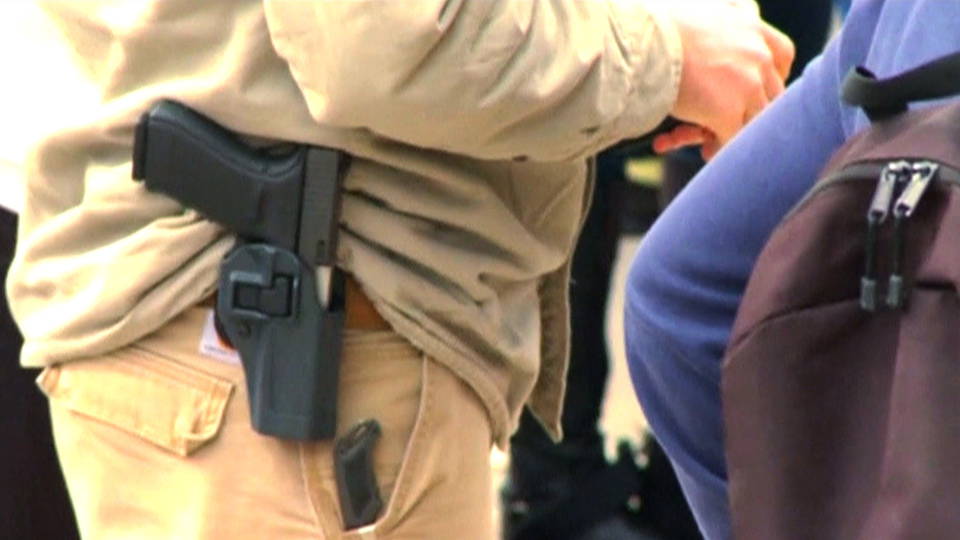
President Obama is poised to formally unveil a series of executive actions today to address gun violence in the United States. The steps include expanded background checks for some gun sales and increased funding for federal law enforcement agencies. The actions fall far short of the reforms Obama has requested from Congress. Speaking Monday, Obama said Congress still needs to act.
President Barack Obama: "We have a frequency of mass shootings that far exceeds other countries in frequency. And although it is my strong belief that for us to get our complete arms around the problem, Congress needs to act, what I asked my team to do is to see what more we could do to strengthen our enforcement and prevent guns from falling into the wrong hands."
U.N. Monitor Resigns over Israel's Denial of Access to Palestinian Territories
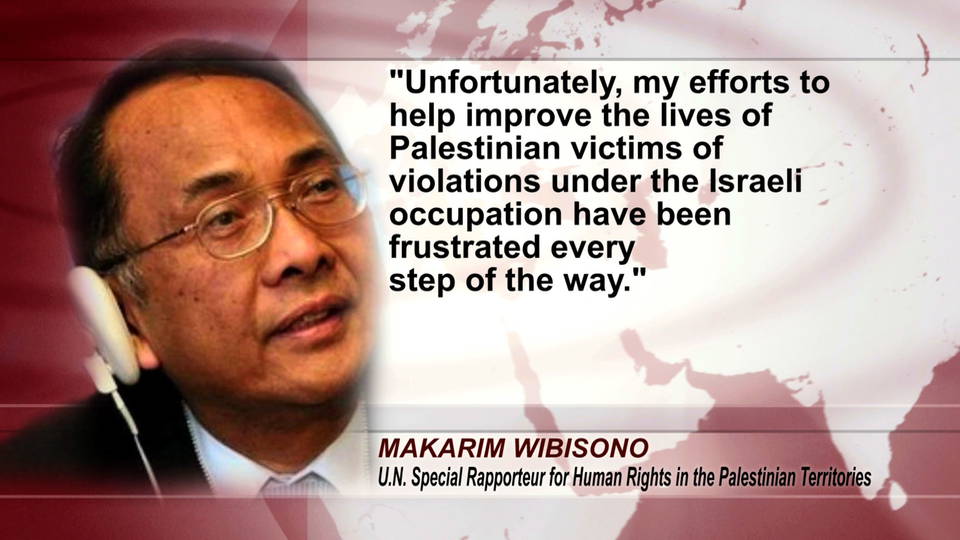
The United Nations special rapporteur for human rights in the Palestinian territories has resigned over Israel’s refusal to allow him into the occupied West Bank and Gaza. Makarim Wibisono said in a statement that he had hoped Israel would grant him access as an impartial observer, but, "Unfortunately, my efforts to help improve the lives of Palestinian victims of violations under the Israeli occupation have been frustrated every step of the way."
21 Refugees Drown Off Turkey; Shots Fired at Refugee Home in Germany
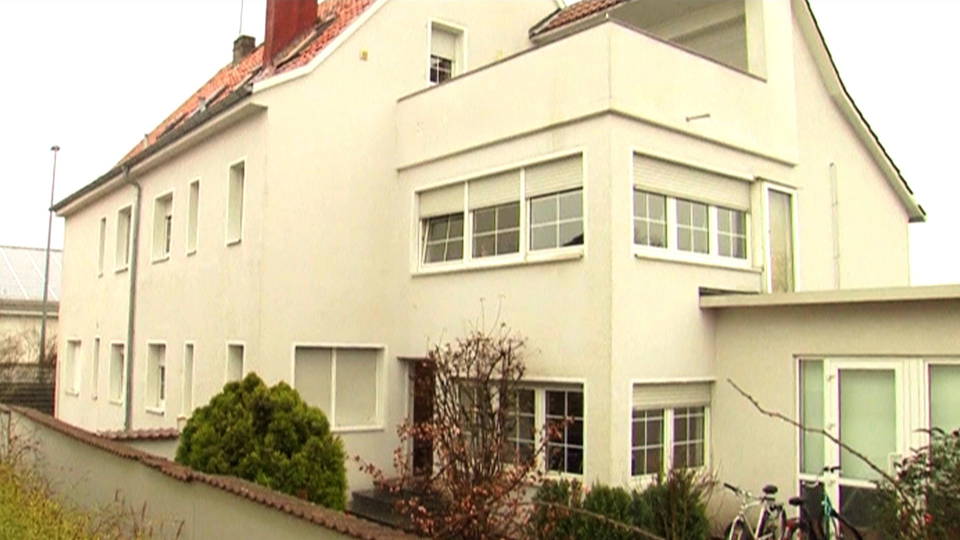
Turkish authorities say they have found the bodies of 21 people, including three children, after their boat sank as they tried to cross the Aegean Sea to Greece. It’s the latest in a series of tragedies as refugees flee violence in Syria, Iraq and other war-torn countries. Meanwhile, in the latest violence targeting refugees, authorities say several shots were fired at a building housing Syrian and Afghan refugees in western Germany. One of the shots wounded a 23-year-old asylum seeker as he slept.
U.S. Detains 121 in Push to Deport Central Americans Fleeing Violence
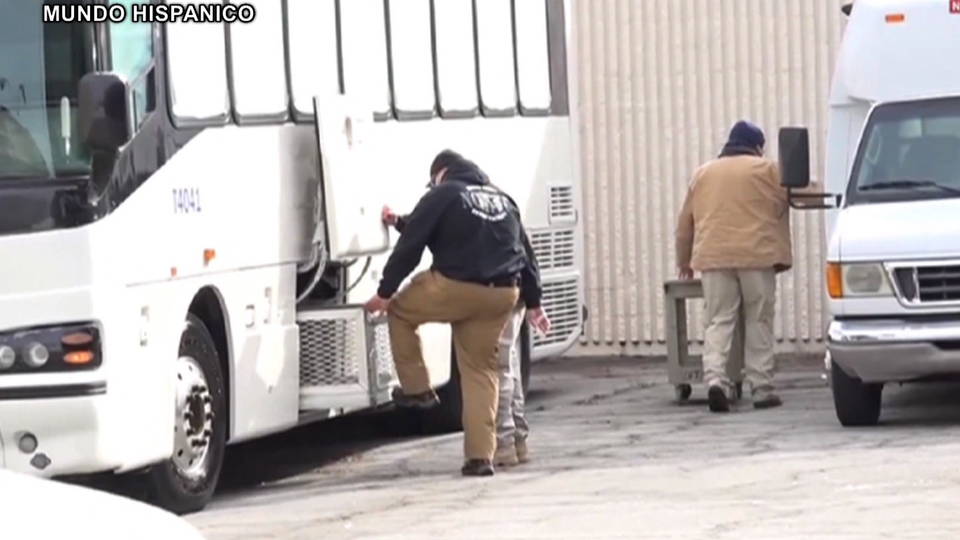
The Obama administration has acknowledged agents detained 121 people, including children, in raids over the New Year’s weekend as part of an operation to deport families fleeing violence in Central America. The raids took place mainly in Georgia, North Carolina and Texas. The number of mothers with children and unaccompanied minors arriving at the U.S. border reportedly rose late last year amid a spike in violence in El Salvador and Honduras. New data shows killings in El Salvador increased by nearly 70 percent last year, meaning El Salvador could overtake Honduras as the world’s most violent country.
Trump Campaign Ad on U.S.-Mexico Border Actually Shows Moroccan Border

Republican presidential front-runner Donald Trump has released his first campaign ad. The ad vows Trump will impose a temporary ban on Muslims entering the United States, "cut the head off ISIS" and address immigration across the U.S.-Mexico border.
Narrator: "And he’ll stop illegal immigration by building a wall on our southern border that Mexico will pay for."
Over that section describing the U.S.-Mexico border, video footage shows scores of people streaming over a border. But PolitiFact reveals the footage actually shows people crossing the border of a small Spanish enclave in Morocco. Asked about the discrepancy, Trump’s campaign manager told NBC, "No [expletive], it’s not the Mexican border, but that’s what our country is going to look like. This was 1,000 percent on purpose."
Justice Dept. Sues Volkswagen over Emissions Cheating Scandal

The Justice Department has sued German automaker Volkswagen after accusing it of installing devices in its vehicles to skirt U.S. emissions regulations. U.S. regulators say Volkswagen vehicles were emitting up to 40 times more pollution than U.S. standards allow. The lawsuit seeks billions of dollars in penalties.
Florida Reports Backlog of More Than 13,000 Untested Rape Kits
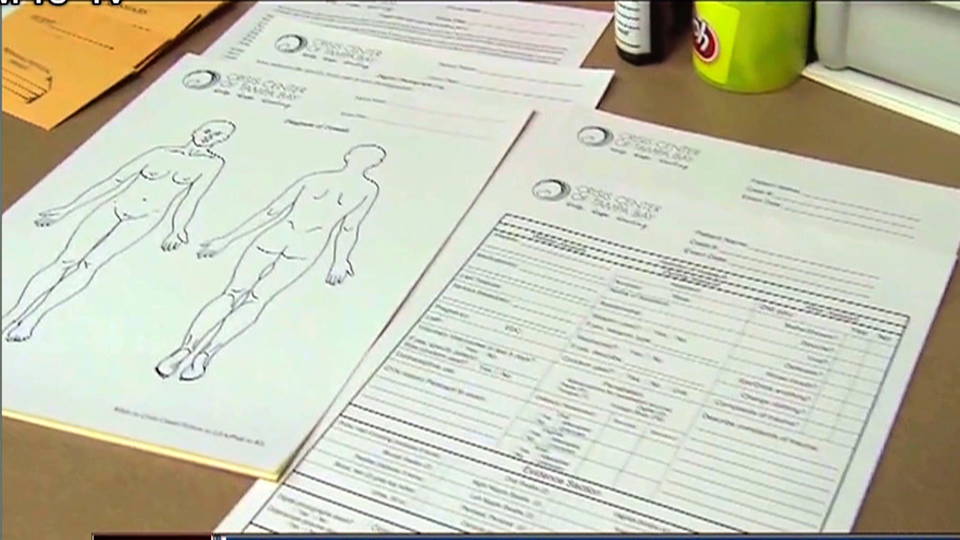
Florida authorities have acknowledged the state has a backlog of more than 13,000 untested rape kits. The report by the Florida Department of Law Enforcement says it could take several years and tens of millions of dollars to process the rape kits. The Florida backlog is part of a nationwide problem, with federal officials estimating 70,000 rape kits are currently languishing untested across the United States.
Las Vegas Police Kill Unarmed Man After Mistaking Cellphone for a Gun
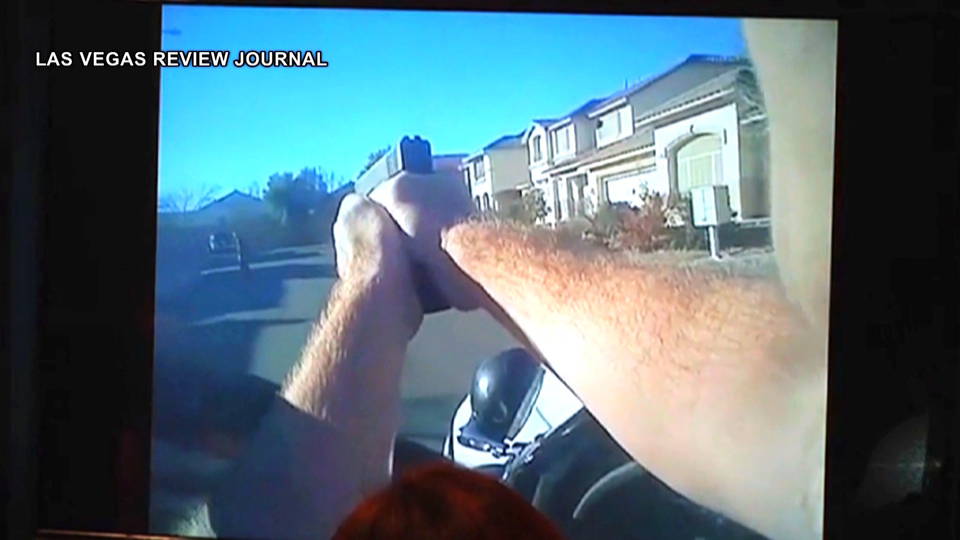
Las Vegas police shot and killed an unarmed man New Year’s Eve after mistaking his cellphone for a gun. Police responded after deputy U.S. marshals said they were pursuing a fugitive wanted for attempted murder. But the man, Keith Childress, was not wanted for attempted murder; he had skipped a court date in Arizona after being convicted of other charges. Police body camera video shows an officer telling Childress to drop his gun, which turned out to be a phone. The other officer involved failed to activate his body camera.
South Carolina: Officer Michael Slager, Who Killed Walter Scott, Released on Bond
In South Carolina, Officer Michael Slager has been released on bond. He’s the white police officer charged with murder after shooting unarmed African-American motorist Walter Scott in the back. Slager was released from jail on $500,000 bond but will remain under house arrest. His trial has been set for October 31.
Michigan Gov. Rick Snyder Weighs Emergency Declaration over Water in Flint
And Michigan Governor Rick Snyder is reportedly weighing whether to declare an emergency over contaminated water in the city of Flint. Governor Snyder apologized last week for the state’s handling of the water crisis in Flint, where residents have reported serious health problems due to elevated lead levels. The contamination began after an emergency manager appointed by Governor Snyder switched the city’s water source to the long-polluted Flint River in a bid to save money. In August, Governor Snyder helped deliver 1,500 water filters to Flint—even as state officials assured people the water was safe.
Donate today →
Follow:
Follow:


WEB EXCLUSIVE


A Most Unhappy New Year at Guantánamo
WORK WITH DN!

Director of Development
On-air Graphics Operator
--------------------
207 West 25th Street, 11th Floor
New York, New York 10001, United States
---------------------
---------------------

No comments:
Post a Comment