September 1, 2014 marks the 75th Anniversary of Hitler’s invasion of Poland and the outbreak of World War II. To commemorate this event we prepared a list of Seven Poles who should be remembered for their heroism, hard work and compassion.posted on Aug. 31, 2014, at 9:23 p.m.
Humanity’s Hero

Jan Karski was a young Polish diplomat and reserve officer when war broke out in September 1939. After fighting in the defense of Poland and being taken prisoner, Karski escaped and joined the Polish resistance movement. So began his involvement in the Polish underground Home Army where he served as a courier between Poland and the Polish government in exile in the West. What Karski is most known for today is his daring mission to try and stop the Holocaust. He was smuggled into the Warsaw Ghetto as well as into the Izbica transit camp to gather firsthand accounts about the plight of European Jews under Nazi rule. He then traveled to the West, where he met with British Foreign Secretary Anthony Eden and President Franklin D. Roosevelt among others, presenting his report about the extermination of European Jewry and pleading for Allied action to stop the Holocaust. 2014 has been declared the Year of Jan Karski by the Polish Sejm on the centennial of his birth.
Auschwitz Volunteer

When war broke out Witold Pilecki fought in the defense of Poland and subsequently became active in the underground. Pilecki came up with a daring and potentially suicidal plan: to be willingly captured by the Nazis and sent to Auschwitz Concentration Camp. The goal of his mission was to organize a resistance movement inside the camp and gather intelligence for Allied powers. From September 1940 to April 1943 Pilecki did just that. As prisoner number 4859 in Auschwitz he formed an underground resistance network within the camp and sent messages about the still fairly unknown camp to outside leaders. The Pilecki Reports, as the documents are now known, would be some of the world’s first detailed records of the Holocaust.
The Enigma Breakers

The Enigma was a cipher machine employed by Nazi Germany to send encrypted messages. The Polish Cipher Bureau managed to crack the up-to-then unbroken German code as early as 1932. As war clouds loomed over Europe, Poland decided to share their intelligence with the Allies, especially Britain’s Government Code and Cipher School at Bletchley Park, thus helping the Allies gain insight into German war plans. Polish cryptologists Marian Rejewski, Jerzy Rozycki and Henryk Zygalskinwere most instrumental in cracking the Enigma.
Hero of Three Nations

Henryk Slawik rescued thousands of Polish refugees, both Jews and gentiles, from Nazi oppression during World War II. After participating in the defense of Poland in 1939, Slawik escaped from a POW camp in Hungary and spent the war years in Budapest, where he led the Citizen’s Committee to Aid Polish Refugees. In this capacity Slawik provided Polish Jews residing in Hungary with false Aryan documentation, and helped establish an orphanage for children who unbeknowst to the authorities were actually Jewish orphans. When the Germans occupied Hungary in 1944 Slawik was arrested, tortured and eventually died at Mauthausen Concentration Camp. His actions are credited with aiding 30,000 Poles in Hungary during the war, including 5,000 Polish Jews. Today Henryk Slawik is often described as the “Polish Wallenberg.”
“What I did was not an extraordinary thing. It was normal.”
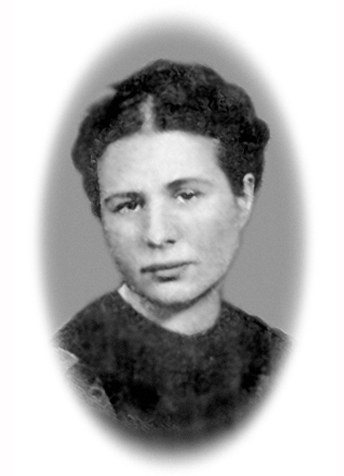
Irena Sendler was a nurse and aid worker involved in the Polish underground. She was an active organizer in Zegota, The Council to Aid Jews established by the Polish government. After the Nazi’s created the Warsaw Ghetto, Sendler spearheaded a movement to smuggle Jewish children out. Her efforts helped over 2,500 Jewish children escape the ghetto and be placed into hiding. Although arrested and interrogated by the Nazi’s, Sendler never disclosed the locations where Jewish children were hidden. In 2007 Sendler was officially nominated for the Nobel Peace Prize.
---------------------

No comments:
Post a Comment