democracynow.org
Stories

Canada Apologizes for Racist Incident 100 Years After Rejecting Komagata Maru Ship of 370 Immigrants
Broadcasting from Toronto, Canada, we look at how Canadian Prime Minister Justin Trudeau formally apologized this week for the 1914 Komagata Maru incident in which Canada turned away a Japanese steamship in order to prevent more than 370 Indians, including Sikhs, Muslims and Hindus, from immigrating to the country. The move was widely acknowledged to be aimed at keeping Indians out of Canada. Then premier of British Columbia, Sir Richard McBride, said at the time, "And we always have in mind the necessity of keeping this a white man’s country." We feature excerpts from the award-winning documentary on the Komagata Maru incident, "Continuous Journey," and speak with its director, Ali Kazimi, who is also author of the book, "Undesirables: White Canada and the Komagata Maru." Kazimi also discusses Canada’s current practice of detaining asylum seekers after a string of deaths inside detention centers.
TRANSCRIPT
This is a rush transcript. Copy may not be in its final form.
AMY GOODMAN: We’re on the road in Toronto, Canada, broadcasting from the studios of the Canadian Broadcasting Corporation, the CBC. Canadian Prime Minister Justin Trudeau has formally apologized for the 1914 Komagata Maru incident, in which Canada turned away a Japanese steamship in order to prevent more than 370 Indians, including six Muslims and Hindus, from immigrating to Canada. The move was widely acknowledged to be aimed at keeping Indians out of Canada. Then premier of British Columbia, Sir Richard McBride, said at the time, quote, "we always have in mind the necessity of keeping this a white man’s country." Well, on Wednesday, more than a century after the boat was turned away, Prime Minister Justin Trudeau apologized.
PRIME MINISTER JUSTIN TRUDEAU: Mr. Speaker, today I rise in this house to offer an apology on behalf of the government of Canada for our role in the Komagata Maru incident. ... More than a century ago, a great injustice took place. On May 23rd, 1914, a steamship sailed into Burrard Inlet in Vancouver. On board were 376 passengers of Sikh, Muslim and Hindu origin. Those passengers, like millions of immigrants to Canada before and since, came seeking better lives for their families, greater opportunities, a chance to contribute to their new home. Those passengers chose Canada. When they arrived here, they were rejected.
No words can erase the pain and suffering they experienced. Regrettably, the passage of time means that none are alive to hear our apology today. Still, we offer it fully and sincerely, for our indifference to your plight, for our failure to recognize all that you had to offer, for the laws that discriminated against you so senselessly, and for not apologizing sooner. For all these things, we are truly sorry. ... Just as we apologize for past wrongs, so, too, must we commit ourselves to positive action, to learning from the mistakes of the past and to making sure that we never repeat them. That is the unique promise and potential of Canada.
AMY GOODMAN: That was Canadian Prime Minister Justin Trudeau speaking on Wednesday, formally apologizing for the 1914 Komagata Maru incident. The tragedy of the Komagata Maru was told in the 2004 documentary Continuous Journey. This is a part of the film’s trailer.
ALI KAZIMI: May 23rd, 1914, immigration officers surround the Komagata Maru and anchor it one kilometer from shore. No one can land. The press is barred. No reasons are given. Who are these men? They are farmers, at sea for two long months. They are British subjects finally reaching the shores of a British dominion. They believe they can go anywhere in the empire.
AUDREY MACKLIN: One of the most powerful myths of the British Empire promoted by imperial interests was the assertion that all British subjects are equal within and throughout the empire. The attempts by Canada to exclude South Asians from entering had the potential to explicitly explode that myth.
HUGH JOHNSTON: There couldn’t really be an open policy of exclusion. It had to be a concealed one. It had to be one that could be denied.
ALI KAZIMI: In 1908, Prime Minister Laurier asked a young bureaucrat, Mackenzie King, to design such a veiled policy. Mackenzie King was clear in his confidential report.
WILLIAM LYON MACKENZIE KING: [quoted] "[T]hat Canada should remain a White man’s country is believed to be not only desirable ... but highly necessary on political and [social] grounds."
AMY GOODMAN: That was part of the trailer for the award-winning documentary on Komagata Maru incident called Continuous Journey. For more, we’re joined here in Toronto, Canada, by its director, Ali Kazimi. He’s a filmmaker, writer, scholar and visual artist. He’s also the chair of the Department of Cinema & Media Arts at York University and author of the book, Undesirables: White Canada and the Komagata Maru. On Wednesday, Ali Kazimi was in the audience when Canadian Prime Minister Justin Trudeau formally apologized.
Ali, welcome to Democracy Now!
ALI KAZIMI: Thank you for having me.
AMY GOODMAN: Talk about the significance of the Canadian prime minister’s apology a hundred years after what took place.
ALI KAZIMI: I think it’s significant. We just heard over and over again in the clips and in your quote that Canada was imagined as a white man’s country, and that assertion was repeated during the debates in the House of Commons a hundred years ago and even before that. So, from 1867 to 1967, I assert that Canada had what was effectively a whites-only immigration policy. And one of the instruments of keeping the country a white man’s country was the continuous journey regulation, which prevented the Komagata Maru.
AMY GOODMAN: Why was it called "continuous journey"?
ALI KAZIMI: You had to come by continuous journey from your country of nationality or origin. And this was specifically designed for South Asians, because, remember, at that time Canada was part of the British Empire, and what the imperial authorities were worried about is that if Canada denied British—fellow British subjects, Indians, the right to enter, India would go up in flames. This was a very real fear. So a policy had to be designed that was veiled. So, Mackenzie King, who later became Canada’s one of the longest-standing prime ministers, designed a policy which said you just had to come by continuous journey. It made no mention of race or nationality, and that—therein lies its brilliance. And therefore, it’s been ignored by historians as being an instrument of racial exclusion.
AMY GOODMAN: At the time of the Komagata Maru incident in 1914, Malcolm Reid was the dominion immigration agent, Canada’s West Coast gatekeeper. He laid siege to the Komagata Maru. The man who had appointed Reid and gave him orders resided in Ottawa, federal member of Parliament H.H. Stevens. In this clip from Ali Kazimi’s documentary, Continuous Journey, we begin with an actor recreating H.H. Stevens’ views on Hindus.
ALI KAZIMI: H.H. Stevens.
H.H. STEVENS: [quoted] "A Hindu never did one solitary thing for humanity in the past 2,000 years and will probably not in the next 2,000."
HUGH JOHNSTON: H.H. Stevens was a strong opponent of Asian immigration. And, of course, his voters supported his position.
AUDREY MACKLIN: It was absolutely a part of the nation-building project for Canada both to say, "These are people who can become Canadian, these are people who cannot. That’s part of how we define ourselves as a nation," and, on top of that, to say, "And we have the power to exercise that."
AMY GOODMAN: I want to go to another clip from the documentary, Continuous Journey. Here we learn how Canada discriminated against particular immigrants depending on their alleged desirability.
ALI KAZIMI: Panic had been building in Vancouver since the early days, when shiploads of Indian immigrants started arriving. The authorities did everything they could to discourage them from settling in Canada.
ENA DUA: It was very clear that politicians were talking about a white Canada policy. It was proclaimed every day in newspapers. It was proclaimed in Parliament. You know, John A. Macdonald, in his—one of his first speeches to Parliament, got up and said, "Canada is a white man’s country. We will create immigration policies to create a white man’s country."
ALI KAZIMI: The anti-Asian riots in 1907 forced the Laurier government into action. But it had to be careful. Canada was still stuck in the empire.
AUDREY MACKLIN: Canada, as such, doesn’t control its own foreign policy. To understand then what measures Canada takes regarding the entry of foreign nationals into Canada itself, you have to take into account how Britain would view those policies in terms of its larger imperial interests.
HUGH JOHNSTON: China at that time was, on the international scene, a weak state. And Chinese citizens, to get into Canada, were obliged to pay a head tax. And this exclusion by head tax was insulting. But because the Chinese didn’t have the diplomatic weapons to counter that, that’s what Canada did.
AMY GOODMAN: That’s a clip from the film Continuous Journey. Ali Kazimi, the director, filmmaker, writer, scholar, continue on what we just heard. Also, interesting how they talk about Hindus; in fact, the vast majority of people on this boat were not Hindu, but Sikh.
ALI KAZIMI: That’s right. And I think the term "Hindu" was used to describe people from India at that point. It was a distinction made because—to avoid confusion between the indigenous peoples of Canada, the so-called Indians at the time, and so anyone coming from South Asia who was brown, who wore a turban—and many, many South Asians who were not Sikhs also wore turbans at that point—were simply labeled as Hindus.
AMY GOODMAN: So talk about how you got interested in this, Ali.
ALI KAZIMI: I came to Canada in '83. And when I arrived at the airport, the immigration officer took me aside for interrogation. I came here as a foreign student to attend York University, where I'm the chair now. And one of the things he said to me after interrogating me was, "The only reason I’m letting you into my country is because you speak such good English." And I thought, "Wow! This is an interesting moment." The power of the immigration officer as a gatekeeper was driven home. And then, as I tried to make Canada my home, I was trying to see: How do I fit into this Canadian landscape? And in exploring early Canadian immigration history, I found the answer to the question, "If Canadians see themselves as inclusive, multicultural always, why do the Canadian demographics don’t reflect that?" Because, largely, Canada is still a white country—with increasing diversity, but that hasn’t always been the case. And that took me to all these politely referred to as exclusionary policies, which were, in fact, racist immigration laws.
AMY GOODMAN: So let’s get to the end of what happens. I want to go back to your documentary, Ali Kazimi, Continuous Journey. And here we learn how the Komagata Maru incident ends: with some 26 people killed and more than two dozen passengers listed as missing.
ALI KAZIMI: On September 26th, two months after heading out from Vancouver, the Komagata Maru reaches the coast of India. As I traveled through what used to be East Bengal, now Bangladesh, I can’t help thinking about their return. Once again, the Komagata Maru must anchor just off the coast. Imperial authorities are convinced the passengers are Ghadarites. For three days, they comb the ship for weapons and find nothing. On the 29th of September, the ship is diverted to the town of Baj Baj, 27 kilometers short of its final destination, Calcutta. The passengers see this as another trick. Tension is running high. As soon as they land on Indian soil, British troops surround them. A scuttle breaks out. Gurdit Singh’s son is snatched away from his father.
BALWANT SINGH: I understood at once the meaning of this act. Then, to our horror, we felt police bullets hitting us. No warning was given for this unprovoked attack. Three or four of my men lifted me on their shoulders and carried me to safety. I protested, but they replied, "Alive, you will tell the sad story of the Komagata Maru."
AMY GOODMAN: Ali Kazimi, take it from there, from your documentary, Continuous Journey. What happened at the end?
ALI KAZIMI: In the end, many of the people on the—the survivors, after the shooting, were arrested. Many were treated as seditious revolutionaries.
AMY GOODMAN: And explain exactly where the shooting happened.
ALI KAZIMI: The shooting happened in the village of Baj Baj, which is 26 kilometers away from Calcutta, the port of Calcutta, where the ship was sent back. And the authorities felt that these people, many of whom were returning veterans of the British Indian Army, were going to cause another mutiny in the British Indian Army. This is the thought that terrified the British, when India was immersed in the First World War by the time the ship got back, and the Indian Army was the largest volunteer force, of over 1 million men, to serve in the First World War. And the British couldn’t afford to lose India, nor could they afford to lose this immense force on their side in the First World War.
Meanwhile in Canada, the continuous journey regulation, which was used to turn the ship away, was an absolute regulation. We had something called the Chinese Exclusion Act, which mirrored what happened in the U.S. But the Chinese Exclusion Act was not as absolute as the continuous journey regulation, which effectively blocked immigration [to] Canada ’til 1948. And Canada did not drop its race-based immigration laws ’til 1967.
AMY GOODMAN: Right now Canada is dealing with major refugee stories. In the headlines today, Prime Minister Trudeau continuing to—in the headlines today, you had the Canadian government pledging to examine its own practice of detaining asylum seekers, after a string of deaths inside detention centers. Can you relate the two?
ALI KAZIMI: Absolutely, Amy. One of the things that happened with the Komagata Maru was that the passengers were detained outside the rule of law, for two months. They suffered what is happening to the detainees right now who are being held in indefinite detention outside—you know, without due process. Women and children are being held in detention in Canada. The same thing happened on the Komagata Maru. There were women and children on board the ship who were driven to the edge of thirst and starvation, deliberately, by the immigration authorities.
There are many patterns that continue to this day. Canada, for example, has signed an agreement with the United States called the Safe Third Country Agreement, which says that refugees must come by direct journey from the country of persecution to Canada, and if they don’t, they will have to seek asylum in the safe third country that they pass through. The vast majority of refugees to Canada come through the U.S. border. And now, by blocking the border since 2003, Amnesty International has condemned Canada for the Safe Third Country Agreement, which has led to a massive drop, a huge drop, in refugee applications to Canada. So, these—the continuous journey regulation, on the one hand, has been apologized for, but there are echoes of it in ongoing Canadian immigration and refugee policies.
AMY GOODMAN: Now, Ali Kazimi, if you asked most Canadians about this apology on Wednesday, they might not even have noticed, because it’s been subsumed by another apology, an incident that happened on the same day in the Commons, where you were, a reception then taking place where Prime Minister Trudeau was, and that’s what happened with Prime Minister Trudeau trying to manhandle a Conservative member of the Parliament and in trying to get him to sit down so they could vote on assisted dying. And when he was doing this, he inadvertently elbowed a female member of the Parliament. And this has just subsumed all the coverage of everything, it seems, right now in Canada. You were there when Prime Minister Trudeau said to you this would probably happen, to the group of you at the reception for this apology.
ALI KAZIMI: Yeah. I was invited to be one of the witnesses to the apology. And then, as the day progressed, we went from one event to the other. The day ended with a reception for—at which the prime minister came. And we had, by this time, totally lost track of what was happening in the House. He then proceeded to apologize and allude to an event that had happened in the House, which he predicted would take over the news of the apology. And then he, in turn, apologized again and said, "I regret that this has happened, and I am going to be at the center of this, and this is going to take over what we have just achieved today." And he was quite prophetic about it. And there we are, you know?
AMY GOODMAN: How important is it for Canadians to know what took place a century ago?
ALI KAZIMI: I think it’s extremely important for Canadians to know what took place a century ago, because this is not just South Asian history, it’s Canadian history. It forces us to re-examine our own self-image as somehow this country that is quite different and above what happens in the U.S. Race makes people incredibly uncomfortable in Canada. And any idea that these kind of incredibly racist and deliberately designed laws existed in the country is still not widely known in Canada. And one of the things about the apology was that, you know, in an apology, both sides have to know what happened.
AMY GOODMAN: Do you see this as Canada’s "Voyage of the Damned," the MS St. Louis, which took 900 Jews away from Nazi Germany? They tried to get into Cuba; they were denied entry. They tried to get into the U.S.; they were denied entry. And they also tried to get into Canada.
ALI KAZIMI: They tried to get into Canada, yes. And the St. Louis was the second ship to be turned away, the first being the Komagata Maru. So this was the pattern that Canada has in its history. And it’s a pattern based on the notion of white superiority. And that, Canada has to confront and has to face head-on, and we haven’t done that so far. The apology goes some part in addressing that. I’m glad the prime minister did not stop at just—that this was just about this one incident. I’m glad that he acknowledged that there were discriminatory laws.
And I think what was even more important for me, that the members—the leaders of the opposition took it a step further, and they said that these were—"Let’s name it: These were racist immigration laws." And so the idea of race entered the House of Commons and was talked about. That pleased me. And the leader of the NDP then connected it to what happened to a boatload—a shipload of Tamil refugees who came four years ago on a ship called the MV Sun Sea, who were subjected to very similar conditions, beyond the rule of law, by the then-Conservative government. They were put in hazmat suits. They were denied access to lawyers. They were detained indefinitely. They were denied access to the press. This is exactly what happened to the Komagata Maru.
AMY GOODMAN: I want to thank you, Ali Kazimi, for joining us, filmmaker, writer, scholar, visual artist. He’s the chair of the Department of Cinema & Media Arts at York University. His book, Undesirables: White Canada and the Komagata Maru. We’ll be back in a minute.
[break]
AMY GOODMAN: "Crossing the Pacific: The Hopes of 376 Passengers" by Neelamjit Dhillon Quartet. ... Read More →

Occupied Canada: Indigenous & Black Lives Matter Activists Unite to Protest Violence & Neglect
We host a roundtable discussion in Toronto about how indigenous and Black Lives Matter activists in Canada are working together to address state violence and neglect, and media coverage of their efforts. Last month, First Nations people occupied the offices of Canada’s indigenous affairs department to demand action over suicides as well as water and housing crises in their communities. The protests came after the Cree community of Attawapiskat declared a state of emergency over attempted suicides. Protesters set up occupations inside and outside the offices of Indigenous and Northern Affairs Canada in Toronto, Regina, Winnipeg and Gatineau, Quebec. Among those who took part in the occupation of the office here in Toronto were local Black Lives Matter activists who just weeks earlier had launched a 15-day encampment outside police headquarters following news there would be no criminal charges for the police officer who fatally shot a South Sudanese refugee named Andrew Loku last July. Among those who turned out in force at the encampment outside Toronto police headquarters were First Nations activists. We are joined by Erica Violet Lee an indigenous rights activist with the Idle No More movement and a student at the University of Saskatchewan; Hayden King, an indigenous writer and lecturer at Carleton University’s School of Public Policy in Ottawa; LeRoi Newbold, a member of the steering committee for Black Lives Matter Toronto and director of the Black Lives Matter Toronto Freedom School Project; and Desmond Cole, a journalist and columnist for the Toronto Star and radio host on Newstalk 1010.
TRANSCRIPT
This is a rush transcript. Copy may not be in its final form.
AMY GOODMAN: This is Democracy Now!, democracynow.org, The War and Peace Report. We’re on the road in Toronto, Canada, as we turn to look at how indigenous and Black Lives Matter activists here in Canada are working together to address state violence and neglect. Last month, First Nations people occupied the offices of Canada’s indigenous affairs department to demand action over suicides as well as water and housing crises in their communities. The protests came after the Cree community of Attawapiskat declared a state of emergency over attempted suicides. The community of 2,000 saw 28 suicide attempts in March alone, and 11 on a single night in April. Protesters set up occupations inside and outside the offices of Indigenous and Northern Affairs Canada in Toronto, Regina, Winnipeg and Gatineau, Quebec. Among those who took part in the occupation of the office here in Toronto were local Black Lives Matter activists, including Yusra Khogali.
YUSRA KHOGALI: This is our family. We know that the only way we can be free and fight against the systems working to kill us is to stand with each other and stand by each other. We’re both targeted by the state in similar ways—the ways in which there is mass incarceration in our communities, police violence, a lack of access to proper housing.
CATHY TSONG DEH KWE: You’re dealing with so much more than just, you know, cuts and scrapes or lacerations. You’re dealing with a whole 500 years of genocide that these people are having to deal with on a daily basis. And we’re basically making sure that the people of Attawapiskat and James Bay, in general, and northern Manitoba, that they know that people are hearing what’s going on, and that they know that people are backing them.
PROTESTER 1: These children feel like their only way out is to take their own lives!
PROTESTERS: Shame!
PROTESTER 2: The suicide crisis in Canada needs to stop!
PROTESTER 1: We have shut the office down. There will be no phone calls, no deliveries. Nothing.
AMY GOODMAN: Protesters occupying an indigenous affairs office here in Toronto, Canada, last month. Just weeks earlier, Black Lives Matter activists in Toronto launched a 15-day encampment outside police headquarters. The protests followed news there would be no criminal charges for the police officer who fatally shot a South Sudanese refugee named Andrew Loku last July. A police watchdog said Loku, who had a history of mental health problems, was wielding a hammer when he was shot. But a witness said Loku’s hands were at his side. Among those who turned out in force at the encampment outside Toronto police headquarters were First Nations activists.
Well, to talk more about this coalescing of movements, we’re joined now by four guests. Erica Violet Lee is with us. She’s an indigenous rights activist with the Idle No More movement and a student at the University of Saskatchewan. Hayden King is an indigenous writer and lecturer at Carleton University’s School of Public Policy in Ottawa. LeRoi Newbold is a member of the steering committee for Black Lives Matter Toronto and director of the Black Lives Matter Freedom School Project. And Desmond Cole is a journalist and columnist for the Toronto Star and radio host on Newstalk 1010.
We welcome you all to Democracy Now!
HAYDEN KING: Thank you.
AMY GOODMAN: Erica, why don’t we begin with you? And talk about the protests and the occupation you were engaged in, and the issues you feel are critical to raise for people, an audience that’s global.
ERICA VIOLET LEE: I think that recognizing that we’re on stolen indigenous land is the key to understanding solidarity between these movements, to understanding why indigenous youth are being pushed to kill ourselves in a colonial context, and to recognize that police violence is impacting black lives, indigenous lives and racialized lives in this country, and sometimes we don’t even think about the history of resistance. And so, to see the occupation of INAC and to see the occupations of the police department is an example that we’re taking back this land and we’re taking back our lives.
AMY GOODMAN: And INAC is, for people not in Canada, the Indigenous and Northern Affairs department—
ERICA VIOLET LEE: Yes.
AMY GOODMAN: —of the Canadian government. And what were you demanding at that moment? And ultimately, why did you leave?
ERICA VIOLET LEE: So the occupation was in response to youth suicides in Attawapiskat and all indigenous communities in Canada. And the reason that people wanted to take over these offices is to say these are government offices that are benefiting off of indigenous resources, indigenous land, and yet we live in poverty, and yet we’re not represented in education. Things are dire, and it shouldn’t—we shouldn’t be poor and helpless on our own lands.
AMY GOODMAN: LeRoi, you are a part of the Black Lives Matter movement. You’re joining together with First Nations people. Talk about this coalescing of movements.
LEROI NEWBOLD: So, with the 15-day occupation of Toronto Police Headquarters, we were really aware that the issues that we face in the black community in terms of the lack of value of black lives in the eyes of the state and the police is very parallel to issues that indigenous communities face. When we were occupying Toronto Police Headquarters, we were conscious of the fact that this is a space that is occupied by indigenous activists many times around the issue of missing and murdered indigenous women. And the similarities of issues that both of our communities face in terms of interventions by the state around CAS, in terms of education—
AMY GOODMAN: CAS is?
LEROI NEWBOLD: It’s—the American sort of version would be Child Protective Services. And the issues that we face with police violence, the issues that we face in terms of when we lose community members and the police don’t have any reaction to that, were—
AMY GOODMAN: And the particular occupation that just took place, or the protest outside police headquarters, talk about who Loku was and what you came to understand about what happened?
LEROI NEWBOLD: Andrew Loku was a refugee to Canada. He was from South Sudan. And his family came here for what many immigrants come here for: protection or a better life. And he was shot by the Toronto police on Eglinton West. He was somebody who was living with mental health issues. And the police shot him within 60 seconds of arriving at his apartment complex. So, that was something that was deeply disturbing to our community and that we’ve been working with that family for the past couple of years to seek justice. So, directly before the occupation of Toronto Police Headquarters was when we found out that the officer who killed Andrew Loku would not be charged, and that there would be no justice there.
AMY GOODMAN: I want to turn to the case of Jermaine Carby, who was shot and killed by police during a traffic stop in September of 2014. He was a passenger in the car. This week, a coroner’s inquest into Carby’s death revealed Carby had been subjected to a street check known as carding. This is Carby’s cousin, La Tanya Grant, speaking to a reporter.
LA TANYA GRANT: The officer said he was done, his highway traffic stop, when he finished with the driver, so he had no reason to speak to my cousin after that, nor did he have a reason to ask for his ID. I don’t know what got them pulled over. I just know that they weren’t supposed to be pulled over. And if they were pulled over, they weren’t supposed to be talking to my cousin, Jermaine Carby. If they did not speak to him and card him, Jermaine Carby would still be here today.
AMY GOODMAN: We’re also joined by Desmond Cole, who is a columnist for the Toronto Star, as well as a radio talk show host. Desmond, can you talk about the Canadian media’s coverage of the issues of, for example, the killing of Carby, as well as Loku?
DESMOND COLE: Well, I remember that Jermaine Carby was killed in September of 2014 in Brampton, which is a suburb of Toronto, and there was very, very little media coverage at the time of this event. And I remember it so well because a couple of months later I actually took a trip down to Ferguson, Missouri, and I was covering the backlash after Darren Wilson was not charged in killing Mike Brown, the unarmed 18-year-old teenager there. And I saw thousands of people from Ferguson marching here in Toronto in solidarity with Mike Brown, but also talking about our own issues, talking about Jermaine Carby and talking about other people in our communities here who have been killed by police. And so, the movement is an international movement. The movement is one where people are feeding off of each other. They’re watching and learning and taking inspiration from one another. It’s taken a lot of time, but I think that Black Lives Matter Toronto and many other groups in solidarity have been much more successful in recent months of raising this as a local problem. And the media has been very slow to respond. But I think the persistence of the activism is forcing more media coverage as time goes on.
AMY GOODMAN: You wrote an article about your own experience with racism. Can you talk about what you wrote and the reaction to it?
DESMOND COLE: Well, I wrote about growing up in this part of the country, in the greater Toronto area, and facing systemic racism, being a second-generation Canadian—my parents are from Sierra Leone—and facing anti-black racism every day, facing it in school, facing it at work, and talking about how normal it really is. The reaction was an interesting one, because a lot of people in our city, which prides itself on being multicultural, they acted surprised. They acted surprised that this level of discrimination is so common. Those of us who experience it are not surprised by it at all. And I think what was revealed is a certain naïveté in Toronto, where we ignore very obvious problems of racial discrimination and systemic racism because we want to tell ourselves that it’s not happening here, and we especially want to tell ourselves that we are not the United States of America.
AMY GOODMAN: We’re going to go to break, then come back to this discussion. Our guests are Desmond Cole, who is a columnist with the Toronto Star. We’re also joined, as well, by LeRoi Newbold, who’s with Black Lives Matter here in Toronto. Erica Violet Lee is with us, as well as—and we’re going to hear from Hayden King, talking about indigenous issues in Canada and how they’re dealt with by the state. Stay with us.
[break]
AMY GOODMAN: "Mother" by Ulali, here on Democracy Now!, democracynow.org, The War and Peace Report. We’re on the road in Toronto, Canada—I’m Amy Goodman—looking at how indigenous and Black Lives Matter activists here in Canada are working together to address issues of state violence and neglect. Earlier this month, Canada announced it would back a United Nations declaration to protect the rights of the world’s more than 370 million indigenous peoples. Four countries opposed the declaration when it was first adopted by the U.N. General Assembly in 2007. Those four countries were Australia, New Zealand, Canada and the United States. Canada was the last of the four to finally embrace the statement. Indigenous Affairs Minister Carolyn Bennett made the announcement at a U.N. forum in New York, drawing a standing ovation.
CAROLYN BENNETT: Today we are addressing Canada’s position on the U.N. Declaration on the Rights of Indigenous Peoples. I am here to announce on behalf of Canada that we are now a full supporter of the declaration, without qualification. We intend nothing less than to adopt and implement the declaration in accordance with the Canadian Constitution.
AMY GOODMAN: We are joined right now by four guests: Erica Violet Lee, indigenous rights activist with Idle No More and a student at the University of Saskatchewan; Hayden King, indigenous writer and lecturer at Carleton University. We’re joined by LeRoi Newbold, member of the steering committee for Black Lives Matter Toronto. And we’re joined, as well, by Desmond Cole, a journalist and columnist for the Toronto Star.
Hayden, I wanted to turn to you. You wrote a piece about how people—raising the issue of "Can Trudeau deliver on his First Nations promises?" Your point?
HAYDEN KING: The point I think I was trying to make in that article was that Justin Trudeau and his government have made some very impressive promises during the campaign and after the campaign, everything from, you know, allowing indigenous peoples to say no to development in their territory they oppose, to creating a missing and murdered indigenous women’s inquiry, to—
AMY GOODMAN: Explain the missing and murdered indigenous women’s issue.
HAYDEN KING: Right. Well—
AMY GOODMAN: Because this is something I don’t think people understand in—outside of Canada, maybe even inside of Canada.
HAYDEN KING: I think—
AMY GOODMAN: How many women are missing?
HAYDEN KING: I don’t know if you can put a number on it. Many hundreds, thousands of indigenous women have been taken away from their communities, their families, murdered. And this is a phenomenon that is not unique to Canada. In the United States, indigenous communities face epidemic levels of violence against indigenous women. So, in Canada, I think activists have been able to push governments and politicians and their own community leadership to address this issue, and that’s resulted in the government committing to creating an inquiry on missing and murdered indigenous women. So that’s actually the one commitment that the government seems to be following through on, on the many promises they made during the campaign and thereafter, including implementing the Declaration on the Rights of Indigenous Peoples, including the right to free prior and informed consent, including significant investment into education, child welfare, which has been lacking in this country for 150 years.
AMY GOODMAN: LeRoi Newbold, on the issue of transgender people in this country and how you’re treated, how people are treated by the police and the general community, the issue of carding, which I think in the United States is sort of like stop-and-frisk, and how it differentially impacts on transgender people?
LEROI NEWBOLD: So, with carding, there’s a lot of focus on the experiences of young black men in carding, which are very problematic and horrific. You mentioned earlier the case of Jermaine Carby. Jermaine Carby would still be alive today if it were not for carding. So it does really impact young black men, but also impacts women, also impacts queer and trans people in the black community.
And so, with carding, you might be pulled over, stopped and frisked, and it might go very quickly from something seamless, like a traffic violation stop, into something that looks more like a criminal investigation, where you’re being held by police, you’re being detained, but you haven’t been read your rights. And for trans people, that can be something that is very additionally of a concern, because when you’re asked for your ID, the ID that you provide, your name might not—your sex and your gender on the ID might not match your gender presentation. So, at that moment, that interaction with police can quickly become violent and dangerous for transgender people.
AMY GOODMAN: Erica, if you could talk about what it means for Black Lives Matter and First Nations people, Idle No More, to be working together, what you’re hoping to achieve in this coalition?
ERICA VIOLET LEE: Yeah, I was actually in Toronto when there was the giant rally about Black Lives Matter after the death of Andrew Loku, and recognizing, you know, these issues are interconnected. The fact that black people on this land are subject to extreme police brutality is directly related to the fact that the North-West Mounted Police, now the RCMP, were started to police indigenous bodies, to keep us on reserves, to keep settlers safe.
So this is the history of this land that we’re living with, and I think that the general Canadian public doesn’t understand the type of violence that we face every day. You know, it’s scary to walk down the street as an indigenous woman, as a queer two-spirit indigenous person, and it shouldn’t be. We should—we need to connect, you know? And it’s not just about positioning ourselves against white Canadians, either. It’s about recognizing our own histories and our own histories of resistance.
AMY GOODMAN: Desmond Cole, as you cover these issues, do you feel there’s a change in attitude?
DESMOND COLE: There’s a huge change happening right now. There were a series of attacks against Muslim people in Toronto last winter, immediately after the attacks in Paris, France, and Muslim women being accosted on the subway, being attacked while picking up their children from school. And a solidarity rally took place. And while people were marching in that rally, they were saying, "Whose streets? Our streets!" But they were also saying, "Whose land? Native land!" And I’ve never heard that at a protest in Toronto. The protest was about Islamophobia, but it was opened up by indigenous people talking about how they understand also the oppression that the state has enacted on people in this land. And then, of course, Black Lives Matter Toronto being in that historic protest in front of the police station, indigenous solidarity there was unbelievable with the black community. And I think that that’s really the change that’s happening in Canada, is that different groups who are experiencing police brutality and oppression are really coming together in this country.
AMY GOODMAN: I have to leave it there, and I thank you so much for being with us on this day’s broadcast from the Canadian Broadcasting Corporation here in Toronto, Canada, Erica Violet Lee, Hayden King, LeRoi Newbold and Desmond Cole.
That does it for the show. Tonight I’ll be speaking in Toronto here at the Hart House at University of Toronto Great Hall, second floor. Saturday night at 7:30, I’ll be in Troy, New York, at the Sanctuary for Independent Media, then at the Free Library of Philadelphia Monday at noon.
Oh, and a huge shout-out to Miguel Nogueira, our audio engineer, our engineer. He and Inga have just given birth to Alexander and Sofia. Welcome to the world, kids! ... Read More →
Headlines:SF Police Chief Ousted After Weeks of Protests & Hunger Strikes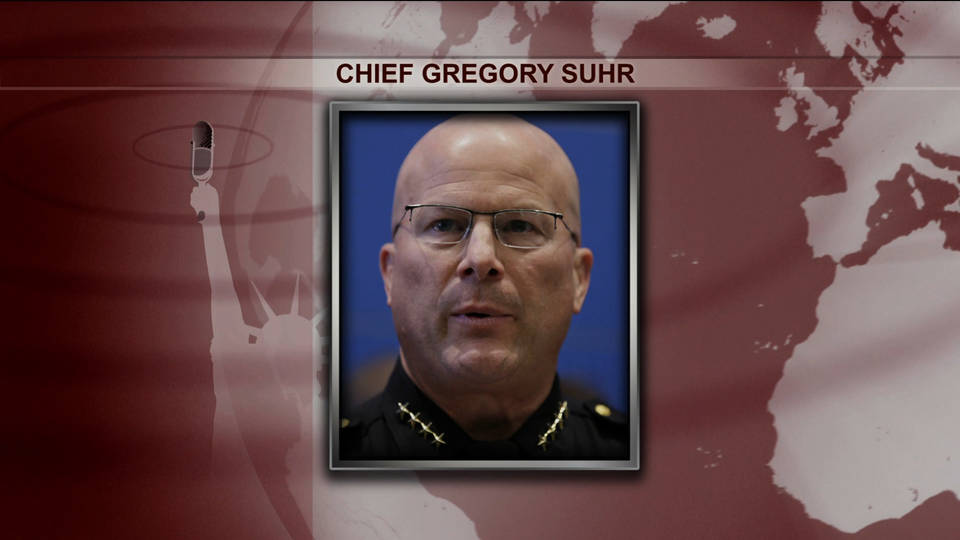
San Francisco Police Chief Gregory Suhr has been ousted following weeks of protest and hunger strikes demanding his resignation over police killings in the city. Mayor Edwin Lee announced he was asking for Suhr’s resignation Thursday, hours after a police officer shot and killed an unarmed African-American woman in a car in the Bayview district—the same neighborhood where officers shot and killed Mario Woods in December.
Mayor Edwin Lee: "These officer-involved shootings, justified or not, have forced our city to open its eyes to questions of when and how police use lethal force. That’s why I have asked Chief Suhr for his resignation. And in the best interests of the city that he loves so much, he tendered his resignation early today. Despite the political rhetoric of the past few weeks, I have nothing but profound admiration for Greg. He’s a true public servant, and he’ll always have respect."
Chief Suhr’s ouster comes after activists known as the "Frisco 5" held a more than two-week hunger strike demanding the police chief’s departure. On Thursday, the Frisco 5 issued a statement, which was read aloud at a gathering outside City Hall.
Protester: "The people made this happen. We have won this battle, but the war is not over. It is sad that 22 people had to lose their lives at the hands of the SFPD. We want the officers involved in these shootings charged with murder. We demand an immediate meeting with the interim chief to discuss real reform created by the community."
Gregory Suhr is the third police chief of a major U.S. city to be ousted within the last year amid nationwide protests demanding racial justice and an end to police brutality. Baltimore Police Commissioner Anthony Batts was fired last July following the death of Freddie Gray due to injuries sustained in police custody, while Chicago Police Superintendent Garry McCarthy was ousted in December following the release of the video showing the police killing of Laquan McDonald, who was shot 16 times by Chicago police officer Jason Van Dyke.
TOPICS:
Police Brutality
Egyptian Military Says Debris of Crashed EgyptAir 804 Has Been Found

The Egyptian military says it has found debris from EgyptAir Flight 804, which crashed Thursday en route from Paris to Cairo. Authorities are still investigating the cause of the crash. The Egyptian civil aviation minister has said terrorism was a more likely cause than technical failure.
TOPICS:
Egypt
France Extends State of Emergency for Two Months
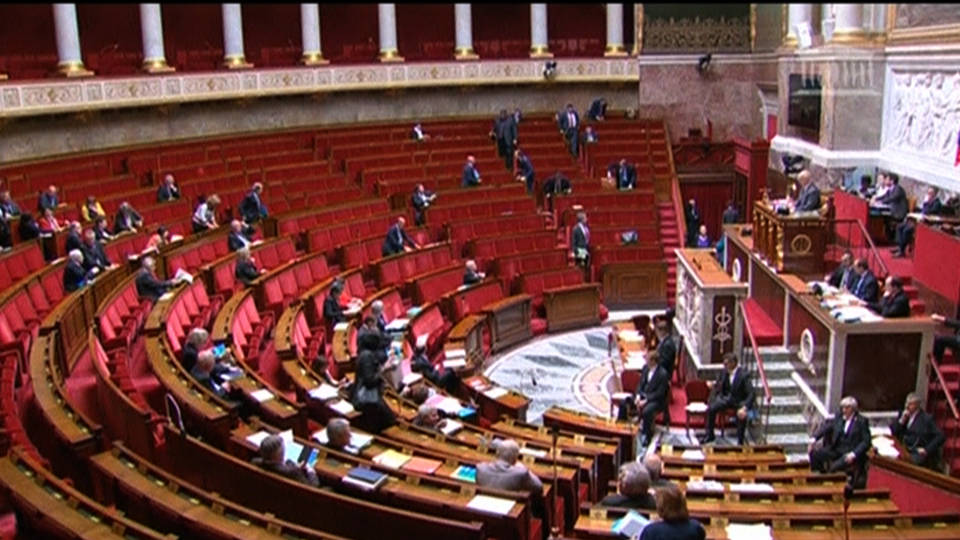
The French Parliament has voted to extend the country’s state of emergency for another two months. The emergency measures were approved following the November 13 attacks in Paris, giving President François Hollande a sweeping expansion of state powers, including measures that permit police raids without a warrant. Parliament member André Chassaigne spoke out against the extension of the emergency measures.
André Chassaigne: "People have been called into question about things that have nothing to do with the fight against terrorism. The executive power lets itself continue dangerously enforcing the state of emergency for measures that are destroying freedom, what’s more of a means to an end, other than a fight against terrorism."
TOPICS:
France
Japan: U.S. Military Contractor Arrested in Killing of Japanese Woman
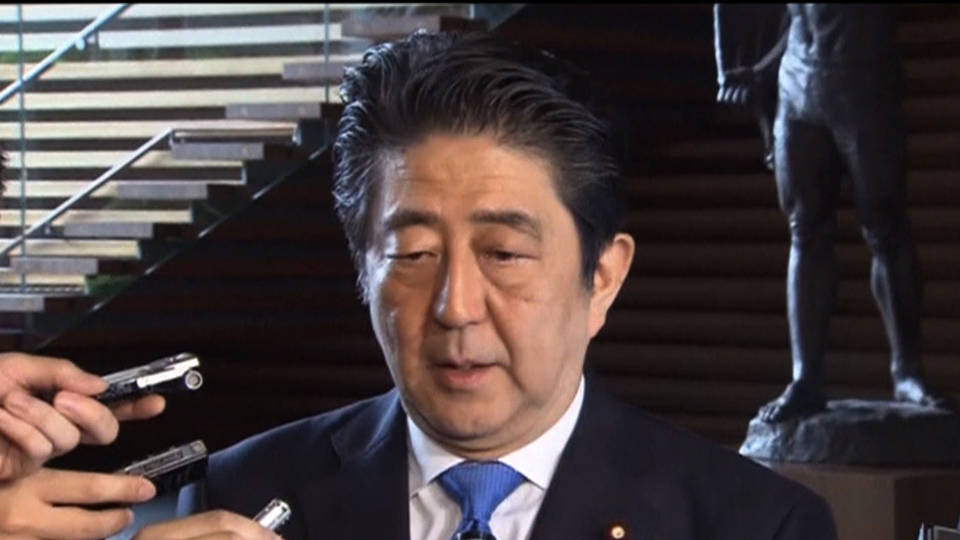
In Japan, a U.S. military contractor and former marine has confessed to dumping the body of a 20-year-old Japanese woman in a forest on the island of Okinawa, which is home to U.S. military bases. Thirty-two-year-old Kenneth Shinzato was arrested Thursday. He has not confessed to killing the woman, who disappeared last month. Japanese Prime Minister Shinzo Abe spoke out.
Prime Minister Shinzo Abe: "I feel a strong anger. I believe it’s a regrettable situation. I am at a loss of words when I think of her family."
Okinawa residents have long protested the presence of 50,000 U.S. troops on the island, saying they bring crime and pollution.
TOPICS:
Japan
Israeli Defense Minister Resigns, Citing Extremism & Racism in Israel
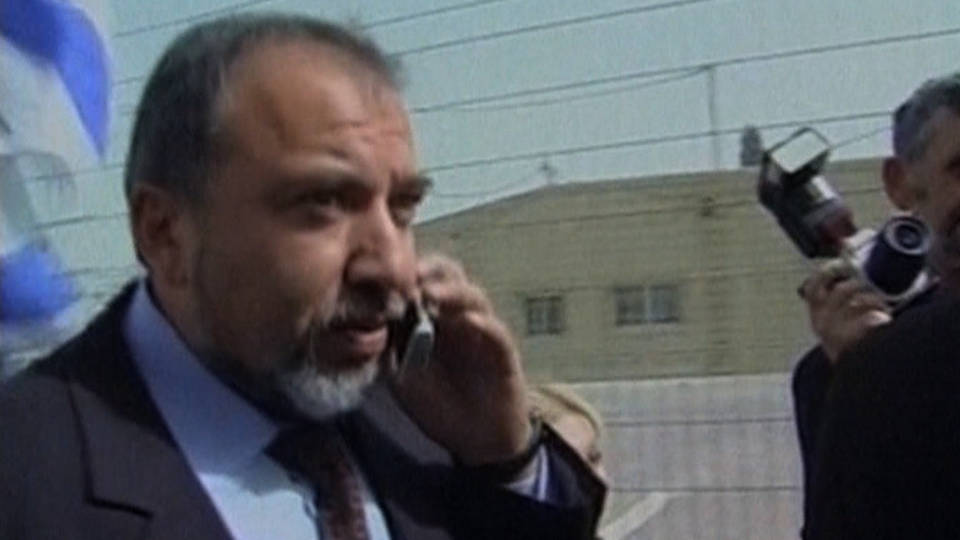
The Israeli defense minister, Moshe Ya’alon, has resigned, saying, "I fought with all my might against manifestations of extremism, violence and racism in Israeli society." His resignation comes only days after Ya’alon’s deputy chief of staff, Major General Yair Golan, compared modern-day Israel to "nauseating trends" in Nazi-era Germany. Israeli Prime Minister Benjamin Netanyahu has now offered the position of defense minister to the right-wing, ultranationalist politician Avigdor Lieberman. Lieberman is considered to be one of the most hawkish politicians in Israel.
TOPICS:
Israel & Palestine
Imprisoned Palestinian Journalist on Hunger Strike Freed
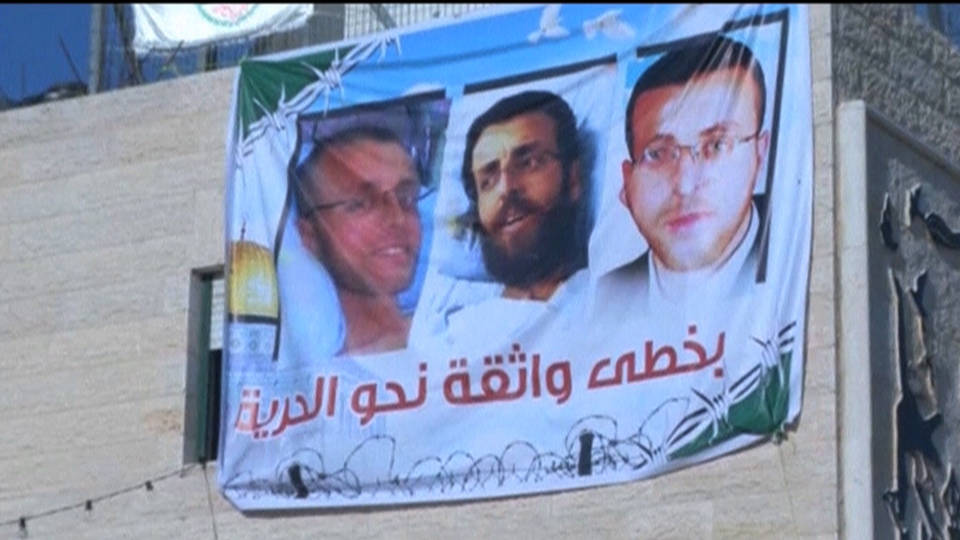
Meanwhile, a Palestinian journalist has returned home to the West Bank after holding a 94-day hunger strike to protest his indefinite detention by Israel. Journalist Mohammad al-Qiq is a reporter for the Saudi News Agency Almajd TV Network. He was accused of being involved with Hamas. His wife Faihaa Shalash spoke upon his release.
Faihaa Shalash: "It is a feeling of happiness that cannot be described on this historic day. We thought that Mohammad might die during the hunger strike, but now, all that is just a memory."
TOPICS:
Palestine
Journalism
Canada: Trudeau Continues Apologizing for Elbowing Female MP
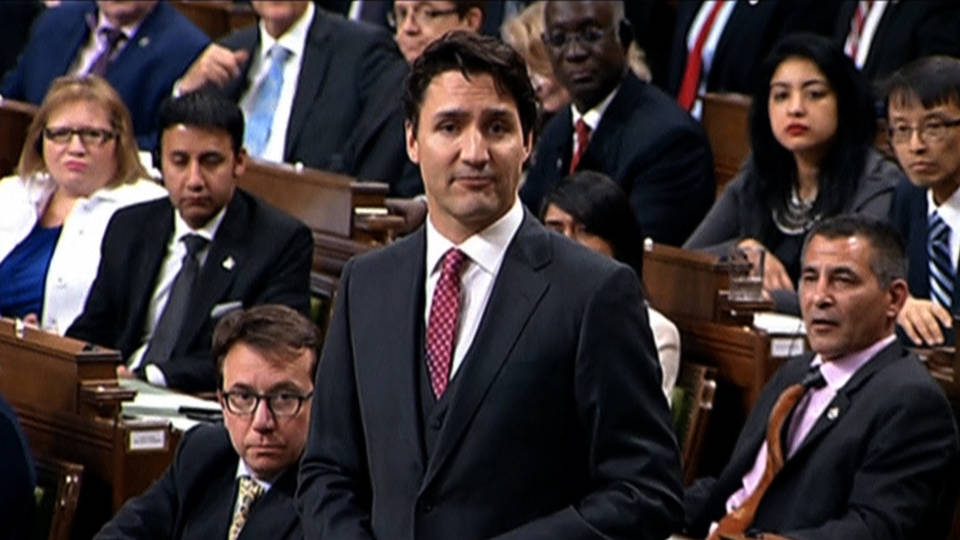
Here in Canada, Prime Minister Justin Trudeau continues to apologize for elbowing MP Ruth Ellen Brosseau while on the floor of Canada’s Parliament. The elbowing came as Trudeau was attempting to pull another Conservative lawmaker toward his seat so the Parliament could begin a vote on assisted dying. In the process, Trudeau elbowed the female lawmaker, sparking outrage from Conservatives.
TOPICS:
Canada
Canada Approves Sale of Genetically Modified Salmon

Meanwhile, the Canadian Food Inspection Agency has approved a genetically modified salmon for sale as food. It’s the first genetically modified animal approved in the country. AquAdvantage salmon was developed by Massachusetts-based AquaBounty Technologies. They grow twice as fast as natural salmon.
TOPICS:
Canada
GMO
India: Heat Wave Breaks National Temperature Records
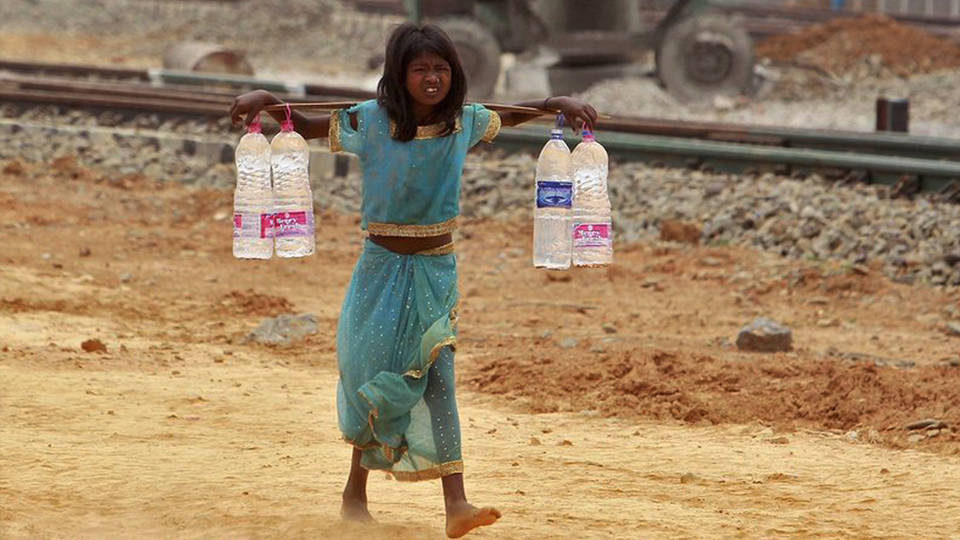
In India, a severe heat wave has shattered the national benchmark for the hottest day on record, as the temperature in the city of Phalodi topped a staggering 123 degrees Fahrenheit. Several hundred people have died so far from the extreme temperatures across India. Increasingly deadly heat waves have been linked to climate change.
TOPICS:
India
Climate Change
HRW: U.S. Soldiers Unfairly Discharged After Reporting Rape
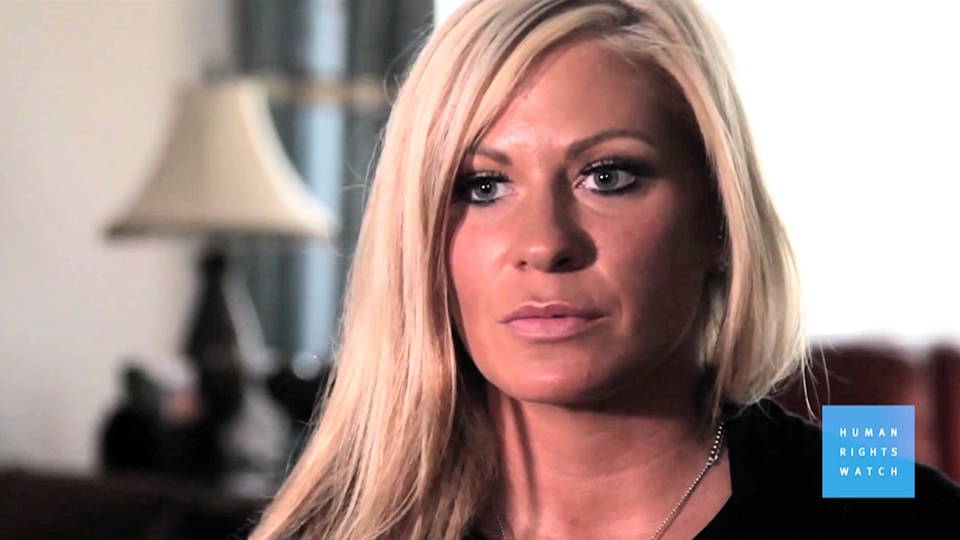
A new report by Human Rights Watch has found thousands of U.S. servicemembers were unfairly discharged from the military after reporting a rape or sexual assault. Many of the survivors received "other than honorable" discharges that prevented them receiving benefits. Others were discharged with diagnoses of "personality disorders." One sexual assault survivor spoke out.
Liz Luras: "I was 18 years old, went into military intelligence and went to the Marine Corps ball, where I was sexually assaulted. After reporting the rape, my entire career in the military went from excelling and on an extremely promising path to ultimately being discharged with a personality disorder."
Obama Administration Sued over Family Detention
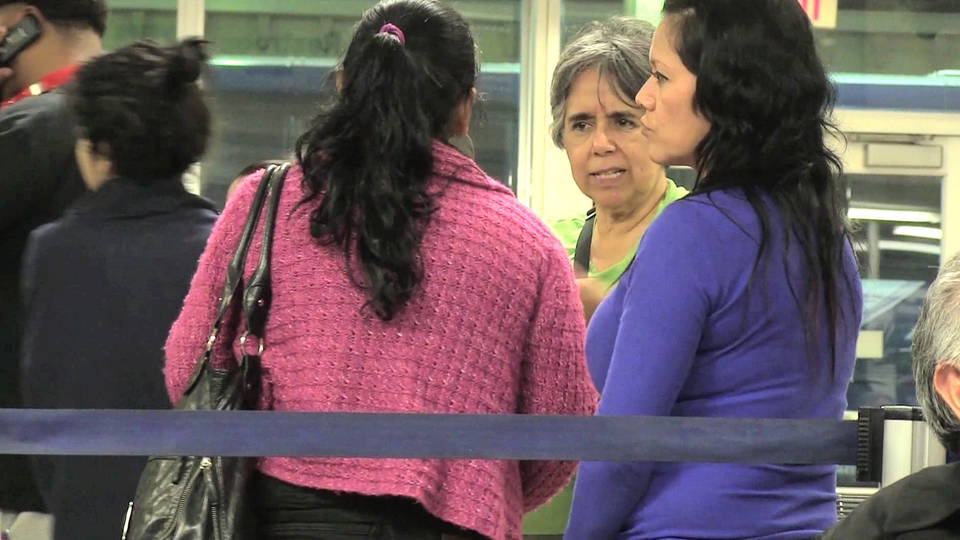
Immigration lawyers are once again suing the Obama administration over its practice of immigrant family detention, arguing the government is violating a federal judge’s ruling prohibiting children from being detained for extended periods of time in jail-like facilities. This comes as ICE is reportedly preparing to launch a month-long campaign of raids aimed at rounding up and deporting undocumented Central American mothers and children. On Wednesday, dozens of mothers detained in the South Texas Family Residential Center wrote a letter to the director of ICE, saying: "We did not leave our countries to live a picture-perfect life in the United States; we fled so that we would not be killed. We came seeking asylum, as is our right, and instead have been subjected to a new hell of detention."
Chelsea Manning Appeals her "Grossly Unfair" Conviction
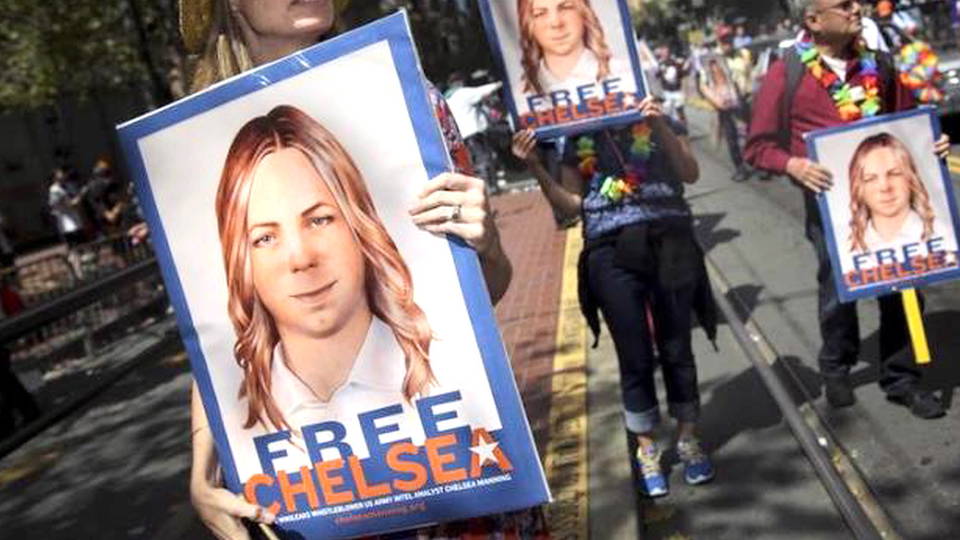
Imprisoned Army whistleblower Chelsea Manning has formally appealed her conviction and imprisonment, arguing her 35-year prison sentence is "grossly unfair and unprecedented." Her appeal argues, "No whistleblower in American history has been sentenced this harshly." In 2013, Manning was convicted of passing hundreds of thousands of documents to WikiLeaks.
Canada Pledges to Examine Detention of Refugees
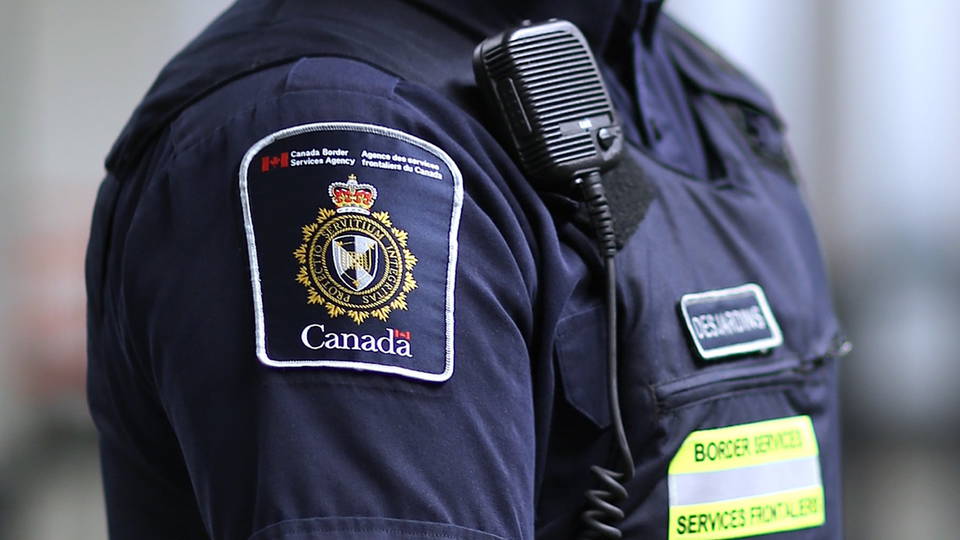
The Canadian government is pledging to examine its own practice of detaining asylum seekers, after a string of deaths inside detention centers. One refugee died on Saturday at the Edmonton Remand Centre, while two other refugees died while in the custody of the Canada Border Services Agency this spring in Ontario.
Oklahoma Passes Bill Making Performing Abortion a Felony
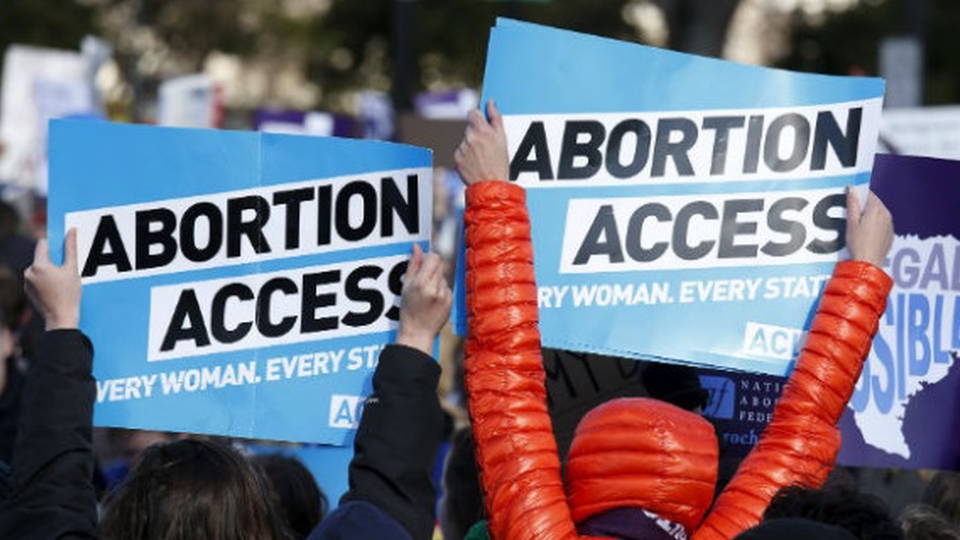
The Oklahoma Senate has passed a bill that makes performing an abortion a felony punishable by up to three years in prison. Oklahoma Governor Mary Fallin has not said whether she will sign the bill. Pro-choice groups say the bill is unconstitutional and will not stand up to a legal challenge.
Oregon: County Votes to Block Nestlé Waters Bottling Plant

In Oregon, residents of Hood River County have voted to block Nestlé Waters from building a $50 million bottling plant that would have sucked 100 million gallons of water out of Oxbow Springs each year. The ballot initiative, which was passed Tuesday, bans all large water bottling operations in the county.
Mexico: Parents of Missing Students Demand Investigation
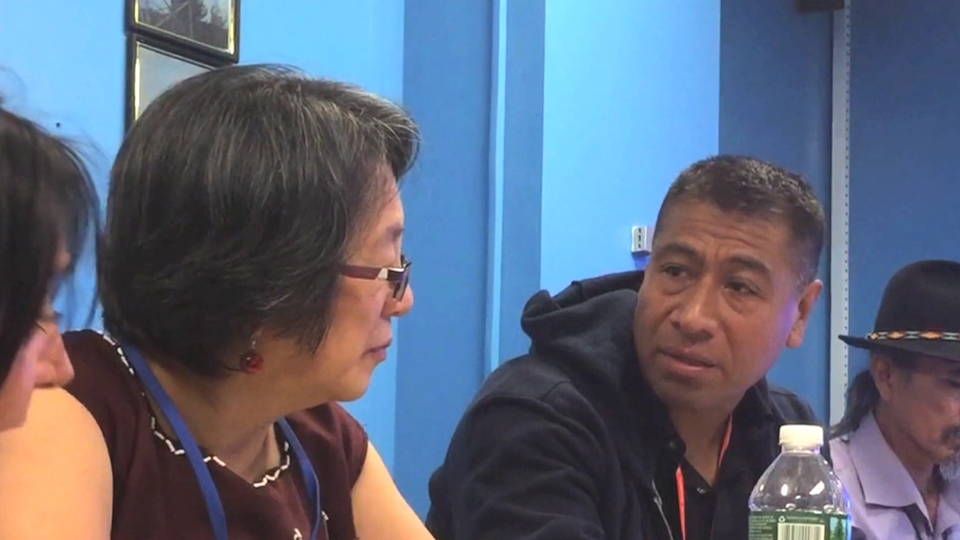
In Mexico, parents of the 43 students who disappeared in September 2014 protested outside the Foreign Ministry Thursday, demanding experts from the Inter-American Human Rights Commission return to Mexico and reopen their investigation. The experts have accused the Mexican government of stonewalling their probe. Meanwhile, in New York City, Antonio Tizapa, father of one of the missing students, met with the U.N. special rapporteur on the rights of indigenous peoples, Victoria Tauli-Corpuz, and urged her to investigate his son’s disappearance. Antonio Tizapa spoke out after the meeting.
Antonio Tizapa: "I asked the rapporteur about the invitation we proposed last year, and she said she wrote to the Mexican government asking to be invited to investigate, but she didn’t receive an answer. Now she’s going to ask again, and we hope that she will get an answer. We hope the Mexican government will open its doors to her. And we especially hope she goes to Ayotzinapa to see what the Mexican government has done to us."
Florida: Transgender African-American Woman Murdered
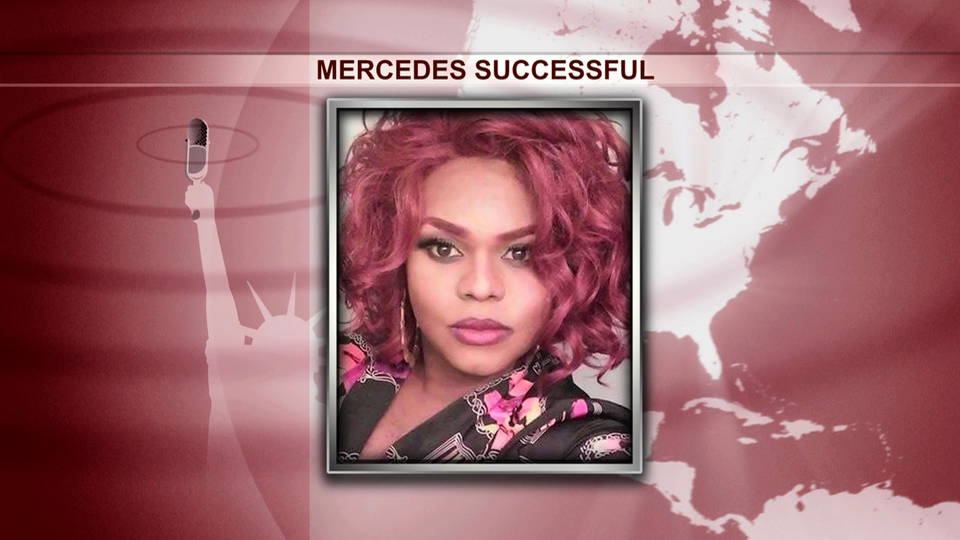
In Florida, a 32-year-old African-American transgender woman was murdered on Sunday in a parking lot. Mercedes Successful was an active member of the LGBTcommunity in Haines City. She represented Jamaica, where she was born, in the 2014 Gay Caribbean USA Pageant.
CBS News Legend Morley Safer Dies at 84
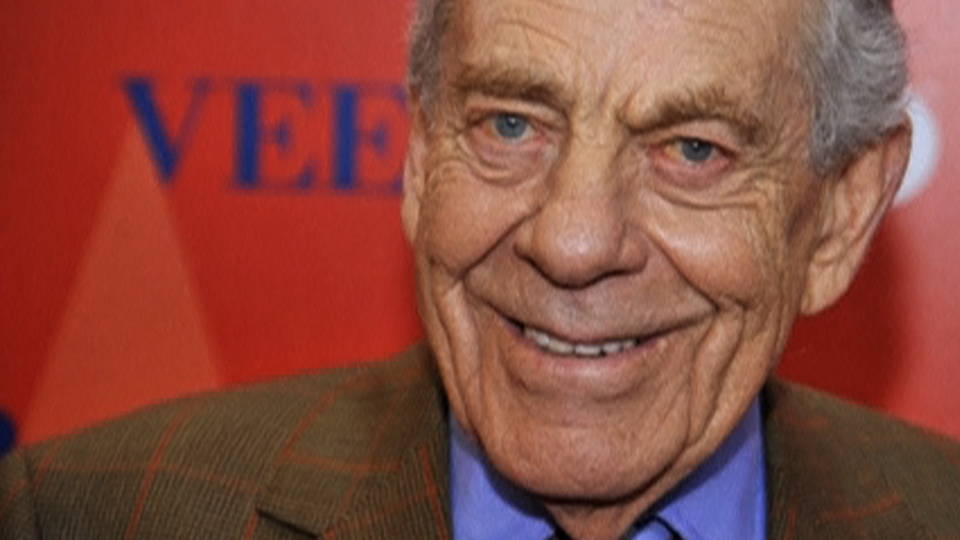
And CBS News legend Morley Safer has died at the age of 84. Safer was the longest-serving correspondent in "60 Minutes" history, filing a total 919 stories over his 46 years. As a young reporter, he filed one of the most significant stories of the Vietnam War, when he reported on U.S. marines torching the village of Cam Ne. The story changed the way the Vietnam War was reported. He received death threats after it was aired. Morley Safer died on Thursday at his home in Manhattan. He was born here in Toronto.
TOPICS:
Journalism
Donate today:
Follow:


SPEAKING EVENTS

5/20 Toronto, ON
5/21 Troy, NY
5/22 New York, NY
5/23 Philadelphia, PA
5/24 Brooklyn, NY
6/11 Chicago, IL
6/25 New York, NY
7/29 Provincetown, MA
7/30 Martha's Vineyard, MA
more
NEW BOOK


Breaking Free: A Rising Tide of Climate Resistance
WEB EXCLUSIVE

Chomsky: Today's GOP is a Candidate for Most Dangerous Organization in Human History—Part 2
FEATURED INTERVIEW

Suing Dictators Around the World: A Look at How Michael Ratner Helped Reshape Human Rights Law
207 West 25th Street, 11th Floor
New York, New York 10001, United States
---------------------
---------------------

No comments:
Post a Comment