democracynow.org
Stories:

Robert McChesney: Mainstream Corporate Media Covering 2016 Election Through Eyes of Clinton Campaign
"This has been an all-time low by mainstream corporate media," says media scholar Robert McChesney, who joins us to discuss how the media is covering the race for the White House. "What we’ve seen is the Sanders campaign has been largely neglected ... And the coverage and the framing of it has been largely through the eyes of the establishment for the Hillary Clinton campaign." McChesney says reporters also failed simply to ask questions about what exactly happened over the weekend when Sanders supporters erupted in protest at the Nevada state Democratic convention after they said rules were abruptly changed and 64 Sanders supporters were wrongly denied delegate status. This "brought to the front just how little actual journalism goes on," he notes, "how much of it is simply regurgitating what people in power tell them." McChesney is a professor at the University of Illinois at Urbana-Champaign in the Department of Communication and is co-founder of Free Press, a national media reform organization.
TRANSCRIPT
This is a rush transcript. Copy may not be in its final form.
AMY GOODMAN: We’re on the road, on our 100-city tour, today broadcasting from Madison, Wisconsin. Well, on Wednesday, Democratic presidential candidate Bernie Sanders rallied supporters in San Jose, California, emphasizing the importance of next month’s primary in the delegate-rich state.
SEN. BERNIE SANDERS: All of you know that as part of the Democratic nominating process, California has by far the most delegates at stake: 475 of them. And on June 7th, let us win the vast majority of those delegates. If we have a high voter turnout, we will not only win, we can win by a lot, which is what we have to do. And my hope is that this great state, one of the most progressive states in the country, will make it loud and clear, and say to the American people and the world, California is on board for a political revolution! Thank you!
AMY GOODMAN: On Tuesday, Senator Sanders won the Democratic primary in Oregon, while Hillary Clinton declared victory in Kentucky with a razor-thin 0.5 percent lead.
Meanwhile, over the weekend, Bernie Sanders’ supporters erupted in protest at the Nevada state Democratic convention. They say rules were abruptly changed and 64 Sanders supporters were wrongly denied delegate status. Clinton ultimately won 20 pledged delegates to Sanders’ 15. The state party chair, Roberta Lange, said she received death threats, while state party headquarters were vandalized. Lange told CNN about the threats.
ROBERTA LANGE: "We want you hung. We know where you live. We know where your grandson goes to school. We know where you work. And we’re going to get you." That’s pretty—a pretty huge threat.
AMY GOODMAN: Senate Minority Leader Harry Reid urged Sanders to condemn the behavior of some of his supporters, saying he faced a "test of leadership." In a statement, Sanders rejected violence, and noted that during the Nevada campaign, shots were fired into his campaign office in the state, and his staff’s housing complex was broken into and ransacked. He also accused Nevada Democratic leadership of using its power to, quote, "prevent a fair and transparent process," unquote, at the convention Saturday. This is Sanders’ campaign manager, Jeff Weaver, speaking on CNN.
JEFF WEAVER: We do not condone any kind of violence or threats. That’s unacceptable. Bad language, we don’t—that’s unacceptable. But we are not going to allow the millions of people who supported Bernie Sanders to be sort of rolled over in places like Nevada by the way they handled that convention.
AMY GOODMAN: Much disagreement remains over what actually happened during the Nevada convention and if the media’s portrayal of the situation is even reliable.
For more, we’re joined here in Madison, Wisconsin, by longtime media analyst Robert McChesney, professor at the University of Illinois, Urbana-Champaign, in the Department of Communication. He co-founded Free Press, a national media reform organization. McChesney and John Nichols recently co-wrote the book People Get Ready: The Fight Against a Jobless Economy and a Citizenless Democracy.
Bob McChesney, welcome back to Democracy Now! It’s great to have you with us.
ROBERT McCHESNEY: Glad to be here, Amy.
AMY GOODMAN: So, what do you think of the media’s coverage of this presidential race?
ROBERT McCHESNEY: Well, it’s been deplorable, even by the standards—and we’ve talked about this in past years. Grading with a curve allowing for bad coverage as a rule, this has been, I think, an all-time low by mainstream corporate media. And NPR, I’d toss right in there.
You know, you have in the Sanders campaign—whatever one might think of Sanders, as a journalist, you’re looking at one of the most extraordinary political stories in decades that’s come along. You have someone who’s galvanized young support on really an entirely different vision of our society like no other candidate, again, in decades. As journalists, you’d think this would be heaven on Earth, this is the greatest story you could possibly ever cover; you’d look to the sky and say, "Thank you for putting me here in 2016." Yet what we’ve seen is the Sanders campaign has been largely neglected—all the data shows this—barely covered. And the coverage and the framing of it has been largely through the eyes of the establishment for the Hillary Clinton campaign: This guy is a nuisance, he’s a pain in the butt; he’s getting in the way, in front of the real candidate, the presumptive nominee—presumptive going back to the very beginning. And when you see Sanders or one of his surrogates on the air, generally the tenor of the questioning is "What would Hillary’s people want to ask him?" You know, it’s never like "Let’s take these people on their own terms." So you put it all together, it’s been pretty distressing and the source, I think, of frustration for a lot of people, that they’ve not really had a fair hearing and a fair exposure to people who rely upon cable news networks and the mainstream media to learn about politics.
The other issue that’s really crucial here, and it gets to the Nevada issue, is that it’s also brought to the front just how little actual journalism goes on in American mainstream journalism, how much of it is simply regurgitating what people in power tell them, how much of it is simply predictions that are mindless. You know, there’s all sorts of crucial issues, everywhere you turn, that journalists should be diving into, looking at, like the claims about Nevada. We had all this reporting about purported threats and violence in Nevada, but it was all based on basically taking at face value the words of one side and dismissing the words of the other side. This was videotaped. They could actually go in and interview people, talk to people, and get to the bottom of it before they announce the results.
AMY GOODMAN: Let’s turn to Hillary Clinton’s press secretary, Brian Fallon, who spoke on CNN in April.
BRIAN FALLON: One week ago today, in this very chair, Tad Devine from the Sanders campaign was sitting here talking to you, and you asked him, "You know, why didn’t Senator Sanders decide to run as an independent? Why did he decide to run through the Democratic primary?" And Tad Devine said that for a very simple reason, he decided to run as a Democrat: He did not want to be a Ralph Nader. He did not want to be a spoiler. If he didn’t not win the Democratic nomination, he didn’t want to spoil the chances for the Democrats to retain the White House. I’m afraid that if the attacks in the style of yesterday’s baseless accusation continue, that that’s exactly what he’ll be doing. And this has been an extraordinary effort that the Sanders campaign has embarked upon. They’ve brought so many people into the process. But yesterday, the tone of the attacks was suggesting that if the Democratic Party doesn’t see fit to nominate Bernie Sanders, then it’s not a party worth supporting. And that is poisonous rhetoric that would seriously impair our ability—our party’s ability to come together in these closing weeks.
AMY GOODMAN: That was Hillary Clinton’s press secretary, Brian Fallon. Bob McChesney?
ROBERT McCHESNEY: And following the point we just made, that also became—has been the meme now in the corporate news media in virtually every story for the last month. They sort of got their marching orders from the Hillary campaign. You know, it’s an outrageous and absurd charge, if you think about it. And all it takes for journalists is to look at 2008, when Hillary Clinton was running and was in a similar position vis-à-vis Barack Obama the last two months of the campaign. In that period, she refused to get out, said, "I’m taking it right to the convention." And in fact, Debbie Wasserman Schultz, one of her main supporters, currently the chair of the Democratic National Committee, argued, even if she didn’t win the most elected delegates, the superdelegates should pick Hillary because she’d do better in November. She was making that argument then: So she should stay in and not worry about maybe hurting Obama’s chances. And there was more evidence then, or as much evidence, that Hillary Clinton was doing damage theoretically to Obama’s November chances than there is today that Sanders is doing damage to Hillary Clinton’s November chances. ... Read More →

Robert McChesney: Facebook's Monopoly & Surveillance Antithetical to Free Press and a Free Society
On Wednesday, Facebook CEO Mark Zuckerberg met with top conservative media figures, including Glenn Beck, Dana Perino and Tucker Carlson, after his company was accused of suppressing news stories on political grounds. Former Facebook workers told the website Gizmodo they routinely suppressed news stories of interest to conservative readers by keeping them out of the "trending" stories section on the sidebar. "The concerns are legitimate," says media analyst Robert McChesney, "but the real question is: Should we have a private monopoly that has so much political influence and political power?" McChesney also discusses Facebook’s surveillance and access to user’s data, and whether such companies could be nationalized.
TRANSCRIPT
This is a rush transcript. Copy may not be in its final form.
AMY GOODMAN: Bob McChesney, I also want to ask you about Facebook. On Wednesday, Facebook CEO Mark Zuckerberg met with top conservative media activists, including Glenn Beck; Dana Perino, the former Bush spokesperson; and Tucker Carlson. The meeting took place a week after Facebook was accused of suppressing news stories on political grounds. Former Facebook workers told the website Gizmodo they routinely suppress news stories of interest to conservative readers by keeping them out of the trending stories section on the sidebar.
ROBERT McCHESNEY: Well, it’s a real problem, in the sense that the issue here is the one that’s not being talked about, the elephant in the room, the two-ton elephant, which is Facebook is a monopoly, and they have monopolistic power, as do a number of these digital giants that are the largest companies now, in terms of market value, in the world economy. And so, what Facebook does, or Google or Amazon, has immense influence over how people see the world and understand the world. And so, the concerns are legitimate, if you feel you’re getting the raw end of the stick. But really, the real question is: Should we have a private monopoly that has so much political influence and political power? I think democratic theory is unequivocal on this point: no. This is really antithetical to anything remotely close to a free press and a free society.
Then, the other issue is, if you’re going to have this private monopoly, no matter how lovely you think the people are who run it or how much you trust them, how benevolent you might think they are, in our society, and most others, what you get is, the people or the squeaky wheel that gets their attention, that causes them to react, are powerful people. So it’s going to naturally gravitate to suiting the interests of those who can arrange a private meeting, who have big backers, who are politically and economically influential. I don’t think Facebook is holding meetings with homeless representatives to make sure their side of the story gets covered, or peace activists to make sure their side of the story gets covered. I doubt the boycott and divestment folks, that you talked about at the newscast here, across the country, with regard to Palestine and Israel, are getting their audience with Facebook, either. You know, it’s really slanted very heavily towards benefiting those in power, when you have a private monopoly that basically has uncontrollable power.
AMY GOODMAN: So what should happen to Facebook, do you think?
ROBERT McCHESNEY: Well, I think this is the great discussion of the next generation. There’s nothing on the table now. But as a society, we have to consider, as we move into this heavily digitized economy—and we have, you know, four, five, six companies that dominate it, and the largest companies in the world in terms of market value, and they’re privately owned, and they own the politicians—is this acceptable? And if it isn’t, where do we go from here? And I think that’s the great discussion we’re going to have, because the status quo isn’t going to work.
AMY GOODMAN: What about nationalizing?
ROBERT McCHESNEY: Well, that’s certainly the traditional method. And—
AMY GOODMAN: What does that mean?
ROBERT McCHESNEY: What that means is that if you have a company so big that you can’t allow it to exist, but it’s in an industry where it can’t be broken up—you can’t break it into 12 competing parts; because of networks and economics, it gravitates towards being a monopoly—you take it out of the market system, like you have the post office outside the market system, not a private monopoly. And you take it so it’s not a source of profit making. You make it municipally run, generally nationalized in some form. And then it not only benefits the society as a whole, but it benefits smaller businesses, that aren’t getting ripped off by these monopolies to pay much higher rates for their services than they would have to pay otherwise.
AMY GOODMAN: What about surveillance?
ROBERT McCHESNEY: And that’s another issue.
AMY GOODMAN: How much Facebook knows?
ROBERT McCHESNEY: Yeah, exactly, and that’s another issue. We’ve got these digital companies, aren’t just monopolies in the sense that a train company is, but they’re a monopoly in the sense that they actually are doing surveillance. They have all the data on all of us. And they have a very strong interest in being on good terms with the federal government and the national government. They’re really joined at the hip. And the national government, once you get away from election time and once the door closes, has a real clear record of not being especially interested in civil liberties of citizens. That seems a nuisance that gets in the way of their doing their job. And that’s another reason why, you know, this is a marriage that is not made in heaven for democracy.
AMY GOODMAN: How could Facebook manipulate a presidential race or political race?
ROBERT McCHESNEY: You know, I’m not a—I’m not comfortable speculating on that, although, as you know, I’m comfortable speculating on a lot of things. But, you know, I think that it’s possible. I mean, it just takes very subtle things, and maybe not even always intentional, can have a great deal of influence. One thing they do, though, is simply by regurgitating existing journalism. They’re regurgitating the stories that are coming down the pipe from the mainstream media, which are largely—the problems in there then become amplified and become the problems worldwide. That’s how people see issues. And so, it just—it’s a megaphone for our worst problems in our journalism.
AMY GOODMAN: I want to talk about some other media news. Charter Communications announced Wednesday it’s completed its acquisition of Time Warner Cable and Bright House Networks, creating the second-largest U.S. broadband provider and third-largest pay TV provider. Talk about the significance of this. This is your specialty, media consolidation.
ROBERT McCHESNEY: Yeah. Cable companies and telephone companies and cellphone companies, they—these companies all are really government-created monopolies. These aren’t free market companies that were tinkering in the garage out in Palo Alto, and they came up with a great idea, and they lucked into a monopoly. These are companies that, from the beginning, have gotten their power by having the best lobbyists in town and getting government monopoly licenses, not having any competition. They’re monopolies by nature.
And so, we’ve really gravitated to a point—this is where the sort of crony capitalists and the corruption of our system becomes so transparent, where these companies have gobbled up all the licenses, they’ve gotten rid of many of the regulations that prohibited concentration, and now we have two companies, Charter and Comcast, which are going to have—about two-thirds of all landline broadband internet access is going to go through those companies, and close to that in terms of cable television access, as well. And this is something, again, antithetical in our entire history, until quite recently, that you’d allow these sort of companies this much power. When we say they have two-thirds, it’s not like you have an option. That means in two-thirds of the country, they’ve got a monopoly. They’ve divided up the country between themselves. They’re not competing with each other. And again, similar to the Facebook—it’s just slightly different, because in this case you’re dealing with purely government-created monopolies.
But for the representative of the people to allow there to be even more concentration in this industry, there’s no economic justification, except for the shareholders of these companies. There’s no benefit for the citizens of this country to do this. It’s just a textbook case of tremendous lobbying. And these guys, the most important—their competitive advantage in economics is they’ve got the best lobbying in the world. That’s it, period. It’s not that they serve consumers well. And these guys have got great lobbyists. I’m sure they’re all getting huge bonuses this year for pulling off this deal.
AMY GOODMAN: So what do you think should have happened?
ROBERT McCHESNEY: We should have prohibited it. And I think we have to really have a serious discussion in this country about why do we pay so much more for broadband access and cellphone service than almost any other country in the world, sometimes by double, triple the rates for crappier service. Is having these private companies, which are the equivalent of the health insurance companies, gouging us and setting super high prices and paying off the regulators and politicians, a very rational way for a free society to have the central component of our communication infrastructure controlled?
AMY GOODMAN: Your report card on President Obama when it comes to media policy, and how it compared to President Bush?
ROBERT McCHESNEY: Oh, boy, that’s a low bar you’re giving me right there. Well, he’s better than President Bush—there’s no question about that—in many respects. It’s been mixed. I think it was a low priority for him. He got elected in 2008 running on a very progressive platform, which he pretty much largely forgot. Especially his first term, the FCC was run—produced a backwater that basically didn’t want to make any waves and didn’t want to ruffle any feathers. The second term, under the current head, Wheeler, implemented a great net neutrality policy, much to their credit, has been good on some of the mergers to stop them, but still had to throw—threw a bone here to Charter with the Time Warner merger. So I’d say better, but still a disappointment. I think for someone who ran in 2008 really with a very progressive platform on the internet, on public media, on media consolidation, on community media, he’s basically dropped the ball.
AMY GOODMAN: Well, I want to thank you, Robert McChesney, professor at University of Illinois, Urbana-Champaign, in the Department of Communication, co-founded Free Press, a national media reform group. And Bob McChesney and John Nichols recently co-wrote the book People Get Ready: The Fight Against a Jobless Economy and a Citizenless Democracy.
This is Democracy Now! When we come back, Democracy Now!'s Mike Burke goes into a Chicago church where a Mexican immigrant has taken refuge after living in this country for more than 16 years. He has five U.S.-born children. He's trying to prevent his deportation to Mexico. Stay with us.
... Read More →

Rebel Reporter: Late Poet and Activist John Ross Remembered in New Book on Independent Journalism
This week Mexican President Enrique Peña Nieto proposed legalizing same-sex marriage nationwide. It’s currently legal only in certain states and Mexico City. The announcement came as he faces renewed pressure over the disappearance of 43 students in Mexico in September 2014. Multiple reports have pointed to a role by federal authorities and cast doubt on Mexico’s claim the students were killed by a drug gang. Well, if anyone understood the beauty and contradictions of Mexico, it was the late independent reporter, activist and poet John Ross. Ross covered social movements in Mexico and Latin America for nearly 50 years, and authored 10 nonfiction books and 10 books of poetry before he died in 2011. Now a new book captures some of the lectures Ross gave to journalism students to teach them how to cover stories and create change. It’s called “Rebel Reporting: John Ross Speaks to Independent Journalists." We are joined by Norm Stockwell, co-editor of "Rebel Reporting." He is also operations coordinator with WORT community radio in Madison, Wisconsin.
TRANSCRIPT
This is a rush transcript. Copy may not be in its final form.
AMY GOODMAN: We’re on the road in Madison, Wisconsin, headed to Toronto, Canada, today. I’m Amy Goodman.
This week, Mexican President Enrique Peña Nieto proposed legalizing same-sex marriage nationwide. It’s currently legal only in certain states and Mexico City. The announcement came as Peña Nieto faces renewed pressure over the disappearance of 43 students in Mexico in September of 2014. Multiple reports have pointed to a role by federal authorities and cast doubt on Mexico’s claim the students were killed by a drug gang.
Well, if anyone understood the beauty and contradictions of Mexico, it was the late independent reporter, activist, poet, John Ross. Ross covered social movements in Mexico and Latin America for nearly half a century. This is John Ross during a visit to Democracy Now!’s studios in 2010, shortly after the publication of his book, El Monstruo: Dread and Redemption in Mexico City. I asked him about the title of the book.
JOHN ROSS: El Monstruo, because Mexico City is a monster of a city, largest megalopolis in the Americas and possibly in the world, 23 million people living on a piece of land that does not really support them, where there is no water, where there is very bad air—no air—and their struggle to stay on this land, I think, has been epic. And the city is a monstruo in itself.
The Aztecs actually characterized the beginnings of El Monstruo, it was called Tenochtitlan, as an animal itself, and as the population grew, it acquired this name, El Monstruo. But it’s our querido monstruo, it’s our beloved monstruo, and this new book is really a defensive place of a totally indefensible place.
AMY GOODMAN: That’s John Ross speaking to Democracy Now! in 2010. He authored 10 nonfiction books, 10 books of poetry, as well, before he died in 2011. Now a new book captures some of the lectures Ross gave to journalism students to teach them how to cover stories and create change. It’s called Rebel Reporting: John Ross Speaks to Independent Journalists.
In lecture one, the first chapter of the book, John Ross writes, quote, "A good rebel reporter doesn’t just take notes on rebellion. A good rebel reporter incites rebellion, makes people angry, encourages organization, offers them hope that another world is possible. A rebel reporter is a participant in rebellion or resistance or revolution or whatever you want to call the struggle for social change. Like the Zapatistas, our words are our weapons," he said.
Well, we’re joined now by Norm Stockwell, who’s co-editor of Rebel Reporting. He’s also operations coordinator with WORT community radio in Madison, Wisconsin, a gem in the community radio movement in this country and around the world.
Norm Stockwell, it’s great to have you with us.
NORMAN STOCKWELL: Thank you very much. Glad to be here.
AMY GOODMAN: Talk about why you decided to put together these lectures of John Ross, Rebel Reporting.
NORMAN STOCKWELL: Well, it was actually John’s project. John said—John had done these lectures initially in San Francisco at New College. He developed this series for journalism students. And he then traveled around the country and did them in several other places, including here in Madison. And he said, "I want to publish these." And his original title for the book was Handing It Down: Four Lectures on Rebel Journalism. We kept that in the book, but the main title becomes Rebel Reporting, which is how he talks about the craft. So, he wanted to produce this as a book. We looked for a publisher, and then John tragically passed away five years ago in January. And I—for me, it became a mission to bring this book out. And I had a great crew of people working on it, including an introduction by yourself, a foreword by Bob McChesney, who was on earlier this morning, and some wonderful contributors that helped put this book together.
AMY GOODMAN: Well, John Ross was as much a poet as he was a journalist. I want to go to a clip of John reading his poem titled "Journalism," which also appears in the book Rebel Reporting. This is John Ross back in March 2010 at Madison College.
JOHN ROSS: You have to stay with me on this poem, because it’s—you know, as I said, poetry is a way of like talking about—doing stories. But this is basically about journalism. And I wrote this because I was teaching a class, a graduate class in media studies at New College. And, you know, I wanted to kind of shock people into thinking about what they were doing.
The Midnight Special
burrows into the bowels of
the North American nightmare
like a sleek silver tapeworm
consuming the body fat of
the most overstuffed nation on earth.
The rules for travel
are posted at the terminals:
Report all suspicious activities.
Do not leave luggage unattended.
Protect your back at all times
from suicide bombers,
Homeland Security,
GMO corn, AIDS, Anthrax,
The Anti-Christ.
the New York Times.
I scratch out a map
in a wilderness of white paper
that bloodies the nation
with crimson headlines
from sea to stinking sea.
I can no longer parse the horror.
The scales have fallen
from my snake eyes
and the serpent has shed its skin.
There is no one lie
worth dying for.
Ir al lugar de los hechos,
Go to the place where it happens.
This is the first rule of the finding.
They will not want you there
but you will learn much
from their fury.
Write it all down
right away in your head.
Do not let the details leak out
no matter how badly
they beat you.
Do not forget their faces.
Do not believe everything
they say. Do not believe
anything you read.
"Journalism."
AMY GOODMAN: That is journalist John Ross, his poem "Journalism." Norm Stockwell and Cristalyne Bell have just published Rebel Reporting, John Ross speaking to independent journalists. He—that was John Ross in 2010. Norm?
NORMAN STOCKWELL: That’s right, and that was recorded by Cristalyne Bell. She was a student in that class where John delivered these lectures, and that’s how she came to be a part of this project. She was a journalism student at Madison College and then went on to do journalism on her own.
AMY GOODMAN: So talk about John Ross in the few minutes we have left, his reporting from Mexico, in Mexico, for more than a quarter of a century.
NORMAN STOCKWELL: Yeah, well, John’s always—his style was to go to the bottom, to go to the people that were affected by the policies of the corporations, of the politicians, and tell their stories, to give voice to those unrepresented and underrepresented voices. So, in 1985, when the earthquake occurred in Mexico City, instead of going to the large hotels where a lot of the other reporters were, in the unaffected parts of the city, he moved into the central historic district of Mexico, which was very affected by the earthquake. He moved into a hotel called the Hotel Isabel, took up a room there and lived there for most of the rest of his life. And from the Hotel Isabel, he covered the day-to-day life of the people of Mexico after the earthquake, the movement of people rising up, calling for government services in response to the earthquake. And then, of course, the Zapatista uprising in 1994 and all of the other things that affected the people of Mexico, telling their stories to a global audience.
AMY GOODMAN: I wanted to go back to John Ross in his own words. This was April 2010. I asked him about the effects of U.S. immigration laws and the war on drugs.
JOHN ROSS: These are hot-button issues in the U.S. press—immigration and drugs. Washington uses these issues to pressure Mexico, to win concessions, and they’re not necessarily concessions in terms of the drug war or immigration at all. They look at security, and they look at economy, and basically energy, you know? Washington wants to see Mexico privatize its oil industry, Pemex. And so, they utilize this pressure that comes from immigration, comes from the drug war, in order to win those concessions.
Washington wants greater control over Mexico’s security apparatus, so they use things like the ASPAN, the security and prosperity agreement, to be able to—which would integrate security forces throughout the entire continent under Washington’s control. They use things like the North Command, which now penetrates Mexico’s airspace, because Mexico has been declared the southern security perimeter of the United States.
So those are the two aims of Washington at this point: to gain control over the Mexican security apparatus and the privatization of Pemex. And all of this Mexico bashing that comes out of immigration and comes out of the drug war is really directed at that. And that’s how the White House has operated in Mexico as long as I’ve been there and much longer than I’ve been there.
AMY GOODMAN: That’s John Ross. Expand on that, Norm.
NORMAN STOCKWELL: Well, again, I mean, I think that, you know, what John’s commitment was to the everyday people of Mexico, he would go to places where no one else was, and he would ask everyday people, the workers, the families, you know, "What’s going on here?" And that’s how he would tell the story, and that’s how he responded to all of these global issues, was to go to the bottom and look up.
AMY GOODMAN: Tips and tricks, you have in Appendix B of Rebel Reporting, for journalists.
NORMAN STOCKWELL: Yeah. When we put this together, we wanted to include something for students, because really what I hope for this book is that this will become, you know, a recommended reading for journalism students across the country. And so, Catherine Komp of Free Speech Radio News and Laura Brickman, who is an intern at WORT, and I put together this appendix. It’s web links, it’s resources. It’s something to basically take what you’ve learned in these lectures and get going and go out and do it yourself.
AMY GOODMAN: Well, I want to thank you and congratulate you on this book. You are certainly doing John Ross honor. Rebel Reporting is the book, John Ross Speaks to Independent Journalists. It is co-edited by Norm Stockwell, who’s been at WORT here in Madison, the community radio station, for 33 years. Congratulations.
NORMAN STOCKWELL: Thank you.
AMY GOODMAN: That does it for our program. A very happy birthday to Simin Farkhondeh! And I’ll be speaking tonight and Friday night in Toronto, Canada. Check our website at democracynow.org. On Saturday, I’ll be in Troy, New York, at the Sanctuary for Independent Media, Sunday back in New York at the Left Forum. And on Monday, I’ll be speaking at the Philadelphia Free Library. Check our website at democracynow.org. ...Read More →

In Obama's Backyard, Father of 5 US-born Kids Seeks Sanctuary in Chicago Church to Avoid Deportation
The Immigration and Customs Enforcement agency is reportedly preparing to launch a month-long campaign of raids specifically aimed at rounding up and deporting undocumented Central American mothers and children. This follows a similar campaign of raids against parents and children in Georgia, Texas and North Carolina earlier this year. While the raids have spread fear across neighborhoods, they’ve also inspired increased community organizing to stop deportations—including in President Obama’s very own neighborhood of Hyde Park in Chicago. As Obama nears the end of his eight years in office, he’s facing a unique legacy: the president to deport more people than any other in U.S. history. But less than a mile from his and Michelle’s Chicago home, one undocumented father has decided to fight his deportation to Mexico by seeking sanctuary in a church. Jose Juan Federico Moreno has been living inside University Church now for more than a month. He has lived in the United States for 16 years and is the father of five U.S.-born children. He faces deportation because he was arrested seven years ago for driving under the influence. While we were in Chicago earlier this week, Democracy Now!’s Mike Burke went over to University Church to speak to Jose Juan and his supporters, and asked what the impact would be of his deportation. "It would be a psychological trauma for my children and my wife, who are visiting me very often," says Federico Moreno.
TRANSCRIPT
This is a rush transcript. Copy may not be in its final form.
AMY GOODMAN: This is Democracy Now!, democracynow.org, The War and Peace Report. We’re broadcasting from Madison, Wisconsin, today, headed to Toronto, Canada, for the next two nights, and then we will be back in New York in Troy upstate.
But we’re talking now about the Immigration and Customs Enforcement agency, known as ICE. It’s reportedly preparing to launch a month-long campaign of raids specifically aimed at rounding up and deporting undocumented Central American mothers and children. This follows a similar campaign of raids against parents and children in Georgia, Texas and North Carolina earlier this year.
While the raids have spread fear across neighborhoods, they’ve also inspired increased community organizing to stop deportations, including in President Obama’s very own neighborhood of Hyde Park in Chicago. As Obama nears the end of his eight years in office, he’s facing a unique legacy: the president who deported more people than any other president in U.S. history.
But less than a mile from his Chicago home, one undocumented father has decided to fight his deportation to Mexico by seeking sanctuary in a church. Jose Juan Federico Moreno has been living inside University Church now for more than a month. He’s lived in the U.S. for 16 years and is the father of five U.S.-born children. He faces deportation because he was arrested seven years ago for driving under the influence. While we were in Chicago earlier this week, Democracy Now!’s Mike Burke went over to University Church to speak with Jose Juan and his supporters.
REYNA WENCES: My name is Reyna Wences. I’m an organizer with Organized Communities Against Deportations. We’re a Chicago-based organization that supports people, families and individuals, that are in deportation proceedings and that are fighting their cases. Right here behind me is University Church, which has become the home of Jose Juan Federico Moreno, who is a father of five U.S. citizen children, who declared sanctuary on April 15th after he decided that he will not leave the country as ICE had been forcing him to do.
MIKE BURKE: And what does it mean that he has sought sanctuary inside this church?
REYNA WENCES: What that means is that he did not leave the country on the date that ICE told him to leave the country. ICE is now calling him an immigration fugitive. However, what Jose Juan says is that they made him a fugitive.
MIKE BURKE: And can you describe how the community has organized around this case?
REYNA WENCES: Of course. So, there’s been community support here, right behind me, at the church, and that means from people being with him 24/7, taking shifts to be at the church, making sure that, you know, he has—that he’s OK, checking in on him, also as a preventative step, right? We know that ICE is not supposed to show up in sensitive locations, as it is—as our churches, hospitals and schools; however, we also know that ICE can be deceptive in their tactics, and we believe that we have to be prepared in case ICE comes here. And so, we’ve actually extended the—and asked for community members to come here to meet Jose Juan, but also to volunteer and either host events or get to know him.
MIKE BURKE: Can you talk a little bit about how you personally got involved with organizing around immigrant rights?
REYNA WENCES: I became involved in organizing because I, myself, was undocumented. I came here into the United States when I was nine years old. And the story of Jose Juan and his family is not very far from their reality—my reality at some point. And so I’m here because now I see the privilege that I have now, being able to work with a work permit and drive with a driver’s license, and I don’t have that same fear now that other people do. But I do believe that if there is going to be change, if we are going to stop deportations, it’s going to take not just people that are aware of this issue, but it’s going to take people that are directly affected to come out and to organize, and it’s also going to take people like myself to support and making sure that the people that are directly affected are leading the way on this fight.
MIKE BURKE: Now, we’re in the Hyde Park section of Chicago. And I understand, you know, President Obama’s home is just about a mile, maybe even less than a mile, from this church. And I’m wondering: What is your message to him?
REYNA WENCES: Our message has been to stop deportations. We’ve been saying this since 2012, and even before that. It’s unfortunate that President Obama started his presidency in 2008 with promises to the immigrant community, which very soon ended up in deportations. That’s basically what happened. And Obama knows that, and he’s done it. He has the power to stop deportations, not just to give relief to a specific group of people like he’s done with DACA and DAPA, Deferred Action for Childhood Arrivals or Deferred Action for Parents of Americans. He can do more than that. And so, we’re hoping that with the presidential elections, both the president and the candidates that are running for office will see that what is happening here is a representation also of the resistance that immigrants are taking on and how—the way that immigrants are resisting across the country.
MIKE BURKE: Well, let’s go inside the church and meet Jose Juan and the pastor.
JOSE JUAN FEDERICO MORENO: [translated] My name is Jose Juan Moreno. I’ve been living here in the United States for 16 years. I’m a husband, and I’m a father of five children. Both are U.S. citizens. My oldest daughter is about to turn 14, and my youngest son is two years old.
MIKE BURKE: And where are they right now?
JOSE JUAN FEDERICO MORENO: [translated] They live in Bolingbrook, and they go to school in Bolingbrook. They come to visit frequently, but not every day, because I don’t want them to miss school.
MIKE BURKE: If ICE came and deported you, what would that mean to your family?
JOSE JUAN FEDERICO MORENO: [translated] Maybe it would be a psychological trauma for my children and my wife, who visit me very often. It would be very difficult if ICE came for me, difficult for them, no? But we hope this doesn’t happen.
MIKE BURKE: And what happened a month ago that forced you to seek sanctuary here in the church?
JOSE JUAN FEDERICO MORENO: [translated] I tried to do everything that ICE told me to do. I tried to do everything they required. But they weren’t interested in the good parts of me or the support I was receiving from different community groups. I know I made a mistake seven years ago, for which I am very sorry for, but I think that this has made me learn more about life.
MIKE BURKE: What was that mistake seven years ago?
JOSE JUAN FEDERICO MORENO: [translated] Driving under the influence of alcohol.
MIKE BURKE: And so, because of that one offense, the United States government is threatening to deport you?
JOSE JUAN FEDERICO MORENO: [translated] Yes, for this offense, which I committed seven years ago. My case was an aggravated DUI, because I didn’t have a license. But none of us undocumented people could get licenses seven years ago, so it was very difficult for us.
MIKE BURKE: Right behind you is a sign that says, "I stand"—or, actually, two signs that say, "I stand with Jose Juan." And I’m wondering: What has it meant to have this church and the broader community be supportive of your case?
JOSE JUAN FEDERICO MORENO: [translated] It means a lot to me, this huge support I’ve received. I’m so thankful to the church, to the community, to the groups that are with me. This means a lot to me and to my family.
REV. JULIAN DESHAZIER: So, I’m the Reverend Julian DeShazier. I’m the pastor here at University Church. The tradition of sanctuary has gone back hundreds of years. And for the church, we became involved in 1985 when there was civil war in Guatemala and El Salvador, and people were coming up to the States, and then the States had once welcomed them, but then we sent them all back into what was certain persecution. And so, for us, at that moment, we welcomed two families to come and stay here and to be inside of the church, to be protected while they were fighting to have documentation and to be able to stay in the country, which they ended up receiving and are still a part of our church’s life. And so, once we heard about Jose Juan and what was going on, and talked to our partners, we knew this was a perfect opportunity for us to again become involved in something that is really a national crisis.
MIKE BURKE: And what would happen if ICE agents showed up right now with the intent of, you know, taking Jose Juan?
REV. JULIAN DESHAZIER: Well, what ICE does is up to them. We can’t control what they will or won’t do. We know that if they do come, that there will be people here to serve as a witness to the extremes that the government is willing to go to to separate a father from his family. Other than that, Jose Juan is welcome to be here and to live here and to receive the love of the church. And we know—we hope that ICE will not come into this place, that they called a sensitive location. We call it sacred space. But the reality is that—that communities and homes are sacred spaces, as well, and the ways in which immigration policy is being enforced and set up right now, they’re being—raids are happening right now inside of those communities that are also sacred spaces. And so, we should look at this as an opportunity to look at everything that’s happening right now, not just for Jose Juan, but for millions of others, to do something better, to see that we are doing—we are not doing the right thing as a country right now.
MIKE BURKE: And what has the response been from the parish to this church becoming a sanctuary church?
REV. JULIAN DESHAZIER: Well, very supportive. I think folks not only inside of the church who are committed to this, but around the community, have been supportive and have sent us letters and voicemails to let us know that they appreciate our courage. I think when churches begin to think about it in that sort of way, and whether it’s a church, a temple, mosque, whatever, when they see that this is the opportunity to do what it says—"welcome the stranger"—like this is our opportunity to live that out in a real way and not just in a theoretical kind of way, that other churches and faith communities are starting to ask the question of how they can live into that in a more meaningful and tangible way, and this is one of them.
AMY GOODMAN: That’s Reverend Julian DeShazier, pastor of the University Church in Chicago, which opened its doors last month as a sanctuary church to house Jose Juan Federico Moreno, who’s attempting to avoid deportation to Mexico—all interviewed by Democracy Now!'s Mike Burke. Go to Democracy Now! to see our coverage also from Denver last year, when we interviewed Arturo Hernández García, who sought sanctuary in Denver's First Unitarian Society Church for five months, until ICE assured him he was not a priority for deportation. He’s still living here in the United States.
This is Democracy Now!, democracynow.org, The War and Peace Report. When we come back, we remember John Ross, who covered Mexico and the United States for decades. Stay with us. The rebel reporter. ... Read More →

Trump Vows to Sue New York Times in Latest Show of Disregard for Freedom of Press
We get reaction from media scholar Robert McChesney to news that Republican presidential candidate Donald Trump is reportedly considering suing The New York Times after it ran a major report on his past treatment of women, and has vowed to make it easier to sue news organizations. Lawsuits are not the solution, McChesney says. "Instead, it’s to broaden it, enrich it, create new voices and fund new voices, so we actually have a diverse marketplace of ideas … Donald Trump’s view is the exact opposite: It’s either my way or the highway."
TRANSCRIPT
This is a rush transcript. Copy may not be in its final form.
AMY GOODMAN: On Saturday, the Republican political operative and Trump supporter, Roger Stone, accused CNN of censoring stories about Bill Clinton’s treatment of women, and suggested Trump should shut CNN down if he’s elected president.
ROGER STONE: You have organizations like CNN, which is not a news organization but an advocacy group, and if you attempt to discuss this on the air—and I’ve seen this done, with Steve Malzberg and Kurt Schlichter and yours truly—they literally pull—they pull the cord on your microphone; they turn you off. Frankly, when Donald Trump is president, he should turn off their FCC license. They’re not a news organization. And they’re about censorship.
AMY GOODMAN: That’s Roger Stone, who is also the source on the National Enquirer stories against Donald Trump’s opponents. Your response to what he’s saying?
ROBERT McCHESNEY: Well, they don’t get an FCC license, to begin with, so he doesn’t know the elements of how this works. And so—
AMY GOODMAN: Explain that.
ROBERT McCHESNEY: Well, it’s a cable channel; it’s not a licensed broadcaster with airwaves, where you get a license. So their deal is with the cable companies, and, you know, it’s not a direct license by the government. But the idea that you would censor to solve a problem like this is absurd and antithetical, I think, to any tradition I’m interested in.
But I do think he raises a very important point, which is a real concern, which is, in the case of Hillary Clinton, you know, she did, for example, a massive corporate shakedown tour after leaving the State Department and before formally announcing for president in 2015, where she did 90 talks, largely to corporations, for at least $100,000 a pop, that all went into her private bank account. She made $21 million in personal profit while she’s planning her run for president unofficially. And no one else has ever done this before. It’s extraordinary. It’s not just three Goldman Sachs talks. It’s 90 talks to the largest corporations in the country, and it’s many in Canada. And this is totally uninvestigated. This is known fact. This has been reported once or twice, it’ll show up periodically, but then it drops to the bottom of the ocean. And good journalists shouldn’t let it drop to the bottom of the ocean. So I think there’s legitimate concerns that they’ve not really pursued the issues they could have, and I think he’s right to make that point.
And this also touches on another issue. You know, the Hillary campaign has—and the corporate media—belabored the point that Bernie’s been so hard on Hillary. Oh, he’s just so mean to her. He’s being unfair to her, and he’s weakening her for Donald Trump in the fall. In fact, he hasn’t even touched any of these issues to speak of. He only mentions her briefly in his speeches, and never in a derogatory sense, as de rigueur for Donald Trump to talk about his opponents. If Hillary Clinton thinks Bernie Sanders is tough on her, wait until she sees what’s coming around the corner.
AMY GOODMAN: Donald Trump is reportedly considering suing The New York Times after it ran a major report on Trump’s past treatment of women. At a campaign rally in February, Trump vowed to make it easier to sue news organizations.
DONALD TRUMP: I’m going to open up our libel laws, so when they write purposely negative and horrible and false articles, we can sue them and win lots of money. We’re going to open up those libel laws, so that when The New York Times writes a hit piece, which is a total disgrace, or when The Washington Post, which is there for other reasons, writes a hit piece, we can sue them and win money.
AMY GOODMAN: That’s Donald Trump. Bob McChesney?
ROBERT McCHESNEY: Well, I think that’s vintage Donald Trump. This sounds like something on a bar stool or something. He’ll just come up with some idea. And also, he wants to use litigation on suing, which is his specialty, as that’s his history, is winning through lawsuit. I think that’s an outrage. And again, you know I’m probably as critical of these news media as anyone. But the solution to our problem with news media is not to tie them up in lawsuits, with lots of lawyers and legal fees, and try to intimidate them and shut down news media, what remain of news media. Instead, it’s to broaden it, enrich it, create new voices and fund new voices, so we actually have a diverse marketplace of ideas and we have people who normally are cut out of the picture have an opportunity to participate. And Donald Trump’s view is the exact opposite: It’s either my way or the highway. I think that’s completely outrageous.
AMY GOODMAN: After The New York Times piece about his attitude toward women, now he has escalated, and on Fox last night, in talking to Sean Hannity, he is talking about President Clinton’s past behavior and now using the word "rape" when it comes to allegations of President Clinton and what he did.
ROBERT McCHESNEY: Oh, is there a clip for me to listen to?
AMY GOODMAN: No.
ROBERT McCHESNEY: Oh, I thought—usually I have a clip. Well, yeah, he’s going to—you know, Donald Trump is, if nothing else, a master at controlling the media dialogue. He knows what they want. He knows how to feed the beast. And so, stories that they wouldn’t touch with a 100-foot pole, Donald Trump makes front and center, and he’s going to keep them there as long as he wants. And again, what—the solution to this, if you have journalists, is to investigate them, investigate the charges, and report on them, and also to do the same to Donald Trump’s side, so it’s an equal playing field. Their specialty, on the other hand, is simply to announce the charges one candidate—in this case, Trump—makes, and then allow Hillary Clinton to deny them or her camp to deny them. It goes back and forth, but there’s no real journalism that goes on in the process. And that’s the great weak spot, what’s missing in action in the campaign coverage. ... Read More →
Headlines:EgyptAir Plane Crashed After Disappearing Between Paris and Cairo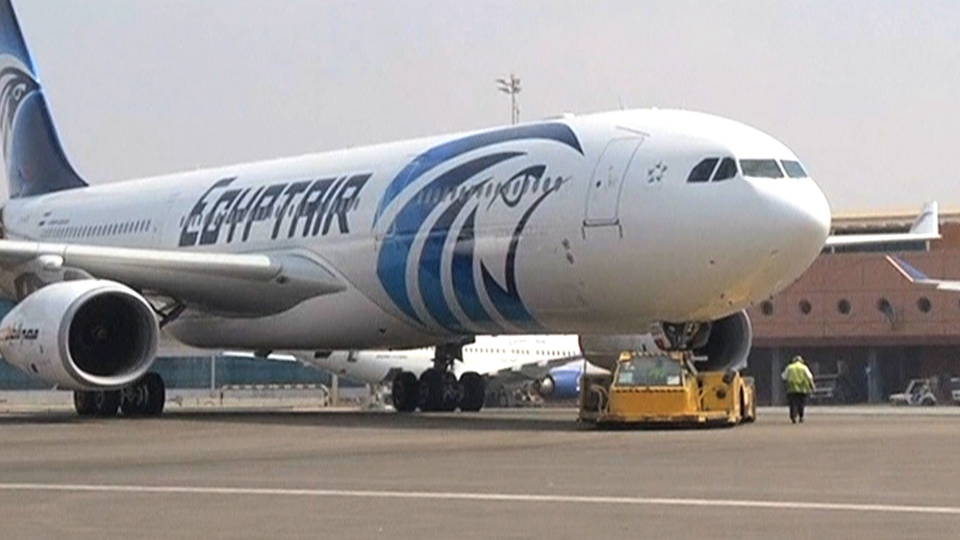
French President François Hollande and Greek officials have said the EgyptAir passenger jet that disappeared this morning en route from Paris to Cairo has crashed at sea. Egyptian and Greek authorities are searching for the jet, which had 66 people aboard. There is no information yet about what caused the crash. Last November, a Russian airliner was brought down over Egypt, killing all 224 people on board. The self-proclaimed Islamic State claimed responsibility for taking down the plane. Meanwhile, an Azerbaijani plane has crashed in southern Afghanistan, killing seven of the nine people on board. The Pentagon says the plane crashed during takeoff when one of the plane’s wings clipped the runway.
TOPICS:
Egypt
3 Countries Recall Ambassadors to Brazil over Rousseff's Ouster
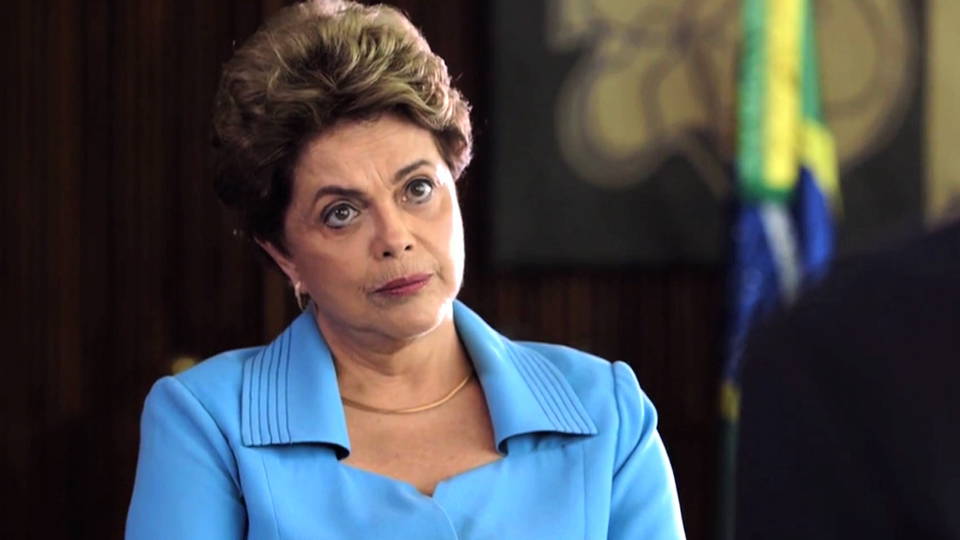
Ecuador, Venezuela and El Salvador have announced they are recalling their ambassadors from Brazil over the suspension of democratically elected President Dilma Rousseff. Rousseff faces impeachment proceedings over accusations of tampering with government accounts to hide a budget deficit. But she has accused her right-wing opponents of fomenting a coup. Salvadoran President Sánchez Cerén said he would not recognize the government of interim President Michel Temer, who himself faces corruption charges. Cerén said, "We respect democracy and the people’s will. In Brazil an act was done that was once done through military coups." Meanwhile, President Dilma Rousseff has criticized Michel Temer’s decision to install an all-white male Cabinet, during an interview with journalist Glenn Greenwald.
Glenn Greenwald: "How did you react when you saw his team?"
Dilma Rousseff: "Look, I think that—it seems to me that this interim and illegitimate government will be very conservative in every aspect, one of which is the fact that it is a government of white men, without blacks, in a country that in the last census in 2010—and I think this is very important—more than 50 percent of the population self-identified as being of African origin. So I think that not having any women or black people in the government shows certain lack of care for the country you are governing."
TOPICS:
Brazil
Senate Dems Hold Mock Confirmation Hearing for Merrick Garland
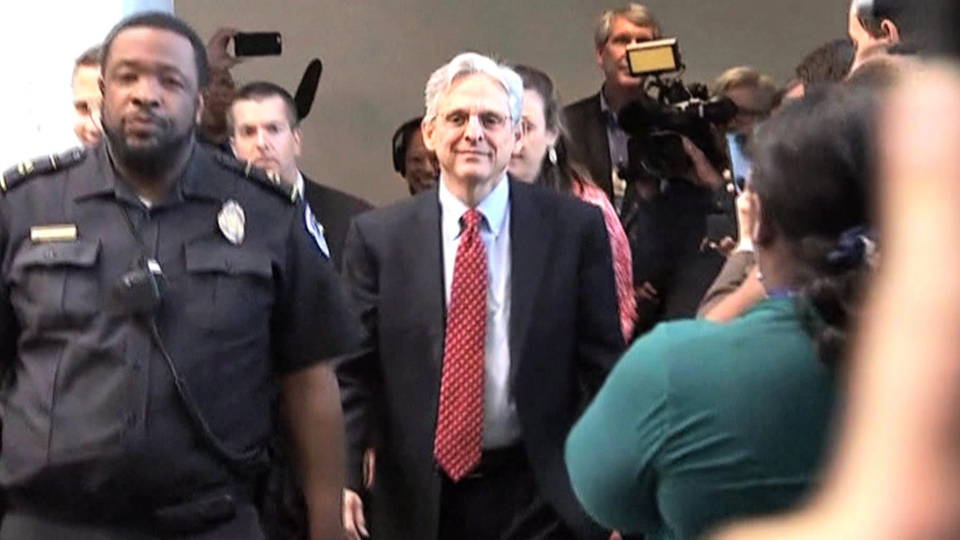
In Washington, D.C., Senate Democrats held a mock confirmation hearing Wednesday for Judge Merrick Garland, President Obama’s nominee to replace Justice Antonin Scalia on the Supreme Court. No Republican senators showed up to the mock hearing.
TOPICS:
Supreme Court
Trump's 11 SCOTUS Picks: White, Male and Conservative
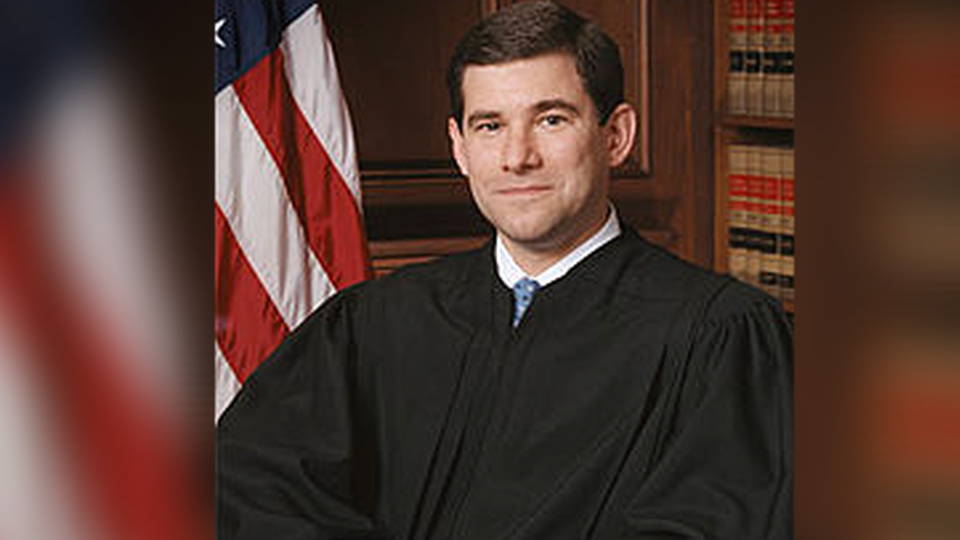
Meanwhile, presumptive Republican presidential nominee Donald Trump has unveiled a list of 11 candidates he would consider to fill Scalia’s seat on the Supreme Court, if he is elected president. The 11 judges are overwhelmingly conservative, and the majority are white men. The list includes Judge William Pryor, who has argued for the criminalization of consensual sex between gay and lesbian partners, and who opposes abortions, including in cases of rape and incest. During law school, Pryor said his inspiration for becoming a lawyer was "because I wanted to fight the ACLU." The list also includes Judge Thomas Hardiman, who has supported strengthening mandatory minimum sentences, and Judge Raymond Gruender, who ruled a 1978 pregnancy law does not give female employees the right to contraceptive coverage. Curiously, the list also includes Judge Don Willett, who is known for his extensive commentary on Twitter, where he has mocked Donald Trump multiple times, including in a "Donald Trump haiku" that read: "Who would the Donald / Name to #SCOTUS? The mind reels. / weeps—can’t finish tweet."
TOPICS:
Supreme Court
Donald Trump
Trump Meets with Henry Kissinger to Discuss Foreign Policy
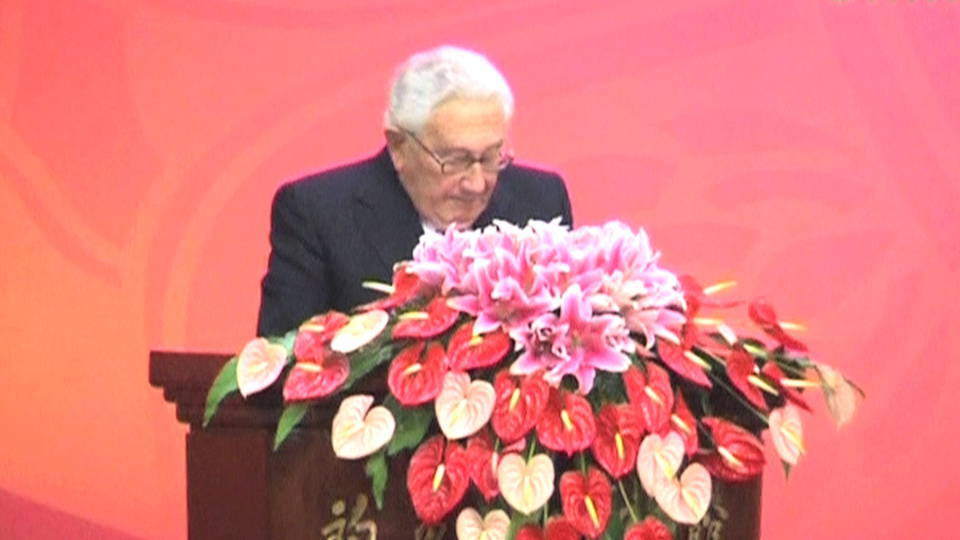
Meanwhile, Donald Trump met with former Secretary of State Henry Kissinger in New York to discuss foreign policy on Wednesday. During his time in office, Henry Kissinger oversaw a massive expansion of the war in Vietnam and the secret bombings of Laos and Cambodia. He also orchestrated secret U.S. military interventions across Latin America, from Bolivia to Uruguay to Chile to Argentina.
TOPICS:
Donald Trump
Henry Kissinger
Nigeria: One of the Missing Chibok Schoolgirls Returns Home
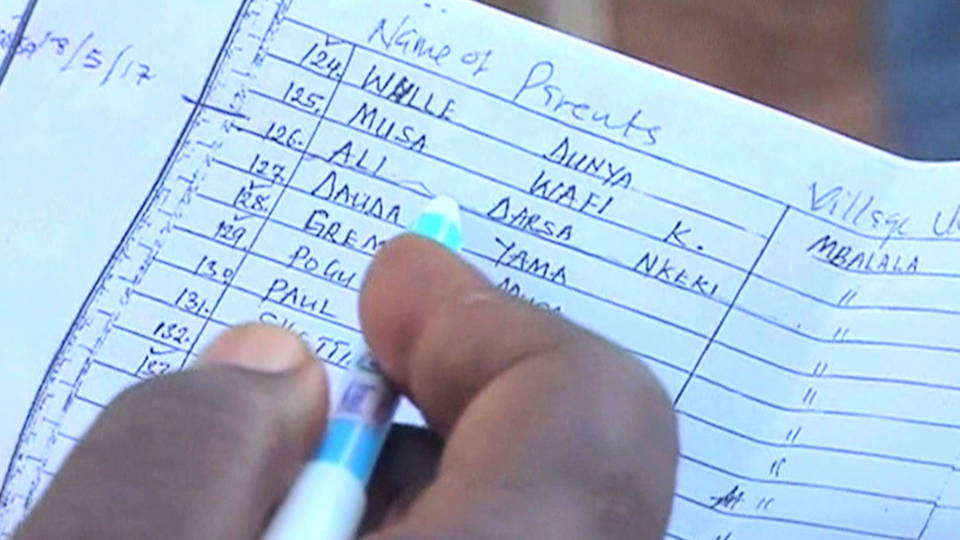
In Nigeria, family members say one of 219 schoolgirls abducted by Boko Haram from their dormitory in Chibok two years ago has returned home. Nineteen-year-old Amina Ali Darsha Nkeki is the first of the group to be rescued. Fifty-seven other girls managed to escape soon after the 2014 attack. Her return sparked renewed hope for the family members of other girls who are still missing. This is Nkeki Mutah.
Nkeki Mutah: "You can imagine, since this abduction, we have been here every day. Unless if I am not in Abuja, every day I’ve been here, because of the hope. And our hope now has been rekindled because of the rescue of this very one that I got the news today."
TOPICS:
Nigeria
Afghan Officials: 5 Killed in U.S. Drone Strike

Afghan officials say five people were killed in a U.S. drone strike in Zabul province on Tuesday. The officials say the victims were al-Qaeda militants, including one commander. The Pentagon confirmed the strike but refused to say whether anyone was killed.
TOPICS:
Afghanistan
Drone Attacks
Seychelles Decriminalizes Sex for LGBT People
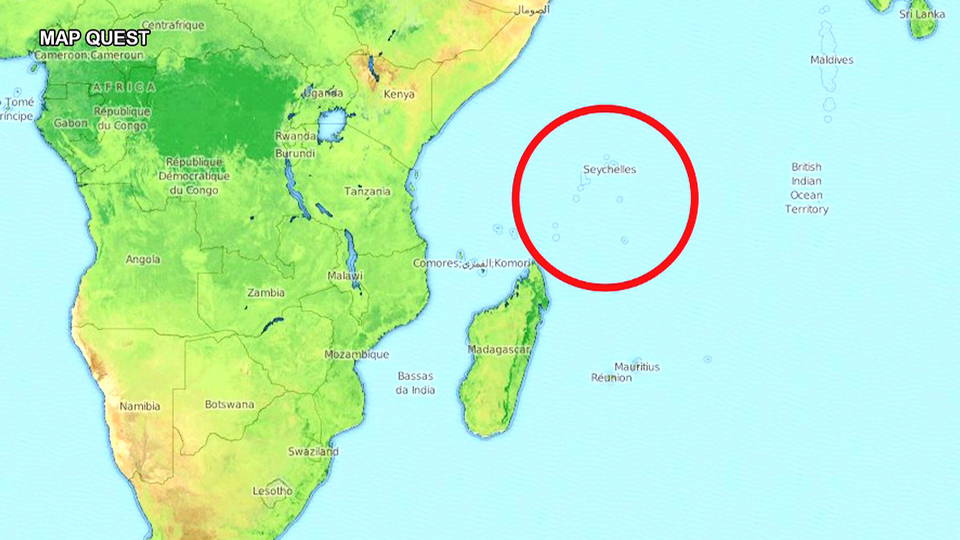
The Parliament of the Seychelles has voted to decriminalize sex between consensual gay and lesbian partners. Before Wednesday’s vote, homosexuality was a crime punishable by up to 14 years in prison in the Seychelles.
TOPICS:
LGBT
Canada: Trudeau Apologizes for 1914 Komagata Maru Incident
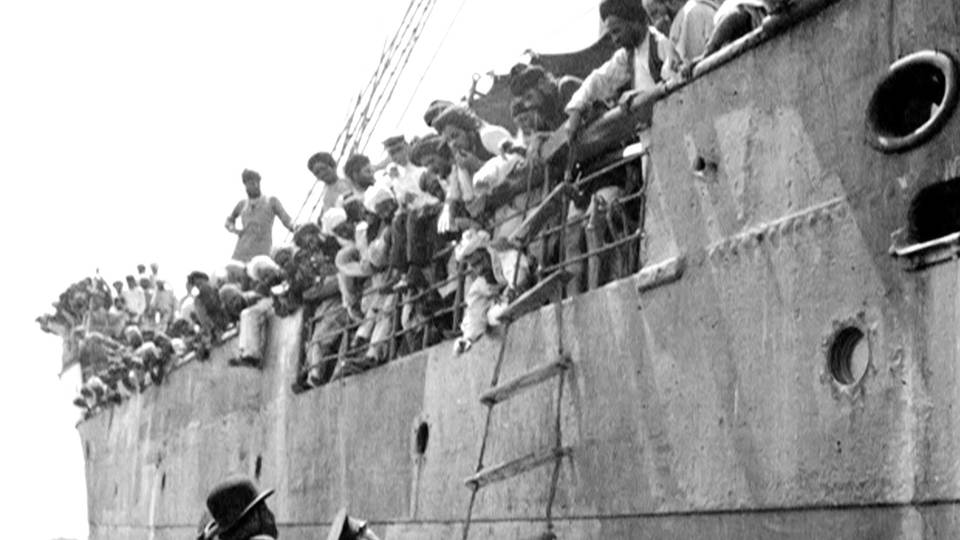
Canadian Prime Minister Justin Trudeau has formally apologized for the 1914 Komagata Maru incident in which Canada turned away a Japanese steamship in order to prevent more than 300 Sikhs from immigrating to the country. The move was widely acknowledged to be aimed at keeping Sikhs out of Canada. Then premier of British Columbia, Sir Richard McBride, said at the time, "We always have in mind the necessity of keeping this a white man’s country." On Wednesday, more than 100 years after the boat was turned away, Prime Minister Trudeau apologized.
Prime Minister Justin Trudeau: "No words can erase the pain and suffering they experienced. Regrettably, the passage of time means that none are alive to hear our apology today. Still, we offer it fully and sincerely, for our indifference to your plight, for our failure to recognize all that you had to offer, for the laws that discriminated against you so senselessly, and for not apologizing sooner. For all these things, we are truly sorry."
TOPICS:
Canada
KY Elects First African American Woman to State Legislature in 20 Years
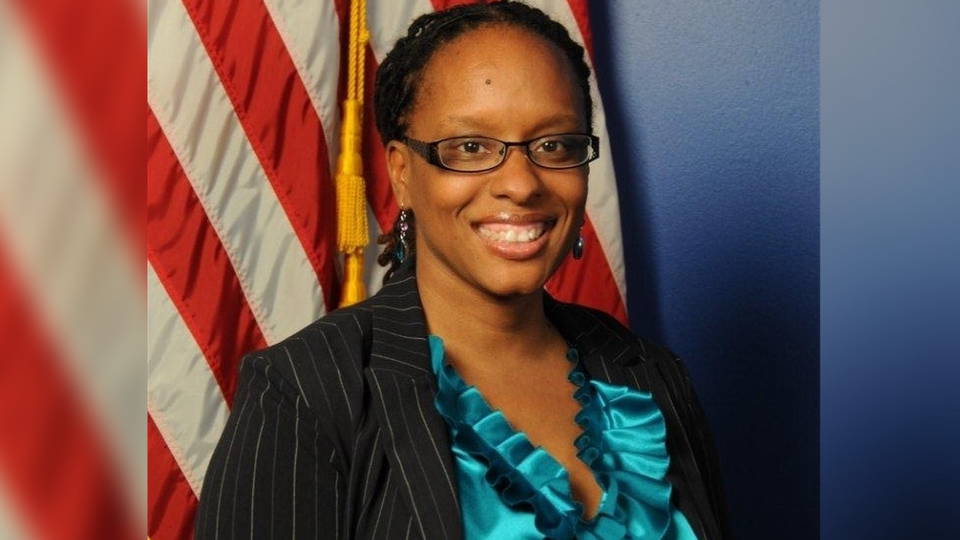
Kentucky has elected the first African American woman to the state Legislature in 20 years. On Tuesday, Attica Scott won the Democratic primary for state representative of the 41st District. She has no Republican challenger for the fall’s general election. During the primary, Scott overwhelmingly defeated longtime incumbent Tom Riner, best known for his support of Kentucky County Clerk Kim Davis, who was briefly jailed for refusing to issue marriage licenses to same-sex couples following the Supreme Court decision legalizing marriage equality nationwide. Attica Scott, in contrast, has been a longtime social justice activist and a vocal supporter of the Black Lives Matter movement.
South Carolina Passes Bill Banning Abortion After 20 Weeks
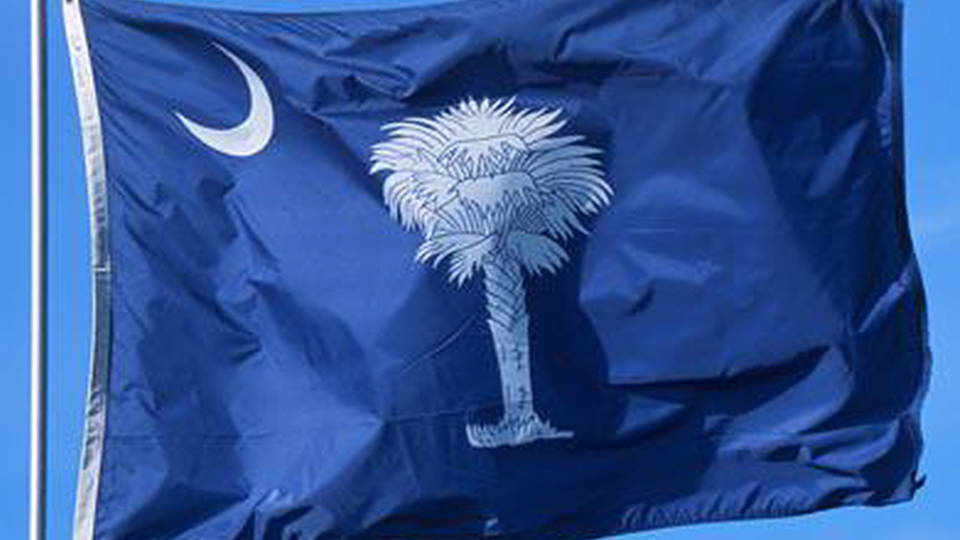
In South Carolina, the Legislature has passed a bill banning abortion after 20 weeks, even in the case of rape and incest. Governor Nikki Haley has said she will sign the bill.
TOPICS:
Abortion
Youth Climate Activists Score Legal Victory in Mass.
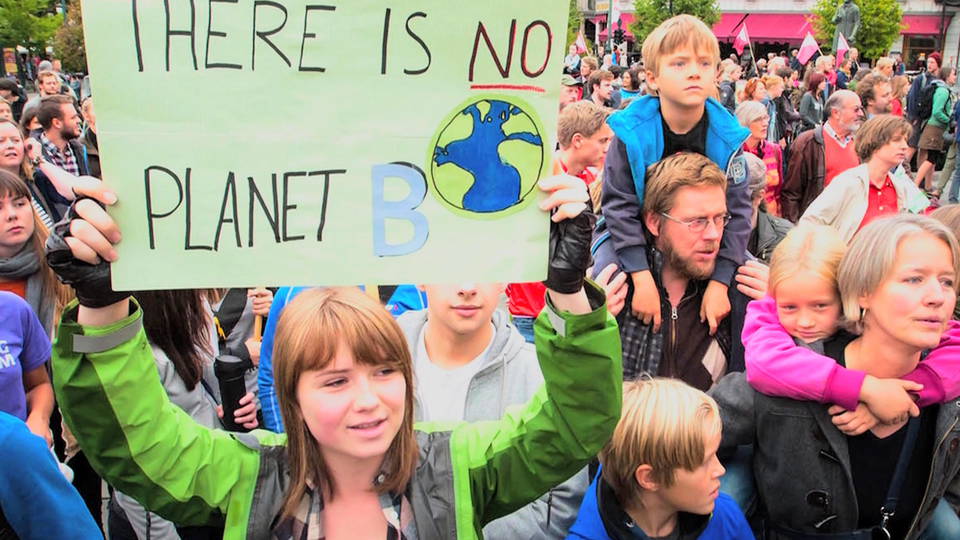
The highest court in Massachusetts has dealt a victory to four teenage plaintiffs in a lawsuit over climate change. In a case brought by the teenagers and environmental groups, the state Supreme Court found Massachusetts failed to fulfill its legal obligations to reduce greenhouse gas emissions that are warming the planet. In a statement, 17-year-old plaintiff Shamus Miller called the ruling a "historic victory for young generations advocating for changes to be made by the government. The global climate change crisis is a threat to the well being of humanity, and to my generation, that has been ignored for too long."
U. of Wisconsin-Madison Graduate Student Union Votes for BDS
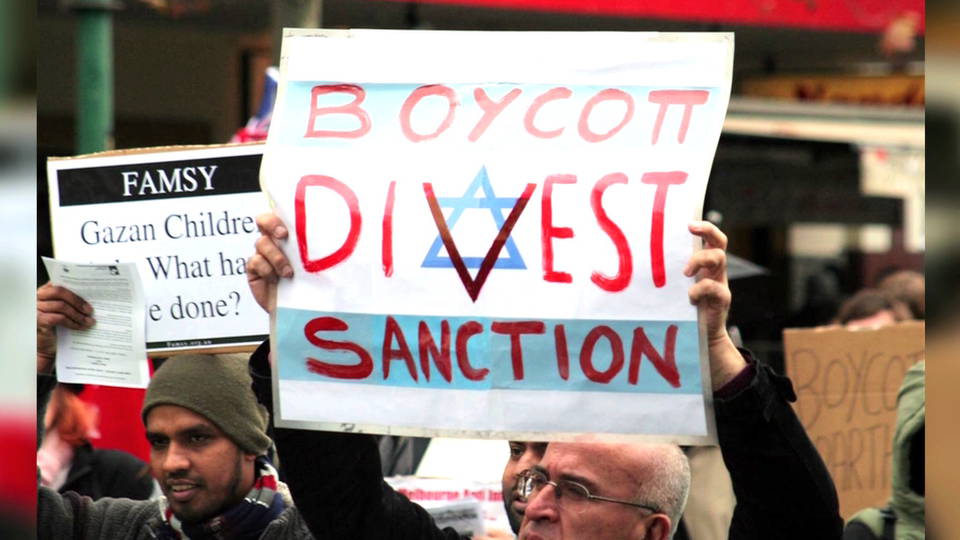
Here in Madison, the graduate student union at the University of Wisconsin-Madison has voted to join the Boycott, Divestment and Sanctions movement. The 9,000-member union is the oldest graduate student union in the United States. It becomes the third student union in about a month to vote to divest from Israeli state institutions and corporations who do business in the Israeli-occupied Palestinian territories.
Today is 95th Birthday of Late Civil Rights Activist Yuri Kochiyama
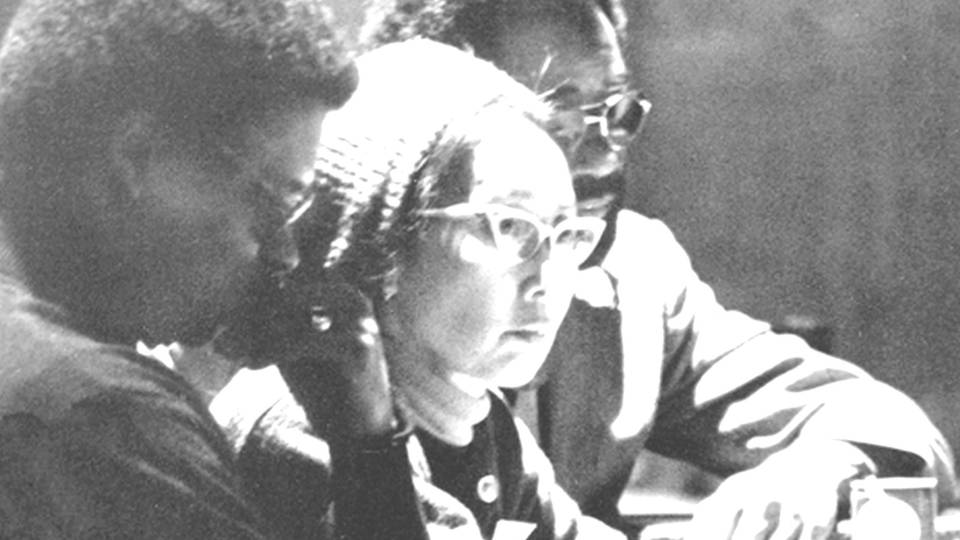
And today would have been the 95th birthday of civil rights activist Yuri Kochiyama. Until her death in 2014, Kochiyama championed civil rights, protested racial inequality and fought for causes of social justice. Her activism began after the bombing of Pearl Harbor, when she and her family were held in a Japanese-American internment camp. She was with Malcolm X the day he was gunned down in Harlem’s Audubon Ballroom, cradling his head as he lay dying on the stage. Today, Google marked her birthday with an illustration of the civil rights activist on its homepage.
TOPICS:
Civil Rights
Donate today:
Follow:


SPEAKING EVENTS

5/19 Toronto, ON
5/20 Toronto, ON
5/21 Troy, NY
5/22 New York, NY
5/23 Philadelphia, PA
5/24 Brooklyn, NY
6/11 Chicago, IL
6/25 New York, NY
7/29 Provincetown, MA
7/30 Martha's Vineyard, MA
more
NEW BOOK


"Breaking Free: A Rising Tide of Climate Resistance" by Amy Goodman & Denis Moynihan
“Welcome to Fort McMurray. We have the energy,” reads the signs as one enters this northern deep-woods outpost at the center of the Alberta tar sands petroleum-extraction zone. The forests surrounding Fort McMurray are on fire, closing in on the vast tar sands operations. More than 90,000 people have been evacuated, most from Fort McMurray, but thousands more from the oil sands work camps, where what is considered the dirtiest oil on the planet is extracted from tarry sand dug from earth-scarring open-pit mines. Across the hemisphere, the oil giant Shell has begun cleanup operations in the Gulf of Mexico, where oil-drilling operations have leaked, spilling more than 2,000 barrels of oil into the water, 97 miles off the coast of Louisiana.
The National Oceanic and Atmospheric Administration reported this week in its annual Greenhouse Gas Index that “human activity has increased the direct warming effect of carbon dioxide (CO2) in the atmosphere by 50 percent above pre-industrial levels during the past 25 years.” The U.S. space agency NASA reported that April was the hottest April in recorded history, by a greater margin than ever. This continues a streak of month after month breaking each month’s temperature record.
The official response to catastrophic climate change is embodied in the Paris Agreement, the 31-page document agreed to by 175 countries so far. The agreement, reached last December in Paris and signed in April, was the culmination of years of negotiations that many criticized as being far from “FAB”: Fair, Ambitious or Binding. The agreement is overseen by the United Nations Framework Convention on Climate Change, or UNFCCC, which is now holding a high-level meeting in Bonn, Germany, the first since the Paris Agreement was settled.
Kumi Naidoo, the former head of Greenpeace International, told us in Paris on the eve of the release of the final Paris Agreement, “There are so many loopholes in that draft text, you could fly Air Force One through it ... the bottom line is, I would say that the fingerprints of the fossil-fuel industry is in far too many places on this draft text.” He added, “Most of us in civil society never said, ‘The road to Paris,’ we always said, ‘The road through Paris.’”
And along that road, coordinated globally to precede the Bonn meeting, people are putting their bodies on the line, with blockades, sit-ins, banner-hangs and a whole constellation of confrontational actions, driven by the urgency of the climate crisis. Here is just a sample of some of the protests from the past two weeks, as summarized by the climate action nonprofit group 350.org:
In the U.K., protesters shut down the country’s largest open-cast coal mine for a day. A similar protest halted coal shipments in Newcastle, Australia. In the U.S., people occupied train tracks overnight to stop “bomb trains,” oil-filled tanker cars that have exploded in the past, killing hundreds. In Germany, 3,500 people shut down a lignite mine and nearby power station for over 48 hours. In the Philippines, 10,000 marched against a proposed coal plant. Community members blocked traffic outside the gates of Brazil’s largest thermal coal plant. On land and water, people blockaded the Kinder Morgan tar sands facility in Vancouver, and in Turkey, 2,000 people marched to a large coal dump and surrounded it with a giant red line.
World-renowned linguist and political dissident Noam Chomsky has just written a new book called “Who Rules the World?” He says that the two critical issues facing humanity are nuclear weapons and climate change, and that it is astounding how rarely these issues are addressed in the 2016 presidential campaign.
“When the Republicans on the Supreme Court just recently beat back a pretty moderate proposed Obama regulation on coal, that again is a message to the world, says, ‘Don’t bother doing anything,’” Chomsky told us last week. “The biggest, most powerful country in the world doesn’t care, so ‘you go ahead and do what you like.’ This is all literally saying, ‘Let’s race to the precipice.’”
There is hope in people taking action, though. In Professor Chomsky’s home state of Massachusetts, four teenage high-school students sued the state Department of Environmental Protection, claiming the state was breaking its own law mandating a reduction in greenhouse-gas emissions of 80 percent by 2050 by not taking action quickly enough. This week, the state’s highest court agreed, and Massachusetts must now implement a plan to cut emissions.
There has long been a clarion call to save the planet for future generations. It becomes increasingly clear that it is the younger generation that will save us all.
WEB EXCLUSIVE
Chomsky: Today's GOP is a Candidate for Most Dangerous Organization in Human History—Part 2
FEATURED INTERVIEW

Suing Dictators Around the World: A Look at How Michael Ratner Helped Reshape Human Rights Law
207 West 25th Street, 11th Floor
New York, New York 10001, United States
---------------------
---------------------

No comments:
Post a Comment