democracynow.org
Stories:
 Greg Palast in Ohio on GOP Effort to Remove African Americans from Voter Rolls in Battleground State
In an on-the-ground report from the battleground state of Ohio, investigative reporter Greg Palast has uncovered the latest in vote suppression tactics led by Republicans that could threaten the integrity of the vote in Ohio and North Carolina. On some polling machines, audit protection functions have been shut off, and African Americans and Hispanics are being scrubbed from the voter rolls through a system called Crosscheck. "It’s a brand-new Jim Crow," Palast says. "Today, on Election Day, they’re not going to use white sheets to keep way black voters. Today, they’re using spreadsheets."
TRANSCRIPT
This is a rush transcript. Copy may not be in its final form.
AMY GOODMAN: This is Democracy Now!, democracynow.org, The War and Peace Report. I’m Amy Goodman. As the United States goes to the polls, we turn now to an on-the-ground report from the battleground state of Ohio. Rolling Stone investigative reporter Greg Palast has uncovered the latest in vote suppression tactics that could threaten the integrity of the vote in Ohio and North Carolina.
GREG PALAST: All of America votes, but it’s Ohio that decides who’s going to be the president and who controls the Senate of the United States.
There are those on both sides who say the vote can be hacked.
PAMELA BROWN: The revelation comes as investigators are confident Russia is behind several recent cyber-attacks to influence the U.S. elections.
GREG PALAST: In Ohio in 2004, the mismatch of exit polls and the machine count, that put George W. Bush back in the White House, raised questions of the integrity of Ohio’s voting machines. They had no paper ballots to allow an audit of the vote. But today, many new voting machines in Ohio have a built-in safety feature.
ROBERT FITRAKIS: Well, machines now can actually take a ballot image, in the sequence of every single one cast, to eliminate fraud if somebody tampers with the paper ballots.
GREG PALAST: There’s only one problem.
ROBERT FITRAKIS: They’ve decided to turn off the security.
GREG PALAST: Election law attorney Robert Fitrakis represents Republicans and Democrats. He just discovered that the photo image and audit protection functions have literally been shut off.
ROBERT FITRAKIS: So they bought state-of-the-art equipment and turned off the security.
GREG PALAST: We followed Fitrakis into state court in Columbus. He’s seeking to order the Republican secretary of state to turn on all the voter protections on the machines. We weren’t allowed to film, but Republican officials argued that it would require a massive effort to turn on the protection applications.
ROBERT FITRAKIS: It’s a drop-down box, just like on your computer. Do you want ballot images of every ballot cast? You would think yes. Same thing for the audit log.
GREG PALAST: The judge, a Republican appointee, disagreed. He ruled that the Republican officials could leave the machines unprotected.
On Sunday, I was at the Freedom Faith Missionary Baptist Church. They’re building their spirits to prepare to join other black churches from all over Ohio for Souls to the Polls Sunday voting.
So they went to the one voting station for all of Dayton and waited in line to vote. And waited. And waited. And waited. And waited. Seventy percent of the state’s African Americans vote early. The line snaked up and down three floors and out into the parking lot.
OHIO VOTER: I have a friend. She just texted me, and she said that she was going home, because she worked the third shift, and she couldn’t stand in a long line.
GREG PALAST: Why? Because Republican Secretary of State Jon Husted said all counties can have only one single voting station on Souls to the Polls day.
OHIO VOTER: She wanted to vote today.
GREG PALAST: So, they just make it—do you think that it’s deliberate to make it harder for the day, for African-American voters?
OHIO VOTER: Yeah, and other minorities. Yeah, yes, I do.
GREG PALAST: Indeed, Husted wanted to end Souls to the Polls Sunday voting entirely. But he was blocked by local officials.
This is former Montgomery Elections Board member David Lieberman.
DAVID LIEBERMAN: And we had voted, both the Republicans and Democrats, for long hours on weekends so that people, like this, could come and vote. After we did that, we were told by the secretary of state that if we didn’t change our vote, that he would fire us.
GREG PALAST: And so, what happened?
DAVID LIEBERMAN: I got fired.
If you want to eliminate that early voting, then, yeah, the effect is a racial effect.
GREG PALAST: And finally, we’ve uncovered a bigger threat than long lines or compromised machines. It comes out of the GOP’s and Donald Trump’s claim of voter fraud.
DONALD TRUMP: This voting system is out of control. You have people, in my opinion, that are voting many, many times.
GREG PALAST: Say what, Donald?
DONALD TRUMP: You have people, in my opinion, that are voting many, many times.
GREG PALAST: Reflecting Trump’s claim of multiple-voting Democrats, GOP-controlled states have purged nearly 1 million voters accused of voting or registering in two states. Ohio’s Republican secretary of state has a secret list of a whopping 497,000 double-voting suspects. We got our hands on this confidential list, including such would-be criminal voters as Donald Alexander Webster Jr., who supposedly voted a second time in Virginia as Donald Eugene Webster Sr. We met with the would-be double voter.
DONALD ALEXANDER WEBSTER JR.: Donald Eugene Webster. That’s not my middle name.
GREG PALAST: "Eugene" is not your middle name.
DONALD ALEXANDER WEBSTER JR.: No.
GREG PALAST: You ever use the name "Eugene"?
DONALD ALEXANDER WEBSTER JR.: No.
GREG PALAST: They say you do.
DONALD ALEXANDER WEBSTER JR.: Mm-mm.
GREG PALAST: You know that it’s a crime if you vote more than once?
DONALD ALEXANDER WEBSTER JR.: Of course. It never occurred to me to do that.
GREG PALAST: Have the—
DONALD ALEXANDER WEBSTER JR.: You know, what’s two votes going to do, when you’ve got thousands and thousands and thousands? You’ve got to have a bunch of people doing that.
GREG PALAST: Well, do you? Are you part of a large conspiracy.
DONALD ALEXANDER WEBSTER JR.: No. No, I’m not, sir.
GREG PALAST: In fact, nearly 2 million voters on the list, called Crosscheck, have middle names that don’t match—like this one: Maria Isabel Hernandez is supposed to be the same voter as Maria Cristina Hernandez. Who’s on the list? Names like Hernandez, Wong, Garcia, Jackson.
Our experts have calculated that fully one in six voters of color are on the Republican blacklist.
We’ve asked voting rights attorney Fitrakis why Ohio’s Republicans would use this Crosscheck scheme.
ROBERT FITRAKIS: He knows what he’s doing is illegal. What he’s doing is counting on bigotry to get away with it. He’s picking first and last names only, because he doesn’t want to actually match people by using the middle name. He wants to purge blacks and Hispanics. And he’s trying to make Ohio winnable in the only way he knows how: by stealing American citizens’ votes.
GREG PALAST: In North Carolina, we spoke to the man who brought Crosscheck to the South, Colonel Jay DeLancy of the Voter Integrity Project.
JAY DELANCY: This is Interstate Crosscheck.
GREG PALAST: OK.
JAY DELANCY: OK, these are the states...
GREG PALAST: When confronted with evidence of Crosscheck’s racial bias, he chuckled.
JAY DELANCY: And you would think that Jim Crow rose from the dead.
GREG PALAST: It’s a brand-new Jim Crow. Today, on Election Day, they’re not going to use white sheets to keep away black voters. Today, they’re using spreadsheets.
From Ohio, this is Greg Palast reporting for Democracy Now!
AMY GOODMAN: And Greg Palast joins us now from Columbus, Ohio. Greg, thanks so much for that report, Rolling Stone investigative reporter. Explain further this Crosscheck list and what happens when people come up against it. Do they know they’re coming up against it?
GREG PALAST: No, they don’t. It’s really devious. And remember, the lists are secret. You know, you could tell from my hat that I’m an investigative reporter, so I got a hold of their secret list, Amy. There are 7 million names on it, 7.2 million Americans suspected of voting twice. And about 1 million—from the information we received from Virginia, about 1 million will find their names missing today when they go to vote. They’ll be given provisional ballots, which, if they’re missing from the voter rolls, fair or not, they lose their vote. So about one in seven of the 7 million are going to be without a vote today. And 30 Republican states concentrated in Ohio and in North Carolina. This could flip the Senate. Very good chance that this alone could flip the Senate.
AMY GOODMAN: Explain again Donald Webster’s story. And did this happen this year?
GREG PALAST: Oh, yeah. No, this is—we just filmed him for—actually, for my movie. And his name is Donald Alexander Webster Jr. And according to the GOP blacklist, he is supposedly registered a second time to vote as Donald Eugene Webster Sr. Now, it’s not just—at least 2 million of the names are, on their face, mismatched. And they say they use Social Security numbers to match people and say, "Oh, these are double voters." But those Social Security numbers are absolutely not used and absolutely missing. And it’s because we got the list that we found out that they are removing literally a million people without any evidence and without even—you have to understand, they’re not notifying people: "You are accused of voting twice." They’re just going, poof, you’re gone. Your problem. This is—this is one of the biggest—this is the biggest purge game I’ve seen since Florida knocked off the fake felons, which I discovered back in 2000, accusing black men of being criminals and who can’t vote, but in fact their only crime was voting while black. At least they put an F next to their names so they knew that they were falsely accused of being felons. You don’t know why you’re removed. You’re marked inactive, or you simply vanish.
AMY GOODMAN: And so, you can insist on a provisional ballot. And when do those get counted?
GREG PALAST: Well, if you’re not on the voter rolls, Amy, you can’t get counted. That’s why it’s provisional. The only thing that they do is check if your name is somehow in the central—in the central machine. They do not—even if they say, "Oh, yeah, you’re not a double voter. You committed no crime," but you don’t get your vote back. And you know it’s suspect, because if a million people really committed the crime of voting twice, you’d arrest them. You go to jail for five years. But they’re not arresting people, because they know their list is phony. And you could see it, but we literally just had to get it out the back door, because they’ve kept it tightly under wraps. They don’t want you to know who they’re accusing. But I will tell you this: It’s one in six voters of color in those 30 Republican states. One in six voters of color, Asian Americans especially.
AMY GOODMAN: And now, it’s Ohio Secretary of State Husted, who was responding to Donald Trump’s charge of a rigged election, who said it’s not. So, your response to Trump, and Husted’s insisting that the election is not rigged?
GREG PALAST: Well, it is rigged. And they should know, because it’s their buddies who are rigging it. And that’s one of the problems. Kris Kobach, the white supremacist secretary of state of Kansas, is the one who received all the lists and put them together. He secretly sent them out, and they’re kept under wraps. And it becomes a hit list of voters of color once again. Now, in the case of Donald Webster, both of them, we don’t let people go on camera, become our guinea pigs; we save their votes. And all you have to do is contact your—have some contact with your secretary of state’s office and get your vote back. But so, most of those people will get their votes back, but 1 million, as of today, on this important day, will not.
AMY GOODMAN: And finally, in the media, the only real discussions are hacking—of hacking are hacking of email, not hacking of voting machines. The beginning of your piece talked about that and the security that’s turned out—turned off. Explain that further.
GREG PALAST: It’s crazy. People have complained that voting machines don’t have an audit trail and no picture of your ballot, no ballot. In fact, many of the new machines, in Ohio and elsewhere, actually have this function. And in Ohio, they deliberately turned off the audit function and turned off the function that takes a picture of every one of your marks on your ballot and times it so you can see if anyone has played games with those ballots. They have turned off those security features. And the courts say, "Well, they haven’t stolen the election yet. Come back if it’s stolen. Then you can complain." But once you—you can’t go back in time and turn on the security features. You have to wonder, Amy: Why in the world would you take off this valuable security feature, and especially when the big bad Russians are supposed to hack our machines? Maybe it’s not the Russians who are hacking our machines.
AMY GOODMAN: Greg Palast, I want to thank you for being with us, on the ground in Ohio. Greg Palast, Rolling Stone investigative reporter. His new film, The Best Democracy Money Can Buy: A Tale of Billionaires & Ballot Bandits, available online at GregPalast.com at no charge today. And we’ll link to your piece in Rolling Stone, "The GOP’s Stealth War Against Voters," the subtitle, "Will an anti-voter-fraud program designed by one of Trump’s advisers deny tens of thousands their right to vote in November?"
 35 States Set to Vote on 160+ Initiatives on Pot, Universal Healthcare, Minimum Wage, Death Penalty
As voters in the United States go to the polls, we look at some of the most important decisions they will make—not for president, governor, Senate or congressional races, but on more than 160 ballot initiatives in 35 states, more than in any election in the last decade. Marijuana legalization is on the ballot in nine states, and income inequality and economic insecurity are at the heart of many other measures, along with initiatives on guns, public education, the death penalty and Colorado’s Amendment 69, a citizen-initiated constitutional amendment which would finance universal healthcare. We are joined by Justine Sarver, executive director of the Ballot Initiative Strategy Center, and Sarah Anderson, director of the Global Economy Project at the Institute for Policy Studies, whose article in Truthout is titled "Seventeen Ballot Initiatives to Watch If You Care About Inequality."
TRANSCRIPT
This is a rush transcript. Copy may not be in its final form.
AMY GOODMAN: As the United States goes to the polls today, we begin with a look at some of the most important decisions voters will make. It’s not president, governor, Senate or congressional races, but more than 160 ballot initiatives are on the ballot in 35 states—more than in any election in the last decade. Marijuana legalization is on the ballot in nine states. Other initiatives include reforms around guns, public education, the minimum wage, the death penalty, taxes, same-sex marriage.
One closely watched race is Colorado’s Amendment 69, a citizen-initiated constitutional amendment which, if passed, would finance universal healthcare there. Former Democratic presidential nominee Bernie Sanders spoke in support of the measure last month at a rally in Boulder.
SEN. BERNIE SANDERS: Colorado can send a shot that will be heard all over this country and all over the world, because if you can pass ColoradoCares, then I guarantee you states all over this country will be following in your footsteps.
AMY GOODMAN: In an editorial last month, The Denver Post editorial board suggested voters should reject the measure. This is Denver Post editorial page editor Chuck Plunkett.
CHUCK PLUNKETT: We’re concerned about the taxes that would be assessed, the new taxes that would be assessed. Best way to understand it is to remember the number 10. And think of any kind of income you might possibly get. Ten percent of it’s going to go to ColoradoCare. So your payroll tax, if you’re retired, your Social Security pensions, your IRA money, that kind of income, once you get past $24,000 a year, it’s assessed 10 percent tax. If costs go up—and again, that study by the Colorado Health Institute, which is an independent organization, suggests they will, dramatically—then the taxes are going to chase after them.
AMY GOODMAN: Supporters of ColoradoCare say the system could operate in the black for at least nine years. More than any other issue, however, ballot initiatives that address income inequality and economic insecurity are at the heart of many of this year’s measures. Maine, Colorado, Arizona, Washington all vote on minimum wage increases. South Dakota will vote on protections against predatory lenders. And in the country’s most expensive ballot initiative fight, Big Pharma has poured nearly $100 million into California’s Proposition 61, which would prevent price gouging for prescription drugs.
For more, we’re joined by two guests. In Jackson, Mississippi, Justine Sarver is with us, executive director of the Ballot Initiative Strategy Center. And joining us from Washington, D.C., Sarah Anderson, director of the Global Economy Project at the Institute for Policy Studies. Her article for Truthout is headlined "Seventeen Ballot Initiatives [to] Watch If You Care About Inequality."
We welcome you both to Democracy Now! Let’s go to Justine in Jackson, Mississippi, first. Talk about ballot initiatives. There are more than 160 on the ballot across the country. Where do they come from? Who is behind them?
JUSTINE SARVER: It’s great to be with you again. Thanks for having me.
So, the thing I love about ballot initiatives is, just underneath what has been a sometimes absurd dialogue at the presidential level, we have issues on the ballot that voters really care about. And this year we’re seeing more citizen initiatives than we have in 10 years. And as you mentioned, economic security is a big deal this year. So, the minimum wage measures, two of them also have earned sick leave, in Arizona and Washington state. These are issues that people are concerned about every day. And unfortunately, some of the issues have been lost in the debate this year, but voters get to go to the ballot and vote for a raise, vote for earned sick leave and also, in a number of states, pass revenue increases that will protect and increase funding for public education and other critical services.
AMY GOODMAN: Sarah Anderson, we began by talking about the initiative in Colorado, ColoradoCare, that deals with single-payer healthcare. Can you talk about what this battle is about and who is funding both sides?
SARAH ANDERSON: I think this is an example of many ballot initiatives this year that is really building on Bernie Sanders’ efforts to put inequality at the center of the political debate. And you have the one in Colorado on public healthcare, but Bernie has also been very involved in Prop 61 in California about drug price gouging. He has been rallying folks there in the same way and has also been saying that if it could pass there, in much the same way as the Colorado one, it could really spark a national movement. In the [California] one—of course, that’s the most expensive ballot initiative fight in the country—Big Pharma has poured in $109 million into blocking that. And the latest polls show it’s tied. So, I think both of these will be real bellwethers in how people see these issues that, as Justine says, hit very close to home.
AMY GOODMAN: And you’re saying that most expensive one is in California, where the drug companies have put in over $100 million. What about these issues of minimum wage?
SARAH ANDERSON: Well, in addition to what Justine mentioned about how there are four state ballot initiatives that would raise the minimum wage in different countries [sic], I would lift up the one in Maine, which is very important—
AMY GOODMAN: In states.
SARAH ANDERSON: —because it would also phase out the subminimum wage for restaurant workers and other tipped workers, who haven’t gotten a federal minimum wage increase in 25 years. So it’s an example of people not wanting to wait around for Washington to act. They’re using this tool for direct democracy to take action into their own hands.
AMY GOODMAN: Let’s look at Arizona, one of the four states with ballot initiatives to increase the minimum wage. This is Maricopa County Supervisor Steve Gallardo, who’s in favor of the measure, followed by Glenn Hamer, president and CEO of the Arizona Chamber of Commerce and Industry, who’s against it. The two debated the issue on Arizona PBS.
STEVE GALLARDO: It’s been 10 years since the voters had an opportunity to increase the minimum wage, and now it’s time. I think, as you see, many families right now are struggling to make ends meet. You know, they’re working two jobs just to put food on the table. This modest increase to $10 come this January, and going up to $12 by 2020, is good. It’s good for working families. It’s good for our economy. It’s good for Arizona. And it’s time for us to address it.
GLENN HAMER: Well, the fact is, the minimum wage does go up every year. That was part of the ballot initiative that passed about 10 years ago. We’re now at $8.05. We have a considerably higher minimum wage than what exists on the federal level. The reason why we oppose this, Ted, is that this is going to cost jobs, and a lot of jobs for those at the entry-level portion of their career, number one. Two, this is going to hurt a lot of businesses, particularly small businesses in rural Arizona.
AMY GOODMAN: Sarah Anderson at the Institute for Policy Studies, you deal with this a great deal. Your response?
SARAH ANDERSON: Well, the Economic Policy Institute and many others have done good research showing that when you raise the minimum wage, it increases domestic spending power and is good for the overall economy. And I would just remind folks that it was in the last election that four red states voted for minimum wage increases. And I think that was something that really empowered the whole Fight for 15 movement to show the broad appeal across the political spectrum for paying a living wage.
AMY GOODMAN: And what’s interesting on these minimum wage initiatives in the past is that Republicans, like Democrats, red states and blue states, have all supported these increases. Is that right, Sarah?
SARAH ANDERSON: That’s correct. This is not a partisan issue necessarily. And I think people see it as a way to get people out to the polls, because, as Justine said, these are issues that really affect people’s daily lives. They can vote to give people a raise today, and that is much more concrete than a lot of the issues being discussed at the national level.
AMY GOODMAN: We have discussed in the past, Justine Sarver in Jackson, the issue of drug legalization, of marijuana legalization, very much on the ballot in a number of states, could increase the states where people who are using marijuana—what? Five percent now it’s legal in the United States, could increase to 25 percent.
JUSTINE SARVER: Well, what’s interesting here, I think, is, you know, obviously, marijuana advocates in 2012 set their sights on this election, and we’re seeing that with nine measures on the ballot across the country either for medical or recreational legalization. What we care about in the future of this debate is, you know, the criminal justice reform aspect, labor piece and, really, who’s involved in these new economies that are being created.
AMY GOODMAN: Let’s go to ads for and against. Polls in California show strong support for Prop 64, the Adult Use of Marijuana Act. This is an ad made by Yes on 64.
YES ON 64 AD: Prop 64 makes marijuana legal in California for adults 21 and over. And here’s what else it does: bans marijuana use in public; permits sales only at licensed marijuana businesses, not at grocery or convenience stores. And Prop 64 generates a billion in new tax revenue for California to fund after-school programs and job training and placement initiatives. Learn more at YesOn64.org. Vote yes on 64.
AMY GOODMAN: And this is an ad made by No on Prop 64.
NO ON PROP 64 AD: Proposition 64 will allow marijuana smoking ads in prime time and on programs with millions of children and teenage viewers. Children could be exposed to ads promoting marijuana gummy candy and brownies, the same products blamed for a spike in emergency room visits in Colorado. Fatalities doubled in marijuana-related car crashes after legalization in Washington state. Yet, in California, Proposition 64 doesn’t even include a DUIstandard. Prop 64, they got it wrong again.
AMY GOODMAN: Justine Sarver, talk about where these initiatives are, those ads from California, Prop 64.
JUSTINE SARVER: Well, I think, you know, we’re going to have to wait to see what happens on these initiatives across the country, and wake up tomorrow morning and have sort of a better sense of how things shake out. But it definitely is sparking a debate across the country about, you know, how—the future of marijuana and where things will had federally.
But what I think it’s important to get back to here is the economic security issues that have been just under the radar of this presidential election—these minimum wage ballot measures, revenue. And at BISC, with our partners, we’re looking at a plan for building momentum off of these issues, continuing the economic dialogue into 2018 and 2020, engaging voters, again and again and again, on issues that matter to them.
AMY GOODMAN: Let’s go right now to Bernie Sanders on the issue of ballot initiatives. When he launched Our Revolution in August, he stressed the importance of mobilizing around significant ballot initiatives.
SEN. BERNIE SANDERS: We can shape governmental policy by supporting major ballot initiatives taking place in states throughout the United States. Not every state has statewide ballot initiatives. We don’t here in Vermont. But many states do. There are about 125 statewide ballot initiatives coming up in November. As I understand it, Our Revolution will be focusing on seven key initiatives which are of enormous importance to the particular states involved, but also significant for the entire country. In my view, there is nothing more important that we can do as progressives than overturn the disastrous Citizens United Supreme Court decision.
AMY GOODMAN: Sarah Anderson, what other ballot initiatives are you looking at in the more than 160 there are around the country?
SARAH ANDERSON: Thank you for asking. We have identified 17 ballot initiatives related to inequality that we’ll be tracking on our website, Inequality.org. Some of the other key ones look at predatory lending. South Dakota has two ballot initiatives—one that is genuinely in support of protecting consumers from payday lenders; the other one is funded by the payday industry and is written in a very misleading way, so I know activists are working hard to cut through the miscommunication on that one. Other measures to increase taxes on wealthy and the corporations, Oregon has one to increase corporate taxes. That’s a state that has very, very low tax rates for corporations. California is voting to extend their top tax rate on individuals, which is the highest in the country. Hopefully, as the Californians are looking at their Tolstoy novel-length ballots, they won’t miss that one or Prop 61 on pharmaceuticals.
I would just like to also add that, you know, Bernie Sanders’ involvement in this, coming from an inequality perspective, is so interesting to me, because if you look back at the history, it was back during the Gilded Age when progressive reformers first started working to have these citizen-led petitions to circumvent the power of economic elites. And here we are in 2016, when levels of income and wealth concentration are about on par with the extreme levels that they were at during the Gilded Age, that people are turning to these tools to try to narrow our economic divide. And it will be fascinating to see how they turn out tonight.
AMY GOODMAN: And, Justine Sarver, the issue of the death penalty, actually two competing ballots in California, is that right?
JUSTINE SARVER: Yes. What we need to know about the death penalty is that it is a 40-year low in terms of support in this country. So, no matter what happens tonight, this is—this election is a blip on the long, steady decline of interest by Americans in capital punishment.
AMY GOODMAN: And in California, you’ve got a ballot initiative that would speed up the death penalty and another one that would abolish it. Is that right?
JUSTINE SARVER: That is correct.
AMY GOODMAN: Well, I want to thank you both. We will certainly be looking at this. We’re doing a five-hour special tonight beginning at 7:00 Eastern time until midnight, or as long as it takes to cover all of the issues around the country. I want to thank Justine Sarver, Ballot Initiative Strategy Center, speaking to us from Jackson, Mississippi, and Sarah Anderson with the Global Economy Project at the Institute for Policy Studies.
And a quick correction on the headlines: In the congressional races today, Zephyr Teachout is running for New York’s 19th Congressional District, which covers the Hudson Valley and Catskills regions, not the 9th District.
This is Democracy Now!, democracynow.org, The War and Peace Report. When we come back, we go to the battleground state of Ohio with investigative journalist Greg Palast. Stay with us.
 Beyond the Electoral College: A State-Based Plan for Electing the President by National Popular Vote
"The path to 270" is the catch phrase used in media coverage of who will win the Electoral College, which raises the question: Will everyone’s vote count equally in determining the next president of the United States? Some analysts argue the 2016 election will come down to the same 11 states that decided the most recent presidential contests. Meanwhile, two-thirds of the general election campaign events in the 2016 presidential race were held in just six states. We discuss campaigns for electoral reform with Rob Richie, co-founder and executive director of the electoral reform organization FairVote. He is co-author of "Every Vote Equal: A State-Based Plan for Electing the President by National Popular Vote."
TRANSCRIPT
This is a rush transcript. Copy may not be in its final form.
AMY GOODMAN: This is Democracy Now!, democracynow.org, The War and Peace Report. I’m Amy Goodman. Yes, today is Election Day here in the United States. "The path to 270" is the watchword for media coverage of who will win the Electoral College, which raises the question: Will everyone’s vote count equally in determining the next president of the United States?
GOV. SCOTT WALKER: The nation as a whole is not going to elect the next president. Twelve states are.
AMY GOODMAN: "The nation as a whole is not going to elect the next president." That was Republican Governor Scott Walker of Wisconsin saying, "The nation as a whole is not going to elect the next president. Twelve states are."
Well, according to The Hill, the 2016 election will come down to the same 11 states that decided the most recent presidential contest. Meanwhile, two-thirds of the general election campaign events in the 2016 presidential race were held in just six states.
Well, we turn now to the campaign for electoral reform. On Monday, New York Governor Andrew Cuomo signed legislation that recommits New York to the National Popular Vote compact past its 2018 expiration date. Under the compact, states across the country have pledged to award their electoral votes to the presidential candidate who wins the nationwide popular vote. If enough states sign on, it would guarantee the presidency goes to the candidate who wins the most votes across the country. It would prevent scenarios like what happened in 2000, when Al Gore won the popular vote but still lost the election to George W. Bush. In 2014, Republican New York state Senator Joseph Griffo spoke about why he co-sponsored the bill.
SEN. JOSEPH GRIFFO: Potential presidential candidates concentrate more than two-thirds of their advertising budget and two-thirds of their campaign stops in just five states. Almost 100 percent of their message is seen in approximately 16 battleground states. New York has 19.5 million people, but we’re routinely ignored by campaigns. I want to empower people. I want to make New York state relevant in a national campaign again. I want democracy that creates excitement in people, not apathy. Joining the National Popular Vote compact creates that opportunity. It leverages the combined power of the states in a compact to say, "No longer can you take us for granted. No longer can you effectively disenfranchise million of Americans by ignoring us. No longer can you assume that you have our vote."
AMY GOODMAN: The compact could transform the way we elect the president of the United States, guaranteeing the presidency to the candidate who receives the most popular votes in the United States. Currently, 11 states have joined the compact through legislation, making up 165 of the required 270 electoral votes for the compact to go into effect.
Meanwhile, other electoral reform efforts are underway. Today, voters in Maine will consider an initiative that would allow them to rank their favorite candidates in future elections. This is part of an ad released by the Committee for Ranked Choice Voting, which is urging people to vote yes on Question 5.
COMMITTEE FOR RANKED CHOICE VOTING AD: Politicians can get elected with less than 40 percent of the vote. There’s actually something we can do right now that would help make things better: ranked-choice voting. Ranked-choice voting gives you the power to rank as many or as few candidates as you like, from your first choice to your second choice to your third choice and so on. If there are more than two candidates running and no candidate wins a majority when the first choices are counted, the candidate with the fewest first-choice rankings is eliminated, and voters who liked that candidate best now have their vote instantly counted for the candidate they ranked as their second choice. This process is repeated until one candidate reaches a majority and wins.
AMY GOODMAN: For more, we go to Washington, D.C., where we’re joined by Rob Richie, co-founder and executive director of the electoral reform group FairVote, co-author of Every Vote Equal: A State-Based Plan for Electing the President by National Popular Vote, also co-author of Reflecting All of Us: The Case for Proportional Representation.
OK, Rob, explain.
ROB RICHIE: Well, thank you, Amy. Great to be on the program on Election Day, which is, of course, an exciting one for all of us.
And it’s particularly exciting for us in a couple ways. Glad you brought up the Maine measure for ranked-choice voting. It is, I think, well positioned to win today. And what it would mean in Maine in 2018 is that voters, in a field where they have more than two choices, could do both elect—vote for whom they really like, while also making sure their vote does the most it can to help defeat the candidate they most dislike. And that’s what you are able to do by just ranking candidates in order of choice. It’s been a great effort pushed there and, you know, a remarkable grassroots effort, where they got more than half the signatures they needed in a single day back in 2014, house parties and events all over the state. And people seem to like it. And I think it’s something that the whole country can move to in the coming years.
Then, of course, we have the Electoral College system—and thanks for the introduction on that one, as well—which just sort of underscores how we all should vote today, but the candidates and the campaigns only really care if you do in those handful of states. And one way to think about that is Hillary Clinton and Tim Kaine have done, since their conventions, almost 60 percent of their events in three states. You know, so we’re talking about such a narrow way of looking at the whole country. And it’s because of the rules we have, that we can change with the National Popular Vote plan.
AMY GOODMAN: So, explain what those states are, even where Donald Trump and Hillary Clinton were yesterday, from Pennsylvania to Michigan to Florida. Of course, Ohio is key here, as well. Virginia, where Tim Kaine, I think, was among the first to vote this morning, before 6:00 in the morning.
ROB RICHIE: Yeah, well, it’s a familiar list. For anyone who’s followed campaigns the last few cycles, these are the states that always matter, right? And then most of us live in states where we should vote, and there’s lots of things that may matter in those states, but the presidential vote is a foregone conclusion.
But Clinton, her three big states were Florida, Pennsylvania and North Carolina. So, Ohio was fourth. If you add in that, that’s almost up to—gets at about three-quarters of her campaign events, in just those four states. And she only did—she and Tim Kaine only did three campaign events outside of the 11 states that were clearly marked battlegrounds based on the 2012 election.
AMY GOODMAN: So, what would happen if there weren’t an Electoral College?
ROB RICHIE: Well, this is one thing just—the National Popular Vote plan keeps the Electoral College. It just transforms what it does, so a popular vote determines the presidency, the most votes in all 50 states and D.C. And what that would mean is—for the individual, is that you could do something about the presidential election no matter where you lived, right? You could knock on doors where you live. You could talk to your neighbors and feel that you’re really part of the national election. And on the night of the election, they’d be adding up those votes. We might be interested in what the votes are in different states, but the real totals that matter would be the votes for the whole country when they’re added up. And the one with the most votes would win.
And that would mean that the candidates would have a whole different incentive to work with allies in all states. You know, state parties would matter everywhere. And we have right now these sort of dead zones where it’s just one-party fiefdoms. And I think the red-and-blue America is exaggerated by the fact that in most of the country it’s not a two-party system; it’s really just a one-party dominance.
AMY GOODMAN: Well, I want to thank you, Rob Richie, for joining us. Rob Richie, speaking to us from FairVote in Washington, D.C.
 Election Day 2000: Bill Clinton Faces 30 Minutes of Questioning by Amy Goodman During GOTV Call-in
We dip into the Democracy Now! archive to revisit Election Day 2000, when Bill Clinton was calling radio stations to get out the vote for Hillary for Senate and Al Gore for president. He did not expect to spend 30 minutes defending his administration’s record on the death penalty, the Middle East and racial profiling, among other issues. But that is exactly what happened when he encountered Democracy Now! host Amy Goodman. At one point in the interview, Clinton accuses Goodman of being "hostile and combative." The next day, the president’s aides threatened to ban Amy from the White House. Watch the full interview here.
TRANSCRIPT
This is a rush transcript. Copy may not be in its final form.
AMY GOODMAN: We end today’s broadcast going back to, well, 16 years ago, when then-President Bill Clinton called in to radio stations in New York to get out to vote for Hillary for Senate in New York and Al Gore for president. Among the stations he called was WBAI in New York. He intended to spend two minutes, but WBAI host Gonzalo Aburto and I kept him on the phone for about half an hour. This is an excerpt of our conversation.
AMY GOODMAN: Mr. President, are you there?
PRESIDENT BILL CLINTON: I am. Can you hear me?
AMY GOODMAN: Yes, we can.
GONZALO ABURTO: Yeah.
AMY GOODMAN: You’re calling radio stations to tell people to get out and vote. What do you say to people who feel that the two parties are bought by corporations and that they are—at this point feel that their vote doesn’t make a difference?
PRESIDENT BILL CLINTON: There’s not a shred of evidence to support that. That’s what I would say. It’s true that both parties have wealthy supporters. But let me offer you—let me just give you the differences. Let’s look at economic policy. First of all, if you look at the last eight years, look where America was eight years ago, and look where it is today. We have the strongest economy in history. And for the first time in 30 years, the incomes of average people and lower-income working people have gone up 15 percent after inflation. The lowest minority unemployment ever recorded, the highest minority home ownership, the highest minority business ownership in history—that’s our record.
AMY GOODMAN: President Clinton, U.N. figures show that up to 5,000 children a month die in Iraq because of the sanctions against Iraq.
PRESIDENT BILL CLINTON: That’s not true. That’s not true. And that’s not what they show. Let me just tell you something. Before the sanctions, the year before the Gulf War—you said this—how much money did Iraq earn from oil? Answer: $16 billion. How much money did Iraq earn last year from oil? How much money did they get, cash on the barrel head, to Saddam Hussein? Answer: $19 billion, that he can use exclusively for food, for medicine, to develop his country. He’s got more money now, $3 billion a year more, than he had nine years ago. If any child is without food or medicine or a roof over his or her head in Iraq, it’s because he is claiming the sanctions are doing it and sticking it to his own children.
AMY GOODMAN: The past two U.N. heads of the program in Iraq have quit, calling the U.S. policy—U.S.-U.N. policy "genocidal." What is your response to that?
PRESIDENT BILL CLINTON: They’re wrong. They think that we should reward—Saddam Hussein says, "I’m going to starve my kids unless you let me buy nuclear weapons, chemical weapons and biological weapons. If you let me do everything I want to do, so I can get in a position to kill and intimidate people again, then I’ll stop starving my kids." And so, we’re supposed to assume responsibility for his misconduct. That’s just not right.
AMY GOODMAN: Many people say that Ralph Nader is at the high percentage point he is in the polls because you’ve been responsible for taking the Democratic Party to the right. What do you say to listeners who are listening around the area right now—
PRESIDENT BILL CLINTON: Well, I’m glad you ask that.
AMY GOODMAN: —to allay their concerns?
PRESIDENT BILL CLINTON: I’m glad you ask that. That’s the last question I’ve got time for. I’ll be happy to answer that.
What is the measure of taking the Democratic Party to the right? That we cut the welfare rolls in half? That poverty is at a 20-year low? That child poverty has been cut by a third in our administration? That the incomes of average Americans have gone up 15 percent after inflation? That poverty among seniors has gone below 10 percent for the first time in American history? That we have the lowest African-American, the lowest Latino unemployment rate in the history of the country? That we have a 500 percent increase in the number of minority kids taking advanced placement tests? That the schools in this country, that the test scores among—since we’ve required all the schools to have basic standards, test scores among African Americans and other minorities have gone up steadily? Now, what—
AMY GOODMAN: Can I say what some people—
PRESIDENT BILL CLINTON: Let me just finish.
AMY GOODMAN: Let me just say—
PRESIDENT BILL CLINTON: Let me—now, wait a minute. You started this, and every question you’ve asked has been hostile and combative. So you listen to my answer, will you do that?
AMY GOODMAN: They’ve been critical questions.
PRESIDENT BILL CLINTON: Now, you just listen to me. You ask the questions, and I’m going to answer. You have asked questions in a hostile, combative and even disrespectful tone, but I—and you have never been able to combat the facts I have given you. Now, you listen to this.
AMY GOODMAN: That was Bill Clinton on Election Day in 2000 calling in to our radio station WBAI in New York. To hear the whole interview—it went on for over a half an hour—you can go to democracynow.org. That was 16 years ago, on Election Day 2000.
Tune in tonight on your local station or right here at democracynow.org. We’re bringing you a five-hour election night special, from 7:00 p.m. Eastern time to midnight, at least.
And a very happy birthday to Kieran Krug-Meadows.
Headlines:
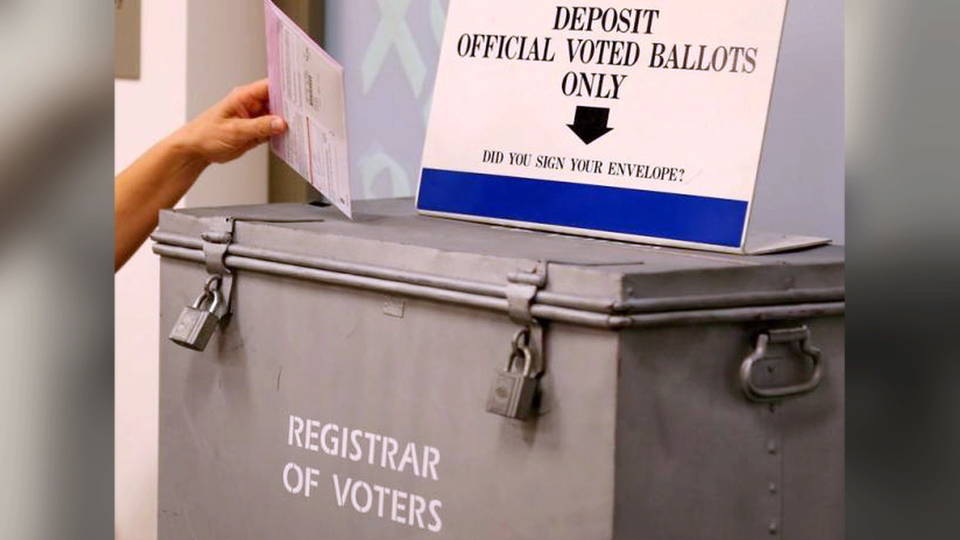
Voters Head to the Polls Across U.S. on Election Day
 -------
Donate today:
Follow:


SPECIAL BROADCAST
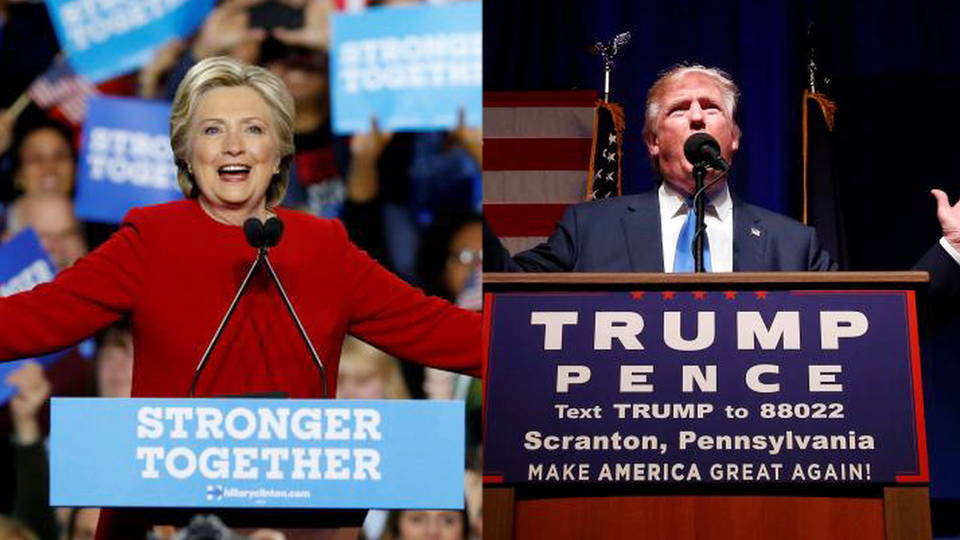
Today is Election Day, and across the country voters are preparing to go to the polls to cast their ballots for president, as well as for senators, congressmembers, governors, attorneys general, local sheriffs and a slew of other elected officials, as well as over 160 ballot initiatives. On Monday, both Hillary Clinton and Donald Trump finished off their final day of campaigning. Trump held rallies in Sarasota, Florida; Raleigh, North Carolina; Scranton, Pennsylvania; Manchester, New Hampshire; and, finally, in Grand Rapids, Michigan, where he railed against the outsourcing of U.S. factories.
Donald Trump: "America has lost—listen to this—70,000 factories—70,000, not 700, not 7,000—70,000 factories, since China entered the World Trade Organization, another Bill and Hillary-backed disaster. We are living through the greatest jobs theft in the history of the world. There’s never been anything like this. Our jobs are being stolen like candy from a baby. Not gonna happen anymore, folks. There are going to be consequences."
Hillary Clinton, meanwhile, held two rallies in Pennsylvania Monday, a huge rally in Philadelphia and another in Pittsburgh, as well as rallies in Allendale, Michigan, and in Raleigh, North Carolina, where she drew a contrast between herself and Donald Trump.
Hillary Clinton: "It is a choice between division or unity, between strong, steady leadership or a loose cannon, who could risk everything. It’s a choice between an economy that works for everyone, not just those at the top. And it—it is a choice that really goes to the heart of who we are as Americans. What I saw before I came in and what I see now is a sense of potential, of joy. There is no reason, my friends, why America’s best days are not ahead of us, if we reach for them together."
That’s Hillary Clinton at her final campaign event Monday in Raleigh, North Carolina. As voters head to the polls, Clinton has already won a tiny hamlet in New Hampshire—Dixville Notch, where the voting station opened at midnight and closed a half-hour later, after all eight votes were cast: four for Hillary Clinton, two for Donald Trump, one for Gary Johnson and a write-in vote for Mitt Romney.
TOPICS:
Democrats Fight to Take Control of the U.S. Senate
The Democratic Party is also hoping to regain control of the Senate today, where a third of all senators are up for re-election. The Republicans currently hold control of the Senate with 54 seats to the Democrats’ 46 seats. Across the country, there are a number of tight Senate races, including in New Hampshire, where Democrat Maggie Hassan is challenging Republican incumbent Kelly Ayotte; in Pennsylvania, where Democrat Katie McGinty is challenging Republican incumbent Pat Toomey; and in Wisconsin, where Democrat Russ Feingold is challenging Republican incumbent Ron Johnson. If a surge of anti-Trump sentiment sweeps the down ballots, it’s also possible, although unlikely, Democrats could regain control of the Republican-led House. There are also a number of progressive candidates running with the support of Bernie Sanders’s organization Our Revolution, including Zephyr Teachout, who is running for New York’s 19th Congressional District; Chase Iron Eyes, who is running for North Dakota’s at-large congressional district; and Pramila Jayapal, who is running for Washington’s 7th Congressional District. Tune in tonight for a special 5-hour Election Day broadcast, starting at 7 p.m. Eastern.
TOPICS:
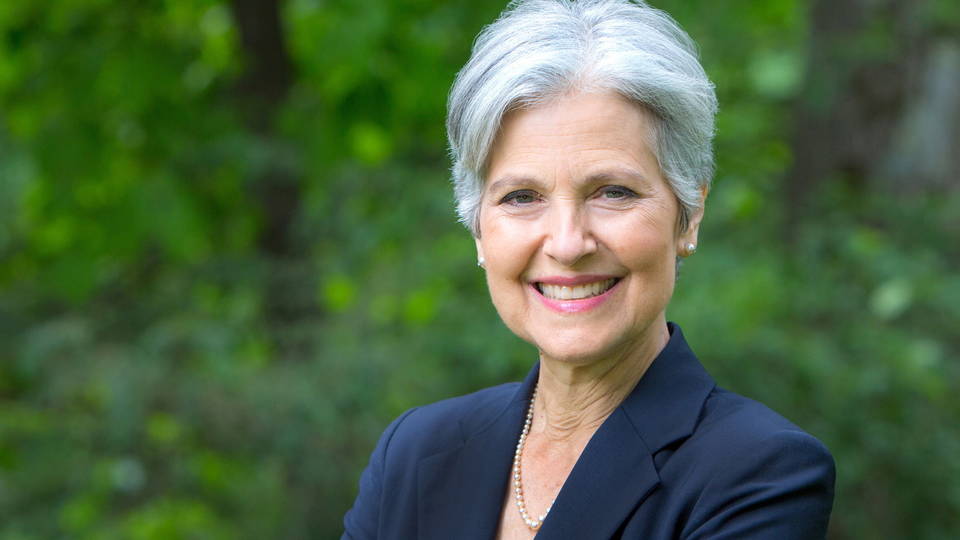
Jill Stein Files Complaint with FEC over Trump & Clinton Super PAC Coordination
In more election news, Green Party presidential nominee Dr. Jill Stein has filed a complaint with the Federal Election Commission in Washington, D.C., against Hillary Clinton and Donald Trump, alleging illegal coordination with their super PACs. These so-called dark money groups are allowed to raise unlimited amounts of funds for candidates, but they are not allowed to coordinate directly with the campaigns. In the complaint, however, Stein argues both Clinton and Trump have illegally coordinated with a handful of their super PACs.
TOPICS:
Tim Kaine on Dakota Access Pipeline Reroute: It’s the Right Thing to Do
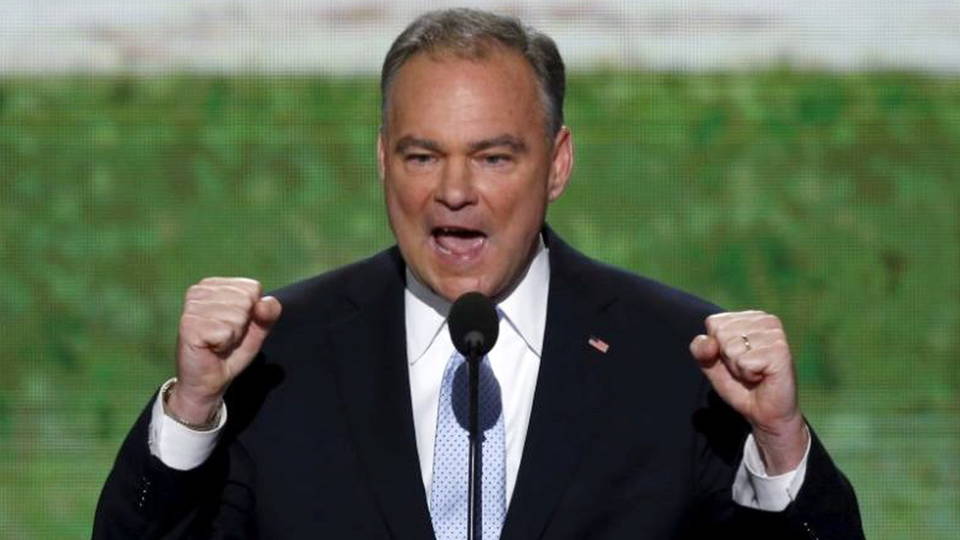
Hillary Clinton’s vice-presidential running mate, Virginia Senator Tim Kaine, has said he supports the possible rerouting of the $3.8 billion Dakota Access pipeline, which has faced months of resistance from the Standing Rock Sioux Tribe in North Dakota, as well as members of more than 200 other indigenous tribes and nations from across the Americas and their non-Native allies. Last week, President Obama said the Army Corps was considering plans to reroute the pipeline. It’s already been rerouted at least once, away from Bismarck and Mandan, amid objections from the area’s mostly white residents over the possibility of water contamination. This is Senator Tim Kaine in an interview with Fusion.
Alicia Menendez: "Senator Sanders has said the Dakota Access pipeline must be stopped. Do you agree or disagree?"
Sen. Tim Kaine: "Well, certainly, the questions raised about the route are important. President Obama, a month or so back—might have been six weeks ago—said, 'Look, we need to do a set of consultations between the U.S. government and the sovereign tribal governments about projects like this. And then, in recent days, what he said is we ought to be able to find a route that solves some of these problems. And I'm optimistic about that, too. I know the administration is working very hard on it. They’ve made—"
Alicia Menendez: "So you’d be in support of rerouting it?"
Sen. Tim Kaine: "Well, look, they’ve already rerouted it once. It was routed to be near Bismarck, and then that route was changed. So if it’s changed once—if it’s an important enough project, you ought to be able to find a route that works. And so, what the Obama administration has done by saying, 'Hey, let's look at route alternatives,’ I think is the right thing to do."
TOPICS:
Norwegian Bank DNB Considering Cutting Funding of Dakota Access Pipeline
The proposal to reroute the Dakota Access comes as the billion-dollar project, spearheaded by Dallas-based Energy Transfer Partners, is facing increasing pressure from the banks funding its construction. On Sunday, the Norwegian bank DNB announced it’s considering withdrawing its funding amid concerns about human rights violations against the Standing Rock Sioux Tribe in North Dakota. DNB, which is Norway’s largest bank, is responsible for financing up to 10 percent of pipeline. This comes as Citigroup told The New York Times it also has raised concerns about the project with Energy Transfer Partners, although the bank has not yet said whether it will withdraw its funding. Citigroup is playing a major role as both a financer of the project and the loan agent. Lindsey Allen of the Rainforest Action Network said, "Citibank’s leading role in financing the pipeline makes it complicit in gross violations of Indigenous and human rights."
TOPICS:
Iraqi Military: Mass Grave Discovered in Hamam al-Alil, South of Mosul
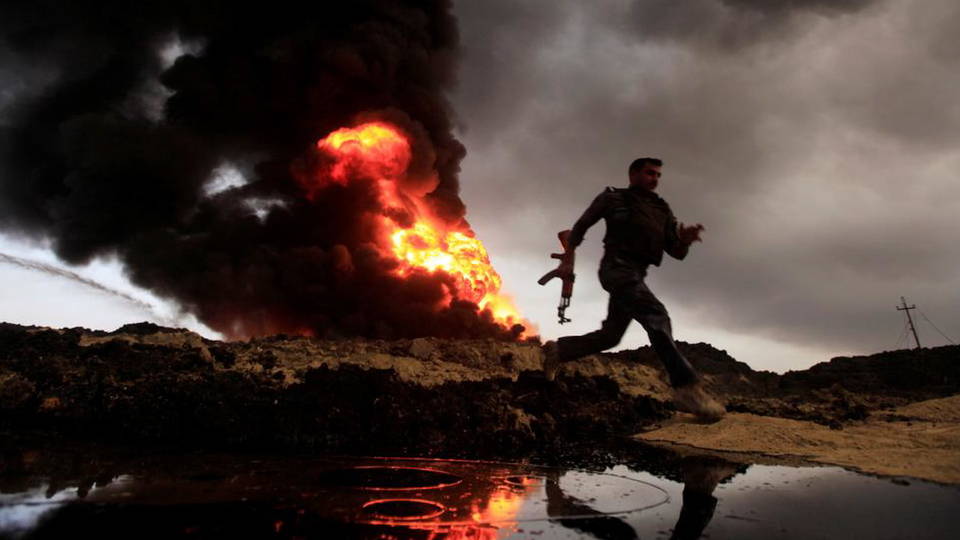
In Iraq, the U.S.-backed Iraqi forces and government militias are continuing the campaign to retake the city of Mosul from ISIS. The Iraqi military says it discovered a mass grave with as many as 100 decapitated bodies during its advance into the town of Hamam al-Alil to the south of Mosul. This comes as residents of al-Qayyarah, a town about 40 miles south of Mosul, report being sickened by the poisonous smoke from continuously burning oil well fires. The Iraqi military says ISIS militants lit the oil wells on fire in August while retreating from the town. The fires continue to burn three months later.
TOPICS:
Brazil: Police Raid Landless Workers Movement's National School
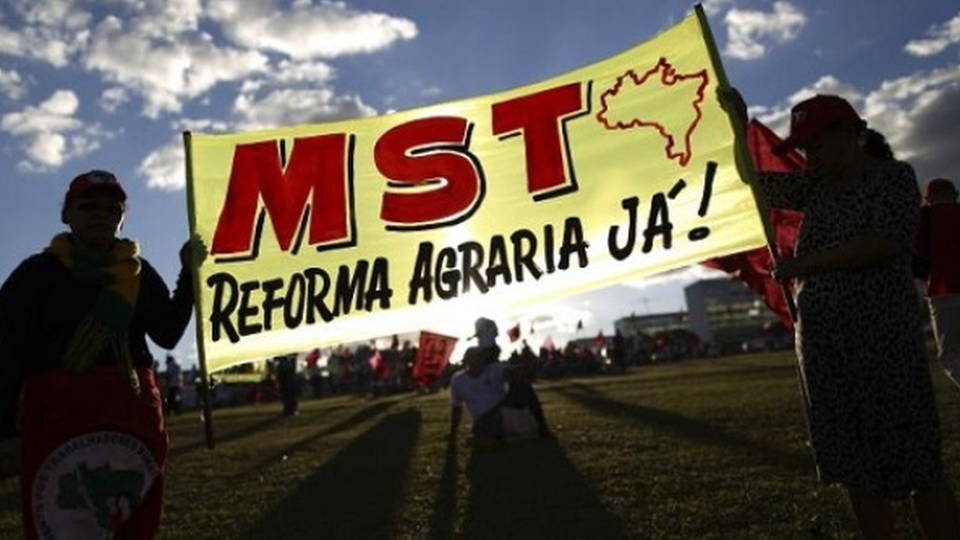
In Brazil, the Landless Workers Movement, known as the MST, is facing increasing repression, including the detention of at least 10 organizers. On November 4, state police raided MST’s National School in São Paulo, firing live ammunition and detaining two MSTmembers, including a 64-year-old librarian whose rib was fractured during the raid. Police also recently raided another MST camp in Paraná and detained eight organizers. Joaquin Piñero of MST says the repression against the movement has worsened under Michel Temer’s new government, following the impeachment and ouster of elected President Dilma Rousseff.
Joaquin Piñero: "All of this is happening in the context of persecution. We’re struggling against the coup and for democracy in our country. And today there is a constantly intensifying process of repression against the MST."
TOPICS:
India: New Delhi Engulfed in Worst Air Pollution in 20 Years
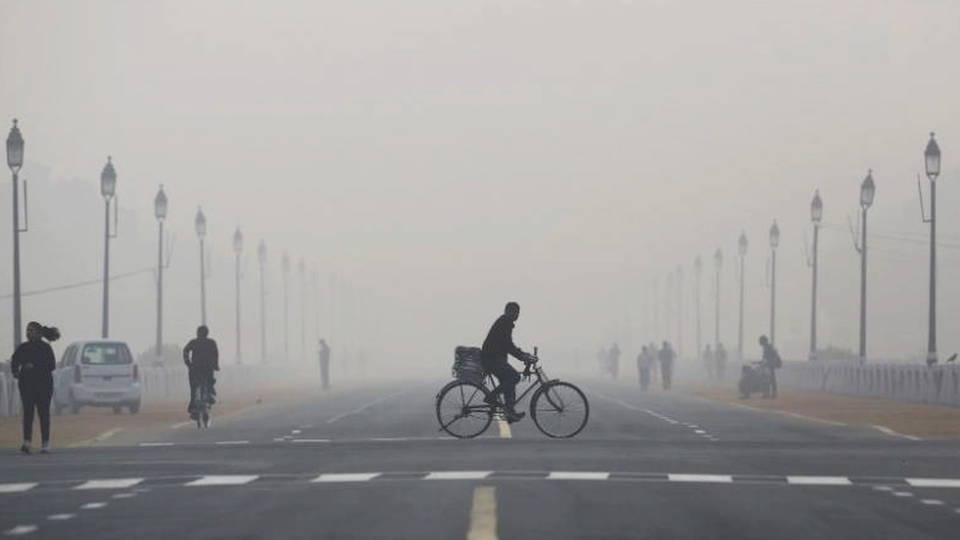
In India, the environmental minister has called for an emergency meeting as the capital New Delhi is engulfed in thick hazardous smog. It’s the worst air pollution New Delhi has seen in 20 years. This is environmentalist Vimlendu Jha.
Vimlendu Jha: "We have polluted ourselves to an extent where the air is completely toxic. It’s beyond measurable limits. It’s crossed all limits of human imagination, of the imagination of our machines that were supposed to really calculate how polluted our air is."
Yemen: Less Than Half of Health Facilities Fully Functioning Amid Conflict
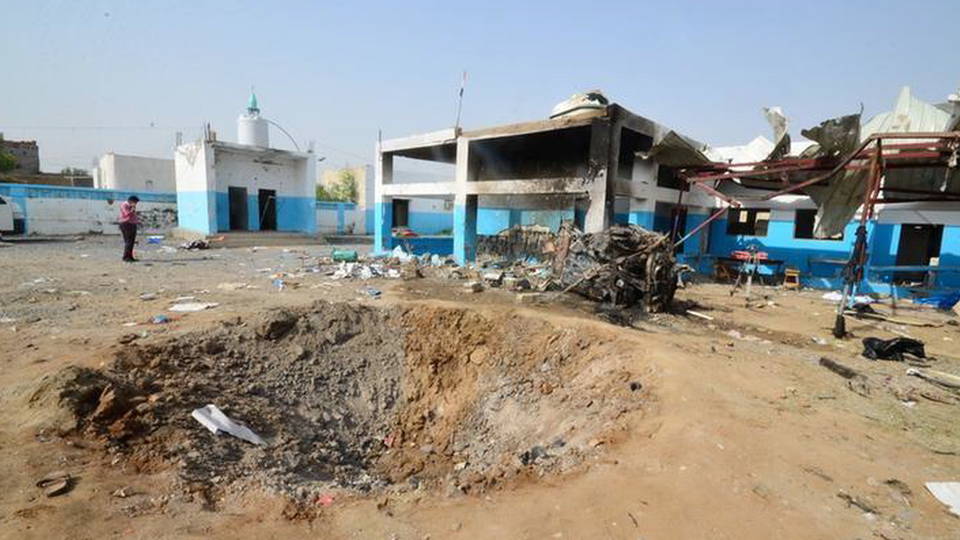
In Yemen, more than half of all health facilities have either closed or are only partially functioning amid the ongoing conflict. A new report by the World Health Organization also found that 40 percent of the surveyed districts in Yemen had only two doctors, if not fewer.
TOPICS:
Volkswagen Faces Accusations as Its Longtime Historian Departs
Dozens of historians and researchers are accusing Volkswagen of trying to cover up the "dark pages" of its history in Nazi Germany, following the announcement Volkswagen’s longtime historian Manfred Grieger was leaving the company. Grieger has led Volkwagen’s efforts to research and reveal the company’s actions during World War II, when Volkswagen forced concentration camp prisoners to work in the auto factories. Volkswagen has denied Grieger was dismissed. This comes as Volkswagen has announced another historian, Christopher Kopper, has been commissioned to research the company’s actions in Brazil during the military dictatorship from 1964 to 1985, following a lawsuit alleging 12 Volkswagen workers critical of the dictatorship were tortured in a VW factory near São Paulo.
Philippines Supreme Court Rules Marcos Will Receive Hero's Burial
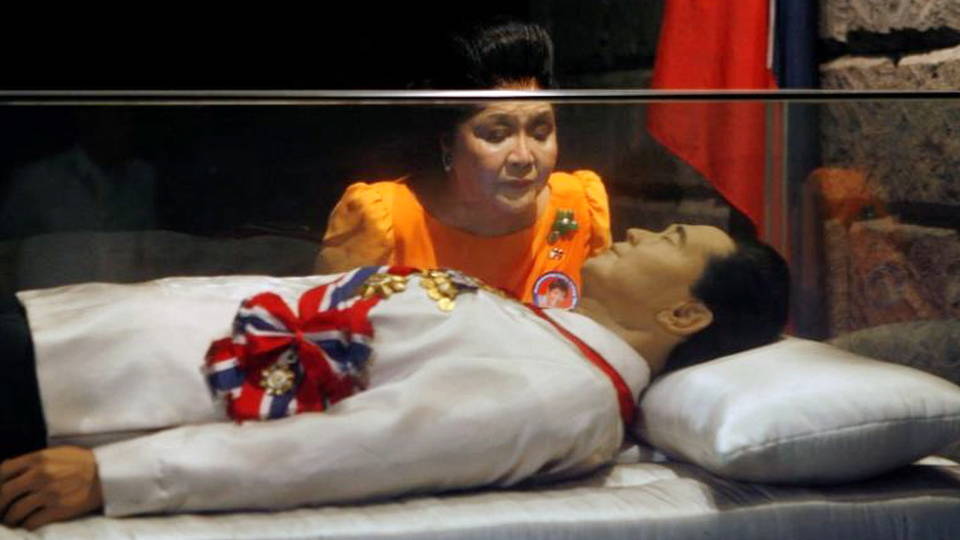
In the Philippines, the Supreme Court has ruled 9 to 5 that former dictator Ferdinand Marcos will receive a "hero’s burial," despite a three-decade struggle to stop the dictator’s remains from being reburied in Manila’s Heroes’ Cemetery. This is Neri Colmenares, who survived the period of Marcos’s rule under martial law from 1972 to 1981.
Neri Colmenares: "It’s really disheartening that today, history has changed, history has lost its meaning. And it’s confusing and frustrating that after so many decisions against Marcos, the Supreme Court turned itself around. But we will seek a motion of reconsideration."
TOPICS:
Residents Decorate Susan B. Anthony's Tombstone with "I Voted" Stickers
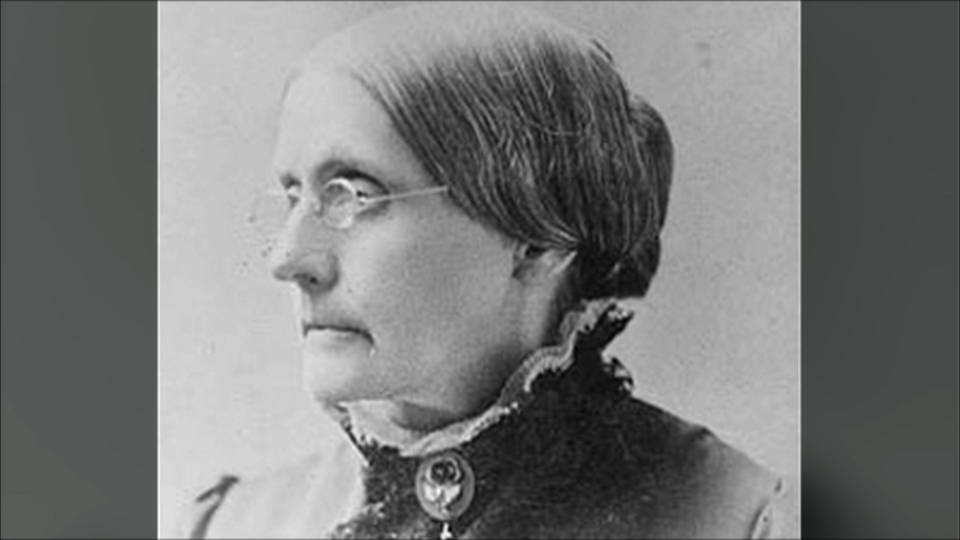
And in Rochester, New York, people have begun covering suffragist Susan B. Anthony’s tombstone with "I Voted" stickers to commemorate the 110th anniversary of her death in March 1906, 14 years before women won the right to vote in the United States. The New York cemetery has extended its hours until 9 p.m. today to give more people time to visit her gravesite.
TOPICS:
Donate today:
Follow:
SPECIAL BROADCAST


Apply today to be a Democracy Now! intern
-------
Democracy Now! Daily Digest: A Daily Independent Global News Hour with Amy Goodman & Juan González for Monday, November 7, 2016
democracynow.org
Stories:
 This is Voting in 2016: Armed Intimidation Squads, Purged Rolls, 868 Fewer Polling Stations
On Saturday, the U.S. Supreme Court restored a Republican-supported law in Arizona banning political campaigners from collecting absentee ballots filled out by voters. In New Jersey, a federal judge decided against the Democratic National Committee in a complaint it brought against the Republican National Committee, ruling that the RNC’s poll monitoring and ballot security activities did not violate a legal settlement. But in a ruling hailed by voting rights advocates, a federal judge late Friday ordered county elections boards in North Carolina to immediately restore registrations wrongfully purged from voter rolls. All of this comes as this year’s presidential election is the first in half a century to take place without the full protection of the Voting Rights Act. In 2013, the Supreme Court struck down crucial components in Section 5 of the act in a case called Shelby County v. Holder, when it ruled that states with histories of voting-related racial discrimination no longer had to "pre-clear" changes to their voting laws with the federal government. For more, we’re joined by Ari Berman, author of the recent article, "There Are 868 Fewer Places to Vote in 2016 Because the Supreme Court Gutted the Voting Rights Act."
TRANSCRIPT
This is a rush transcript. Copy may not be in its final form.
AMY GOODMAN: We are one day away from the U.S. presidential election, and both Democrat Hillary Clinton and Republican Donald Trump are crisscrossing the country to make their final case to voters. Trump is scheduled to campaign today in Florida, North Carolina, New Hampshire and Michigan. Clinton is heading to Pennsylvania, Michigan and North Carolina. On Friday, Hillary Clinton appeared alongside the musical superstars Jay Z and Beyoncé in Cleveland.
BEYONCÉ KNOWLES-CARTER: Less than 100 years ago, women did not have the right to vote. Look how far we’ve come, from having no voice to being on the brink of making history again by electing the first woman president. Yes! But we have to vote. The world looks to us as a progressive country that leads change. Eight years ago, I was so inspired to know that my nephew, a young black child, could grow up knowing his dreams could be realized, by witnessing a black president in office. And now we have the opportunity to create more change. I want my daughter to grow up seeing a woman lead our country and know that her possibilities are limitless.
AMY GOODMAN: Meanwhile, Donald Trump is accusing Democrats of voter fraud, claiming the late closing of a voting site in a Latino neighborhood of Las Vegas due to long lines pointed to a "rigged system."
DONALD TRUMP: It’s being reported that certain key Democratic polling locations in Clark County were kept open for hours and hours beyond closing time to bus and bring Democratic voters in. Folks, it’s a rigged system. It’s a rigged system, and we’re going to beat it.
AMY GOODMAN: Trump’s remarks come after several key court decisions this weekend around voting rights. On Saturday, the U.S. Supreme Court restored a Republican-supported law in Arizona banning political campaigners from collecting absentee ballots filled out by voters. In New Jersey, a federal judge decided against the Democratic National Committee in a complaint it brought against the Republican National Committee, ruling the RNC’s poll monitoring and ballot security activities did not violate a legal settlement. But in a ruling hailed by voting rights advocates, a federal judge late Friday ordered county elections boards in North Carolina to immediately restore registrations wrongfully purged from voter rolls.
All this comes as this year’s presidential election is the first in half a century to take place without the full protection of the Voting Rights Act. In 2013, the Supreme Court struck down crucial components in Section 5 of the act in a case called Shelby County v. Holder, when it ruled states with histories of voting-related racial discrimination no longer had to "pre-clear" changes to their voting laws with the federal government.
We’re joined by—now, by The Nation’s Ari Berman, author of Give Us the Ballot: The Modern Struggle for Voting Rights in America. His most recent article is titled "There Are 868 Fewer Places to Vote in 2016 Because the Supreme Court Gutted the Voting Rights Act."
Eight hundred sixty-eight fewer places to vote in the country?
ARI BERMAN: Yeah, this is really significant, Amy, and, I think, needs a lot more of attention. States with a long history of discrimination have been eliminating polling places on a massive scale, according to a new report by the Leadership Conference for Civil Rights, nearly 900 fewer polling places on Election Day in places like Texas and Arizona and North Carolina, states that have had a long history of closing polling places in black neighborhoods, for example. So I think this could have an impact. When there’s fewer polling places, there’s longer lines at the polls. People don’t know where to vote. There’s more confusion. So this has been, yet again, another under-the-radar voting change that could have a big impact on Election Day.
AMY GOODMAN: So talk about that Reno, Nevada, speech that Trump gave this weekend, talking about the polls closing later than was originally scheduled.
ARI BERMAN: So, what happened was, on Saturday night, there was a huge turnout of Latino voters in Las Vegas. This has been a trend in early voting. Latino voting is up in Nevada and other states. And polls were extended because people were in line. And if you’re in line when polls close, you legally have to be able to vote. So there was no foul play there. Nevada officials were just following law. But this is a trend with Trump, that any time the voting looks like it’s going against him, he claims the election is rigged. And I think that Trump’s election rigging talk is code word for too many black and brown people voting. When he talks about monitoring the polls in certain communities, in certain areas, when he complains about too many people voting, we know what he’s talking about.
AMY GOODMAN: Talk about what’s—where you see are the key places right now and how the Supreme Court decisions that have come down and the court decisions this weekend affect voting on Tuesday.
ARI BERMAN: So there’s a bunch of different states that are important. We’ve seen that African-American turnout is down in North Carolina, because they limited the number of polling places, for example. In Texas, another state that had to approve their voting changes with the federal government, lots of people have been wrongly told they need strict photo ID to cast a ballot, even though they no longer do. I’m headed to Wisconsin later today, which has had huge problems with their voter ID law. The state said everyone who needs an ID will get one. But we have recordings from the DMV, we have lots of stories that I’ve told of people who are wrongly being turned away from the DMV in Wisconsin, wrongly turned away from the polls during early voting, because they don’t have strict ID that’s necessary. There’s a lot of different states where there’s potential problems.
Then you factor in polling place closures and then all the things we don’t know about, right? I mean, during the primary, this happened over and over and over. There were five-hour lines in Maricopa County, Arizona, because they eliminated 70 percent of their polling places. I didn’t know that occurred, until the five-hour lines were happening. So, I’m concerned not just what I know is going to happen, but, to paraphrase Donald Rumsfeld, the known unknowns.
AMY GOODMAN: Well, talk about that, the election where Maricopa County Sheriff Arpaio, he is also running. And actually—I mean, I was just in Arizona. People were saying he is not winning. But this threat to send out election monitors, what exactly this means, him being concerned about, overall, well-known Trump supporter, but also his own race?
ARI BERMAN: So, basically, what’s happened is, there’s a prohibition on the RNC, on the Republican Party, doing what’s called ballot security efforts, because back in New Jersey in the 1980s, they tried to purge black and Latino voters from the rolls, and they sent off-duty policemen to black and Hispanic polling places. And they had armbands that said "Ballot Security Task Force," and they carried weapons. This was very intimidating. Courts basically said the Republican Party can’t intimidate voters at the polls under the guise of stopping voter fraud. But yet again, Trump has raised the prospect of intimidation, saying that he’s going to monitor the polls in certain areas, in places like Philadelphia, in cities like Las Vegas, the fact that he’s actually calling on law enforcement to monitor the polls, that GOP state parties have admitted they’re doing this kind of work in states like Michigan and Pennsylvania. So, this just is another specter hanging over this election, that people are going to be intimidated, that Trump supporters have called for racial profiling already at the polls. One Trump supporter said he’s going to monitor people like Mexicans, Syrians, anyone, in his words, who doesn’t "speak American." This is extremely concerning, particularly in states like Arizona, as you mentioned, where there is high Latino turnout, and people who have been very racially discriminatory, like Sheriff Joe Arpaio, are on the ballot.
AMY GOODMAN: Last month, Donald Trump warned that dead people and undocumented immigrants are voting.
DONALD TRUMP: They even want to try to rig the election at the polling booths. And believe me, there’s a lot going on. Do you ever hear these people? They say, "There’s nothing going on." People that have died 10 years ago are still voting. Illegal immigrants are voting. I mean, where are the street smarts of some of these politicians?
TRUMP SUPPORTER: They don’t have any.
DONALD TRUMP: They don’t have any is right. So many cities are corrupt, and voter fraud is very, very common.
AMY GOODMAN: So, Ari Berman, there was someone who was arrested for voter fraud.
ARI BERMAN: Yeah, there was someone who was arrested for voter fraud in Iowa. First off, she was a Trump supporter, but let’s just leave that aside, because that’s not the important part of the story. The important part of the story is that she voted twice during early voting, and she was caught. So the system worked as it was supposed to, in a state without a strict voter ID law. The authorities noticed that this woman had voted twice, and now she’s facing five years in jail, a felony conviction and a $10,000 fine. And this is why voter fraud is extremely rare, because, number one, we have systems in place to stop it, but, number two, the risks don’t translate to the rewards. She went through all this effort, and then she swung one extra vote? Iowa is not going to be decided by one extra vote. But now she is facing—in a state like Iowa, where felons can’t vote, she may lose her voting rights for the rest of her life. So, despite what Trump says about dead people voting, noncitizens voting, it just doesn’t happen. This entire talk of voter fraud has been a completely manufactured controversy. There is a very small amount of voter fraud in American elections, and when it occurs, it’s usually caught.
AMY GOODMAN: Now, Donald Trump may have succeeded in doing what voting rights advocates haven’t been able to do for years, and that is massively pick up the Latino vote. I mean, this could be the deciding vote in this country. Or there were—as there were some headlines that African-American voting is down, Latino voting is surging. Can you talk about that in relation to early voting? Millions and millions, what—what is the number of people this year that will have voted before Tuesday?
ARI BERMAN: Well, it was 40 million people have voted early as of a few days ago. So I think in states like Florida, North Carolina, we’re going to see that over 50 percent of the population has already voted.
And you’re absolutely right. You know, when Trump gave his first speech riding down that elevator in Trump Tower, that’s where he called Mexicans rapists. And I think the Latino community, from the very, very beginning, has paid very close attention to what Trump has been saying. And he’s been uniquely attacking this community. And I think they are coming out in force. Now, many of these new voting restrictions are not just targeting African Americans, but targeting Latinos. You look at a state like Texas, where 600,000 registered voters don’t have strict forms of ID, Latinos and African Americans are two to three times as likely as whites not to have them. If you’re talking about intimidation at the polls, much of this intimidation is directed at Latino voters. So, I’m concerned that without the full protections of the Voting Rights Act, these communities are more vulnerable. But it is very heartening to see them coming out and saying, "We are part of this democracy, no matter how much Trump wants to demonize us."
AMY GOODMAN: Talk about the lawsuit that local Democratic parties brought in Ohio, Arizona, Nevada, Pennsylvania, based on the 1871 Ku Klux Klan Act.
ARI BERMAN: This is pretty amazing that Democrats said that Trump’s voter intimidation schemes violate both the Voting Rights Act of 1965 and the Ku Klux Klan Act of 1871, which basically says that it’s illegal to obstruct someone’s right to vote based on race. And they said the fact that the Trump campaign is calling for de facto racial profiling at the polls, that they’re singling out places like Las Vegas and Cleveland and Philadelphia, where there’s large minority communities, to do this kind of poll watching, violates these kind of laws.
And it’s just a reminder of how far back we have to go in this country to contextualize the fight for voting rights, that people have been murdered just for trying to vote, that there is a long history of disenfranchising people through things like poll taxes and literacy tests and all-white primaries. And that’s why it’s so important, Amy, that we not go backwards, that we not allow voter ID laws and cuts to early voting and restrictions on voter registration drives to turn people away from the polls, because we’ve been through this history before. It’s an ugly history, and we don’t want to go back to those days.
AMY GOODMAN: The AP just did an exposé. Melania Trump was paid for 10 modeling jobs in the United States worth over $20,000 that occurred in the seven weeks before she had legal permission to work in the country. This according to detailed accounting ledgers, contracts and related documents from 20 years ago provided to the Associated Press.
ARI BERMAN: Yeah, I mean, it just, again, goes to show you the hypocrisy here, that, you know, it seems like Trump’s own wife was working illegally, and here he is demonizing people who might be here illegally. And, you know, it’s really important to talk about this fact that he says noncitizens are voting, because it just doesn’t make any sense. The people that are here illegally, that are undocumented, are probably here to work and provide a better life for their family. The last thing they want to do is vote, face a felony and face deportation. So, I think lots of the voter fraud hysteria is not about noncitizens voting; it’s to try to create this specter of intimidation that’s going to keep legal voters, people of color, from the polls.
AMY GOODMAN: North Carolina is definitely a swing state right now. You have Florida, North Carolina, even New Hampshire, Michigan, Ohio, Pennsylvania. The ruling in North Carolina, what this means?
ARI BERMAN: This was significant. So, Republicans in North Carolina tried to purge many African-American voters from the polls, including a woman I wrote about, Grace Bell Hardison, who is 100 years old. She had lived in Belhaven, North Carolina, her entire life. She had been voting regularly since 1982. She voted in the—North Carolina’s presidential primary in March, yet they claim that she was illegally registered to vote. And so, what would have happened is she would have had to show up at a board of elections meeting or return a notarized form, at 100 years old, just to maintain her voting rights, because North Carolina has this crazy law where any citizen can challenge the right to vote of another citizen. So, Republicans brought these voter purges in three counties. And the federal court said that they violate the Voting Rights Act and that they violate the National Voter Registration Act, because, first off, you can’t purge people from the rolls 90 days before an election, according to the National Voter Registration Act. But more worrisome, in the county where Grace Bell Hardison, this 100-year-old woman, was from, Republicans challenged 138 people, and of those 138 people, 92 were African Americans, and 92 were Democrats. So it seemed like this was less about people being illegally registered to vote and more about the fact they wanted to keep voters of color and Democratic voters from being able to vote.
AMY GOODMAN: Could voter intimidation swing the election?
ARI BERMAN: I hope not. I mean, I hope this is going to be something that’s not going to be organized, that’s not going to be effective, that if it’s done, will only be done on isolated cases. But I think it’s very worrisome that in the year 2016 people could be challenged in their most fundamental right, simply because of where they live or what they look like.
AMY GOODMAN: In our next segment, we’re going to talk about felon rights. People have served time in prison. Millions will not be able to vote. But there are also many who actually can vote but don’t realize it. We’re going to talk about what’s happening throughout this country when it comes to prisoners and ex-prisoners. Ari Berman, thanks so much for joining us—
ARI BERMAN: Thank you, Amy.
AMY GOODMAN: —senior contributing writer for The Nation. His latest piece, "There Are 868 Fewer Places to Vote in 2016 Because the Supreme Court Gutted the Voting Rights Act." We will link to that. And also, Ari has written the book Give Us the Ballot: The Modern Struggle for Voting Rights in America. This is Democracy Now! Stay with us.
 Michael Moore: If Elected, Donald Trump Would Be "Last President of the United States"With the presidential election just a day away, we continue our conversation with Academy Award-winning filmmaker Michael Moore, the director of "Roger & Me," "Fahrenheit 9/11," "Bowling for Columbine," "Sicko," "Capitalism: A Love Story" and "Where to Invade Next." He has just released a surprise new film titled "Michael Moore in TrumpLand." On Thursday afternoon, we spoke with Michael Moore about his new film, in which he suggests that the election of Donald Trump will herald the end of the United States.
TRANSCRIPT
This is a rush transcript. Copy may not be in its final form.
AMY GOODMAN: In late October, Donald Trump sent out a tweet that may have surprised many of his followers. In the tweet, he linked to a video of filmmaker Michael Moore along with the words "I agree, @MMFlint." That’s Michael Moore’s Twitter handle. Trump went on to say, "To all Americans, I see you & I hear you. I am your voice. Vote to #DrainTheSwamp w/ me on 11/8."
Well, Trump’s tweet included a four-minute audio recording pulled from Michael Moore’s new film, Michael Moore in TrumpLand. The recording was edited to make it sound like Michael Moore was endorsing Trump. Well, in response, Moore tweeted, quote, "Look at this Orwellian tweet by Trump! Donald, u either haven’t seen my movie or u are conning your followers. The clip u show [u] doctored," unquote.
Well, we end today’s show with the undoctored clip from Michael Moore’s film and get response to the controversy from Michael Moore himself. This is from Michael Moore in TrumpLand.
MICHAEL MOORE: Donald Trump came to the Detroit Economic Club and stood there in front of the Ford Motor executives and said, "If you close these factories, as you’re planning to do in Detroit, and build them in Mexico, I’m going to put a 35 percent tariff on those cars when you send them back, and nobody is going to buy them." It was an amazing thing to see. No politician, Republican or Democrat, had ever said anything like that to these executives.
And it was music to the ears of people in Michigan and Ohio and Pennsylvania and Wisconsin—the Brexit states. If you live here in Ohio, you know what I’m talking about. Whether Trump means it or not is kind of irrelevant, because he’s saying the things to people who are hurting. And it’s why every beaten-down, nameless, forgotten working stiff who used to be part of what was called the middle class loves Trump. He is the human Molotov cocktail that they’ve been waiting for, the human hand grenade that they can legally throw into the system that stole their lives from them.
And on November 8th, Election Day, although they’ve lost their jobs, although they’ve been foreclosed on by the bank—next came the divorce, and now the wife and kids are gone, the car has been repoed, they haven’t had a real vacation in years, they’re stuck with the [bleep] Obamacare Bronze Plan, where you can’t even get a [bleep] Percocet—they’ve essentially lost everything they had—except one thing, the one thing that doesn’t cost them a cent and is guaranteed to them by the American Constitution: the right to vote. They might be penniless, they might be homeless, they might be [bleep] over and [bleep] up. It doesn’t matter, because it’s equalized on that day. A millionaire has the same number of votes as the person without a job: one. And there’s more of the former middle class than there are in the millionaire class.
So, on November 8th, the dispossessed will walk into the voting booth, be handed a ballot, close the curtain and take that lever, or felt pen or touchscreen, and put a big [bleep] X in the box by the name of the man who has threatened to upend and overturn the very system that has ruined their lives: Donald J. Trump. They see that the elites who ruined their lives hate Trump. Corporate America hates Trump. Wall Street hates Trump. The career politicians hate Trump. The media hates Trump—after they loved him and created him, and now hate him. Thank you, media. The enemy of my enemy is who I’m voting for on November 8th. Yes, on November 8th, you, Joe Blow, Steve Blow, Bob Blow, Billy Blow, Billy Bob Blow—all the Blows get to go and blow up the whole goddamn system, because it’s your right. Trump’s election is going to be the biggest "[bleep] you" ever recorded in human history.
And it will feel good—for a day, yeah, maybe a week, possibly a month. And then, like the Brits, who wanted to send a message, so they voted to leave Europe, only to find out that if you vote to leave Europe, you actually have to leave Europe. And now they regret it. All the Ohioans, Pennsylvanians, Michiganders and Wisconsinites of Middle England—right?—they all voted to leave, and now they regret it, and over 4 million of them have signed a petition to have a do-over. They want another election. It ain’t gonna happen, because you used the ballot as an anger management tool. And now you’re [bleep]. And the rest of Europe? The rest of Europe? They’re like, "Bye, Felicia."
So, when the rightfully angry people of Ohio and Michigan and Pennsylvania and Wisconsin find out after a few months in office that President Trump wasn’t going to do a damn thing for them, it will be too late to do anything about it. But I get it. You wanted to send a message. You had righteous anger and justifiable anger. Well, message sent. Good night, America. You’ve just elected the last president of the United States.
AMY GOODMAN: "You’ve just elected the last president of the United States." Michael Moore—
MICHAEL MOORE: Right.
AMY GOODMAN: —in studio here in New York.
MICHAEL MOORE: Right.
AMY GOODMAN: Your response to yourself?
MICHAEL MOORE: Yeah, well, that’s what I think—you know, the United States that we know now, for better or worse, won’t be the United States that we know after four years of Donald Trump. So, we all—those of us who are upset at the things about this country that we’re upset about, the way to fix it isn’t to put Trump in there, you know, to blow it up.
But, you know, that whole piece, it’s funny you played that. A couple of right-wing websites doctored that piece, and they cut me off right after "And when you vote for Trump, and it will feel good," and they cut it right there like I wanted to say like it’s going to feel good. And, of course, the next line is, as you just showed, you know, "for a day, maybe a week." And this went all over these right-wing websites last week. And iTunes like sent me a text saying, "What’s going on? Like, tens of thousands of people suddenly in the middle of the day are buying your film." And we were already doing well. I mean, it’s been at number one on iTunes for almost a couple weeks. I said, "The right-wingers are telling people to go buy this movie because they’ve been shown only this one little bit of it."
And I was feeling kind of—I know I shouldn’t—just bear with me. It’s the Irish Catholic in me. I was feeling guilty that all these poor, conservative, right-wing dudes were losing five bucks to iTunes, and then they get my movie, and they realize, you know, "Oh, no!" and they can’t get their money back. So, I—actually, I called up Megyn Kelly and got her producer, and I said, "Can I come on Fox tonight? You know, I know I’m not a usual Fox guest, but can I come on? And I just want to tell people to stop buying my movie, because I just feel bad they’re losing five bucks, you know." And so, they had me on. And I told them that. I said, "People, I mean, I want you to watch my movie," I said. "I think you might learn a few things," because I had—in the movie, I have a number of gently disguised facts that will—you know, I hope might seep in a little bit. "But I just can’t take your money if you’re thinking that this is some love poem to Donald Trump, because it’s the opposite of that."
AMY GOODMAN: Well, it wasn’t only them, but him. It was Donald Trump—
MICHAEL MOORE: Yes, yes.
AMY GOODMAN: —himself who tweeted out this video.
MICHAEL MOORE: Correct.
AMY GOODMAN: He wrote what? Michael Moore, "To all Americans, I see you & I hear you. I am your voice. Vote to #DrainTheSwamp w/ me on 11/8." And he linked to a YouTube of the edited video.
MICHAEL MOORE: Yes, yes, which only then drove hundreds of thousands of more people to my movie, maybe millions at this point. And it’s like—I looked at this. I thought, "I cannot believe this." Right? So, does he think—OK, he clearly hasn’t seen the movie, right? So, does he think this is—honestly, Amy, this is what I think it is. I think he saw that his name was in the title of a movie, and he’s such a narcissist, that he just went, "Hey, there’s a movie about me. It’s got my name in it." You know? He doesn’t talk like that, by the way. That was like western Michigan accent.
AMY GOODMAN: Academy Award-winning filmmaker Michael Moore, director of the new film, Michael Moore in TrumpLand. And that does it for our show. To see Part 1of our discussion with Michael, go to democracynow.org.
Also, we’re doing a five-hour election night special. That’s Tuesday night, 7:00 to midnight Eastern time. Check it out at democracynow.org.
 Disenfranchised by Misinformation: Victoria Law on the Millions Who Can Vote—But Might Not Know It
Across the nation, almost 6 million people are prohibited from voting as a result of state felony disenfranchisement laws. Three-quarters of those now prevented from voting have been released from prison and are living in their communities either under probation, on parole or having completed their sentences. African Americans have been disproportionately impacted by the laws. Florida has the highest number of disenfranchised voters—where nearly one in four black adults is disenfranchised. Meanwhile, in Vermont and Maine, prisoners can vote from jail. How will this impact tomorrow’s election? For more, we speak with Victoria Law, freelance journalist and author of the recent article, "Disenfranchised by Misinformation: Many Americans Are Allowed to Vote But Don’t Know It." We also speak with Malissa Gamble, founder of The Time is Now to Make a Change, a support center for formerly incarcerated women in Philadelphia. She was incarcerated in Muncy, Pennsylvania, and released 13 years ago.
TRANSCRIPT
This is a rush transcript. Copy may not be in its final form.
AMY GOODMAN: Donald Trump is accusing Virginia Governor Terry McAuliffe, a Democrat, of acting illegally by restoring voting rights to some 67,000 former felons. Trump made the remark during a speech in Leesburg, Virginia.
DONALD TRUMP: Your governor has illegally given voting rights to 60,000 felons. He’s letting criminals cancel out the votes of law-abiding citizens. You have to get everyone you know to the polls. We are going to win. We are going to have one of the great victories of all time.
AMY GOODMAN: Across the country, almost 6 million people are prohibited from voting as a result of state felony disenfranchisement laws. Three-quarters of those now prevented from voting have been released from prison and are living in their communities either under probation, on parole or having completed their sentences. African Americans have been disproportionately impacted by the laws. Florida has the highest number of disenfranchised voters, where nearly one in four black adults cannot vote. Meanwhile, in Vermont and Maine, prisoners can vote from jail. How will this impact Tuesday’s election?
To talk about the disenfranchisement of people who have spent time in the prison system under felony convictions, we’re joined by two guests. In Philadelphia, Malissa Gamble is with us, founder of The Time is Now to Make a Change, a support center for formerly incarcerated women in Philadelphia. She was imprisoned in Muncy, Pennsylvania, and released 13 years ago. Here in New York, Victoria Law is with us, freelance journalist, author of Resistance Behind Bars: The Struggles of Incarcerated Women. Her latest piece for Truthout is headlined "Disenfranchised by Misinformation: Many Americans Are Allowed to Vote But Don’t Know It."
We welcome you both to Democracy Now! So, Victoria, tell us what the rules are. What are the laws for people who have been convicted of crimes in this country?
VICTORIA LAW: The laws vary around voting, state by state. So, in New York state, for instance, once you are out of prison and off of parole, you are allowed to vote. You may have to reregister, but you’re allowed to vote. But many people don’t know this. If you are in jail awaiting trial, you have not lost your right to vote. If you’ve been convicted of a misdemeanor, not a felony, you have not lost your right to vote. However, we don’t know how many hundreds of thousands or millions of people across the country are unaware of this, because they are often told by jail and prison officials that they have permanently lost their right to vote. This is often reinforced by the people who do release planning, by their probation officers, by their parole officers and even by misinformation in the community.
AMY GOODMAN: Tell us some of the stories you write in your piece in Truthout.
VICTORIA LAW: One of the women I interviewed was actually a woman who had voted her entire life before she had gone to prison. And during her three-and-a-half years in prison, she had continually been told that she had lost her right to vote. So she was no longer able to—
AMY GOODMAN: Where was she in prison?
VICTORIA LAW: She was in prison in a federal prison in Danbury, Connecticut. Federal prisons house people who are from all over the country. The people in the prison may not necessarily know or care about the individual state laws. And when she returned to New York state, she technically was allowed to vote, and she went for years thinking that she had lost that right. And it was not until she attended her friend’s wedding at City Hall and happened to see a poster stating that she had the right to vote if she had a—even if she had a felony conviction, that the lightbulb went off in her head that she could register. So she went to the voter information table and asked the person there, and they said, "Yes, you do indeed have the right to vote." He handed her a registration form. She filled it out, and she received her voter registration card. But had she not looked at that poster, she might have gone for years, if not the rest of her life, thinking that she did not have that right.
AMY GOODMAN: We’ve done a lot on Rikers jail.
VICTORIA LAW: Yes.
AMY GOODMAN: Eighty percent of the thousands of people there have not been charged—rather, haven’t been convicted.
VICTORIA LAW: Convicted, mm-hmm.
AMY GOODMAN: Can they vote?
VICTORIA LAW: They—technically, they can vote. But how many people know this? We don’t know. Recently, the City Council passed a bill, which is waiting for the mayor’s signature, stating that the Department of Correction, which oversees New York City’s jails, including Rikers Island, has to actually promote voting. So it’s not enough for a person to go to a correctional officer and say, "Hey, I want to vote." But they have to let people know that they have the right to vote, and they have to provide them with voting materials—registration forms and absentee ballots—no less than two weeks before any primary, special election or general election. In other words, they actually need to let people know and then make it easy for them to vote.
AMY GOODMAN: Can people vote in Rikers tomorrow?
VICTORIA LAW: If they know that they have the right to vote, they—
AMY GOODMAN: On the day of Election Day?
VICTORIA LAW: Yes, they can fill out an absentee ballot. But it depends on the officer on duty. So, if you have an officer on duty that thinks that people cannot vote or doesn’t care to find the forms, then the person may not be able to vote. So what this law does is it systematizes it. And the fact that we need a law that says people are allowed to exercise their right should say volumes about the misinformation that goes around jails and prisons.
AMY GOODMAN: I want to turn to comments by Michelle Alexander, author of The New Jim Crow: Mass Incarceration in the Age of Colorblindness, when we spoke to her last year.
MICHELLE ALEXANDER: We have to grant the right to vote not just to people upon release from prison. You know, so I have trouble with the framing of this as being a movement to end disenfranchisement laws, and say we should be allowing people in prison to vote, like many other Western democracies do. There are often voting drives within prisons in other Western democracies. And here in the United States, we deny people the right to vote not only when they’re in prison, but often when they’re out, and sometimes for the rest of their lives.
AMY GOODMAN: Malissa Gamble, that was Michelle Alexander, author of The New Jim Crow. You are the founder of The Time is Now to Make a Change, a support center for formerly incarcerated women. What are you telling women now, who are incarcerated and also who have come out of prison?
MALISSA GAMBLE: I tell them that they have the right to vote and that they should allow their voices to be heard. You know, here in Philadelphia, we were—or Pennsylvania, we were granted the right to vote by one vote, and that vote was Doris Ribner-Smith—or Doris Smith-Ribner. And I tell them that if this wasn’t important, then they wouldn’t be trying to take it away.
AMY GOODMAN: So, how—what do people have to do in Pennsylvania? You know, clearly a swing state.
MALISSA GAMBLE: Well, it’s truth that returning citizens sway elections. If you were convicted of a felony and you come home on the day of election, as long as you’re registered to vote, you can vote here. You need to just participate. It’s been studied and stated that returning citizens who participate in three elections or more are less likely to recidivate. So, my thing is to go in, educate them, register them and get them to the polls.
AMY GOODMAN: Can you talk about former Philadelphia Mayor Michael Nutter taking the decision to ban the term "ex-offender" and replace it with the phrase you just used, "returning citizens"?
MALISSA GAMBLE: Absolutely. In October, I believe, of 2013, Michael Nutter, with Wilson Goode Jr., signed an ordinance to change the name of "ex-offender" or "ex-convict," because it put a stigma on there on people for jobs and for everything. It shut the door before you even had a chance to go in. So, he thought that it was wrong, and he wanted us to call ourselves "returning citizens."
AMY GOODMAN: I want to turn to another former prisoner who’s been advocating for voting rights, Desmond Meade, president of the Florida Rights Restoration Coalition, as well as chair of Floridians for a Fair Democracy. He was previously homeless. He is still disenfranchised. We spoke to him earlier this year about his own experience.
DESMOND MEADE: I had a drug addiction problem back in my younger days, and that caused me to go in and out of prison. At the time, I didn’t even realize that—you know, the collateral consequences that I faced by pleading guilty to a lot of these charges. But eventually, you know, in 2004, I got out of prison, and that was the last time I was ever in trouble. As a matter of fact, I took it upon myself to go above and beyond the call. You know, I went back to school. I dived into community service, dedicated my whole life to giving back to others, fighting for the homeless, fighting for the disfranchised, fighting for the children, you know, and thinking that by doing this and by excelling in school, that this country would see that I have been rehabilitated and that I am an asset to the community. Apparently everybody else thinks so but the state of Florida or the governor and his Cabinet, you know, because in spite of all that I’ve been able to overcome, to include graduating from FIU College of Law with a JD degree, I still—not only can I not vote, I can’t buy a home anywhere I want to, and I’m not even allowed to practice law, because I cannot even apply to the Florida Bar until my rights have been restored. Now, I can go to 48 other states and apply to the bar and practice law, but that just reminds me of the days of slavery, when all a slave had to do was cross a state line to get freedom. We’re in 2016. It’s time to get rid of these Jim Crow policies. An American citizen should not have to move to another state just to participate in the democratic process.
AMY GOODMAN: Desmond Meade also spoke about the increasing number of infractions that qualify as felonies in Florida.
DESMOND MEADE: It seems like every year our legislators create more felonies. In the state of Florida, you can get a felony conviction for disturbing turtle nesting eggs, driving with a suspended license, burning a tire in public, trespassing on a construction site. And my favorite was when a gentleman released helium-filled balloons in the air. He was immediately arrested and charged with a felony offense. And that is something that so many American citizens do without even thinking about the repercussions of that, specifically in Florida.
AMY GOODMAN: That’s Desmond Meade. Malissa Gamble, if you could respond to this? And talk also about the distinction between misdemeanors and felonies, if it matters, in Pennsylvania.
MALISSA GAMBLE: Not when it comes to voting. It doesn’t—
AMY GOODMAN: When it comes to voting.
MALISSA GAMBLE: You can vote with a misdemeanor or a felony conviction in the state of Pennsylvania. And I think that it goes to show—it’s another thing that I tell returning citizens, is that the laws are different in each estate. And here in Pennsylvania, we have the right to vote, and we shouldn’t take it for granted. The five-year waiting ban is over. And if you’re sitting in—on State Road, the—if you have a felony conviction, you can’t vote. But if estimated 10,000 people sitting on State Road and none of them have been convicted, those people are allowed to vote.
AMY GOODMAN: Can you talk more about that, Victoria Law, this issue of who can vote and who can’t, not only in Pennsylvania and around the country, when it comes to misdemeanors, felonies? Malissa was just talking about the five-year waiting period that is no longer there in Pennsylvania.
VICTORIA LAW: Yes. So, different states have different laws around voting. In most states, you can vote if you have a misdemeanor conviction, but people don’t know this. For instance, I spoke to a woman who was recently released, earlier this—earlier last month, in Arizona. And nobody told her anything about her right to vote. So, she went through the sheet of papers that her probation officer handed her, and found out that she had to wait until she was off parole, but had she been convicted only of a misdemeanor, she retained her—she would have retained her right to vote throughout her entire prison sentence. Nobody had told her this. It was inapplicable to her, because she had been convicted of a felony. But if nobody had told that to her and she only learned this by going through a thick sheaf of papers because I asked her to, how many other people in the same situation don’t know this?
AMY GOODMAN: Malissa, what would it take people in Pennsylvania to know?
MALISSA GAMBLE: It would take them to know that there are an estimated 200,000 to 300,000—200,000 to 400,000 returning citizens in the state of—in the city of Philadelphia alone. If one-third of this population were educated, registered to vote and then participated, we do have the ability to sway elections. That’s not just the presidential election; that’s the local elections, where all of the decisions are made for us, you know. And here in Pennsylvania, we can vote on probation or parole, living in a halfway house, transitional housing. We can—we have the right to do all of that, where other people don’t.
AMY GOODMAN: And what are you telling the corrections system in Pennsylvania to inform people what their rights are once they get out?
MALISSA GAMBLE: We tell them—they, I believe—I believe that they instituted something where they give them a voter registration card upon release. But it has been my experience that once they’re out, they don’t—they don’t follow through on that. If you have a program in place such as ours, that goes in, educates and register them, do the absentee application, that’s much better. They get the ballot, but if you’ve got people that read below a five and eighth grade level, they don’t understand the ballot process. It takes more than that, and it’s going to take more work. But for the most part, returning citizens sway elections in the state of Pennsylvania. In Philadelphia alone, we have the ability to sway this presidential election.
AMY GOODMAN: We don’t hear politicians, even those who are scrambling for every last vote—yes, we heard Donald Trump refer to "criminals." That was people who came out of jail in Virginia being able to get the right to vote, and he was insulted and angry about that. But we don’t hear Hillary Clinton talking about people coming out of prison, Victoria, and telling them they can have the right to vote.
VICTORIA LAW: I think there’s still a stigma around people who have misdemeanor or felony convictions or any sort of arrest or criminal record. So we’re not seeing politicians actively courting them. While they may be talking about criminal justice reform, they’re not seeing them as people who they want to be seen reaching out to.
AMY GOODMAN: Well, we’re going to leave it there. I want to thank you, Victoria Law, freelance journalist, author of Resistance Behind Bars: The Struggles of Incarcerated Women. We’ll link to your piece in Truthout, "Disenfranchised by Misinformation." And Malissa Gamble, thanks so much for being with us from Philadelphia, The Time is Now to Make a Change, a support center for formerly incarcerated women in Philadelphia.
This is Democracy Now!, democracynow.org. When we come back, Michael Moore. Stay with us.
Headlines:
FBI Clears Clinton in Latest Probe over Emails

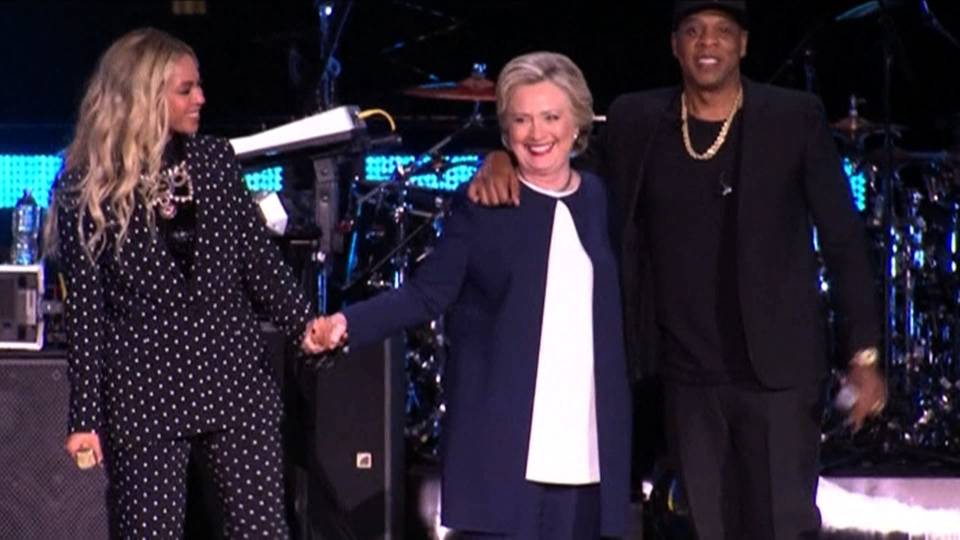
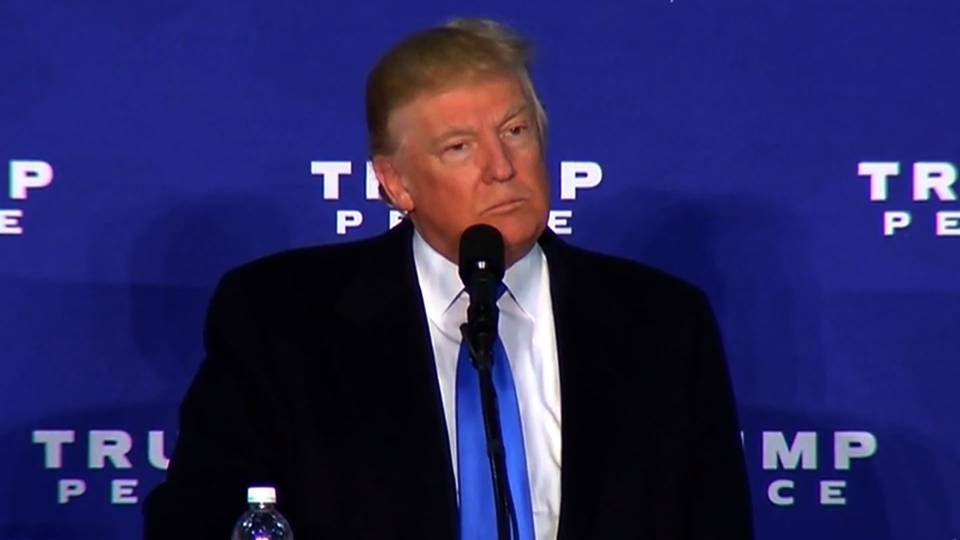
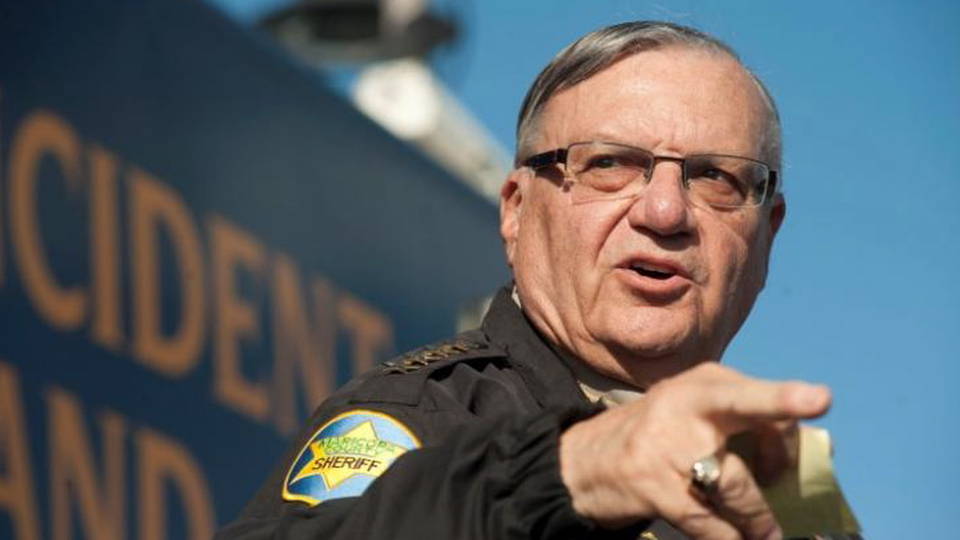
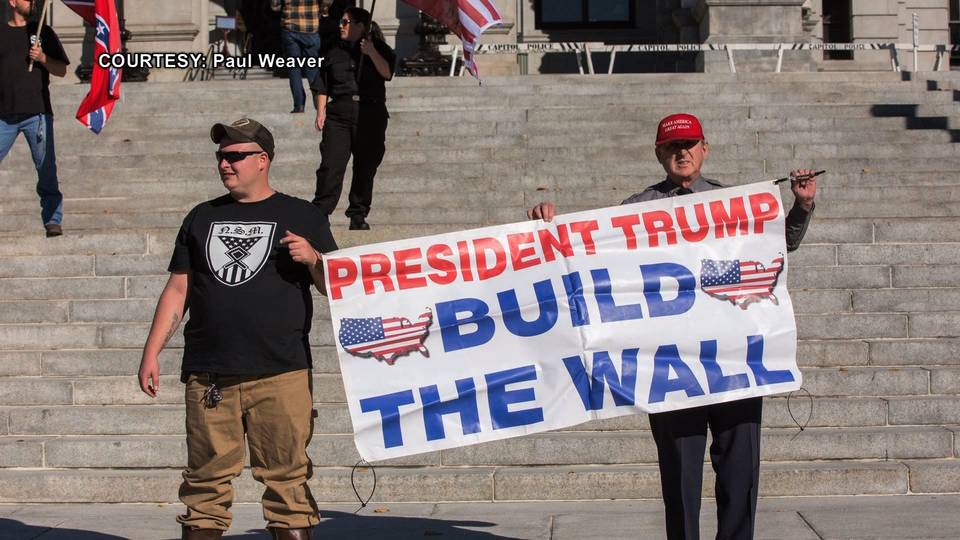
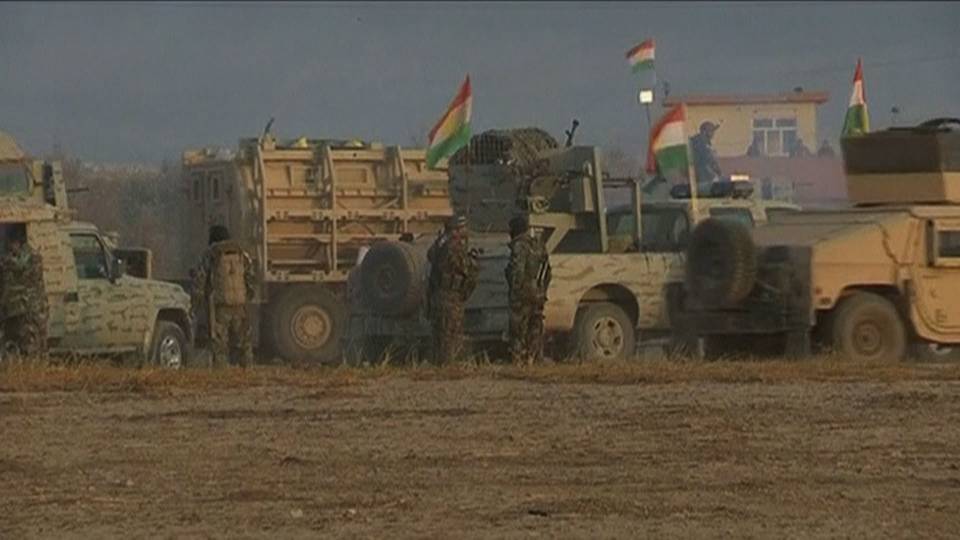
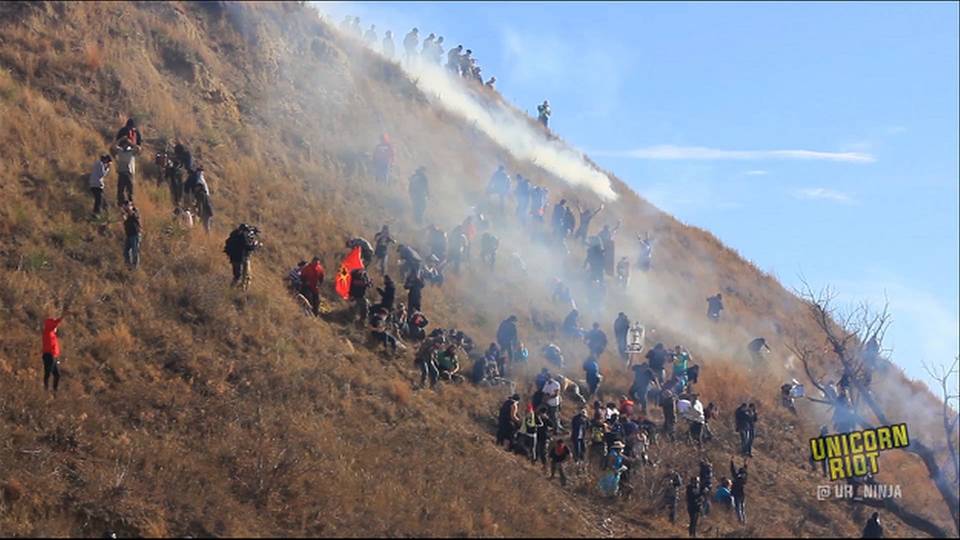
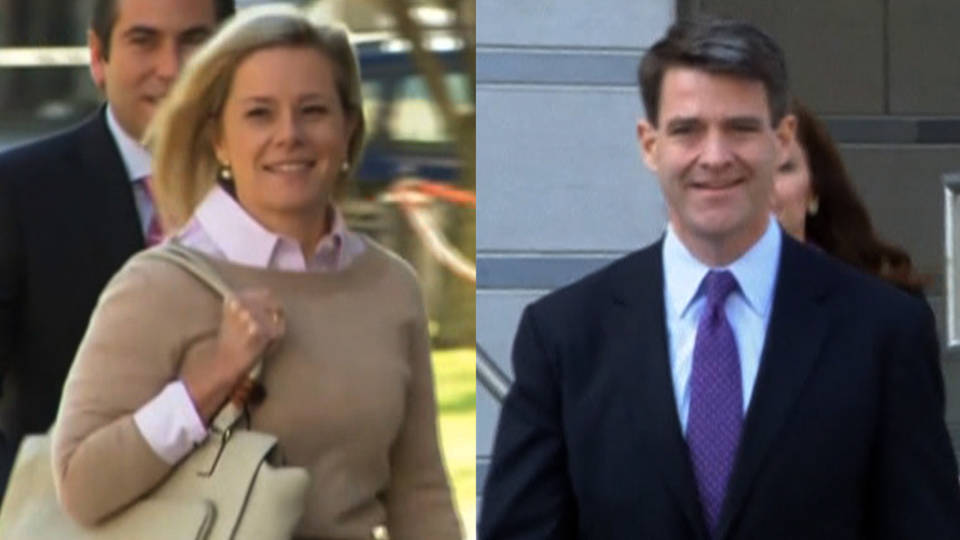
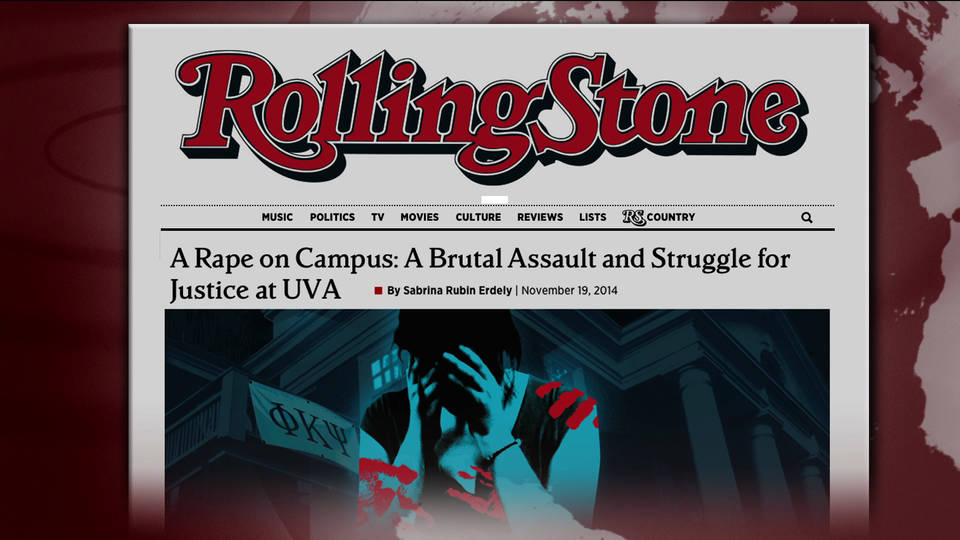
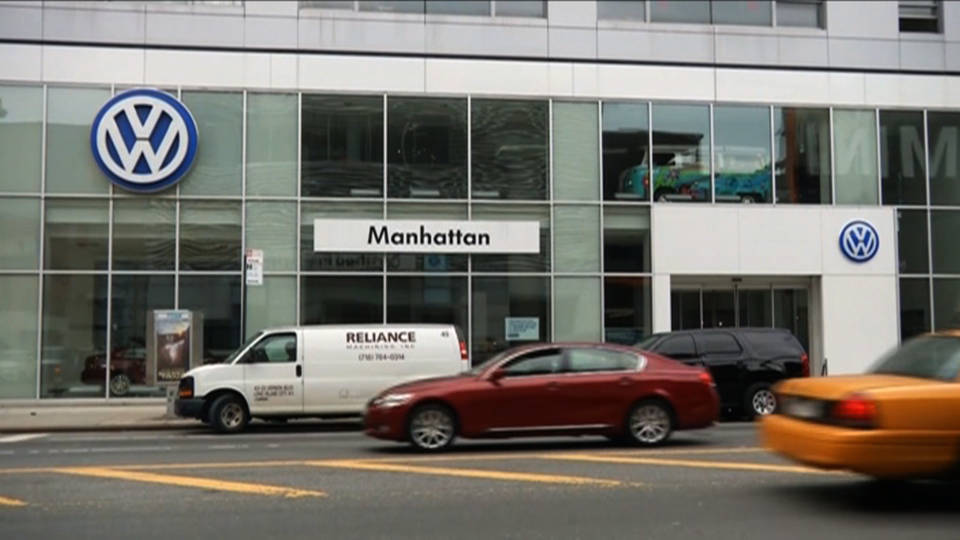
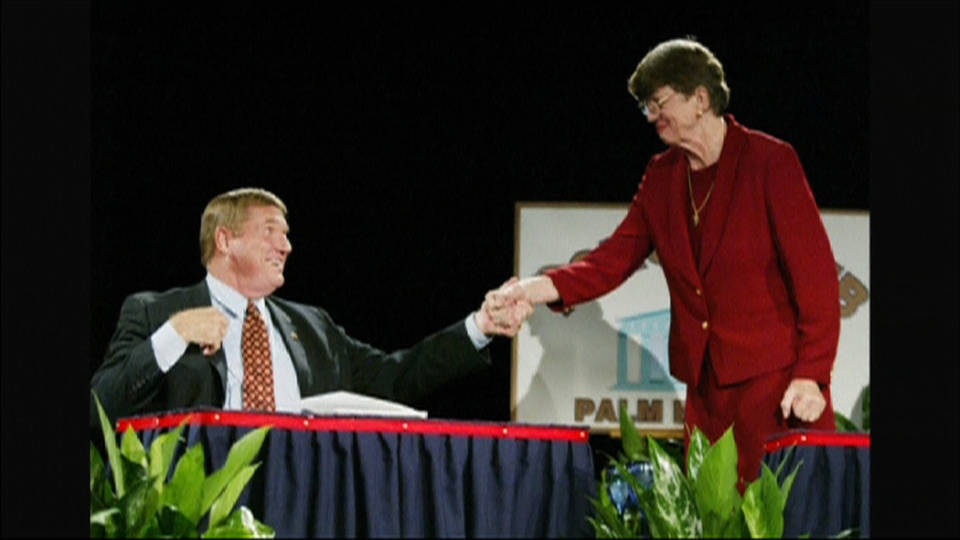
-------
Donate today:
Follow:
SPECIAL BROADCAST
FBI Director James Comey on Sunday said Hillary Clinton will not face charges over newly discovered emails from her private server, ending nine days of speculation that jolted the race and threatened Clinton’s run for the White House. In a letter to lawmakers, Comey said he would not alter a decision he made in July, when he said Clinton had been "careless" with classified materials but would not face criminal charges. Clinton campaign spokesperson Jennifer Palmieri welcomed Sunday’s news.
Jennifer Palmieri: "We have seen Director Comey’s latest letter to the Hill. We are glad to see that, as we were—that he has found, as we were confident that he would, that he has confirmed the conclusions that he reached in July, and we’re glad that this matter is resolved."
Comey’s announcement is unlikely to quell Democrats who have called on him to resign. They charge Comey violated the Hatch Act, which prohibits federal employees from influencing elections.
TOPICS:
Clinton, Trump Crisscross Nation Ahead of Election Day
On the campaign trail, Hillary Clinton enlisted some of the biggest names in show business to get out the vote. Superstar Beyoncé performed at a rally in Cleveland after her husband Jay Z introduced Clinton.
Jay Z: "This other guy, I don’t have any ill will towards him, but his conversation is divisive, and that’s not an evolved soul to me, so he cannot be my president. He cannot be our president. Once you divide us, you weaken us. We’re stronger together. Once you divide us, you weaken us. We are stronger together. And without further ado, I would like to introduce to you the next president of the United States, Ms. Hillary Clinton."
Clinton returns to campaign in Michigan today to follow up on a Friday evening campaign stop in Detroit. Both first lady Michelle Obama and President Barack Obama are campaigning in swing states and will join Bruce Springsteen and Bon Jovi for a concert tonight in Philadelphia with the Clinton family. Meanwhile, Donald Trump is pushing ahead with campaign events in Florida, North Carolina, Pennsylvania and New Hampshire. In Wisconsin, Trump’s campaign canceled an event near Milwaukee Sunday mere seconds after House Speaker Paul Ryan said he would take to the stage to support Trump there. A Trump campaign spokesperson said the cancellation was due to a "scheduling conflict."
TOPICS:
Trump Accuses Democrats of Voter Fraud
Meanwhile, Donald Trump continues to accuse Democrats of voter fraud. On Saturday, Trump claimed the late opening of a voting site in a Latino neighborhood of Las Vegas due to long lines pointed to a "rigged system."
Donald Trump: "It’s being reported that certain key Democratic polling locations in Clark County were kept open for hours and hours beyond closing time to bus and bring Democratic voters in. Folks, it’s a rigged system. It’s a rigged system, and we’re going to beat it."
TOPICS:
Arizona Anti-Immigrant Sheriff to Deploy Deputies at Polling Places
In Arizona, anti-immigrant Trump supporter Sheriff Joe Arpaio will deploy his deputies at polling stations on Election Day. Critics say the move is aimed at chilling voter turnout in an election that’s expected to see a record turnout for Latinos, who heavily favor Clinton.
TOPICS:
Reno, Nevada: Trump Protester Beaten for Holding Sign
In Reno, Nevada, a protester was tackled and beaten Saturday after he held a sign reading "Republicans Against Trump" at a Donald Trump campaign rally. Austyn Crites says he feared for his life after Trump told supporters to "Take him out."
Austyn Crites: "Trump—I didn’t see exactly what happened. It looked like he was kind of pointing at me, almost like he was instigating something. People started going crazy. These people couldn’t grab the sign. They start tackling me, and then it just piled on. And someone yelled something about a gun. But I was yelling down there, 'There is no gun. I only have a sign, I only have a sign.' But there was people wrenching on my neck so hard that, you know, they could have strangled me to death."
Secret Service agents rushed Donald Trump from the stage as Crites was beaten. Police detained Crites, then released him without charges. Police did not arrest any of the Trump supporters who assaulted Crites.
TOPICS:
Pennsylvania Neo-Nazi Rally Features Signs of Support for Trump
In Pennsylvania, state police in riot gear held back hundreds of counterprotesters from a rally of about 30 white supremacists at the state Capitol building on Saturday. One of the self-described "national socialists" wore a Nazi-style uniform and a hat reading "Make America Great Again." He unfurled a banner reading "President Trump, Build the Wall."
TOPICS:
Dylann Roof Mass Murder Trial Opens in South Carolina
In South Carolina, jury selection begins today in the trial of Dylann Roof. Prosecutors say Roof opened fire at Emanuel AME Church in Charleston, South Carolina, in June 2015, killing nine black worshipers, including the pastor, Clementa Pinckney. Roof, who is pleading not guilty, embraced white supremacist views and was shown in photographs posing with the Confederate flag and a pistol.
TOPICS:
Cincinnati, OH: White Police Officer Who Killed Black Motorist Wore Confederate Flag
A white Cincinnati police officer was wearing a T-shirt emblazoned with a Confederate battle flag under his uniform when he shot and killed an unarmed black motorist last year. The revelation came Friday during testimony by a crime scene investigator at the murder trial of former University of Cincinnati officer Ray Tensing, who fatally shot 43-year-old Sam DuBose in July of 2015 after stopping him for not having a front license plate.
TOPICS:
Photo Shows White St. Louis Officer Posing with Black Man's Dead Body
In Missouri, a mother of an African-American man found dead in a St. Louis area home is demanding an investigation, after a leaked photo showed an officer smiling and giving a "thumbs up" over the body of her son. The photograph was leaked to local station KMOV, which blurred the officer’s face. It shows the officer, who is white, wearing gloves and smirking as he grips one arm of Omar Rahman’s body. A medical examiner ruled Rahman died of an accidental drug overdose, but his mother says she has not heard from police since the day of his death last August.
TOPICS:
Iraq: U.S.-Backed Forces Advance on Mosul
In news from Iraq, U.S.-backed Iraqi forces and Iraqi government militias are continuing the campaign to retake Mosul from ISIS. Mosul is the militant group’s most populous territory in Iraq. There are reports of suicide bombs, booby traps and house fighting. As part of the campaign, Iraqi Kurdish fighters backed by U.S. airstrikes are battling today for control of Bashiqa, just northeast of Mosul.
TOPICS:
Syria: Kurdish Forces Launch Campaign to Capture Raqqa
Meanwhile, in Syria, the U.S.-backed, Kurdish-led troops known as the Syrian Democratic Forces launched a campaign Sunday to take control of the city of Raqqa from ISIS. The U.S., France and Britain have all pledged to back the campaign with airstrikes. U.S. Central Command says the U.S.-led coalition has already conducted 16 airstrikes north of Raqqa since Sunday. An estimated 200,000 people currently live in Raqqa, which was seized by ISISmilitants in 2014.
TOPICS:
Oklahoma: Strong Earthquake Causes Major Damage to Cushing
Back in the United States, in Oklahoma, a strong 5.0-magnitude earthquake struck the city of Cushing on Sunday evening, knocking out power, rupturing gas lines and partially collapsing buildings. Cushing bills itself as the "Pipeline Crossroads of the World" and is home to above-ground tanks that store millions of barrels of crude oil. Scientists believe that wastewater disposal wells from oil and gas "fracking" are linked to the dramatic rise in earthquakes in Oklahoma in recent years.
TOPICS:
Colonial Pipeline Restarted Six Days After Deadly Explosion
In Alabama, the Colonial pipeline restarted its gasoline line Sunday, six days after a massive explosion killed one worker and severely burned four others. This same pipeline leaked nearly 340,000 gallons of gasoline in Central Alabama in September.
TOPICS:
ND Police Tear Gas Native American Protectors Defending Sacred Sites from Dakota Access Pipeline
In North Dakota, police fired tear gas at Native American water protectors fighting the $3.8 billion Dakota Access pipeline Sunday, as they tried to protect a sacred site where they say their ancestors are buried. Kandi Mossett of the Indigenous Environmental Network also responded to President Obama’s statement last week that the Army Corps is considering ways to reroute the pipeline.
Kandi Mossett: "Many of us here do not support a reroute, but it’s important for people to know that even uttering those words could effectively kill this project, because they cannot possibly afford it."
U.N. Climate Change Talks Open in Morocco
The United Nations climate change talks opened today in Morocco, with the U.S. election casting doubt over efforts to slow global warming. Delegates to the negotiations in Marrakesh fear that, if elected, Donald Trump would make good on a campaign pledge to withdraw the U.S. from the Paris Agreement on climate change reached last year. Meanwhile, many climate scientists warn that countries need to commit to far deeper reductions in greenhouse gas emissions to meet the agreement’s goal of limiting global temperature rise to 2.7 degrees Fahrenheit. We’ll have more on global warming all next week, as Democracy Now! broadcasts from the U.N. climate talks in Marrakesh, Morocco.
TOPICS:
NJ Gov. Christie Denies Involvement After Aides Convicted in "Bridgegate"
In New Jersey, Republican Governor Chris Christie is denying involvement in a plot to slow traffic on the George Washington Bridge, after two of his top aides were convicted Friday on all charges in the scandal. Jurors found Bridget Anne Kelly and Bill Baroni conspired to create a traffic jam to punish the mayor of Fort Lee for failing to endorse Christie’s re-election. They each face a maximum sentence of 86 years and plan an appeal. A former ally to Christie, David Wildstein, has testified that Christie knew about the plan ahead of time. This is Governor Christie speaking on "CBS This Morning."
Gov. Chris Christie: "If the media and others attack you relentlessly for three years and you cannot defend yourself because you are in the middle of cooperating in the judicial process and cannot stain that process, then if there’s only one line of information, then people will believe the line of information they’re being given."
TOPICS:
Jury Finds Rolling Stone Defamed UVA Administrator in Gang Rape Story
A federal jury has found Rolling Stone magazine defamed an administrator at the University of Virginia when it published an account of a fraternity gang rape that was at least partly inaccurate. The jury found that the 9,000-word article, "A Rape on Campus," showed actual malice toward UVA Associate Dean Nicole Eramo, who was accused of indifference toward survivors of sexual assault. The article centered on a student named Jackie, who says she was gang-raped at a fraternity. Rolling Stone retracted the story after acknowledging discrepancies and raising questions about its source. Jackie still maintains she was sexually assaulted, and Charlottesville police have kept her case open.
TOPICS:
Hong Kong Pro-Independence Movement Faces Crackdown
In Hong Kong, police fired pepper spray against thousands of demonstrators who flooded the streets to protest a crackdown by China’s central government on the city’s independence movement. The clashes came after authorities said they would bar a pair of elected officials from taking office, after the two pledged allegiance to the "Hong Kong nation" and displayed a banner reading "Hong Kong is not China" during a swearing-in ceremony in October.
TOPICS:
Volkswagen Accused of Cheating on Greenhouse Gas Emissions
Volkswagen faces fresh accusations that it rigged its cars to avoid pollution standards. The California Air Resources Board says some of VW’s line of Audi luxury cars contained software that lowered carbon dioxide emissions under testing conditions. Regulators found that when cars were put into real-world conditions, the carbon dioxide emissions rose dramatically. Volkswagen previously admitted to rigging some 11 million vehicles worldwide, allowing them to emit up to 40 times more nitrogen oxide pollutants than standards allow.
TOPICS:
Nicaragua: Daniel Ortega Wins Third Consecutive Presidential Term
In Nicaragua, President Daniel Ortega has won a third consecutive term in office after winning more than 70 percent of Sunday’s vote. Ortega’s wife, Rosario Murillo, will serve as his vice president.
TOPICS:
Janet Reno Dies of Complications from Parkinson's at 78
And Janet Reno, the first woman to serve as U.S. attorney general, has died due to complications from Parkinson’s at the age of 78. During her eight-year tenure, Reno oversaw the arrest and prosecution of the so-called "Unabomber," Ted Kaczynski, and Oklahoma City bomber Timothy McVeigh. She oversaw the deadly raid on the Branch Davidian cult in Texas, which left 76 people dead. Reno drew fire for her prosecution of Wen Ho Lee, the U.S. nuclear scientist of Chinese descent who spent nine months in solitary confinement after he was falsely accused by the Clinton administration of spying for the Chinese government.
-------
Donate today:
Follow:
SPECIAL BROADCAST
Apply today to be a Democracy Now! intern
-------
207 W 25th Street, 11th Floor
New York, New York 10001, United States
-------
-------

No comments:
Post a Comment