democracynow.org
Stories:

As California Admits 2 Million Ballots Remain Uncounted, Sanders Pushes for Changing Primary Process
On Thursday, California Secretary of State Alex Padilla said at least 2 million votes cast in California’s presidential primary election have yet to be counted. So far Hillary Clinton is leading Bernie Sanders by 440,000 votes. We speak to Bernie Sanders superdelegate Larry Cohen on why the Sanders campaign is calling for major changes to how the Democratic Party holds its primaries.
TRANSCRIPT
This is a rush transcript. Copy may not be in its final form.
AMY GOODMAN: Let me ask you about something Bernie Sanders said, Larry Cohen. Last night at his rally, he said the final result of the California primary is not official yet. On Thursday, California Secretary of State Alex Padilla said at least 2 million votes have yet to be counted. Hillary Clinton is currently leading by about 440,000 votes. So, California is not a done deal?
LARRY COHEN: Well, I think that our supporters in California are quite adamant that every vote be counted. There have been problems all through the primary and caucus process. One of the issues that we will definitely take to the convention and beyond is the way this whole process has worked. And it has not worked well in state after state, including, as you mentioned, California and, days before, Puerto Rico, which is still not counted. But really, the bigger issue in terms of transparency has been, you know, places like Iowa, at the beginning, where there’s not even a tally of how many people showed up at each precinct. Only the Democratic Party has it. So, we need reform in this process. We need a lot more attention to it. We need the superdelegates out. That’s really one of the main things we will be fighting for.
AMY GOODMAN: So, talk about this. I mean, you are one of those superdelegates. I think you were Bernie Sanders’ first superdelegate. How long have you been a superdelegate? Something like 11 years?
LARRY COHEN: Eleven years. Howard Dean—goes back to that period.
AMY GOODMAN: OK, so—
LARRY COHEN: He was head of the DNC, yeah.
AMY GOODMAN: Explain how it works and why you’re calling for, well, making your position obsolete, essentially.
LARRY COHEN: Yeah, well, so, first of all, the process of how people get on the Democratic National Committee, which then becomes so-called superdelegates, is totally—there’s no transparency at all about it. But, you know, more importantly, we go through this long dramatic process, from Iowa through the District of Columbia, and meanwhile, 15 percent of the delegates who come to the convention in Philadelphia have nothing to do with that process. So even in a state like Washington, where I think Bernie got 72 percent of the votes, we don’t have a single superdelegate. And in some ways more importantly, the Democratic establishment there backs the TPP, when overwhelmingly in this country Democrats are against the Trans-Pacific Partnership, as are most Republicans. So we have this—we have this disconnect between the financial elite and what they do to the Democratic Party, in terms of the financial control they have, versus the people when they vote. And democracy should be about the people when they vote.
So, the whole superdelegate process is flawed fundamentally. And this—earlier this week, when the Associated Press announces, "Well, now there’s a—new superdelegates have come out. We’re not going to tell you who they are. You know, in confidence, they’ve told us they’re supporting Hillary, so now Hillary has a majority of the convention delegates." That’s, again, not what democracy looks like. It’s just one more in a whole series of roadblocks here along the way that any insurgent candidate faces, including Bernie Sanders.
AMY GOODMAN: Very quickly, Michelle Chan, can you talk about the TPP? Are you calling for platform planks that deal with the TPP? Michelle?
MICHELLE CHAN: Hello? Oh, excuse me.
AMY GOODMAN: Hi, Michelle. On the issue of the TPP and the Democratic platform?
MICHELLE CHAN: Well, I would certainly hope that we are able to use this opportunity to essentially get the Democratic Party platform more in line with what the majority of Americans, and certainly the people in the Democratic Party, believe on trade. Currently, I think that the 2012 Democratic platform describes support for free and fair trade. I think that perhaps what we might be able to see is a little bit of scrubbing of the word "free," because what we’ve seen that term mean when it comes to the free trade deals that have been brought before Congress, when it comes to fast track, is deeply flawed, very anti-environmental trade deals that end up threatening not only current environmental decision, policies and regulations, but have a chilling effect on the kinds of environmental regulations that we need to see.
What free trade deals mean now is actually not really trade at all. It means anti-regulation, deregulation. And when environmental and public health regulations themselves are treated as the barriers to trade and therefore need to be taken down, these kinds of deals are absolutely not in the interest of the United States, nor any of the countries that end up signing them, and certainly not in the interest of the planet.
AMY GOODMAN: Before we conclude, I want to talk about Donald Trump. Massachusetts Senator Elizabeth Warren criticized Donald Trump in a speech Thursday, singling out his repeated claims that a federal judge’s Mexican heritage could make him biased against Trump, which is why he should recuse himself, Trump says.
SEN. ELIZABETH WARREN: Donald Trump says Judge Curiel should be ashamed of himself. No, Donald, you should be ashamed of yourself. Ashamed. Ashamed for using the megaphone of a presidential campaign to attack a judge’s character and integrity simply because you think you have some God-given right to steal people’s money and get away with it. You shame yourself, and you shame this great country. ... We will not allow a small, insecure, thin-skinned wannabe tyrant or his allies in the Senate to destroy the rule of law in the United States of America. We will not.
AMY GOODMAN: That was Elizabeth Warren on Thursday. On Thursday also, Donald Trump and Hillary Clinton engaged in a Twitter war. Trump began it by tweeting, "Obama just endorsed Crooked Hillary. He wants four more years of Obama—but nobody else does!" Hillary responded by writing, "Delete your account." OK, Larry Cohen, one of the key arguments Bernie Sanders has been making in saying that Trump must be defeated is that he is the one to do it, that national polls show he is the one who comes out ahead of Trump in more polls. Now, yesterday, after coming out of the White House, he said he will be coordinating with Hillary Clinton in defeating Trump and that that’s the most important issue. It sounded like code for he’s, you know, giving in. What do you think?
LARRY COHEN: Bernie is not giving in. I mean, again, we are fighting with a—in the platform drafting committee on all the issues we’ve just discussed. We are pushing for reform of the party. He will be talking more to Hillary Clinton. They talked briefly Tuesday night. He’ll be meeting with her. The meeting with the president, the meeting with Senate leaders, what Bernie is trying to figure out is: Is there a way to have a Democratic Party that’s a populist party, and so that supporters, the more than 10 million voters, can be enthusiastic, not about—not just about the nominee for president, but also about where this party is headed, as opposed to feeling like this is a party where, you know, the voters are taken for granted and it’s controlled by the people who raise the money?
AMY GOODMAN: Let me ask you something. We had Jill Stein on yesterday, who is going to—is hoping to be another woman on the presidential ballot in November. She has called for Bernie Sanders to perhaps join her in running in the Green Party ticket, said maybe even rules could be changed that he could be the presidential candidate of the Green Party, that he should give up on this two-party duopoly in the United States. Your thoughts?
LARRY COHEN: Well, Bernie, as you know, for 25 years in Congress, has run as an independent, on the one hand. On the other hand, he’s been in the Democratic Caucus the whole time. So what he would say is, we are inside and outside the Democratic Party, fighting for democracy, fighting for economic and environmental and racial justice. He’s made a pledge to support the Democratic candidate this year. I believe he’ll stick to that. You know, we think Jill is a wonderful person and champion of economic and social justice, but Bernie’s pledged to support the Democratic nominee.
AMY GOODMAN: Michelle Chan, there is talk today of a meeting between Hillary Clinton and Elizabeth Warren—Elizabeth Warren, like Bernie Sanders, holding up the progressive wing’s flag of the Democratic Party. Do you see a war happening now, a battle within the party for which wing will win out? And would you like to see, if Hillary Clinton is the presidential nominee, even if Bernie Sanders were, Elizabeth Warren on the ticket?
MICHELLE CHAN: Well, I think that Elizabeth Warren on the ticket would certainly be exciting for many, many people. I think that a lot of progressives would be—support the vision and views of both candidates and—or, sorry, both people. And so, if that were to occur, I think that a lot of progressives, Friends of the Earth Action, would strongly consider what that would look like and would likely, I think, be excited about that kind of a prospect.
Certainly, I think what Bernie has inspired in people is a vision and a set of values. And I think that he, himself, has been pretty clear that, you know, this political revolution isn’t about a person or one decision, and that in order to see these visions and values lived forth, that it will take many, many different forms, on many, many different political levels, and lots of different kinds of political engagement. And so, I don’t think that Bernie supporters would feel like it is—or many Bernie supporters would feel like if he dropped out of the presidential or VP slot, that they would never, ever consider any other progressive, to put their support behind them.
AMY GOODMAN: Larry Cohen, let me ask you about this. This was Bernie Sanders just last Sunday speaking with Jake Tapper on CNN’s State of the Union. Let’s go to a clip.
SEN. BERNIE SANDERS: Do I have a problem when a sitting secretary of state and a foundation run by her husband collects many millions of dollars from foreign governments, governments which are dictatorships? You don’t have a lot of civil liberties or democratic rights in Saudi Arabia. You don’t have a lot of respect there for opposition points of view, for gay rights, women’s rights. Yeah. Do I have problem with that? Yeah, I do.
JAKE TAPPER: Do you think it creates an appearance of conflict of interest?
SEN. BERNIE SANDERS: Yeah, I do. I do.
AMY GOODMAN: So there is Bernie Sanders saying that Hillary Clinton has a conflict of interest between the Clinton Foundation receiving millions of dollars from corrupt, despotic governments, like Saudi Arabia, and the secretary of state’s work. Are we going to see comments like this anymore? Donald Trump says he’s going to give a major address on the Clintons this week, perhaps as early as Monday. Your thoughts?
LARRY COHEN: Well, I think Bernie, as you heard yesterday, is going to shift more to a focus on Donald Trump, because in elections we have choices, not necessarily the choices we want, so probably not many more of those comments. I do think the campaign has been important in terms of pointing out the differences between Bernie and Secretary Clinton. You know, that’s part of what this campaign was about.
More of it, as Michelle said, has been about, you know, a different vision for America, an inclusive vision that excites young people and people of all ages and from all backgrounds about a new American dream—about growth in the country, as opposed to stagnation; about getting rid of student debt in terms—instead of continuity, let’s just keep things the way they are; talking about workers’ rights and fighting for workers’ rights and environmental justice and ending fracking. That campaign will go on. We’re going to support lots of candidates—for Congress, for state legislature, municipal government—that carry that forward. This has not just been a campaign for the presidency. It’s a campaign for social justice and for social change. This campaign will go on.
AMY GOODMAN: I want to thank you both for being with us, Larry Cohen, senior adviser to Bernie Sanders, past president of Communications Workers of America, first superdelegate for Bernie Sanders. And thank you, Michelle Chan, spokesperson for Friends of the Earth Action, working on recommendations for Bill McKibben to bring to the Democratic platform drafting committee, that just began meeting in Washington this week.
When we come back, though we’re in Washington, D.C., the nation’s capital, we’re heading to Louisville, Kentucky, the funeral of Muhammad Ali. Stay with us. ... Read More →

"The Campaign Will Go On": Sanders Backers Vow to Keep Fighting to Change Nation & Democratic Party
President Obama met Thursday with Democratic presidential candidate Bernie Sanders in the Oval Office and then endorsed his rival Hillary Clinton in a video posted on her campaign’s Facebook page. Clinton also picked up an endorsement from progressive favorite, Massachusetts Senator Elizabeth Warren. Sanders has said he wants the Democratic Party to adopt much of his platform at the Democratic National Convention, and has been allowed to appoint five people to the 15-member platform drafting committee, which met for the first time this week. The Sanders campaign was always "about building a force for change inside and outside the party," notes Larry Cohen, senior adviser to Sanders, past president of Communications Workers of America and the first superdelegate for Bernie Sanders. We are also joined by Michelle Chan, spokesperson for Friends of the Earth Action. She is working on recommendations for environmentalist and 350.org co-founder Bill McKibben, one of Sanders’ selections on the Democratic platform drafting committee. Climate activists have delivered more than 90,000 petitions to the DNC demanding the party’s platform for the 2016 race include a nationwide ban on fracking, which Sanders has backed, while Clinton has focused on the need for regulating the industry.
TRANSCRIPT
This is a rush transcript. Copy may not be in its final form.
AMY GOODMAN: We’re broadcasting from Washington, D.C. Before heading to Louisville for the funeral of Muhammad Ali, we begin with the 2016 presidential race. On Thursday, here in the nation’s capital, President Obama met with Democratic presidential candidate Bernie Sanders in the Oval Office. The meeting came two days after several media outlets reported Clinton had reached the number of delegates needed to capture the nomination, putting her on a path to be the first woman ever nominated by a major party to run for the White House. Less than an hour and a half after meeting with Sanders, President Obama endorsed Hillary Clinton in a video posted on her campaign’s Facebook page.
PRESIDENT BARACK OBAMA: I want to congratulate Hillary Clinton on making history as the presumptive Democratic nominee for president of the United States. Look, I know how hard this job can be. That’s why I know Hillary will be so good at it. In fact, I don’t think there’s ever been someone so qualified to hold this office. She’s got the courage, the compassion and the heart to get the job done.
AMY GOODMAN: The president’s video message was aimed in part at millions of Sanders supporters. Obama said Sanders could play a central role in shaping the Democratic agenda.
PRESIDENT BARACK OBAMA: I had a great meeting with him this week, and I thanked him for shining a spotlight on issues like economic inequality and the outsize influence of money in our politics, and bringing young people into the process. Embracing that message is going to help us win in November.
AMY GOODMAN: Hillary Clinton picked up another endorsement Thursday from a progressive favorite, Massachusetts Senator Elizabeth Warren. On Thursday, Bernie Sanders also met with Senate Minority Leader Harry Reid of Nevada. While reporters took pictures, Sanders ignored three questions about Obama’s endorsement of Clinton. Later, he delivered a nearly hour-long speech to thousands of supporters at a rally here in Washington, D.C., ahead of the district’s primary election on Tuesday. Sanders did not mention Hillary Clinton by name.
SEN. BERNIE SANDERS: We can bail out Wall Street, no problem. We can give tax breaks to billionaires, no problem. But somehow, when it comes to rebuilding inner cities in America, providing good education, good healthcare, affordable housing, somehow we seem not to have the money. And what this campaign is about is making it clear: Together, we are going to change our national priorities. ... This campaign is based on a vision that our country must focus on social justice, on economic justice, on racial justice, on environmental justice. And when the overwhelming majority of young people support that vision, that will be the future of America.
AMY GOODMAN: Bernie Sanders has said he wants the Democratic Party to adopt much of his platform at the Democratic National Convention. He’s been allowed to appoint five people to the 15-member platform drafting committee, which has been meeting for the first time this week here in Washington, D.C.
For more, we’re joined in D.C. by two guests. Larry Cohen is with us, senior adviser to Bernie Sanders and past president of the Communications Workers of America, first superdelegate for Bernie Sanders. And Michelle Chan, spokesperson for Friends of the Earth Action, she’s working on recommendations for environmentalist and 350.org co-founder Bill McKibben, one of Sanders’ selections on the Democratic platform drafting committee.
We welcome you both to Democracy Now! Larry Cohen, let’s begin with you. What happened yesterday, after President Obama met with Bernie Sanders and then endorsed Hillary Clinton? What is Bernie Sanders’ position right now? As he says, yes, he is running in the Democratic—in the primary in D.C. next Tuesday. Then what?
LARRY COHEN: Well, from the beginning, our message has been every voter, every delegate. It was not just about Bernie being the next president, it was also about building a force for change inside and outside the Democratic Party. And as historic as Hillary’s campaign has been, Bernie’s campaign is also historic, in that, you know, without any super PACs, without the billionaires, building this kind of massive voter base, almost 11 million voters, raising $220 million. And we will go to Philadelphia with not only a message, but proposals to change the party. The platform that Michelle is working on, in many ways, we expect it to be a very different platform. We want to see the Democratic Party be a populist party, not a party of the financial elite.
AMY GOODMAN: So what’s your reaction to President Obama and then, well, a progressive favorite, Elizabeth Warren, the Massachusetts senator, who is meeting with Hillary Clinton today—there’s all sorts of talk: Could she be a vice-presidential running mate? What’s your reaction to their endorsement of Hillary Clinton yesterday?
LARRY COHEN: Well, I mean, our reaction is that this is to be expected, to some extent, given what’s happened this week, and that, at the same time, our supporters are quite energetic about continuing on, again, inside the Democratic Party and beyond, focusing on issues, other candidates, as well as Bernie’s own nomination and his own support. ... Read More →

Dave Zirin on the Whitewashing of Muhammad Ali: He Wasn't Against Just War, But Empire
Dave Zirin, sports editor for The Nation magazine, joins us from Muhammad Ali’s hometown, Louisville, Kentucky, where he will attend Ali’s funeral. Zirin recounts Ali’s activism against racism in the city and says, "[T]his funeral is, in so many respects, Muhammad Ali’s last act of resistance, because what he is doing is pushing the country to come together to honor the most famous Muslim in the world at a time when a presidential candidate is running on a program of abject bigotry against the Muslim people, and the other presidential candidate is somebody who has proudly stood with the wars in the Middle East." Zirin’s recent article in The Nation is called "'I Just Wanted to Be Free': The Radical Reverberations of Muhammad Ali." He’s the author of the Ali-themed book, "What’s My Name, Fool? Sports and Resistance in the United States."
TRANSCRIPT
This is a rush transcript. Copy may not be in its final form.
AMY GOODMAN: "Morning Has Broken" by Yusuf Islam, the artist formerly known as Cat Stevens. Yusuf Islam was one of the pallbearers at Muhammad Ali’s Jenazah, the traditional Islamic prayer service, the funeral that was held yesterday. Today, the interfaith service. Dave Zirin is in Louisville, along with Dalia Mogahed. Dave Zirin is a sports editor for The Nation. His recent article, "'I Just Wanted to Be Free': The Radical Reverberations of Muhammad Ali." Among his books, What’s My Name, Fool? Sports and Resistance in the United States.
Dave, you are in—you’re in Louisville right now. You’re going to the funeral. Talk about what you feel is most important for people to understand about Muhammad Ali.
DAVE ZIRIN: Well, it’s stunning to be in Louisville. And Louisville is, in so many respects, a microcosm of the Muhammad Ali story globally, because Louisville is a place that Muhammad Ali protested in life. He went to fair housing protests. He said, "My people in Louisville are being treated like dogs." The City Council of Louisville voted to renounce him as a citizen of Louisville. And yet, as recently as—actually, just a couple of years after they renounced his name, they named one of the main boulevards in Louisville Muhammad Ali Boulevard. And when I landed in the airport yesterday, there’s a huge sign welcoming folks to Muhammad Ali’s funeral. The buses say "Goodbye to the greatest," "Goodbye to the champ." There are commemorations all over the place.
And I really do believe, to echo Dalia’s comments, that this funeral is, in so many respects, Muhammad Ali’s last act of resistance, because what he is doing is pushing the country to come together to honor the most famous Muslim in the world at a time when a presidential candidate is running on a program of abject bigotry against the Muslim people, and the other presidential candidate is somebody who has proudly stood with the wars in the Middle East and the suppression of Palestinian rights. And amidst all of that, presidents, heads of states, leaders—everybody, including Donald Trump, has to tip their hat and respect Muhammad Ali. And there is something beautiful about that. And what it shows is that Muhammad Ali could not be broken. They tried, but they couldn’t break him.
AMY GOODMAN: I want to turn to an article by Kareem Abdul-Jabbar, the six-time NBA champ and fellow convert to Islam. His article for Time.com is called "Muhammad Ali Became a Big Brother to Me—and to All African-Americans." In it, he writes, quote, "As the draft extended to include more white, middle-class boys, opposition to the war grew in popularity. But despite our passion, we few athletes were unable to do anything significant to fight the draft. We left feeling powerless, especially knowing that had Muhammad allowed himself to be drafted, he would have never faced combat and would have still earned his millions. Instead, he would face the punishment for his convictions alone. That’s when I realized he wasn’t just my big brother, but a big brother to all African Americans. He willingly stood up for us whenever and wherever bigotry or injustice arose, without regard for the personal cost. He was like an American version of the comic-book hero Black Panther." Kareem Abdul-Jabbar, those are his words. Dave Zirin?
DAVE ZIRIN: Yeah, Muhammad Ali is the famous most—Muhammad Ali is the most famous draft resister in the history of war. And that’s something they’ll never be able to take away. One of the whitewashings that’s taken place since his death is that commentators just say, "Muhammad Ali was for peace," "Muhammad Ali was against war." But it was actually far more radical than that. Muhammad Ali was against empire. Muhammad Ali believed in solidarity with the black, brown and poor people of the United States, with the poor people of Vietnam and the people who were being killed in Vietnam. As Dalia was saying to me before we came on the air, Muhammad Ali saw a commonality between the death of Emmett Till and the young people in Vietnam. And that seared itself into his brain, this idea that he could not support a society that he viewed as uniquely brutal. And Kareem is absolutely correct: If Muhammad Ali had decided to agree to go in the draft, he would not have been in Southeast Asia with a gun in his hand; he just would have been asked to be a symbol in favor of the war. And even that was too much for him.
And it also has to be mentioned that Muhammad Ali, what he did was he gave a very young, very white middle-class antiwar movement confidence, and he gave young black civil rights activists the confidence to come out against the war. I spoke to Dorie Ladner from the Student Nonviolent Coordinating Committee just the other night, and she said to me, "Those of us in SNCC, we were all against the war. But what Muhammad Ali did was he cleared the space for us to stand up and connect the war at home with the war abroad."
AMY GOODMAN: Dave Zirin, this might be total apostasy, but might Muhammad Ali be the best argument against boxing ever?
DAVE ZIRIN: Well, it’s such an interesting argument, because it’s also true that if it wasn’t for boxing, we may never have known who Muhammad Ali was. And that’s one of the great contradictions of our society and also the opportunities that are often available to working-class black families. But yes, in so many respects, Muhammad Ali represents not just the brutality of boxing and the tragedy of boxing and what it does to people, but he also represents the way boxing always, whether we’re talking about Joe Louis, whether we’re talking about Sugar Ray Robinson, whether we’re talking about the great Jack Johnson—it’s always represented a symbolic morality play about the thwarted ambitions of black America and the ways in which boxing has often been a symbol, as Maya Angelou said of Joe Louis, a symbol of the way that we can have some form of justice and equality in our society.
AMY GOODMAN: Dave Zirin, the thoughts on who’s giving the eulogy, which I think is what Muhammad Ali wanted, but President Clinton, Billy Crystal, Bryant Gumbel?
DAVE ZIRIN: Well, first of all, Bryant Gumbel is one of the most lucid analysts of Muhammad Ali’s history. It’s Bryant Gumbel who said that Muhammad Ali allowed the black freedom struggle to move forward because he made people less afraid. Billy Crystal, a longtime friend of Muhammad Ali. I’ll be honest, the Bill Clinton, the presence there, it honestly—it does hurt, given Muhammad Ali’s historic place as a great figure against war and against bigotry, to have the person who signed the welfare bill, the person who signed the crime bill, the person who was in charge of the sanctions in Iraq—it will be painful to see him up there. But in many ways, in some respects, that is Muhammad Ali’s last victory. The same presidents that used to bug his phone and harass him and subject him to COINTELPRO now have to stand over his body.
AMY GOODMAN: We have to leave it there. Dave Zirin and Dalia Mogahed, I want to thank you so much for being with us. This does it for our show. They were speaking to us from Louisville.
I’ll be in Chicago Saturday, June 11, Jones College Prep at 3:00 for the 2016 Printers Row Literary Festival. That does it for the broadcast. We have two job openings at Democracy Now! Check them out. ... Read More →

Can Bernie Sanders Help Rewrite Democratic Platform to Ban Fracking & Keep Oil in the Soil?
As the Democratic platform committee meets in Washington, we speak to Michelle Chan, spokesperson for Friends of the Earth Action. She is working on recommendations for environmentalist and 350.org co-founder Bill McKibben, one of Sanders’ selections on the Democratic platform drafting committee. Climate activists have delivered more than 90,000 petitions to the DNC demanding the party’s platform for the 2016 race include a nationwide ban on fracking, which Sanders has backed, while Clinton has focused on the need for regulating the industry.
TRANSCRIPT
This is a rush transcript. Copy may not be in its final form.
AMY GOODMAN: Michelle Chan, your group, Friends of the Earth Action, was one of the first environmental groups to endorse Bernie Sanders. We’re here in Washington, D.C. These days have been the first meeting of the platform committee. Is it, what, happening at the Washington Court Hotel? People are going from morning 'til night. You're writing suggestions for recommendations for one of Bernie Sanders’ picks on the platform committee, Bill McKibben. I want to go first to Bill McKibben speaking at that first hearing of the committee on Wednesday.
BILL McKIBBEN: I’m Bill McKibben from the Green Mountain State of Vermont. It’s good to be here in what is the hottest year we’ve ever recorded on this planet. It’s a great pleasure for me. The last few times I’ve come to Washington, D.C., I’ve ended up in jail, so this is a much nicer—it’s much nicer surroundings. And we’re in a country with a lot of people who are distrustful of our political system. And I hope that, as a committee, we’re able to provide them with some reasons to be less distrustful going forward.
AMY GOODMAN: So, Michelle Chan, talk about what is being hammered out. Larry Cohen just mentioned a very different platform, Democratic platform. What does that look like now? What are you recommending?
MICHELLE CHAN: Well, from the environmental point of view, certainly, we hope that we can see, through the platform, the differences that we’ve seen between Bernie Sanders and Hillary Clinton on environmental issues. One of the huge differences between the two is with respect to fracking. Sanders has been really clear from the beginning that he supports a moratorium on all fracking in the United States. That’s a very bold pro-environment stance. And the difference is that Hillary has supported regulation of fracking. So if we are able to see that kind of bold anti-fracking moratorium integrated into the party platform, that would be huge.
A second big priority would be with respect to this new emerging grassroots call to keep it in the ground. In particular, that is referring to an end to all new fossil fuel leases on public lands. And this is a call that Sanders himself has backed. He has co-sponsored legislation to this effect. And it really is the new rallying cry for climate activists in this country. So, an end to all new fossil fuel leases on public lands would be exactly the kind of thing that we would need. It would keep 450 million tons—billion tons of CO2 in the ground. And it is the kind of thing that we need to do in order to check climate change.
AMY GOODMAN: Climate activists have delivered more than 90,000 petitions to the Democratic National Committee demanding that the platform include a nationwide ban on fracking. But as you said, Hillary Clinton is not for that. Bernie Sanders is. And Bernie Sanders just has five of the 15 members of the platform committee. So, why do you think that something like that would go through? I mean, the presumptive nominee is not for it.
MICHELLE CHAN: Right. And certainly, this is going to be a negotiation, probably a very heated negotiation, between all of the members of the drafting committee. It’s not going to be easy, I think, for Bill McKibben to advance the kind of bold environmental agenda that Sanders has stood for and fought for, especially when it comes to butting heads against the Democratic establishment. We certainly know that fossil fuel and oil and gas interests have given heavily to party candidates, and so we don’t expect this to be a very easy fight. But overall, Sanders’ entire campaign, the movement that has built around him, they—you know, it’s been courageous. And it’s something—it’s a future that people are willing to fight for. So, we do expect it to be a difficult road to hoe, but we expect it to be fought valiantly. ... Read More →

Don't De-Islamicize Muhammad Ali: Scholar Says Muslim Faith was Central to His Views on Racism & War
Thousands have gathered in Louisville, Kentucky, hometown of Muhammad Ali, to mourn the death of one of the most iconic figures of the 20th century. Ali was considered by many to be the greatest boxer of all time, but he will also be remembered for his activism against racism and war. Former President Bill Clinton, comedian Billy Crystal and journalist Bryant Gumbel are expected to deliver eulogies. On Thursday, an estimated 14,000 attended Ali’s Islamic prayer service. Muslim advocate Dalia Mogahed addressed the mourners, and she joins us to discuss Ali’s life and legacy. "We are de-Islamicizing Ali" by praising his stances, but not giving credit to his faith which was "central to his worldview," says Mogahed, the director of research at the Institute for Social Policy and Understanding, one of two Muslim members of President Obama’s faith advisory council. After Republican presidential front-runner Donald Trump, joined in praising Ali this week, Mogahed argues, "We can’t both love Ali and honor him, and say we should ban Muslims from America."
TRANSCRIPT
This is a rush transcript. Copy may not be in its final form.
AMY GOODMAN: Thousands are gathering in Louisville, Kentucky, for the funeral of Muhammad Ali today, one of the most iconic figures of the 20th century. Ali died Friday in Arizona after suffering for decades from Parkinson’s syndrome. He was considered by many to be the greatest boxer of all time, but he will also be remembered for his activism against racism and war. This morning in Louisville, where Ali was born and raised, a funeral motorcade will pass by his boyhood home. Later today, mourners across the world will gather for an interfaith service to pay their final respects. Former President Bill Clinton, comedian Bill Crystal and journalist Bryant Gumbel are expected to deliver eulogies. On Thursday, an estimated 14,000 attended Ali’s Islamic prayer service. Muslim scholar Dr. Sherman Jackson addressed the mourners.
SHERMAN JACKSON: As a cultural icon, Ali made Muslim—or Ali made being Muslim cool. Ali made being a Muslim dignified. Ali made being a Muslim relevant. And all of this he did in a way that no one could challenge his belongingness to or in this country. Ali put the question of whether a person can be a Muslim and American to rest. Indeed, he KO’d that question. With his passing, let us hope that that question will now be interred with his precious remains.
AMY GOODMAN: Dalia Mogahed also addressed the mourners—the mourners at the Islamic funeral, and we’ll hear from her in a moment.
But in his prime, Muhammad Ali was an outspoken advocate of the Black Muslim movement and critic of the Vietnam War. He first became known to the world in 1960, when he won the Olympic gold medal for boxing. Four years later, he became the heavyweight champion of the world. On the next day, the then-Cassius Clay shocked the sports world and announced he was joining the Nation of Islam and changing his name. After briefly being named Cassius X, Nation of Islam leader Elijah Muhammad renamed him Muhammad Ali. For years, many news outlets refused to refer to the boxer by his new name, instead using what Ali called his slave name. Muhammad Ali grew close to Malcolm X. He became a vocal critic of U.S. actions at home and abroad.
After his conscientious objector status request was denied in April 1967, he refused induction. Ali’s title was stripped from him. He was sentenced to a five-year prison term. He appealed all the way to the U.S. Supreme Court, and in 1971 his conviction was finally reversed. He did not go to prison, but was forced to wait four years before regaining his boxing license. In 1974, Ali reclaimed the world heavyweight champion title. He went on to fight several matches overseas, became involved in world affairs. You can see our hour-long special about his life and legacy at democracynow.org.
But right now we’re going to Muhammad Ali’s hometown, Louisville, Kentucky, where the funeral is just about to begin. We’re joined by two guests who will be there. Dalia Mogahed was one of the speakers at Thursday’s Islamic funeral. Mogahed is the director of research at the Institute for Social Policy and Understanding, one of two Muslim members of President Obama’s faith advisory council. And Dave Zirin is with us, sports editor for The Nation magazine. His recent article, "'I Just Wanted to Be Free': The Radical Reverberations of Muhammad Ali." He’s the author of the Ali-themed book, What’s My Name, Fool? Sports and Resistance in the United States.
We welcome you both to Democracy Now! Dalia Mogahed, you were only one of three, including the imam, who spoke at the Islamic funeral, the prayer service yesterday. What did you say?
DALIA MOGAHED: What I said was that Muhammad Ali taught us how to be free. He taught us how to be free by relinquishing our attachments to the world. He owned fame and fortune, and never allowed it to own him. And that’s why he was able to stand with principle above popularity and chose conscience above conformity. And it was in this way that he freed himself and acted as a symbol and as an example for how we can all free ourselves, through his spirituality.
AMY GOODMAN: Can you talk about his name, Muhammad Ali, what it means and how he got it?
DALIA MOGAHED: Absolutely. He got his name because it was given to him by his religious leader, the Honorable Elijah Muhammad. It means—Muhammad, the name, means praise in the heavens and the earth. And one of the themes of my brief remarks yesterday was that he—that that funeral, with people from all over the world, every color and creed, were a testimony to the fact that he was praised in the heavens and the earth, but that he wasn’t always that way. He, for some time, was rejected by the public, was demonized. But because he stood with his principles, God’s promise came true, which said that if you put God first, he will make the people love you. And his name actually was a testimony to that, praised by God and by the people.
AMY GOODMAN: What is the legacy, Dalia, of African Americans accepting Islam in America? Talk about Muhammad Ali and Islam. Seems very much—it’s odd to use the term "the white elephant in the room."
DALIA MOGAHED: Well, it’s interesting, Amy, how much we are commemorating Muhammad Ali, praising his stance and his conscientious objector status, his principle, and yet completely ignoring the source of that strength, which was his Islamic faith. We are de-Islamicizing Ali. Interestingly, at the time, Islam was being blamed for his stance, which was so unpopular. Today, we are praising it, but not giving Islam and his spirituality any credit. This faith was central to his worldview. It was where he drew his strength from. And I think that that legacy of indigenizing Islam, of making Islam a part of mainstream America, is so important today. Ali is a reminder that Islam enriches America, that America would be a weaker, less prosperous, less safe country if Islam was not part of its story.
AMY GOODMAN: It is interesting that people like—if there’s anyone like Muhammad Ali, are marginalized during their prime years, but later idolized. Are you concerned that the iconization of Muhammad Ali will leave out the—what you are most drawn to about him? And if you can talk about what that is?
DALIA MOGAHED: You know, what I am most drawn to is his strength of character, his clear moral compass, that even in the hardest times of his life, even when he had to walk away from things he had worked for his whole life, he was able to do that. And today we look back on him, and it’s this whitewashing. It’s this revisionism of who he was, where we want to be very comfortable. You know, so many things about Muhammad Ali today would make us uncomfortable, the first being his Muslim faith, something that we are, as a country, now so comfortable demonizing. And so, we can’t both love Ali and honor him, and say we should ban Muslims from America. It’s not possible. We can’t have both of those realities coexist. So, if we honor Ali today, we have to, at the same time, recognize the contribution of Islam and Muslims to the United States. And my concern is not that we honor him as an icon—I think that we should, and he is. He was called—Sports Illustrated called him the Sportsman of the Century. He is an icon. But with that, we have to take the whole Ali. We can’t pick and choose, and we can’t revise him to what makes us comfortable.
AMY GOODMAN: We’re going to break and then come back to this discussion. But very quickly, Dalia, you were one of the three speakers, including the imam, at Muhammad Ali’s Islamic funeral, Jenazah. Can you explain what that is, how that is different from what will happen today? Muhammad Ali left very strict instructions that he wanted for his funeral, and, first and foremost, for it to be open to the public.
DALIA MOGAHED: It was exactly that. This—so, the Jenazah prayer is a very simple, basically, ritual. And it’s a prayer that Muslims offer for the deceased. And it’s something that the deceased actually has a right on the Muslim community. We have to gather and offer this prayer for people when they die. And he had very strict—a very strict outline of how that should be and that it should be open to anyone who wants to attend. So it wasn’t just Muslims, right? It was—people of all faiths attended this service. Muslims were the ones that engaged in the actual prayer, and everyone else was there welcomed to observe.
It was done in Freedom Hall, where he fought his first professional fight in Louisville. And it was really quite stunning to me, standing there, waiting to speak, one of three speakers, and looking at the front row of this funeral prayer. It was a who’s who—celebrities, heads of state—President Erdogan was in the front—Louis Farrakhan and others. And yet the three people asked to give remarks were, you know, three ordinary people. We weren’t heads of state or celebrities. And I thought, only at Muhammad Ali’s funeral would this be possible. It was truly a testimony to his character.
AMY GOODMAN: Dalia Mogahed, one of the three speakers at Muhammad Ali’s funeral Thursday, one of two Muslim members of President Obama’s faith advisory council. She is director of research at the Institute for Social Policy and Understanding. When we come back, we’ll also be joined by Dave Zirin, who’s written extensively about Muhammad Ali. Among his books, oh, What’s My Name, Fool? Sports and Resistance in the United States. Stay with us. ... Read More →
Headlines:Obama Endorses Clinton: Never Been Someone So Qualified to Hold This Office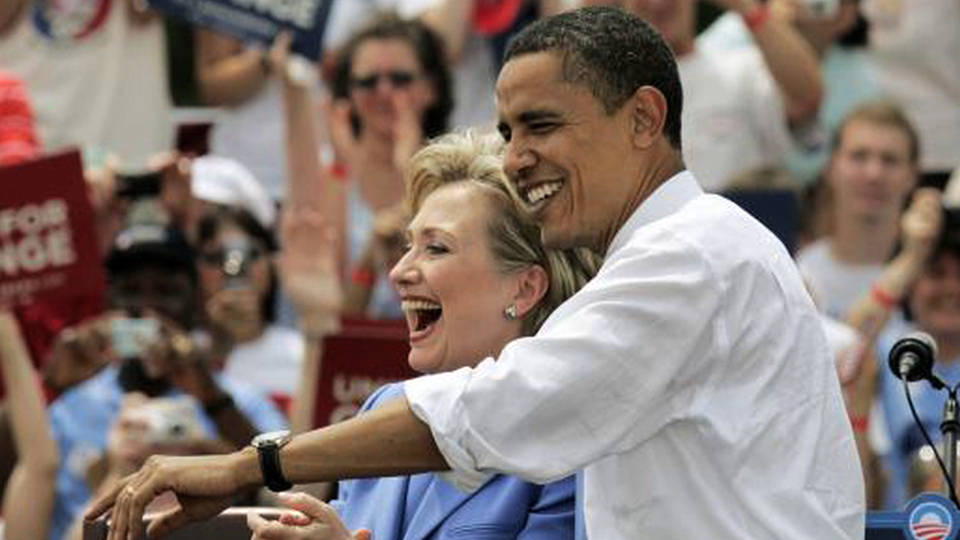
President Barack Obama formally endorsed Hillary Clinton’s White House bid on Thursday and called for Democrats to unite behind her two days after she claimed victory in the Democratic race.
President Barack Obama: "I want to congratulate Hillary Clinton on making history as the presumptive Democratic nominee for president of the United States. Look, I know how hard this job can be. That’s why I know Hillary will be so good at it. In fact, I don’t think there’s ever been someone so qualified to hold this office. She’s got the courage, the compassion and the heart to get the job done."
Obama: Bernie Sanders Has Run an "Incredible Campaign"
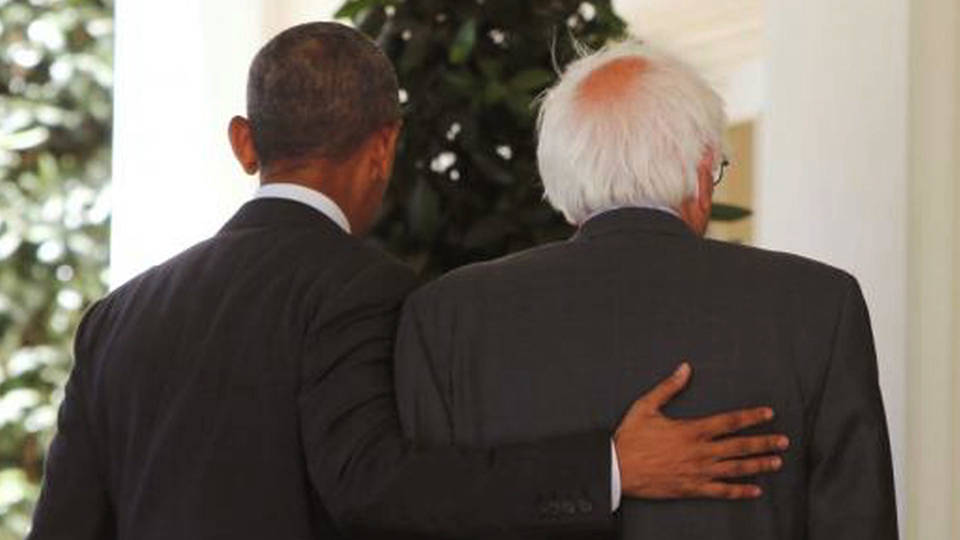
In his video endorsement of Clinton, President Obama also praised her challenger, Bernie Sanders, for bringing out millions of first-time voters.
President Barack Obama: "And a lot of that is thanks to Senator Bernie Sanders, who has run an incredible campaign. I had a great meeting with him this week, and I thanked him for shining a spotlight on issues like economic inequality and the outsize influence of money in our politics, and bringing young people into the process. Embracing that message is going to help us win in November."
Sanders Vows to Stay in Race Until the DNC in Philadelphia
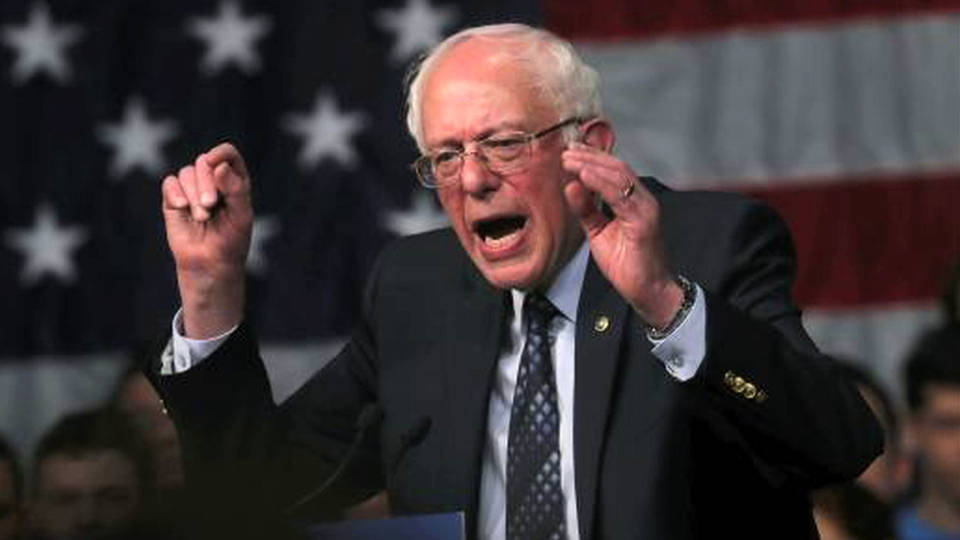
President Obama and Bernie Sanders met at the White House for about an hour on Thursday. After the White House meeting, Sanders vowed to work with Hillary Clinton to help defeat Donald Trump, but he said his campaign was not over.
Sen. Bernie Sanders: "We should not be having a situation where Wall Street, corporate America and billionaires are failing to pay their fair share of taxes. These are some of the issues that many millions of Americans have supported during my campaign. These are the issues that we will take to the Democratic National Convention in Philadelphia at the end of July."
Warren on Clinton: We Need a "Female Fighter in the Lead"
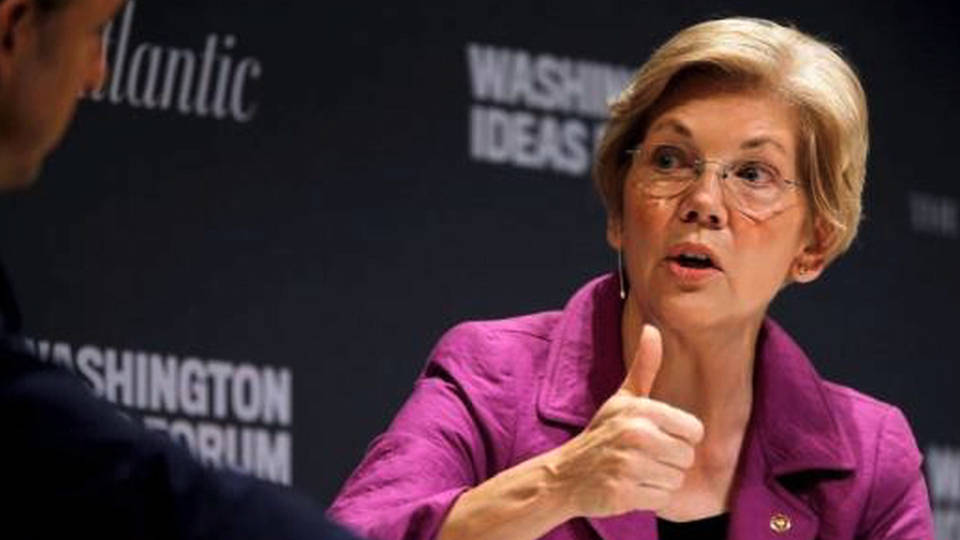
Senator Elizabeth Warren has publicly endorsed Hillary Clinton. Warren’s name has been tossed around as a possible vice-presidential candidate. Warren announced her endorsement on "The Rachel Maddow Show" last night.
Sen. Elizabeth Warren: "This is about what we need to survive. This is about whether or not we are going to have a country that just works for the Donald Trumps of the world, that just works for a handful of the largest corporations in the world, or a country that really is building an economic future for all of us. And, yes, I think having a fighter in the lead—a female fighter in the lead—is exactly what this country needs."
Earlier in the day, Elizabeth Warren called Donald Trump "a thin-skinned, racist bully."
Report: Trump Has Faced 3,500 Lawsuits, Many for Unpaid Wages
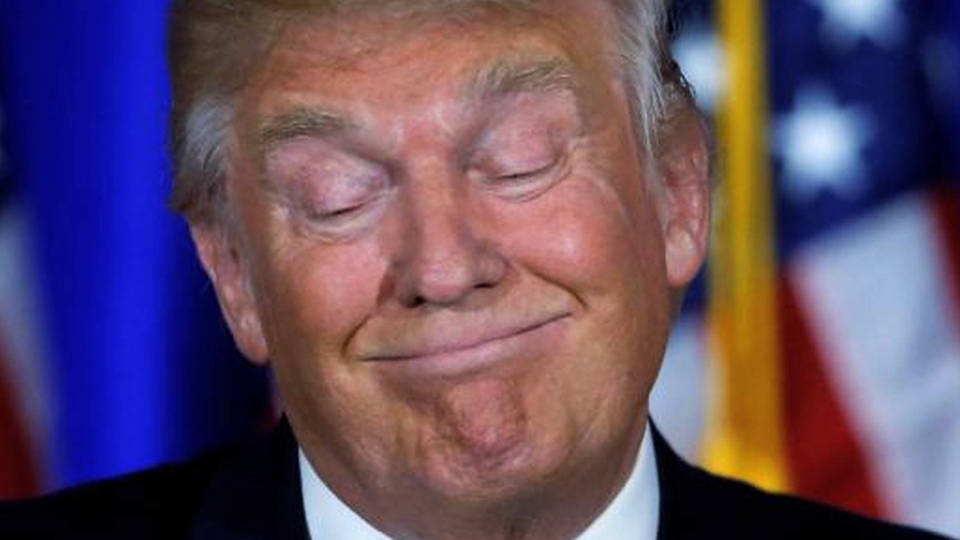
An investigation by USA Today has found that more than 3,500 lawsuits have been filed against Donald Trump and his business entities over the past 30 years. According to the paper, hundreds of former employees and contractors have accused Trump and his businesses of failing to pay them for their work. Victims have included a dishwasher in Florida, a glass company in New Jersey, a carpet company, a plumber, 48 waiters, dozens of bartenders at his resorts and clubs, and even several law firms that once represented him in these labor lawsuits. According to U.S. Department of Labor data, Trump’s companies have also been cited for 24 violations of the Fair Labor Standards Act since 2005 for failing to pay overtime or minimum wage.
WSJ: FBI Probe of Clinton Centers on Emails About CIA Drone Strikes in Pakistan
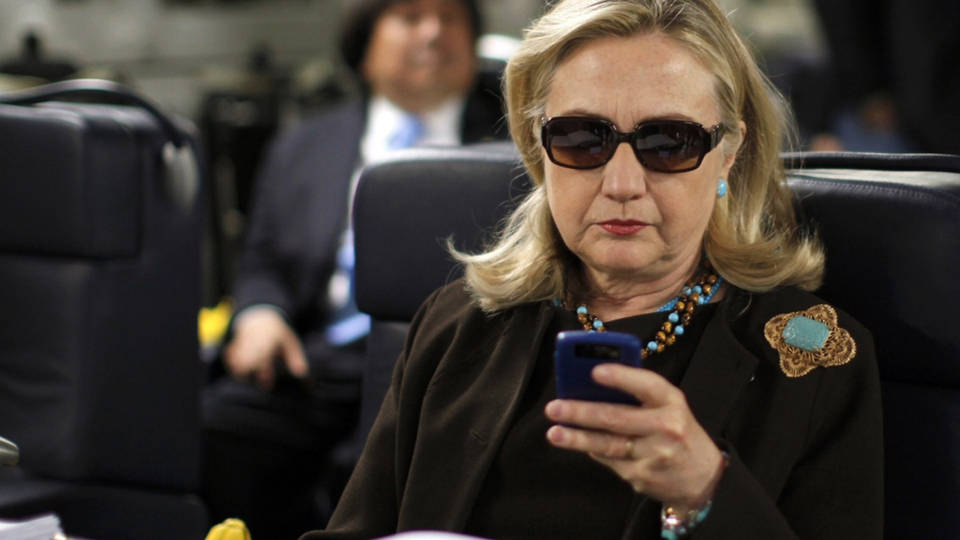
There are new developments in the FBI probe around Hillary Clinton’s use of an unsecured, private email account while she was secretary of state. The Wall Street Journal is reporting the federal probe is focusing on a series of emails from 2011 and 2012 dealing with CIA drone strikes in Pakistan. The emails were written by U.S. diplomats in Islamabad and State Department officials in Washington, and some were forwarded to Clinton’s personal, unsecured email account.
House Votes to Create Federal Board to Run Puerto Rican Economy
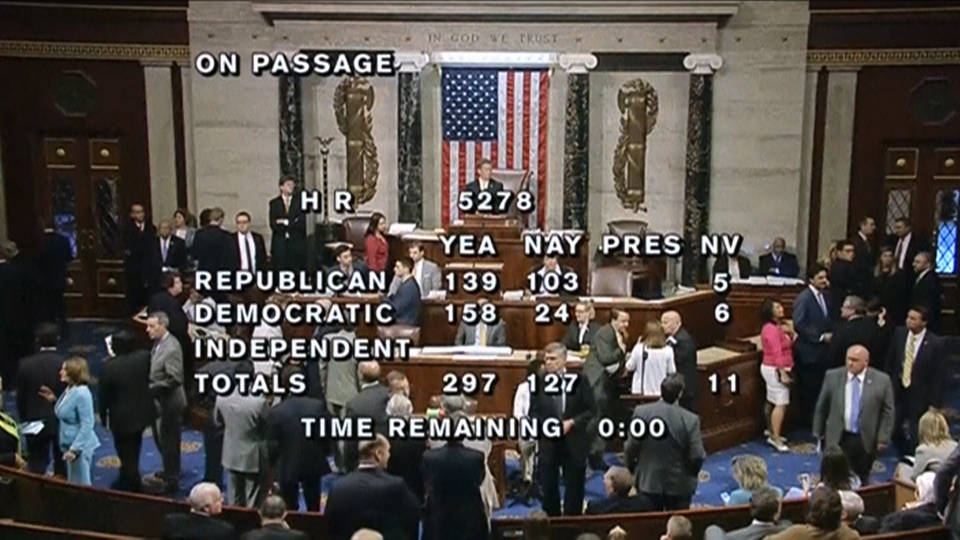
The House of Representatives voted Thursday to create a federal control board to help Puerto Rico cope with it crippling debt crisis. The bill passed by a vote of 297 to 127. The bill nows moves on to the Senate. The bill would impose a seven-member oversight board with sweeping powers to run Puerto Rico’s economy. Democratic Congressman Luis Gutiérrez spoke out against the bill.
Rep. Luis Gutiérrez: "We’re engaged today in a wholly undemocratic activity in the world’s greatest democracy. We’re debating how we will take power from the people, who are virtually powerless already. ... Think about it. You are imposing a junta—because that’s what they’re calling it. There will be no difference between this junta and the junta of Pinochet in Chile, as far as the international community is concerned."
U.N. Admits Saudi Financial Pressure Led to Removing Kingdom from List of Child Killers
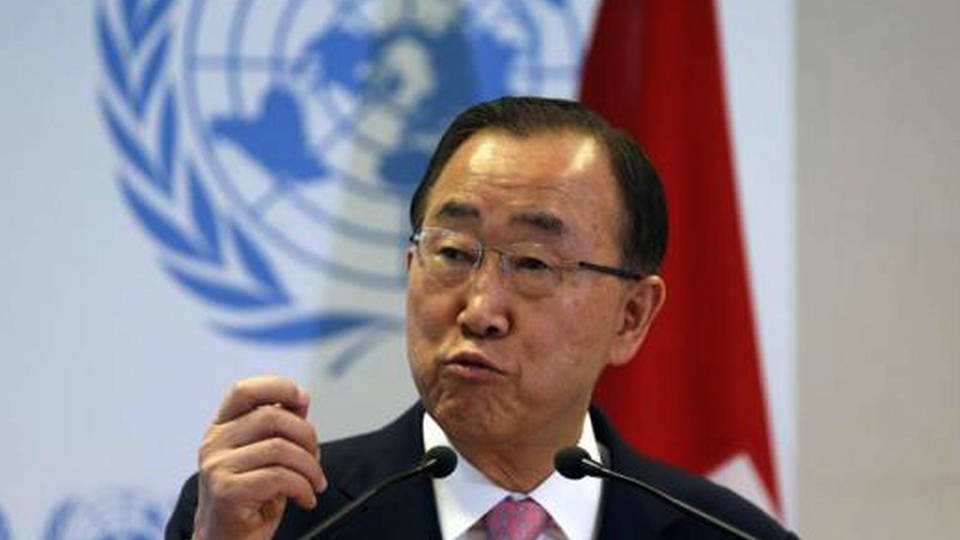
United Nations Secretary-General Ban Ki-moon has acknowledged he was coerced into removing Saudi Arabia from a blacklist of forces responsible for killing children, after the kingdom threatened to cut off funding to the U.N. An annual U.N. report found nearly 2,000 children were killed or injured in Yemen last year, a sixfold increase over the previous year. Sixty percent of those casualties were blamed on the U.S.-backed, Saudi-led coalition. Ban Ki-moon described the decision to remove the Saudi-led coalition from the blacklist as "one of the most painful and difficult decisions I have had to make."
Secretary-General Ban Ki-moon: "The report describes horrors no child should have to face. At the same time, I also had to consider the very real prospect that millions of other children would suffer grievously if, as was suggested to me, countries would defund many U.N. programs. Children already at risk in Palestine, South Sudan, Syria, Yemen and so many other places would fall further into despair. It is unacceptable for member states to exert undue pressure."
Obama Approves Widening of U.S. Airstrikes in Afghanistan Targeting Taliban
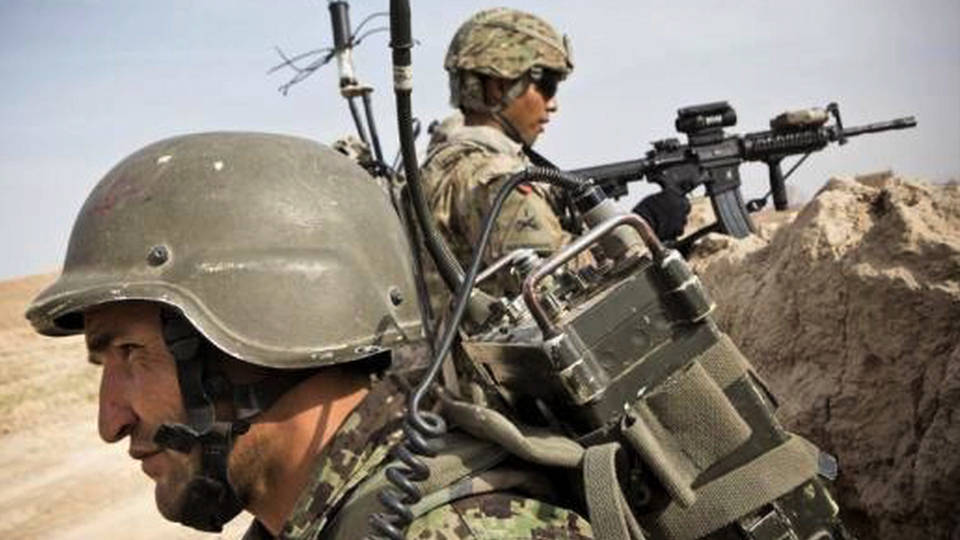
In news from Afghanistan, President Obama has approved giving the U.S. military greater ability to conduct airstrikes and assist Afghan forces fighting the Taliban. The decision came after months of debate.
Stanford Tops List of Colleges Facing Federal Probes into Sexual Violence
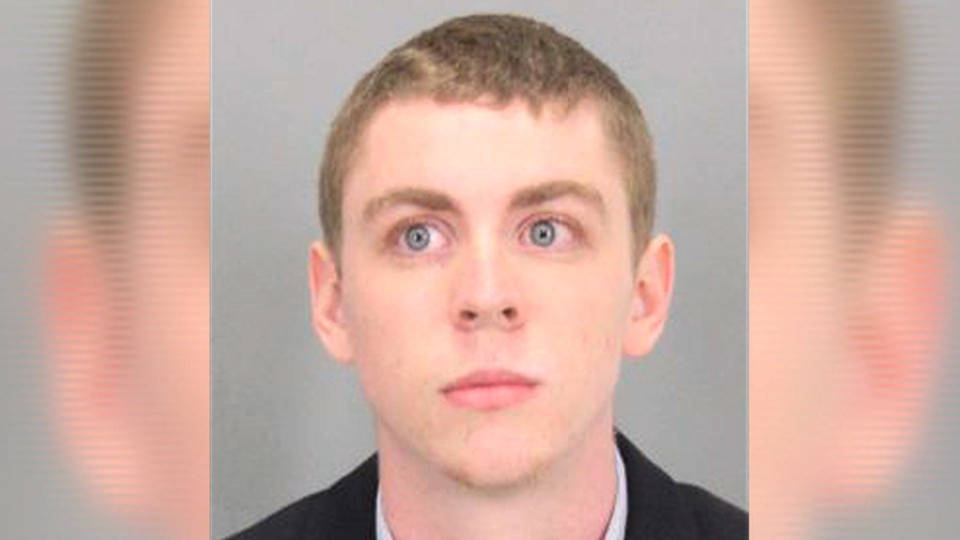
NPR is reporting the Department of Education’s Office of Civil Rights is now investigating five sexual violence cases at Stanford University—that’s more than any other school in the country. The five do not include the 2015 rape committed by star Stanford swimmer Brock Turner, which has made headlines this month after a judge sentenced him to just six months in jail for raping an unconscious woman on campus.
U.S. Appeals Court: Second Amendment Does Not Cover Concealed Guns
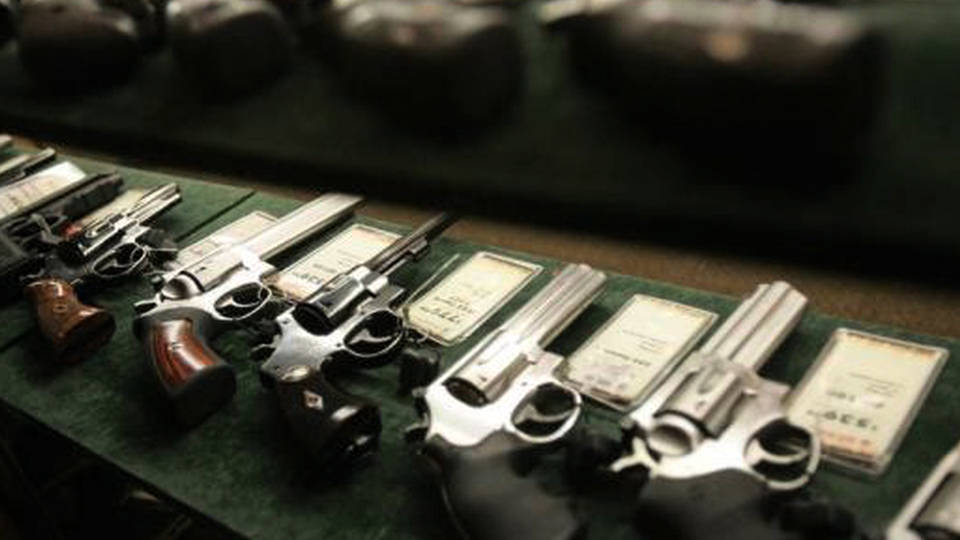
In a major gun ruling, the 9th Circuit Court of Appeals has ruled gun owners have no constitutional right to carry a concealed gun in public. In the 7-4 ruling, the court found two California counties did not violate the Second Amendment when they denied some applicants a concealed firearm license.
Baltimore Prosecutors Accuse Cop of Giving Freddie Gray a "Rough Ride" Leading to His Death
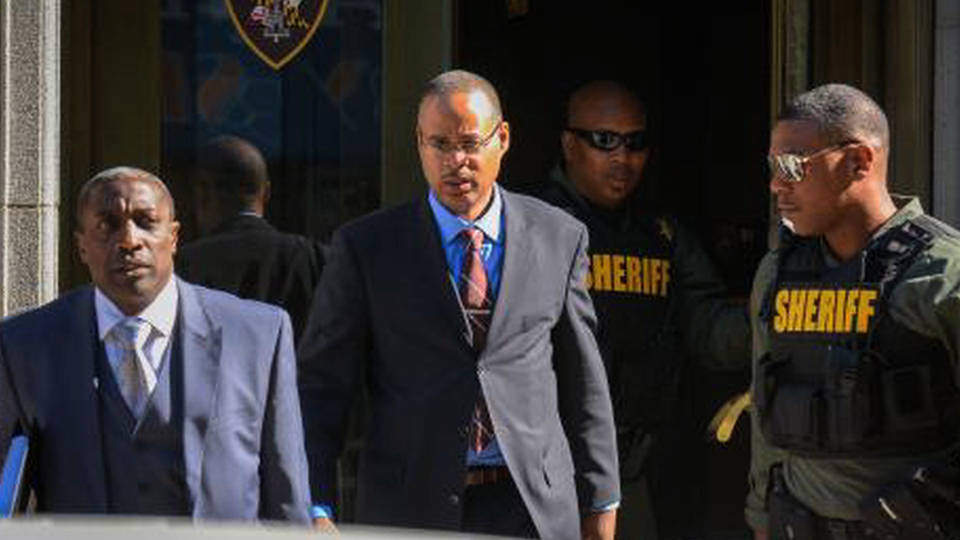
In an update on the Freddie Gray case, prosecutors have accused Baltimore police officer Caesar Goodson of fatally injuring Gray by giving him a "rough ride" in a police van. Gray died of spinal injuries last year after he was arrested and transported in the van. His death sparked a series of protests in Baltimore. Goodson, who drove the police van, is the third officer to go on trial.
WHO Advises Women in Zika-Infected Countries to Delay Pregnancies
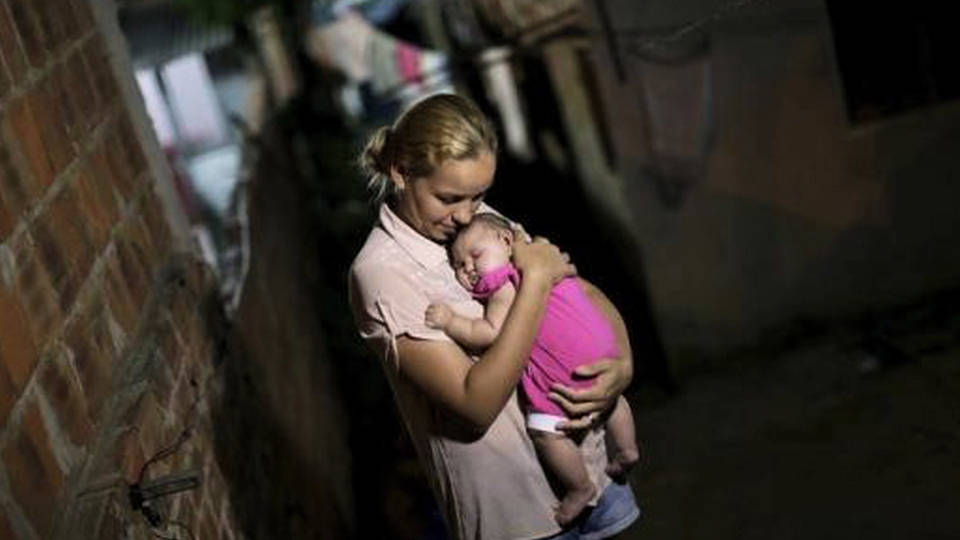
For the first time the World Health Organization is advising people living in all regions where the Zika virus has spread to consider delaying pregnancy to avoid having babies with birth defects. The advice affects millions of couples in 46 countries across Latin America and the Caribbean where Zika has been reported.
CIA Rendition Victims Speak Out After British Prosecutors Clear MI6 Officers in Torture Case
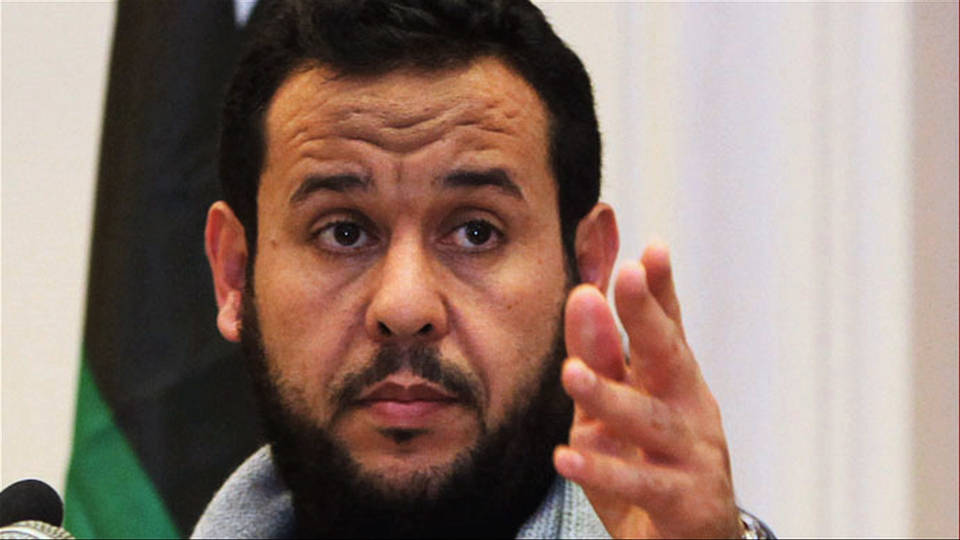
British prosecutors have announced no charges will be brought against MI6 officials who took part in a joint CIA operation targeting a Libyan dissident and his wife. In 2004, Abdul-Hakim Belhaj and his pregnant wife were secretly detained at a secretCIA prison in Thailand and then rendered to Libya, where they were jailed and tortured in one of Muammar Gaddafi’s prisons. Belhaj’s wife Fatima Boudchar spoke to theBBC.
Fatima Boudchar: "My hands and legs were tied, and my eyes were covered. They injected me with something. I didn’t know where I was going. I was six months’ pregnant. I was so scared that I was going to die."
Details of the MI6’s role in the CIA operation emerged after Human Rights Watch found documents related to the case in Libya after the fall of Gaddafi’s government.
European Parliament Urges Member States to Probe CIA Secret Prisons
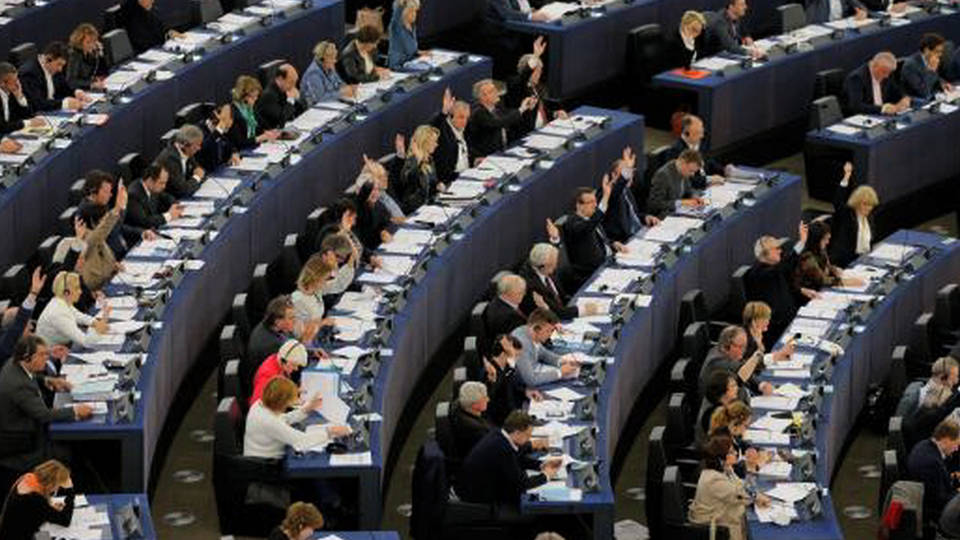
In related news, the European Parliament has passed a nonbinding resolution urging member states to investigate the CIA’s use of secret prisons inside Europe in the years after the September 11 attacks. The resolution specifically names four countries: Lithuania, Poland, Italy and Britain.
Nestlé Drops Major Penn. Water Project After Citizen Protests
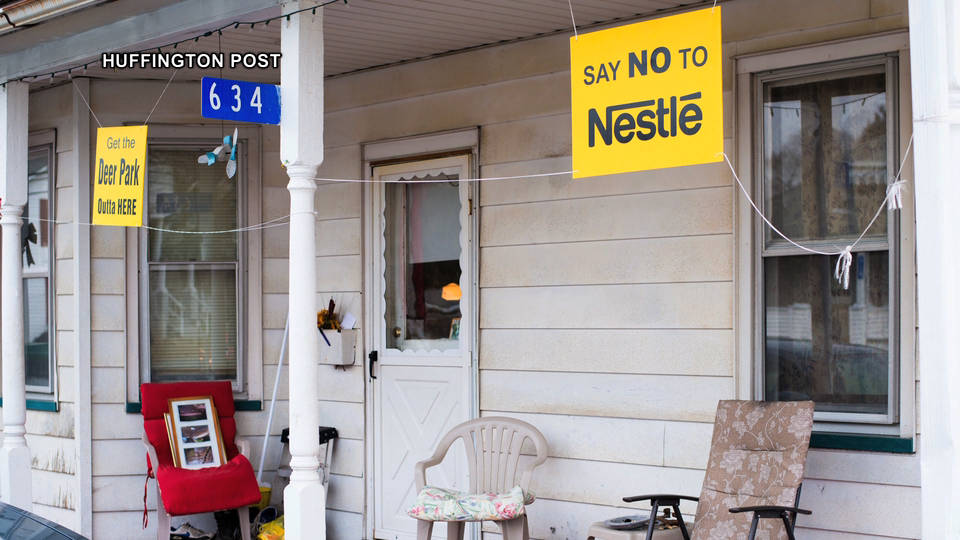
Activists in eastern Pennsylvania are claiming victory after Nestlé dropped plans to extract 200,000 gallons of water a day from a spring in Monroe County. Residents sued the water giant in January and held a series of protests.
Protesters Rally Against NY Governor's Anti-BDS Executive Action
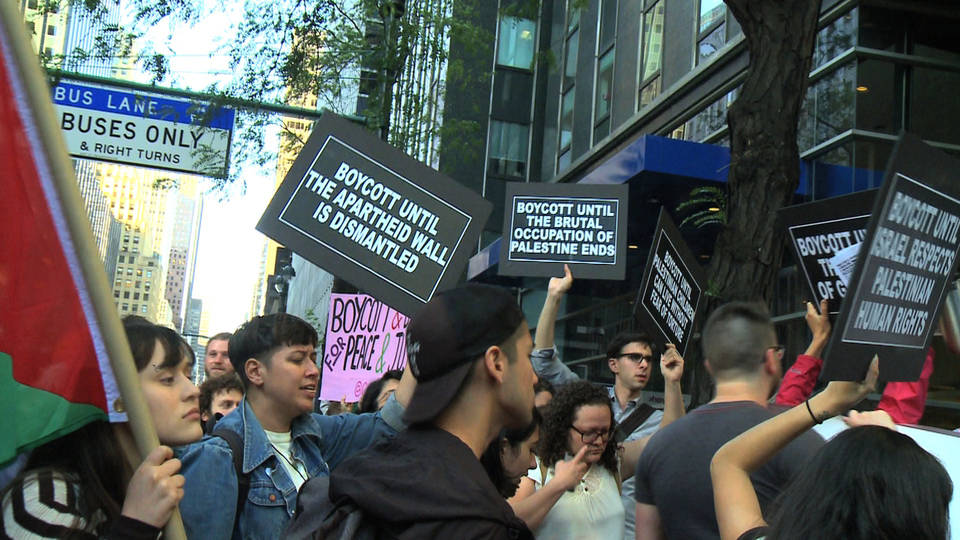
In New York, over 100 people gathered outside of Governor Andrew Cuomo’s office Thursday to protest his signing of an executive order forcing state agencies to divest from any organizations aligned with the Boycott, Divestment and Sanctions movement. BDS is an international campaign to pressure Israel to comply with international law and respect Palestinian rights. Protester Rani Allan criticized Cuomo’s order.
Rani Allan: "This order demonstrates our success as the Palestine solidarity movement. It shows that our movement has been expanding, has been getting larger, has been succeeding, has been actually putting pressure on the U.S. government and on the Israeli economy. We will continue our movement, we will continue boycotting, until we actually achieve human rights and social justice for the Palestinian people."
"Don't Give Up": A Message from Michigan Man Freed After 8 Years for Murders He Did Not Commit
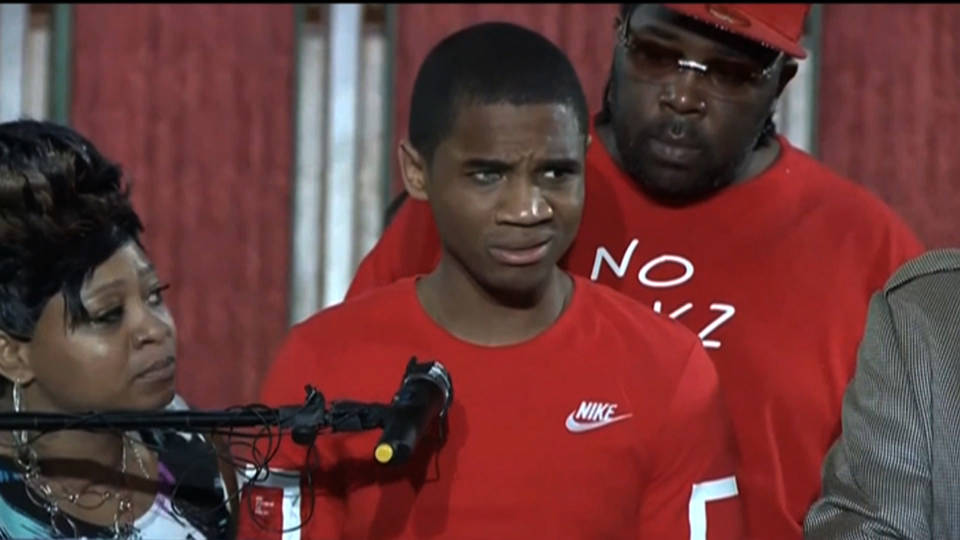
A Michigan man has been freed from prison after serving more than eight years behind for bars for murders he did not commit. Two weeks after Davontae Sanford was sentenced to 90 years in jail, a professional hit man, Vincent Smothers, confessed to the killings. But Sanford remained in jail until now. After his release, he shared a brief message to others wrongly incarcerated.
Davontae Sanford: "Keep fighting. Don’t—like, don’t give up. You know, like, you’ve got to stay strong, mentally, spiritually, emotionally. And if you know you’re in prison for something that you didn’t do, just don’t roll over. Like, don’t—like, don’t roll over. Don’t give in. Don’t let them break you."
Donate today:
Follow:


SPEAKING EVENTS

6/11 Chicago, IL
6/14 New York, NY
6/25 New York, NY
7/29 Provincetown, MA
7/30 Martha's Vineyard, MA
more
NEW BOOK

Democracy Now!: Twenty Years Covering the Movements Changing America
SPECIAL LIVE STREAM

Coming Up on Monday: Live Stream of ¡Michael Ratner, Presente! A Public Memorial
WEB EXCLUSIVE

Just Before Giving Stanford Rapist 6 Months, Judge Dealt Another Light Sentence to Domestic Abuser
WORK WITH DN!

News Producer
Office Coordinator
Senior TV Producer
207 West 25th Street, 11th Floor
New York, New York 10001, United States
---------------------
---------------------

No comments:
Post a Comment