democracynow.org
Stories:
 Standing Rock Sioux Historian: Dakota Access Co. Attack Comes on Anniversary of Whitestone Massacre
We continue our coverage of the standoff at Standing Rock, where on Saturday the Dakota Access pipeline company unleashed dogs and pepper spray on Native Americans seeking to protect a sacred tribal burial site from destruction. Just a few hours before the attack, Democracy Now! interviewed Standing Rock Sioux tribal historian LaDonna Brave Bull Allard about another attack against her tribe more than 150 years ago. On September 3, 1863, the U.S. Army massacred more than 300 members of the Standing Rock Sioux Tribe in what became known as the Whitestone massacre. LaDonna Brave Bull Allard is also one of the founders of the Sacred Stone camp, launched on her land on April 1 to resist the Dakota Access pipeline.
TRANSCRIPT
This is a rush transcript. Copy may not be in its final form.
NERMEEN SHAIKH: We turn now to the standoff at Standing Rock. On Saturday, September 3rd, the Dakota Access pipeline company unleashed dogs and pepper spray on Native Americans seeking to protect a sacred tribal burial site from destruction.
PROTESTER 1: This guy maced me in the face. Look, it’s all over my sunglasses. Just maced me in the face.
PROTESTER 2: These people are just threatening all of us with these dogs. And she, that woman over there, she was charging, and it bit somebody right in the face.
AMY GOODMAN: The dog has blood in its nose and its mouth.
PROTESTER 2: And she’s still standing here threatening us.
AMY GOODMAN: Why are you letting their—her dog go after the protesters? It’s covered in blood!
VICTOR PUERTAS: Over there, with that dog. I was like walking. Throwed the dog on me and straight, even without any warning. You know? Look at this. Look at this.
AMY GOODMAN: That dog bit you?
VICTOR PUERTAS: Yeah, the dog did it, you know? Look at this. It’s there. It’s all bleeding.
AMY GOODMAN: To see that full report of Democracy Now!, which has gone viral on Facebook, more than 11 million hits, go to democracynow.org.
Only a few hours before the attack, we sat down with Standing Rock Sioux tribal historian LaDonna Brave Bull Allard to speak about another attack against her tribe. This was more than 150 years ago. On September 3rd, 1863, the U.S. Army massacred more than 300 members of the Standing Rock Sioux Tribe in what became known as the Whitestone massacre. LaDonna Brave Bull Allard is not only the tribal historian, she’s also one of the founders of the Sacred Stone Camp, launched on her land April 1st to resist the Dakota Access pipeline. We met her this past Saturday on her property at the Sacred Stone Camp.
AMY GOODMAN: We just came from the main camp, and there was a yellow helicopter hovering overhead. What about the militarization of the area, LaDonna?
LADONNA BRAVE BULL ALLARD: So, from the time we started the camp, April 1st, the helicopters and the planes, low-flying planes, have been here almost daily on a routine. We have the drones that come in in the evening. We know they are in full array, because they come in at night. They come through the whole camp. And when the people were gathering, the planes were numerous here, the helicopters are numerous here. We have been under surveillance. Right now, today, we have four large boats out in the river over by the access site. And, of course, with the blockades that we are suffering, the governor of North Dakota wants to put an economic condition on us. If he stops the economics here—
AMY GOODMAN: You mean like an embargo?
LADONNA BRAVE BULL ALLARD: Yes, to have the roads blocked off.
AMY GOODMAN: Oh, an economic blockade.
LADONNA BRAVE BULL ALLARD: Yeah. So the roads are blocked off, and nobody is allowed access down here. So, we have to take an alternate route to make it here. We have police everywhere, that are racial-profiling, because a non-Indian can go through, we cannot. And everybody here understands the drones. So what we’ve been doing is recording the times and dates of each drone and each helicopter as they come through. And we already know their patterns. They’ve been here so much. And we know they’re photographing the whole area. When we had the road grader down here trying to grade the road, they were like massive. The helicopters, the planes and the drones were all sent in, all to see: What are those Indians doing? Although we were just fixing the road.
AMY GOODMAN: Why don’t we sit down and talk about your family history here? Your family has been here for generations?
LADONNA BRAVE BULL ALLARD: Yes, my family has been here since 1873, when we were brought across from the east side of the river. My name is LaDonna Brave Bull Allard. My real name is Ta Maka Waste Win, Her Good Earth Woman. I am Ihunktonwan, Hunkpatina and Pabaska Dakota on my father’s side. I am Hunkpapa, Sihasapa and Oglala Lakota on my mother’s side. So, I’m Lakota-Dakota, but I was raised Dakota. It’s—I know the outside world probably doesn’t understand that, but we understand it here. And I am an enrolled member of the Standing Rock Sioux Tribe. I am the historian and genealogist. I work for Tribal Historic Preservation Office as Section 106 coordinator.
AMY GOODMAN: We’re actually speaking on September 3rd, the weekend of Labor Day. And this is a very important anniversary.
LADONNA BRAVE BULL ALLARD: I didn’t even know it was Labor Day. This is September 3rd. A hundred and fifty-three years ago—fifty-two years ago, the Whitestone massacre happened, which the people in this community, the Cannon Ball community, are from, descendants of that massacre. We are the survivors of that massacre. One of the things that, you know, I always say is, this massacre happened, America forgot they killed us. And we have just—spending this time trying to figure out how to survive. So, we were the wrong Indians that they killed at that time. The Dakota Wars were happening in 1863. And so the government put up these armed forces to go after the Isanti, the Santee, and so they put this military action together.
On the morning of September 3rd, our people were gathered, as we do every year at this time. We gather because it’s harvest time. The fruit and vegetables are ready. It is a time when we are doing the buffalo call, and we have ceremonies to call the buffaloes for the people to come to hunt, so that we can prepare the meat for winter. So this is what was happening at Whitestone at that time. And so, we have a large gathering of 4,000 people. And I think that’s kind of unique. There’s almost 4,000 people here. And so, we had all of these communities coming in together to go into this trade. And as people are preparing buffalo hides and getting dry meat ready, they are also visiting, making relatives, having marriages. All of these things are happening in this camp. And so, they say the soldiers are coming. And our leaders said, "We have never had an argument with the white people. We have only been at peace. We do not have a treaty with them." And so, our people got together and said, "We heard that if you take a white flag, they will honor that to talk with us." So they took a white flour sack, and they put it on a stick, and our leaders all went out into the soldiers to say they wanted to talk.
AMY GOODMAN: Your grandfather was one of them?
LADONNA BRAVE BULL ALLARD: Yes. So my grandfather was a medicine man. His name was Tatanka Ohikita, Brave Buffalo. So, Brave Buffalo was among them, with the chiefs. They went out to talk to the soldiers. The soldiers surrounded them and took them as a prisoners of war and cordoned them off from their people. And so, the people were watching. And just like we are taught, automatically, if there is an enemy coming in, we gather all the children in the center, all the women. People were starting to tear down their lodges. People were trying to move in the chaos. So the first things the women did is they tied the babies to the dogs, they tied the children to the horses, and they shooed the dogs and the horses out of the camp. And then they gathered what they could, and they started running.
Well, at the camp, at Whitestone, they came down, and there’s this ravine. And so the people started making their way down to the ravine. And it’s kind of bizarre to us that these soldiers came in just as the sun was going down. And so, they were going to the ravine. And the soldiers came on this top of the ravine and this top of the ravine, and started shooting the women and children in the ravine. And one of the—one of our soldiers went out in front and broke the open, so that people can continue running. So, as night is falling, my grandma, Nape Hota Win, Grey Hand, she was running, and, she said, all of a sudden she had a sharp pain in her hip, and she fell down.
AMY GOODMAN: She was a child.
LADONNA BRAVE BULL ALLARD: Yeah, she was nine years old. And she laid on that ground, and she spent the night calling, "Ina! Ina!" or "Mom! Mom!" with no answer. Everywhere, she could hear the crying and screams, the songs of people dying. And as the sun came over and she could see everything that was happening, two of the soldiers came and grabbed her and threw her in the back of a buckboard. I am unsure of why that happened, because they went around, and they killed the other wounded. Why they did not kill my grandmother, I do not know.
So she laid in the buckboard as she watched the soldiers come and start killing the dogs and the babies, killing the horses, killing the wounded. They gathered up all of our property—the tents, the meat, the hides, everything we own. And we had one section of soldiers sitting down there poking holes in the bottom of our pots. And they gathered all that, and they started this great big fire, burning all our food, our homes, everything. They said that there was so much buffalo meat that they burned, that tallow ran down like rivers out into the creeks. And the people ran. For three to four days they ran, as the soldiers continued to chase and kill them. Part of our people came across here. This used to be a narrow crossing, where they crossed. And they crossed over on this side of the river to get from the soldiers.
And one of the things that we always say at this massacre is they forgot they killed us, and we weren’t even the right Indians. So, they rounded up our chiefs. They escorted them, force-marched them to the river. They put them on boats, and they took the people to the prisoner-of-war camps down in Crow Creek. And my grandmother was one of them, that went to the prisoner-of-war camps. And you would have to go do the research about the horrifying things that happened at the prisoner-of-war camps.
But they released us in 1870, and we came back to the east side of the river and started our homes. The Army came in, in 1873, and rounded up our people and brought us to this side of the river. And when they did that, we figured, OK, we can start our lives. We can do this again. So our people started the communities. They started living again. And my grandma told me that in the 1940s we were self-sufficient. We planted our own gardens. We owned our own cattle. Everybody and every community, we owned our own homes.
And then, in 1948, the government made the Pick-Sloan Act, which is the Army Corps. And the Army Corps decided to build a dam above us and build a dam below us. So, Oahe Dam is below us, Sakakawea Dam is above us. And they designated us as a reservoir. And so, they came, and they moved our people out of their homes. They took our homes. They moved them up into the communities and put in these low-income housing. And—
AMY GOODMAN: You lost millions of acres?
LADONNA BRAVE BULL ALLARD: Yes. We lost—
AMY GOODMAN: From the reservation.
LADONNA BRAVE BULL ALLARD: We lost whole communities. Whole communities had to move. And so, I think, with the people—and, you know, somebody said, "Well, did your grandparents go?" No, I went through this. I lived here. I remember the trees and the forest. I remember coming down and collecting water to drink from this river. We would come down and haul water up to the house. We drank this water. We lived with this water. We had huge gardens here. This is me. This is not something long time ago. This is me who lived through this.
And so, they came, and they flooded it. They took all our trees, all our forest, when they flooded us. They took all of our medicines, our plants, the things that we survive in. And so, if you talk to the people that are my age and older, you can hear the grief in our voice, because we still grieve for the loss of this land. And they moved us on top of the hills, where it is more of a clay-based soil, so we could no longer grow gardens, we could no longer plant trees, we could no longer do the things that we did.
Then they put them in communities where people were not used to living. And so we have these housing projects now, of low-income housing, where they could not own. So our communities changed drastically. But we figured, "We can do this. We can survive." So everybody came. At that time—and I don’t know if people understand, at that time, when the Army Corps came in, we had businesses. We had stores. We have restaurants. We had—the Army Corps and the government bought out all these businesses, and they never came back and redeveloped again. So we don’t have infrastructure anymore. We don’t have the gas stations and the stores and stuff. We’ve got to travel to Bismarck, Mandan or to Mobridge. So, they took our economic infrastructure from us.
So, we started again. Indian people, we have a system. We’re communal people, so everybody shares what we have. And so, we started again. And so, we’re trying to survive. We’re trying to live our lives. We are very proud of the fact that our people have fought in all the wars. Each of us, every year, get up and stand up and say our families’ military history. My grandfather was a Lakota code talker. He won the Silver Medal for World War I, when we were not U.S. citizens. My uncle John is World War II. My father is Korean War. My brothers are Vietnam. And all of my cousins are in every action that has happened thereafter. We hold some of the highest medals of honor. And so, we thought we were doing the best we can with America.
And so, when they told us that they were putting this pipeline in, but refusing to acknowledge us—if you look at the Dakota Access maps, they don’t even acknowledge our nation. We are not black—we are not blacked out, like some people make maps, and they do the reservation boundaries. We’re not even in there. They said they did not have to consult with us. That pipeline is 500 feet from our reservation line. When that pipeline breaks—and it will break—it will hit Early Head Start children in two seconds. It will take out our elementary in five seconds. In 45 minutes, it will take out our major water intake that feeds water to all the people here.
I don’t understand why we are expendable in America. I keep telling people, we do our best. We have always been here. This is our land. Why should we fight to live on our own land? Why should we have to do that over and over again? We start our lives. We do our best to live. Why? I would never hurt anybody. I have always done my best to do good things in my community. Why can’t they just let us live? We love this land. And half of the time I feel bad, because they make us feel bad for loving this land.
But most important, we love the water. Every year, our people sacrifice. We go four days without drinking water, so that it reminds us how important this water is. And I ask everybody: Do you go four days without water? What happens to your body on that third day? Your body starts shutting down. So, we remind ourselves every day how important. We say mini wic’oni, water of life. Every time we drink water, we say mini wic’oni, water of life. We cannot live without water. So I don’t understand why America doesn’t understand how important water is. So we have no choice. We have to stand. No matter what happens, we have to stand to save the water.
AMY GOODMAN: LaDonna Brave Bull Allard, tribal historian for the Standing Rock Sioux, speaking to us on the morning of September 3rd, the day the Dakota Access company unleashed dogs and pepper spray against Native American land defenders, biting a number of them. It was also the 153rd anniversary of the Whitestone massacre, when the U.S. Army killed 300 members of the Standing Rock Sioux Nation.
That does it for our show. Nermeen Shaikh and I will be speaking at the Toronto International Film Festival this Friday night and Saturday. Check our website, democracynow.org, for details.
... Read More → Leading Economists Oppose TPP Provision Giving Corporations Upper Hand in Investor-State Disputes
As the Obama administration begins a new push to approve the Trans-Pacific Partnership, known as the TPP, more than 200 of the country’s leading economists and legal scholars have written a letter urging Congress to reject the 12-nation trade pact, citing its controversial investor-state dispute settlement. Critics say the so-called ISDS regime creates a parallel legal system granting multinational corporations undue power. We speak with Lori Wallach, director of Public Citizen’s Global Trade Watch. "This is an agreement so repugnant that members of Congress do not want to vote for it," says Lori Wallach.
TRANSCRIPT
This is a rush transcript. Copy may not be in its final form.
NERMEEN SHAIKH: We turn now to the Obama administration’s new push to approve the Trans-Pacific Partnership, known as the TPP. This comes as more than 200 of the country’s leading economic and legal scholars have written a letter to Congress urging them to reject the trade pact, citing its controversial investor-state dispute settlement, the so-called ISDS regime. Critics say the provision creates a parallel legal system granting multinational corporations undue power.
The letter states, quote, "[F]oreign corporations can succeed in lawsuits before ISDS tribunals even when domestic law would have clearly led to the rejection of those companies’ claims." Among the letter’s signatories is Obama’s Harvard Law School mentor, professor Laurence Tribe. Senator Elizabeth Warren, an early opponent of the deal, said of ISDS, quote, "This provision empowers companies to challenge laws and regulations they don’t like, with friendly corporate lawyers instead of judges deciding their disputes. Congress should not approve a TPP agreement that includes ISDS."
Speaking in Laos on Wednesday, President Obama said the deal should be approved.
PRESIDENT BARACK OBAMA: On the merits, it is smart for America to do it. And I have yet to hear a persuasive argument from the left or the right as to why we wouldn’t want to create a trade framework that raises labor standards, raises environmental standards, protects intellectual property, levels the playing field for U.S. businesses, brings down tariffs. It is indisputable that it would create a better deal for us than the status quo.
AMY GOODMAN: That statement, that he made in China, before going to Laos, where he made a similar one. The Trans-Pacific Partnership is a massive proposed trade deal that would encompass 12 Pacific Rim nations, including the U.S., and 40 percent of the global economy. U.S. presidential nominees Hillary Clinton, Donald Trump and Dr. Jill Stein have all said they oppose the TPP. The deal has faced years of public protest by those who say it benefits corporations at the expense of health and environmental regulations.
To talk more about the TPP, we’re joined by Lori Wallach, director of Public Citizen’s Global Trade Watch, author of The Rise and Fall of Fast Track Trade Authority.
Lori, welcome back to Democracy Now! So here you have President Obama in China saying neither the left nor the right has ever convinced me, made a good argument for why this should not be approved. Your response?
LORI WALLACH: Elizabeth Warren and over 200 of our leading—our nation’s leading economics and law professors made a very compelling argument. With the—were the TPP to go into place, literally thousands of multinational corporations would be newly empowered to be able to sue the U.S. government, in front of panels of three corporate attorneys, who could order the government to pay unlimited sums, including for those corporations’ expected future profits, paid by us taxpayers, and all the corporations would have to do is convince those lawyers that some U.S. federal, state, local law, regulation, court ruling, government action undermines the new rights and privileges that the TPP would grant them. And there is no appeal from these panels; these lawyers decide. And there’s no limit on how much they can order taxpayers to pay.
And if the TPP were to go into effect, literally overnight the U.S. liability to face those attacks by multinational corporations would double. There would be 9,000 new companies, who currently have no ability to do this, from the big Japanese manufacturing and financial firms to the Australian financial and mining companies and timber companies, that are all over the U.S. If you go to TradeWatch.org, we have a map with all of those companies, and you can click and see, look, here’s a company that would newly be empowered. So that is the answer to President Obama. Nine thousand multinational corporations that newly could attack our laws, raid our treasury, undermine our health and safety.
AMY GOODMAN: Lori, can you talk about Harvard law professor Laurence Tribe—he’s one of the signatories to the letter—and his relationship with President Obama?
LORI WALLACH: Well, often, President Obama describes Larry Tribe, who I also had for constitutional law at Harvard Law School, as his mentor. And Professor Tribe was one of the eminent signatories of this letter. And he was—he was joined by other very prominent legal scholars in basically saying—many of them, by the way, including the economics professors, who are supporters of free trade—and they’re all saying, whatever you think of trade, the fact that the TPP includes this outrageous system that would empower multinational corporations to skirt our domestic law system, second-guess even our Supreme Court, raid our treasury, over policies that our courts, our Congress have said are totally fine, this alone makes the TPP unacceptable, whatever else you think about the other arguments made in its favor. And so, the fact that Professor Tribe, who obviously President Obama respects, is part of this demand to Congress to oppose the TPP is important.
And this letter follows up on a letter last year, with fewer bigwigs signed onto it, but just the same, a letter that had a lot of law professors saying, "Listen, we are against the ISDS. Take it out of the TPP, so we don’t have a problem with your agreement." And, of course, the president, as you’ll recall, was extremely dismissive and scornful about that letter, said, "They’re making stuff up, and they’re absolutely wrong," and so left this horrible corporate regime in the agreement. It’s at the heart of the agreement. It is the key in the agreement. And now all these professors are against.
NERMEEN SHAIKH: Could you talk about, Lori Wallach, the timing of this letter and what you think the likely impact will be?
LORI WALLACH: So, what is extremely perverse, and as economics professor Sachs, who was on a press call yesterday with Senator Warren and other signatories, said, was right now you have the president and the Cabinet officials and Vice President Biden running around pushing TPP, in conflict with and to the peril of, some would argue, the election goals of Hillary Clinton. And her prospects for winning in certain states where these issues are very important, the lines are being blurred. But also, many congressional and Senate candidates are also running strongly against the TPP, and the president is right now prioritizing, trying to get a vote after the election, in the lame-duck period. And this should be a signal to almost every American what’s up here. This is an agreement so repugnant that members of Congress do not want to vote for it. Even the ones who support it, for the corporations, do not want it on their record before an election.
So, as Americans, we all have to think, "What does that mean for us? What does that mean is our duty?" Our duty is to get every member of Congress, before the election, to tell us what is their position on TPP. The only way there isn’t a vote in the lame-duck period, after the election, when the retired and the newly fired get to come back, unaccountable to you, the voter, and have a vote, is if we get them on the record publicly now, and particularly your House members. Find your House members. They will be back all of October up until the election, but every weekend in September they’re going to be there, and they’re going to be there for long weekends, because it’s election season, doing public events. We have to get them to eyeball us and say what their position is, get them to say they’re against the TPP. That is the only way there will not be a vote passing this agreement, slimy style, in the lame-duck.
AMY GOODMAN: Senator Tim Kaine’s position? Has he been asked specifically about this, whether he would vote in the lame-duck?
LORI WALLACH: Well, what’s fascinating is, of course, Senator Kaine voted for the authority, fast track, to have the TPP negotiated. And he was asked, shortly after being selected by Clinton, what’s his position on TPP, because he is a big free trader. And what he said is pretty much what the law professors said yesterday, which is, "There are some things in there I’m happy with. I think they’re good ideas about having this kind of agreement. But I cannot live with the investor-state corporate tribunals." The dispute system, as he called it, in there is not acceptable to him.
AMY GOODMAN: Can that be taken out?
LORI WALLACH: Well, that’s what’s interesting. So, Secretary Clinton has said that she doesn’t support the TPP, and there are five things she said would have to be altered. And the TPP’s investor-state system is really sort of its heart. So, yes, it could be taken out. And some of the other things that she had mentioned are the big goodies the corporations want. So, yes, there could be a real, honest-to-God trade agreement that’s about cutting border taxes, that hasn’t become hijacked by all this other corporate garbage. That’s an agreement I suspect wouldn’t face a lot of opposition.
AMY GOODMAN: What would that take?
LORI WALLACH: But that would be something very different. That would be a very different agreement than what is the TPP.
AMY GOODMAN: And finally, were you surprised by President Obama using, well, his trip to China for G20, Laos for the Southeast Asian Nations summit, to push so hard for TPP? Does this signify something to you?
LORI WALLACH: Well, on the one hand, it signifies what all the polling shows, which is the TPP is super-unpopular in the U.S., and majorities of Democrats and Republicans don’t like it, so I guess maybe he’s going to get a more welcome greeting pushing the TPP someplace in Asia. But—but it also shows to me how dead serious he is about pushing this thing.
So, we’ve seen some of the Republican congressional leaders who are negotiating to get Obama to make certain changes in the agreement for their different corporate donors, and they’ve been saying things like, "Oh, we’re not going to have a vote." Folks, don’t believe that for two seconds. That’s negotiating. That is negotiating. The fact that the Cabinet was fanned out during August recess across the country, crossing paths with Democrats who are trying to get elected, undermining their saying they’re against TPP by saying the top Democrat’s for TPP, and that all the corporations are starting to throw money into it—and today, this very day, there’s a meeting at the White House that they’ve called in all the corporate lobbies to gear up for a fight for TPP in the lame-duck. This fight is on.
And the only way we, the people, are going to stop TPP, which we’ve gotten very close to doing, against all odds, against all that power, is we must find every member of the House of Representatives—wherever you live, look in the blue pages, call their offices and find out when they have open houses. Ask where you can meet your member of Congress in your area. They are doing lots of public events. They’re all up for re-election. It’s House members that count. Go shake their hands in the parade. Don’t let go until you get them to eyeball you and say they will vote no on the TPP.
AMY GOODMAN: Lori Wallach—
LORI WALLACH: We have to do it before the election.
AMY GOODMAN: We’re going to have to leave it there, director of Public Citizen’s Global Trade Watch, author of The Rise and Fall of Fast Track Trade Authority.
This is Democracy Now! When we come back, the standoff at Standing Rock. Stay with us. ... Read More →
 "Millions of People in Laos Still Live in Fear" as Obama Pledges $90 Million to Clean Up U.S. Bombs
As President Obama becomes the first American president to visit Laos, we look at the legacy of the U.S. bombing campaign there during the war on Vietnam. The U.S. dropped at least 2 million tons of bombs on Laos. That’s the equivalent of one planeload every eight minutes, 24 hours a day, for nine years. Experts estimate that Laos is now littered with as many as 80 million bomblets—the baseball-sized bombs found inside cluster bombs. This week, Obama pledged $90 million to help clear Laos of the unexploded U.S. munitions. We feature excerpts from our interview with a Laotian bomb accident survivor and victim assistance advocate, and speak with Karen Coates and Jerry Redfern, co-authors of the book "Eternal Harvest: The Legacy of American Bombs in Laos."
TRANSCRIPT
This is a rush transcript. Copy may not be in its final form.
NERMEEN SHAIKH: We begin today’s show with President Obama’s historic trip to Laos, the first trip there by a sitting U.S. president. Obama has so far refused to issue a formal apology for the secret U.S. bombing campaign in Laos during its war on Vietnam. From June 1964 to March 1973, the U.S. dropped at least 2 million tons of bombs on the small, landlocked Southeast Asian country in what would become the largest bombing campaign in history. That’s the equivalent of one planeload every eight minutes, 24 hours a day, for nine years—more than were dropped on Germany and Japan during World War II. Laos authorities say as many as one-third of these bombs did not explode at the time. This week, Obama pledged $90 million to help clear Laos of the unexploded U.S. bombs.
PRESIDENT BARACK OBAMA: For the United dates, one of the wars from our history is the conflict called the Vietnam War. It’s a long and complicated conflict that took the lives of many brave young Americans. But we also know that despite its American name, what we call it, this war was not contained to Vietnam. It included many years of fighting and bombing in Cambodia and here in Laos. But for all those years in the 1960s and '70s, America's intervention here in Laos was a secret to the American people, who were separated by vast distances and a Pacific Ocean, and there was no internet, and information didn’t flow as easily. For the people of Laos, obviously, this war was no secret. Over the course of roughly a decade, the United States dropped more bombs on Laos than Germany and Japan during World War II. Some 270 million cluster bomblets were dropped on this country.
AMY GOODMAN: Experts estimate Laos is littered with as many as 80 million "bombies," or bomblets—baseball-sized bombs found inside cluster bombs. Well, since the bombing stopped over four decades ago, tens of thousands of people have been injured or killed as a result. In 2013, Democracy Now! spoke to Thoummy Silamphan, a bomb accident survivor and victim assistance advocate. He explained how a bomb exploded when he was an eight-year-old child collecting bamboo shoots.
THOUMMY SILAMPHAN: One day, I needed to find some bamboo shoots for to feed my family, to make soup. So—and when I saw the bamboo shoots, and I tried to dig into bamboo shoots. After that, the bombie explode to me.
AMY GOODMAN: What you call a "bombie," like a bomblet, exploded?
THOUMMY SILAMPHAN: Yes, because at that time in my village or in those areas, we have a lot of the bombing, and we don’t know the bomb under ground. And when we’re digging for bamboo shoots, and then the UXO explode to me, yeah. And it get—I lost my left hand. And that time, it’s very, very difficult for me to continue my life.
AMY GOODMAN: For more on Laos, we go to Albuquerque, New Mexico, where we’re joined by Karen Coates and Jerry Redfern. They are co-authors of the book Eternal Harvest: The Legacy of American Bombs in Laos. They’re both senior fellows at the Schuster Institute for Investigative Journalism at Brandeis University. Their new piece for Medium.com is titled "Obama’s $90 Million for Bomb Clearance in Laos: It’s Not Enough."
Karen Coates and Jerry Redfern, welcome to Democracy Now! Welcome back. Jerry, let’s begin with you. Your response to the $90 million that President Obama has pledged to help Laos clear itself of these unexploded bombs?
JERRY REDFERN: First off, I’d like to thank you for having us back on, and good morning to both you, Amy, and Nermeen. The $90 million that Obama pledged, at first, sounds like a lot, but really, when you run the math and do the numbers, you see that it’s actually a fairly nominal increase in the overall spending that America has been spending for the last several years for cleaning up the problem in Laos. And when you put it in context of the amount of UXO, the amount of unexploded ordnance, that remains in the ground and in Laos at this point, it’s really a fairly small amount.
NERMEEN SHAIKH: And could you specify, Jerry, how much, as a percentage, of these bombs have already been cleared?
JERRY REDFERN: Nobody knows. That’s kind of the problem. The numbers that everybody talks about, and that you brought up, they’re accurate as far as we know. That said, we also know that that is the low estimate of it. The 580,000 missions, we know that there were many more. The records that the 580,000 missions came from were incomplete; large parts of the data source originally were destroyed and are missing. And we also know that large numbers of airplanes that were sent to do bombing runs in Vietnam, for example, came back over Laos to bases in Thailand and, on their way back, would randomly drop their loads in Laos. And we have no records whatsoever of those loads that were dropped. So we don’t actually know how much was dropped in the first place. We know it’s more than the numbers that we talk about. So, we can’t say, as a percentage, at all, how much has been cleared to this point. To this point, in terms of land in Laos, roughly 1 percent of what they think, of what many experts believe, to be the contaminated area in Laos has been cleared at this point.
AMY GOODMAN: In 2013, Democracy Now! spoke to Manixia Thor, who leads an all-women bomb clearance team in Laos. She explained what her work entails.
MANIXIA THOR: [translated] So, every day, as an all-female demining team, we go out and we dig and try to find bomblets on land where people live and farm and work. So, she’s just emphasizing the importance of the job and the importance of clearance, because it’s people’s livelihoods and it’s people’s lives. If they don’t work the land, they don’t eat.
AMY GOODMAN: How did you choose to do this? This is an incredibly dangerous job.
MANIXIA THOR: [translated] It’s very dangerous. I’m afraid. Other people are afraid. And so this work is necessary, because there are so many bomblets, and it’s so dangerous for the people in the country. And so it’s necessary work.
AMY GOODMAN: I asked Manixia Thor what message she has for Americans.
MANIXIA THOR: [translated] Yeah, this is an opportunity to tell the American people about what is going on in my country and the problem of UXO. The war might have ended 40 years ago, but for the people of Laos, it really hasn’t. And it’s still very alive for many of us in Lao today. So the hope is that as people hear and understand the problems, that there will be more support, there will be more awareness, and that we will get additional support to do our work.
AMY GOODMAN: That was Manixia Thor. Karen Coates, President Obama announced the $90 million. Do you know how they arrived at this number?
KAREN COATES: I honestly don’t. It’s hard to say.
AMY GOODMAN: While he announced this, he did not quite offer an apology to Laos. Now, again, the amount of bombs that we’re talking about that were dropped on this tiny country, if you can explain? One of the things that we said was the U.S. dropped at least 2 million tons of bombs on Laos, the equivalent of one planeload every eight minutes, 24 hours a day, for nine years—more than were dropped on Germany and Japan during World War II.
JERRY REDFERN: Yes. So, I think what you’re getting at is you’re asking how much will, perhaps, the increase in money be clearing, going forward. And we know that—it’s a bit hard to say, because it takes different amounts of money to clear different types of ordnance when it’s in the ground. We know that last year, roughly, overall, there was $40 million—or, this year is budgeted for roughly $40 million for clearance in Laos, I gather, right? And if you’re to divide up $90 million by three over the three-year period, they’re talking about increasing roughly $30 million a year going forward. When we sort of did a back-of-the-envelope calculation yesterday and the day before on how much extra clearance this can do, Obama is roughly saying—and again, this is just a back-of-the-envelope calculation—maybe another 225,000 pieces of UXO, another 225,000 bombies, to be cleared from Laos. But if you look at the overall guesstimate number of perhaps 80 million-some remaining in the ground in Laos, you can see that that’s just a tiny fraction of what remains in Laos at this point.
NERMEEN SHAIKH: Karen Coates, can you talk about the fact that President Obama did not issue a formal apology for this bombing campaign and its continuing legacy, and whether you expected him to issue a formal apology?
KAREN COATES: I did not expect him to issue a formal apology. I don’t think that that is typical of what American presidents do in a situation like this. I think that the Lao people would have loved to have heard an apology, but I’m not sure that they necessarily expected one, either. But what I do know from talking to many Lao people over the years is that they—they welcome his presence. They welcome the opportunity to create a new relationship with the United States, as President Obama has outlined. And so, I have a lot of questions, going forward, as to what exactly is going to come of his statements about working with the Lao people, the Lao government, to help develop the country, which is exactly what the Lao people—when we’ve talked to survivors of accidents and people who have survived through the bombing campaign, what they say today is that they want to put the war behind them, and they want to grow in the future, and they would love the help of the United States government in doing that.
NERMEEN SHAIKH: And, Karen, one of the less-known impacts of these bombs is on the access to food in the country, because 80 percent of people in Lao rely on their land to grow food. So could you talk about that? What has the impact of that been on people there?
KAREN COATES: Well, the presence of unexploded bombs is—it’s an incredible impediment to food security, because if you have bombs in your field or the possibility of bombs in your field, you’re afraid to go out there and dig. It’s dangerous to dig in most of Laos. And as a farmer, you have to do that every day. So, people are constantly putting their lives at risk. And there are large tracts of the country that could be put to agricultural use, but haven’t been for 40 years because of the presence of bombs.
AMY GOODMAN: I want to go back to Thoummy Silamphan, a bomb survivor and victim assistance advocate in Laos. He spoke about the legacy of the U.S. bombing of his country.
THOUMMY SILAMPHAN: We know, as well, the war is ended and stopped many years ago, but now the UXO continue to kill and injure people until now. And that is why we want to involve for the Legacies of War. I think Legacies of War is very, very important for the Lao people, especially for the UXO clearance and for victim assistance in Laos, because now we have more than hundred town the UXO explode in Laos. And now we also have many survivors that are just waiting for support and help.
AMY GOODMAN: That was Thoummy Silamphan, a bomb survivor and victim assistance advocate in Laos. Jerry, your final comment, as President Obama leaves Laos?
JERRY REDFERN: I’d like to say that there are approximately 15,000 people who are direct victims of UXO accidents still living in Laos to this day, who are physically directly affected by exploding ordnance. But actually, millions of people in Laos still live in fear of UXO in the ground. So just saying that there are only 15,000 is a bit of a misnomer, perhaps. It’s something that Obama brought up. That said, as well, I’d also like to say, not to come off as this being completely bad, it is great that the United States did offer more money to do further clearance, but we just feel that he could do more. He could have offered more.
AMY GOODMAN: Jerry Redfern and Karen Coates, co-authors of Eternal Harvest: The Legacy of American Bombs in Laos, senior fellows at the Schuster Institute for Investigative Journalism at Brandeis University. We’ll link to your piece at Medium.com, "Obama’s $90 Million for Bomb Clearance in Laos: It’s Not Enough."
This is Democracy Now! When we come back, Lori Wallach on President Obama’s efforts to get the TPP passed through Congress. Stay with us.
Leading Economists Oppose TPP Provision Giving Corporations Upper Hand in Investor-State Disputes
... Read More →Scientists Link Climate Change to Deadly Louisiana Flooding
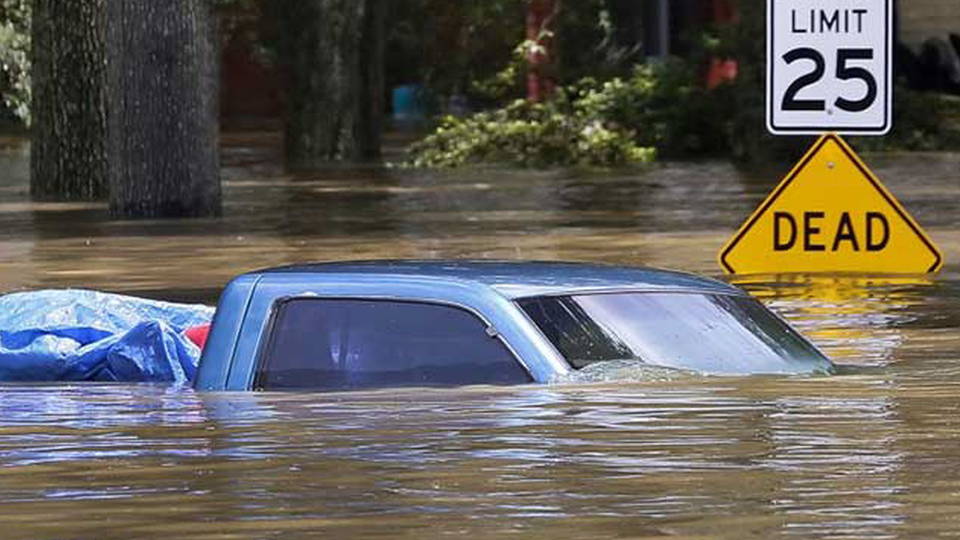 Scientists say they’ve linked climate change to torrential rain and flooding along the Gulf Coast, such as the deadly flooding in Louisiana in August. The flooding last month killed 13 people and displaced tens of thousands from their homes. Scientists from the National Oceanic and Atmospheric Administration and others say global warming makes it at least 40 percent more likely the U.S. Gulf Coast will be inundated by historic downpours. August was the wettest month in Baton Rouge in 174 years, when record keeping began.
TOPICS:
Climate Change
Deadly Flooding Kills 10 in Guatemala and 4 in Greece
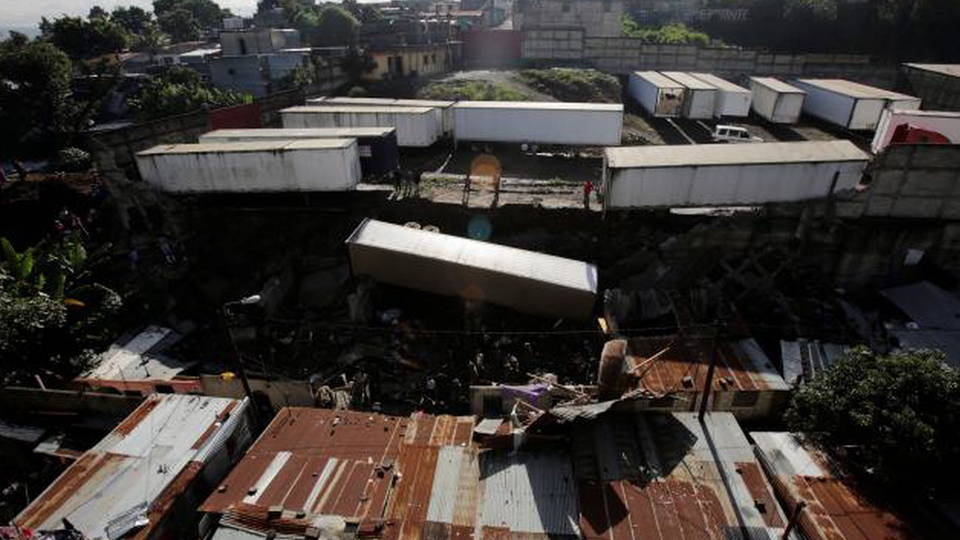 This comes as both Guatemala and Greece experience deadly rainfall and flooding. In Guatemala, at least 10 people have died in mudslides amid intense rainfall outside Guatemala City. Meanwhile, flash flooding in Greece has killed at least four people amid torrential downpours in the southern and northern parts of Greece.
TOPICS:
Guatemala
Greece
Climate Change
Trump at National Security Forum: Take the Oil
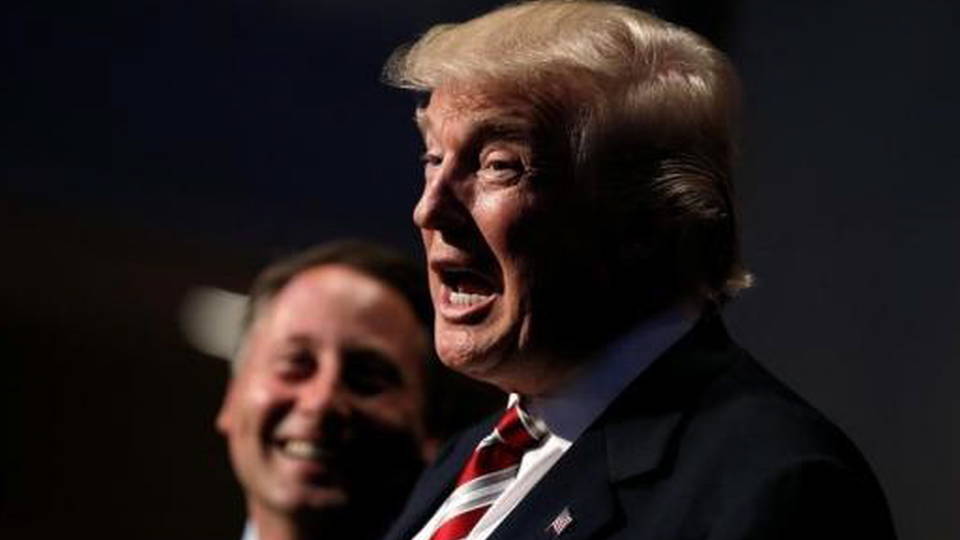 In news from the campaign trail, Hillary Clinton and Donald Trump both spoke at a national security forum held on the Intrepid, a decommissioned aircraft carrier, in New York City Wednesday night. This is Donald Trump.
Donald Trump: "I’ve always said: Shouldn’t be there, but if we’re going to get out, take the oil. If we would have taken the oil, you wouldn’t have ISIS, because ISIS formed with the power and the wealth of that oil."
Moderator: "How were we going to take the oil? How were we going to do that?"
Donald Trump: "Just you would leave a certain group behind, and you would take various sections where they have the oil."
Trump also said U.S. generals have been reduced to "rubble."
TOPICS:
Hillary Clinton
Donald Trump
2016 Election
Clinton Pledges No Troops in Iraq & Syria Even Though U.S. Already Has Troops There
Moderator: "How were we going to take the oil? How were we going to do that?"
Donald Trump: "Just you would leave a certain group behind, and you would take various sections where they have the oil."
Trump also said U.S. generals have been reduced to "rubble."
TOPICS:
Hillary Clinton
Donald Trump
2016 Election
Clinton Pledges No Troops in Iraq & Syria Even Though U.S. Already Has Troops There
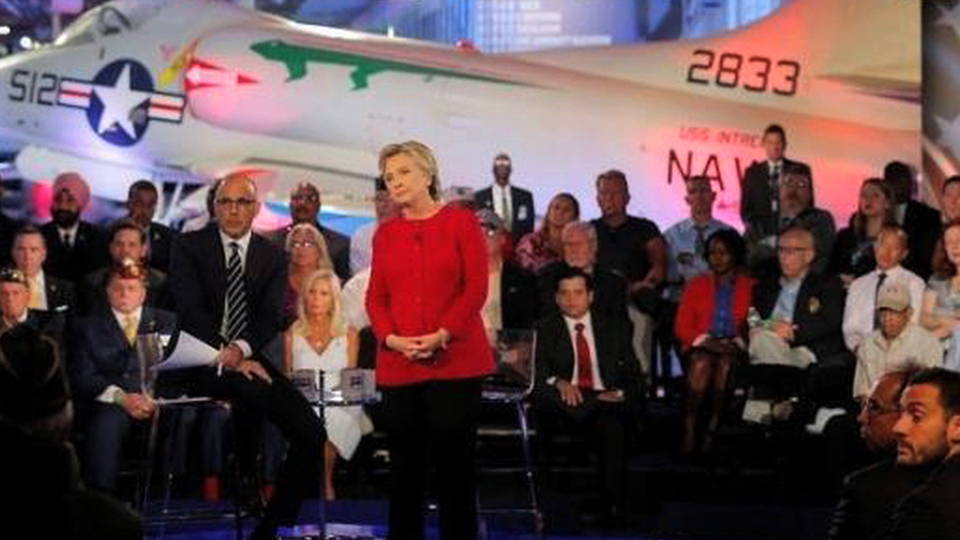 Meanwhile, Hillary Clinton said she would not deploy ground troops into Iraq and Syria.
Hillary Clinton: "We are not putting ground troops into Iraq ever again, and we’re not putting ground troops into Syria. We’re going to defeat ISISwithout committing American ground troops."
There are already thousands of U.S. troops currently in Iraq and Syria.
TOPICS:
Hillary Clinton
Iraq
Syria
VP Pick Mike Pence Contradicts Trump's Birther Claims
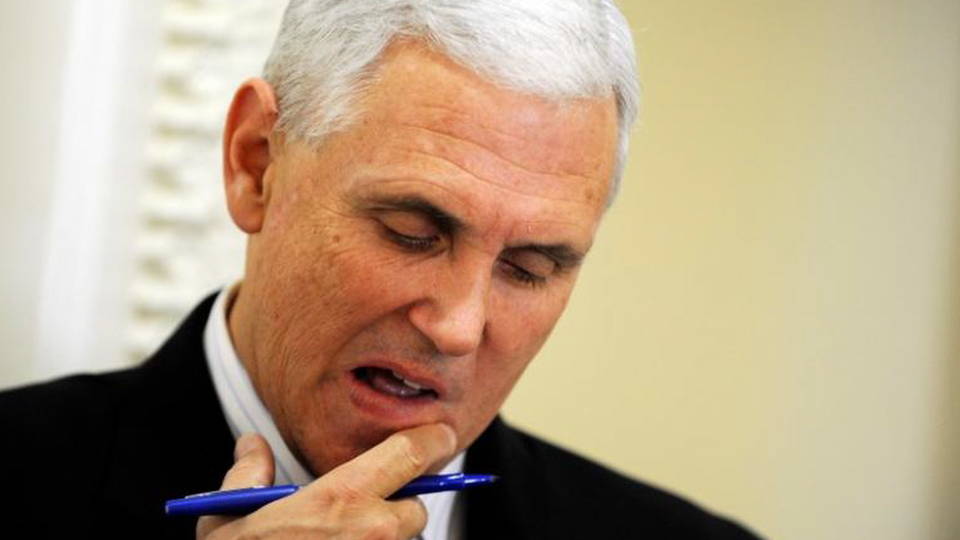 Donald Trump’s running mate, Indiana Governor Mike Pence, has contradicted Trump, saying he does not question whether President Obama was born in the United States. Over the years, Trump has repeatedly made false claims that Obama was not born in the U.S. Speaking to reporters on Wednesday, Pence said, "I believe Barack Obama was born in Hawaii. I accept his birthplace." Donald Trump, however, did not revise his position during a Fox interview with Bill O’Reilly on Tuesday.
Bill O’Reilly: "Do you think your birther position has hurt you among African Americans?"
Donald Trump: "I don’t know. I have no idea. I don’t even talk about it anymore, Bill.
Bill O’Reilly: "No, I know."
Donald Trump: "Because, you know, I just don’t bother talking about it."
Bill O’Reilly: "But it’s there, it’s on the record."
Donald Trump: "But I don’t know. I guess—I guess with maybe some. I don’t know why. I really don’t know why. But I don’t think—very few people—you’re the first one that’s brought that up in a while."
TOPICS:
Donald Trump
2016 Election
Mexican Finance Minister Resigns After Trump Visit
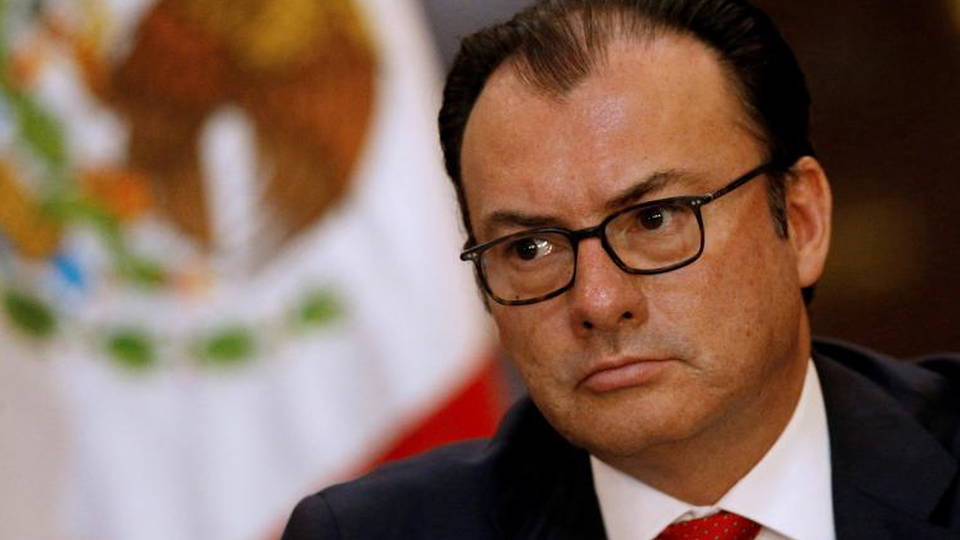 In Mexico, the finance minister has been ousted following Donald Trump’s visit to Mexico City, where Trump met with Mexican President Enrique Peña Nieto. Finance Minister Luis Videgaray was the main architect of Trump’s visit, which sparked outrage across Mexico. Only hours after Trump and Peña Nieto’s meeting, Trump gave a fiery anti-immigration speech in Phoenix, where he pledged to deport 2 million people within his first hour in office.
TOPICS:
Mexico
Donald Trump
In Laos, Obama Questioned About Dakota Access Pipeline
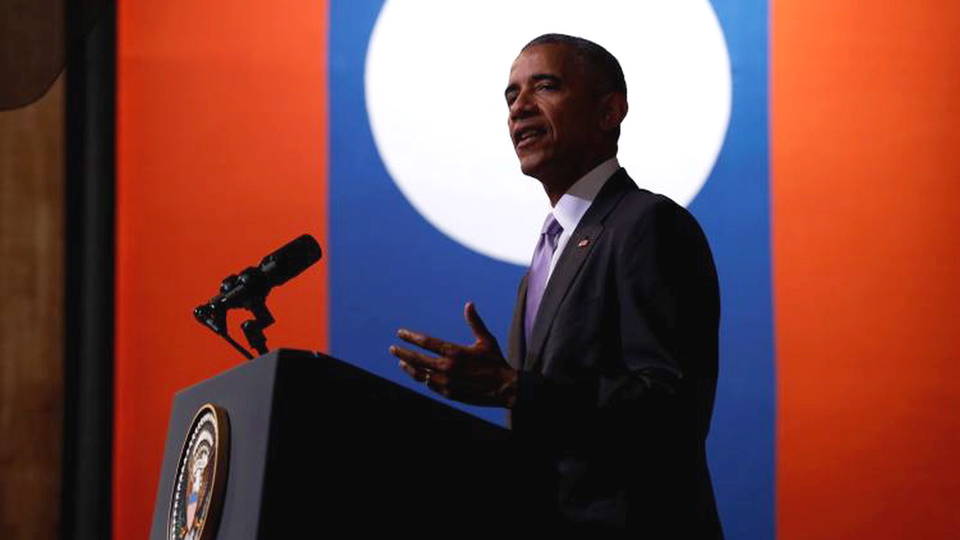 Obama continues his historic trip to Laos, where he briefly spoke with Philippine President Rodrigo Duterte ahead of a dinner. The informal meeting came after Obama canceled a more formal sit-down with Duterte, after Duterte called Obama a "son of a whore." Meanwhile, while taking questions at a news conference in Laos, Obama was asked about the Dakota Access pipeline by a Malaysian woman.
Malaysian woman: "My question is: In your capacity, what can you do to ensure the protection of the ancestral land, the supply of clean water and also environmental justice is upheld?"
President Barack Obama: "Well, it’s a great question. As many of you know, the way that Native Americans were treated was tragic. And one of the priorities that I’ve had as president is restoring an honest and generous and respectful relationship with Native American tribes. I can’t give you details on this particular case. I’d have to go back to my staff and find out how are we doing on this one."
TOPICS:
Dakota Access Pipeline
More Tribes Head to Standing Rock on Canoe Paddle Down Missouri River
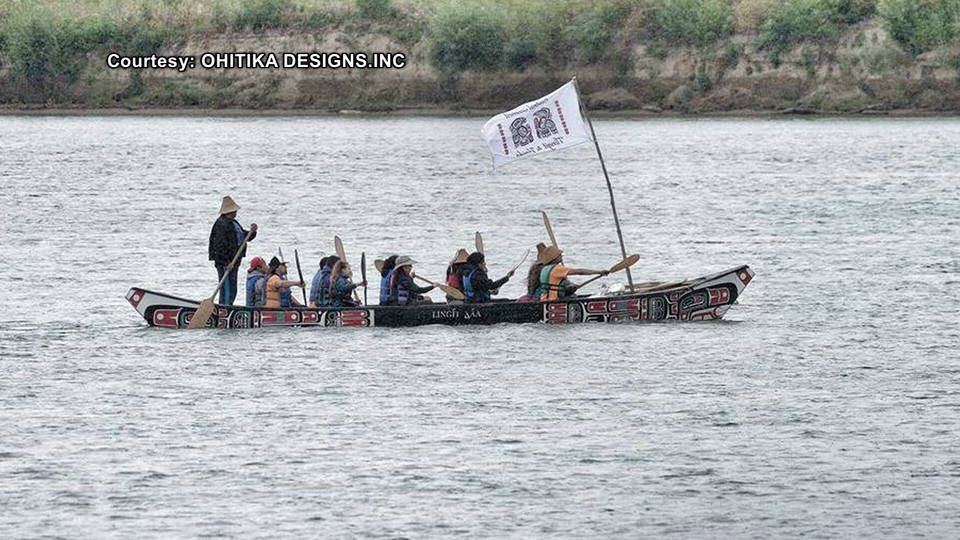 This comes as resistance to the Dakota Access pipeline builds across the United States. A group of nearly 20 canoes has launched from Bismarck and is making its way down the Missouri River on a three-day paddle to the Standing Rock Sioux Reservation. One of the canoe crews hails from the Tlingit and Haida tribes in Alaska.
TOPICS:
Dakota Access Pipeline
Indigenous
Native American
Minneapolis: Protesters Demand U.S. Bank Stop Funding Dakota Access
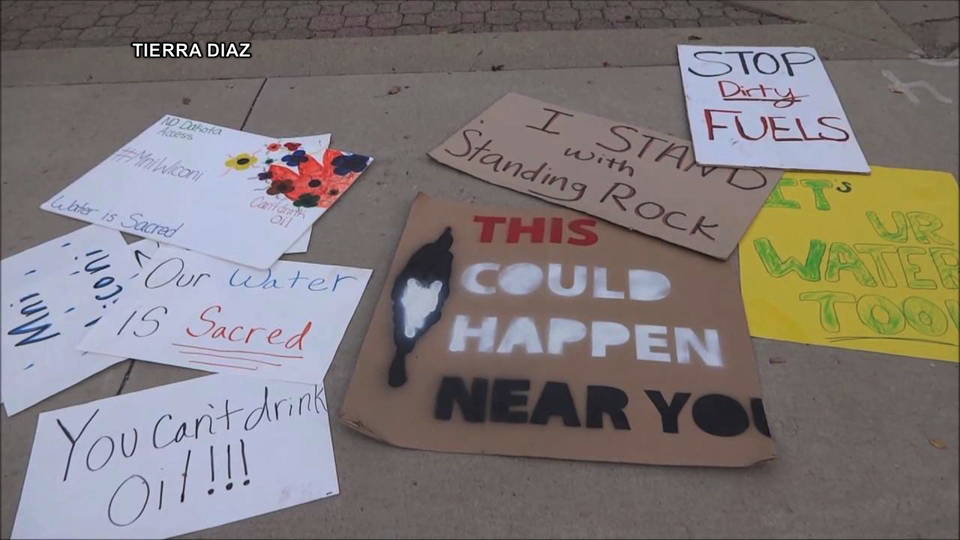 In Minneapolis on Wednesday, dozens protested outside U.S. Bank, demanding it stop funding the pipeline. According to an investigation published by LittleSis, U.S. Bank has extended a $175 million credit line to Energy Transfer Partners, the company behind the pipeline.
TOPICS:
Dakota Access Pipeline
Natural Gas & Oil Drilling
Jill Stein & Ajamu Baraka Face Charges after Graffitiing Dakota Access Machines
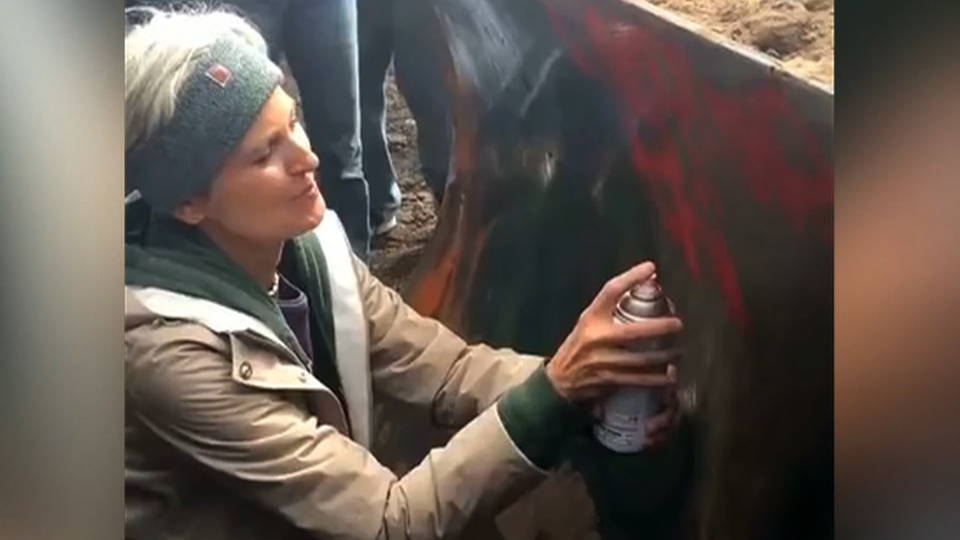 Meanwhile, Green Party presidential nominee Dr. Jill Stein and her running mate, human rights activist Ajamu Baraka, are facing misdemeanor charges in North Dakota after Stein spray-painted "I approve of this message" on a bulldozer, and Baraka spray-painted "decolonization" on another piece of equipment, during a protest Tuesday against the construction of the Dakota Access pipeline. Baraka and Stein will only be arrested if they return to North Dakota.
TOPICS:
Green Party
Jill Stein
2016 Election
Did Guard on Site at Saturday's Standoff at Standing Rock Work with Private Security Co. Torchlight?
Green Party
Jill Stein
2016 Election
Did Guard on Site at Saturday's Standoff at Standing Rock Work with Private Security Co. Torchlight?
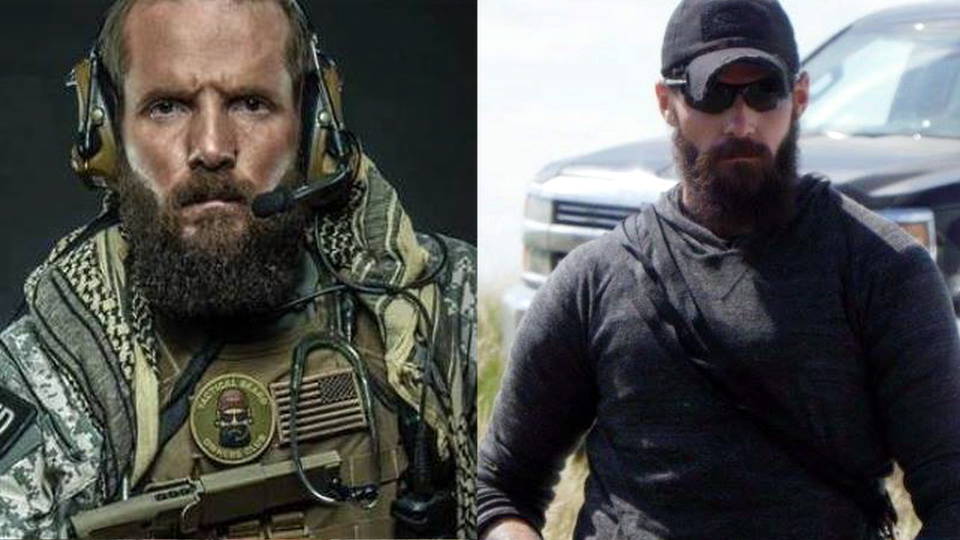 More details may have emerged about the standoff on Saturday. While it is not yet known which security company working for Dakota Access was responsible for attacking Native Americans with dogs and pepper spray, it has emerged that one of the security guards on site may be an Air Force and Army veteran who now works with a security company called Torchlight USA, LLC. Torchlight was founded by a former Marine officer, Eric Kirsch, whose LinkedIn profile says he went on to do private consulting for the State Department. Internal company documents say Torchlight provides "consulting in direct support to US Government, NATO Coalition, and Corporate initiatives." The security guard, Landon Steele, is listed on Torchlight’s website as a company officer and adviser. He appears to be the same man photographed multiple times at the site of Saturday’s conflict, at times holding a dog.
TOPICS:
Dakota Access Pipeline
Britain & France Pledge to Build Wall at Calais Refugee Camp
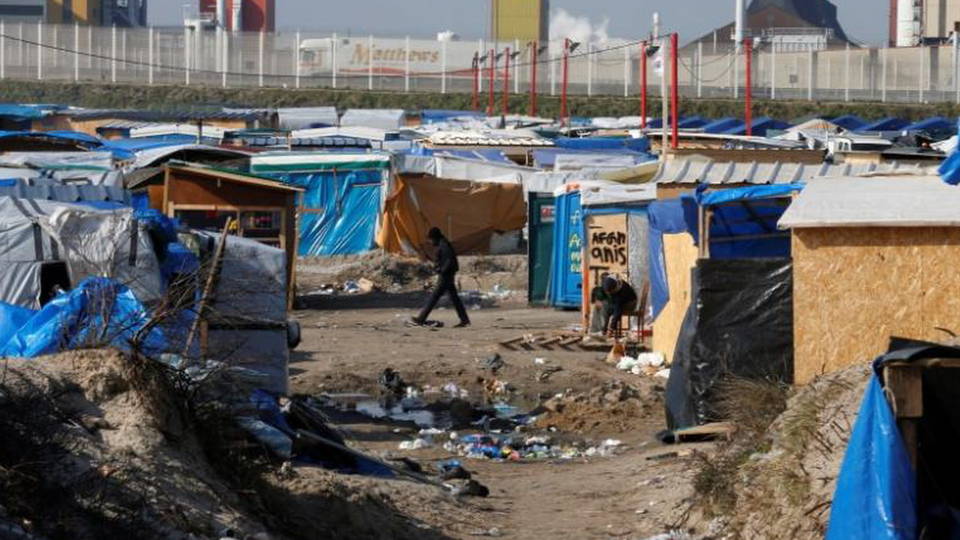 Britain and France have pledged to build a "big, new wall" in the French port city of Calais amid an increasing crackdown against the refugees living there, many of whom are seeking to reach Britain by stowing away on trucks and lorries headed through the Channel Tunnel. As many as 7,000 refugees are currently living in the Calais refugee camp, despite French authorities’ repeated efforts to attempt to close the camp. The proposed four-meter-high wall will seek to block refugees from entering the port’s main road. This comes as a newUNICEF report says 50 million children have been displaced worldwide. The number of unaccompanied children who have applied for asylum tripled between 2014 and 2015.
Connecticut Judge Orders State to Overhaul Public School System
 In Connecticut, a judge has ordered the state to fundamentally overhaul its public education system, saying Connecticut is "defaulting on its constitutional duty" and has "left rich school districts to flourish and poor school districts to flounder." The ruling is a response to a decade-long lawsuit arguing Connecticut has failed to provide adequate funding for its poorer school districts. But Wednesday’s ruling goes far beyond school funding and instead forces Connecticut to change everything from teacher pay to graduation requirements, in addition to school district financing.
Oakland Police Fire 4 Officers over Allegations of Statutory Rape, Human Trafficking
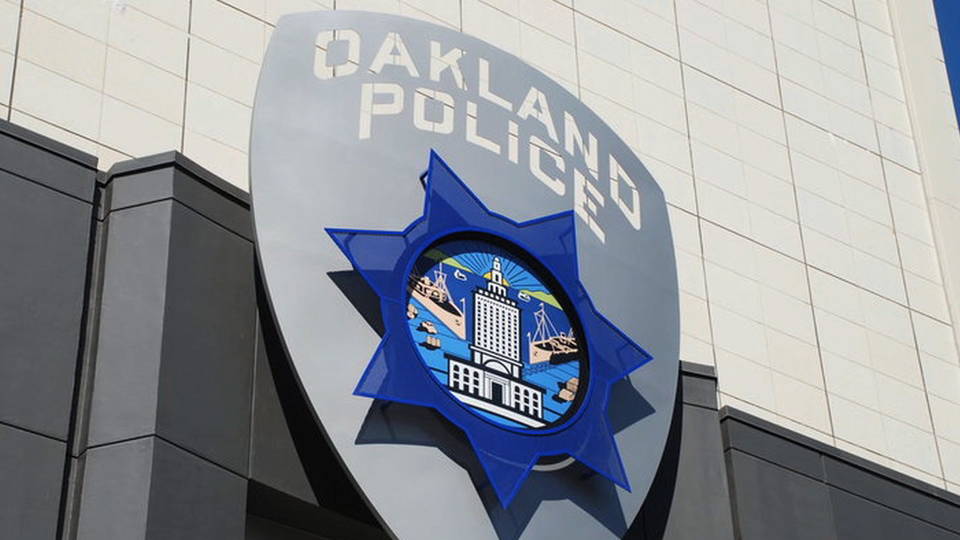 In California, the Oakland Police Department has fired four police officers and suspended seven others, amid a massive scandal in which multiple Oakland police officers are facing allegations of statutory rape and human trafficking after allegedly having sex with an underage girl. The revelations, which began in June, rocked the Oakland Police Department, forcing the ouster of three police chiefs within one week. Oakland city officials announced the firing and suspension of the police officers on Wednesday. However, none of the officers so far face criminal charges, despite allegations they engaged in statutory rape and human trafficking.
Immigrants Hold Sit-in at Kaine's Office Demanding Closure of Berks
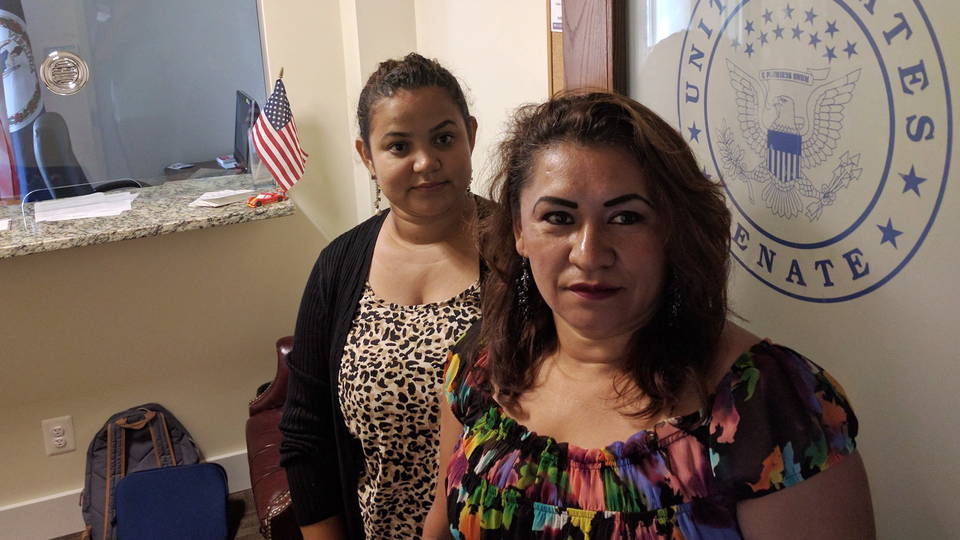 And on Wednesday, immigrants held a sit-in at the office of Hillary Clinton’s vice-presidential running mate, Senator Tim Kaine, in Manassas, Virginia. Among them were two women formerly held in family detention centers in Texas. They called on Kaine to take action to release 27 mothers who have been held with their children at the Berks Family Immigration Prison in Pennsylvania, in some cases for more than a year. Kaine’s office responded with a letter calling for five of the families at Berks to be allowed to live with relatives in Virginia. Activists say the letter is the first step toward a private bill that would automatically defer their deportations for the rest of the congressional session while they seek asylum. See our interview with one of the sit-in organizers.
Children Held at Berks Threaten School Strike Amid Parents' Hunger Strike
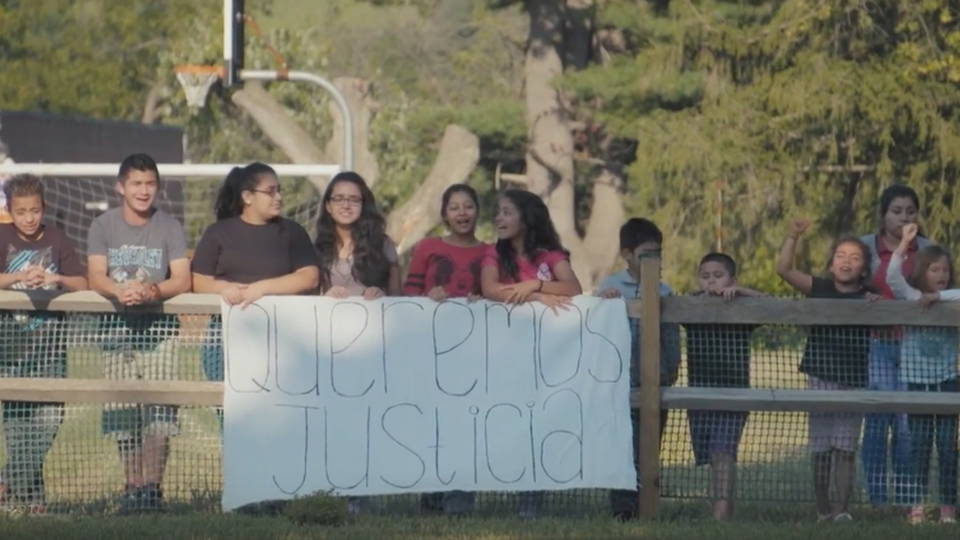 In related news, children held at Berks say they will begin a strike against their studies on September 15 if authorities do not respond by then to an ongoing hunger strike by their mothers to push for their release. The date is celebrated as Independence Day in Central America, where many of them are from. In a letter signed by students from 7th to 11th grade who have been detained almost 400 days, they say, "It hurts to know that as the school year starts, we are here imprisoned … when one of the reasons why we left our countries is that we could not attend classes because of the threats that schools receive. ... We have a hard time concentrating because of the frustration we feel to be here in jail as criminals when in reality we are not."
-------
Donate today:
Follow:


WEB EXCLUSIVE

Physician Who Cares for Torture Survivors: How U.S. Detains Refugee Women and Children is a Disgrace
DN! IN THE NEWS


"Standoff at Standing Rock: Even Attack Dogs Can't Stop the Native American Resistance" by Amy Goodman & Denis Moynihan
The Missouri River, the longest river in North America, has for thousands of years provided the water necessary for life to the region’s original inhabitants. To this day, millions of people rely on the Missouri for clean drinking water. Now, a petroleum pipeline, called the Dakota Access Pipeline, is being built, threatening the river. A movement has grown to block the pipeline, led by Native American tribes that have lived along the banks of the Missouri from time immemorial. Members of the Dakota and Lakota nations from the Standing Rock Sioux Reservation established a camp at the confluence of the Missouri and Cannonball rivers, about 50 miles south of Bismarck, North Dakota. They declare themselves “protectors, not protesters.” Last Saturday, as they attempted to face down massive bulldozers on their ancient burial sites, the pipeline security guards attacked the mostly Native American protectors with dogs and pepper spray as they resisted the $3.8 billion pipeline’s construction, fighting for clean water, protection of sacred ground and an end to our fossil-fuel economy.
Standing Rock Sioux set up the first resistance encampment in April, calling it Sacred Stone. Now there are four camps with more than 1,000 people, mostly from Native American tribes in the U.S. and Canada. “Water is Life” is the mantra of this nonviolent struggle against the pipeline that is being built to carry crude oil from the Bakken oil fields of North Dakota to Illinois.
Saturday was a beautiful, sunny day. Together with Laura Gottesdiener and John Hamilton of “Democracy Now!,” we spent the morning filming interviews. That afternoon, delegations walked down the road to plant their tribal flags in the path of the proposed pipeline. Many were shocked to see large bulldozers actively carving up the land on Labor Day weekend.
Hundreds of people, mostly Native Americans, lined the route, yelling for the destruction to stop. A group of women began shaking the ranch fencing, and without much effort it fell over. The land defenders began pouring through. Several young men from the camp arrived on horseback.
The bulldozers retreated, but the security guards attempted to repel the land defenders, unleashing at least half a dozen vicious dogs, who bit both people and horses. One dog had blood dripping from its mouth and nose. Undeterred, the dog’s handler continued to push the dog into the crowd. The guards pepper-sprayed the protesters, punched and tackled them. Vicious dogs like mastiffs have been used to attack indigenous peoples in the Americas since the time of Christopher Columbus and the Spanish conquistadors who followed him. In the end, the violent Dakota Access guards were forced back.
This section of the pipeline path contained archeological sites, including Lakota/Dakota burial grounds. The tribe had supplied the locations of the sites in a court filing just the day before, seeking a temporary halt to construction to fully investigate them. With those locations in hand, the Dakota Access Pipeline crew literally plowed ahead. Standing Rock Sioux Tribal Chairman David Archambault told us on the “Democracy Now!” news hour: “They were using the dogs as a deadly weapon. ... They knew something was going to happen when they leapfrogged over 15 miles of undisturbed land to destroy our sacred sites ... they were prepared. They hired a company that had guard dogs, and then they came in, and then they waited. And it was —by the time we saw what was going on, it was too late. Everything was destroyed. They desecrated our ancestral gravesites. They just destroyed prayer sites.”
At the camp, we interviewed Winona LaDuke, an Ojibwe leader from the White Earth Nation in northern Minnesota. She recently led a campaign that succeeded in blocking another pipeline that threatened the White Earth’s territory. She commented on North Dakota Gov. Jack Dalrymple’s support of suppression of the Standing Rock protests: “You are not George Wallace, and this is not Alabama. This is 2016, and you don’t get to treat Indians like you have for those last hundred years. We’re done.”
The battle against the Dakota Access Pipeline is being waged as a renewed assertion of indigenous rights and sovereignty, as a fight to protect clean water, but, most importantly, as part of the global struggle to combat climate change and break from dependence on fossil fuels. At the Sacred Stone, Red Warrior and other camps at the confluence of the Missouri and Cannonball rivers, the protectors are there to stay, and their numbers are growing daily.
-------
WORK WITH DN!

Senior TV Producer
SPEAKING EVENTS

9/9 Toronto, ON
9/10 Toronto, ON
207 West 25th Street, 11th Floor
New York, New York 10001, United States
-------
-------

No comments:
Post a Comment